Can a Punctured Tyre Be Repaired?
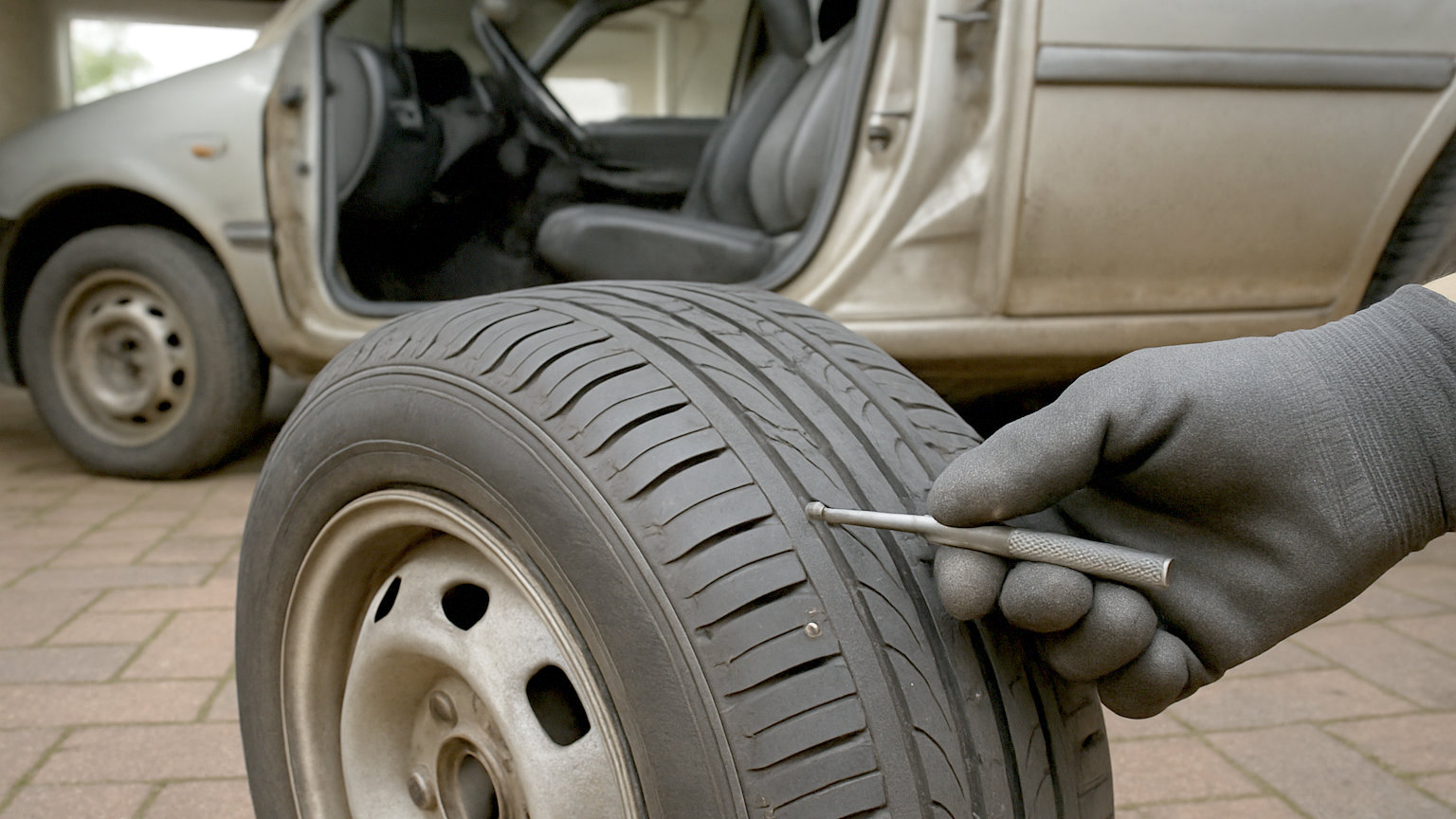
Some punctures can be repaired to a recognised standard and many cannot, and where the damage sits is what decides it.
By Car Problems Team
11 Feb 2026

Brakes, tyres and wheels are the parts that decide whether everything else on the car matters, and they are also the parts that fail politely - a squeal you get used to, a pull to the left you steer around without noticing. These guides cover the corners of the car: what each noise means, how to read the wear pattern across a tyre, and why a car that pulls, shudders or hums at speed is usually telling you about one specific component. None of it is worth putting off, and most of it is cheaper caught early.
Some punctures can be repaired to a recognised standard and many cannot, and where the damage sits is what decides it.
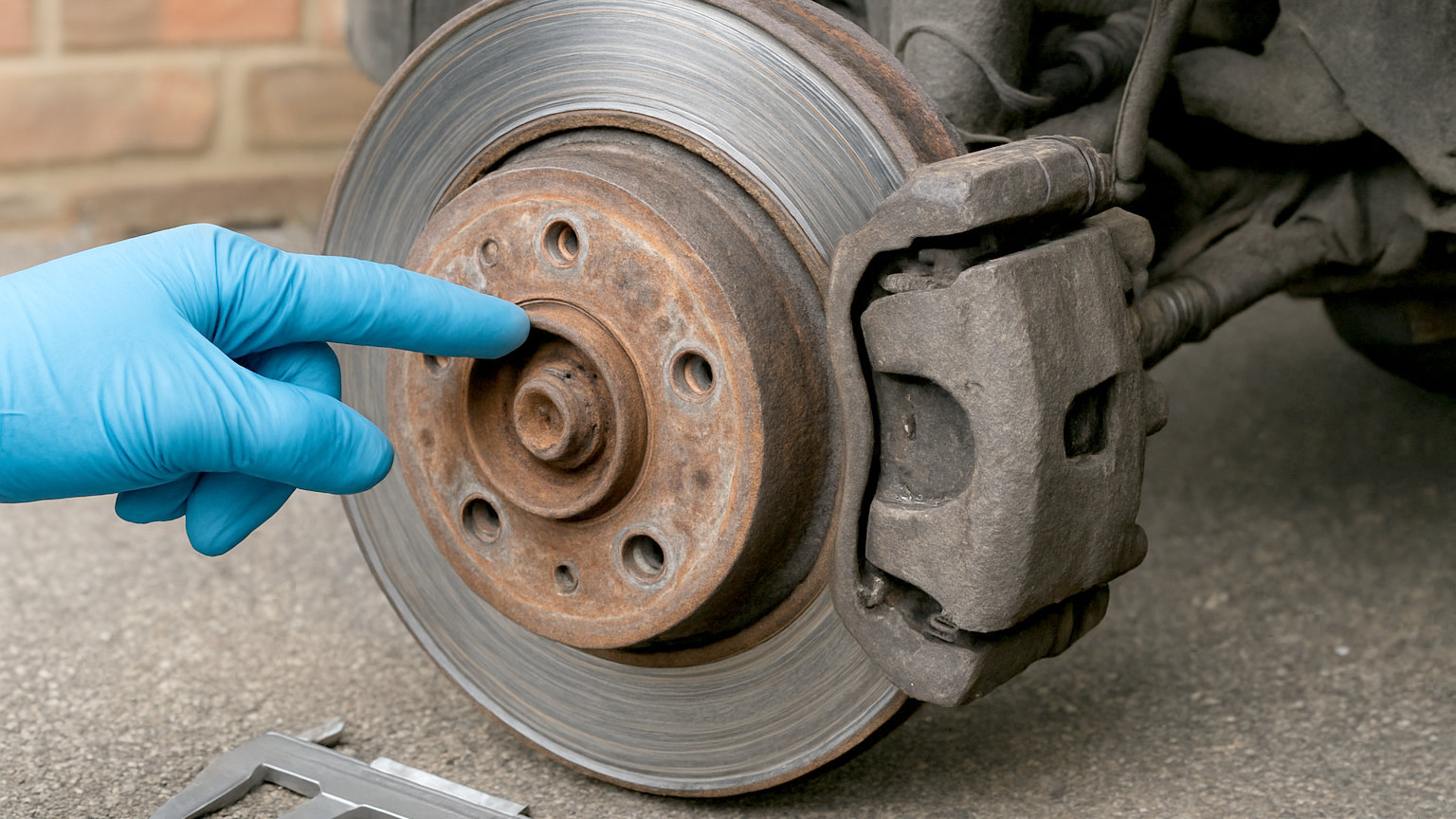
Overnight surface rust on the discs is scrubbed off in the first few applications, which is why so many cars are noisy for the first minute.
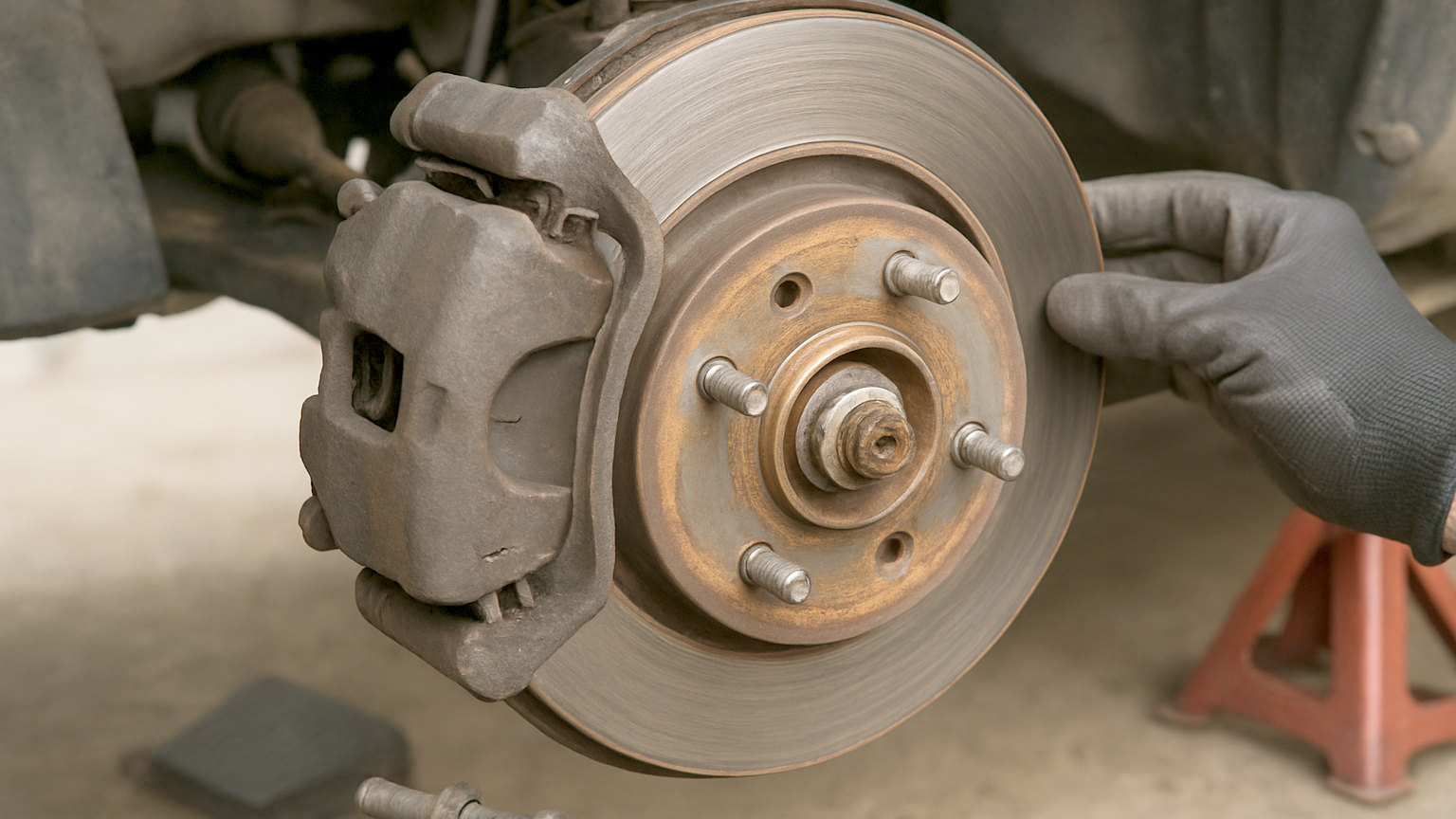
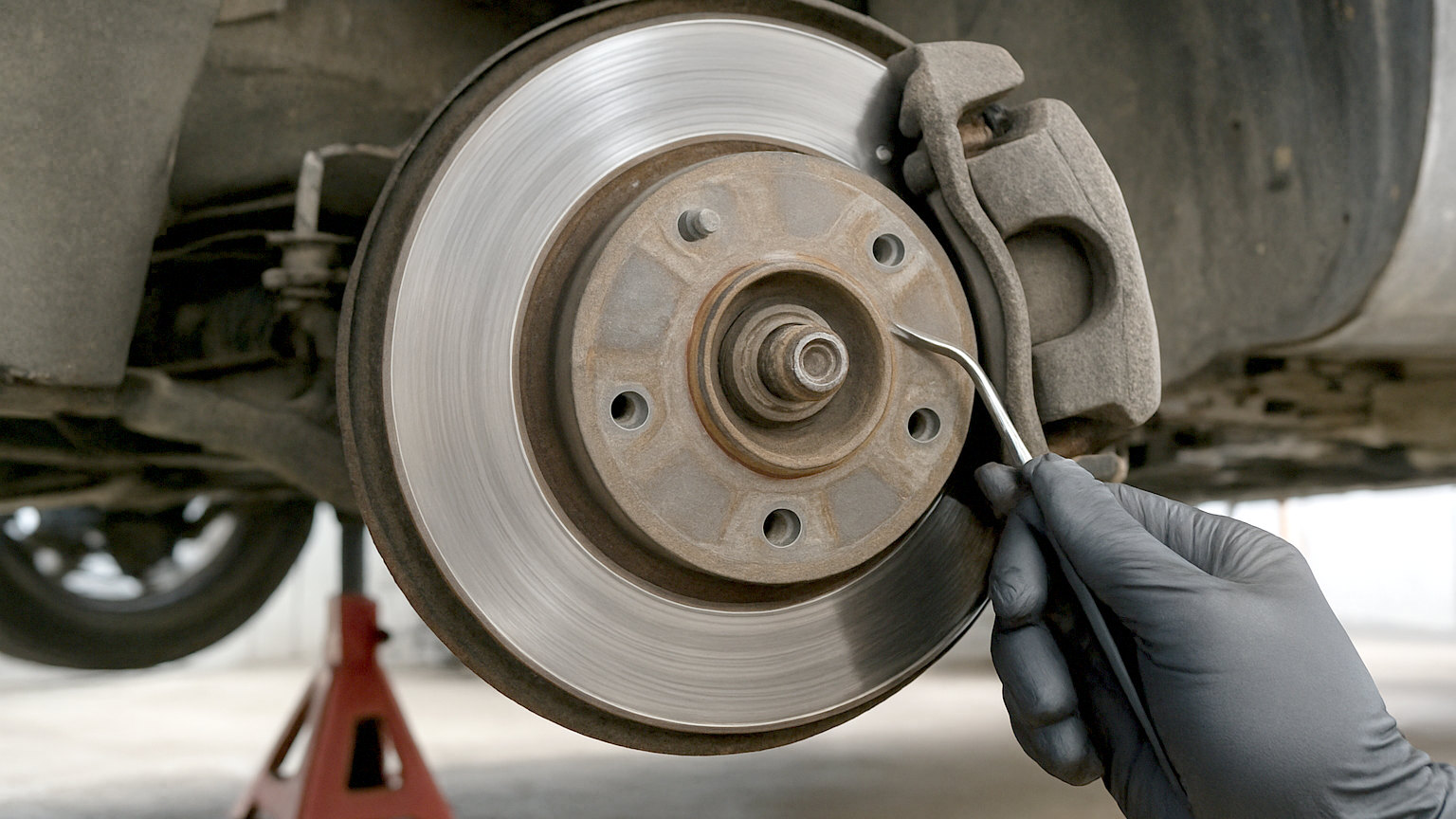
Discs wear as well as pads, and the minimum figure stamped on them is a safety limit rather than a suggestion.
Oversteer is the rear tyres losing grip first, and the correct response is counterintuitive enough that it is worth understanding in advance.
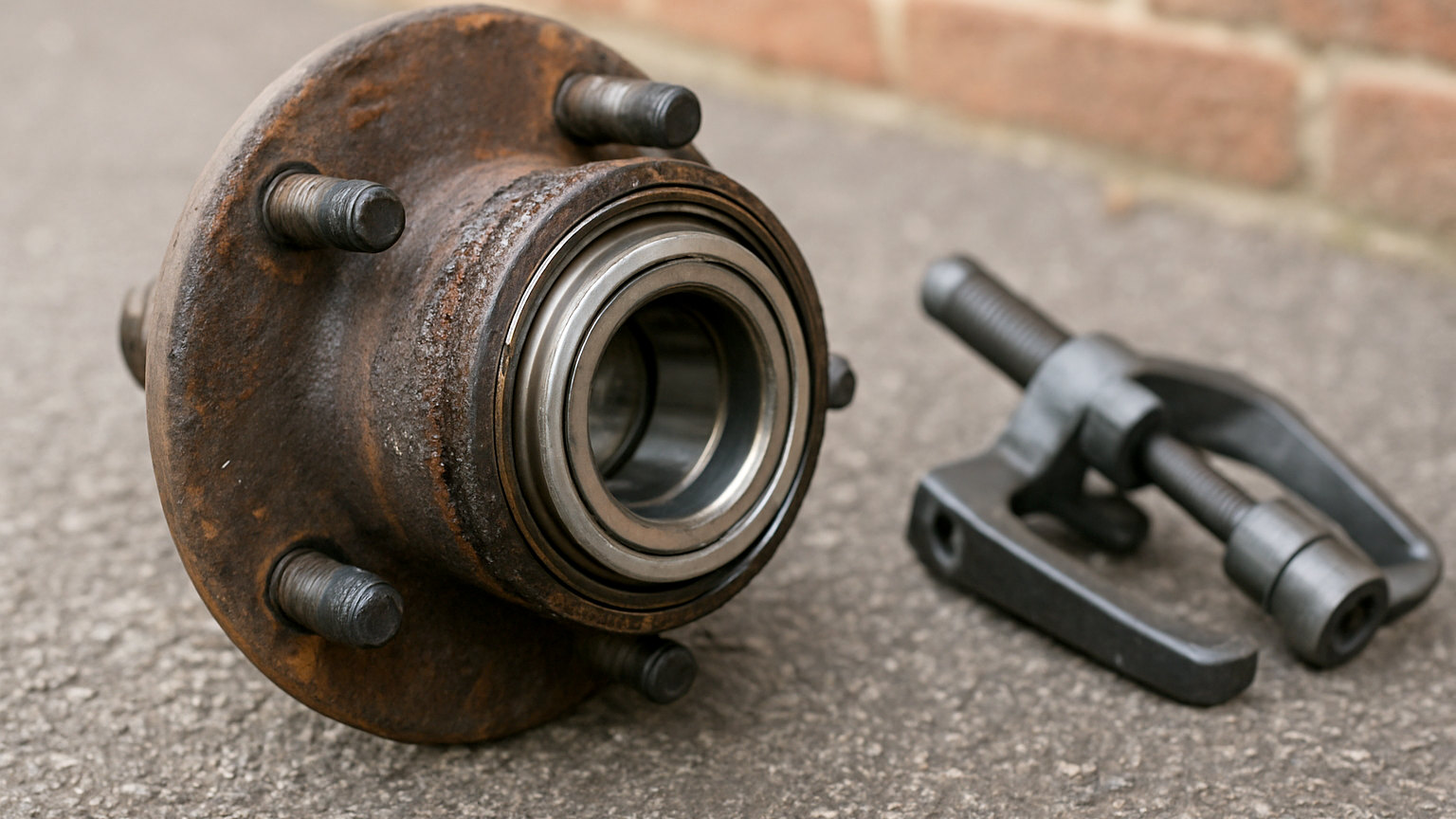
A wheel bearing carries the weight of the car while letting the wheel spin freely, and it does so under loads most people never consider.
Toe is whether the wheels point inwards or outwards, and it is both the most influential setting and the one most easily disturbed.
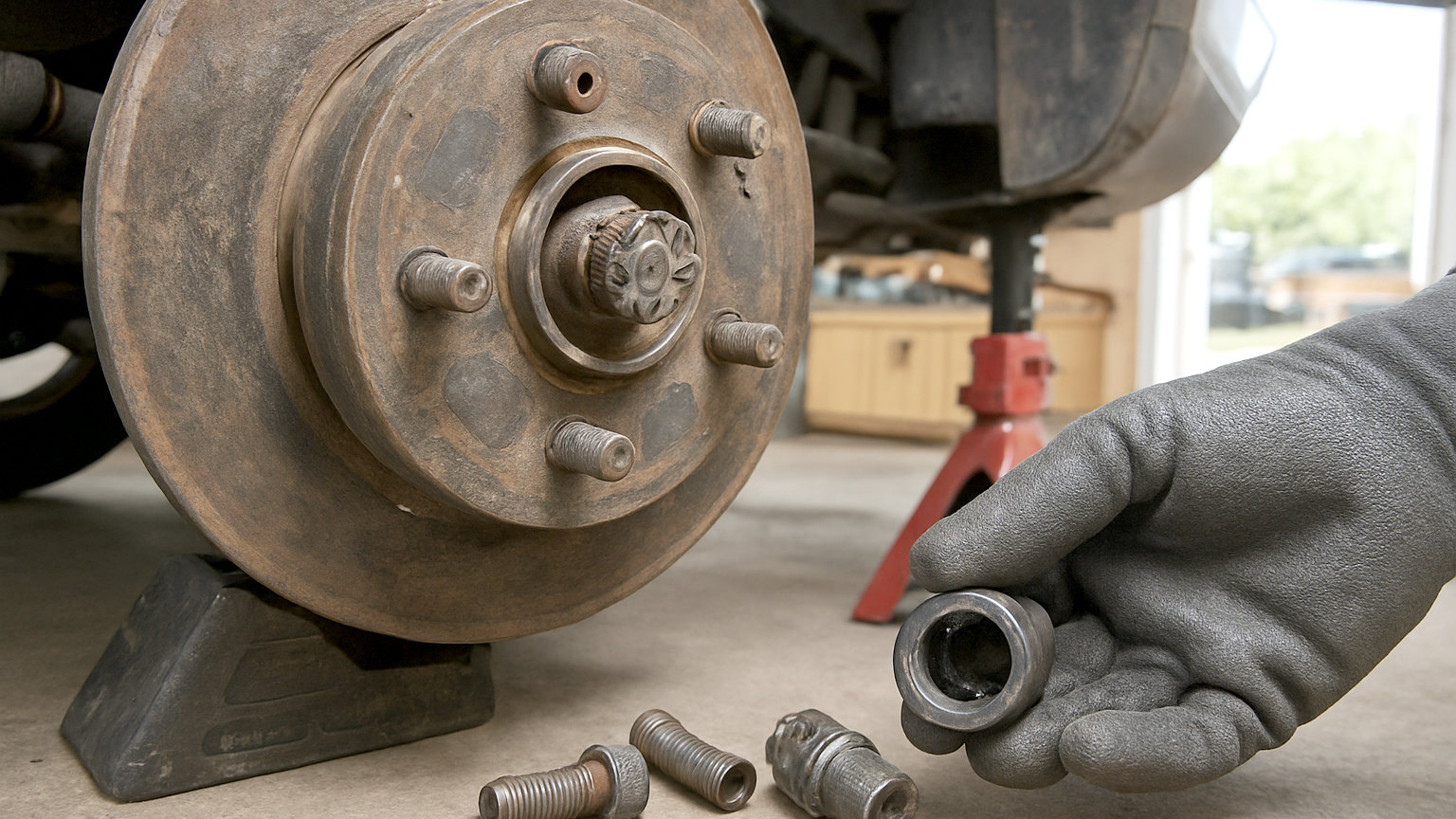
A lost key turns a puncture into a recovery call, and the solutions range from ordering a replacement to destructive removal.
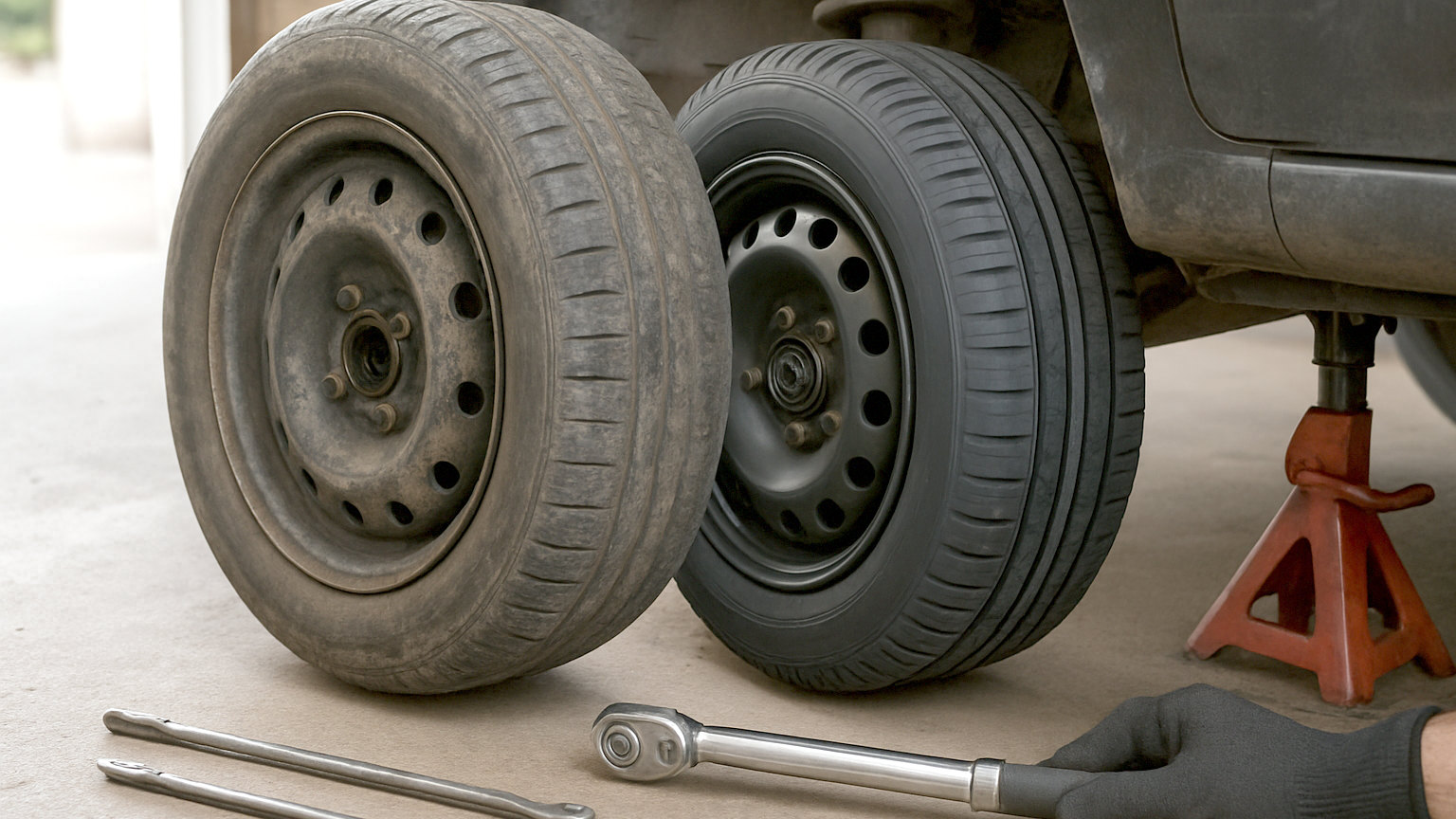
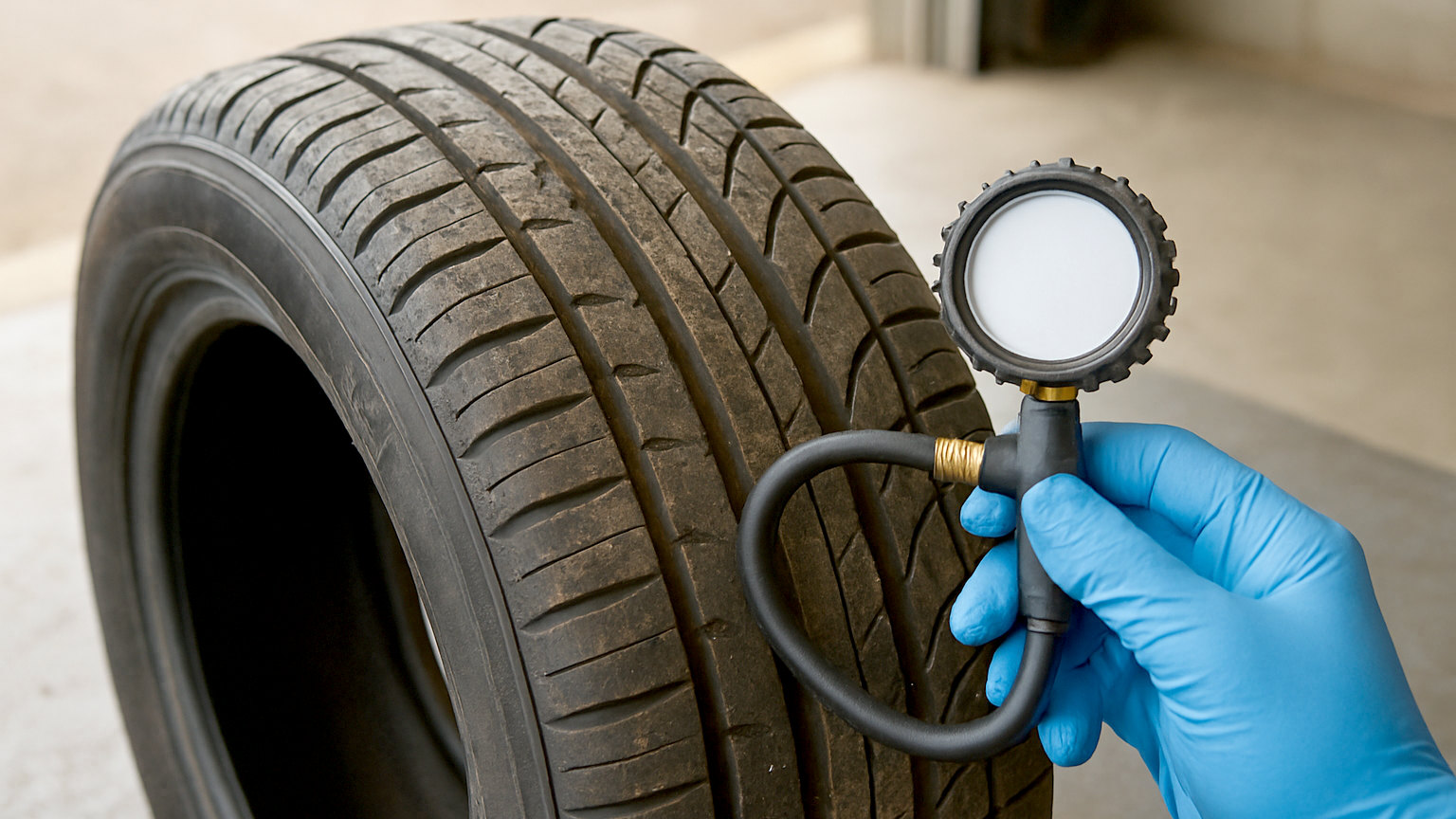
Pressures must be checked cold and against the figure on the car rather than the tyre, and both details are routinely got wrong.
Grinding usually means the friction material has gone entirely and the backing plate is cutting into the disc with every application.
Pads give several kinds of warning, and the ones you hear arrive considerably later than the ones you can see.