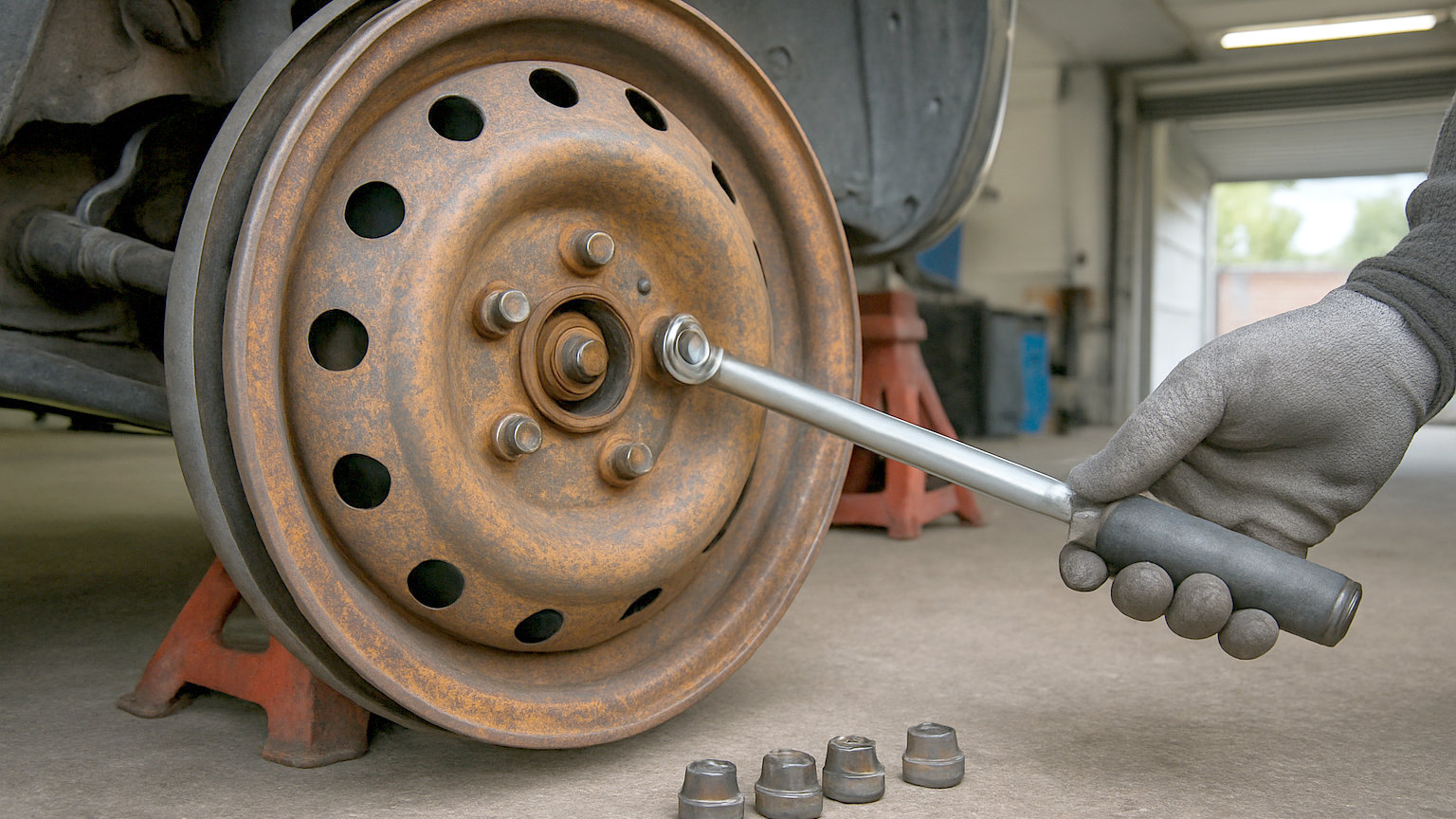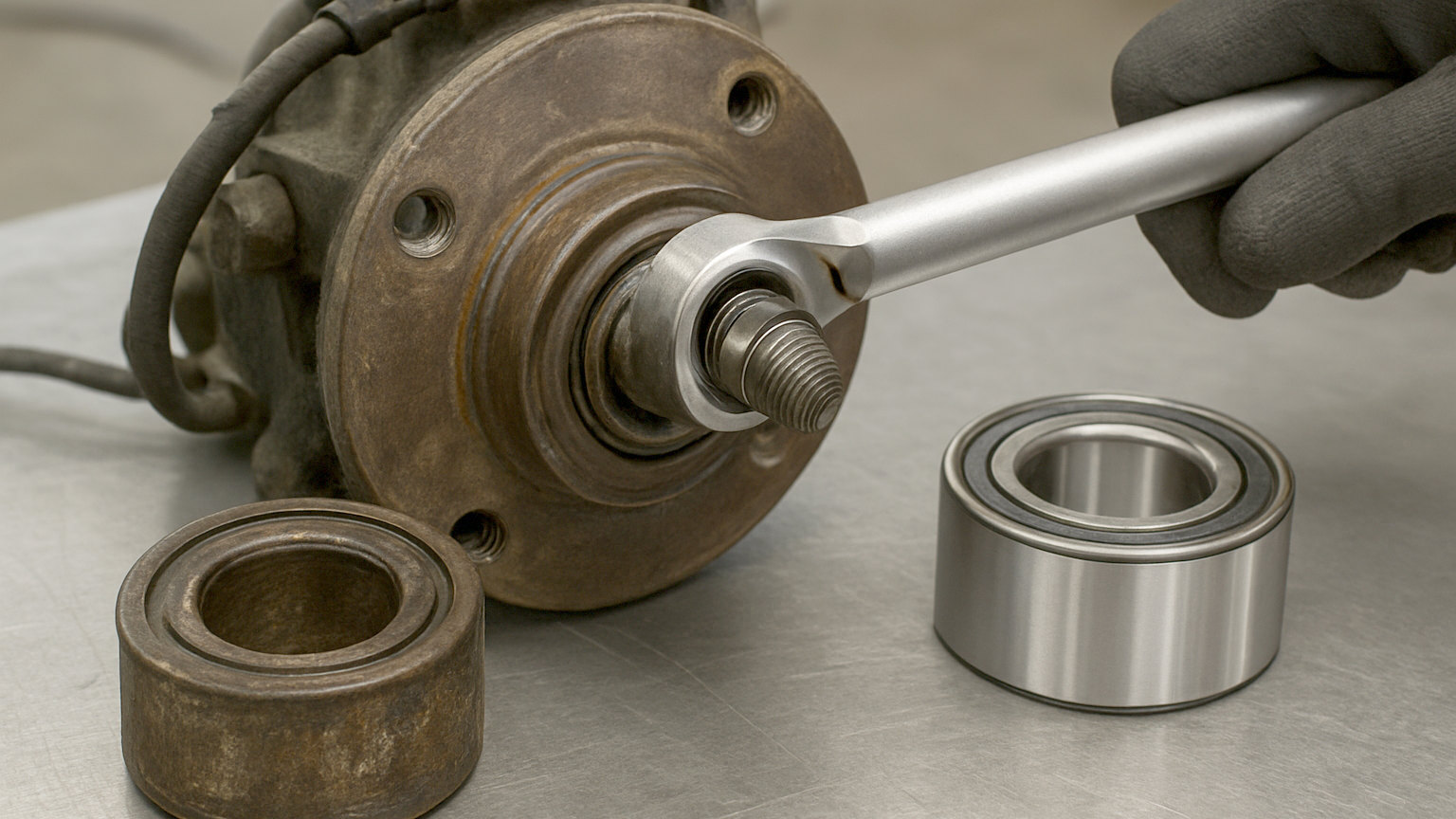
Why Does Wheel Bearing Torque Matter So Much?
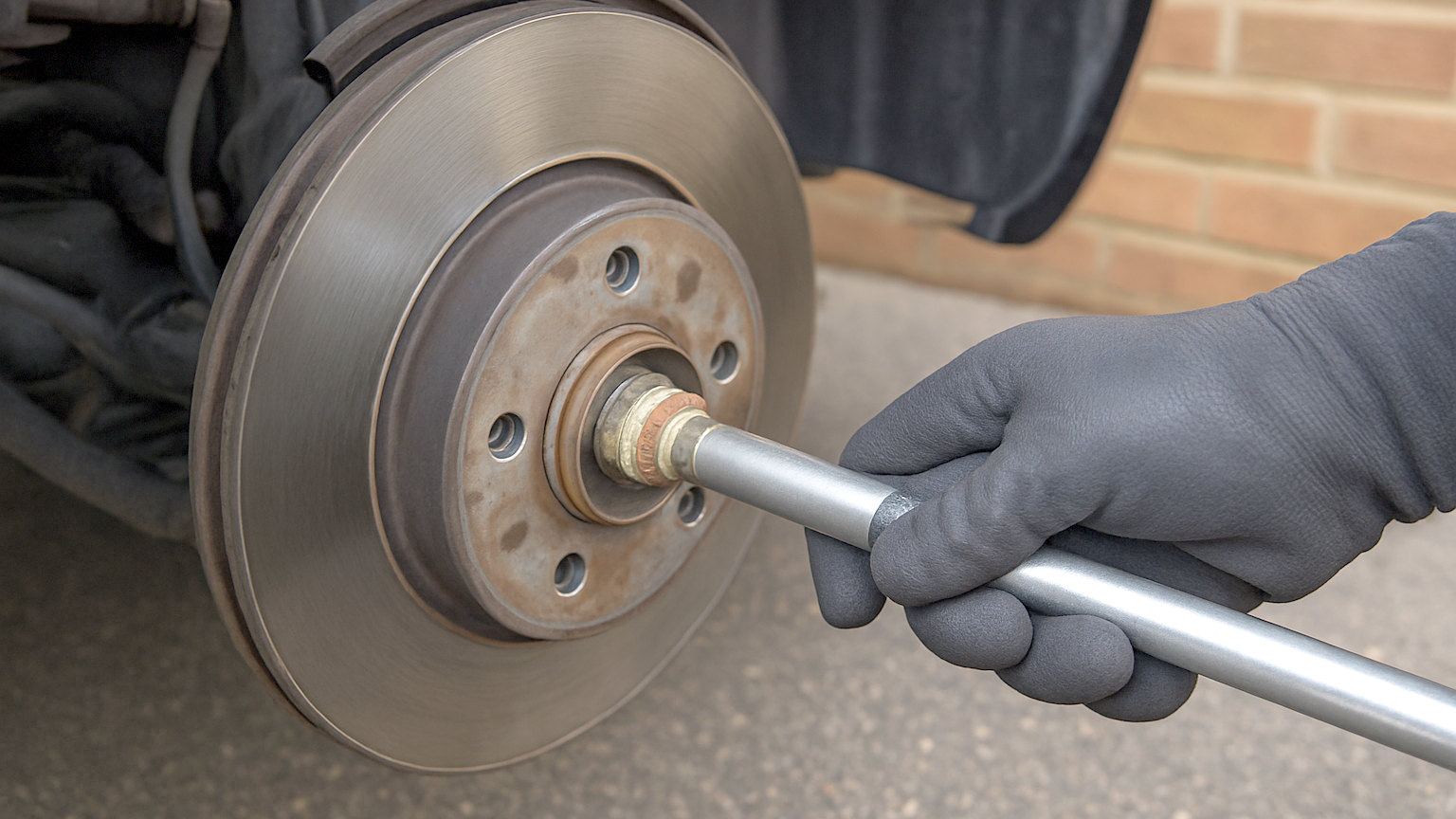
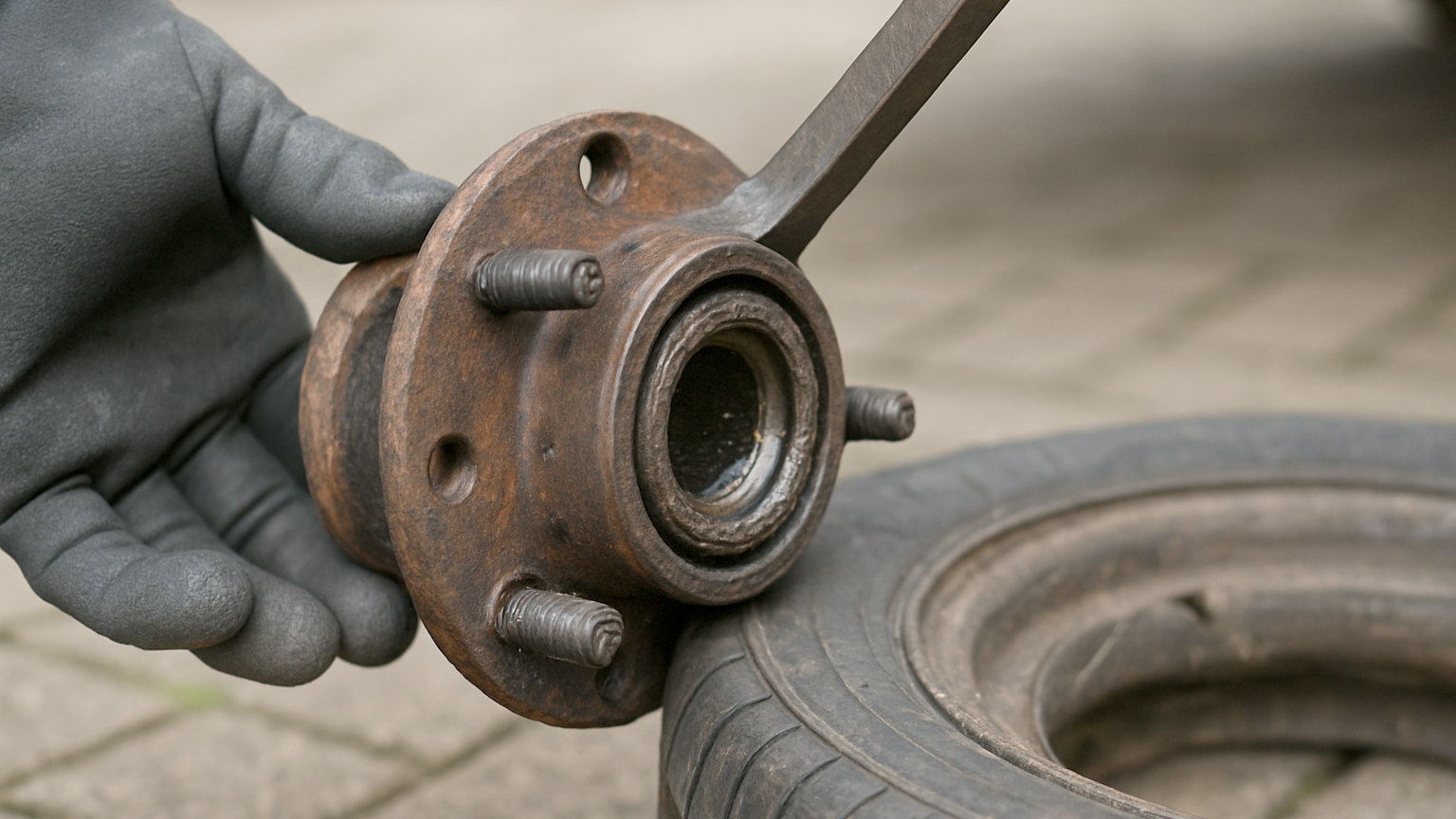
On many designs the driveshaft nut sets the bearing preload, so the torque figure determines whether it lasts a decade or a year.
By Car Problems Team
2 May 2026

Brakes, tyres and wheels are the parts that decide whether everything else on the car matters, and they are also the parts that fail politely - a squeal you get used to, a pull to the left you steer around without noticing. These guides cover the corners of the car: what each noise means, how to read the wear pattern across a tyre, and why a car that pulls, shudders or hums at speed is usually telling you about one specific component. None of it is worth putting off, and most of it is cheaper caught early.
On many designs the driveshaft nut sets the bearing preload, so the torque figure determines whether it lasts a decade or a year.
Lowering changes camber and toe automatically, and correcting the result usually needs adjustable components the car was never fitted with.
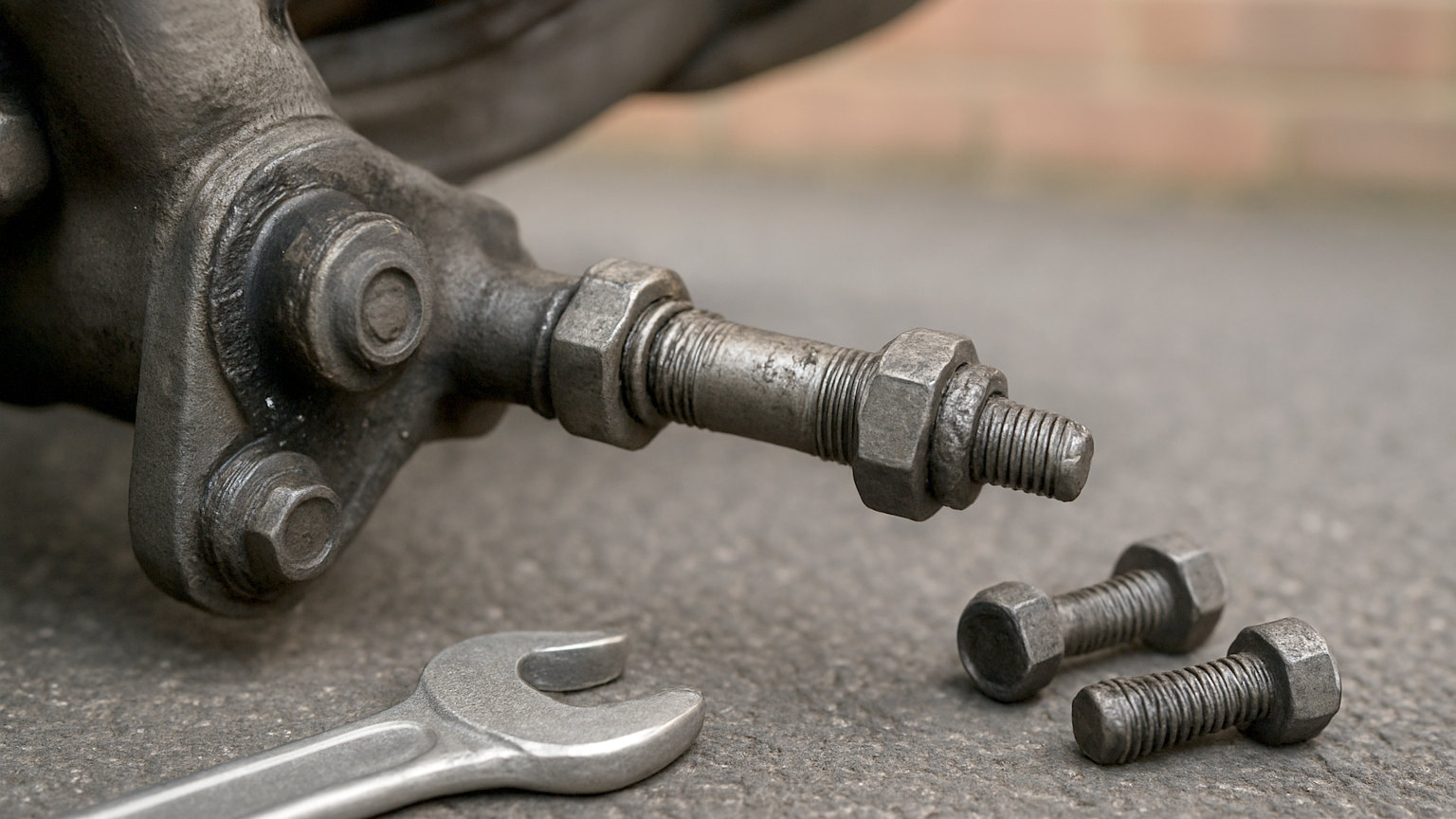
Wheel fixings live in the worst environment on the car, and a seized one discovered at the roadside is a genuine problem.
Independent testing consistently shows large differences in wet braking between premium and budget tyres, often measured in car lengths.
Both produce noise from the same corner of the car, and one simple question about the brake pedal separates them immediately.
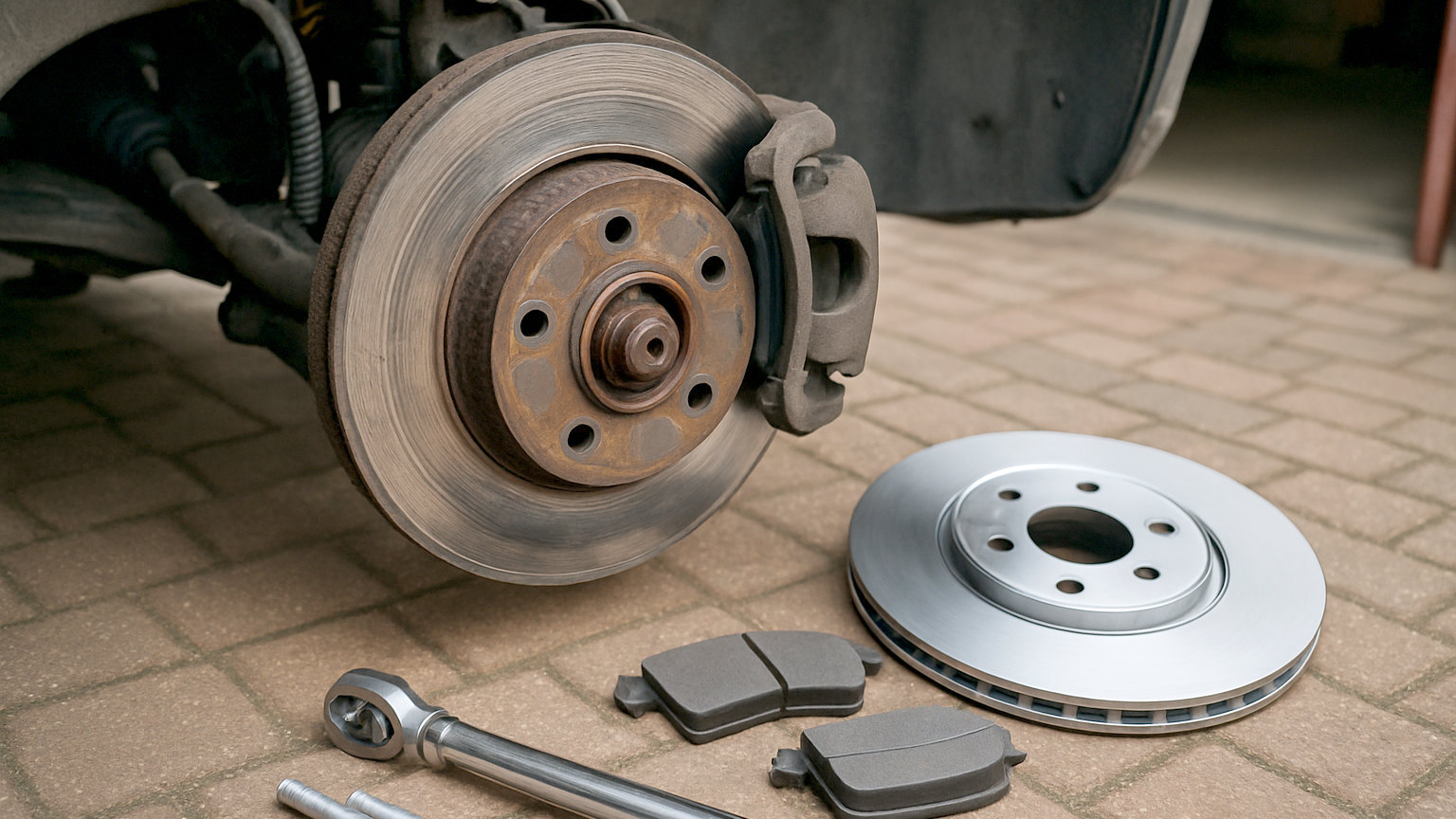
New pads and discs need a controlled heat cycle to mate properly, and the first few hundred miles determine how they behave afterwards.
Cold rubber grips less, pressures fall and surfaces are worse, so a car that felt fine in August can feel quite different in January.
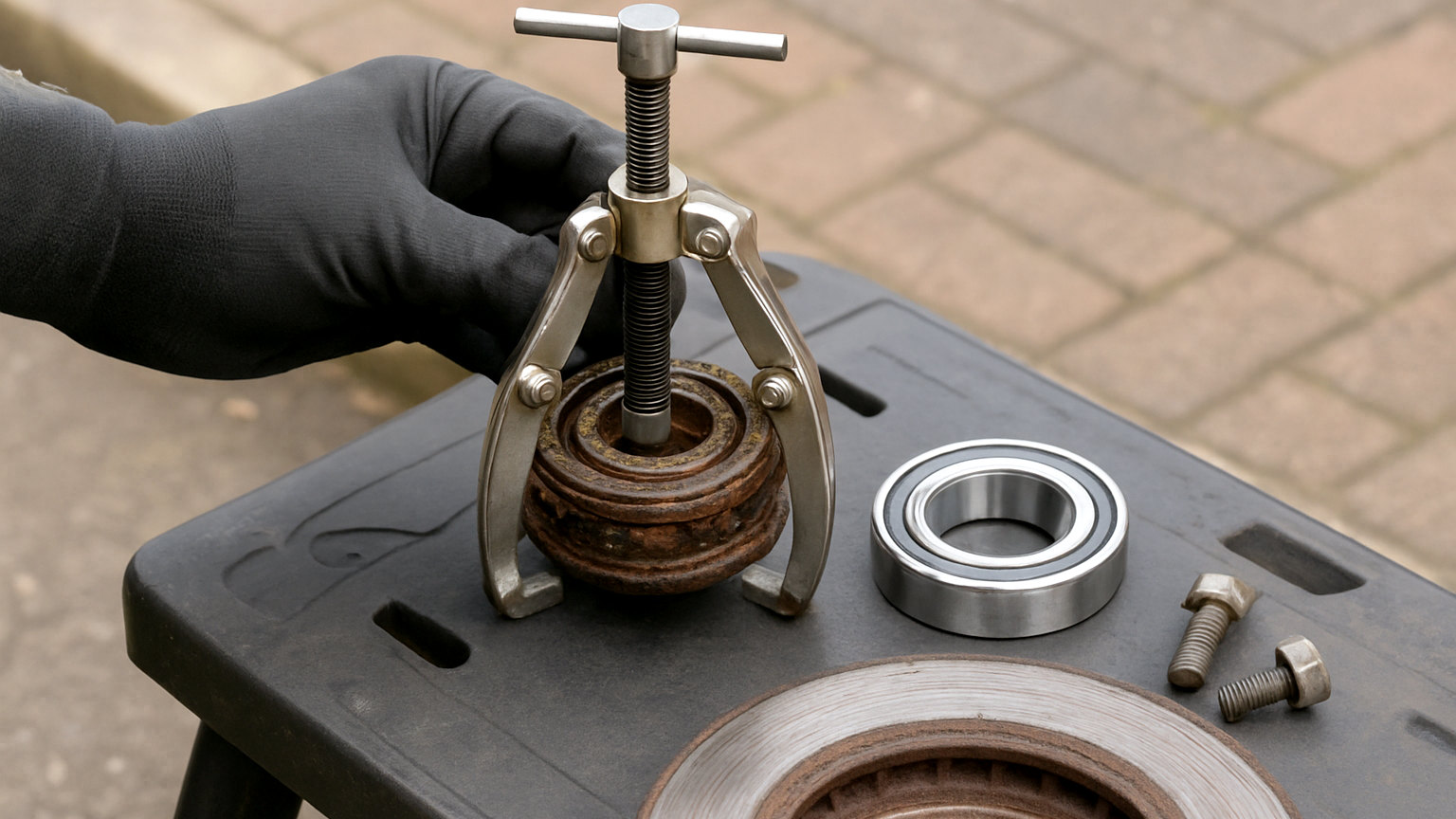
A bearing with play lets the wheel angle change under load, so the tyre wears as though the alignment were wrong.
Alignment corrects geometry, so a pull that survives it is usually a tyre, a brake or an angle that could not be adjusted.
The mechanical steps are straightforward and the safety decisions are what matter, particularly on where you choose to stop.