Why Is My Engine Noisier When It Is Cold?
Cold metal has larger clearances and thicker oil takes a moment to arrive, so some noise on a cold start is normal and some is not.
By Car Problems Team
12 Aug 2026

Knocking, ticking, rattling, whining and squealing - how to tell them apart by when they happen, and which ones mean stop the car now.
Cold metal has larger clearances and thicker oil takes a moment to arrive, so some noise on a cold start is normal and some is not.
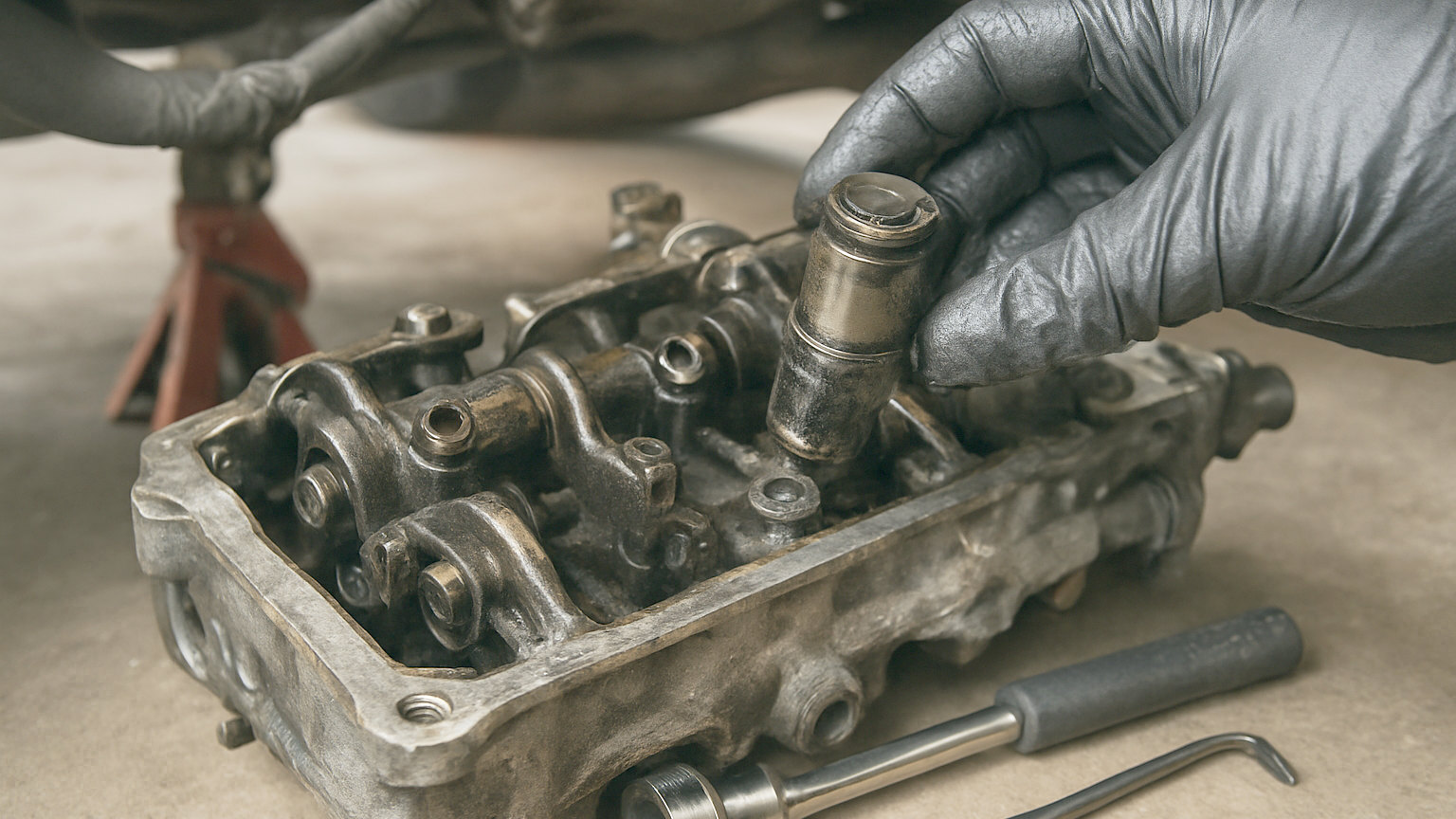
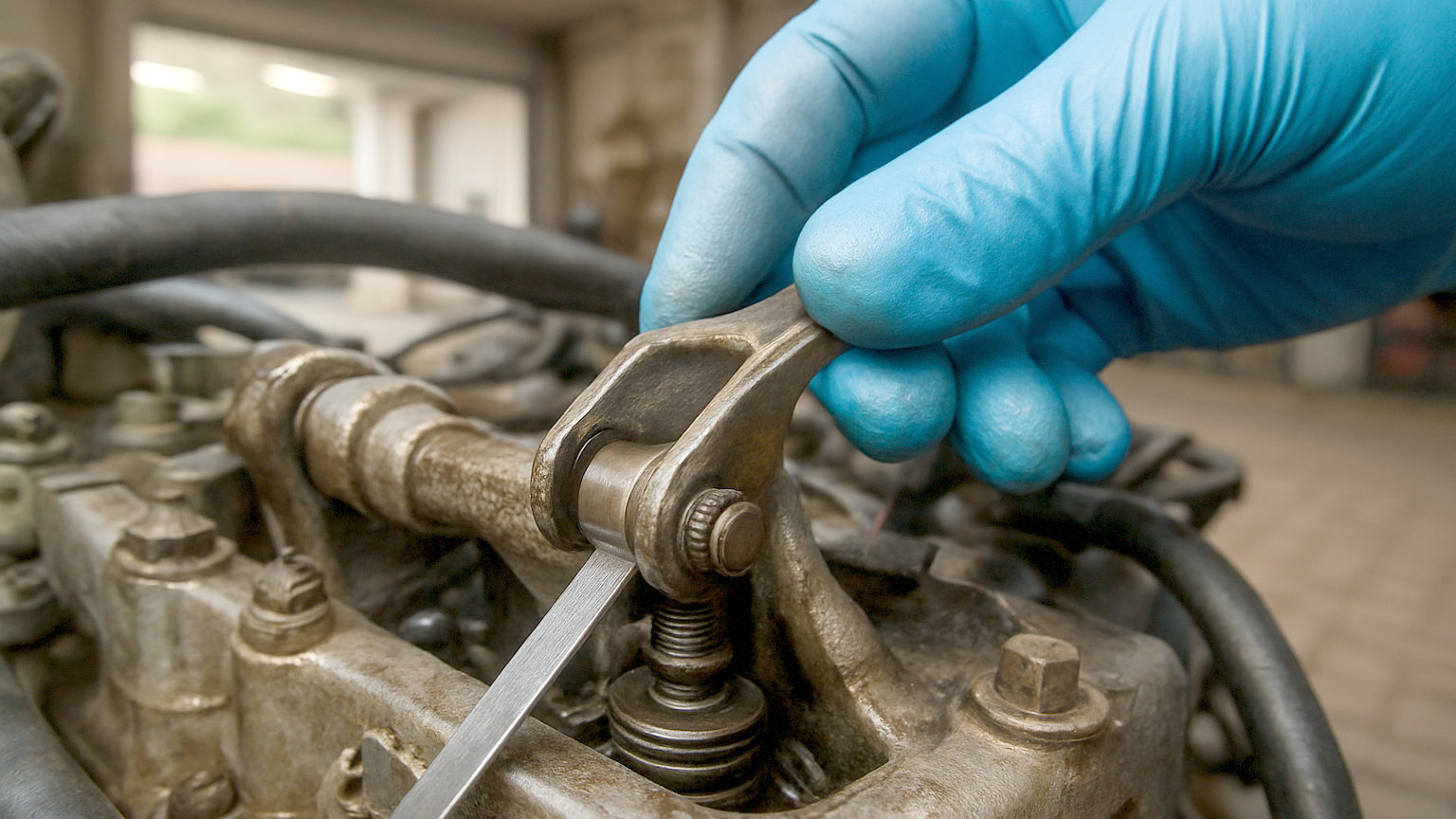
Noisy lifters sit awkwardly between a service item and a cylinder head job, and which one you have depends largely on the oil.
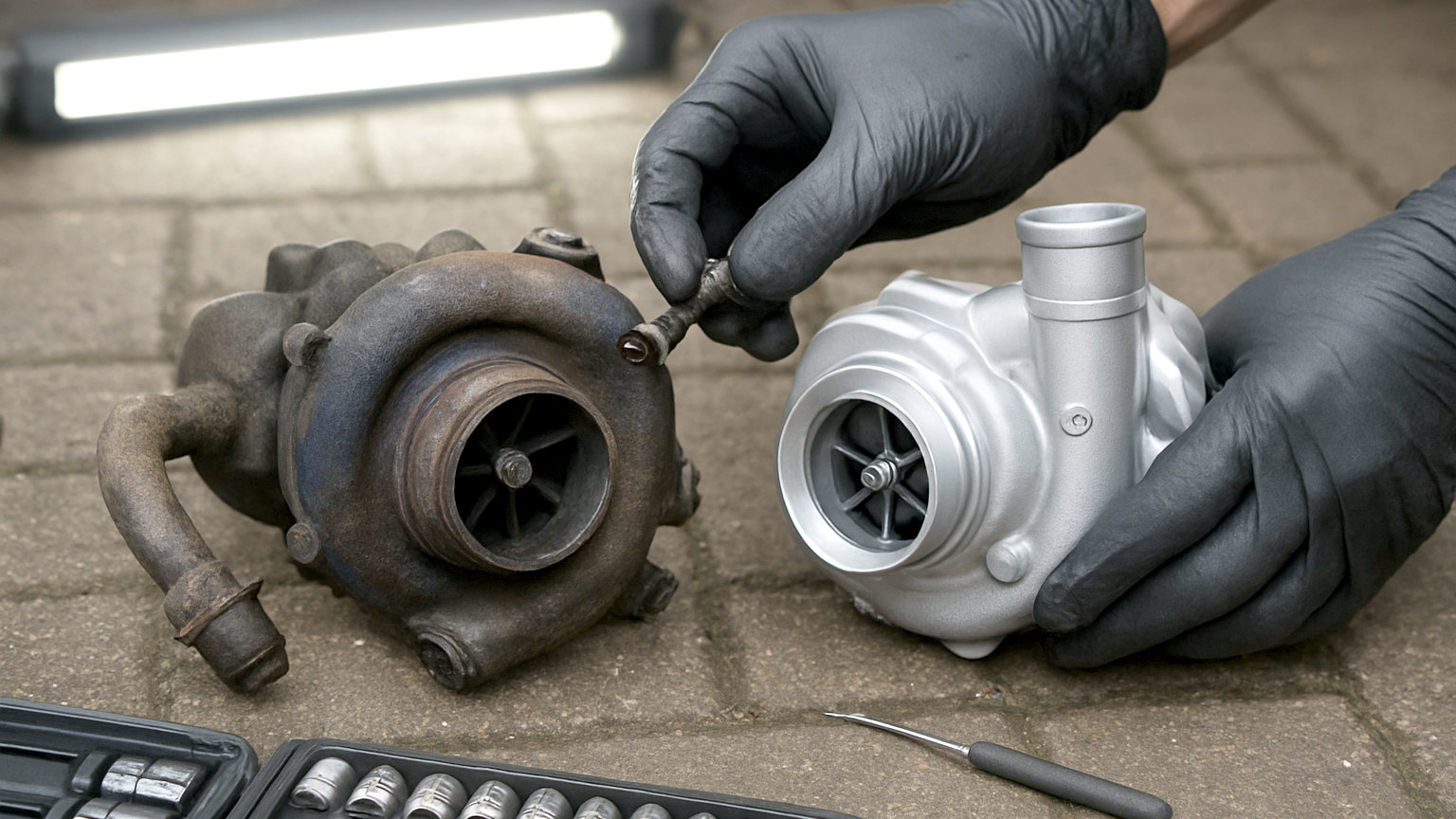
Turbos make noise by design, so the question is which noises are normal, which are a boost leak, and which mean the bearings are going.
Locating a noise properly is most of the diagnosis, and the questions that do it are about timing and conditions rather than sound description.
Most engine noises can wait for an appointment. A small number should end the journey at the next safe place, and it is worth knowing which.
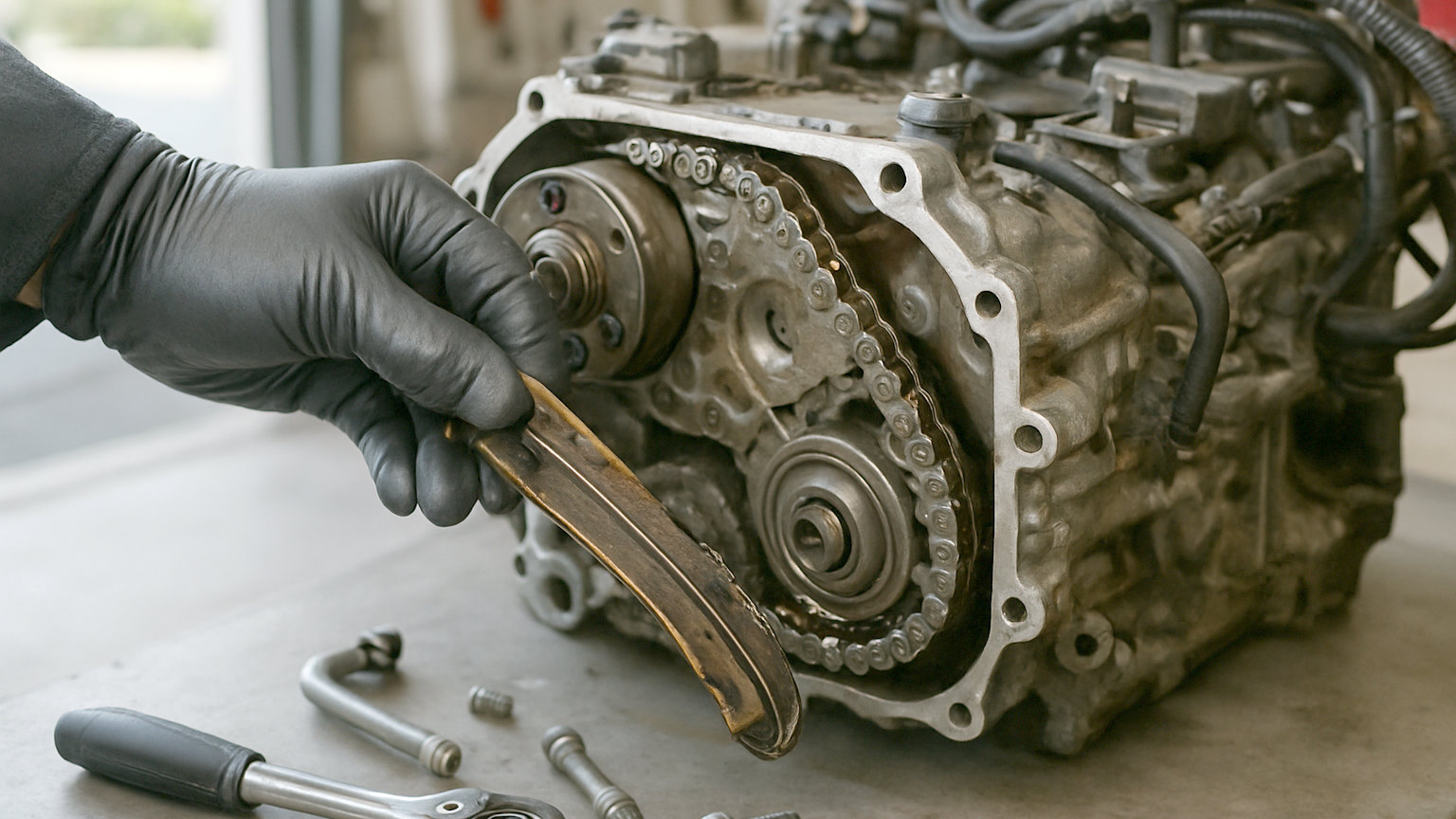
A timing chain is supposed to last the life of the engine, and when it starts making noise it is announcing a repair rather than a service.
Hissing means gas escaping under pressure, and where it comes from decides whether it is a rough idle or a reason to switch off.
Noises that fade as an engine warms are usually clearance closing up as metal expands, and that points at a specific short list.
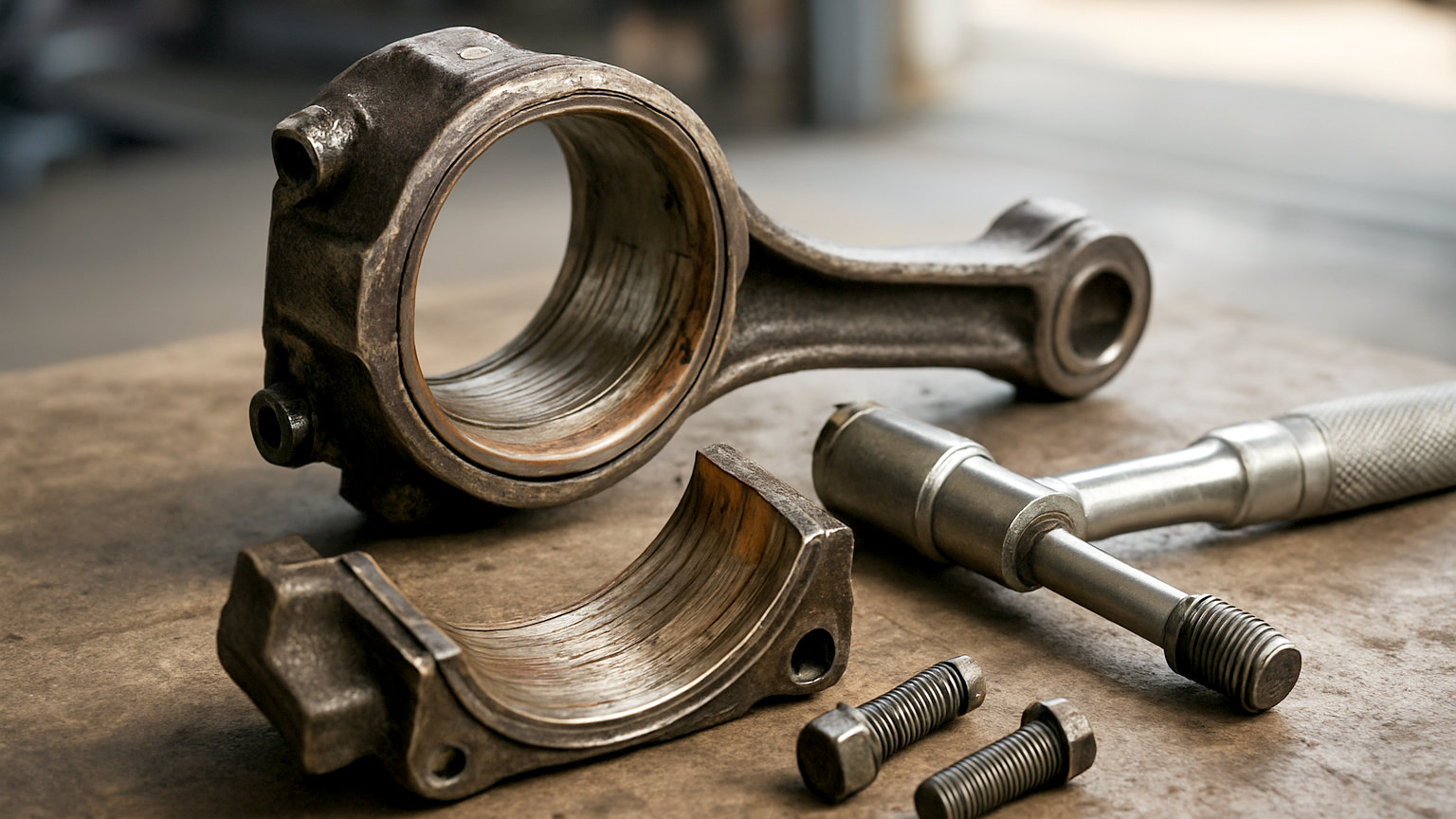
Deep rhythmic knocking from low in the engine is the one noise where continuing to drive changes the outcome, and usually not slowly.
All diesels rattle. What matters is whether the rattle has changed, when it appears and whether anything else changed at the same time.