Why Is My Immobiliser Not Recognising the Key?
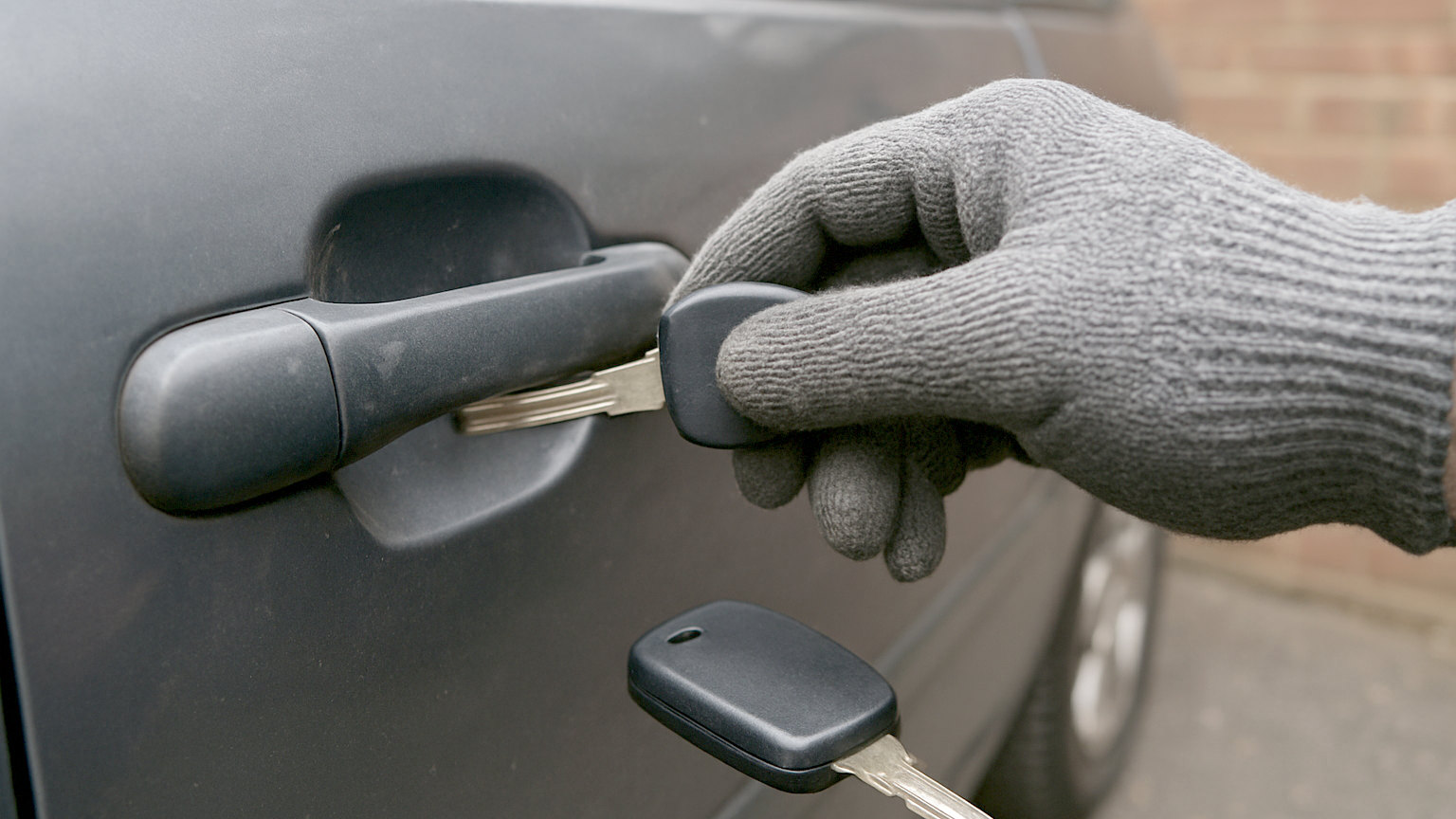
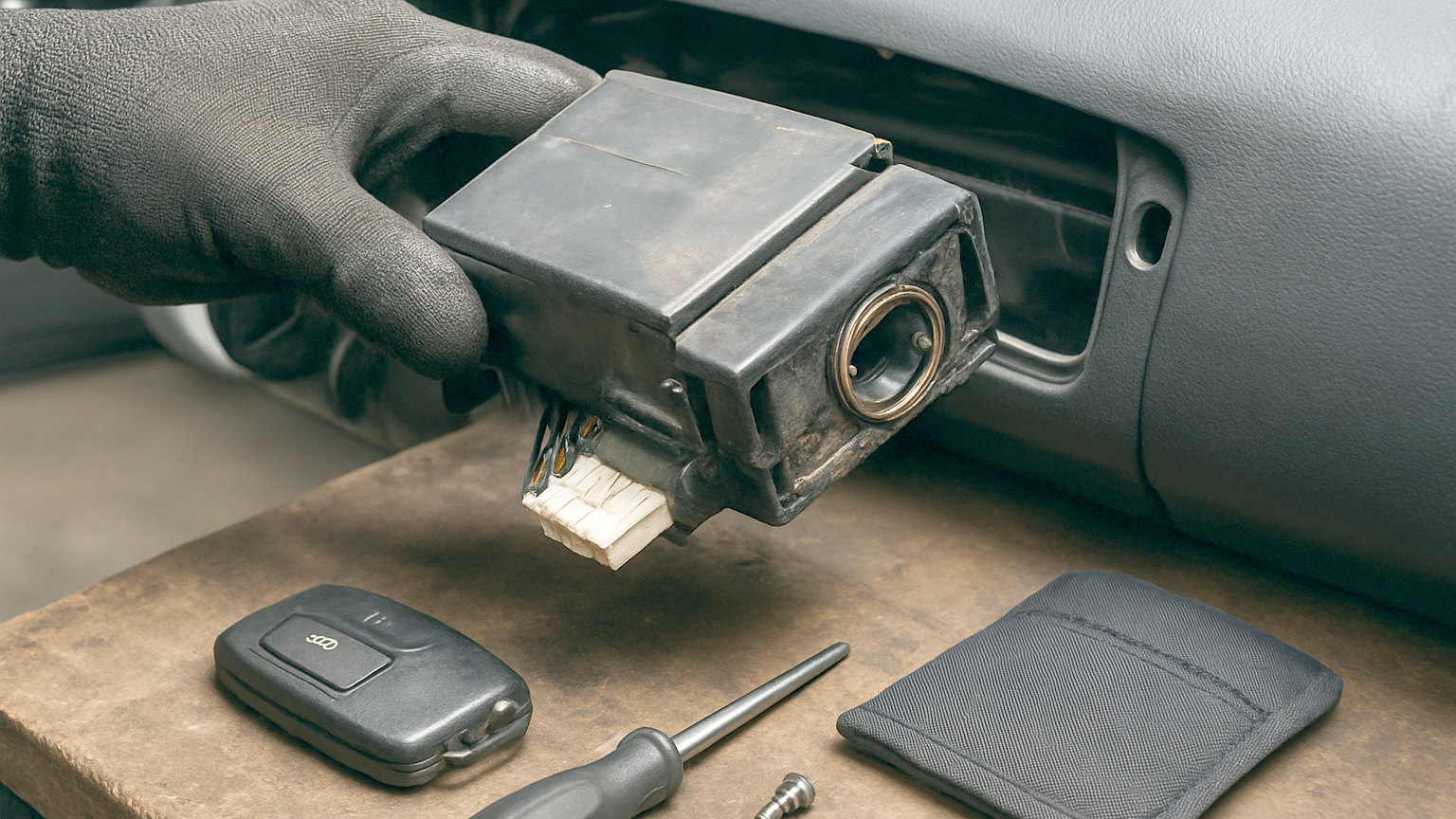
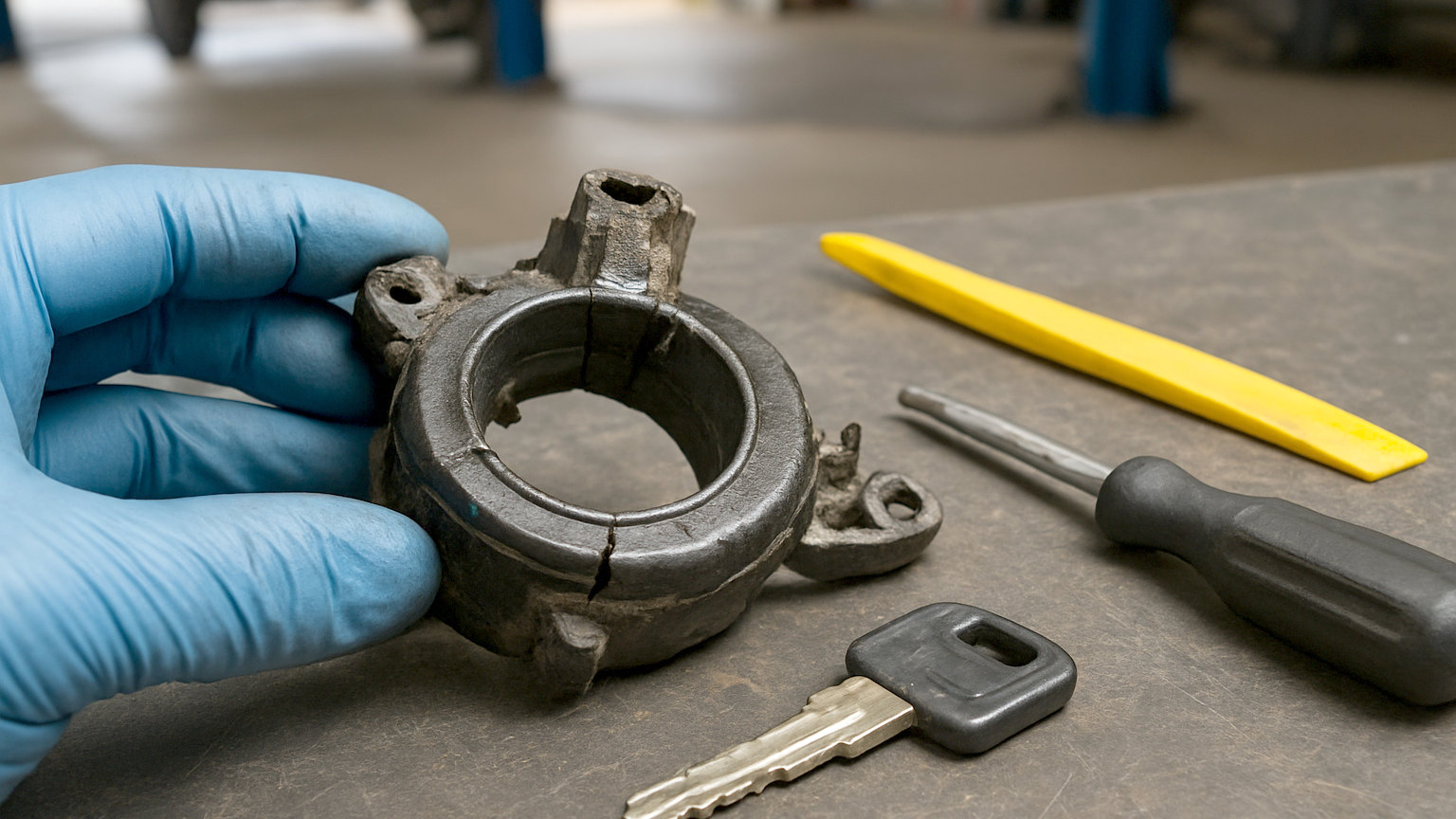
The immobiliser reads a chip in the key through a coil around the ignition, and interference or a failed coil stops the conversation.
By Car Problems Team
14 May 2026

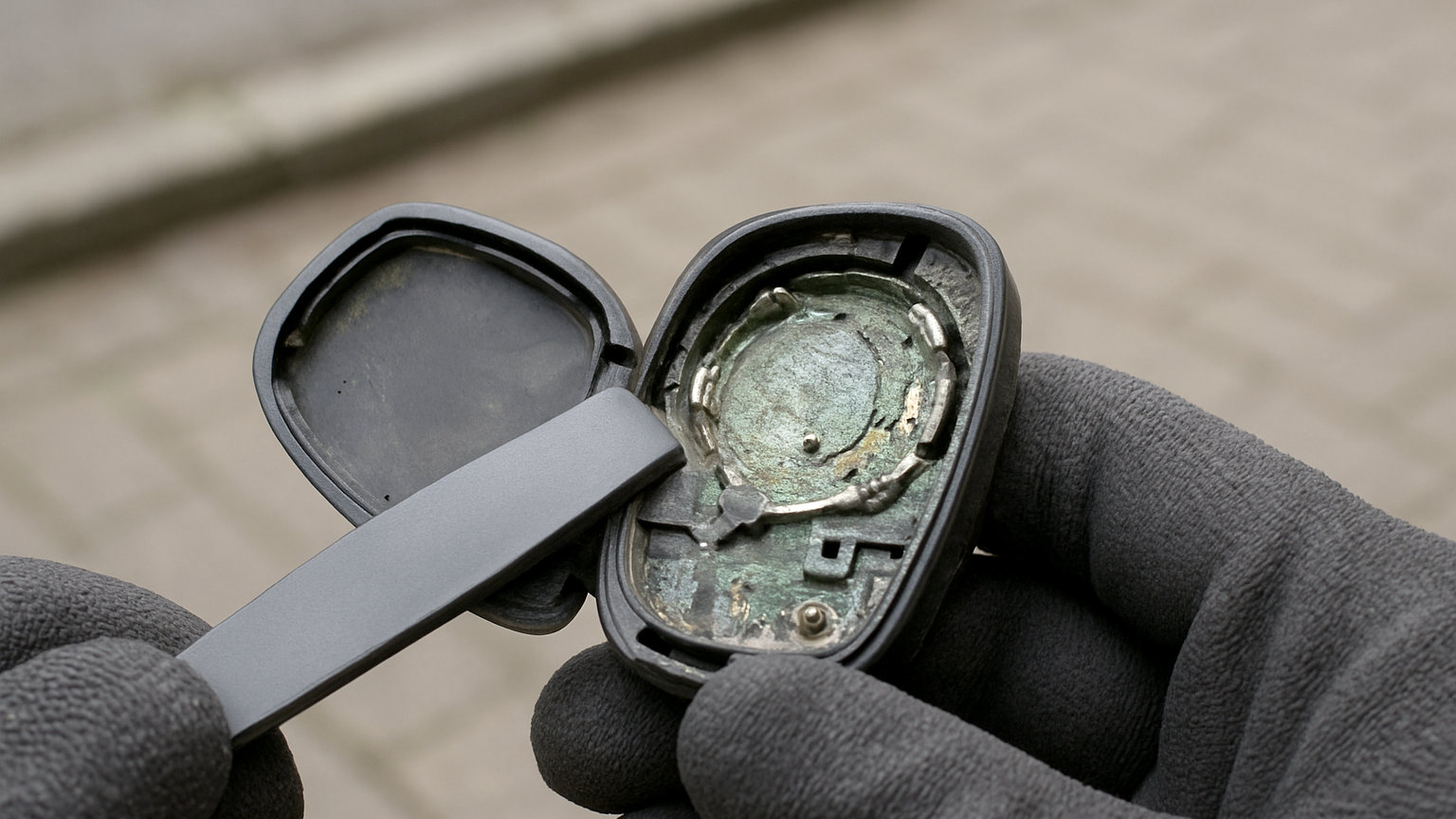
Central locking that works intermittently, a key fob that has stopped, doors that won’t shut properly, and boot and fuel flap releases.
The immobiliser reads a chip in the key through a coil around the ignition, and interference or a failed coil stops the conversation.
Losing the only key is expensive and recoverable, and the cost is considerably lower if you have a spare made before it happens.
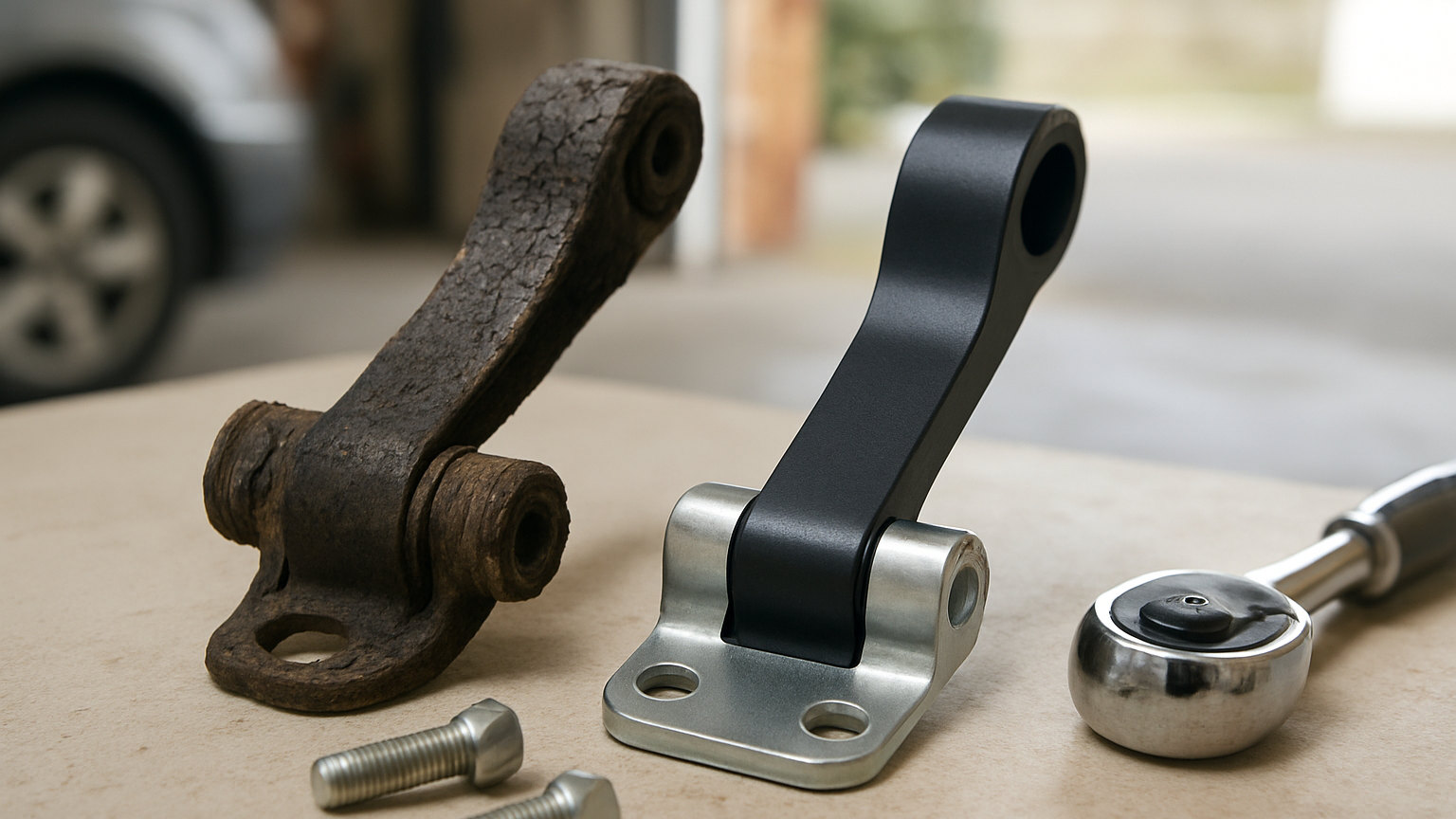
Creaking comes from dry hinges or a check strap, and both are cured with a few minutes and the right lubricant.
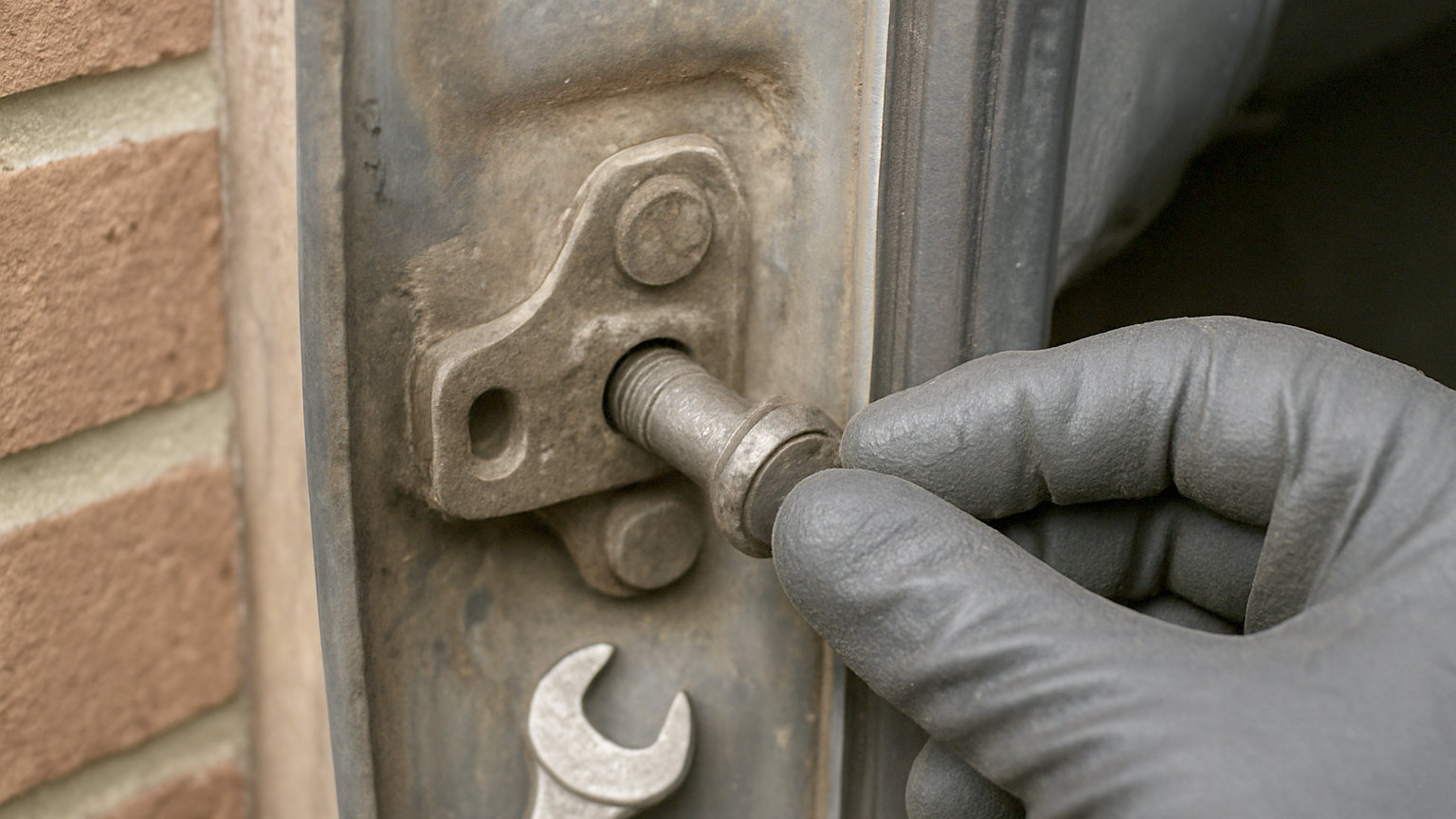
A door that has dropped is usually reporting worn hinge pins, and adjusting the striker to compensate hides the cause rather than fixing it.
Relay attacks exploit the constant radio conversation between car and fob, and blocking that signal removes the vulnerability entirely.
Keyless systems work by constant low power radio conversation, which makes them convenient and vulnerable to interference and flat batteries.
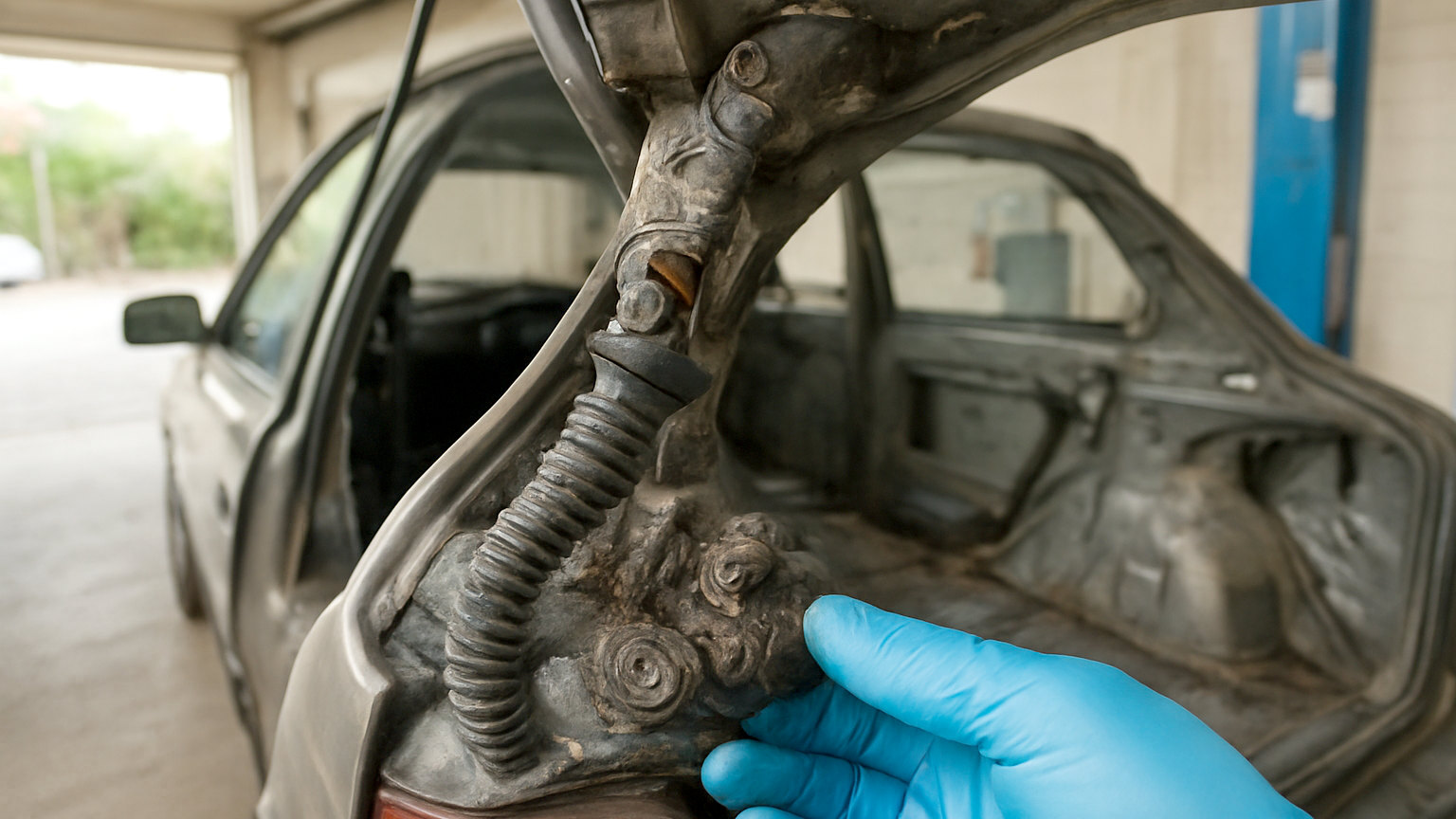
Tailgates suffer from the same latch and wiring faults as doors, with the added complication of a loom that flexes on every opening.
Much of what looks like a fault is designed behaviour, and the rest usually comes down to a sticking button or a damp module.
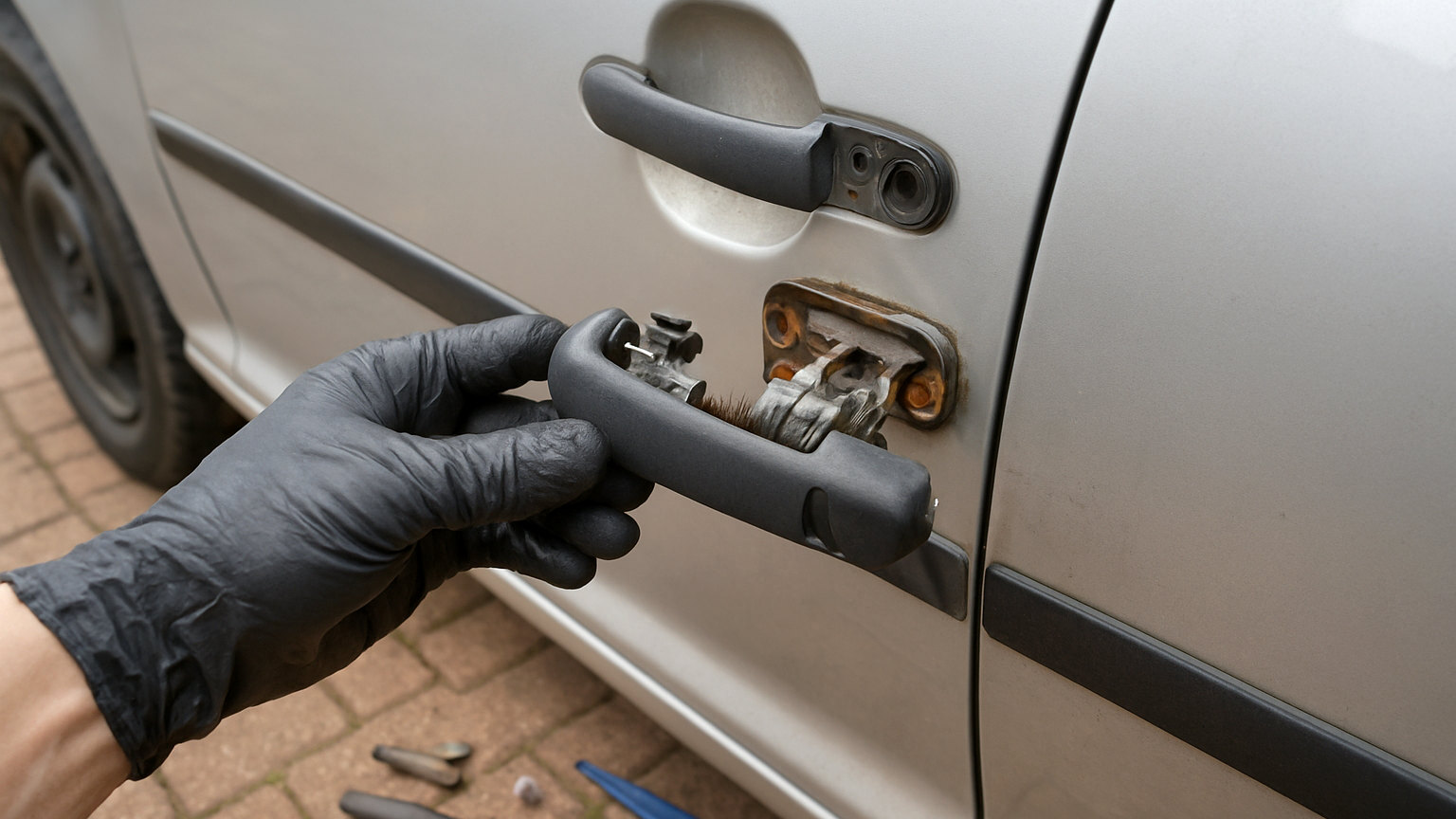
Exterior handles are often plastic with a metal insert, and it is the insert or the return spring that usually breaks rather than the handle.
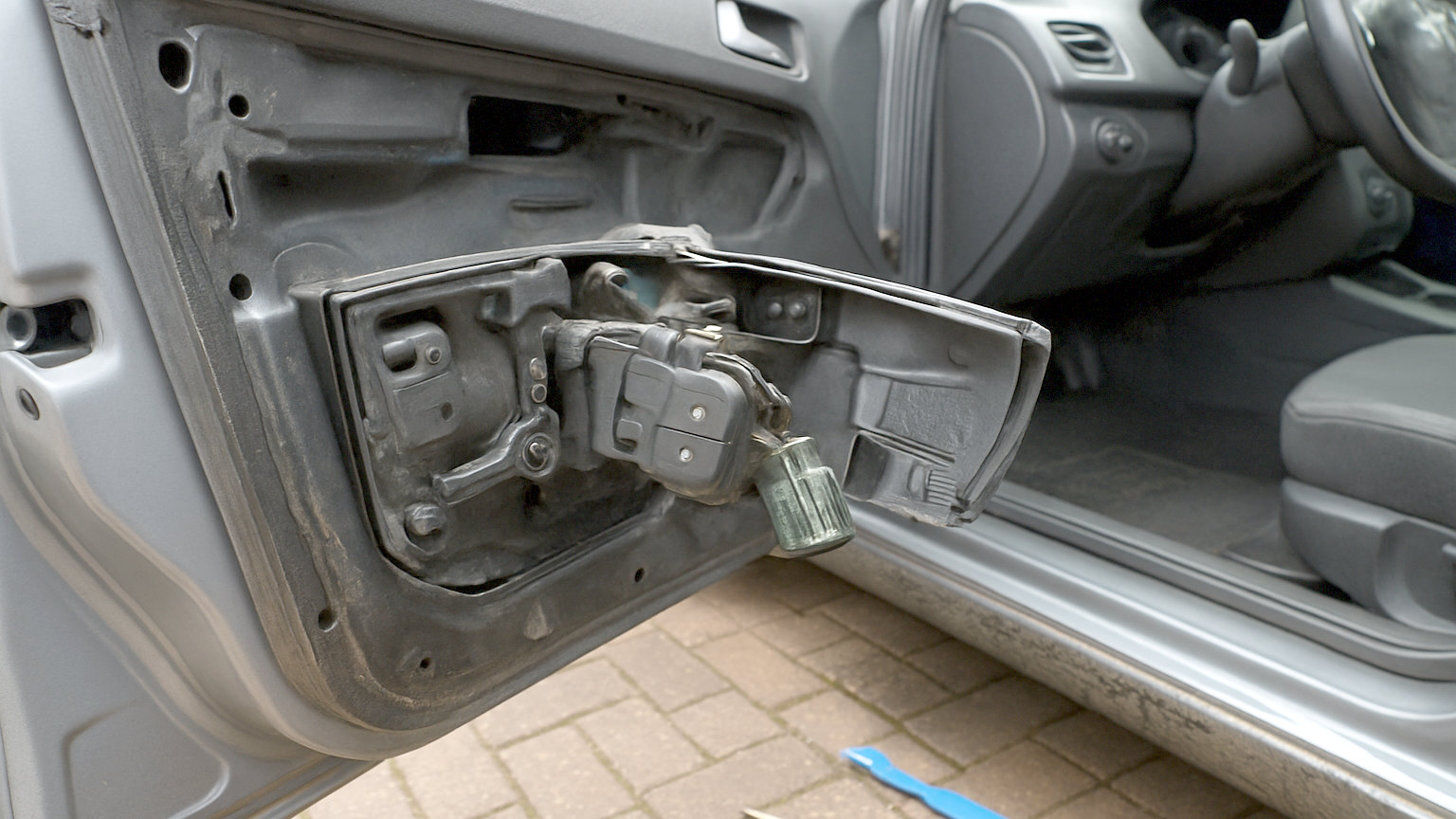
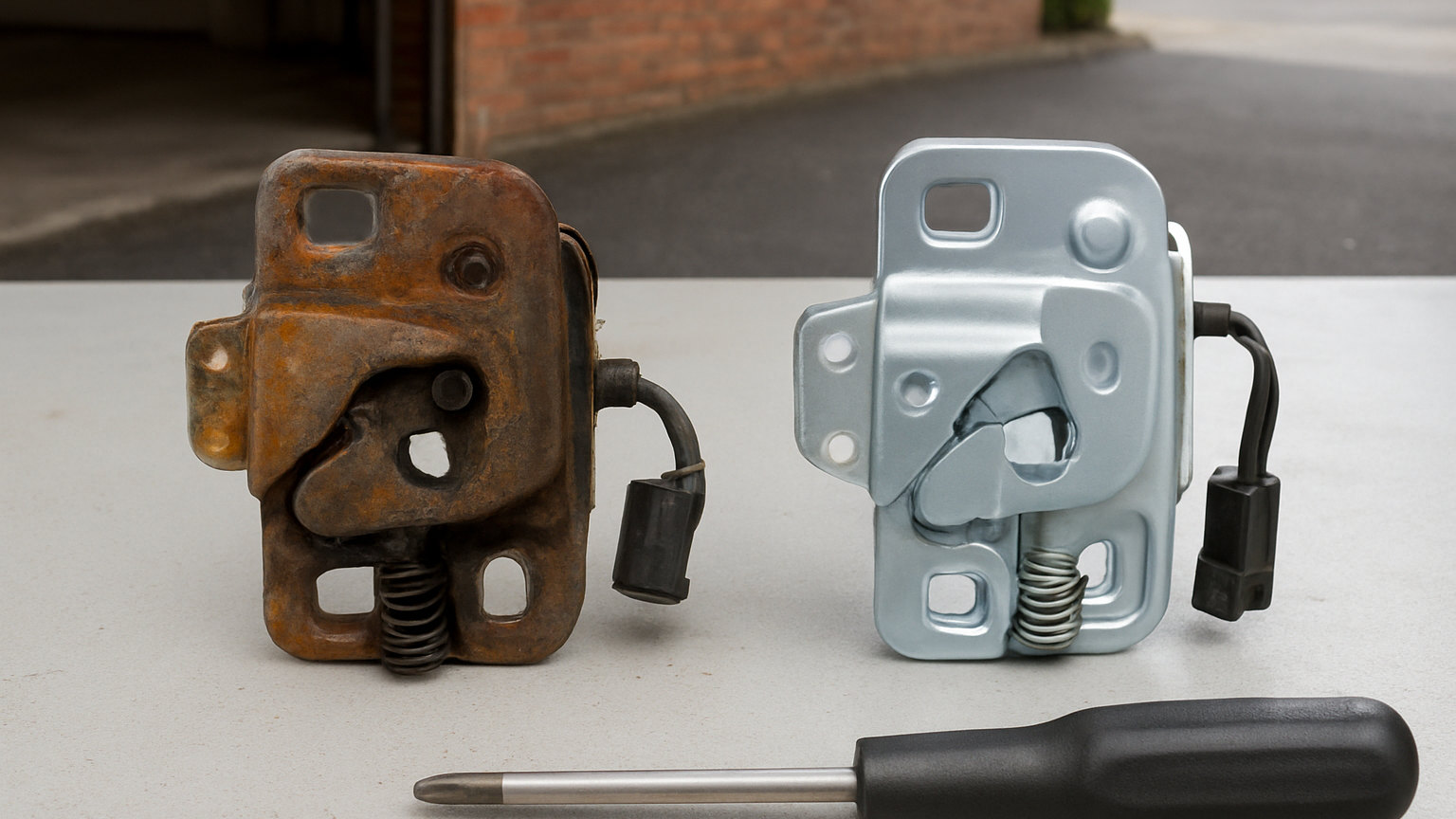
The latch holds the door shut against the striker and contains the locking motor, which is why one component causes so many symptoms.