What Do the Colours of Dashboard Warning Lights Mean?
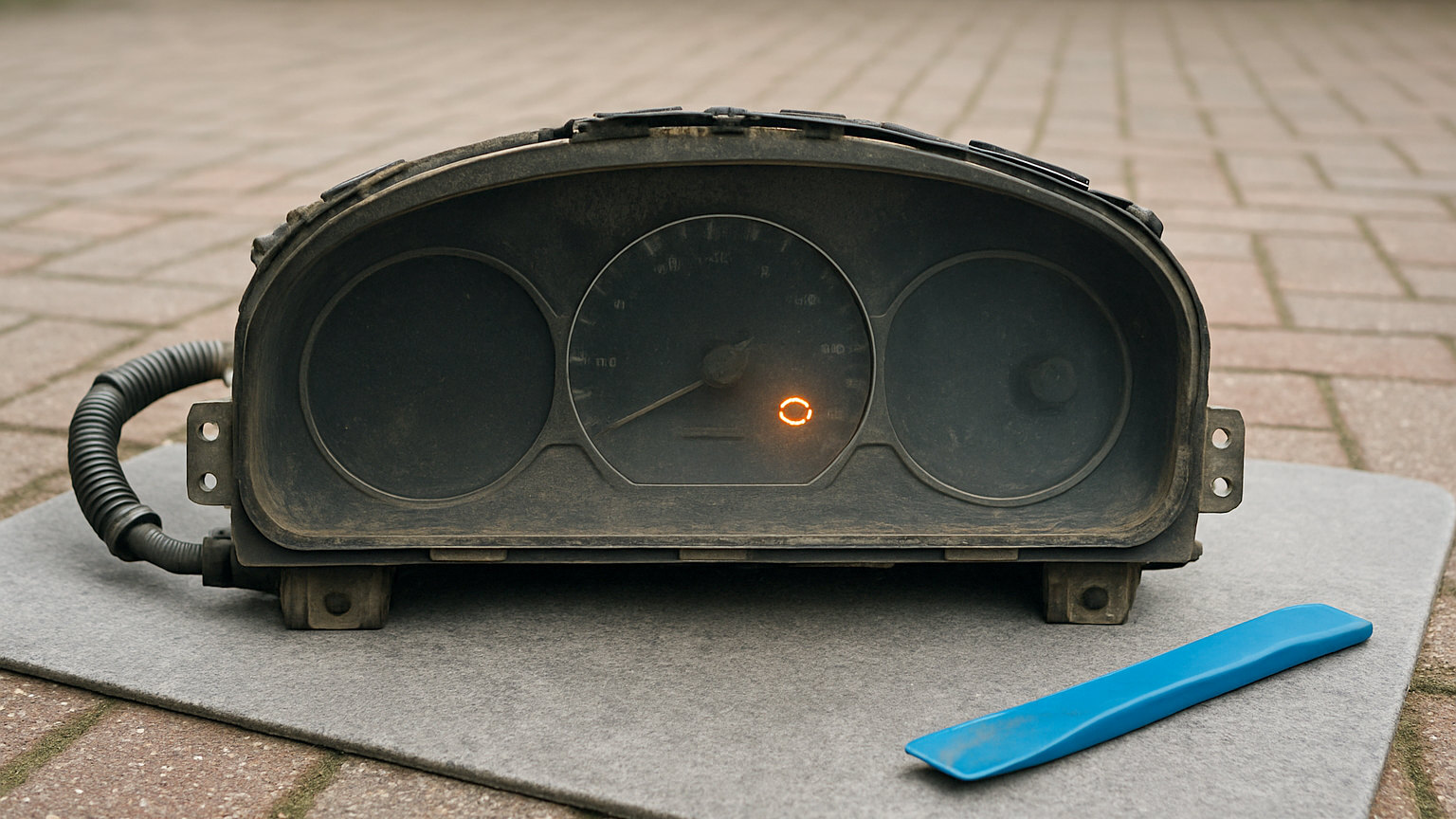
Warning lights follow a traffic light system, so the colour tells you how urgently to respond before you have identified the symbol.
By Car Problems Team
13 Aug 2026

What each dashboard warning light actually means, which colours mean stop and which mean book it in, and why the engine light alone tells you very little.
Warning lights follow a traffic light system, so the colour tells you how urgently to respond before you have identified the symbol.
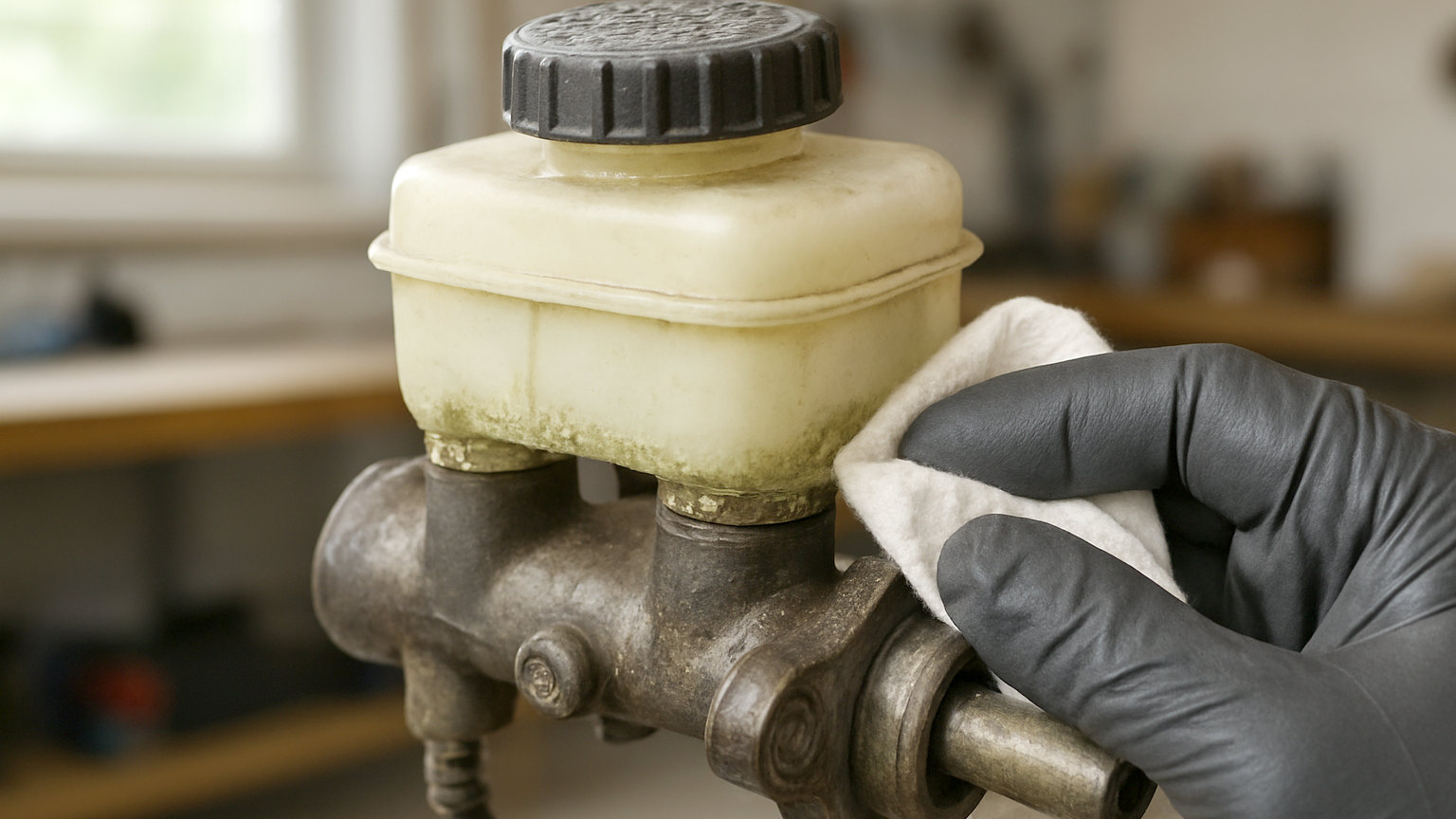
One symbol covers three quite different situations, and only one of them is resolved by releasing the handbrake.
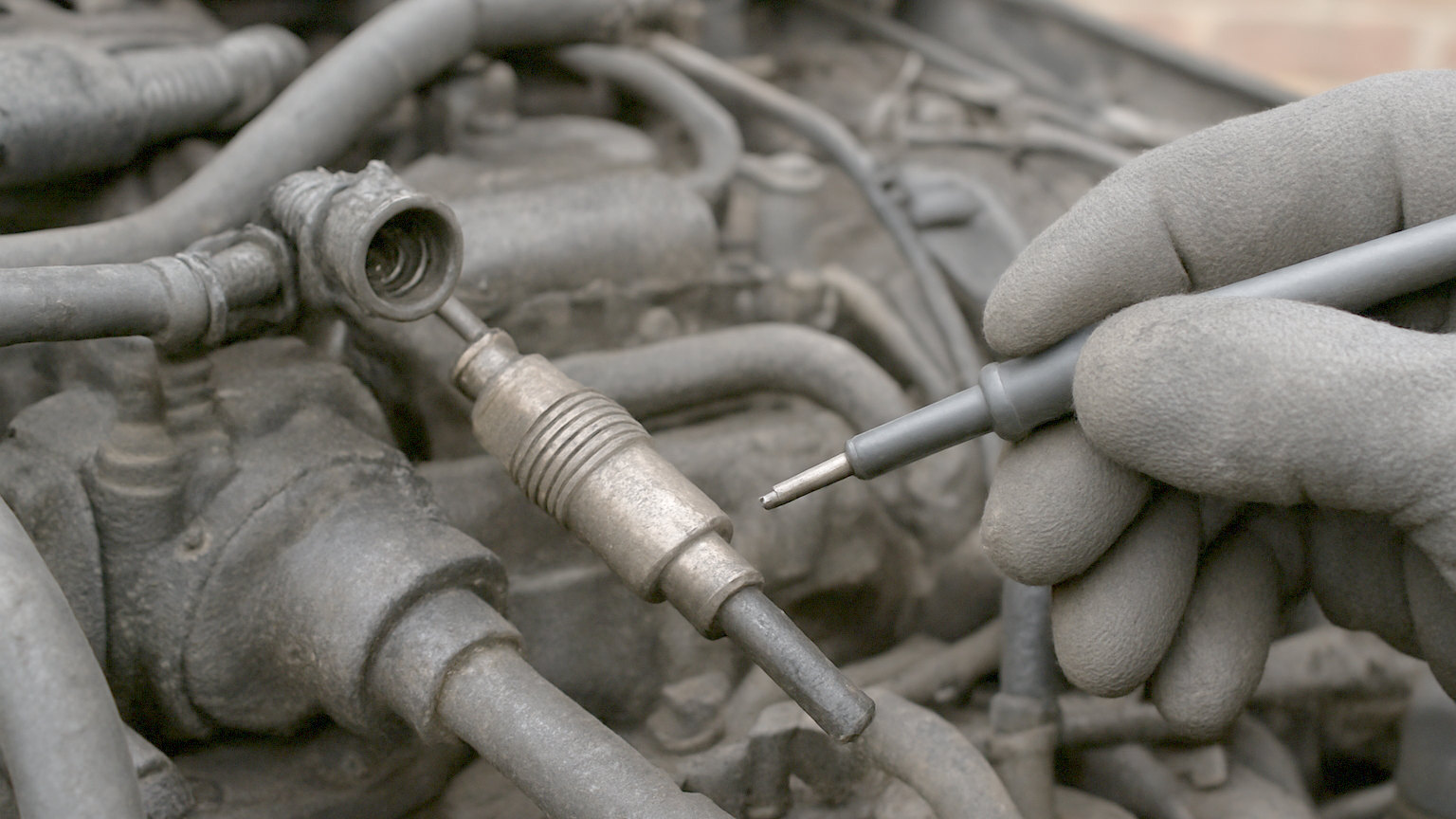
The coil symbol has two entirely different meanings depending on whether it goes out normally or stays on and flashes.
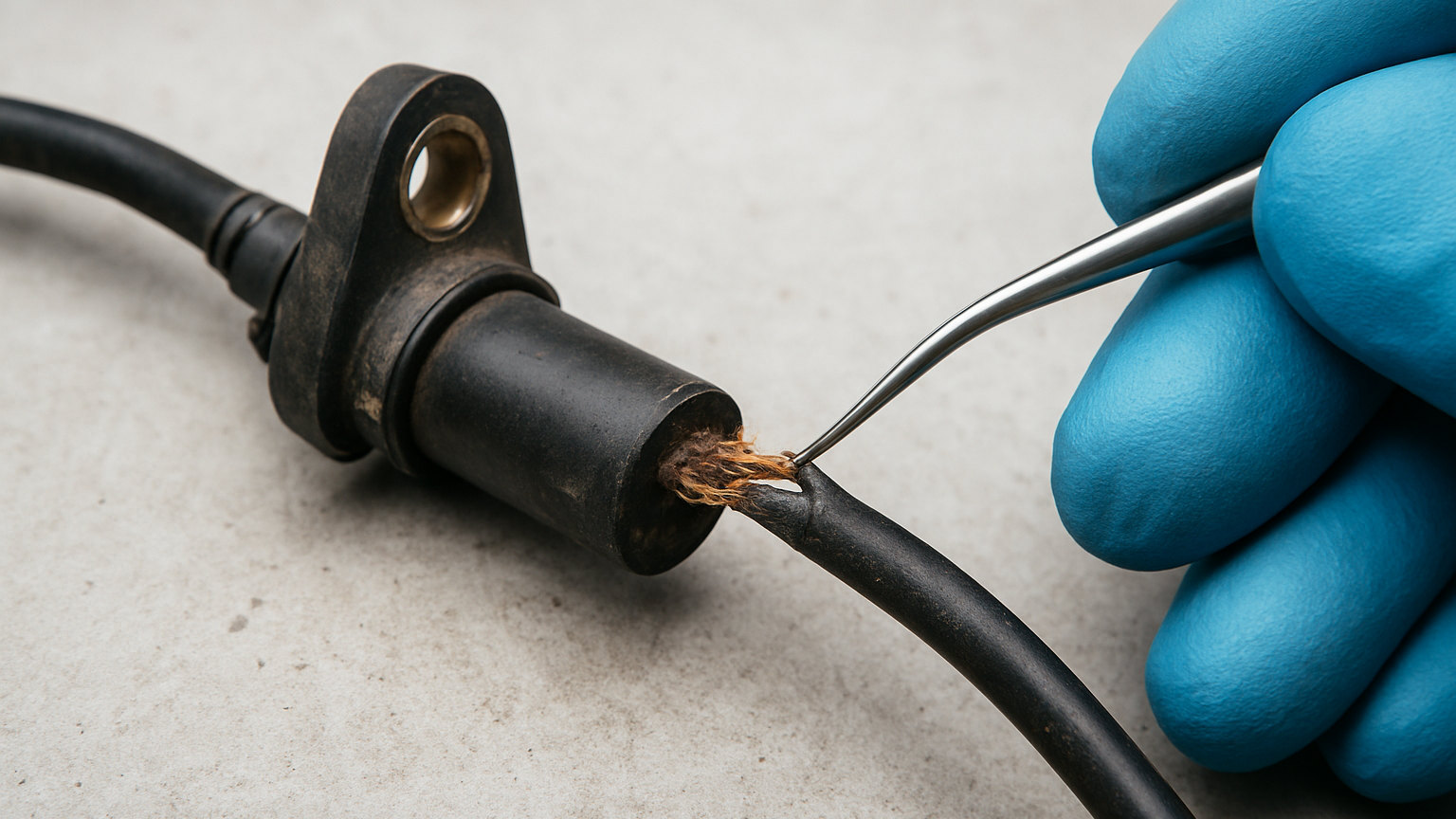
A dashboard full of lights usually means one fault affecting a shared input rather than several unrelated components failing simultaneously.
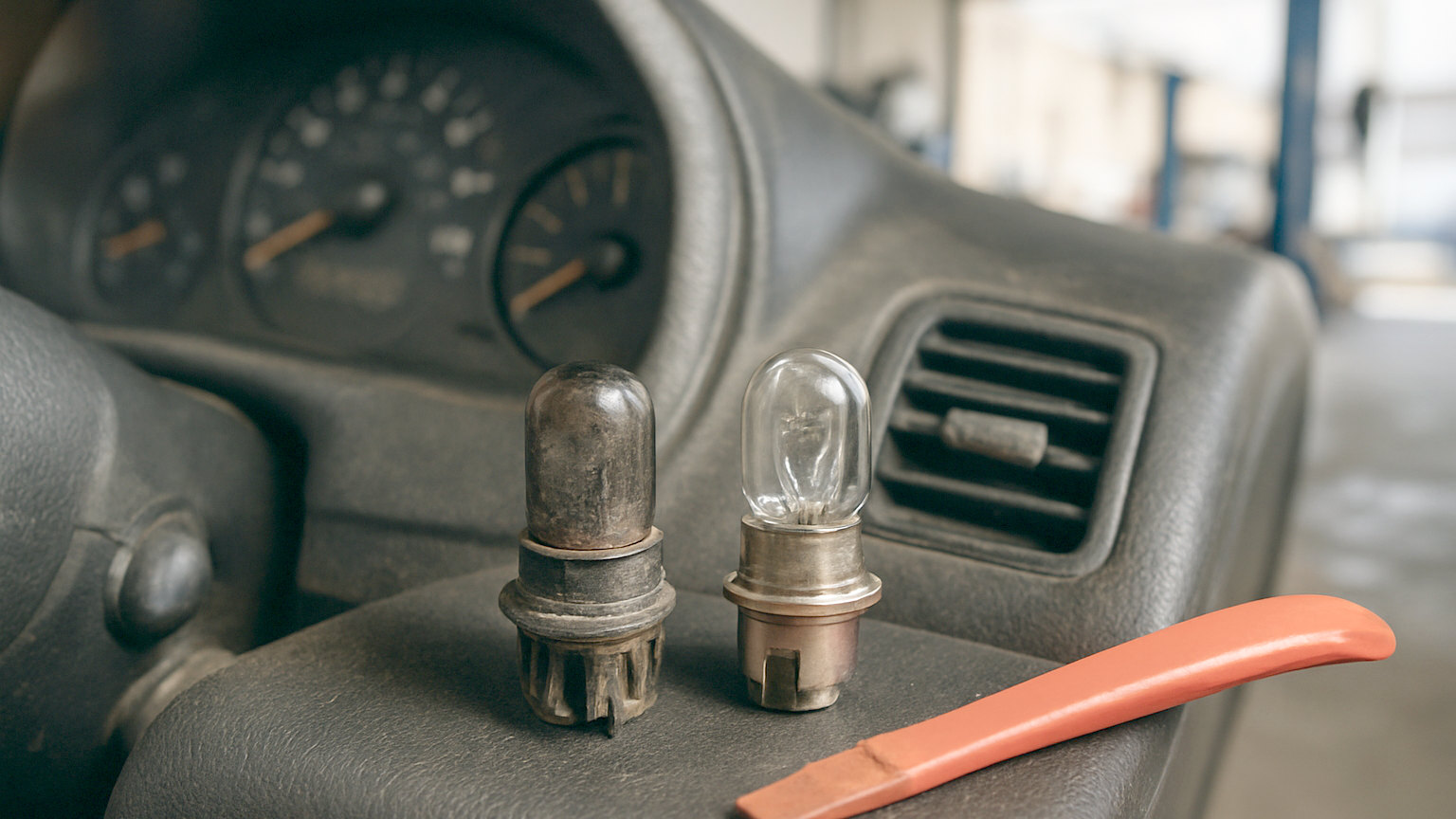
A number of dashboard warnings are straightforward MOT failures, and removing the bulb makes things worse rather than better.
Clearing a light is easy and usually the wrong first move, because it deletes the evidence a mechanic needs and changes nothing mechanical.
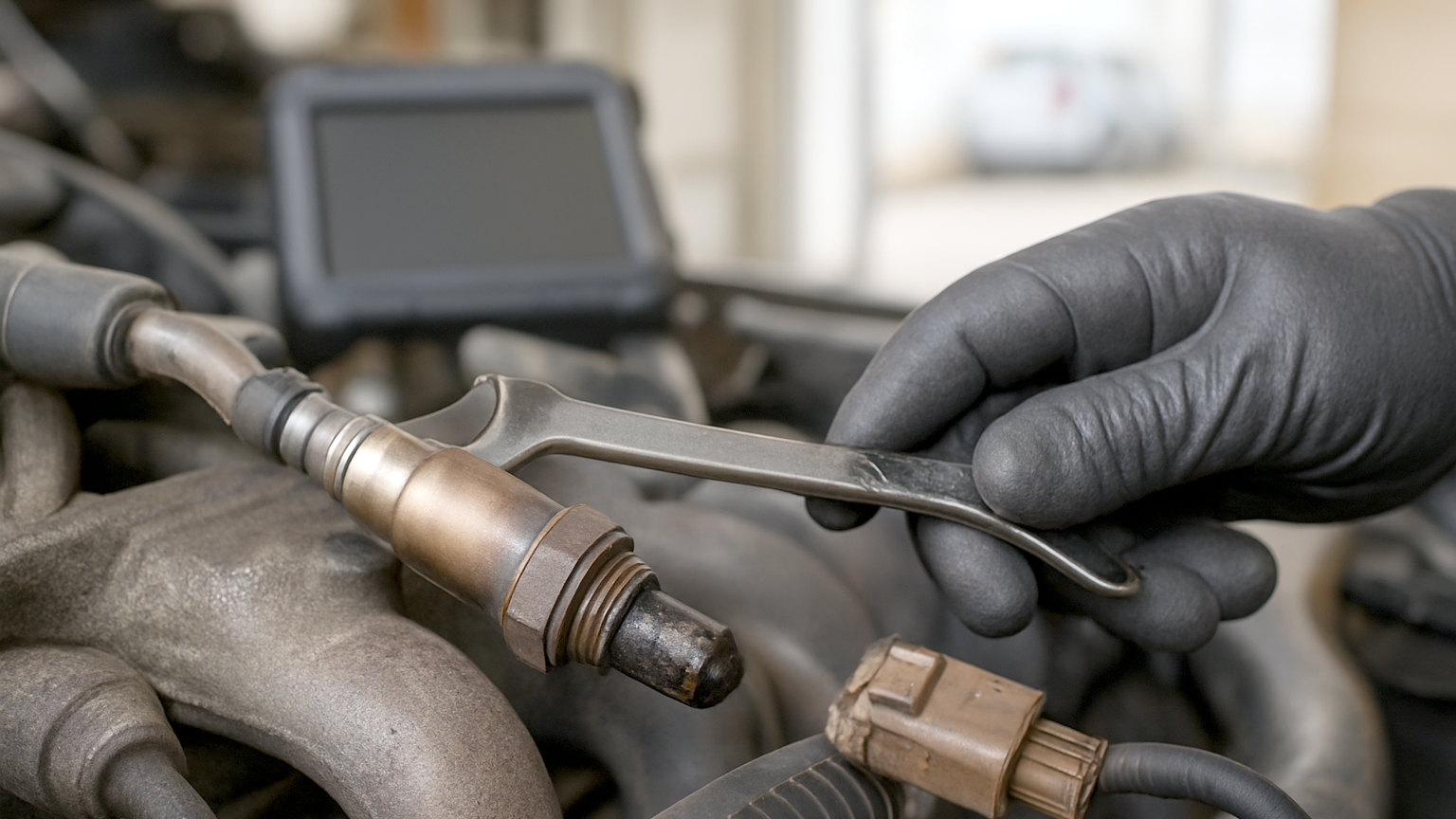
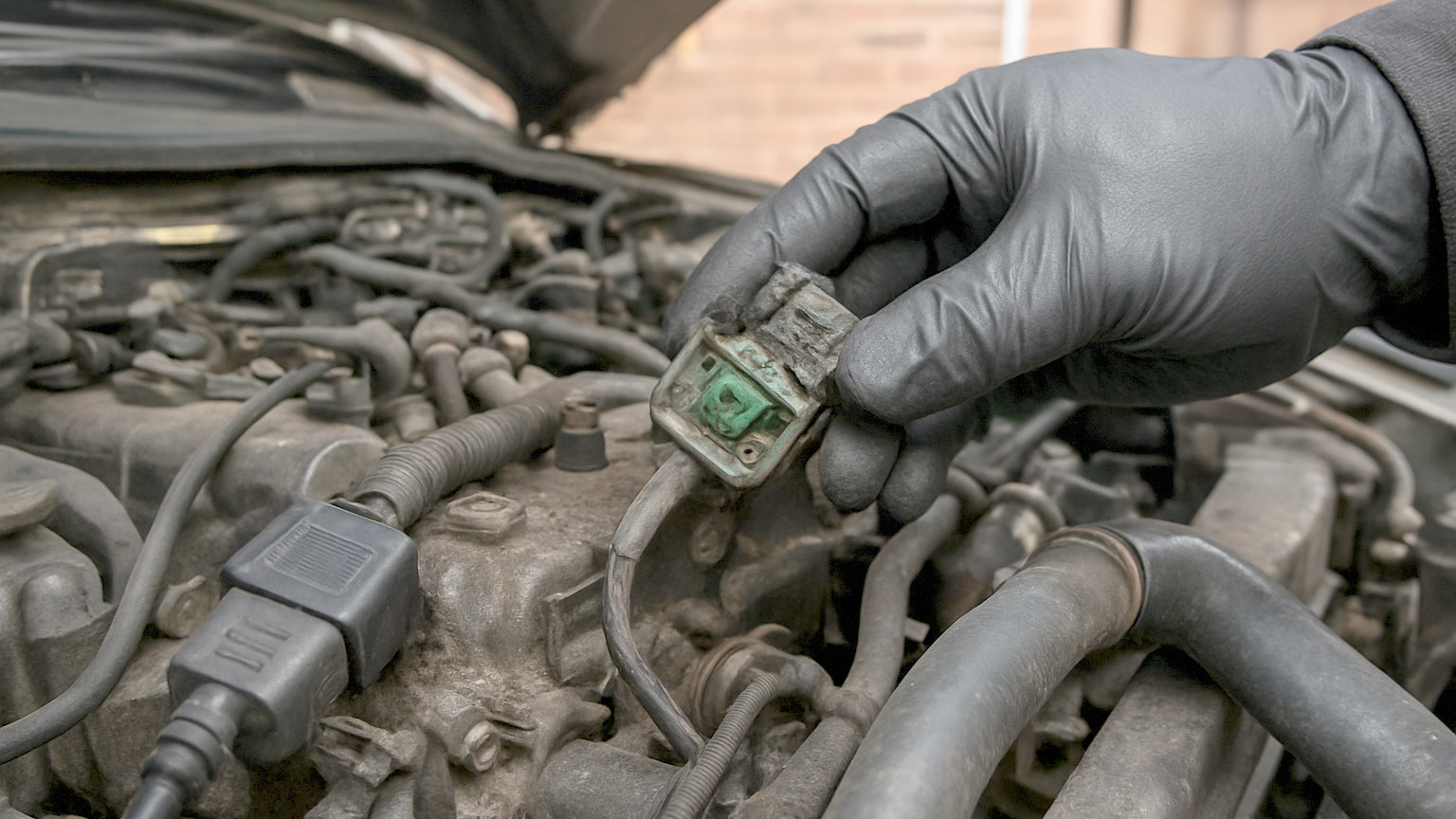
A fault code names a circuit and a condition, not a broken part, and treating it as a shopping list is how people replace three components.
A light that disappears has not taken the fault with it, because the code that triggered it is still stored and can be read.
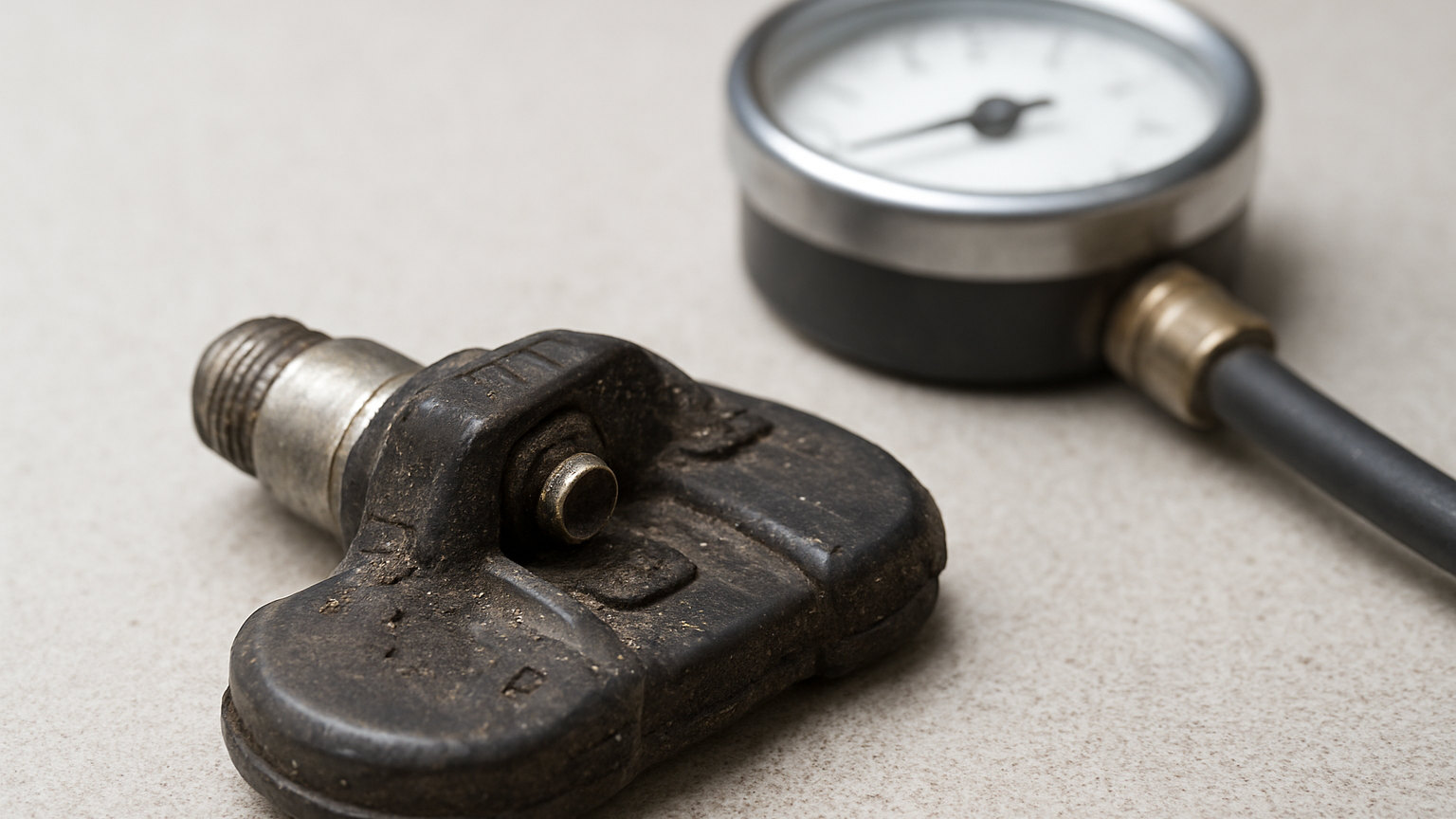
A tyre pressure light is usually telling the simple truth, and the correct response is a pressure gauge rather than a diagnostic tool.
A traction control light that flashes while driving means the system is working. One that stays on means it has switched itself off.