Do Wheel Bearings Fail an MOT?
Excessive play is a straightforward failure, and noise alone usually appears as an advisory that is worth acting on.
By Car Problems Team
9 May 2026

A humming or droning noise that rises with speed and changes when you steer - how to confirm a worn bearing and how long it is safe to leave.
Excessive play is a straightforward failure, and noise alone usually appears as an advisory that is worth acting on.
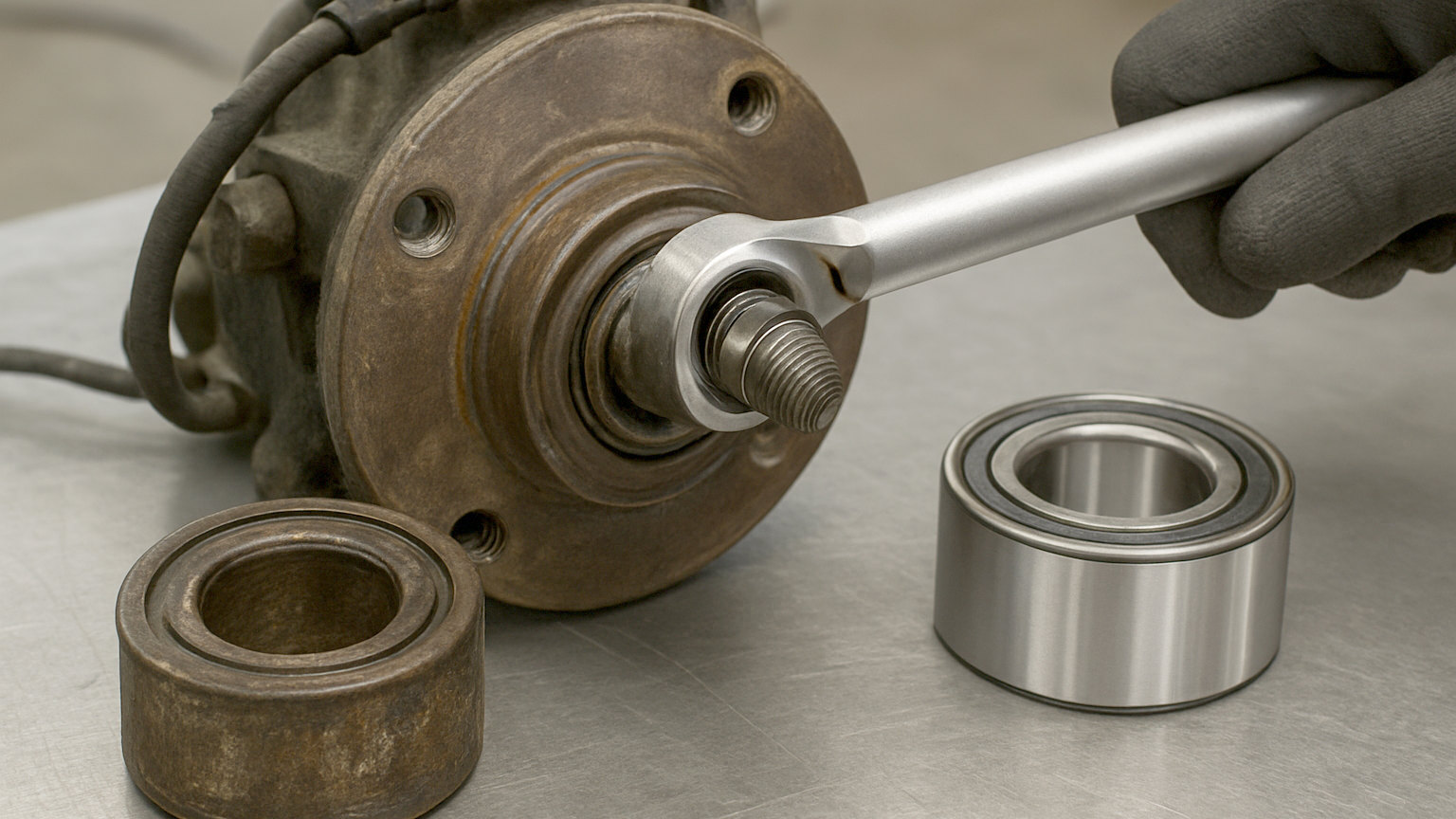
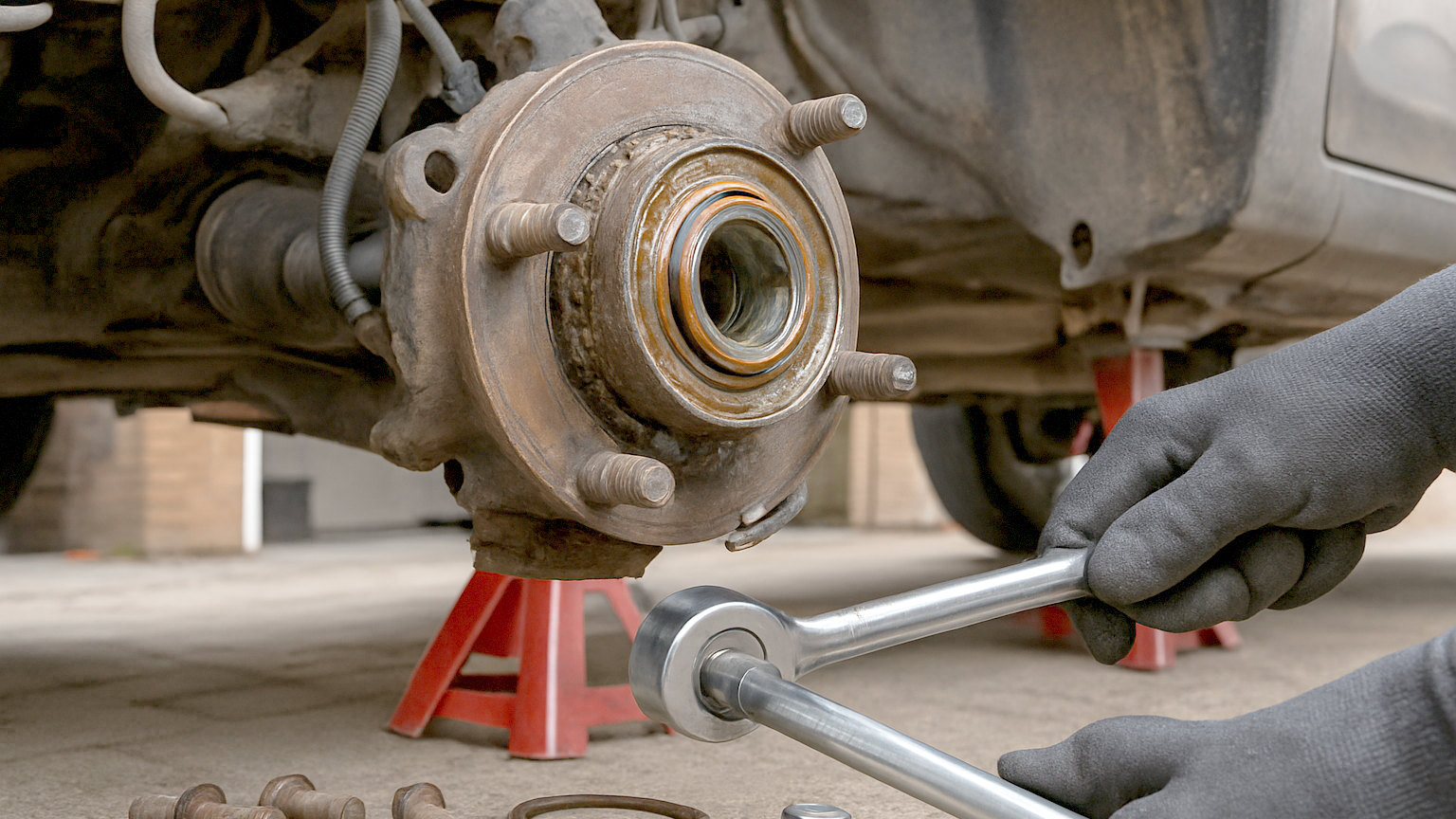
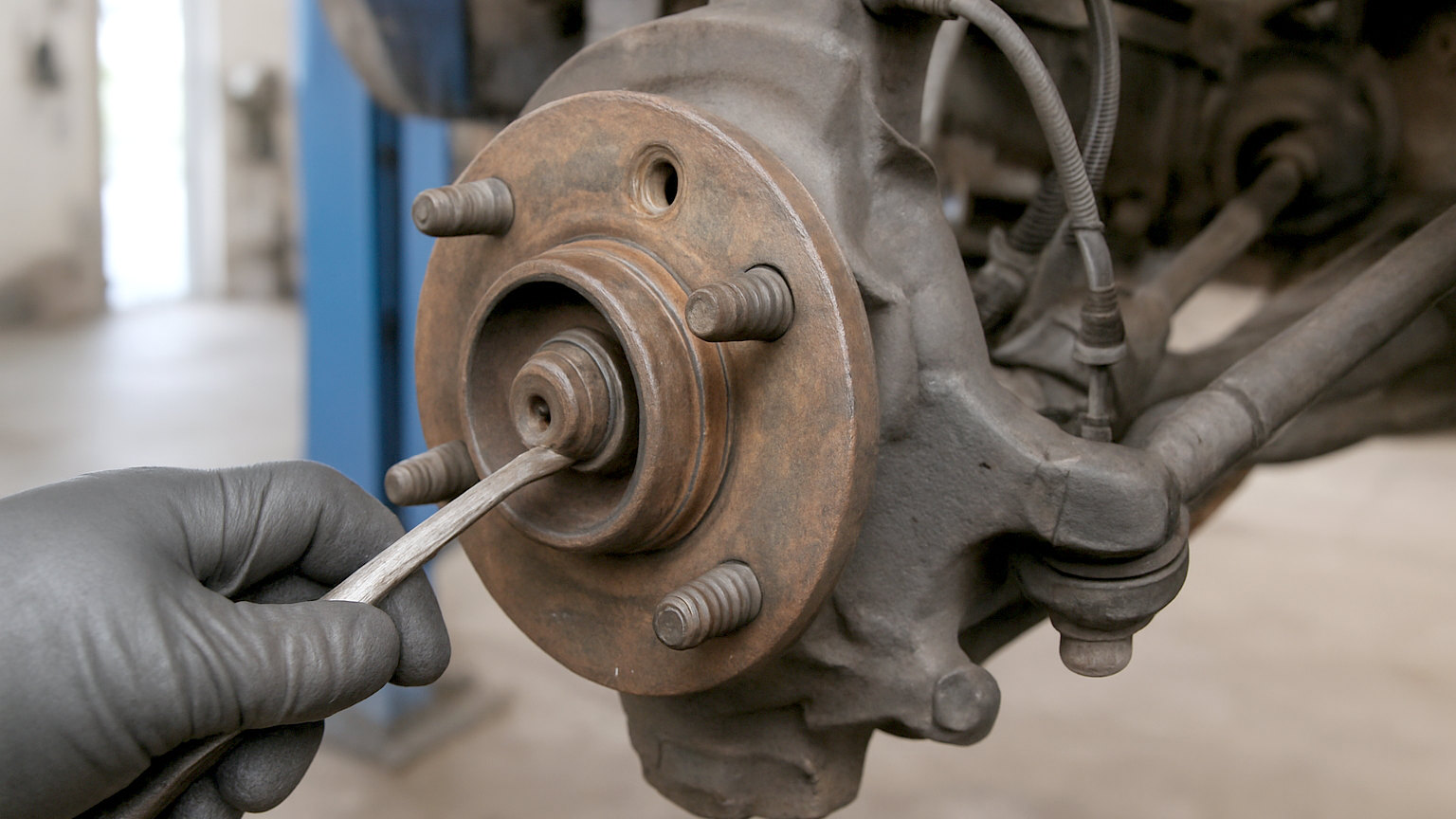
On many designs the driveshaft nut sets the bearing preload, so the torque figure determines whether it lasts a decade or a year.
A bearing with play lets the wheel angle change under load, so the tyre wears as though the alignment were wrong.
A bearing that fails within a year has almost always been damaged during fitting or left in the conditions that killed the last one.
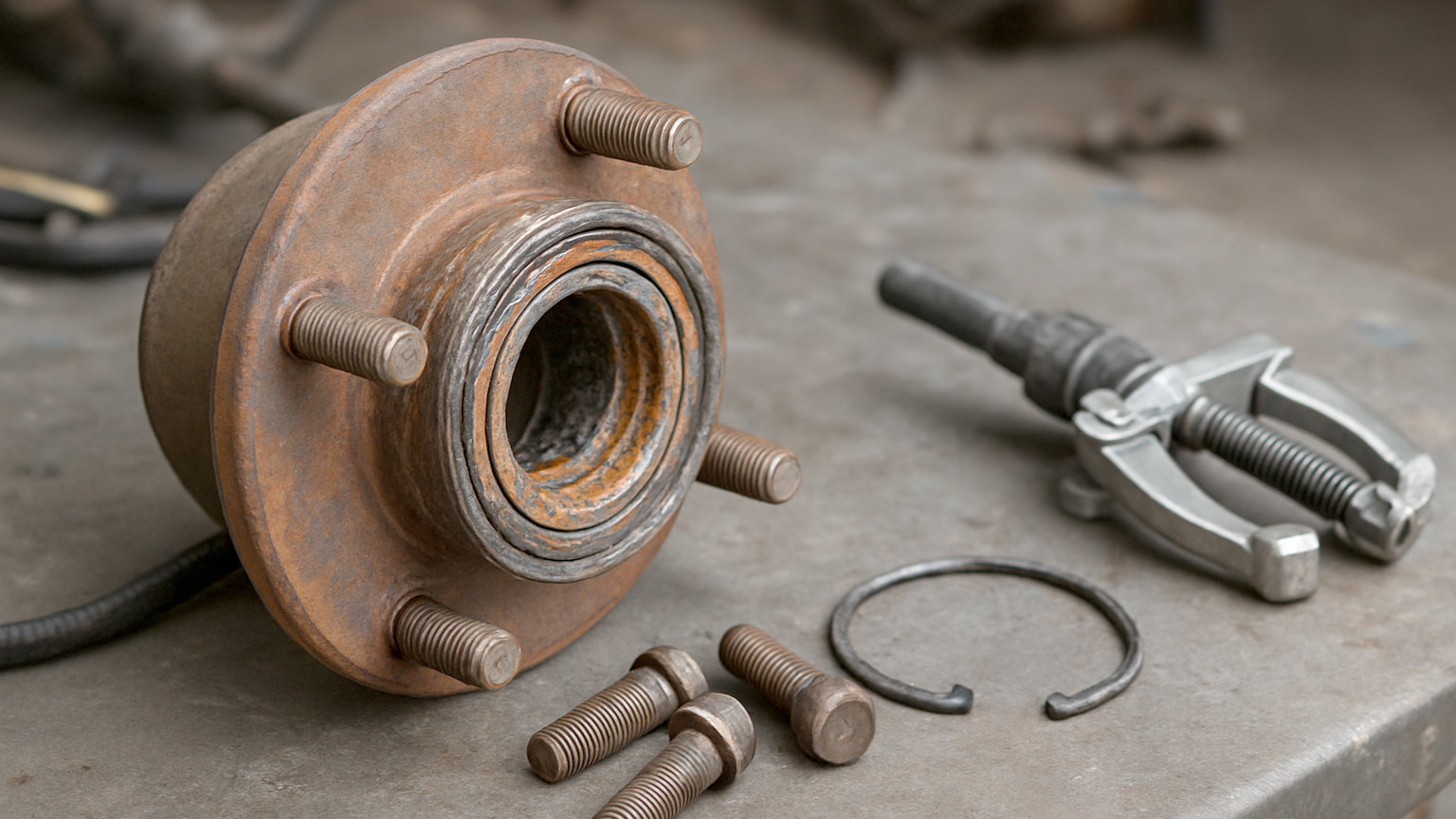
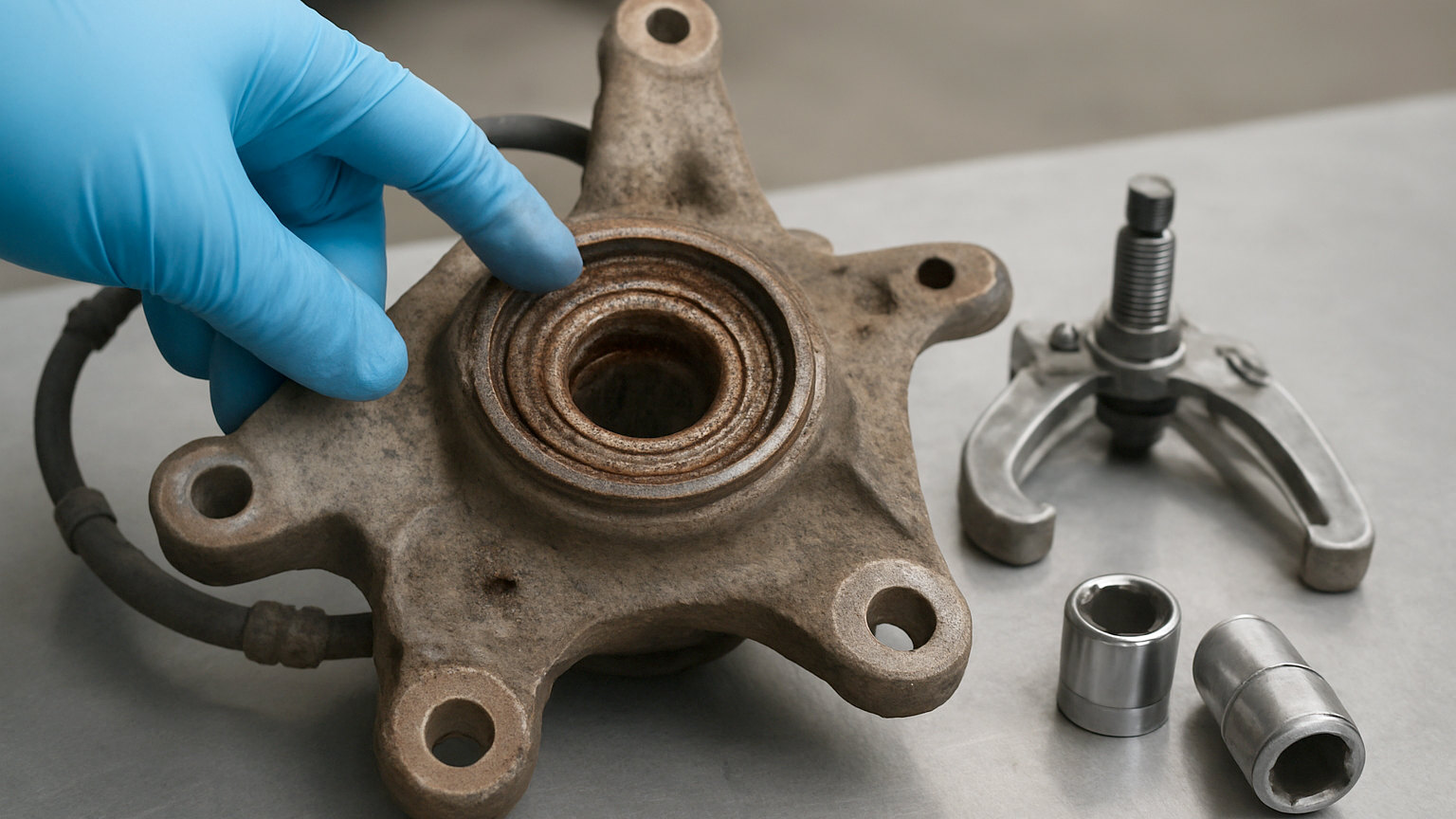
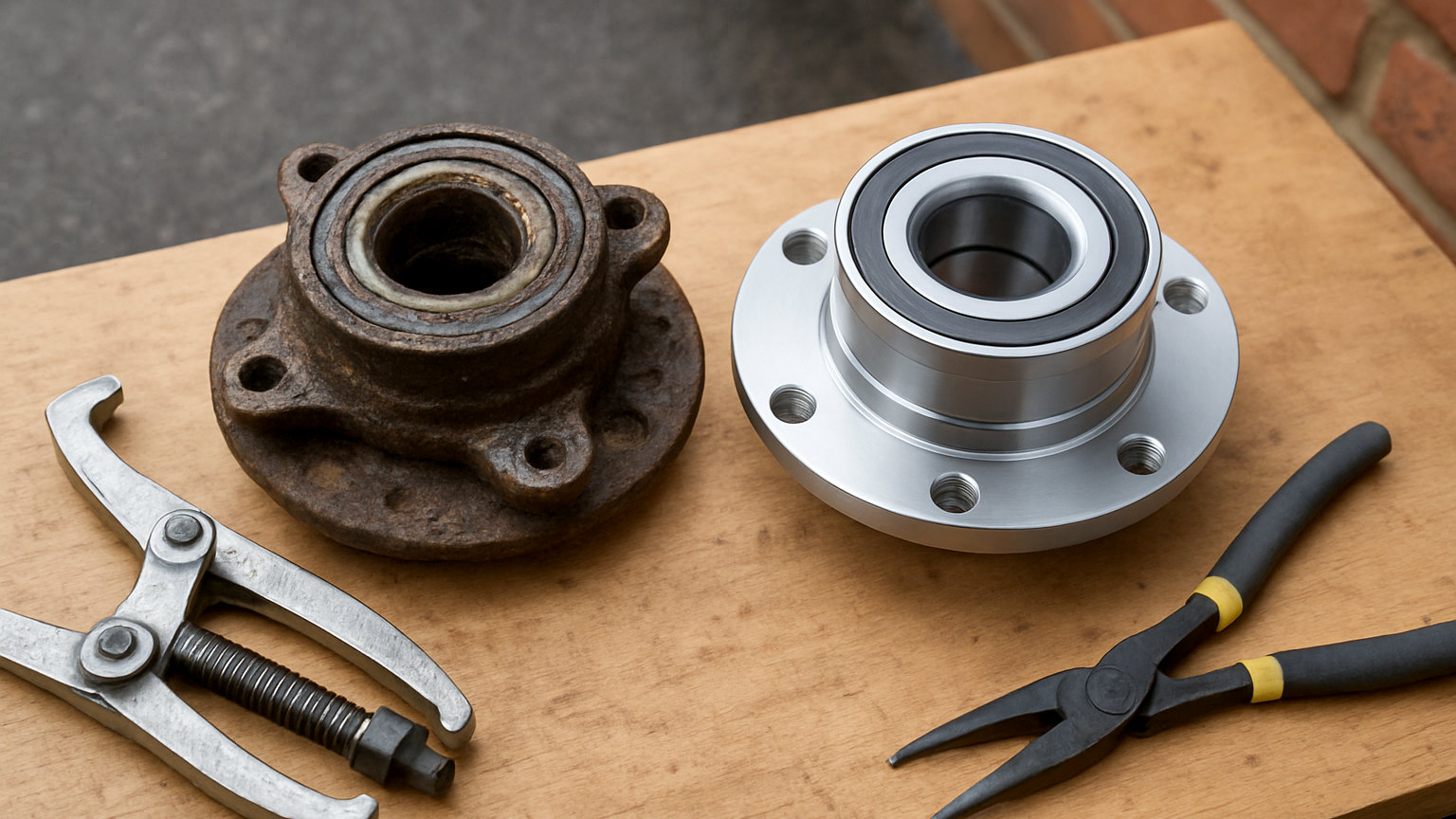
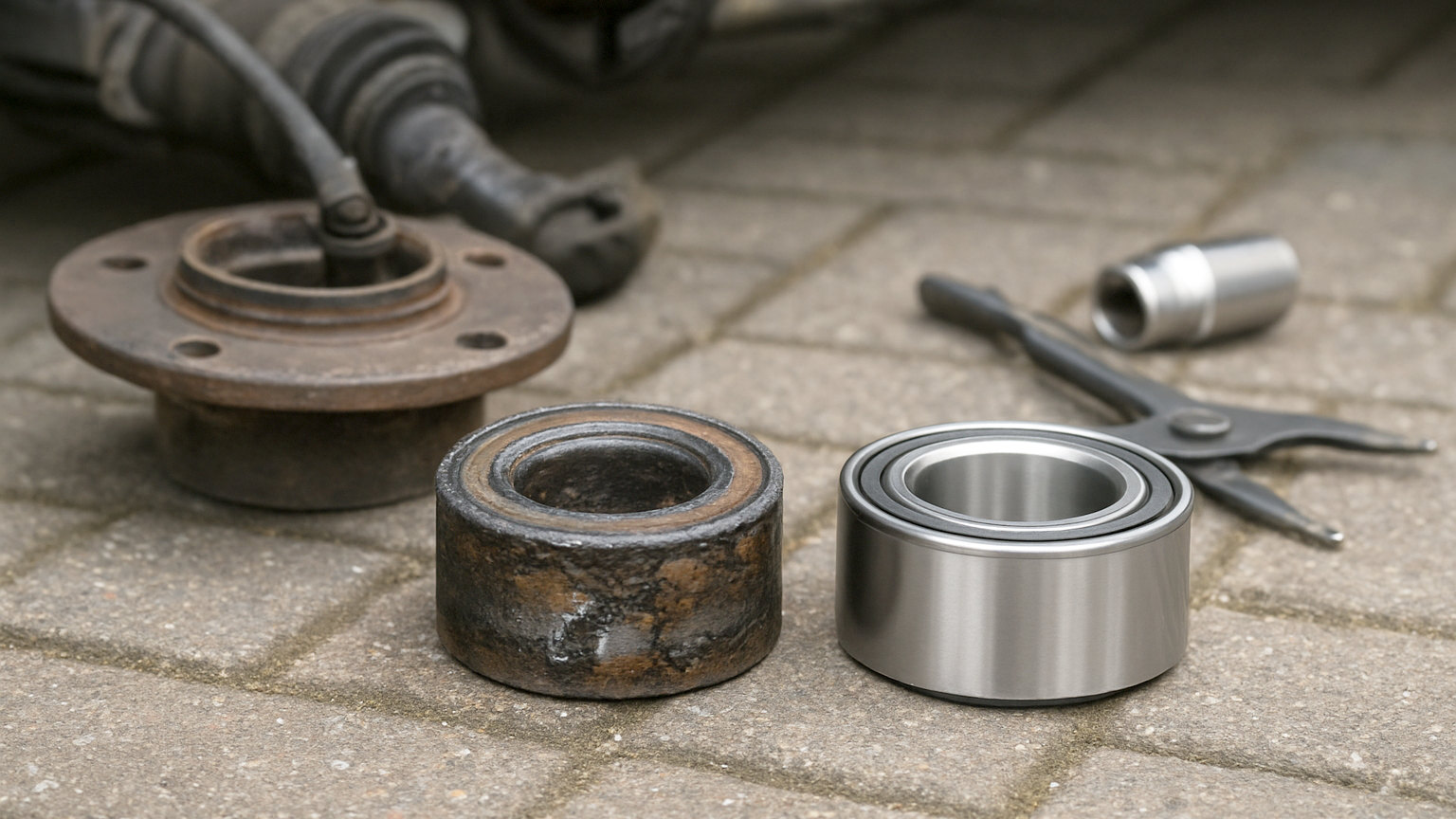
The job ranges from unbolting a hub assembly in under an hour to pressing a cartridge out of a carrier removed from the car.
Unlike pads and tyres, bearings do not need to match, so replacing only the failed one is usually the right decision.
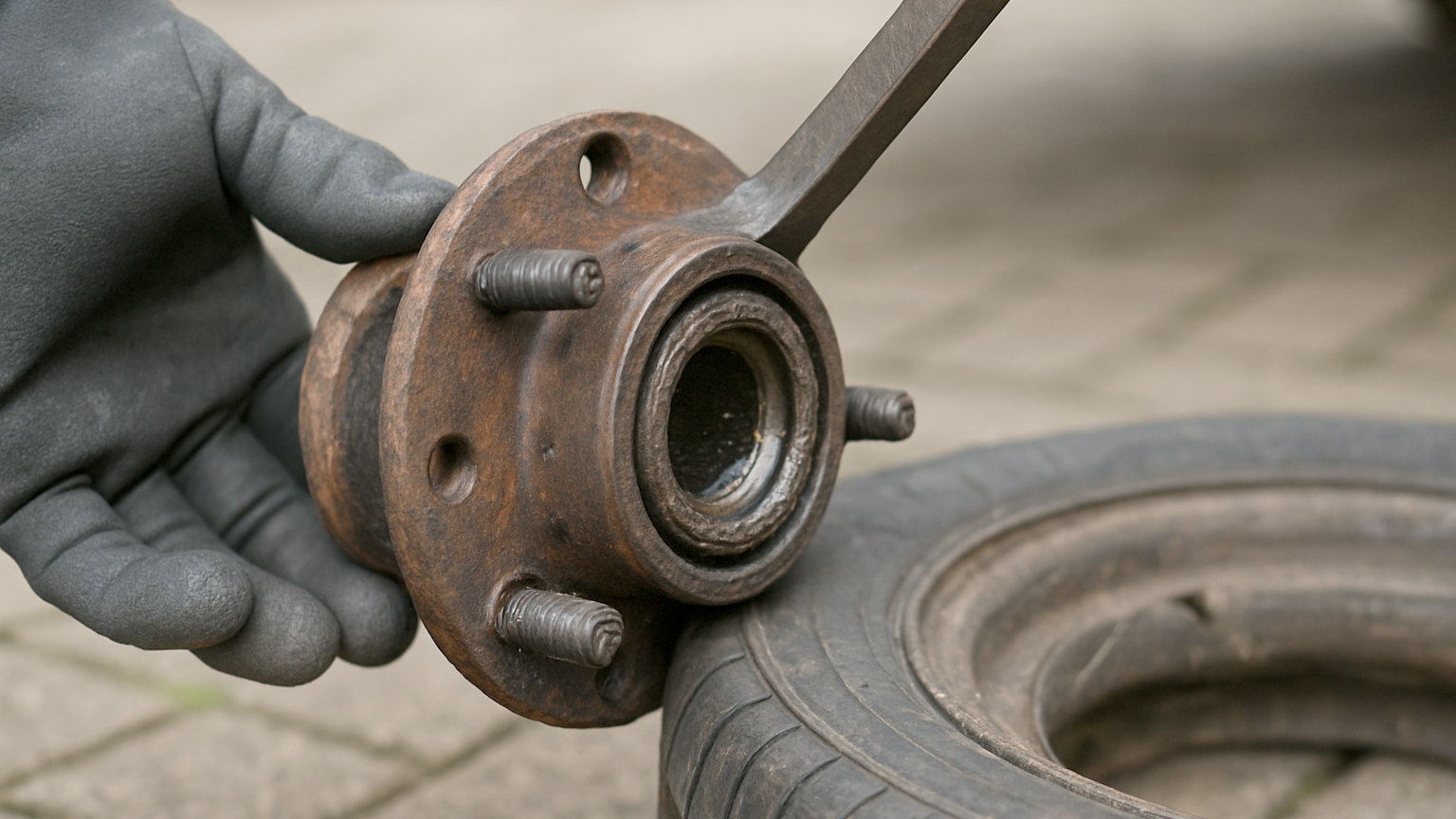
A bearing with play lets the whole hub move, which produces vibration and can make the brakes judder as a secondary effect.
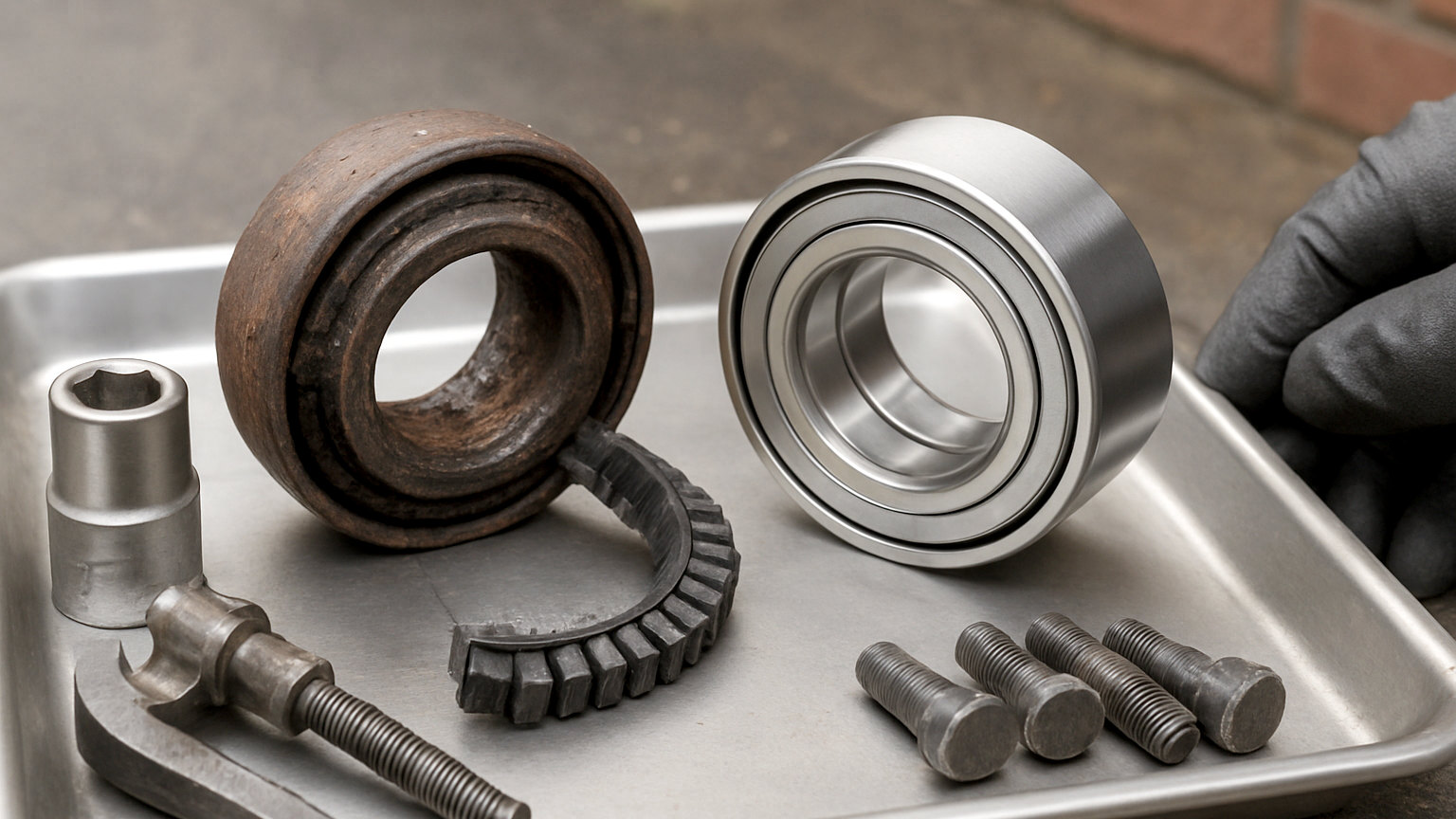
Many modern bearings contain the ABS encoder ring, so a bearing fault and a wheel speed sensor fault are frequently the same thing.
A mild hum gives you time to plan the repair, and a bearing that is grinding or has play in it does not.
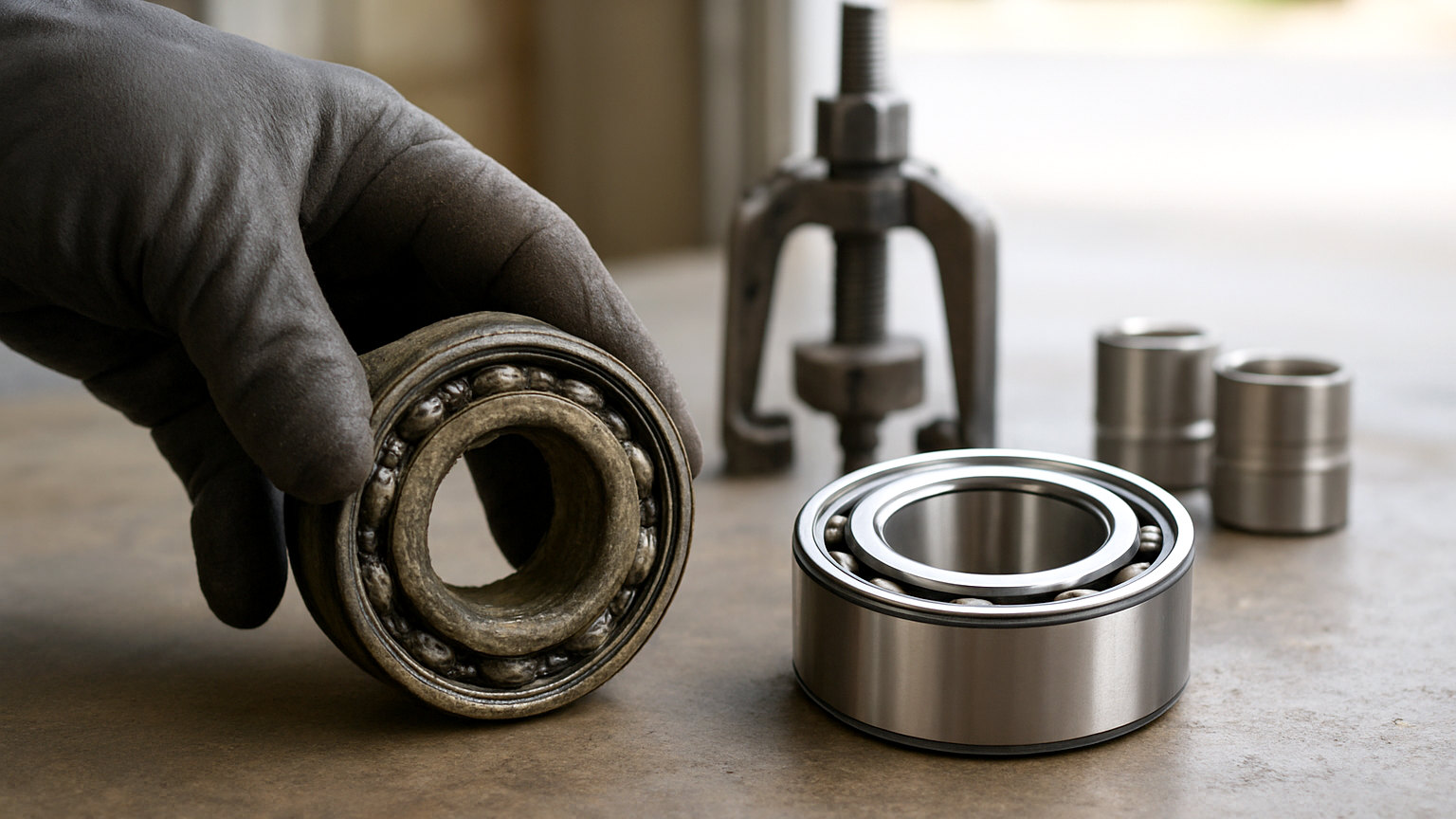
Modern sealed bearings often outlast the car, so a failure at moderate mileage says more about conditions than about wear.