How Long Should a Car Take to Warm Up?
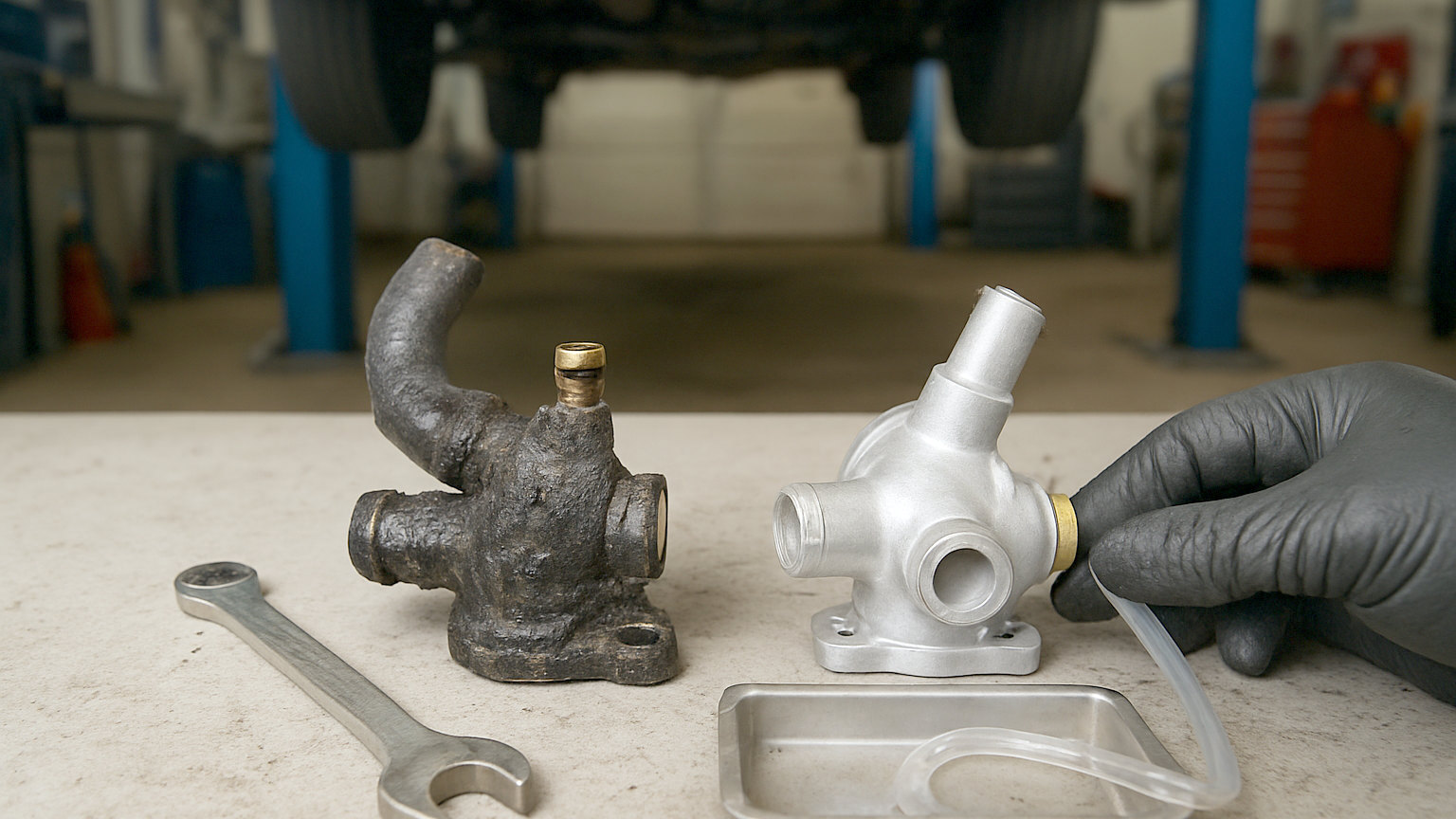
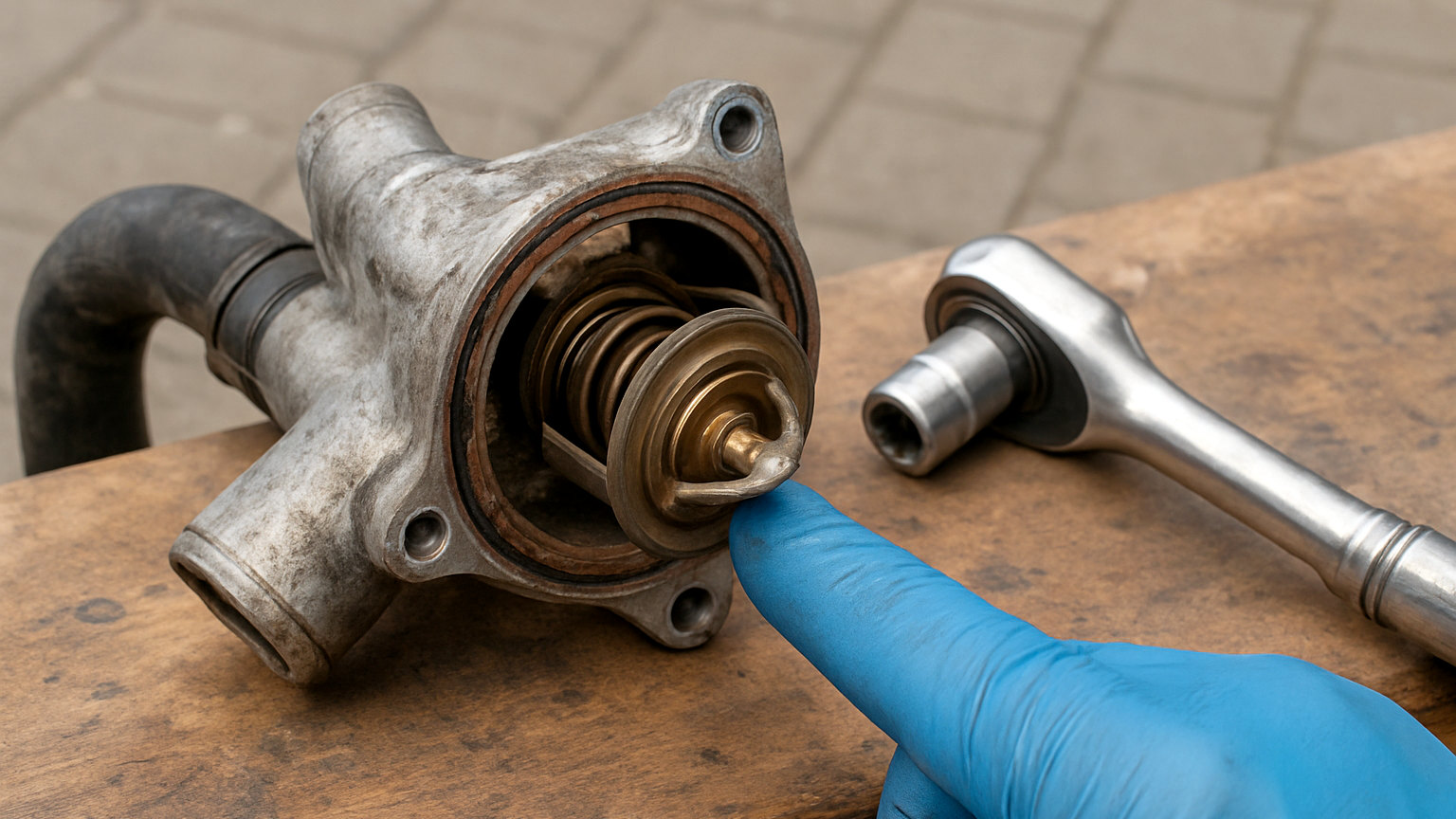
A car should reach operating temperature within ten minutes of driving, and one that takes far longer usually has a thermostat stuck open.
By Car Problems Team
12 Aug 2026

A heater blowing cold, warm on one side only, or taking miles to warm up - thermostat, coolant, matrix and blend flap causes explained.
A car should reach operating temperature within ten minutes of driving, and one that takes far longer usually has a thermostat stuck open.
Heating and demisting faults are far easier to fix in October than to discover on the first frosty morning in December.
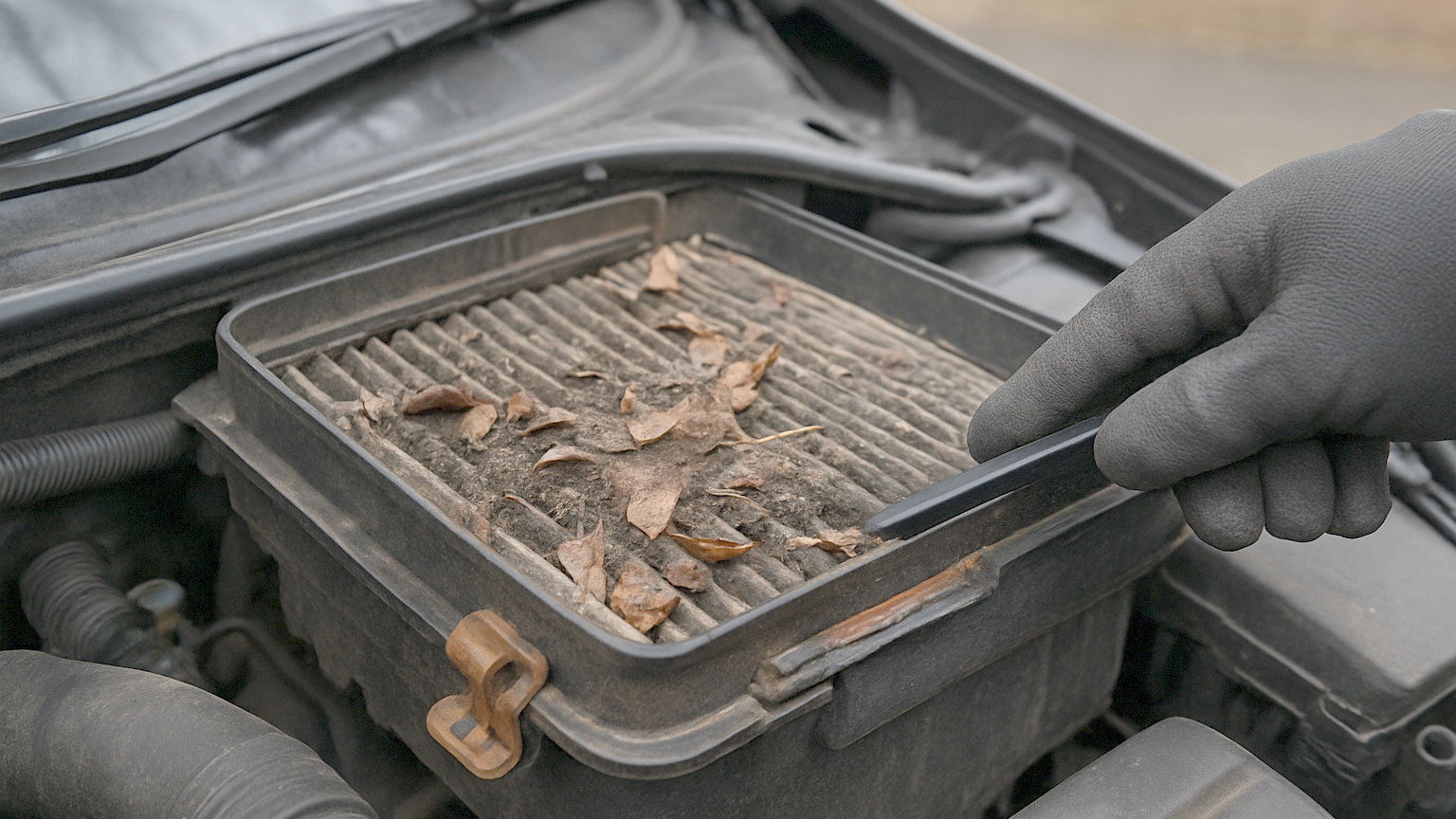
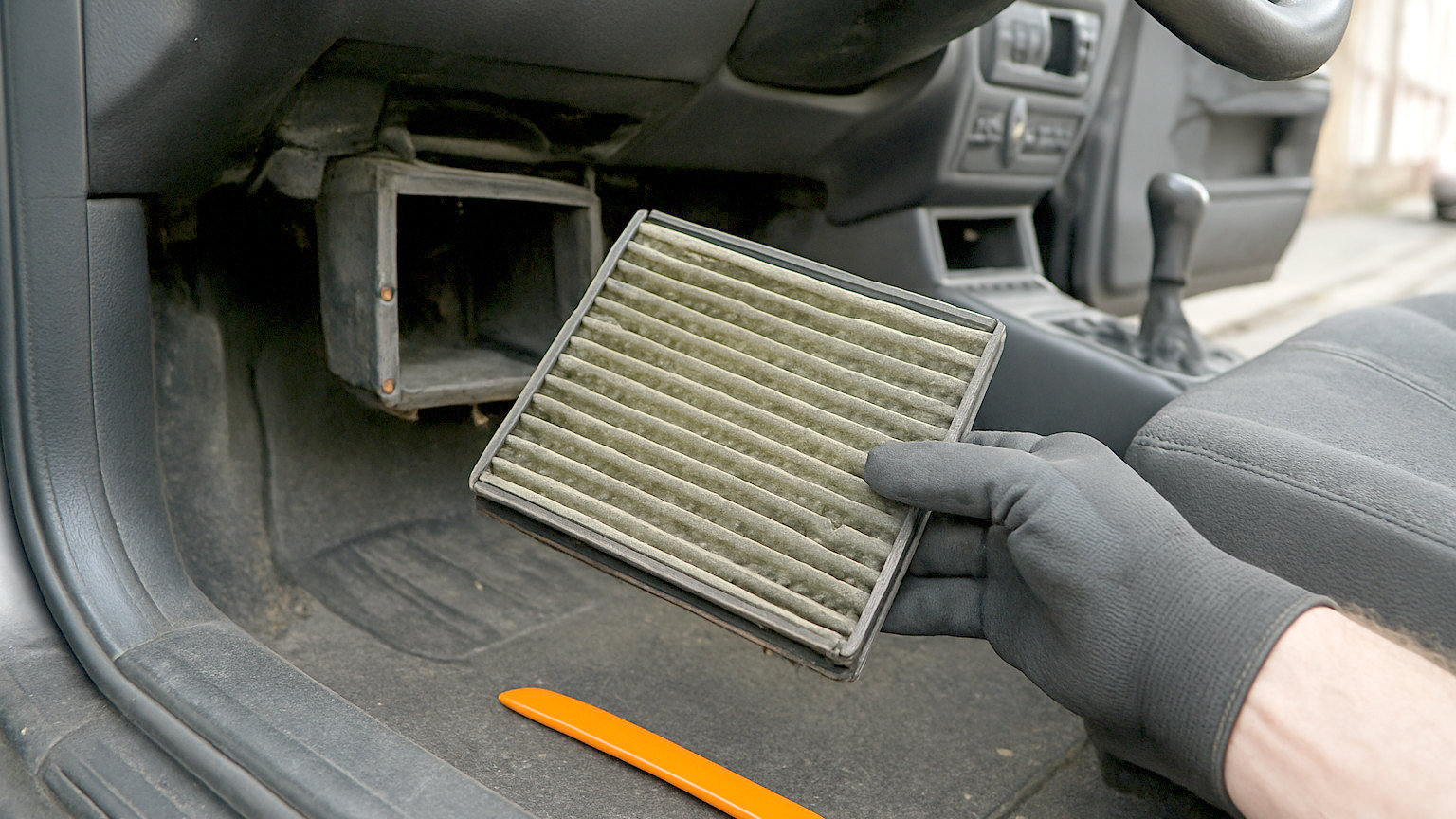
A musty smell when the fan starts usually means the evaporator or the cabin filter has become damp and grown mould.
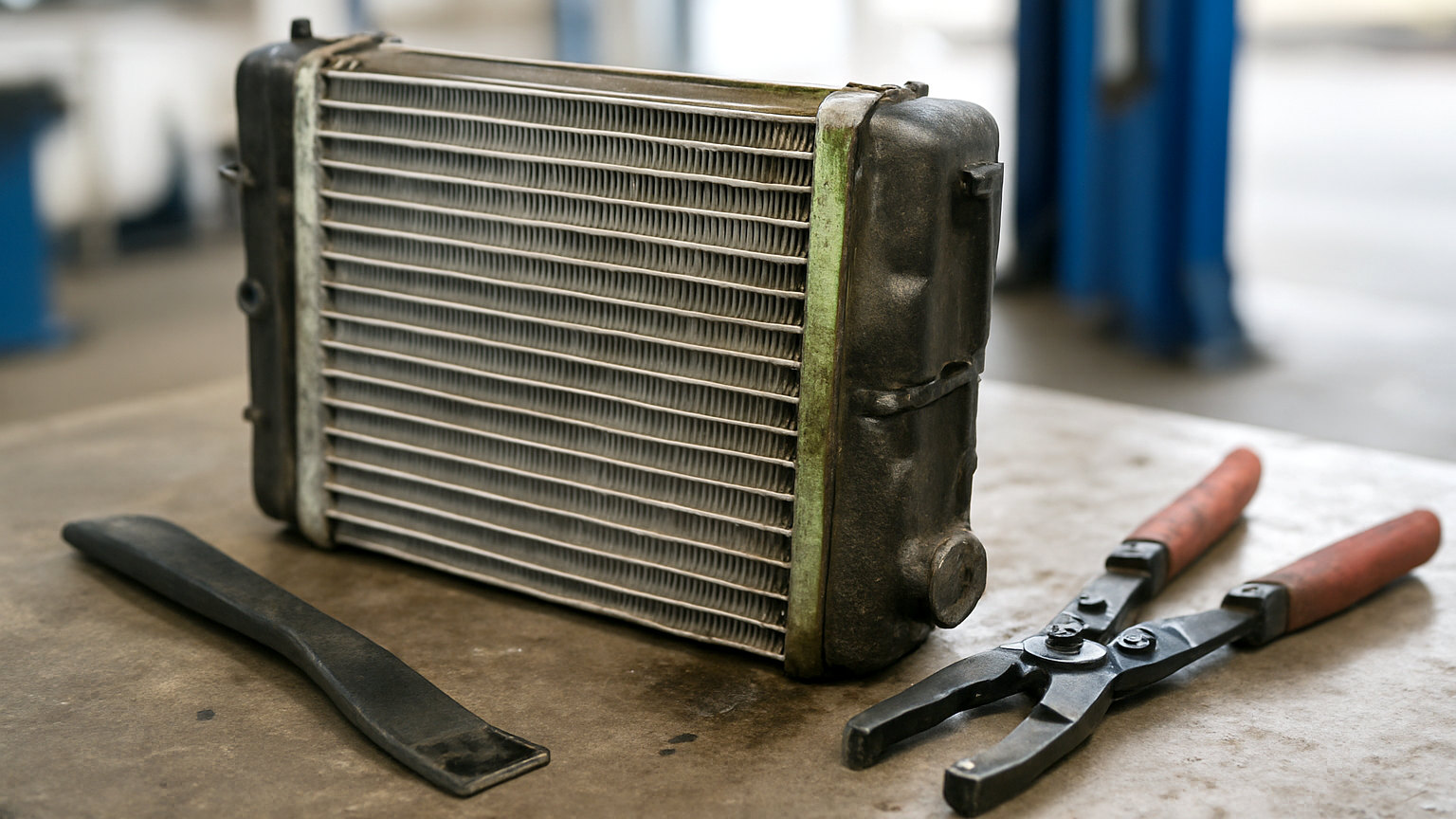
Trapped air rises to the highest point, which on most cars is the heater matrix, so an airlock shows up first as a cold cabin.
Modern engines are efficient enough to produce little waste heat, so slow warm up is often normal rather than a fault.
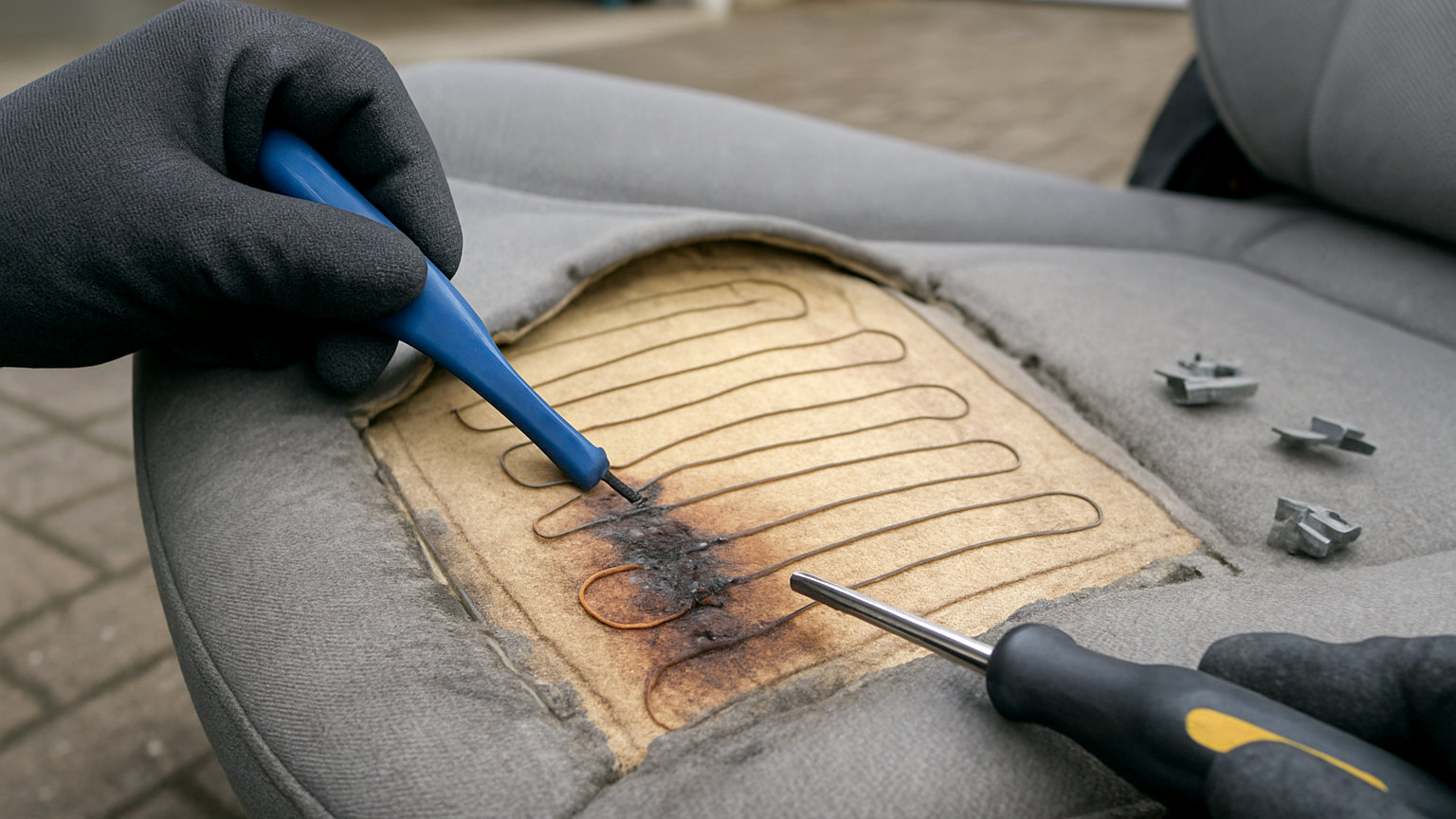
Heated seat elements sit under a surface that flexes every time someone sits down, which is why they eventually break.
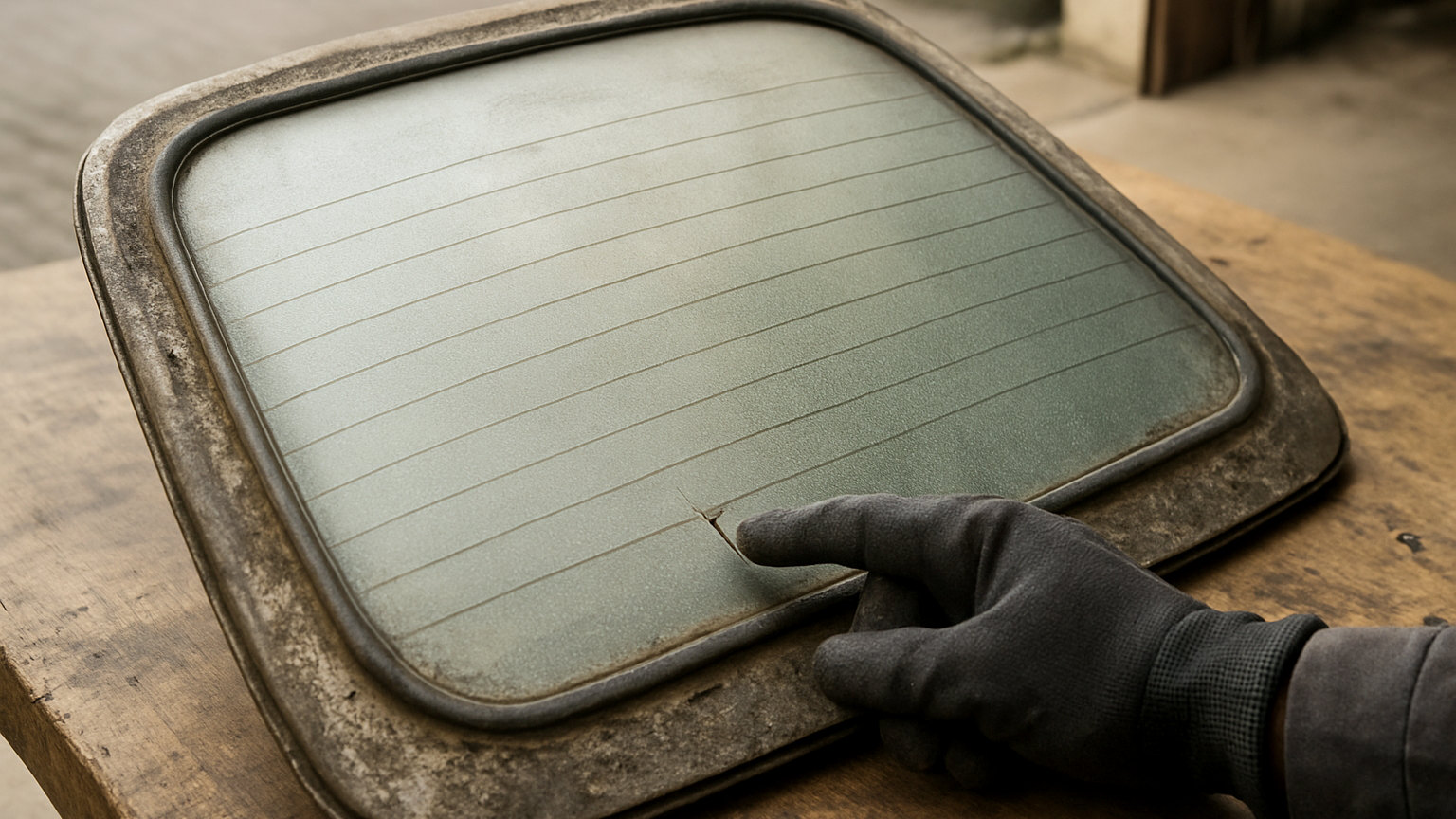
Heated screens work through printed elements on the glass, and a single broken line produces one clear stripe in the mist.
Climate control sets a temperature and manages everything else itself, which makes it more capable and more complicated to diagnose.
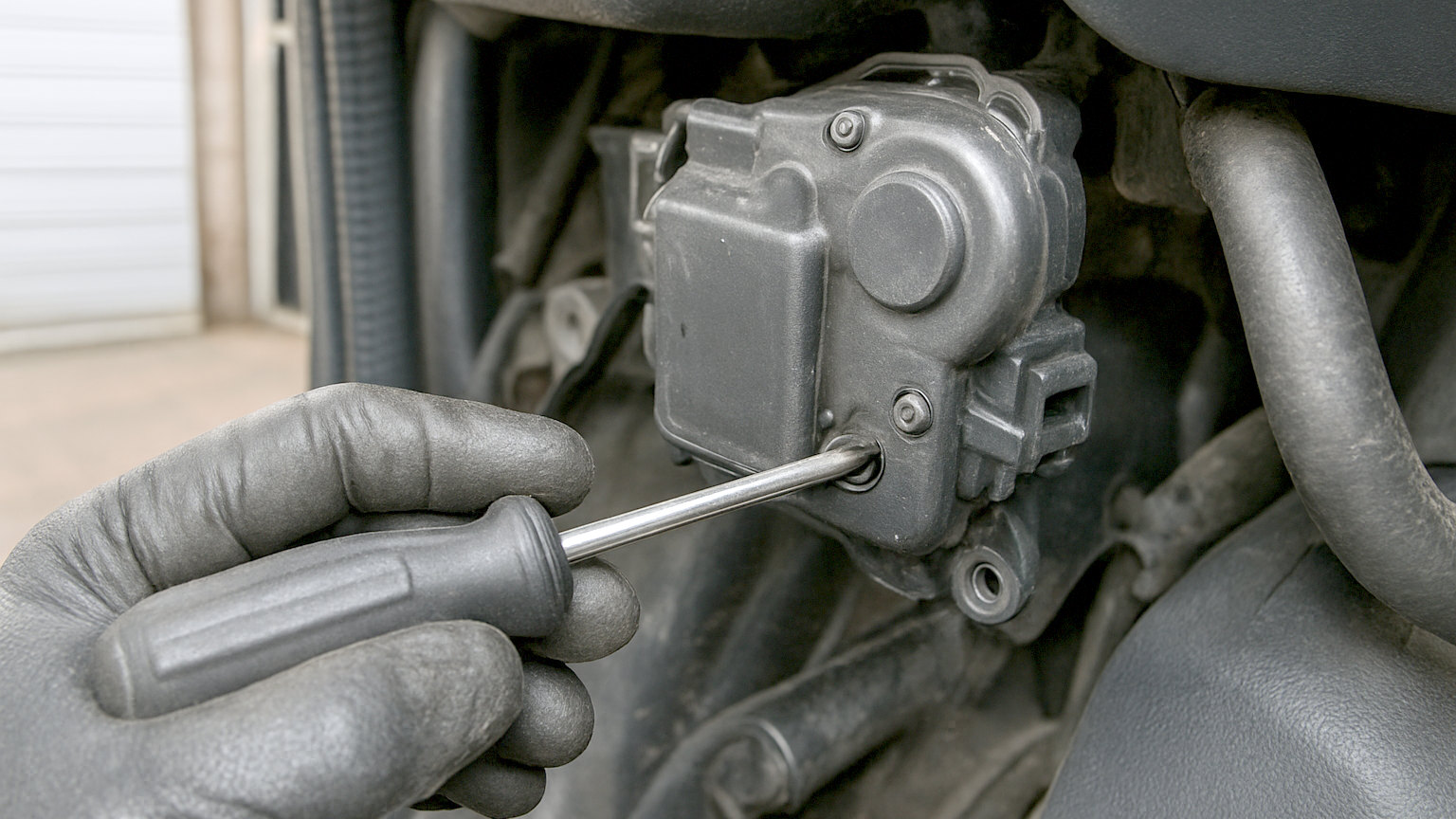
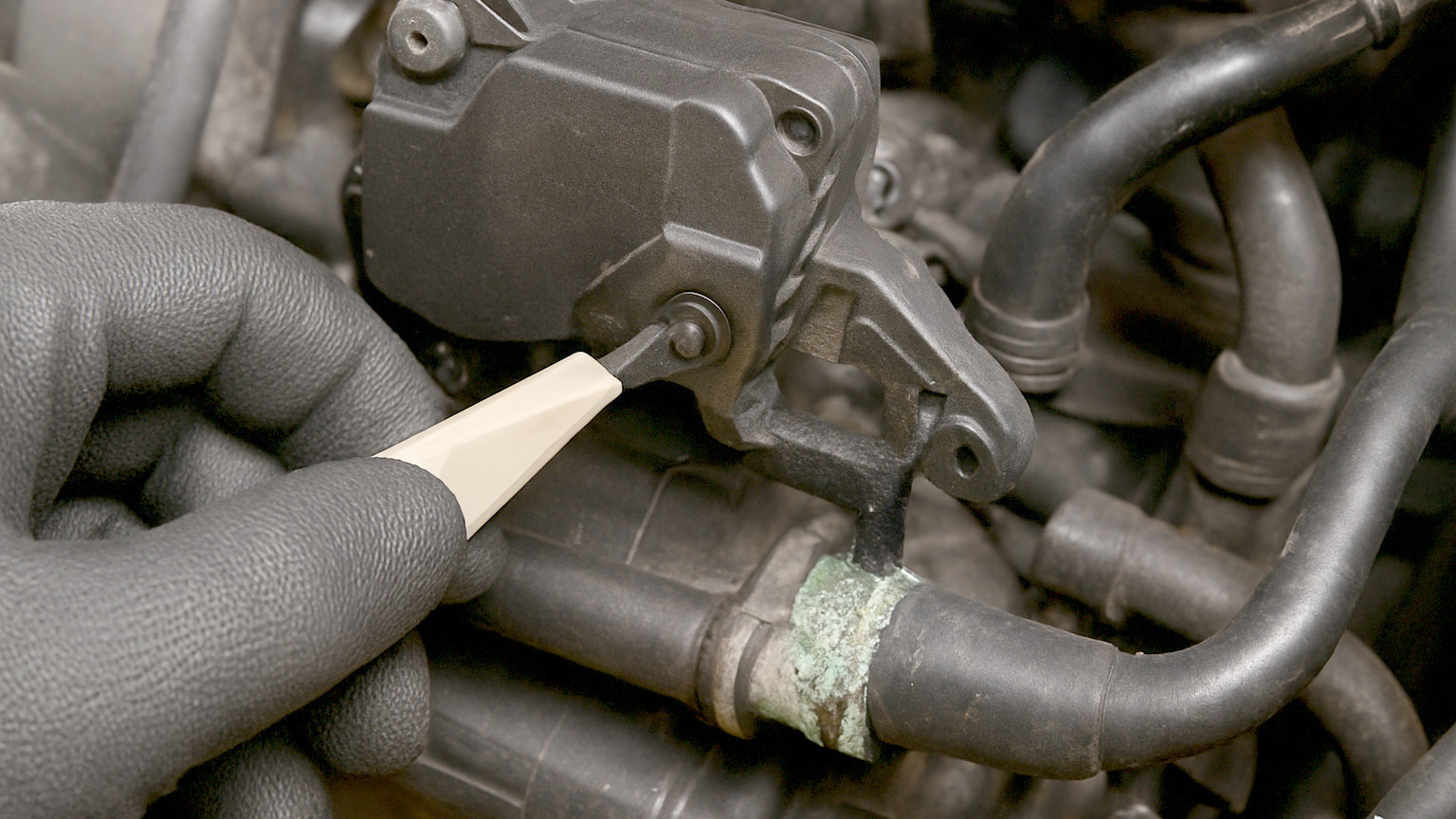
Air direction is set by flaps inside the heater box, and when their actuators or vacuum supply fail the system defaults somewhere unhelpful.
A sweet syrupy smell in the cabin is coolant, and coolant inside the car means the heater matrix is leaking.