What Do the Colours of Dashboard Warning Lights Mean?
Warning lights follow a traffic light system, so the colour tells you how urgently to respond before you have identified the symbol.
By Car Problems Team
13 Aug 2026

Electrical faults are the ones drivers most often misread, because the same symptom has two completely different price tags behind it. A car that clicks and won’t turn over might need a fifteen-minute battery swap or a starter motor; a battery that keeps going flat is usually not the battery at all. These guides show you how to tell which is which before you spend anything, what each dashboard warning light genuinely means as opposed to what it feels like it means, and which faults are safe to drive on and which are not.
Warning lights follow a traffic light system, so the colour tells you how urgently to respond before you have identified the symbol.
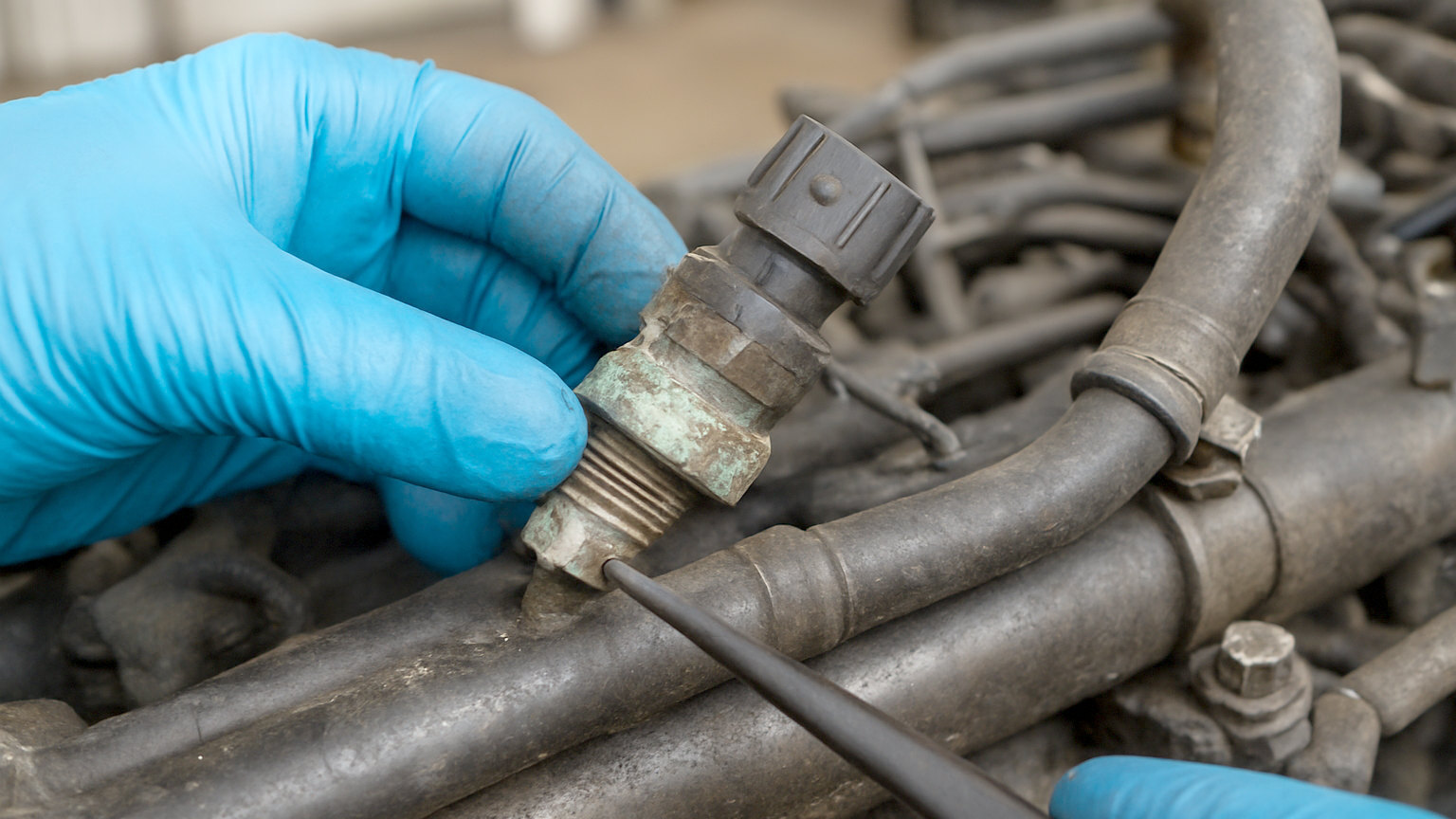
Some sensors are plug and play and others need teaching, and skipping that step produces a fault that looks like a faulty new part.
You are paying for time rather than parts, and an intermittent fault that will not appear on the day is the most expensive kind there is.
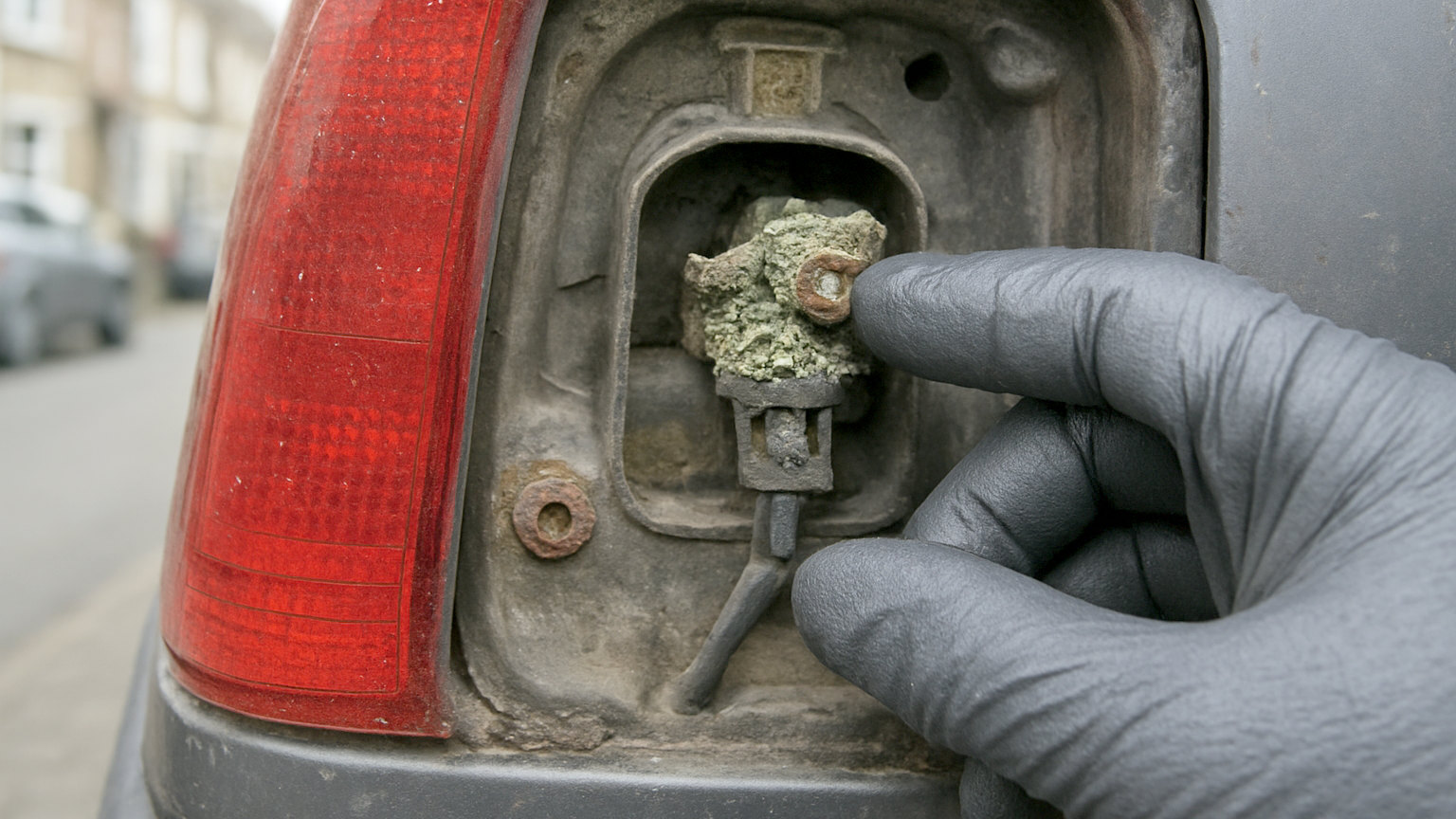
When several rear lights misbehave together the cause is usually one shared earth, and water in the cluster is what corroded it.
One symbol covers three quite different situations, and only one of them is resolved by releasing the handbrake.
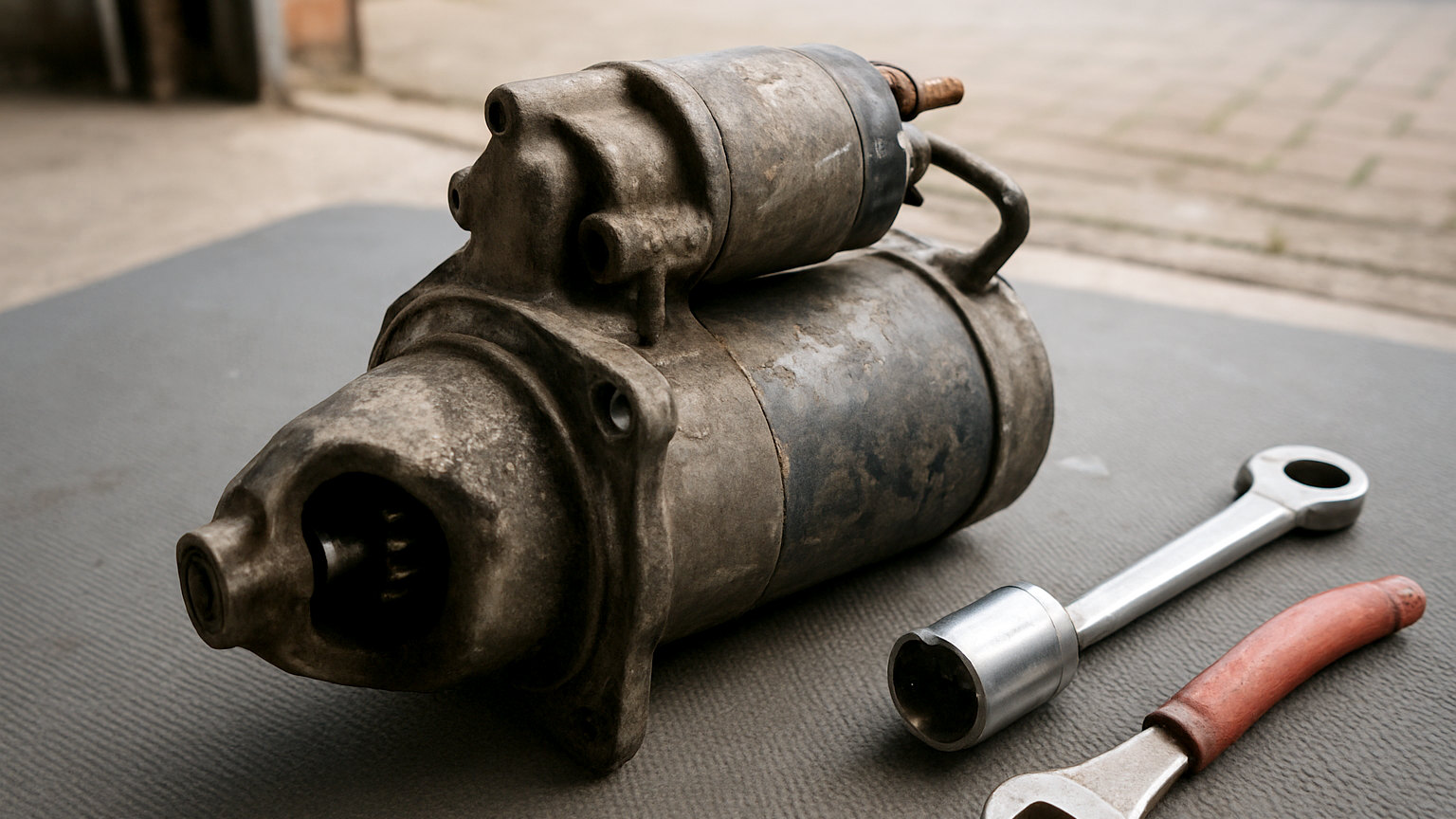
Bump starting bypasses the starter entirely, which makes it a useful roadside answer and a genuine diagnostic test at the same time.
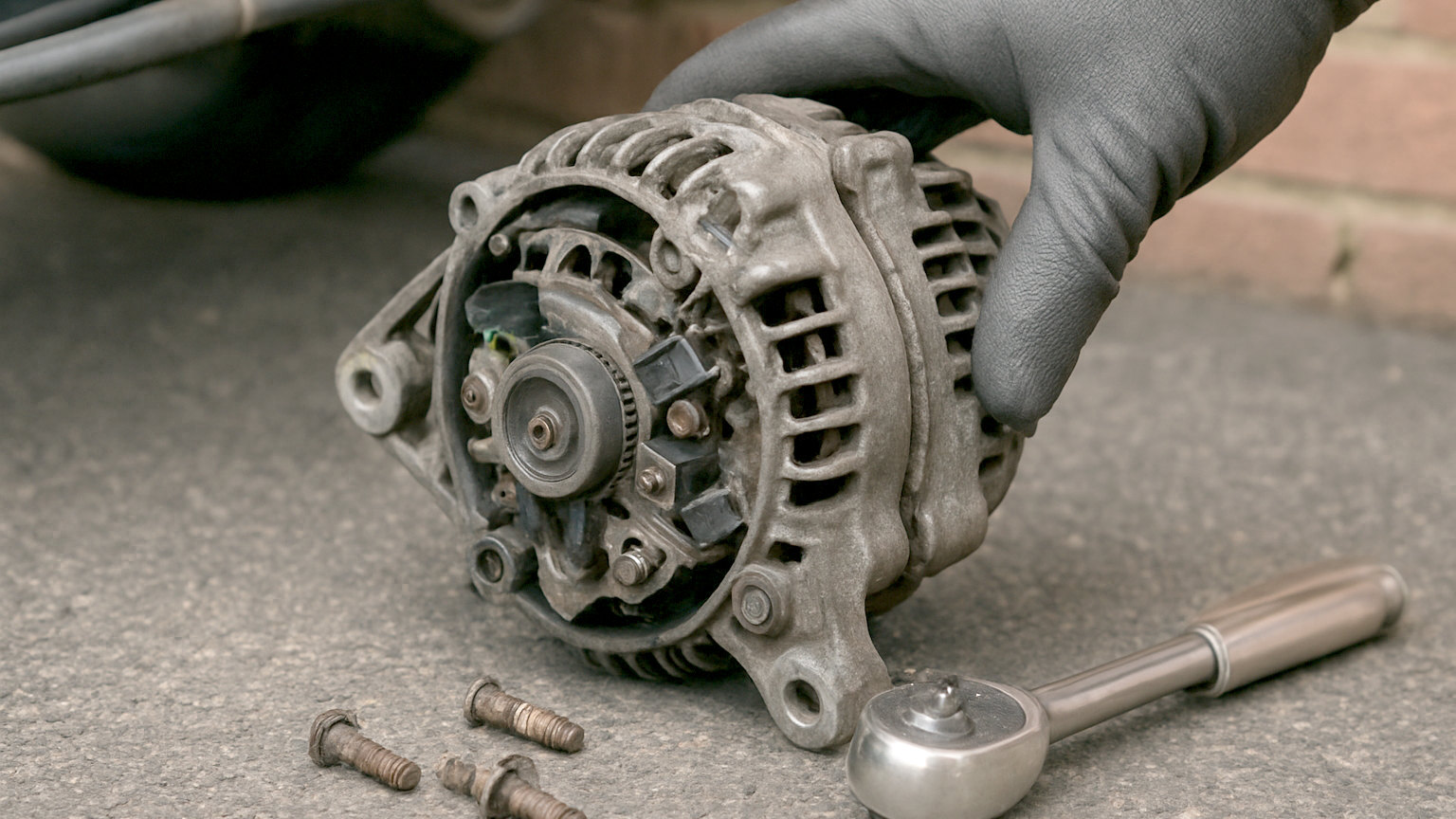
Modern cars vary their charging voltage deliberately, which means a low meter reading is no longer proof of a fault.
Common rail systems control pressure by feedback, so a sensor reporting the wrong figure makes the whole system chase a phantom.
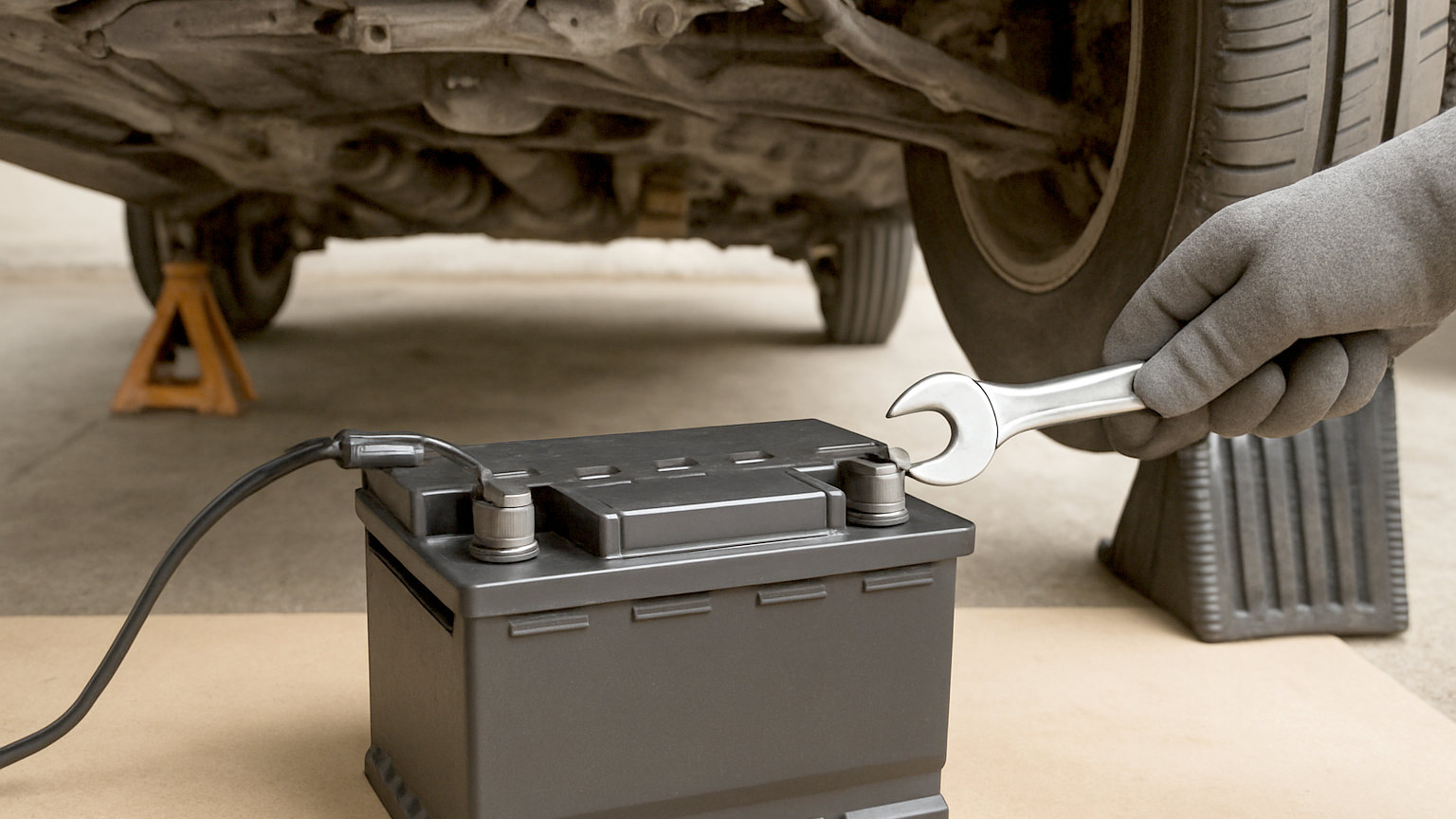
Battery registration is a step that costs minutes and gets skipped constantly, and the consequence is a new battery charged as though it were old.
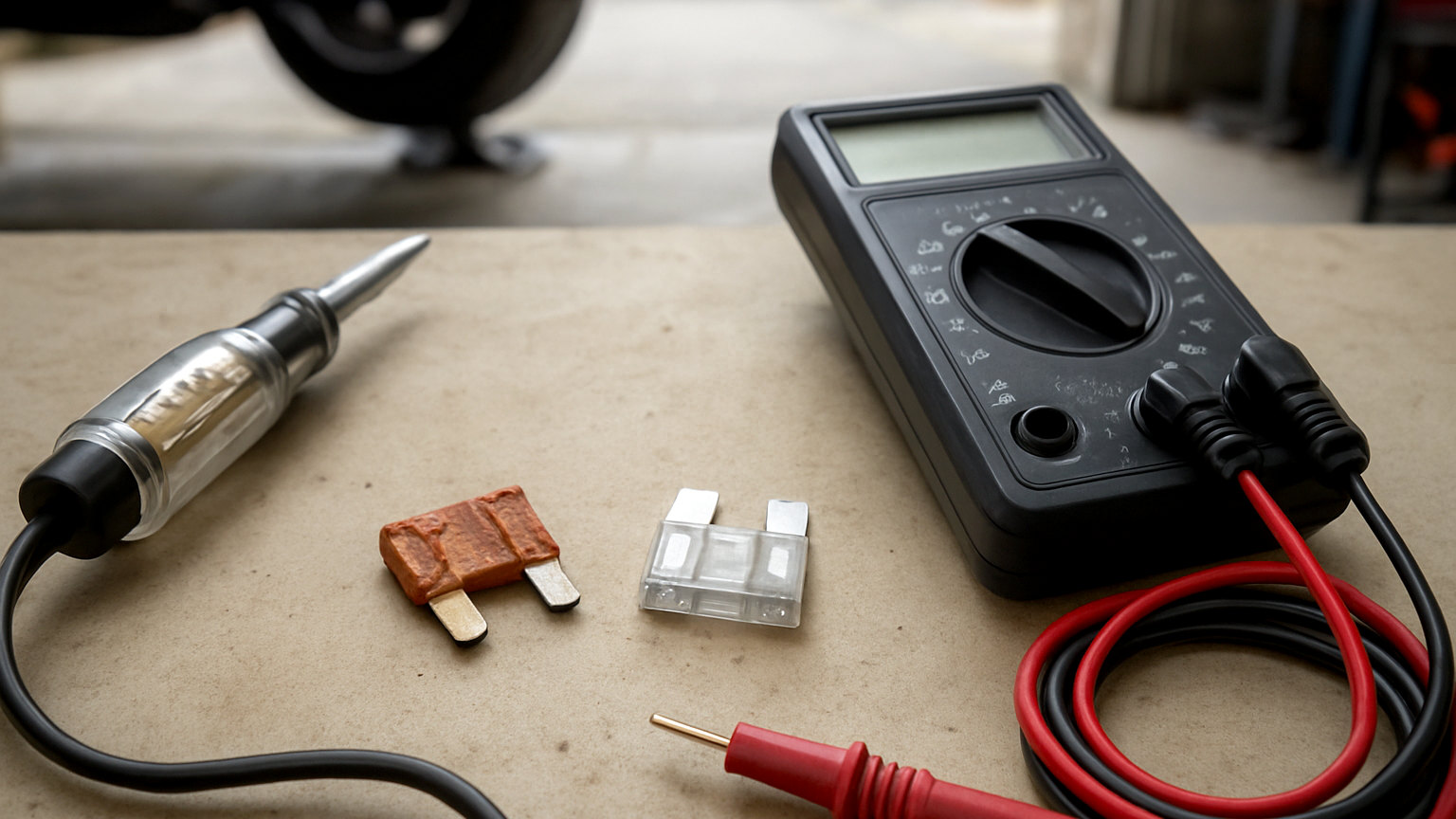
A multimeter and a test lamp cover most home diagnosis, and knowing what each one cannot tell you matters as much as owning them.