Why Does My Car Need Coding After a Battery Change?
Battery registration is a step that costs minutes and gets skipped constantly, and the consequence is a new battery charged as though it were old.
A battery that keeps going flat, won’t hold charge, or dies overnight - testing it properly, and why a parasitic drain is so often the real cause.
Battery registration is a step that costs minutes and gets skipped constantly, and the consequence is a new battery charged as though it were old.
Batteries do give warning, but the signs are subtle enough that most people only recognise them in hindsight after the breakdown.
A smart conditioner left connected does more for battery life than any other single purchase, particularly on a car that sits.
Most batteries are killed by how the car is used rather than by any fault, and the worst offenders are entirely within your control.
Cold does not usually break a battery so much as expose one that was already failing, and summer heat does more of the actual damage.
If a new battery behaves exactly like the old one, the battery was never the fault, and the real cause is still sitting in the car.
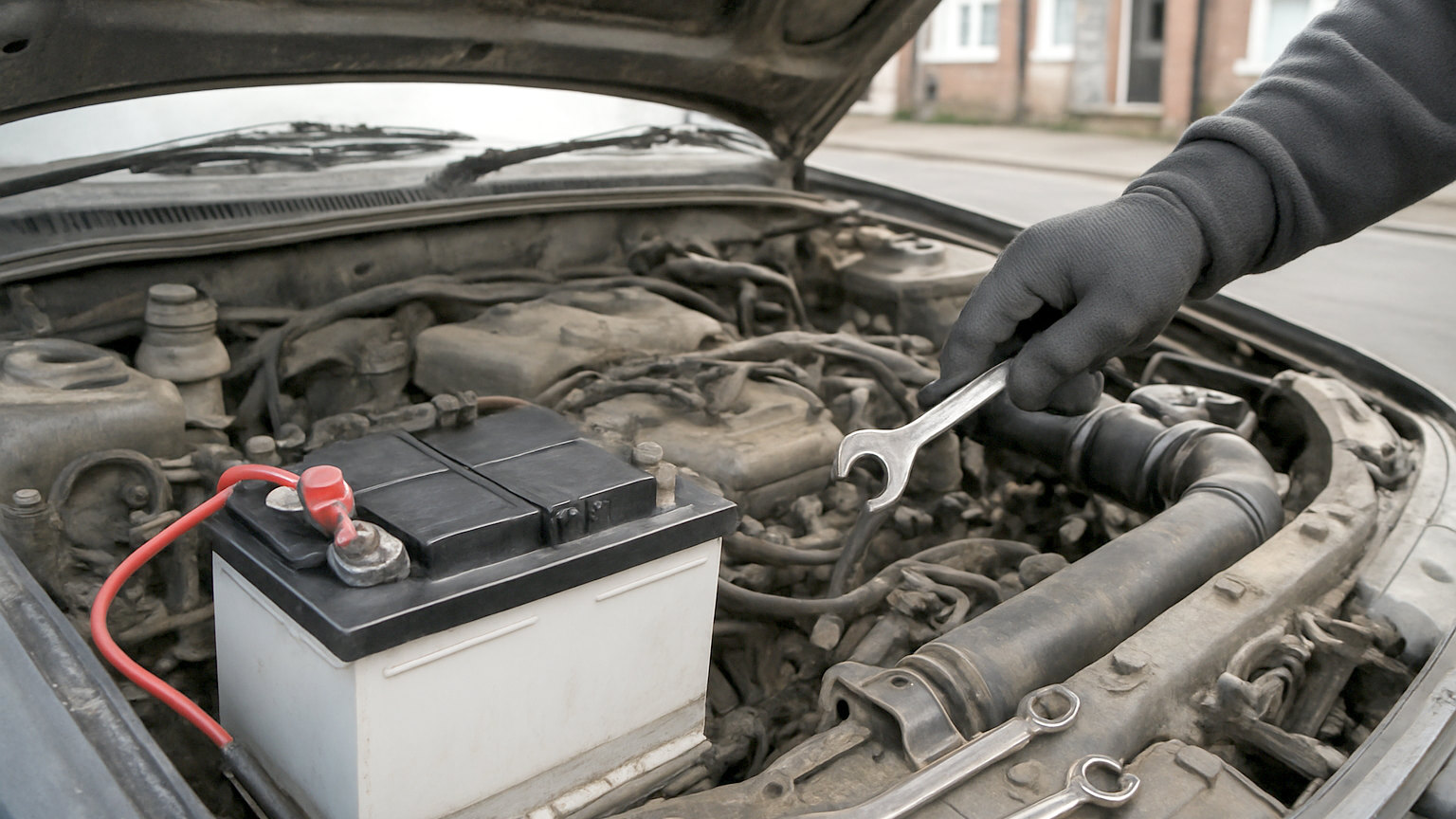
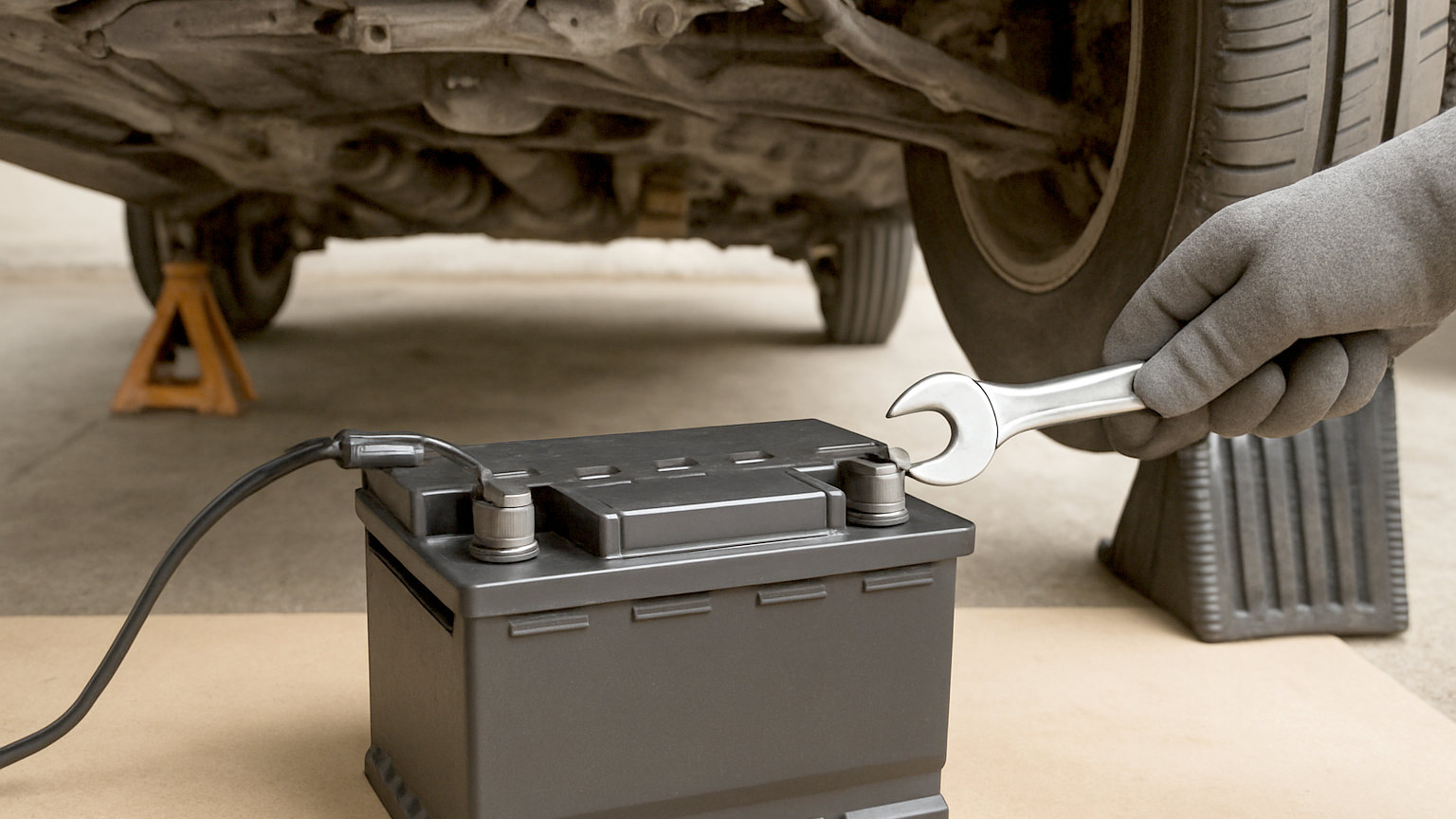
The order of the terminals is not a formality, and getting it wrong at the wrong moment produces a spark across a live spanner.
Stop-start systems cycle a battery far harder than conventional cars do, and fitting the wrong type is one of the more expensive false economies.
The figures on a battery label describe three different things, and buying on price alone usually means getting one of them wrong.
Most flat batteries recover, but how flat it went and how long it stayed there decides whether you get all the capacity back.