How Long Do Shock Absorbers Last?
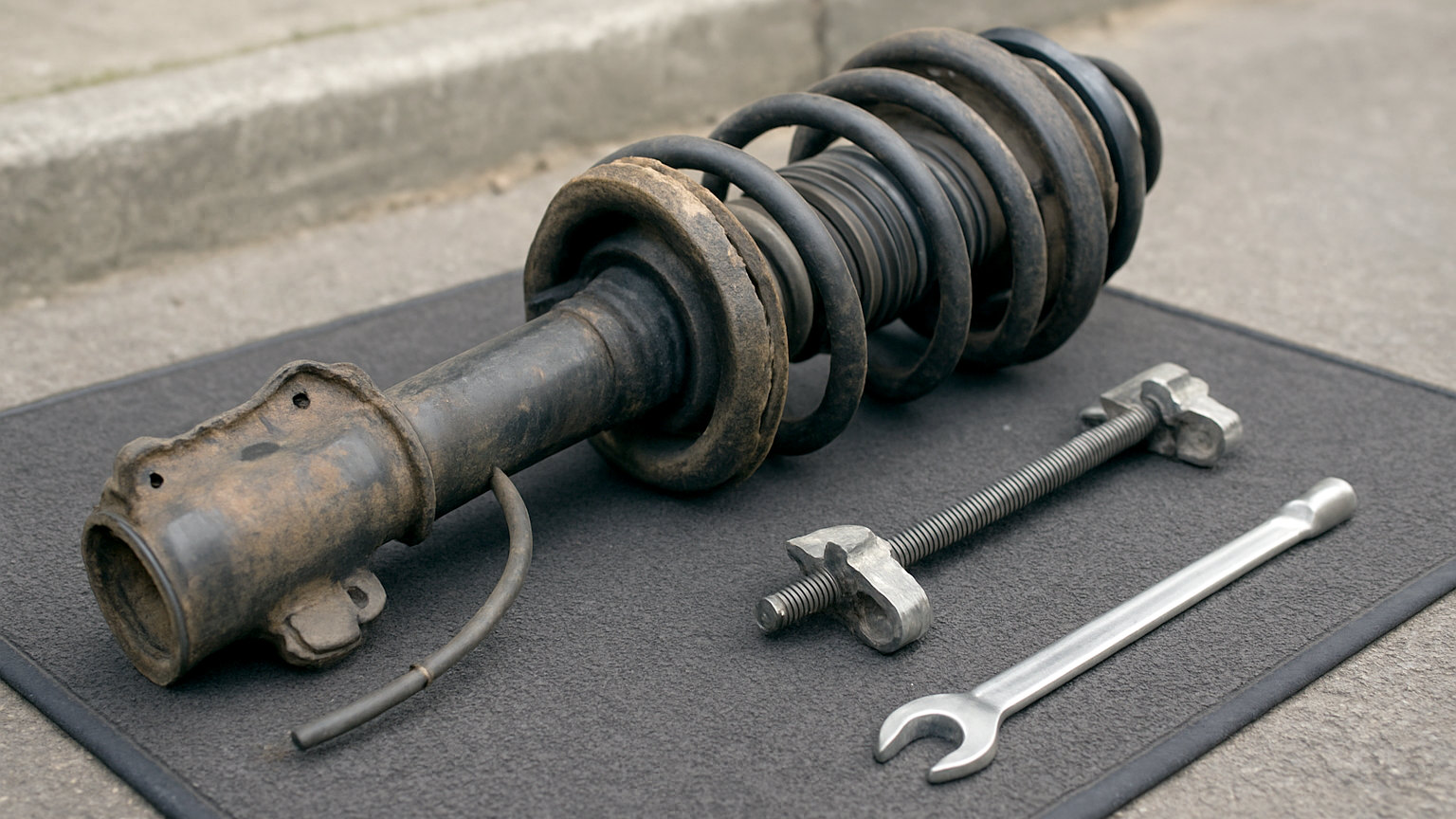
Dampers wear so gradually that most drivers never notice, which is why they are frequently the most neglected component on a car.
By Car Problems Team
12 Aug 2026

Knocking over bumps, a car sitting low on one corner, crashy ride and uneven tyre wear - springs, shocks, bushes and top mounts explained.
Dampers wear so gradually that most drivers never notice, which is why they are frequently the most neglected component on a car.
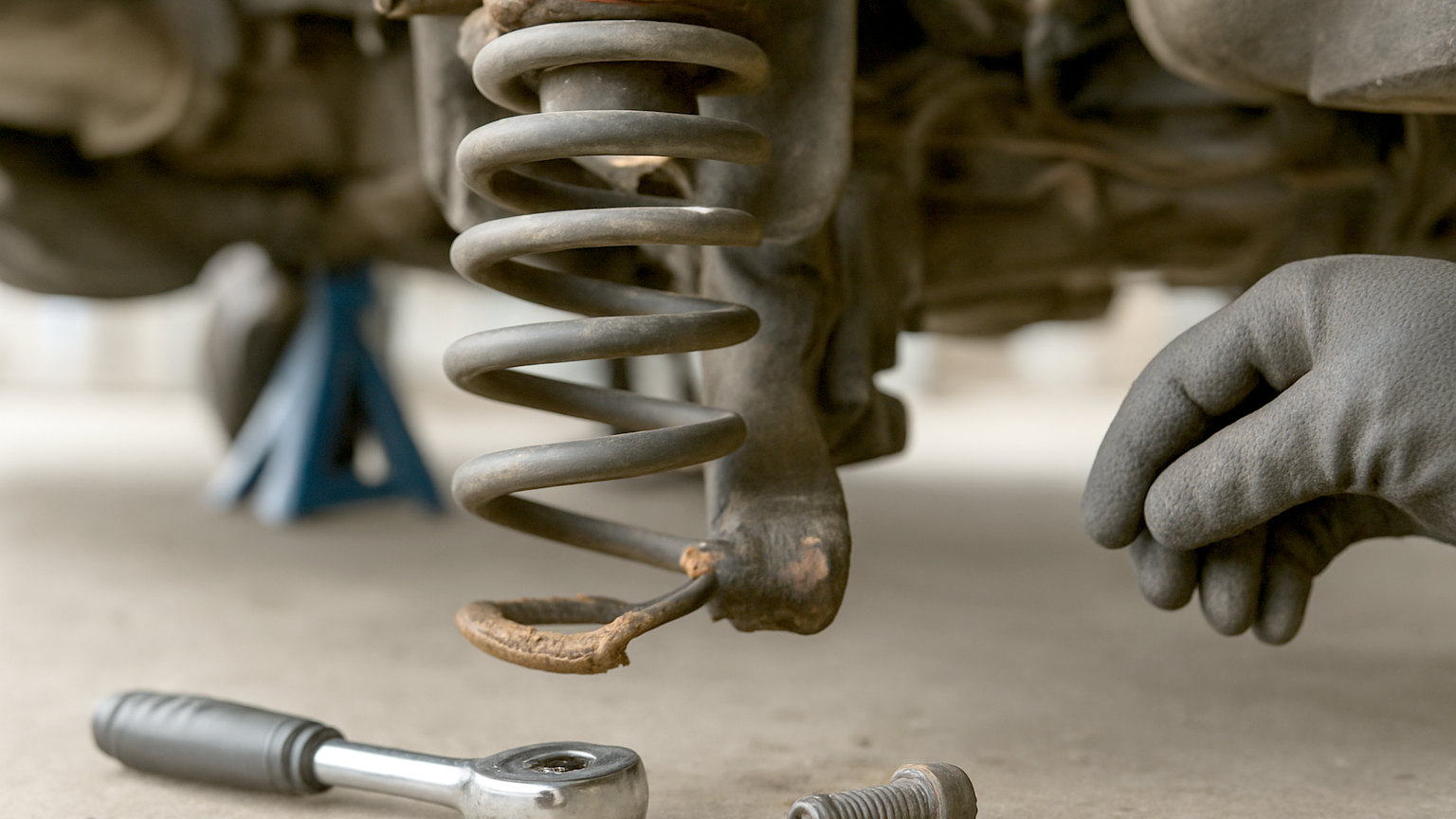
Lowering a car changes far more than its appearance, and the components around the suspension have to cope with geometry they were not designed for.
Suspension is inspected thoroughly and several faults are failures regardless of how the car drives, which surprises owners every year.
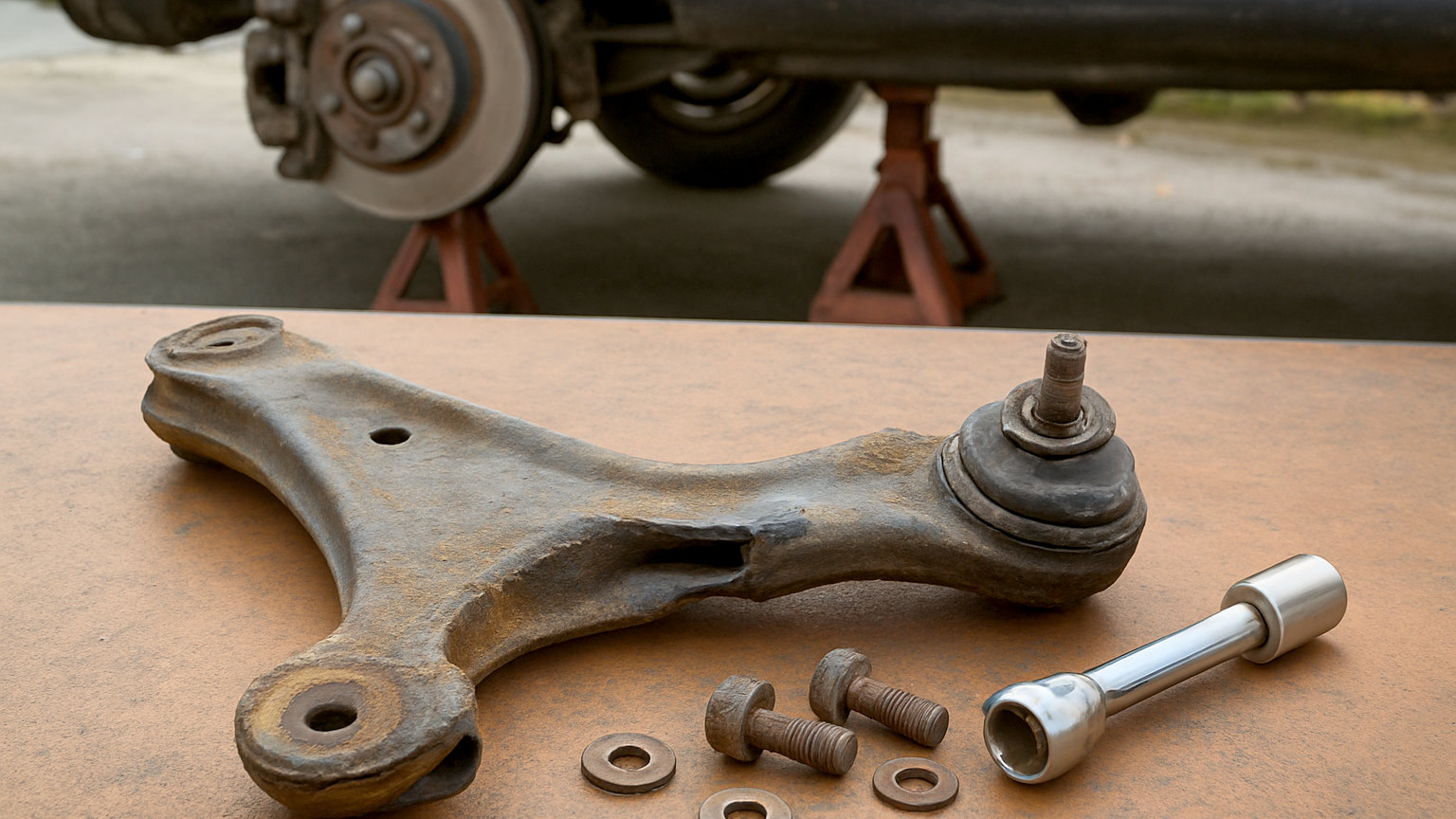
A pothole delivers a sharp impact into components designed for gradual loads, and the damage is often invisible from outside.
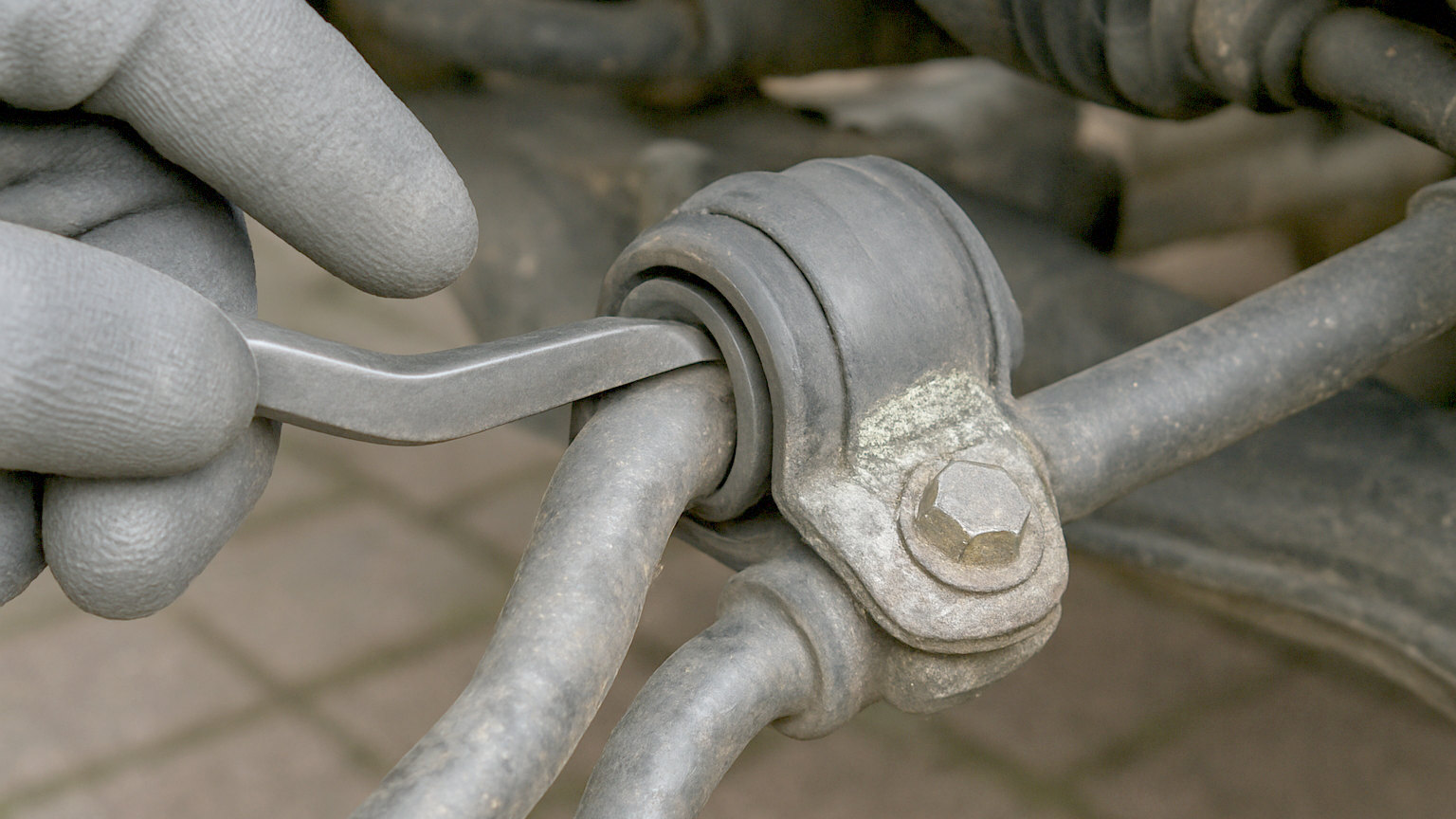
Creaking is dry rubber or metal moving against something it should slide over, and it usually appears at low speed rather than at pace.
Air suspension replaces steel springs with rubber bags and a compressor, which gives an excellent ride and adds several new failure points.
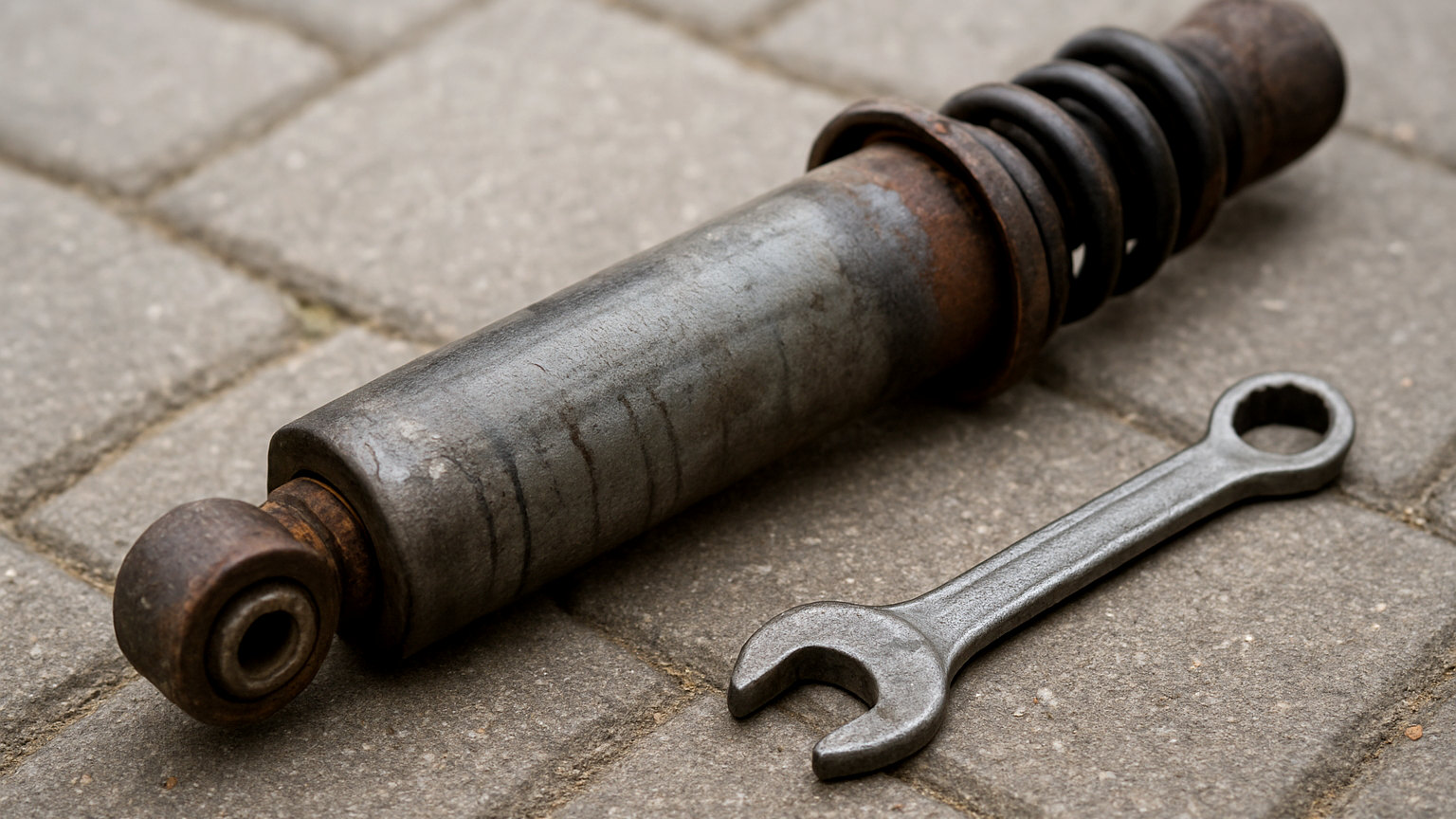
There is no service interval for dampers, which is why they are replaced when they leak rather than when they stop working.
Tyres record what the suspension has been doing, and the pattern of wear points at which component is responsible.
A car that keeps moving after the road has stopped is not controlling its springs, and that is the definition of worn damping.
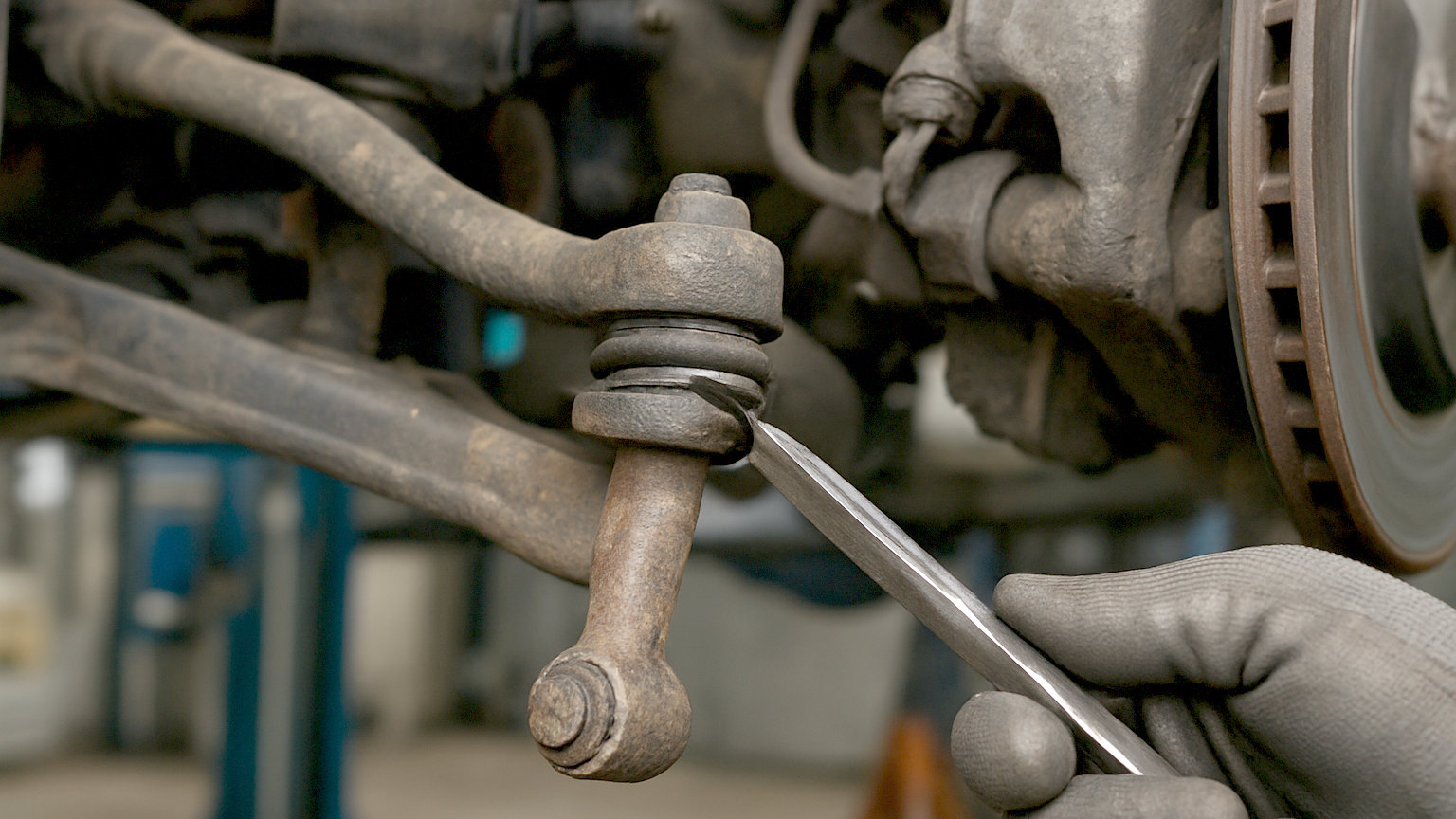
Drop links are the cheapest part in the suspension and the most common source of knocking, which makes them the first thing to check.