Is Steering Play an MOT Failure?
Steering is inspected more thoroughly than almost anything else at the MOT, and several faults are failures regardless of how the car drives.
By Car Problems Team
29 Apr 2026

Heavy, vague or notchy steering, a wheel that won’t self-centre, clunks on full lock and whining power steering - causes and what is unsafe to drive on.
Steering is inspected more thoroughly than almost anything else at the MOT, and several faults are failures regardless of how the car drives.
A car that needs continual small inputs to travel straight has lost either its self centring or its geometric stability, and both are traceable.
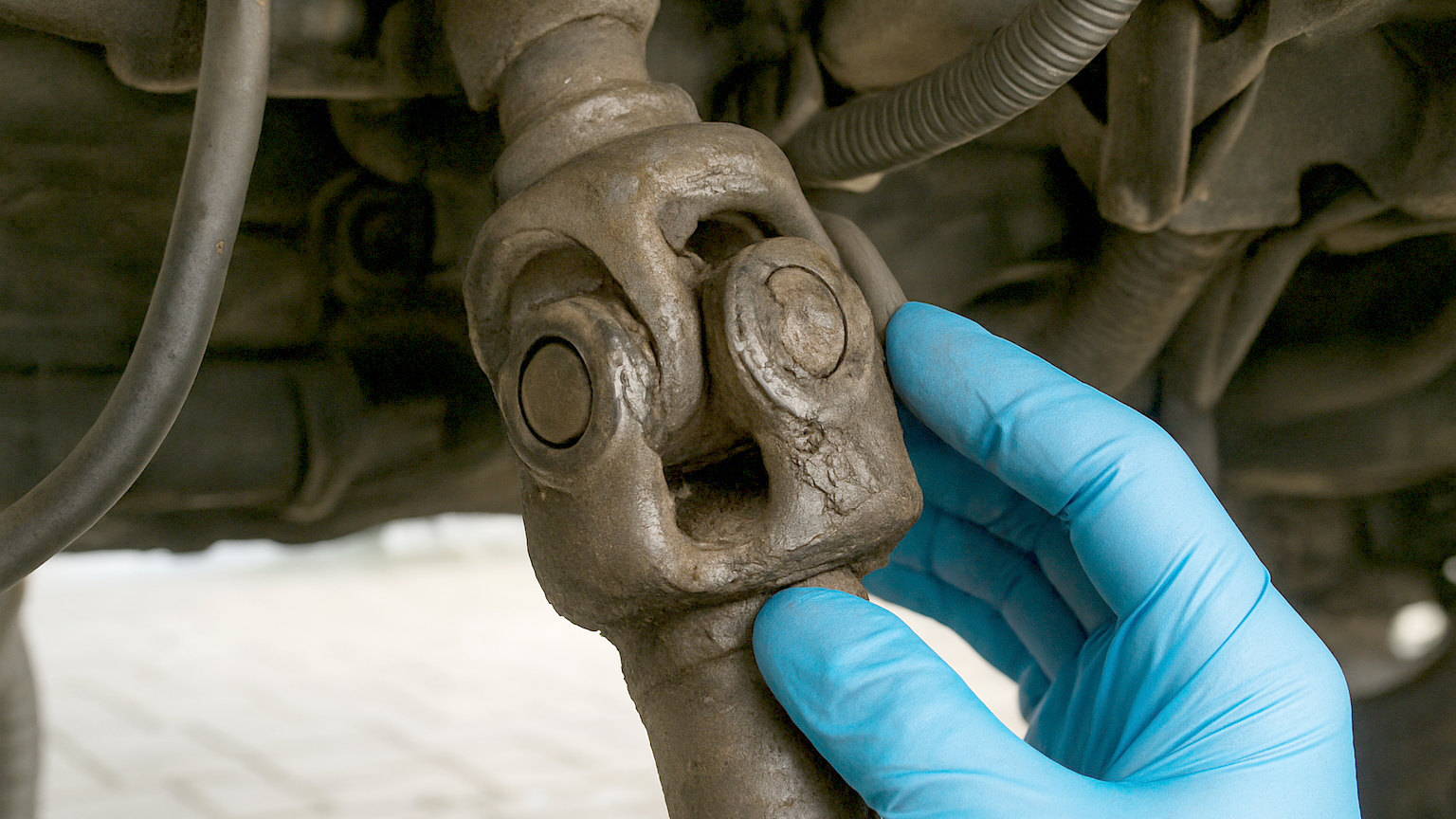
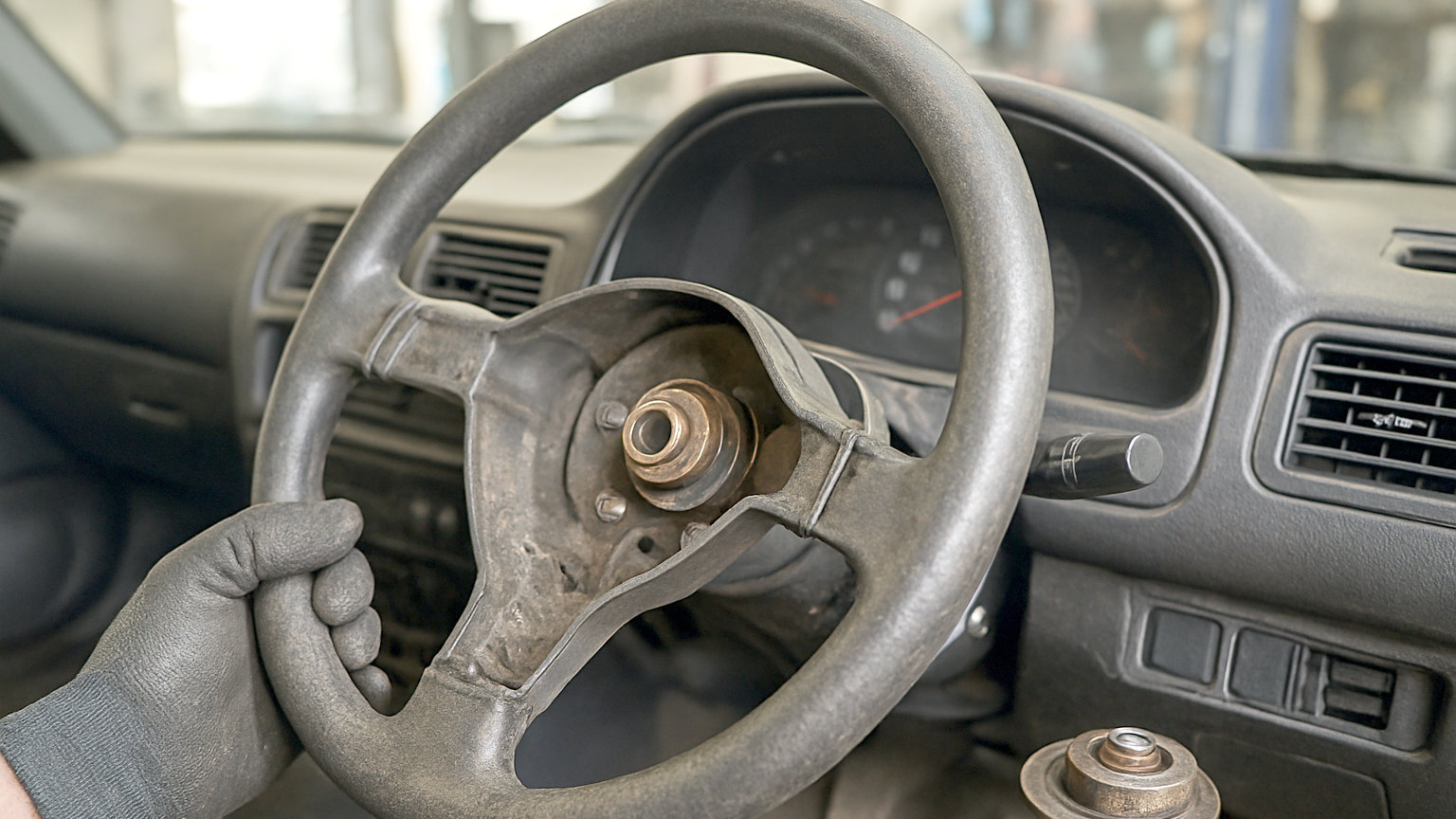
Column faults produce noise and feel that seem to come from the road but originate a few inches from your hands.
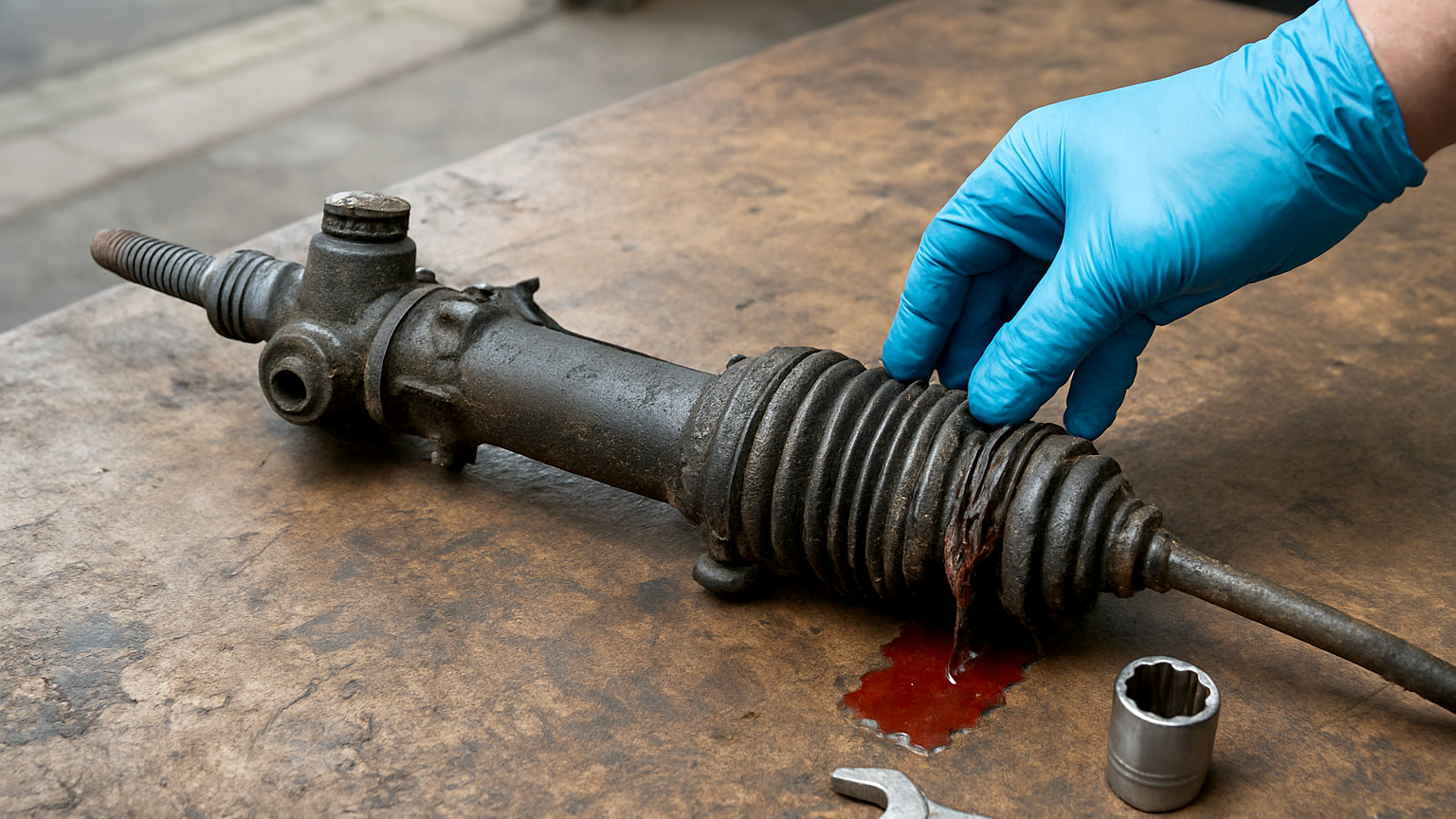
The rack converts rotation into side to side movement, and on a hydraulic system it also contains the valve that decides how much help you get.
Cold thickens fluid and stiffens rubber, so a system with any marginal component behaves differently for the first mile of every journey.
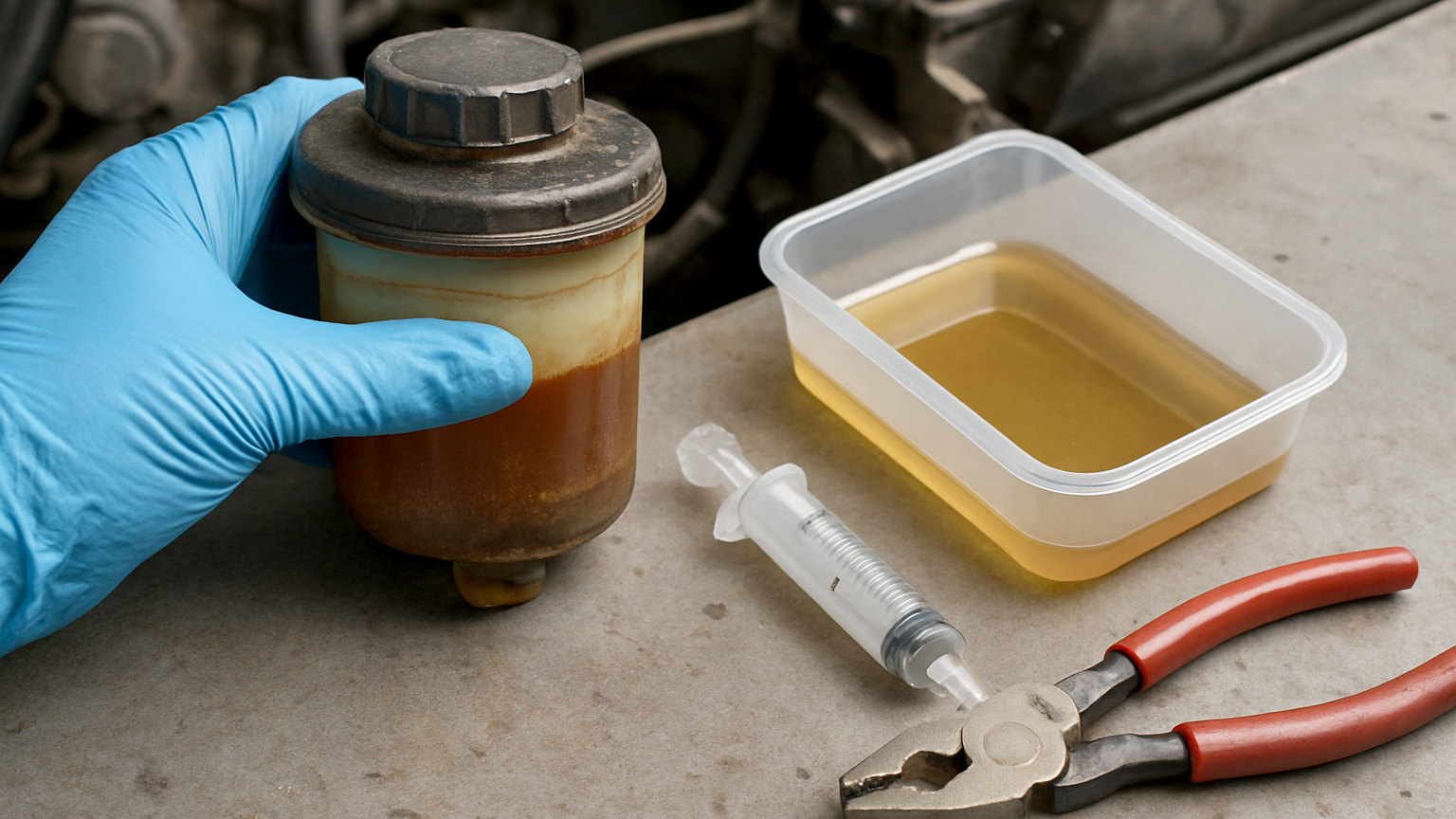
Steering fluid is a hydraulic medium, a lubricant and a coolant at once, and almost nobody changes it because no interval is published.
A wheel that sits crooked while the car travels straight means the alignment has been set with the steering in the wrong position.
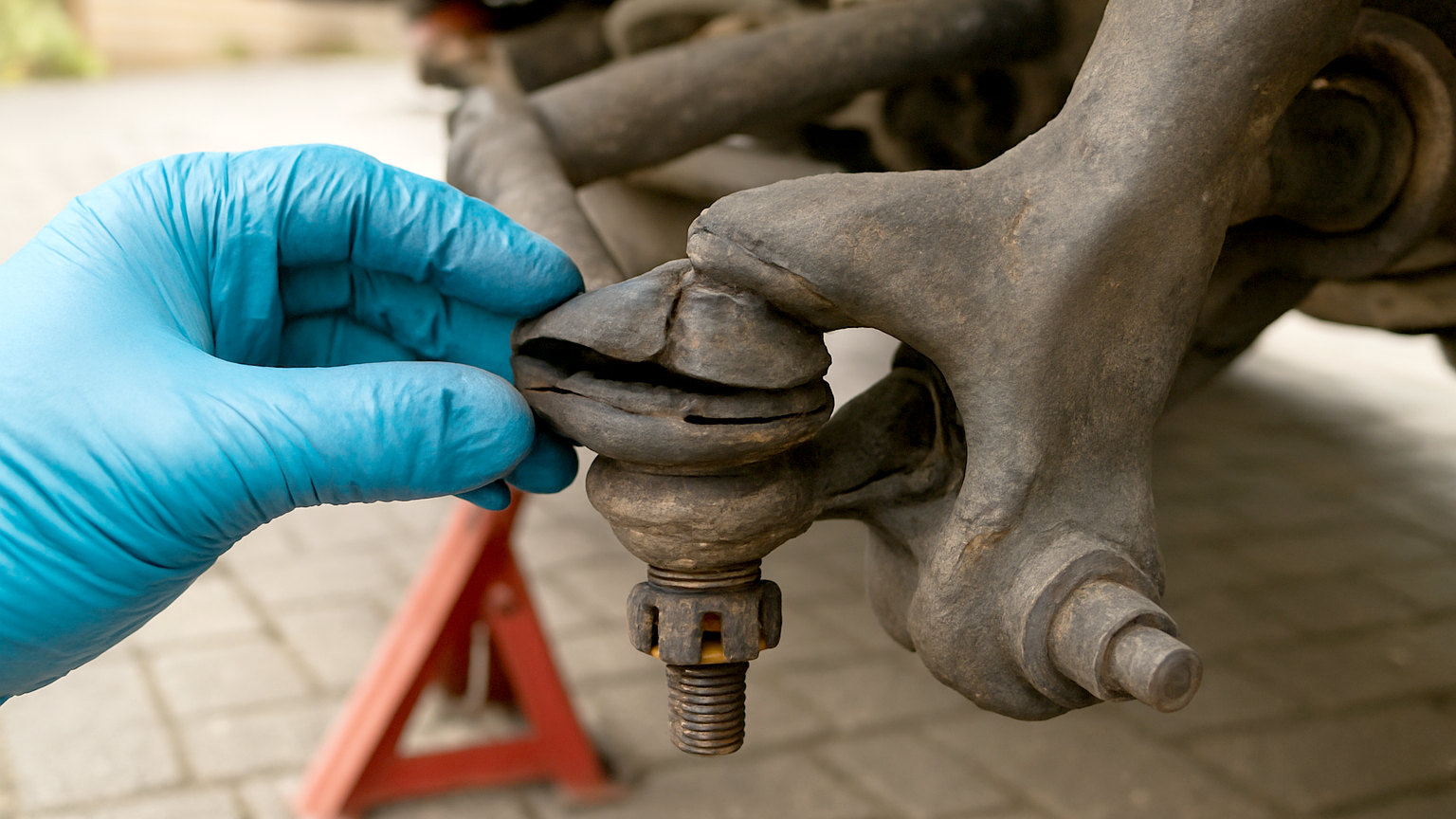
A knock that appears on lock or over bumps while turning is a worn joint announcing itself, and where it comes from narrows it quickly.
Steering that catches at particular points rather than being uniformly heavy points at a specific component rather than a loss of assistance.
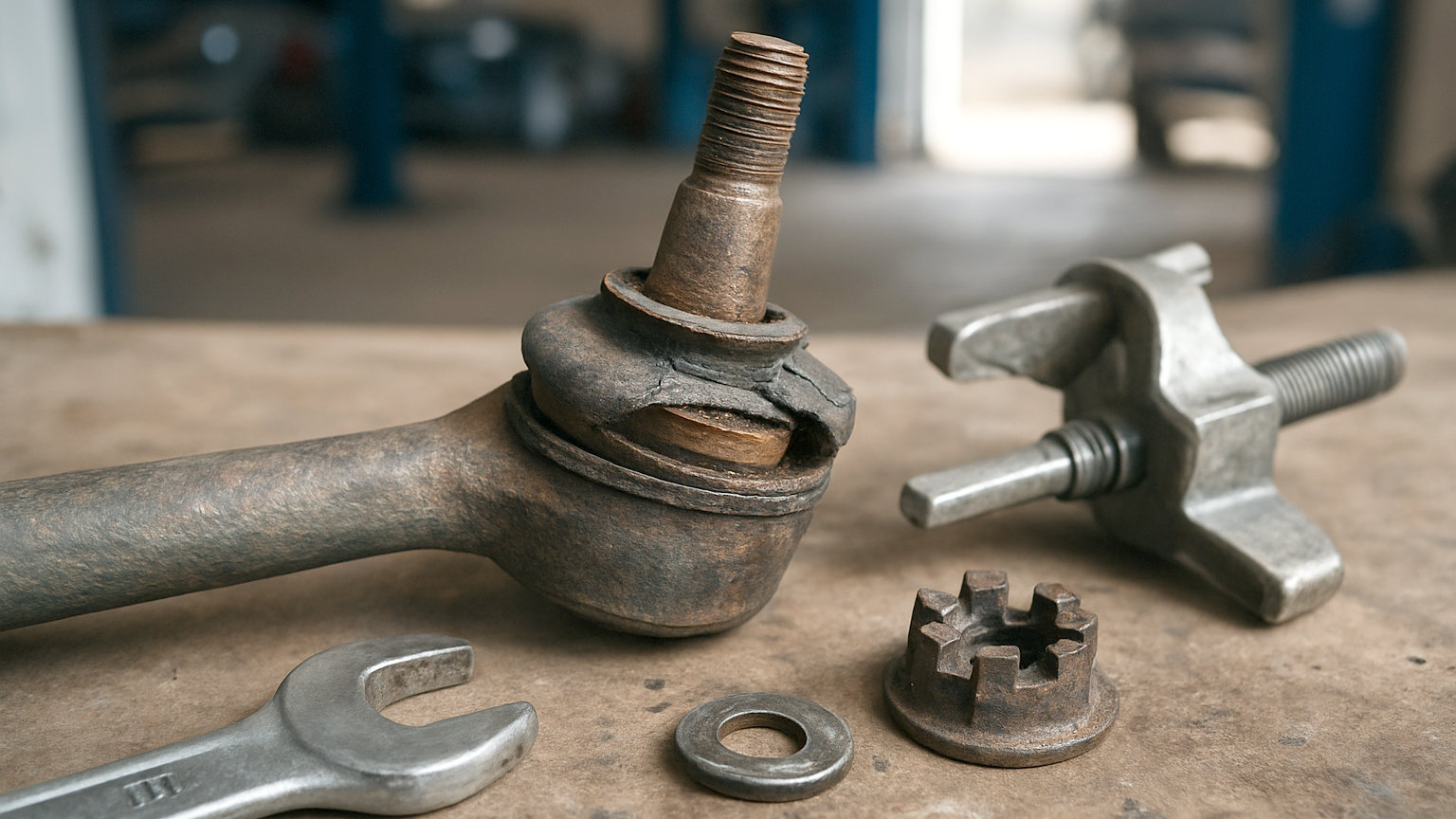
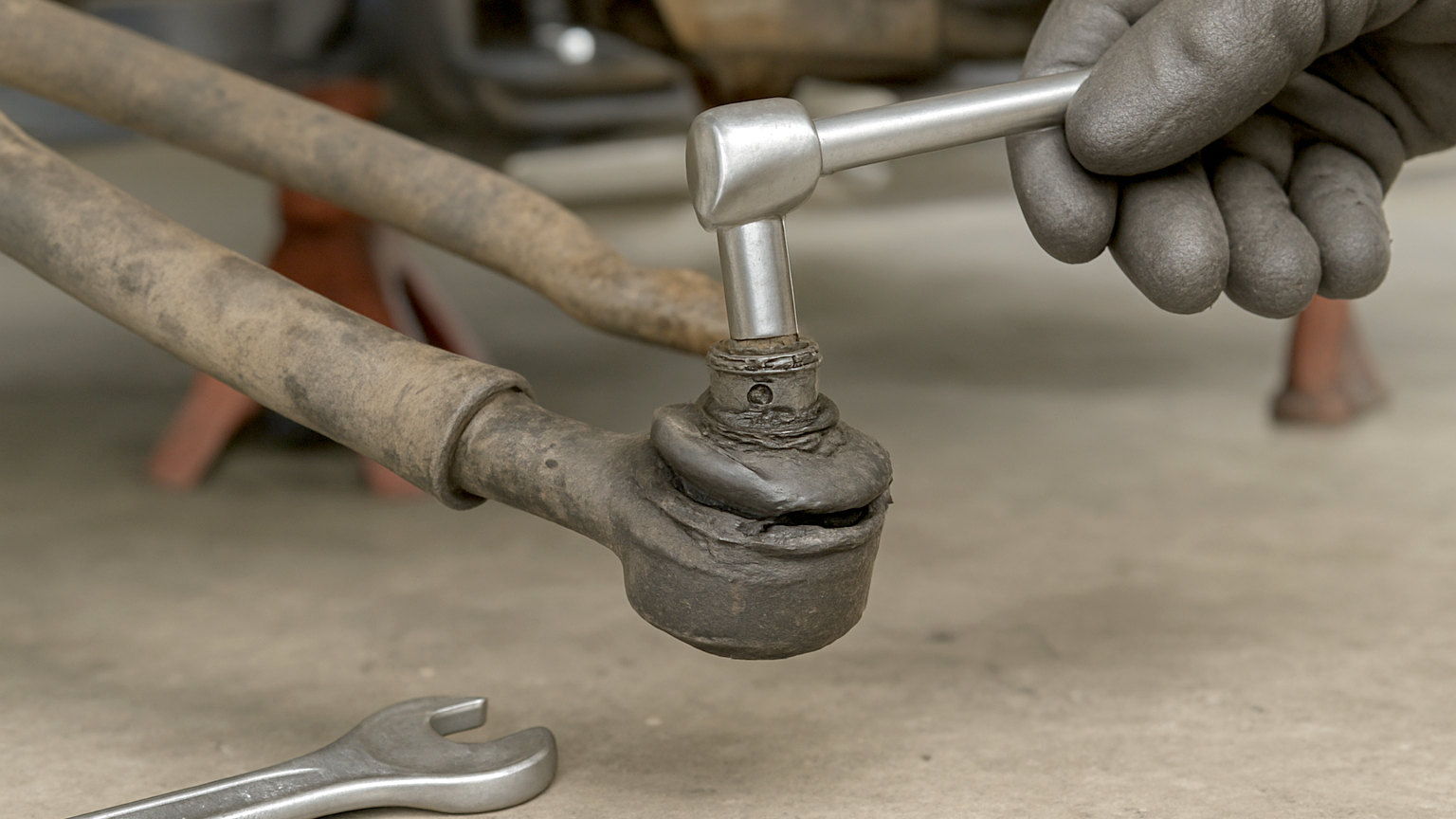
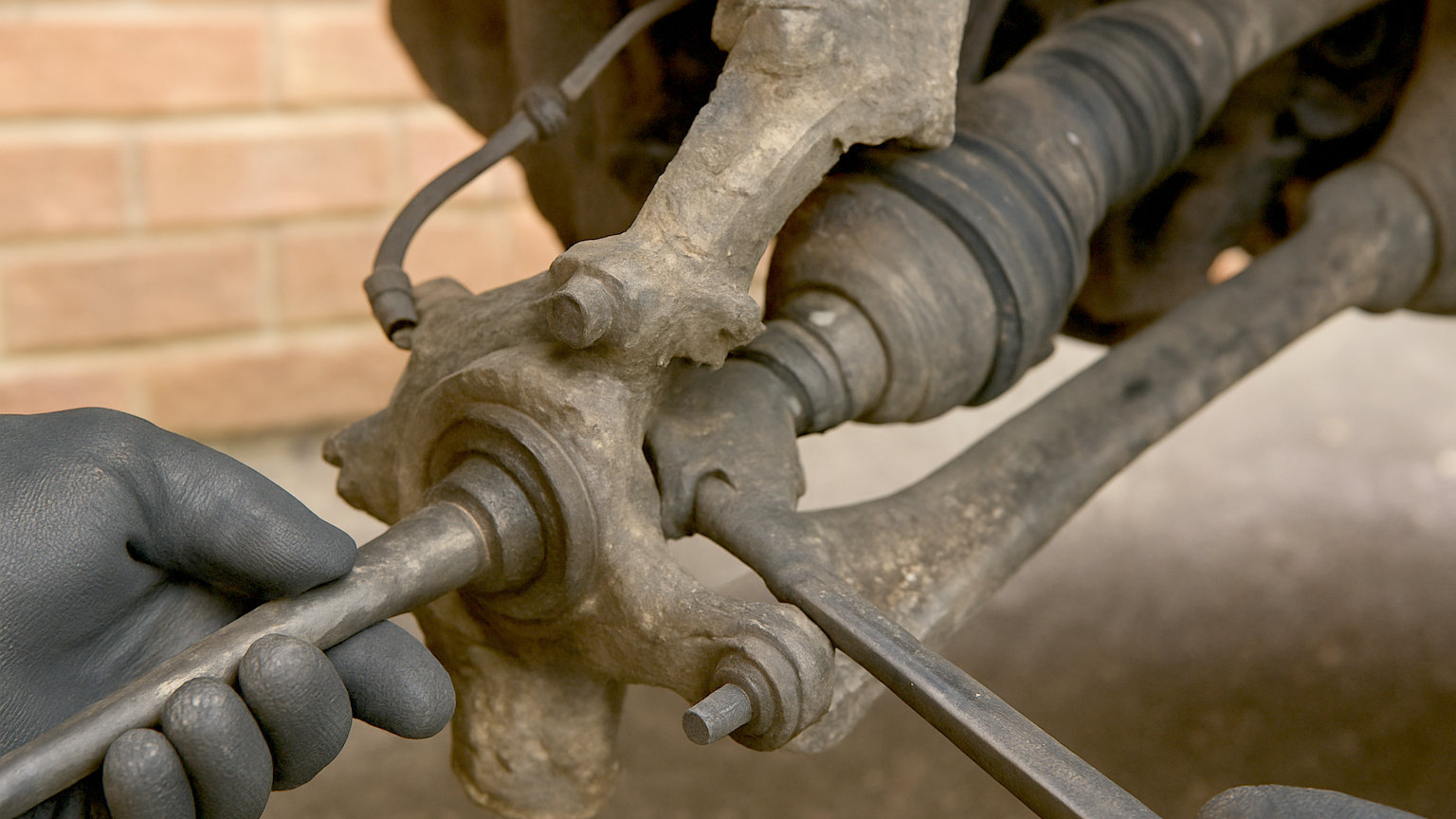
A track rod end is a small ball joint carrying every steering input to the wheel, and its rubber boot is what decides how long it lasts.