What Is Understeer and What Causes It?
Understeer is the front tyres running out of grip before the rear, and most cars are designed to do it because it is the safer failure.
By Car Problems Team
1 Feb 2026

Brakes, tyres and wheels are the parts that decide whether everything else on the car matters, and they are also the parts that fail politely - a squeal you get used to, a pull to the left you steer around without noticing. These guides cover the corners of the car: what each noise means, how to read the wear pattern across a tyre, and why a car that pulls, shudders or hums at speed is usually telling you about one specific component. None of it is worth putting off, and most of it is cheaper caught early.
Understeer is the front tyres running out of grip before the rear, and most cars are designed to do it because it is the safer failure.
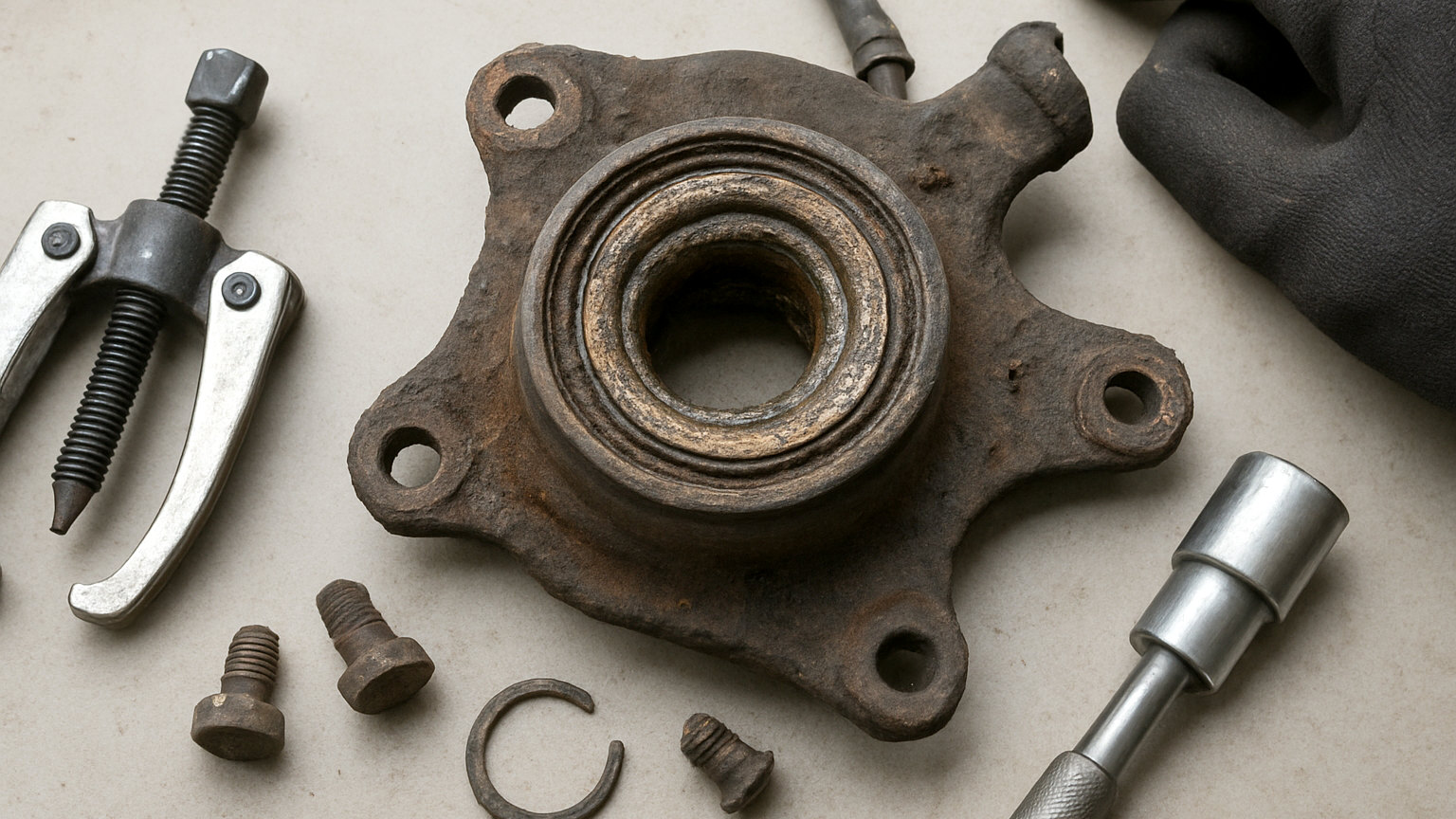
A failing bearing announces itself gradually, and the sequence of symptoms is consistent enough to make the diagnosis reliable.
Alignment is the set of angles at which the wheels meet the road, and small errors in them destroy tyres and change how the car behaves.
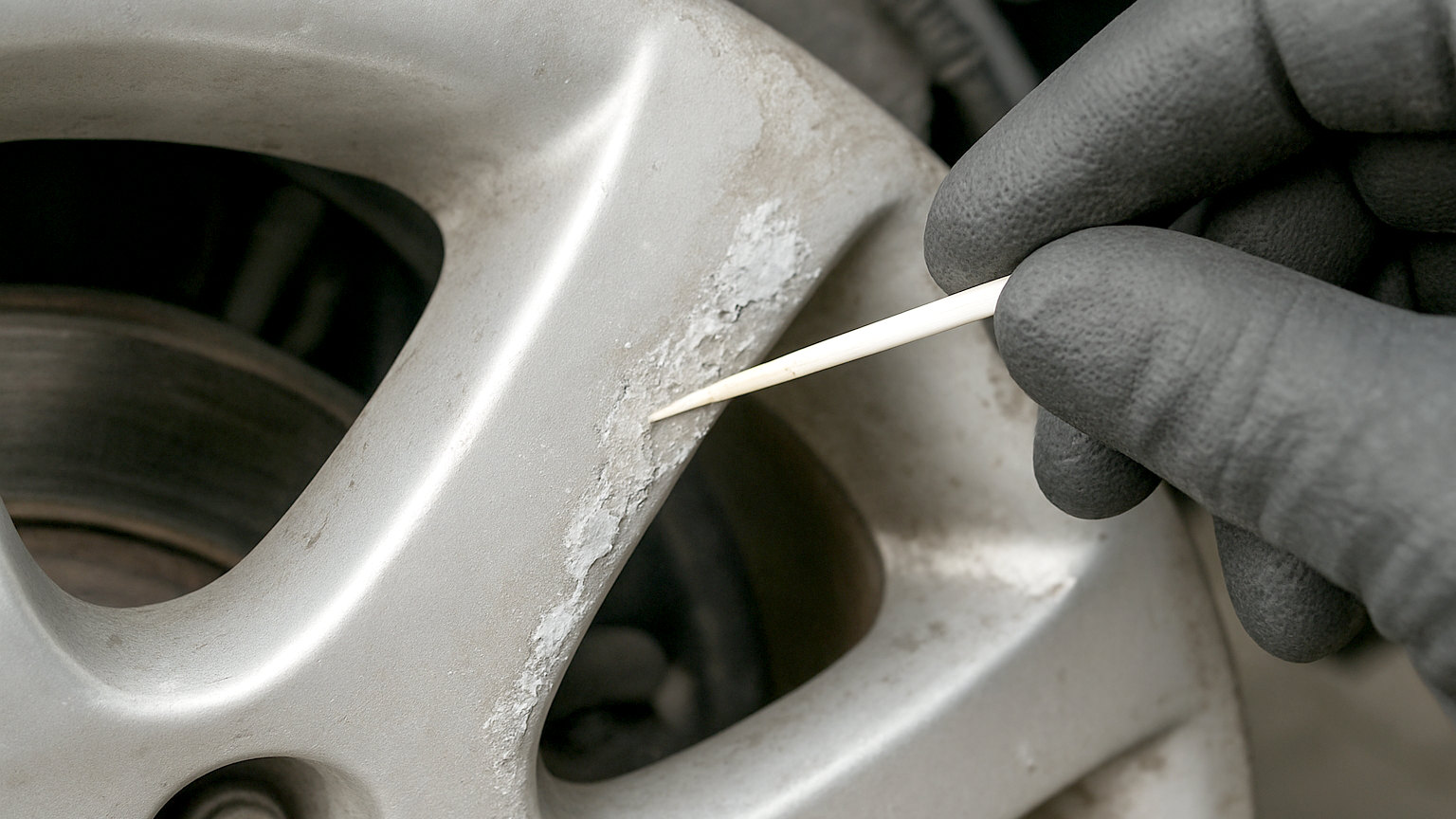
Alloy wheels rely entirely on their lacquer for protection, and once that is breached the aluminium underneath corrodes surprisingly quickly.
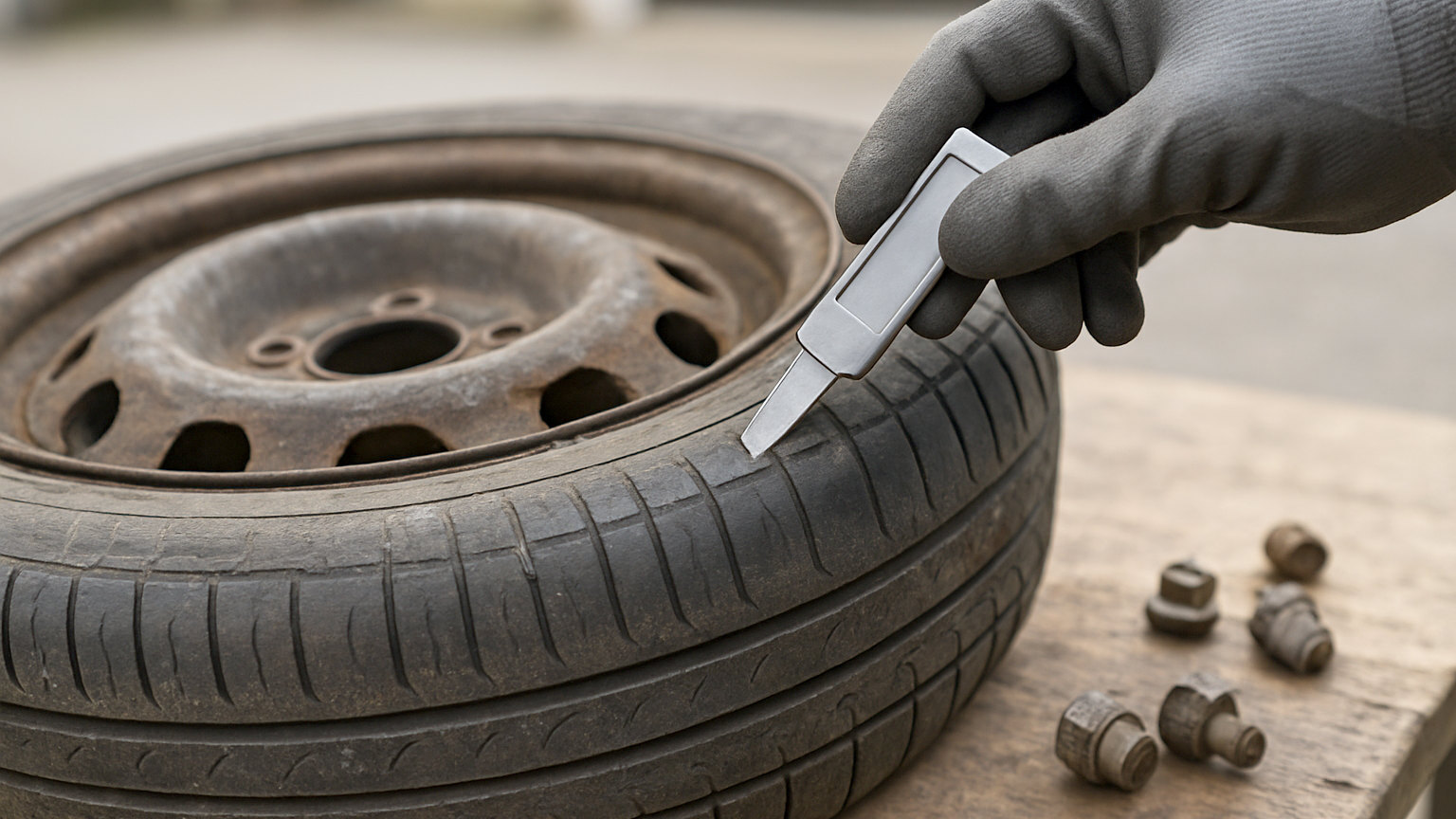
The legal minimum is 1.6mm across the central three quarters, and the practical minimum for wet braking is considerably more than that.
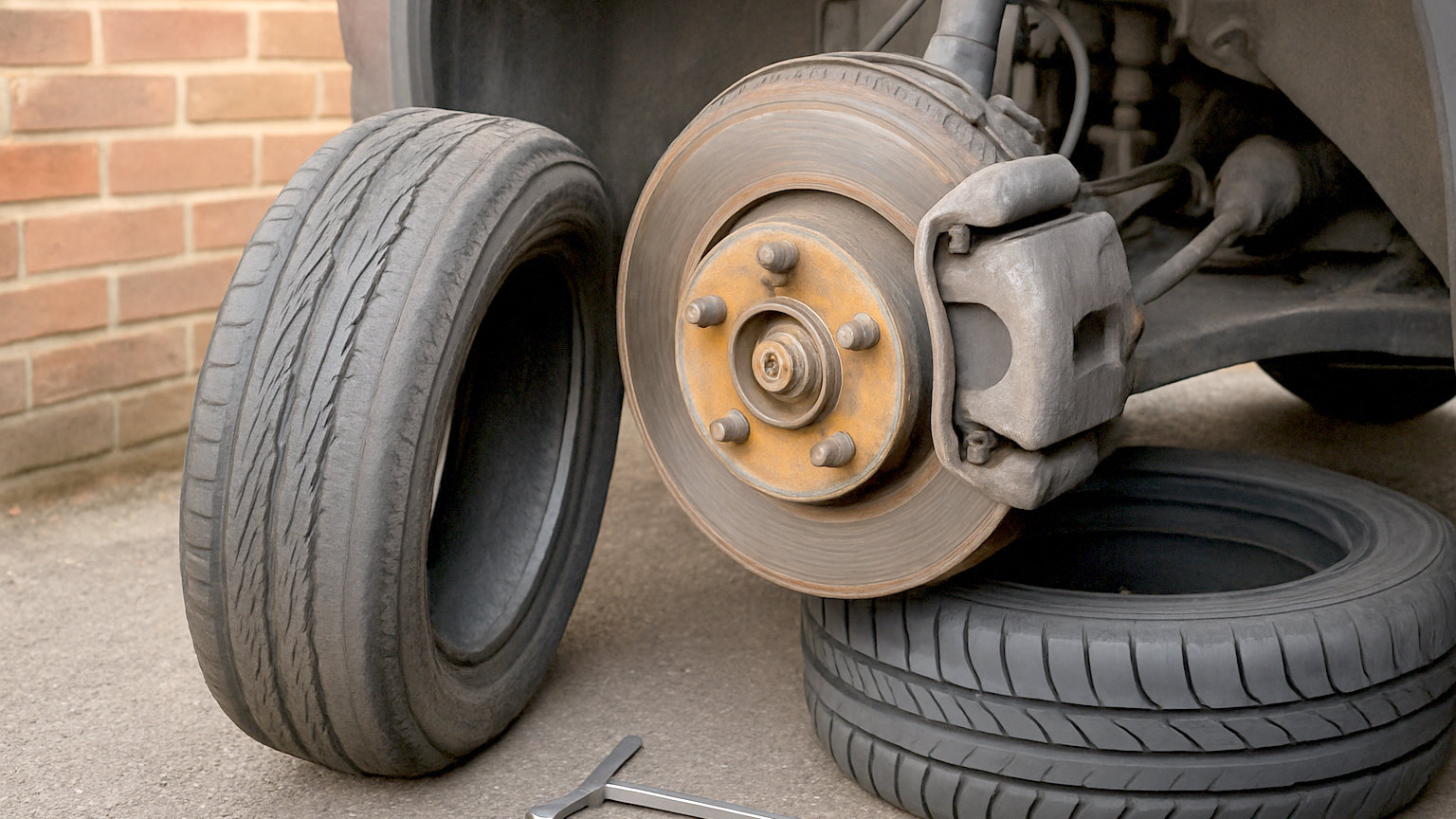
Squealing is a vibration between pad and disc at an audible frequency, and it can mean worn pads, glazing or simply the wrong hardware.
Brake pad life depends on how you drive rather than how far, which is why identical cars vary by a factor of three or more.