How Do You Tell Engine Judder From Transmission Judder?
These two produce similar sensations and very different bills, and a short sequence of tests separates them without any equipment.
By Car Problems Team
3 May 2026

A car that jerks when accelerating, judders in traffic or hesitates on light throttle - driveline, misfire and transmission causes side by side.
These two produce similar sensations and very different bills, and a short sequence of tests separates them without any equipment.
A symptom that began the day work was carried out is almost always connected to it, and several causes are quick to put right.
Most juddering is uncomfortable rather than hazardous, though a few versions cause expensive damage while you decide what to do about them.
Sustained high load at constant speed is the hardest test of fuel supply, so faults that hide in town appear an hour into a motorway journey.
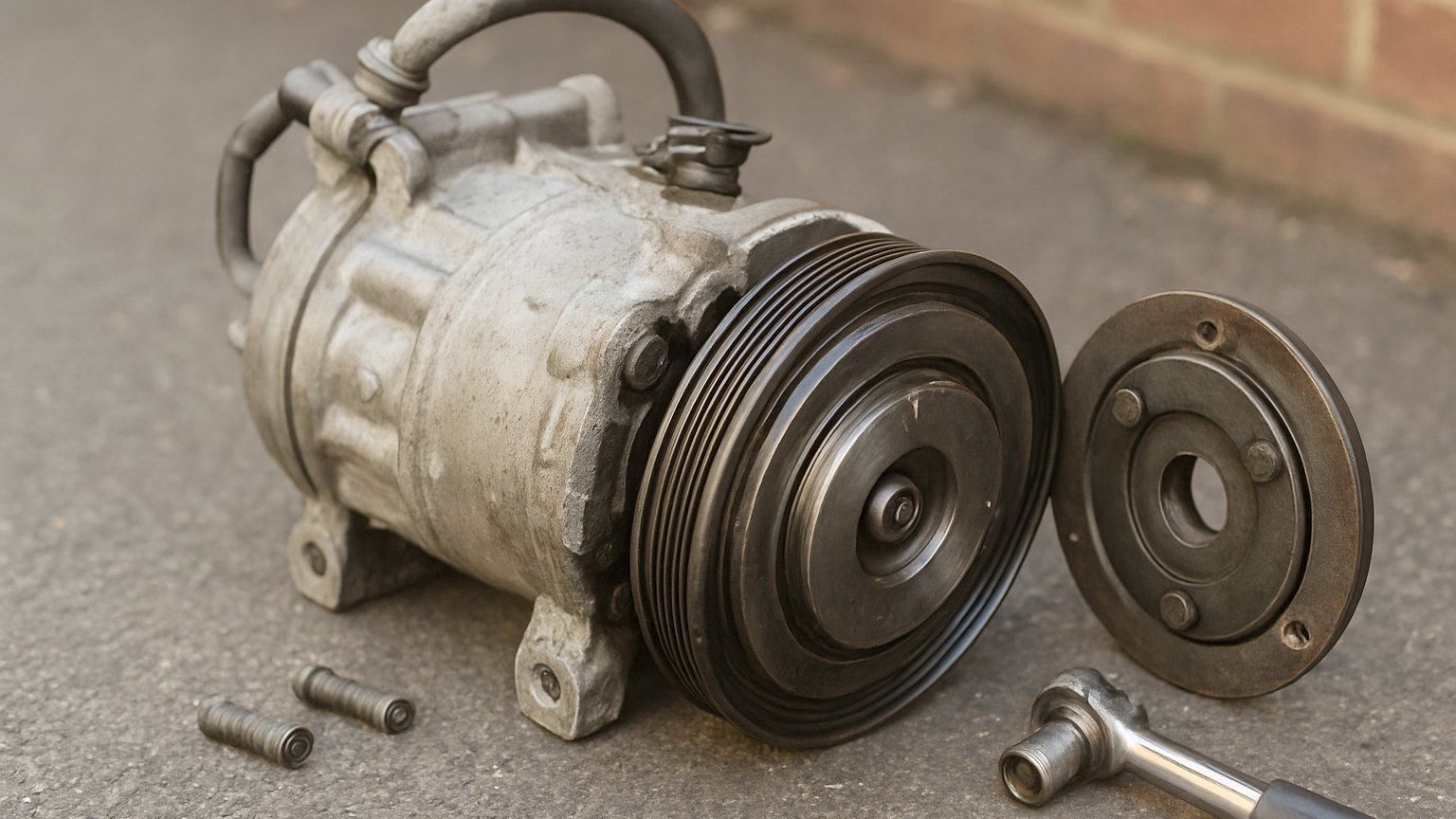
The compressor clutch engaging is a real mechanical load arriving suddenly, and an engine with no idle margin feels every cycle of it.
Cold running uses a different fuelling strategy and stiffer components, so a fault confined to the first few minutes is following that pattern.
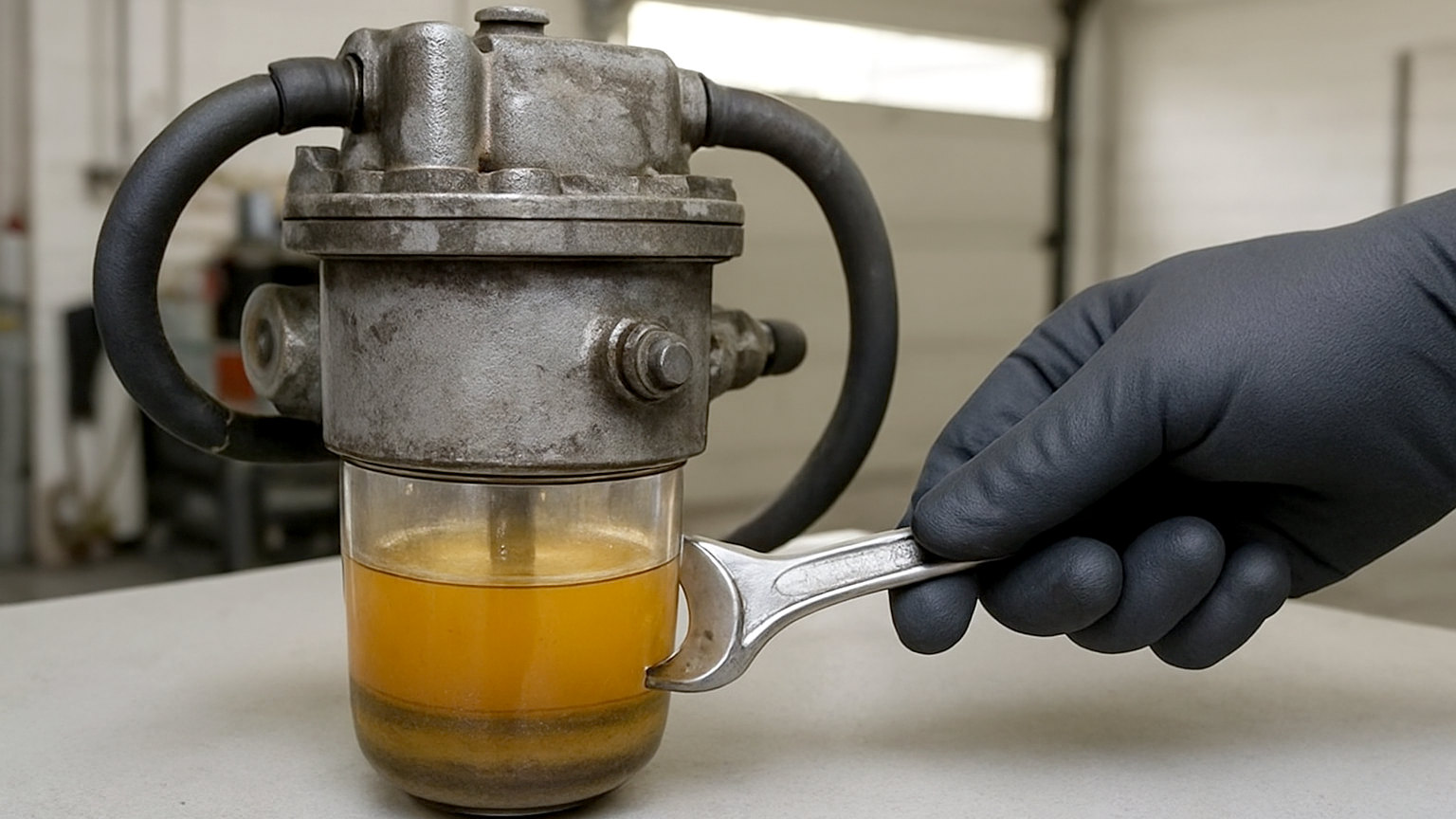
Contaminated fuel genuinely does cause juddering, and the timing relative to your last fill is what distinguishes it from a mechanical fault.
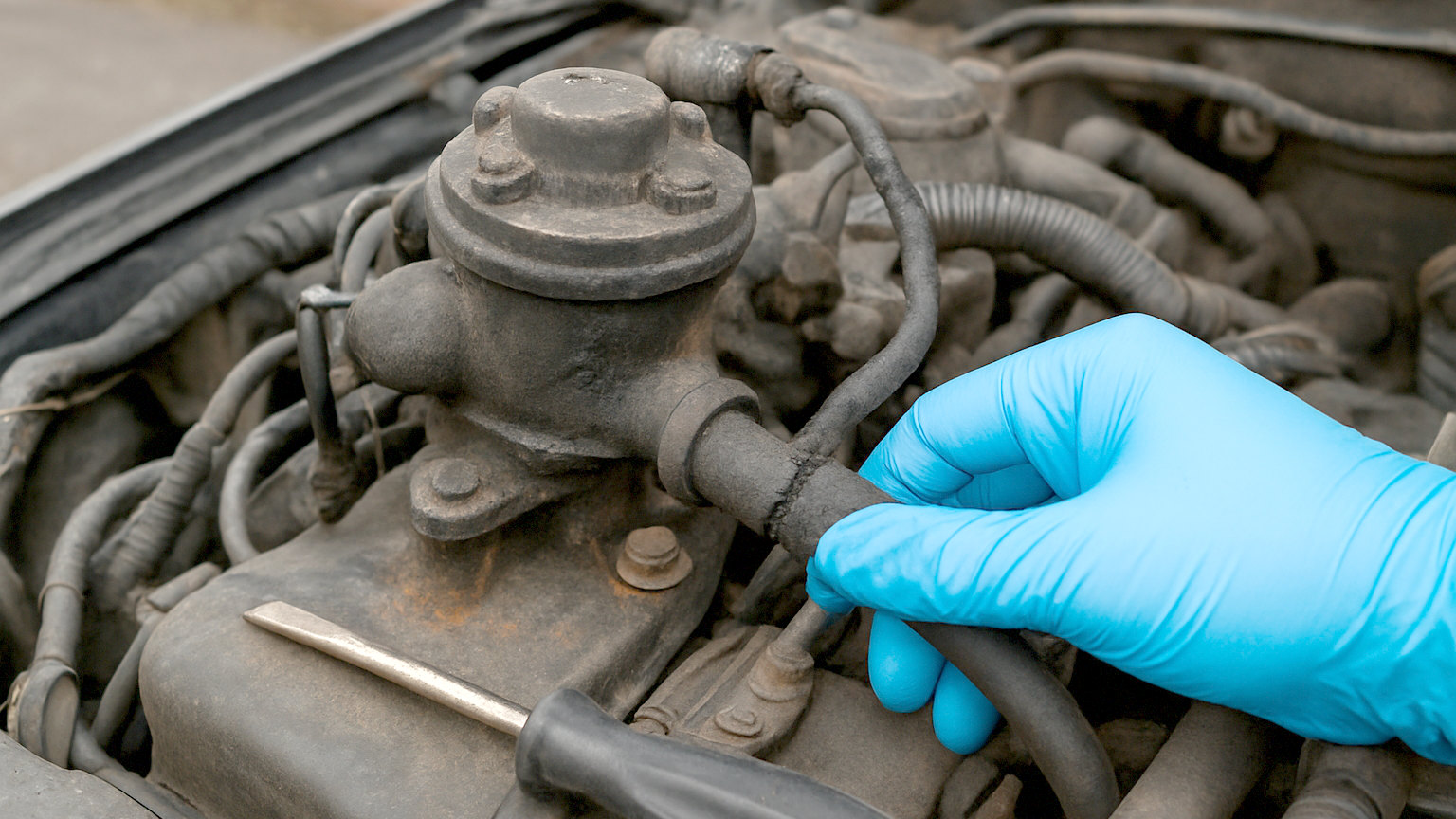
Diesels produce their torque low down, which means faults in fuelling, boost or exhaust recirculation show up first at low revs under load.
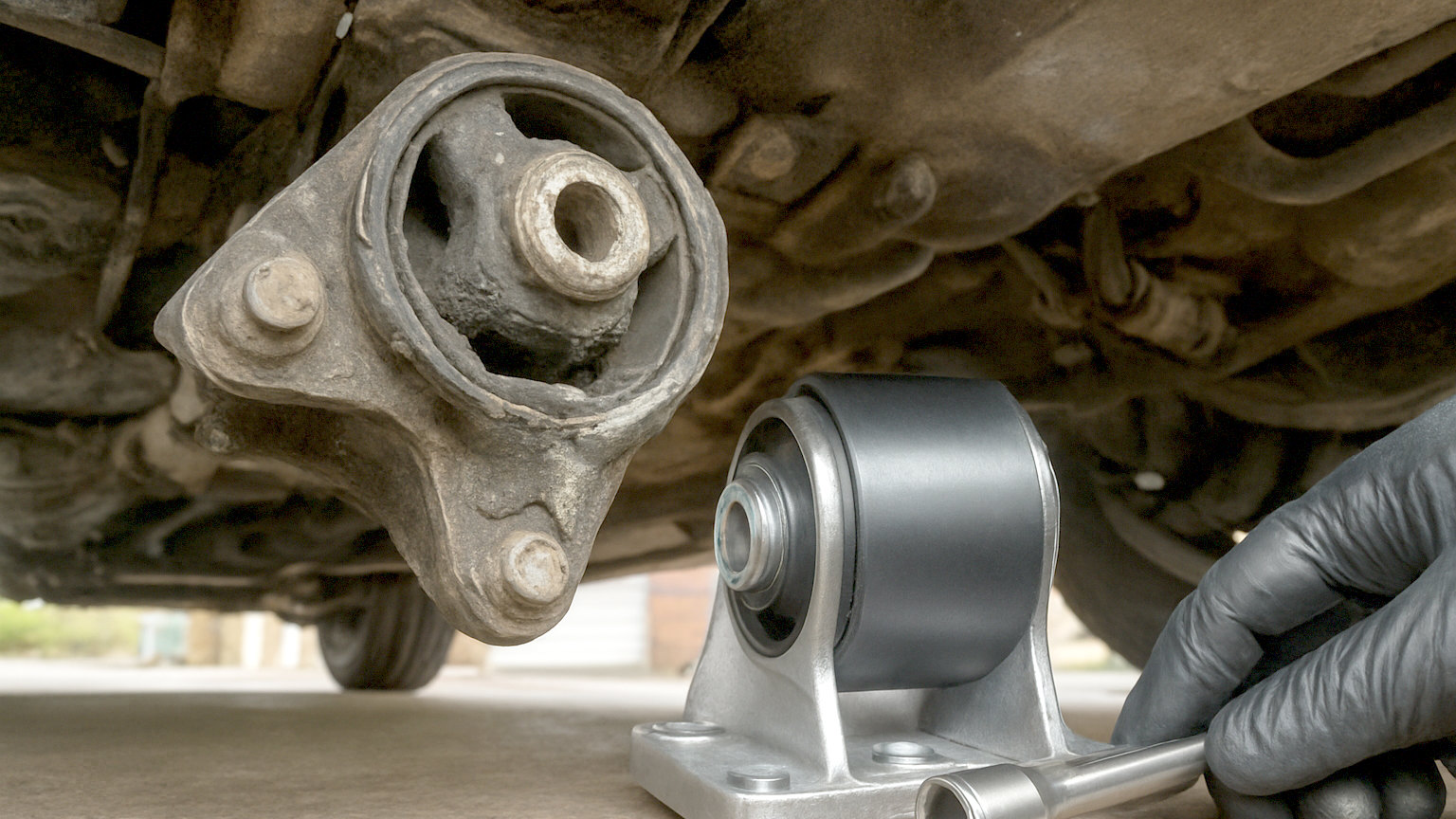
Shunt is the fore and aft rocking that happens when you move between accelerating and coasting, and it exposes every clearance in the driveline.
Light throttle is where fuelling errors are proportionally largest and where lock-up clutches engage, so it exposes faults that vanish under load.