What Do the Numbers on an Oil Container Mean?
The two numbers describe how the oil behaves when cold and when hot, and using the wrong grade affects protection at both extremes.
By Car Problems Team
12 Aug 2026

Oil leaks, burning oil, low oil pressure and the red oil light - how to find where it’s going, and why the pressure light is the urgent one.
The two numbers describe how the oil behaves when cold and when hot, and using the wrong grade affects protection at both extremes.
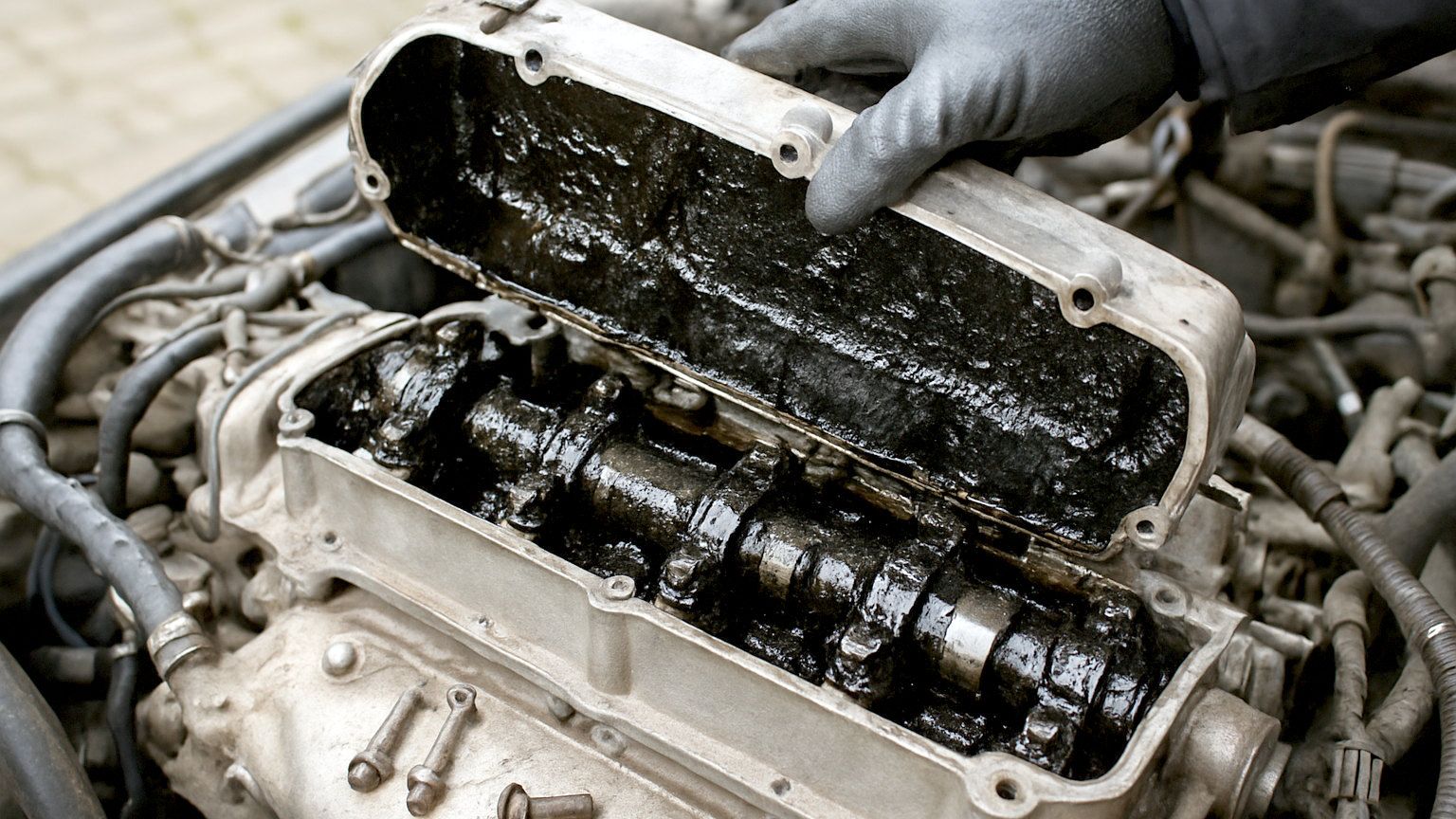
Sludge is the visible record of an engine that has been serviced badly, and it is worth knowing how to spot before buying a used car.
Mixing oils in an emergency is far better than running low, but it is not something to plan around or leave in place indefinitely.
A light that flickers at idle and goes out when revved is a genuine warning that pressure is marginal, and it rarely stays that way for long.
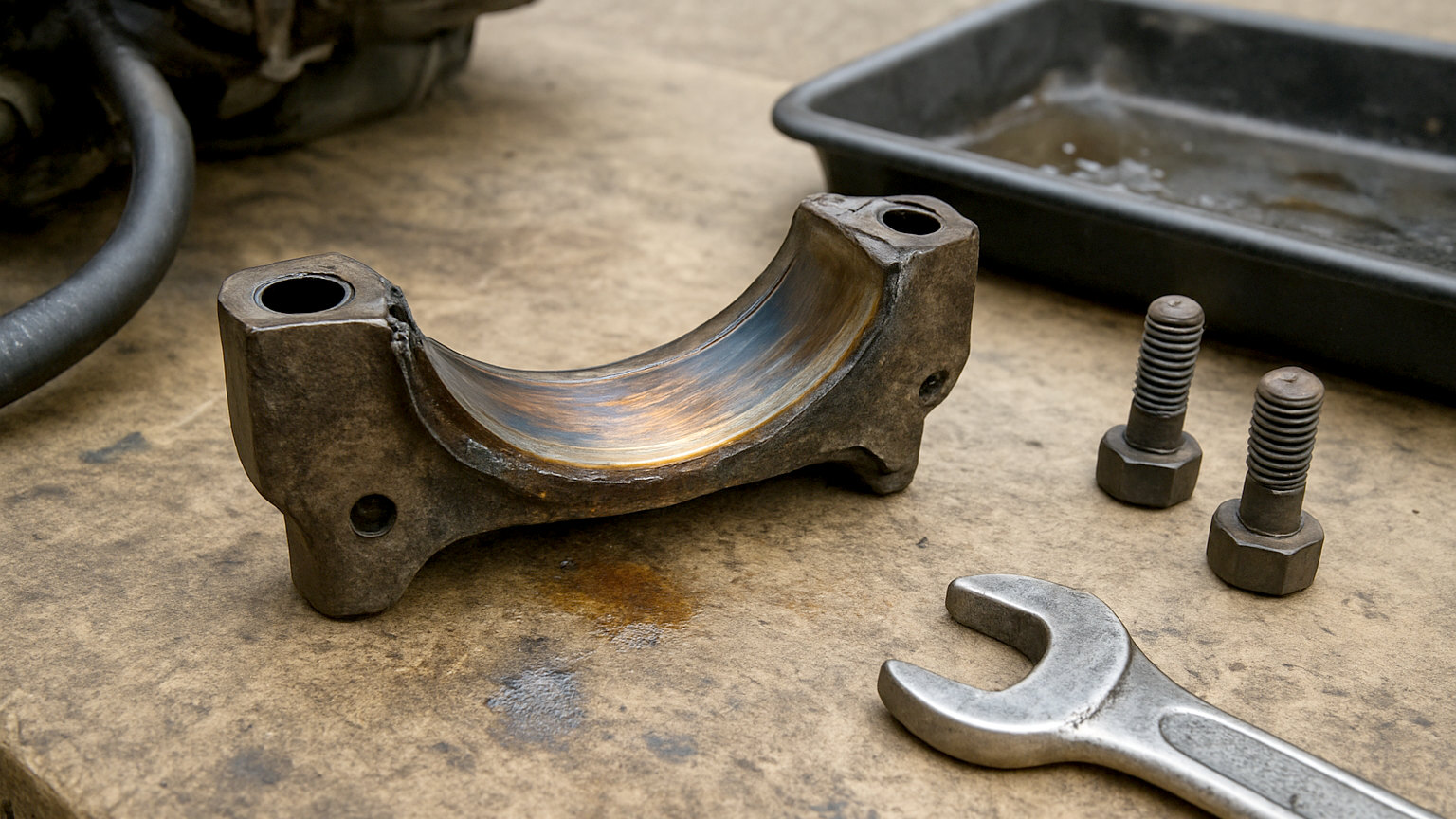
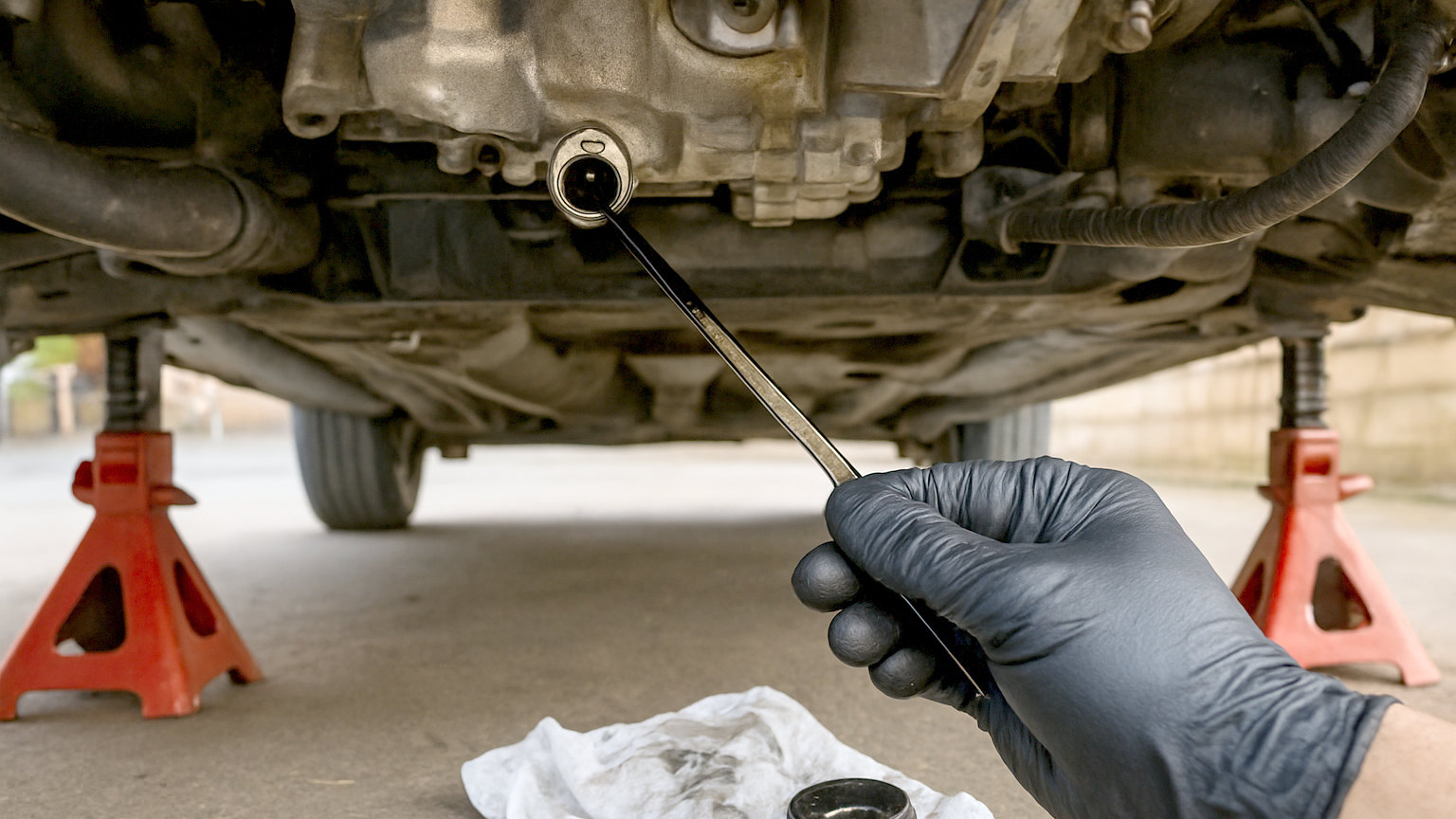
Running low on oil does damage in a specific order, and knowing that order explains why the warning light comes so late to be useful.
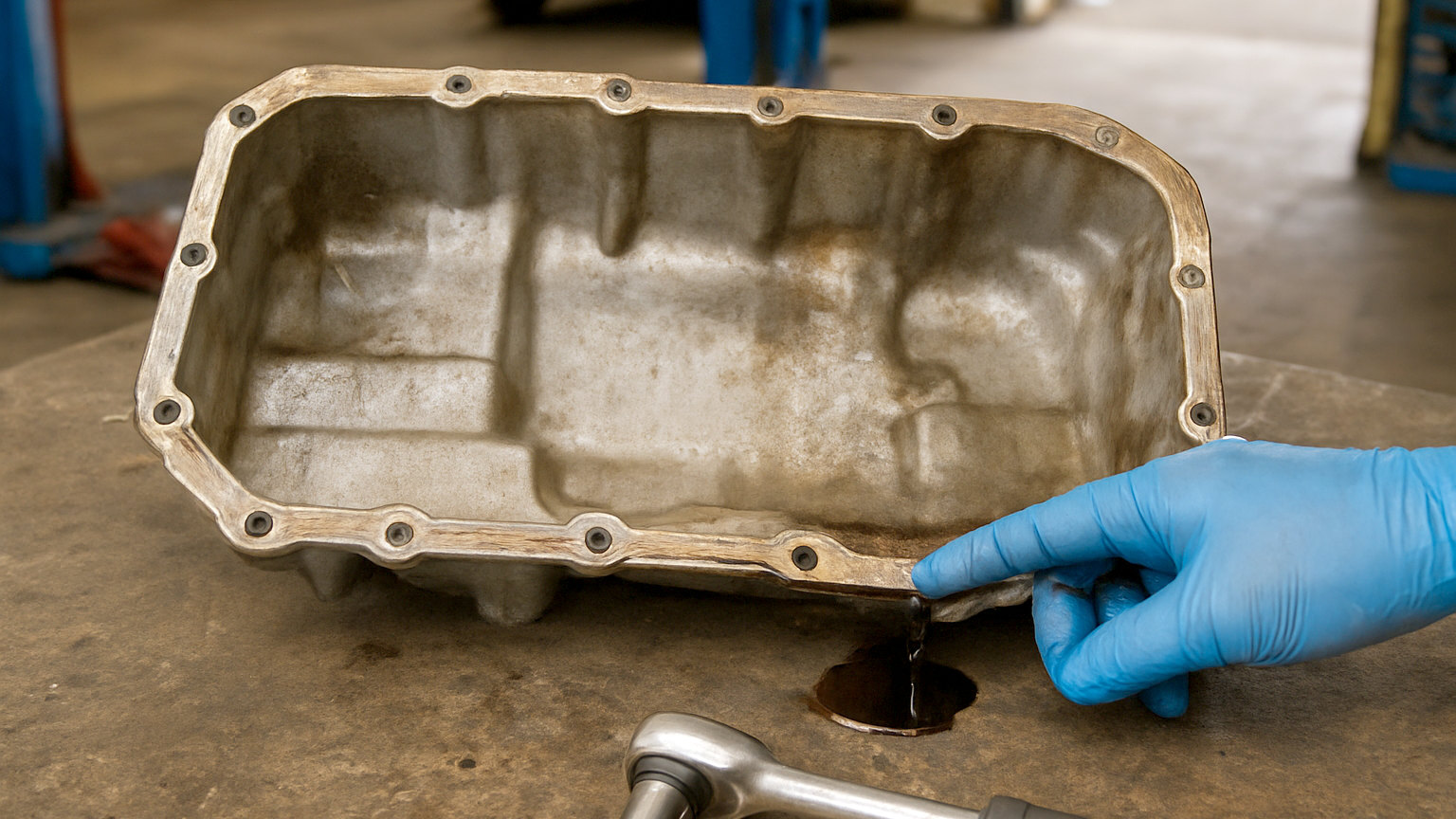
Not every weep needs repairing, and the honest answer depends on where the oil is going and what the car is worth.
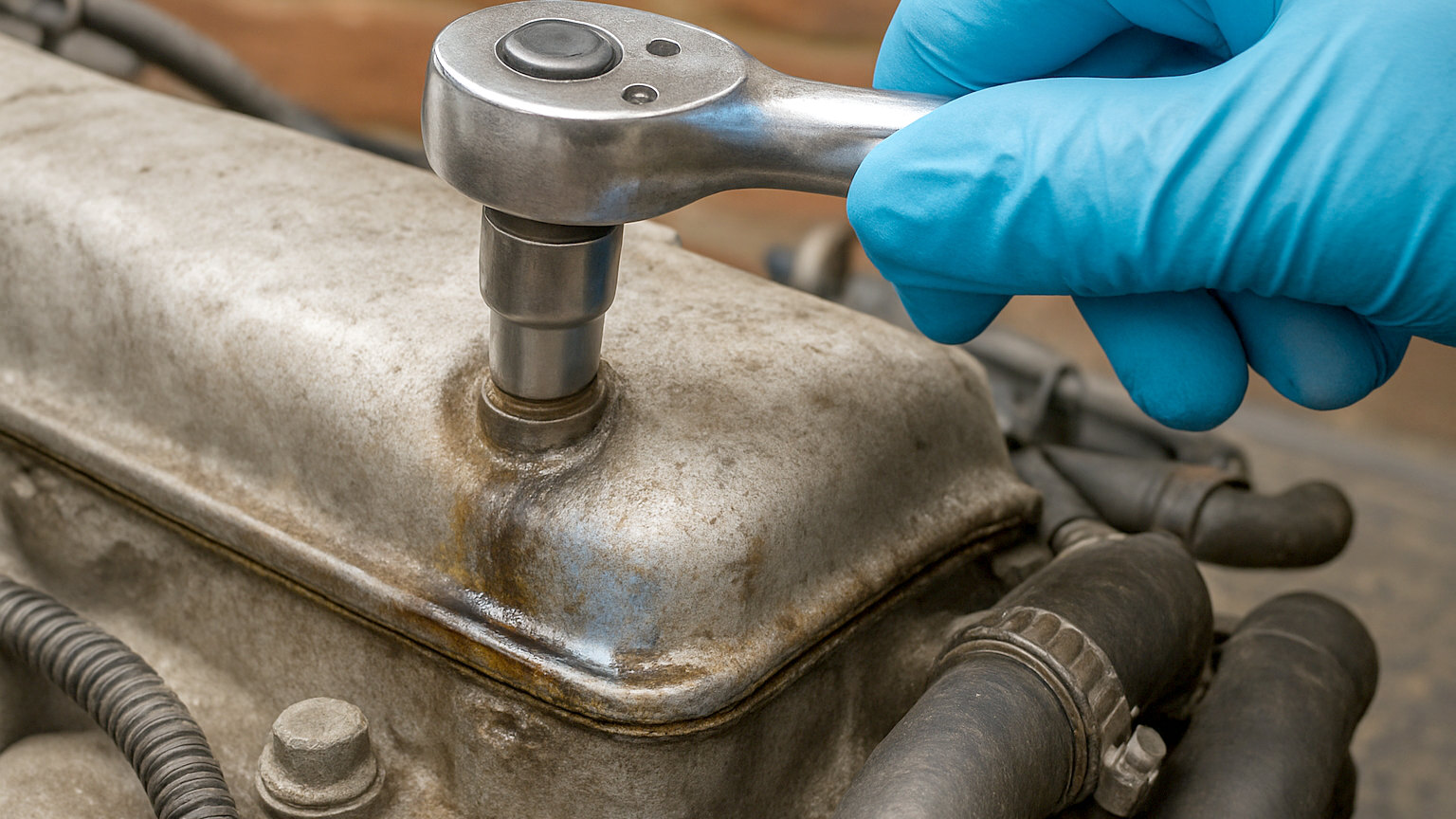
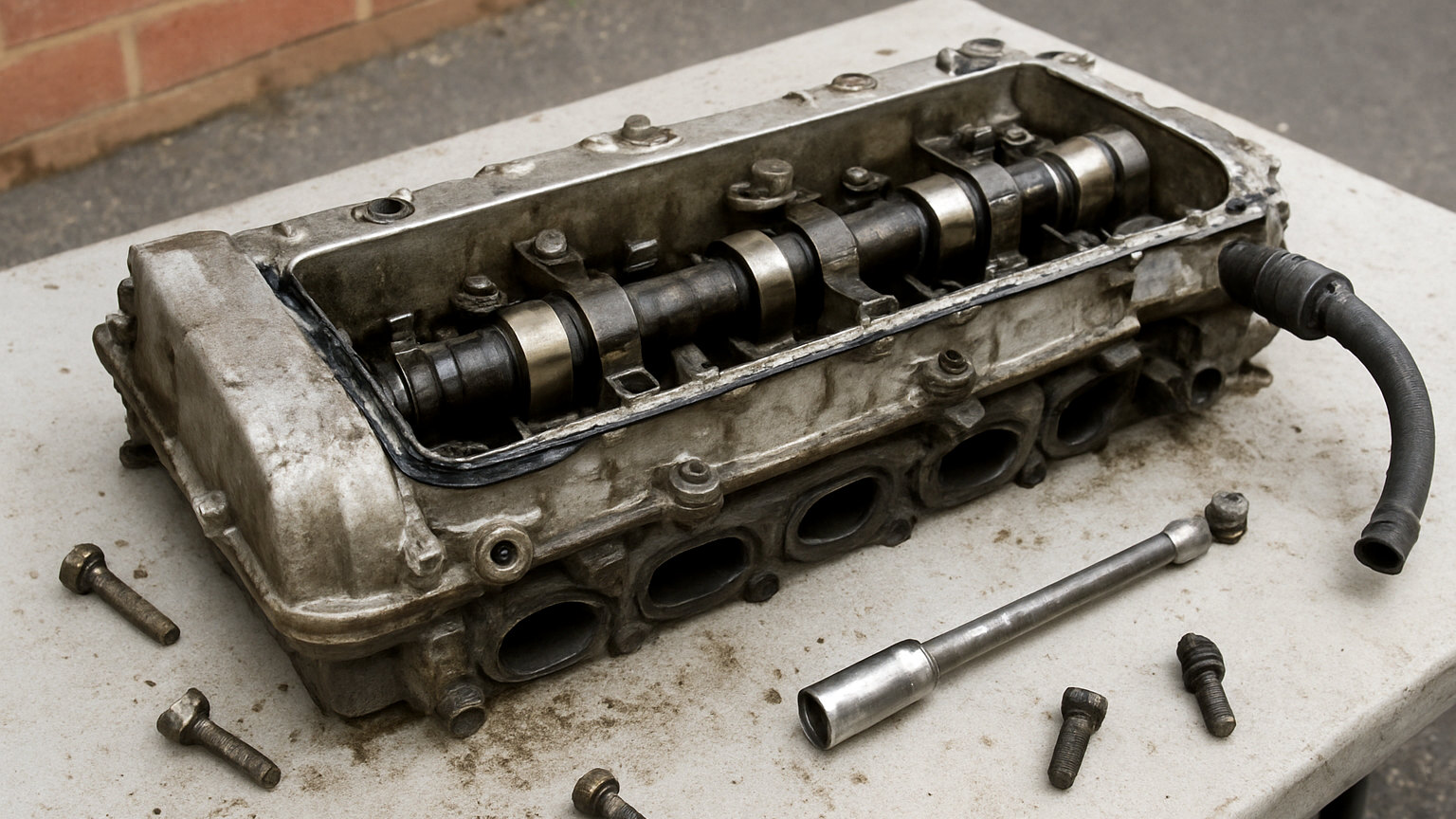
The rocker cover gasket is the most common oil leak on any engine, and it is also one of the few that a competent owner can tackle.
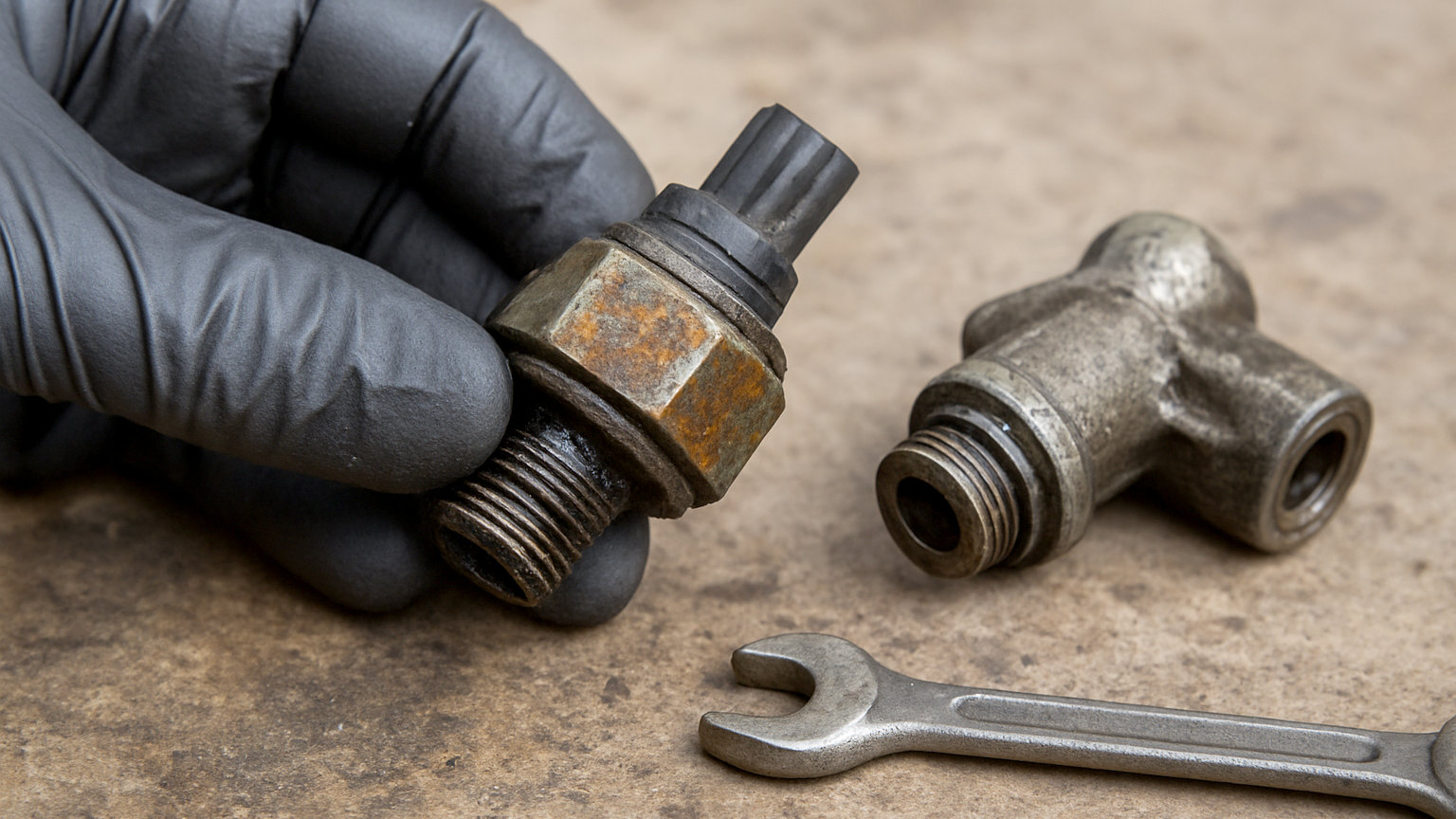
A leak that appears only when the car stands is following gravity rather than pressure, and that points at a different set of seals.
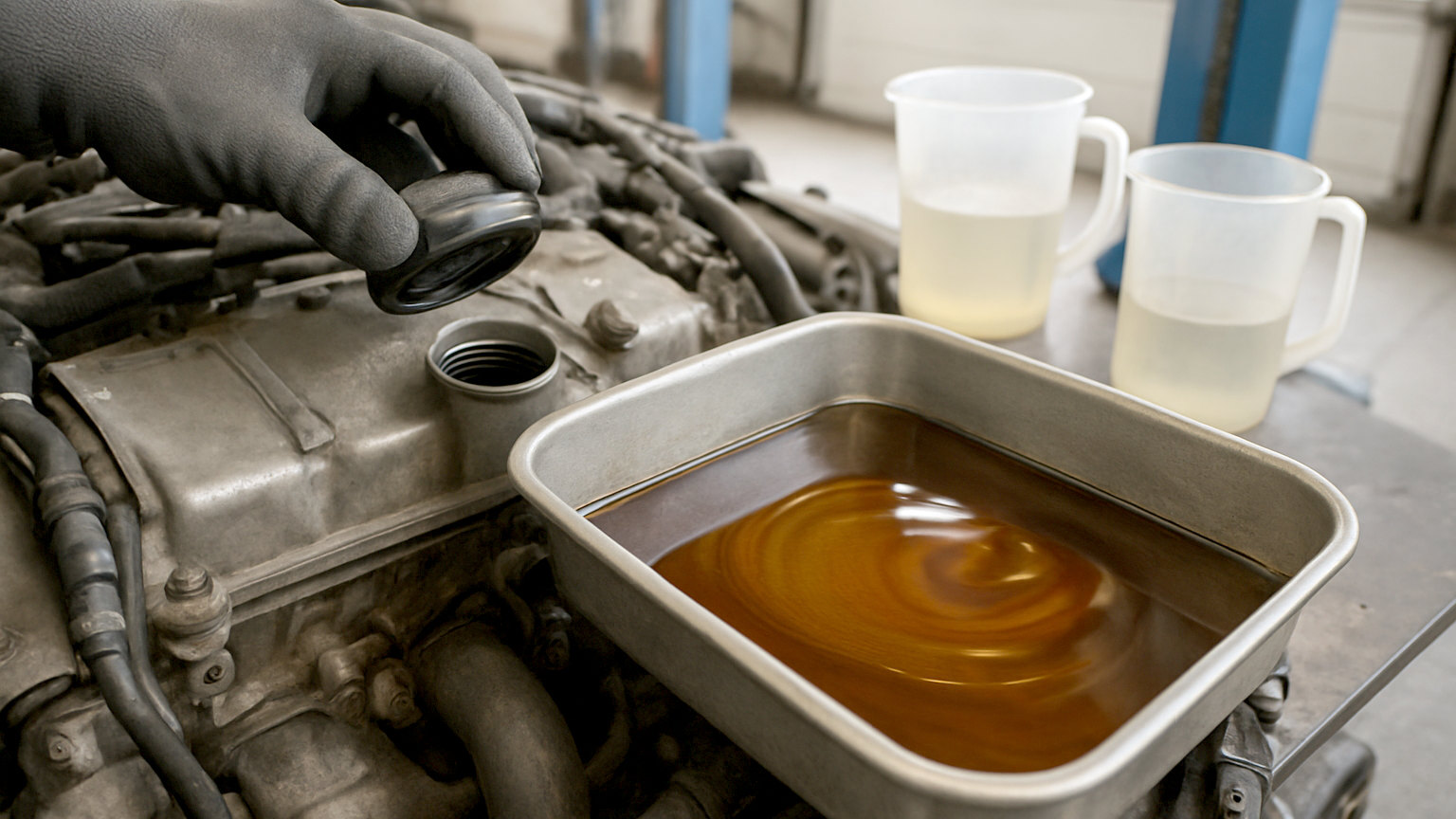
Dark oil is usually the detergents doing exactly what they were designed to do, which makes colour a poor guide to whether a change is due.
An oil level that goes up on its own means something else is getting into the sump, and on a modern diesel that is usually fuel.