How Long Should a Clutch Last?
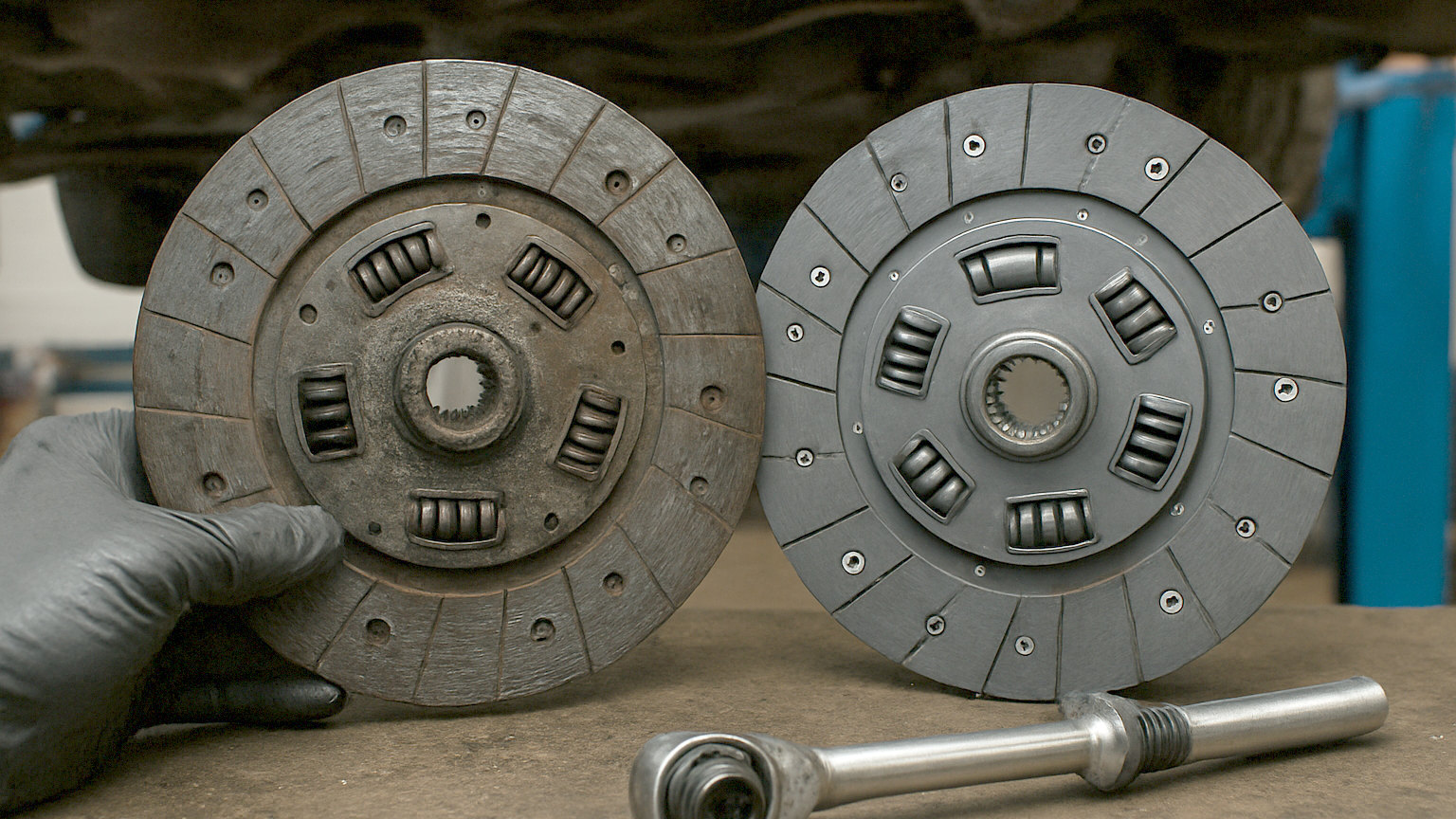
Clutch life depends almost entirely on how it is used, which is why identical cars can differ by a hundred thousand miles.
By Car Problems Team
12 Aug 2026

A slipping clutch, a high or spongy biting point, judder when pulling away and noises when you press the pedal - and how long you can leave it.
Clutch life depends almost entirely on how it is used, which is why identical cars can differ by a hundred thousand miles.
A clutch that fails within a year has almost always been given a reason, and the reason is usually something that was left in place.
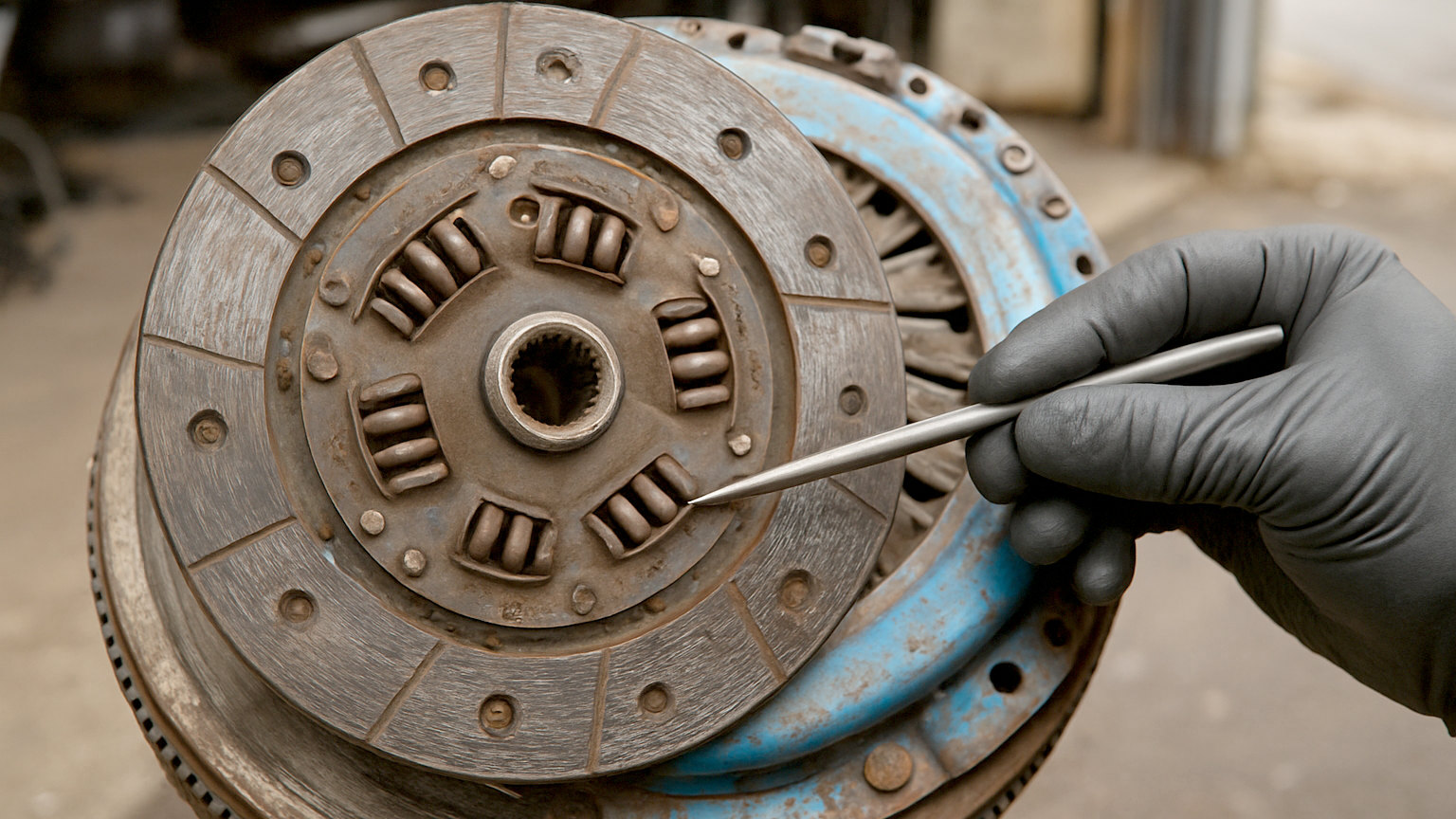
A clutch only wears while it is slipping, so almost every habit that shortens its life involves slipping it when it did not need to.
A pedal that has become noticeably heavier is reporting friction somewhere in the mechanism, and it usually appears before something fails.
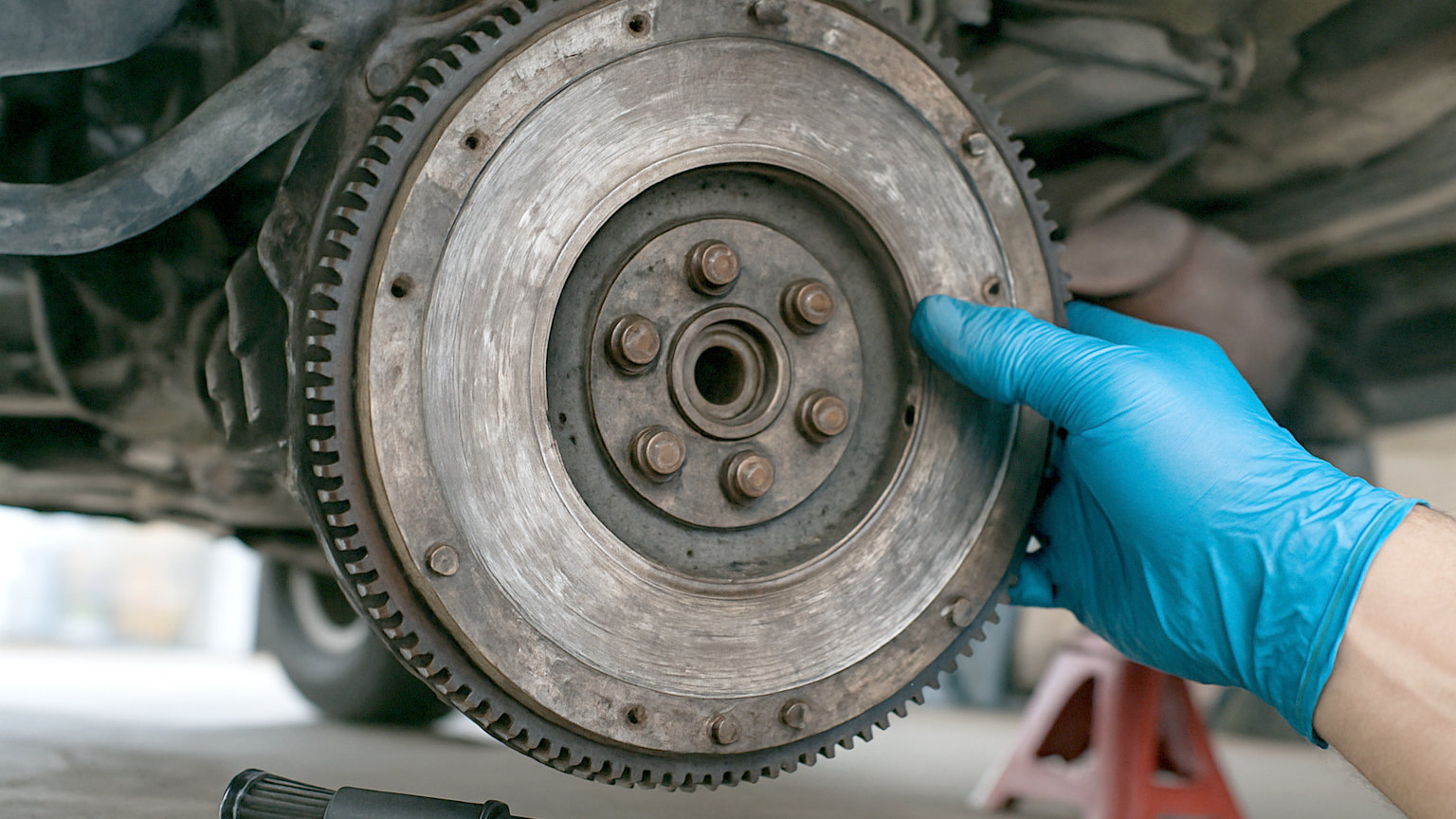
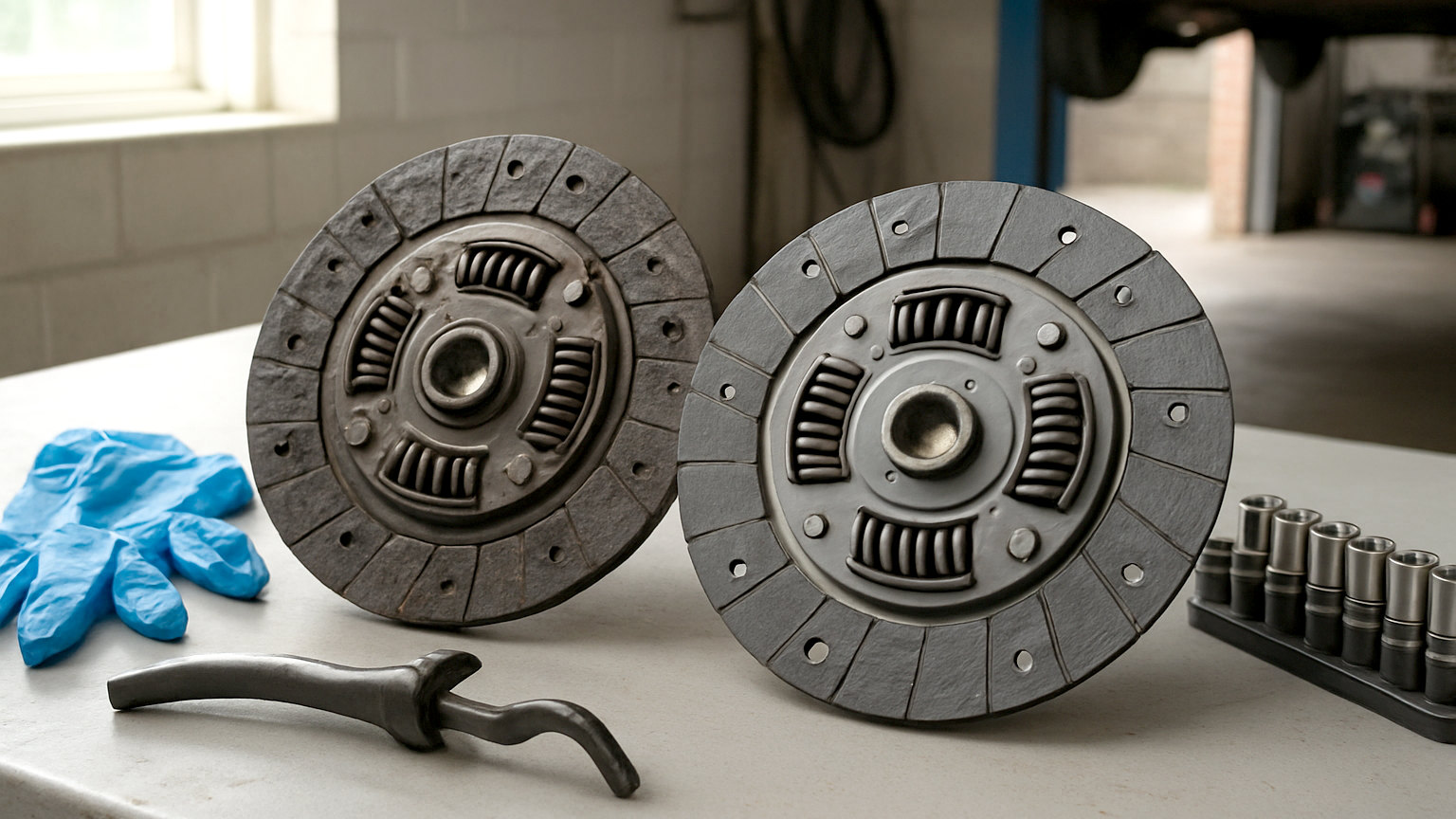
The labour has already been paid, so the question is whether the flywheel will outlast the new clutch, and that depends on its condition now.
Almost all of the cost is getting to the clutch rather than the parts, which is why what else gets replaced at the same time matters so much.
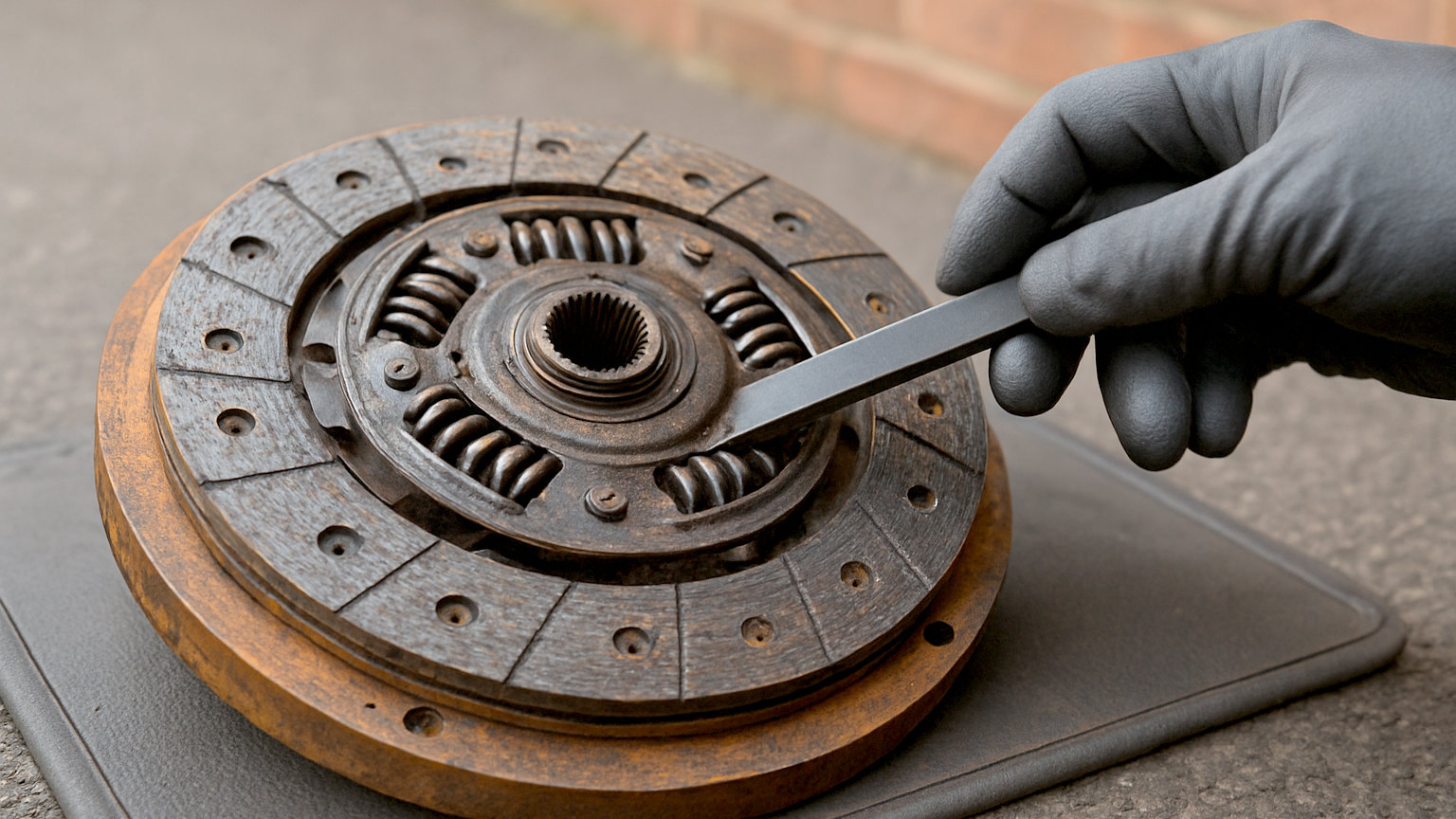
Oil on a friction plate cannot be cleaned off, so a leaking seal will destroy a new clutch as quickly as it destroyed the old one.
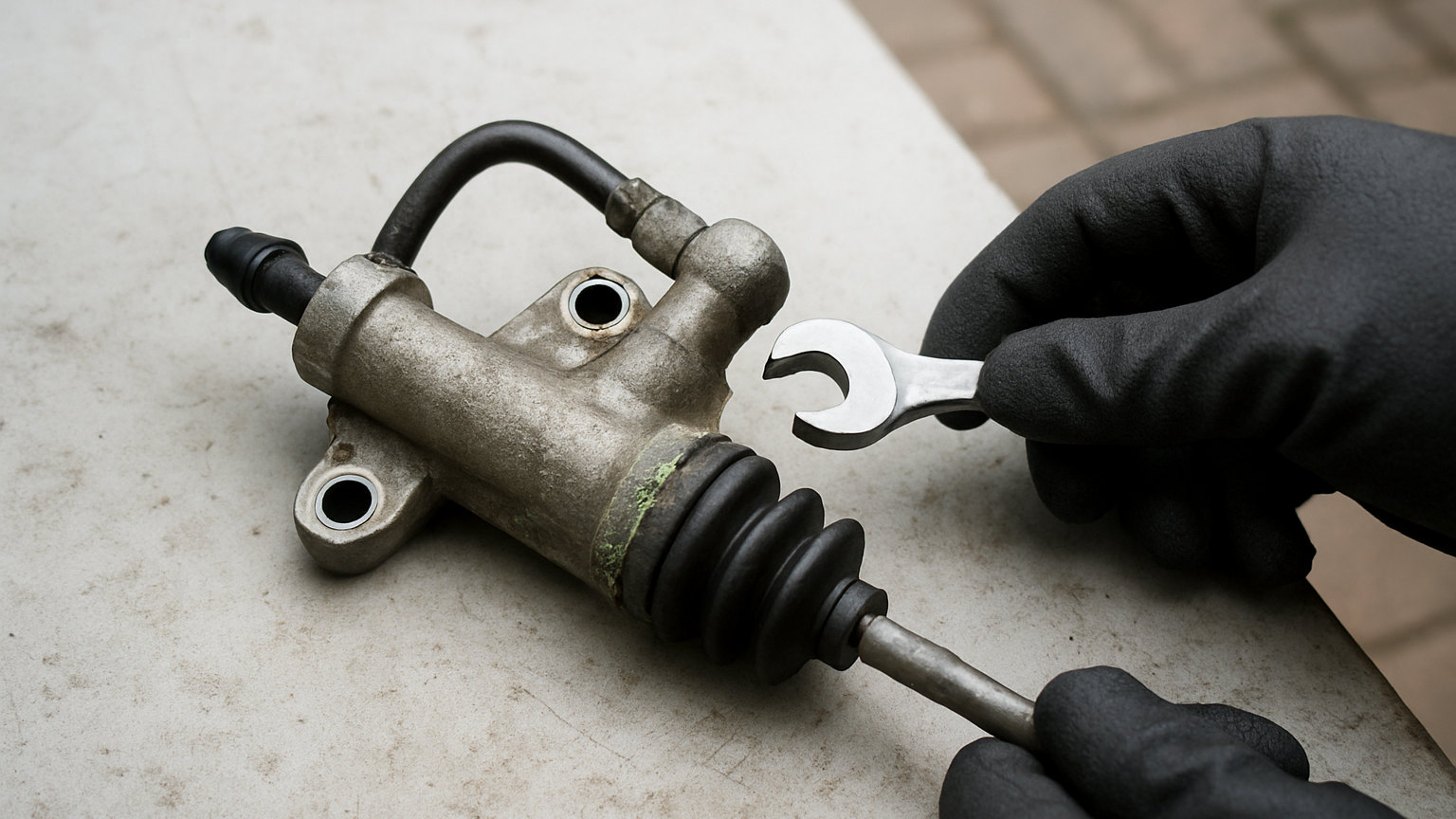
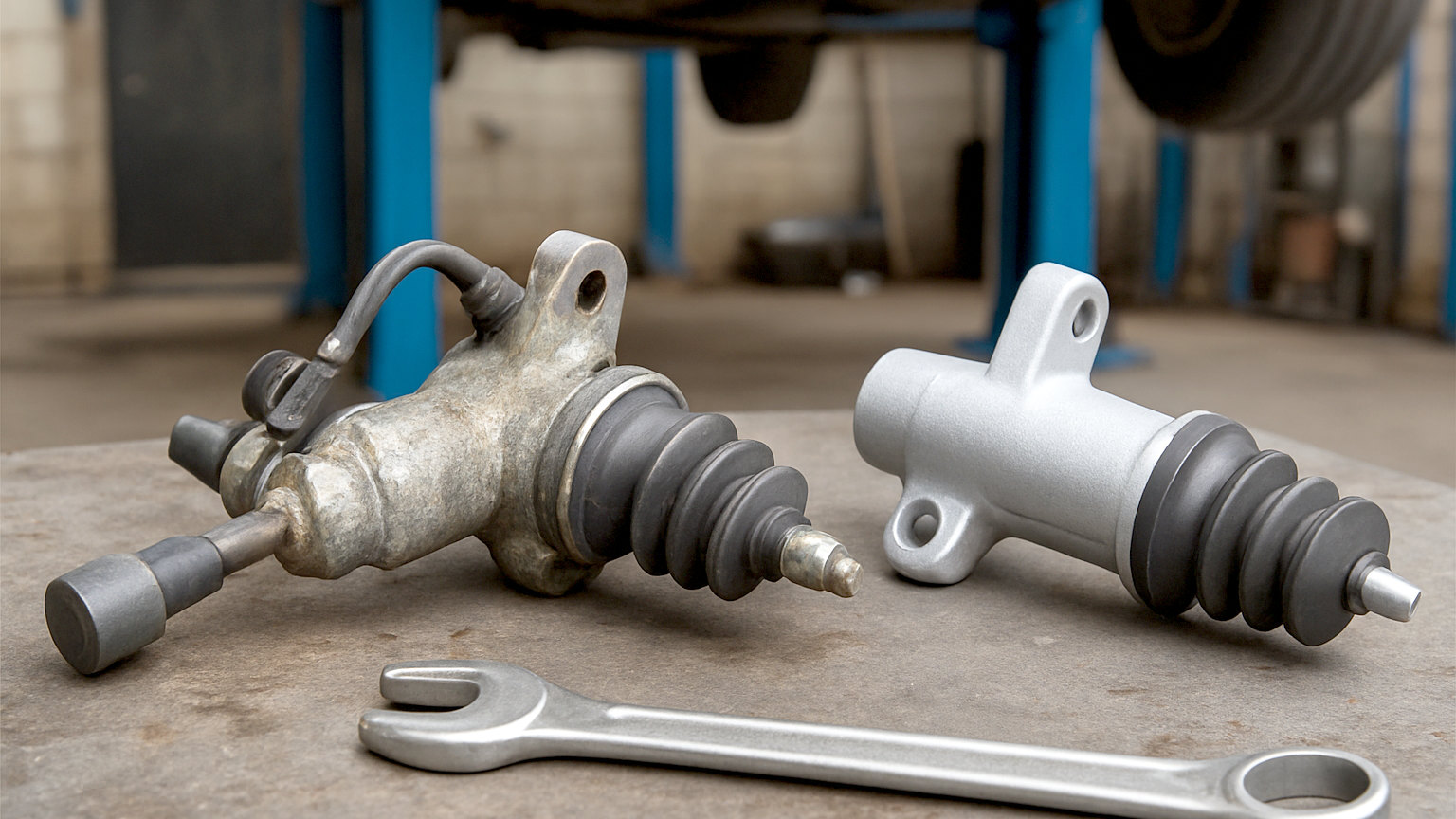
A clutch that will not fully release makes gears difficult and grinds synchromesh, and it is usually hydraulic rather than worn out.
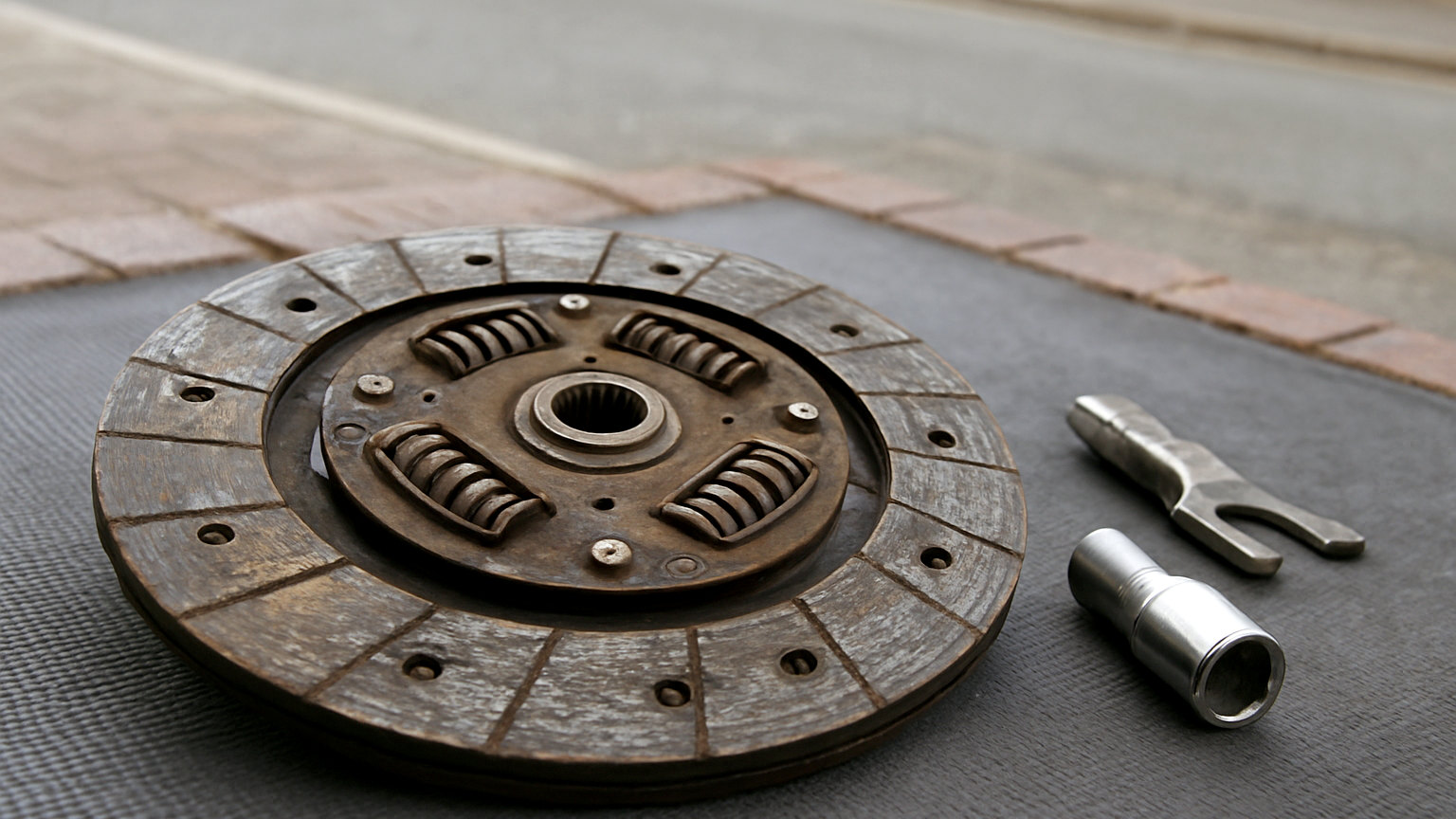
A burning clutch smell is friction material overheating, and while one occasion is survivable, repeated overheating glazes the surface permanently.
Clutch life is determined by how it is used rather than by mileage, which is why identical cars vary by a factor of three.