How Do You Read the Numbers on a Tyre Sidewall?
The sidewall code gives the size, the load rating, the speed rating and the age, and all four matter when replacing a tyre.
By Car Problems Team
12 Aug 2026

Reading tyre wear patterns, cracking and bulges, pressure loss, tread depth and the legal limit, plus what causes a tyre to wear on one edge.
The sidewall code gives the size, the load rating, the speed rating and the age, and all four matter when replacing a tyre.
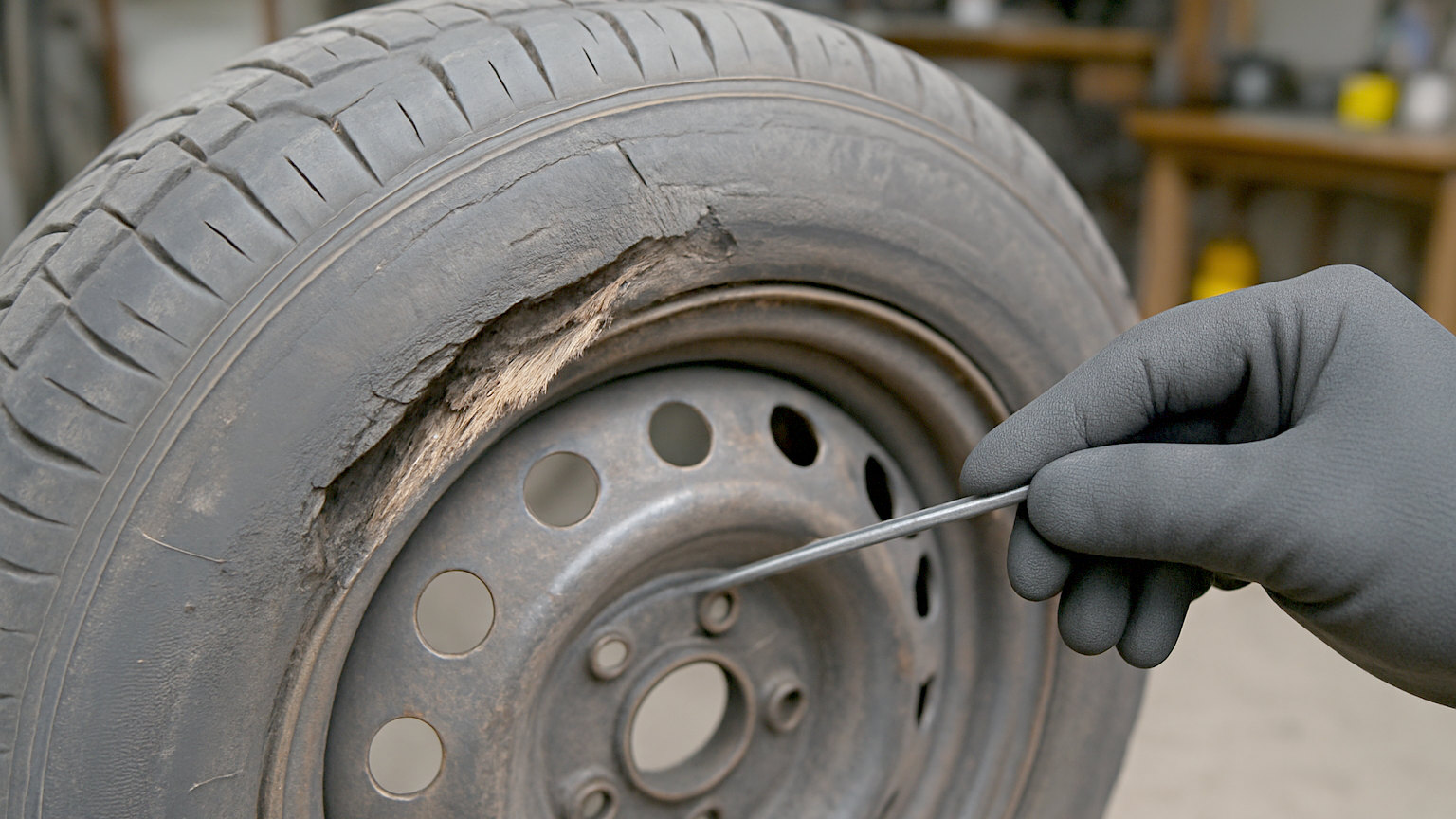
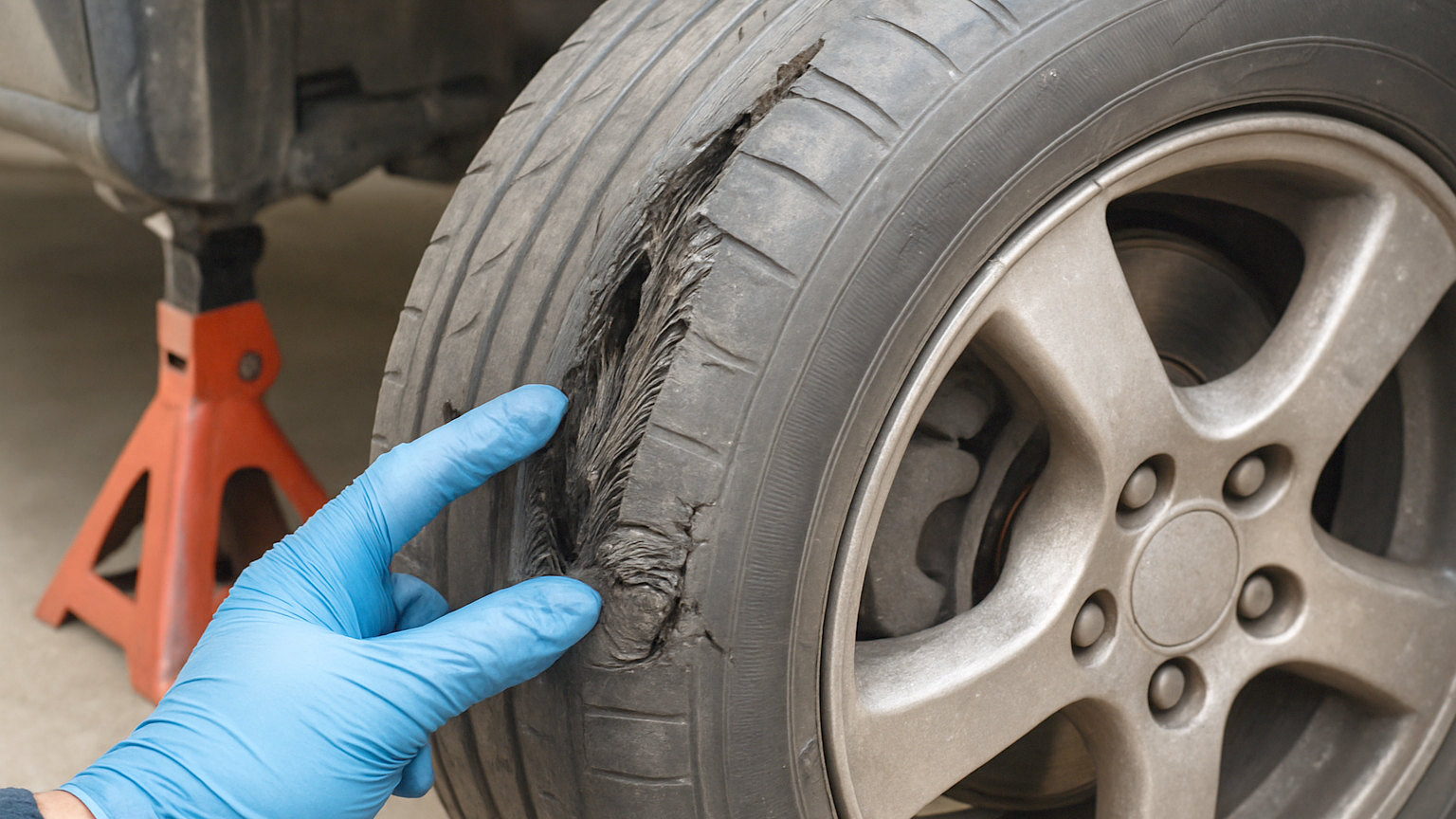
Tyres are among the most common MOT failures, and several of the defects sit on the inner sidewall where owners never look.
Independent testing consistently shows large differences in wet braking between premium and budget tyres, often measured in car lengths.
A blowout is a sudden structural failure rather than a puncture, and the correct response is the opposite of what instinct suggests.
Run flats let you keep driving after a puncture, at the cost of ride comfort, price and the ability to have most of them repaired.
Tyre pressure monitoring comes in two quite different forms, and which one your car uses determines what the light means and what fixes it.
Some pressure loss is normal, and a tyre that needs topping up every fortnight is telling you about a valve, a rim or a slow puncture.
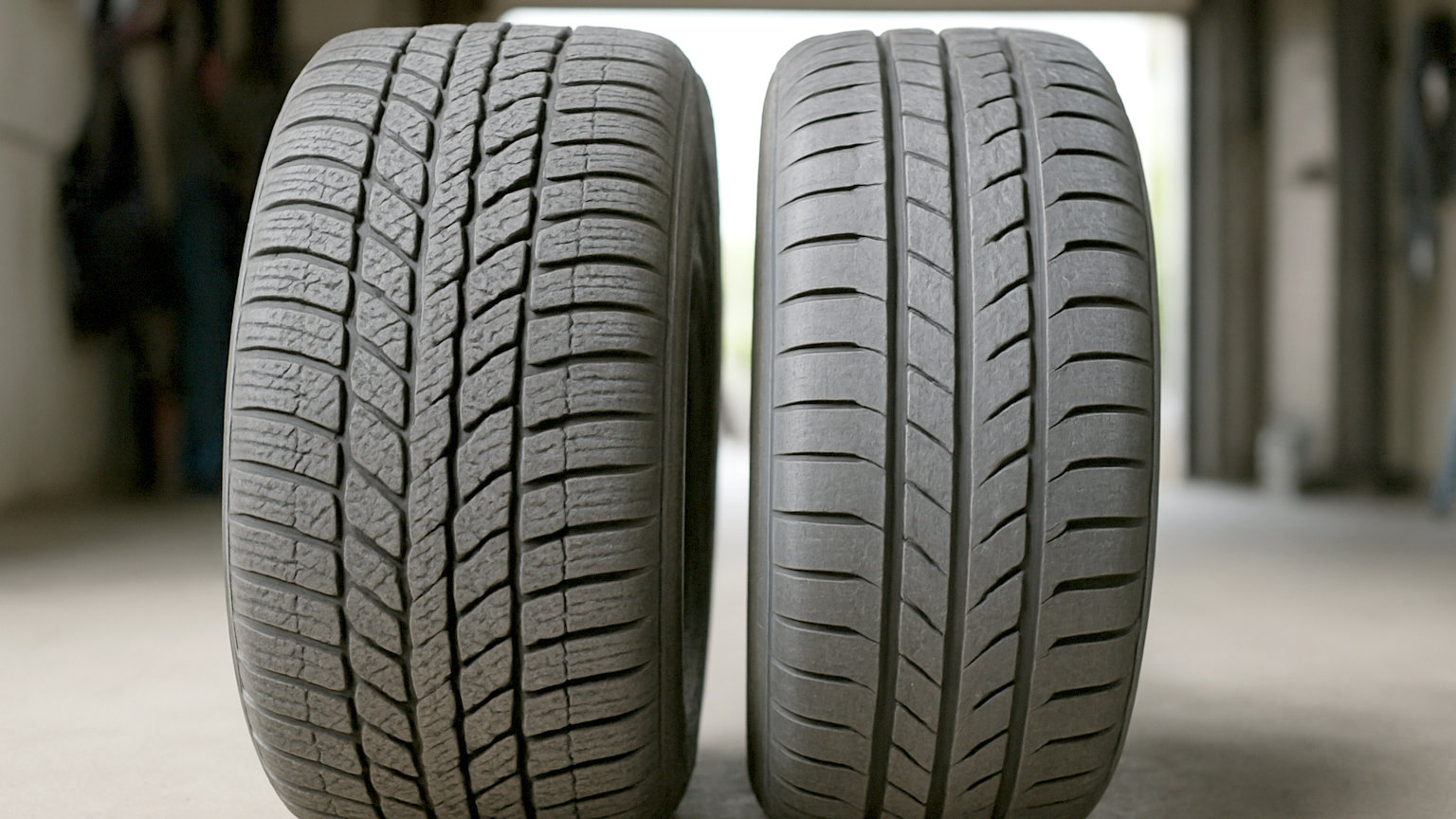
Winter tyres are about temperature rather than snow, and the compound difference matters on every cold morning rather than a few days a year.
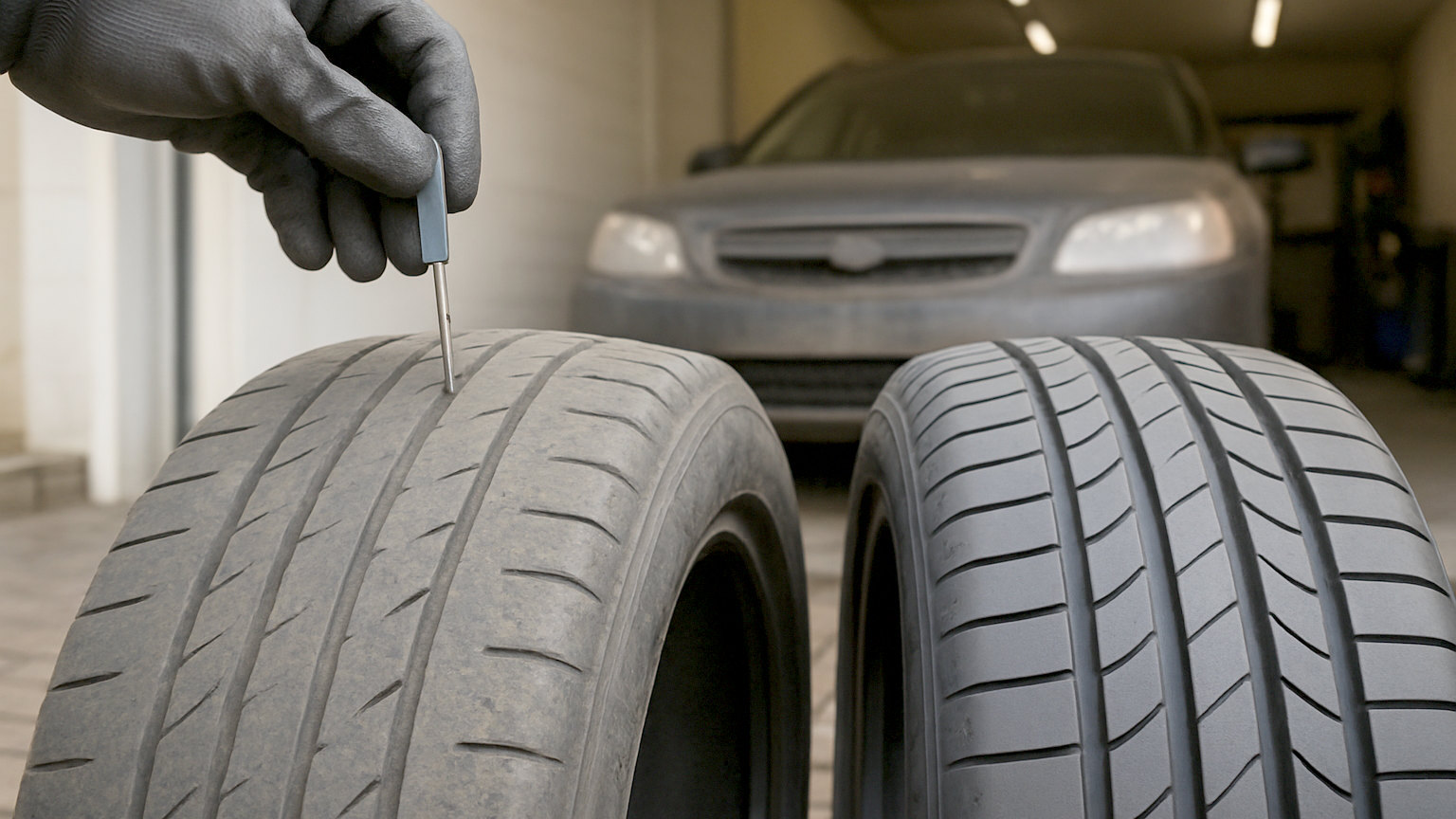
Part worn tyres are legal to sell under strict conditions that are frequently not met, and the saving per millimetre is smaller than it appears.
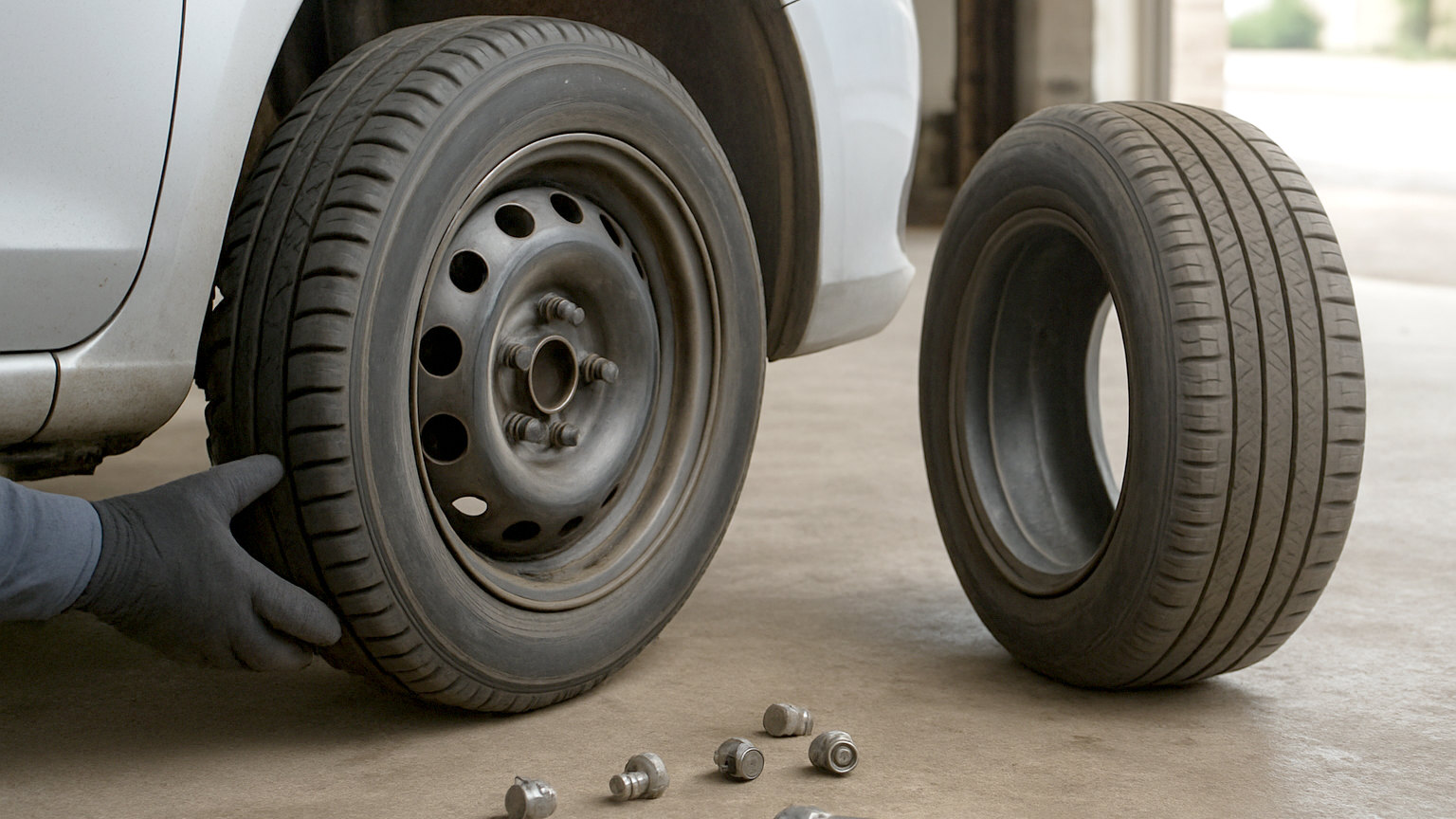
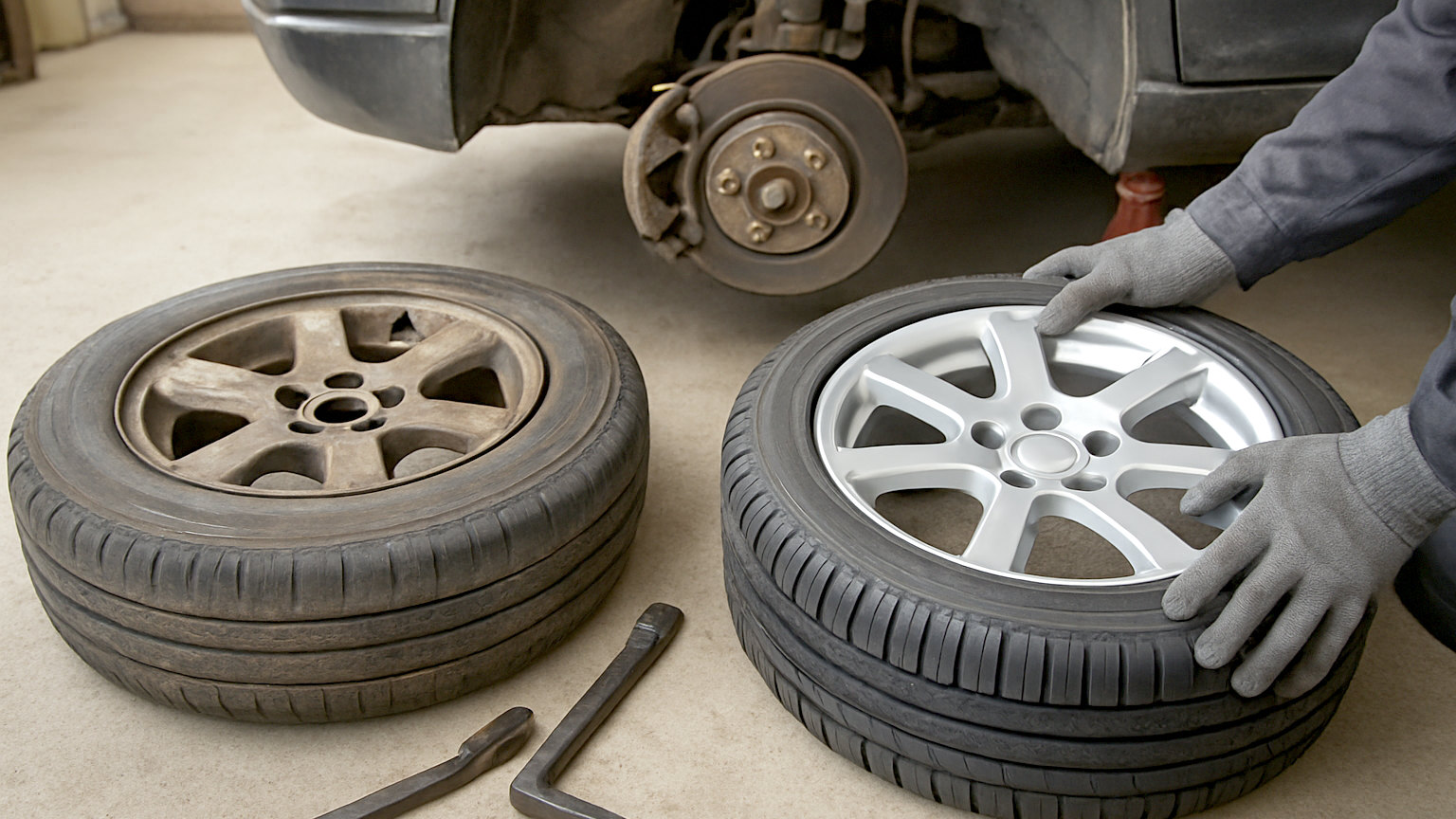
Replacing in axle pairs is the practical minimum, and where the new pair goes matters more than most people expect.