Is a Gearbox Rebuild or Replacement Better Value?
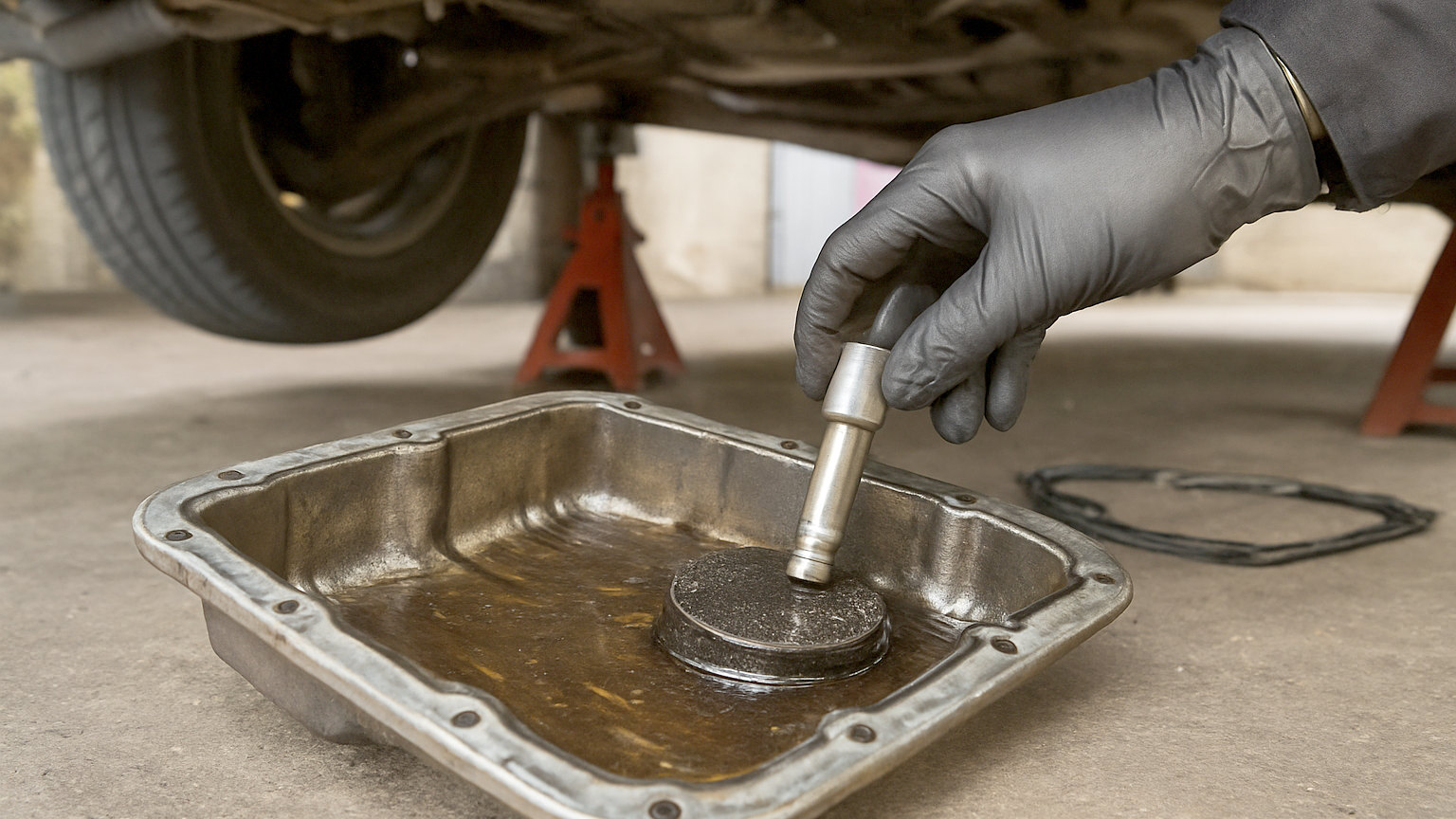
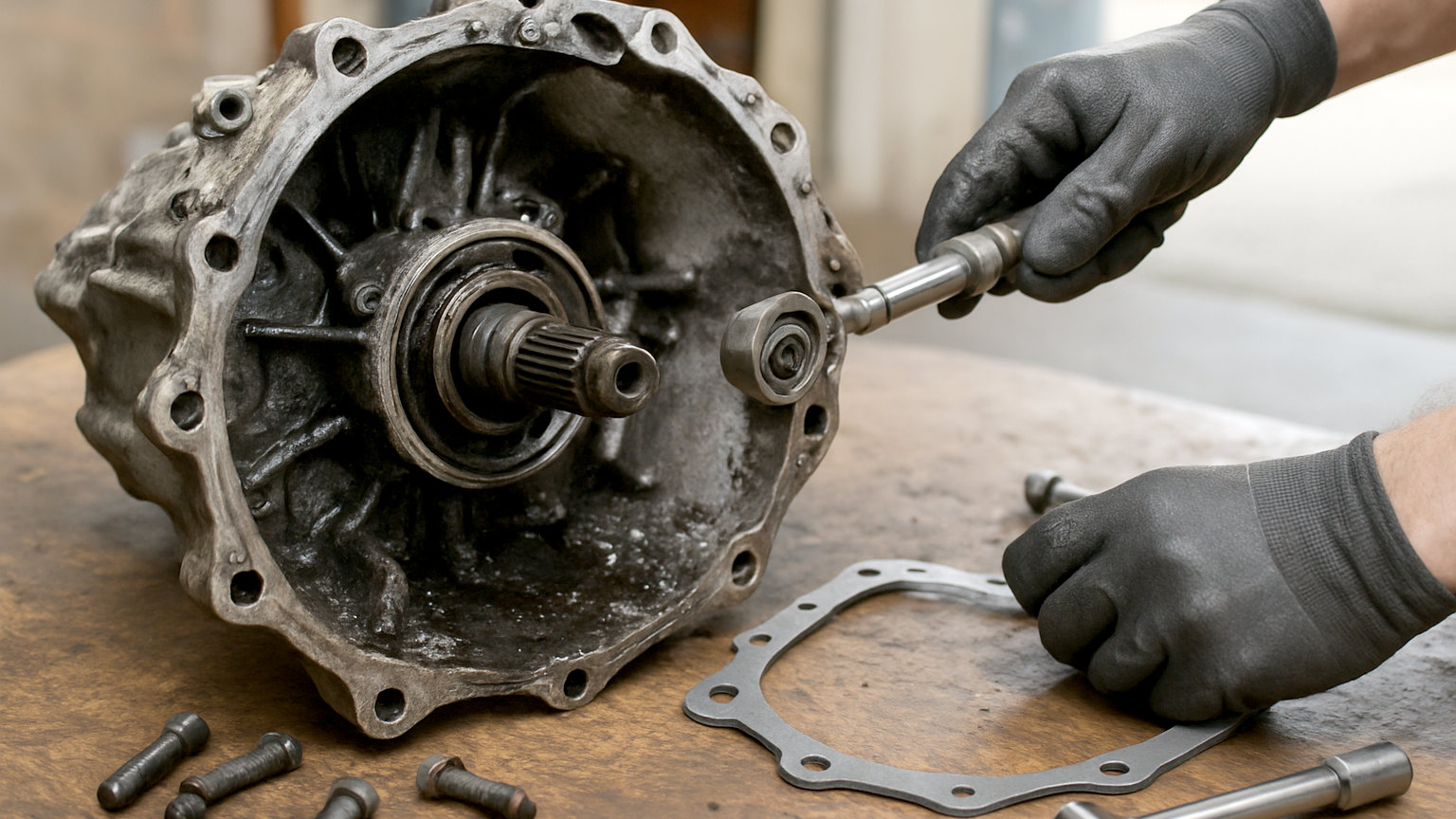
There are four realistic options and the right one depends on the car value, the failure and whether the labour is being paid once or twice.
Crunching into gear, jumping out of gear, whining, or an automatic that slips and jolts - manual and auto symptoms and what each points to.
There are four realistic options and the right one depends on the car value, the failure and whether the labour is being paid once or twice.
Several cheaper components produce symptoms that feel exactly like a failing gearbox, and a short sequence of tests separates them.
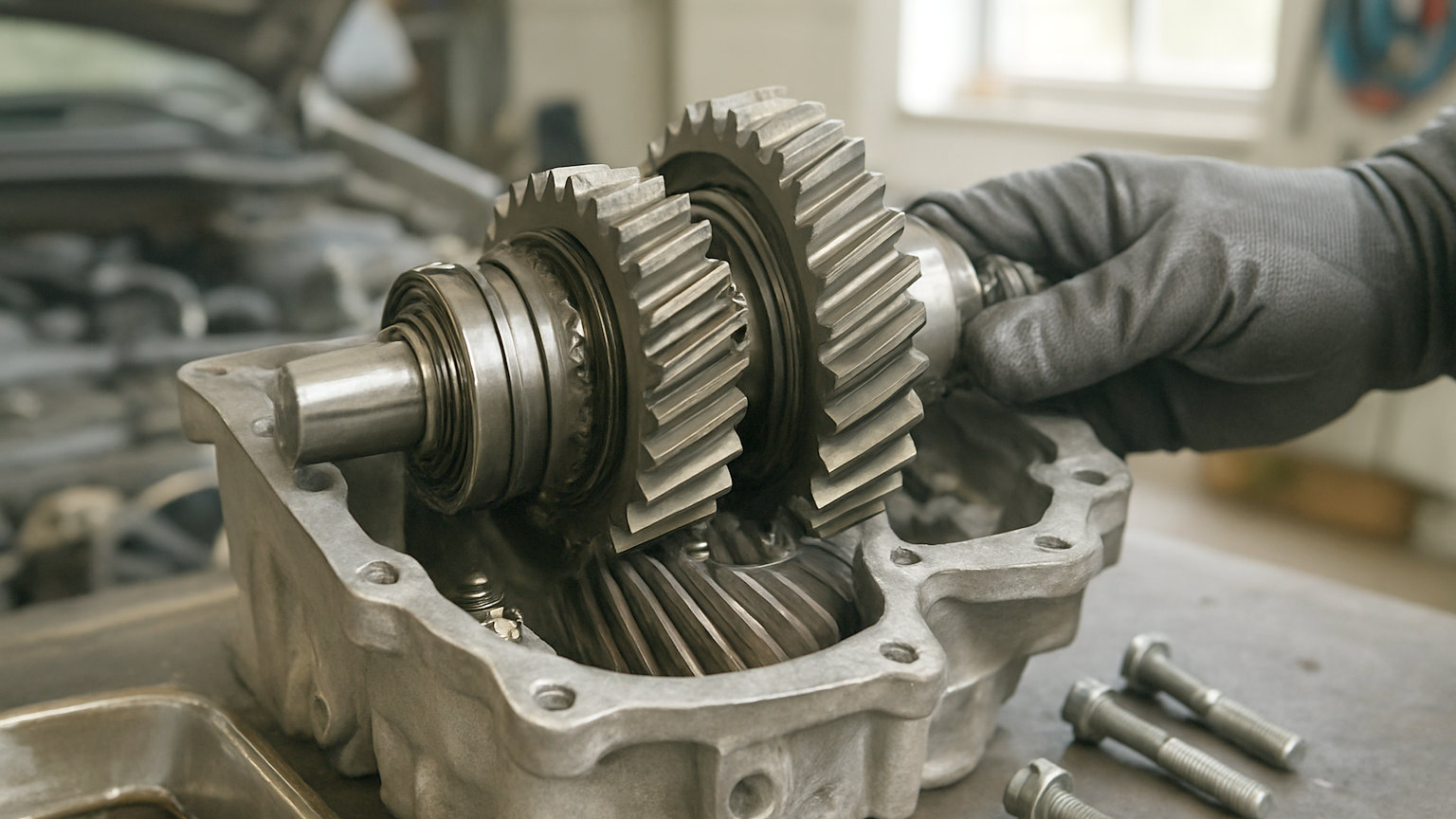
A noise present in one ratio and absent in the others has identified the exact gear pair responsible, which is unusually specific information.
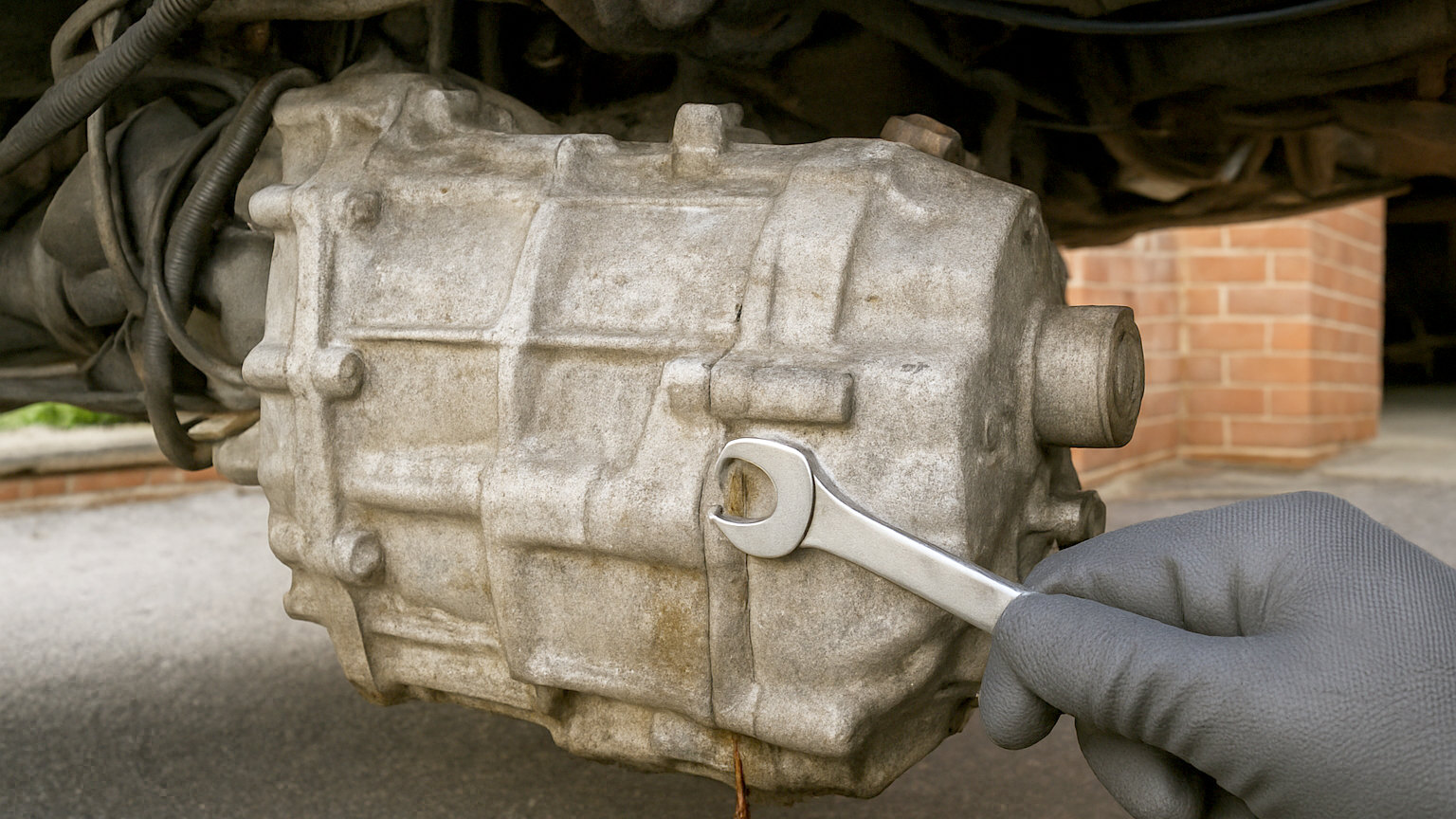
A gearbox holds far less oil than an engine, so a leak that looks trivial can empty it in a way an engine leak never would.
A car that revs but will not move has lost drive, and the cheapest explanations should always be checked before the expensive ones.
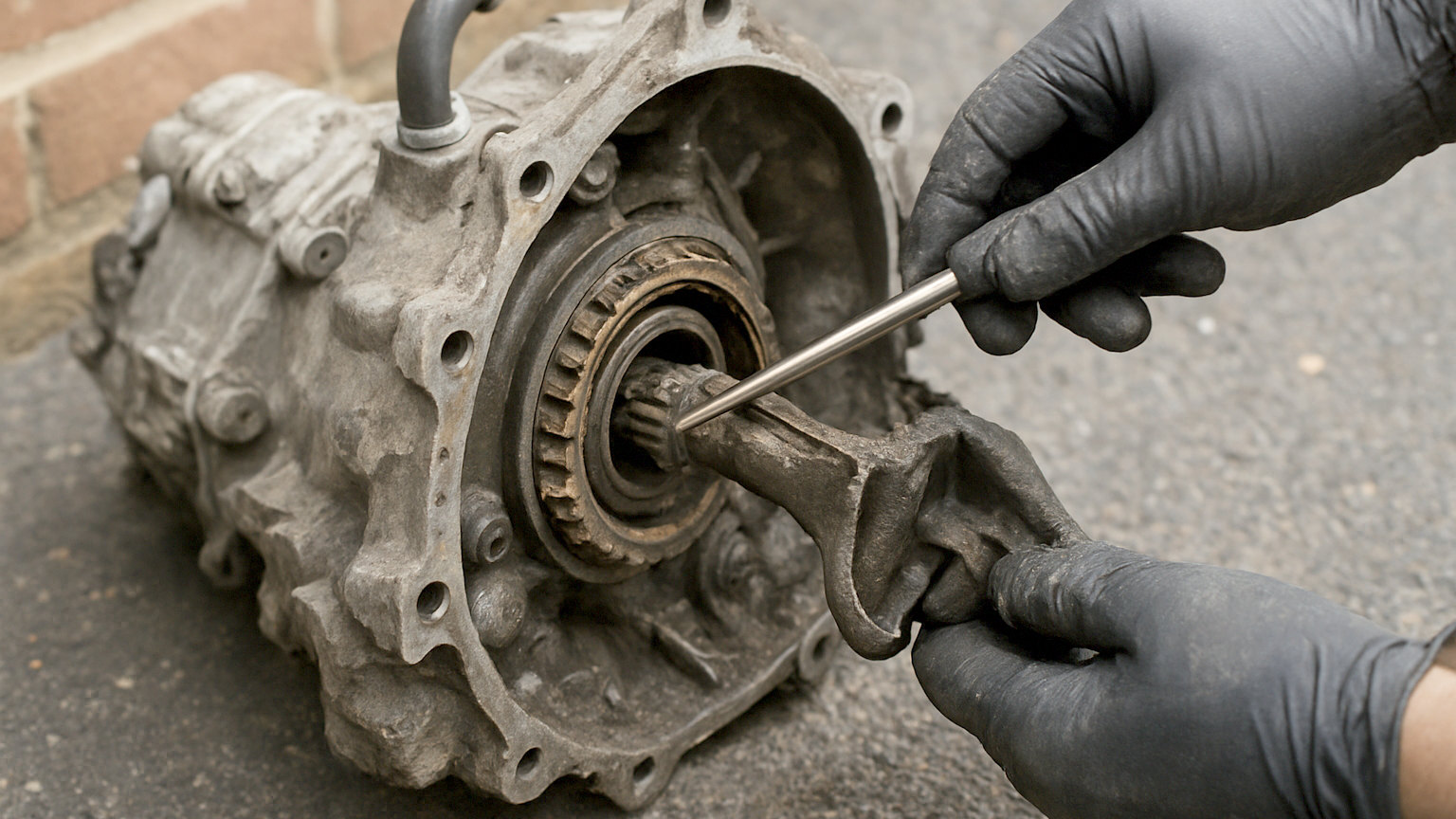
Second gear crunches first because it does the hardest work, and whether the cause is the synchro or the clutch depends on how you change.
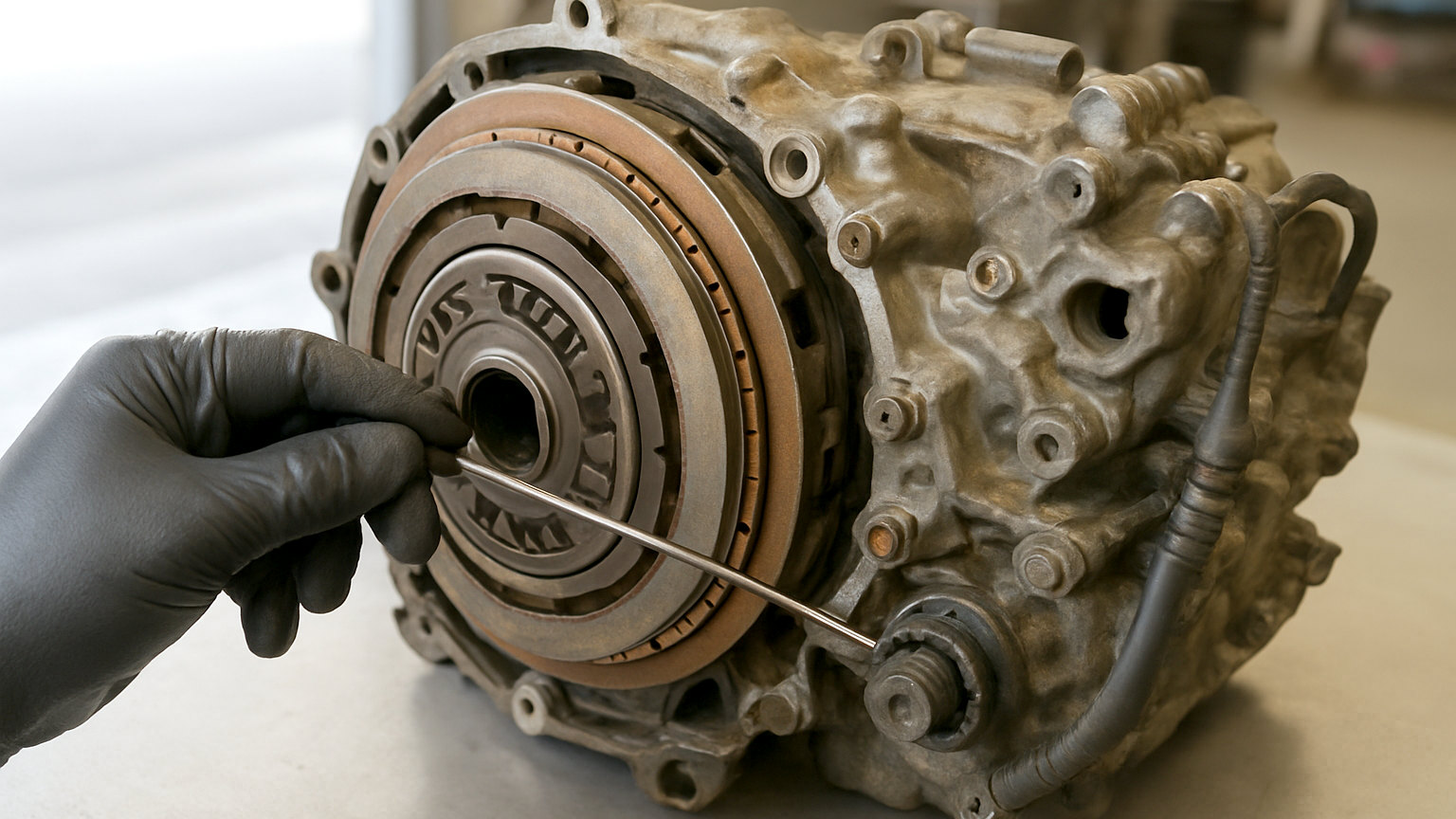
Dual clutch boxes behave like a manual with a robot operating it, and low speed judder usually means clutch wear or a mechatronic fault.
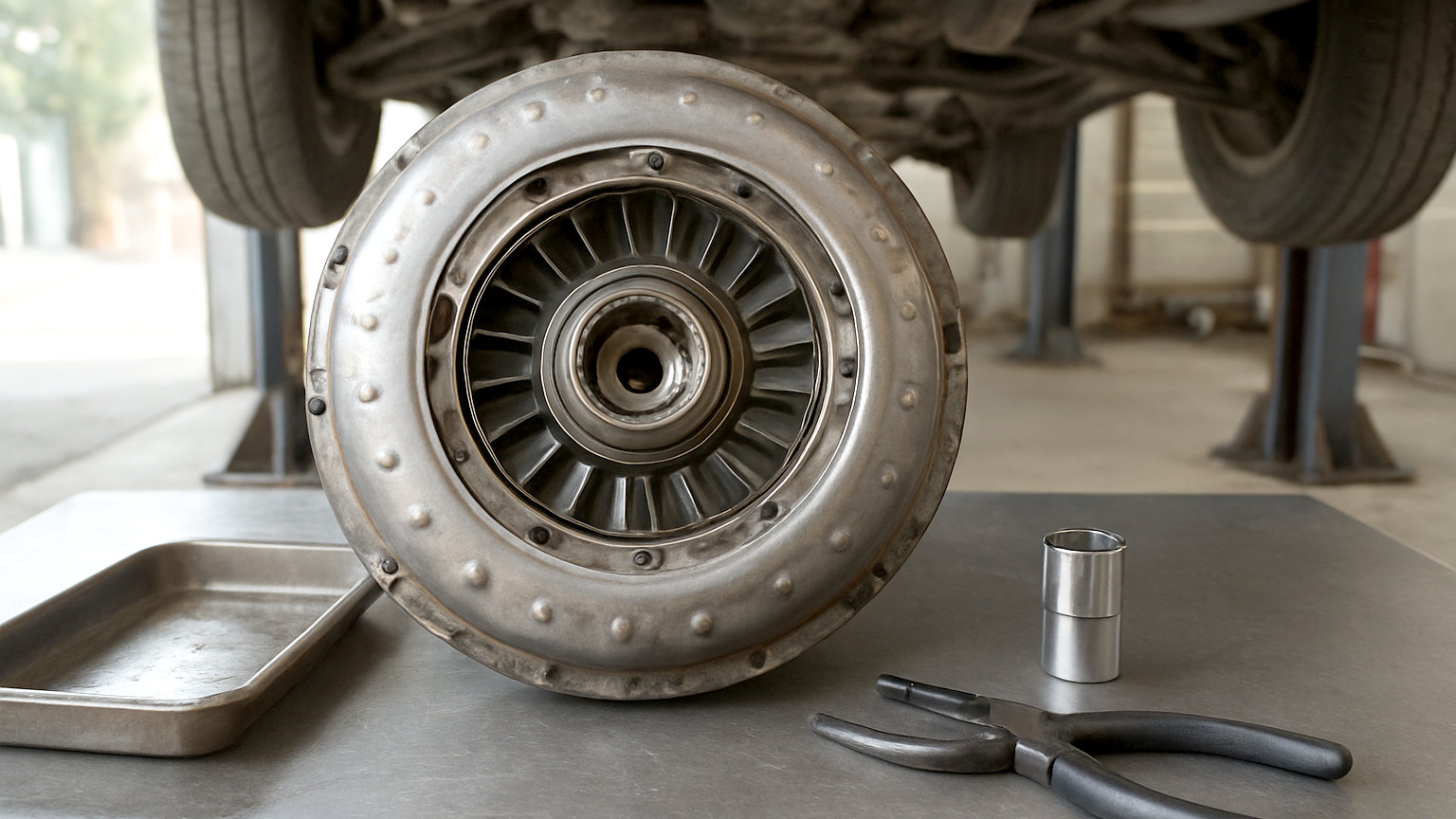
The torque converter is a fluid coupling that replaces the clutch, and its lock-up mechanism is what usually gives trouble rather than the coupling itself.
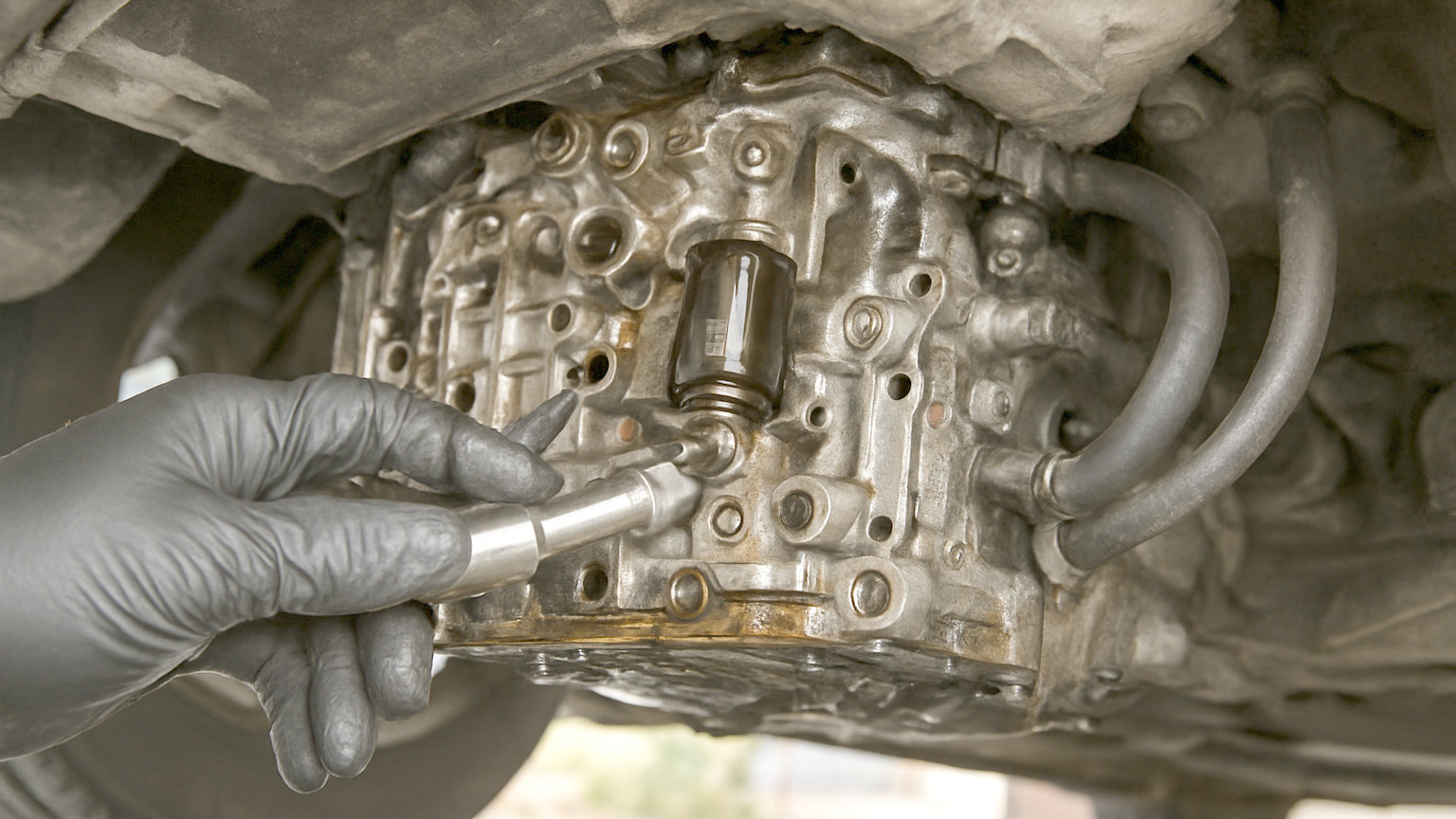
Harsh shifting can mean worn clutches, tired fluid, a failing solenoid or simply a gearbox that has lost its learned adaptations.
Sealed for life means the life the manufacturer had in mind, and that is frequently shorter than the life you intend the car to have.