How Often Should Wheel Alignment Be Checked?
Alignment drifts gradually and there is rarely an obvious moment it goes wrong, so checking it on events rather than mileage works better.
By Car Problems Team
13 Aug 2026

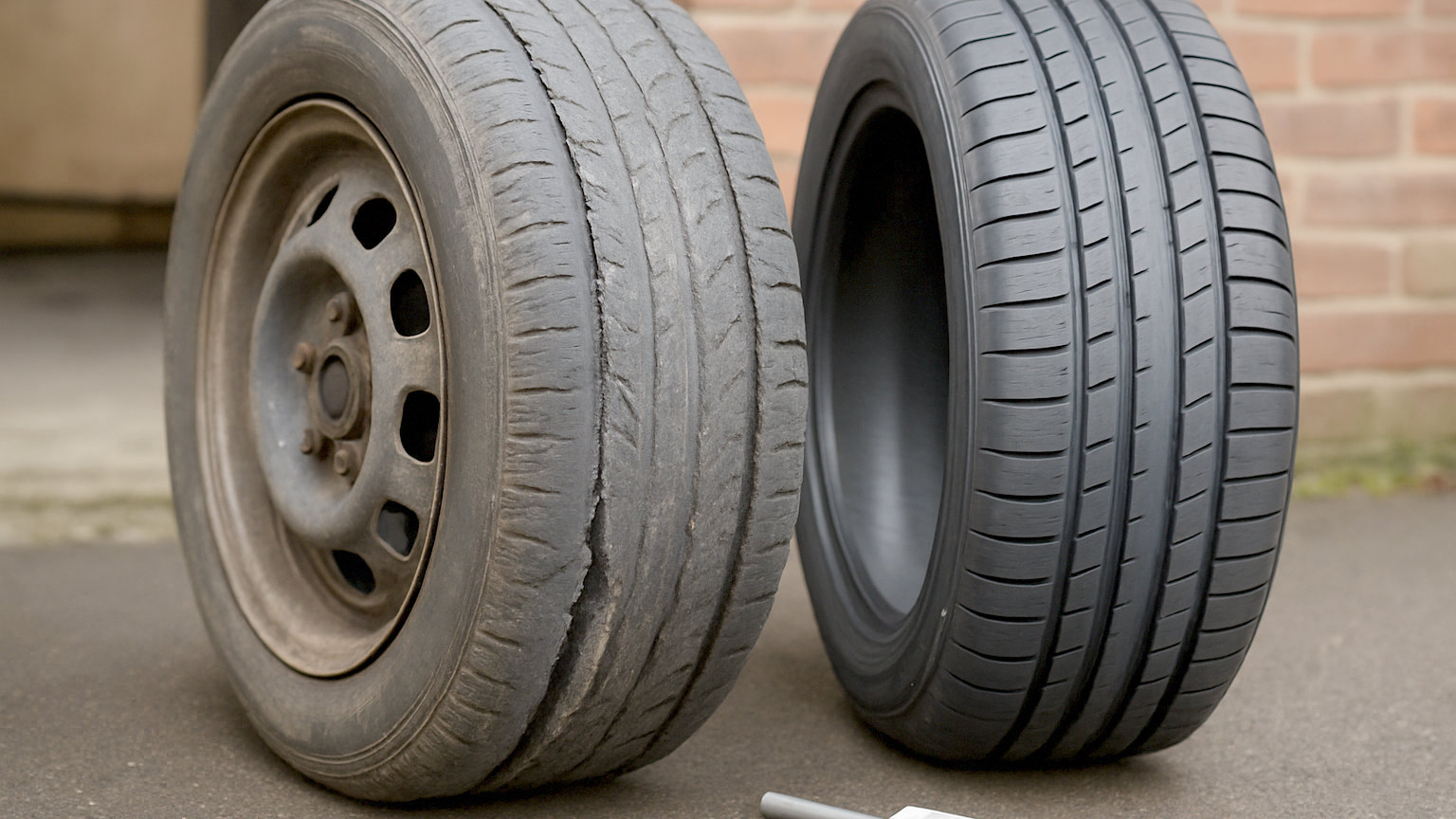
A car pulling to one side, an off-centre steering wheel and tyres wearing on the inside edge - what tracking and alignment actually fix.
Alignment drifts gradually and there is rarely an obvious moment it goes wrong, so checking it on events rather than mileage works better.
The arithmetic is straightforward, because a set of tyres costs several times an alignment check and misalignment can ruin one quickly.
Lowering changes camber and toe automatically, and correcting the result usually needs adjustable components the car was never fitted with.
Alignment corrects geometry, so a pull that survives it is usually a tyre, a brake or an angle that could not be adjusted.
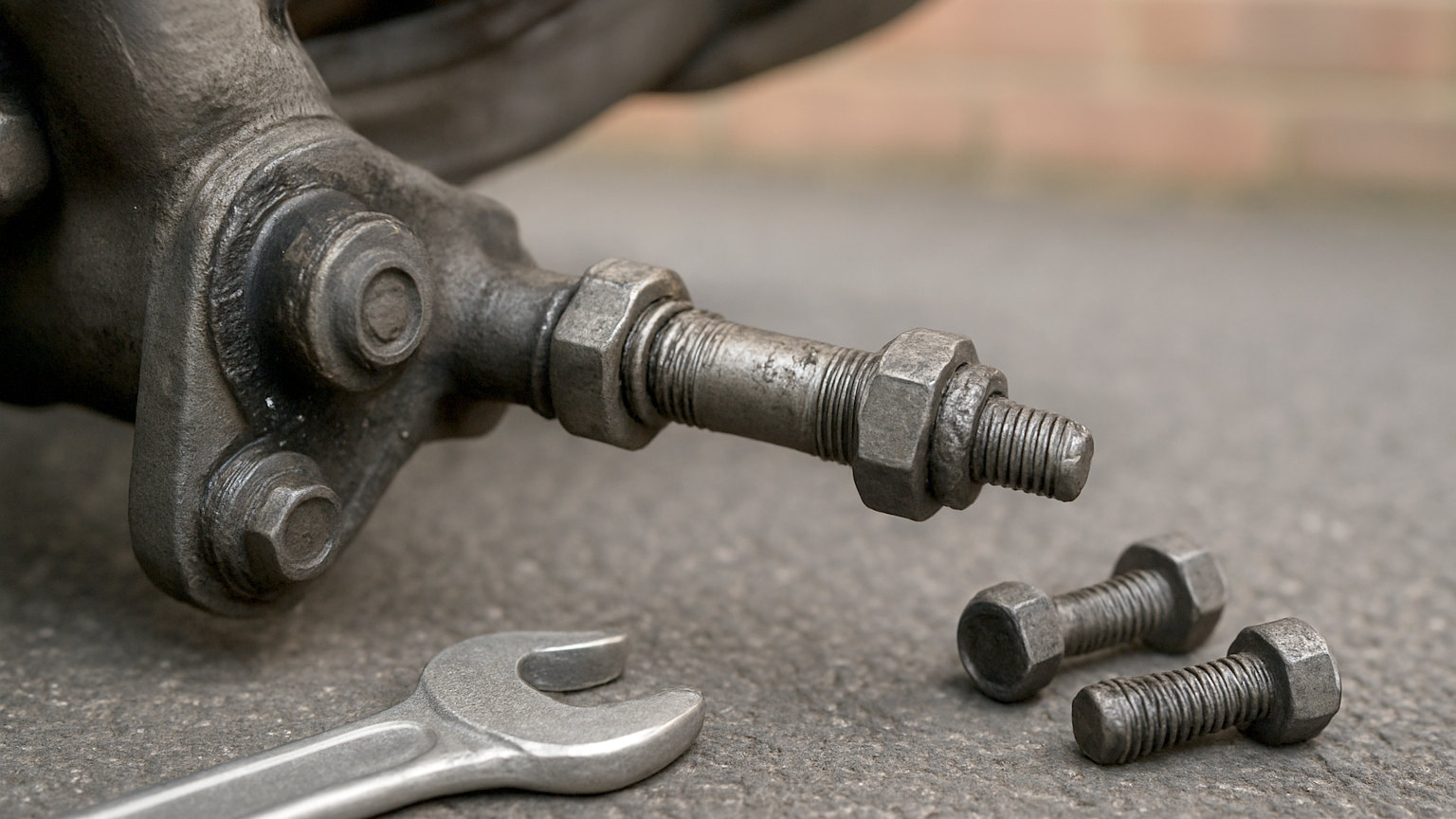
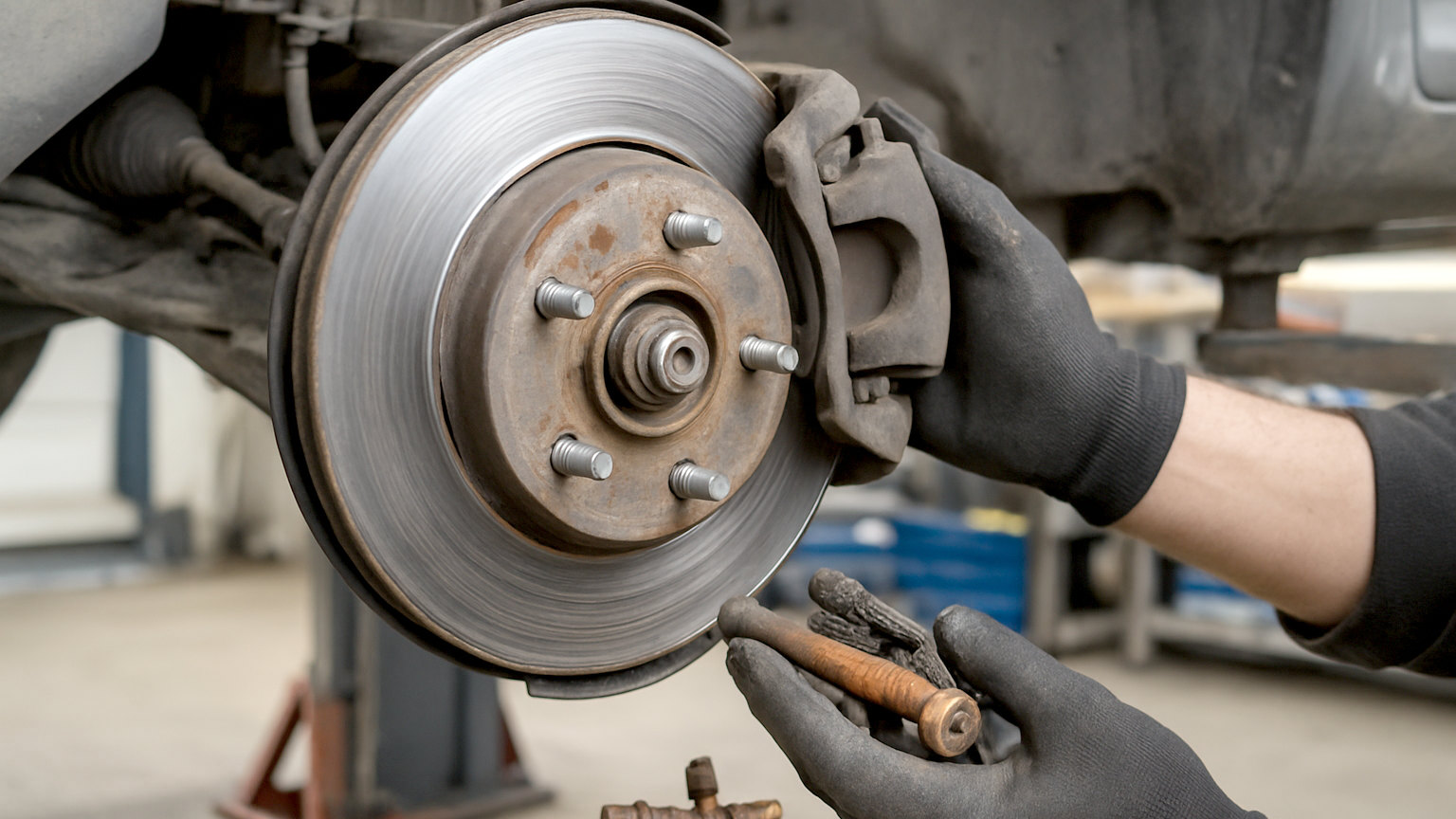
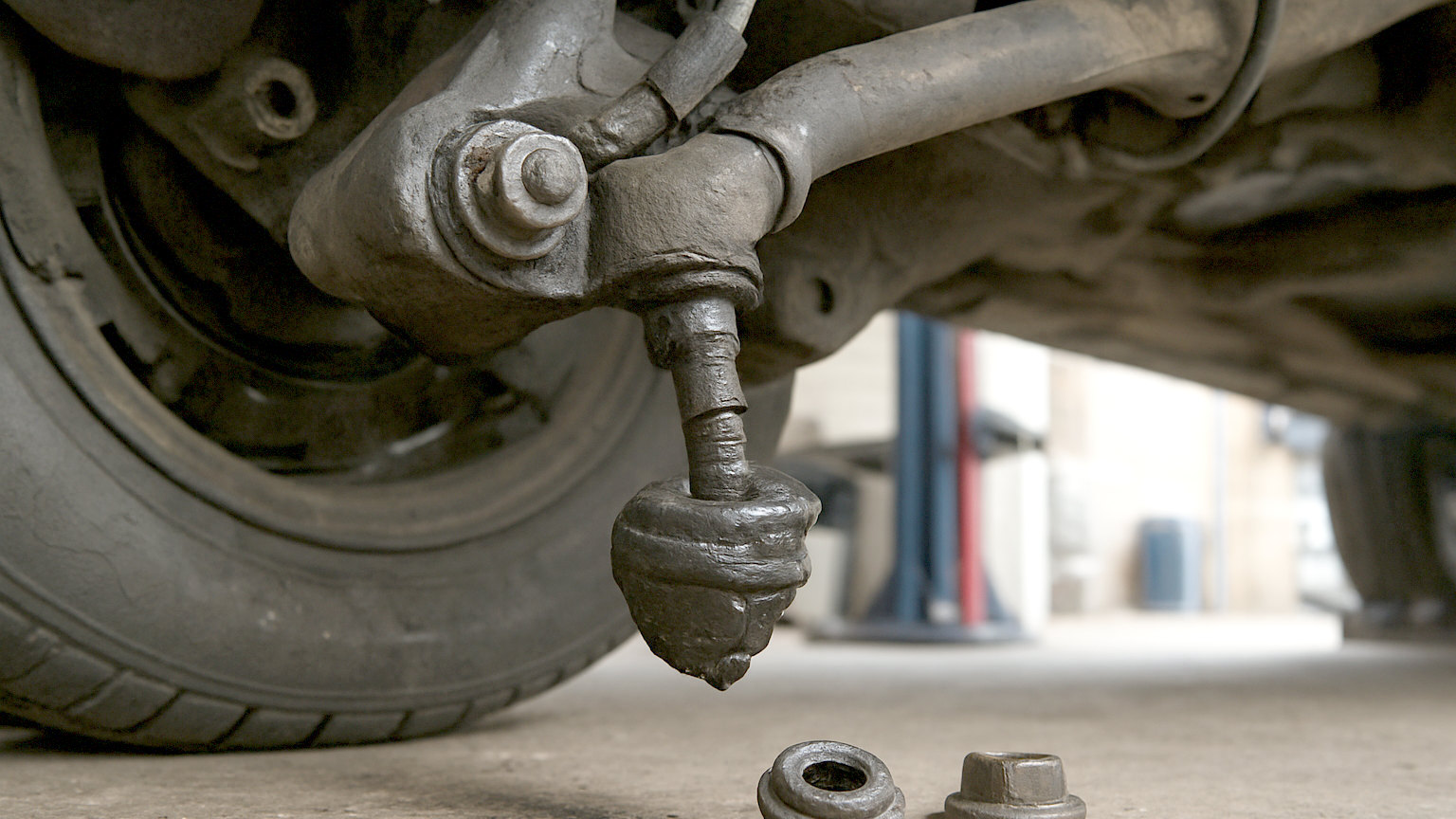
It can be measured, and setting it before worn components are replaced wastes the money and can make the car worse.
Misaligned wheels are partly scrubbing rather than rolling, and that resistance costs fuel every mile the car is driven.
Thrust angle describes where the rear axle is actually pointing, and it explains why some cars will not drive straight however carefully the front is set.
Sometimes, and the cheaper causes should be eliminated first because tyres and brakes produce identical symptoms.
The printout shows every angle against the manufacturer tolerance, and it is the evidence that the work was actually carried out.
Alignment changes when something moves, so the causes are impacts, worn components and repairs rather than gradual drift.