Why Does My Car Smoke After a Turbo Failure?
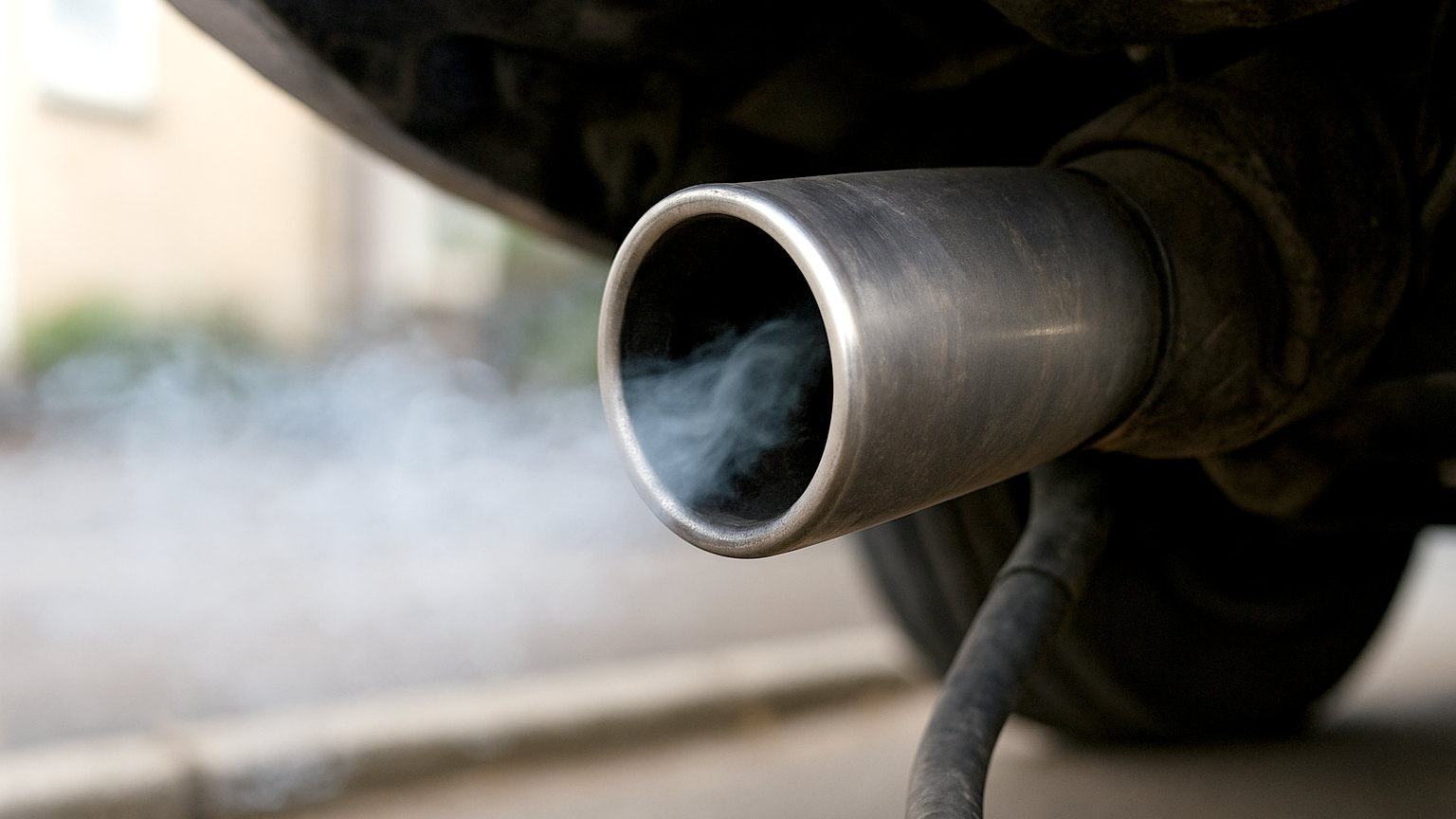
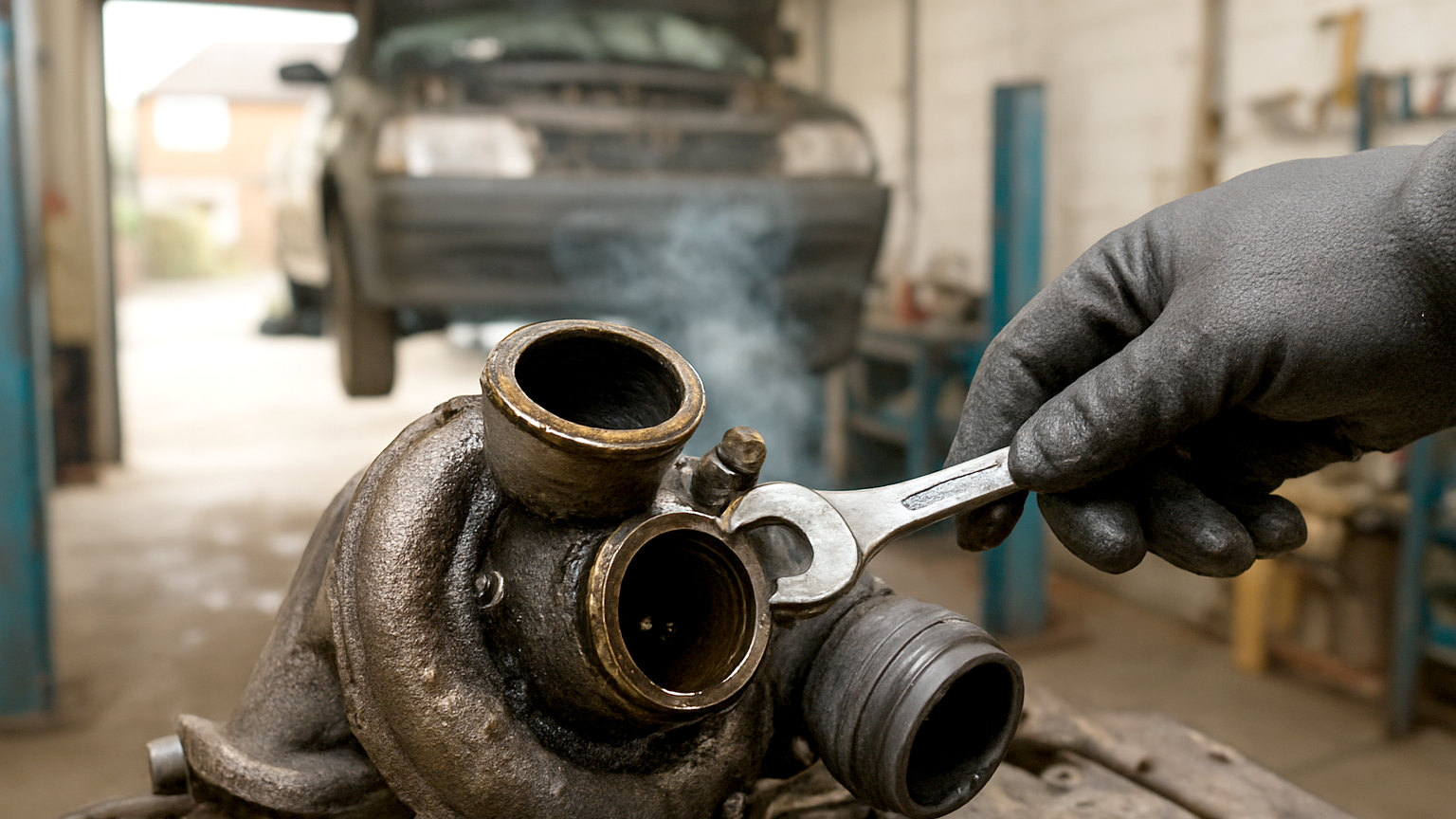
A failed turbo pushes oil into the intake and the exhaust at once, and the smoke that follows can be dramatic and occasionally dangerous.
By Car Problems Team
18 Apr 2026

Blue, white or black smoke from the exhaust - what each colour tells you, how serious it is, and which ones will fail an MOT.
A failed turbo pushes oil into the intake and the exhaust at once, and the smoke that follows can be dramatic and occasionally dangerous.
Every engine uses some oil, and the figure manufacturers consider acceptable is usually far higher than owners expect.
Smoke from the engine bay rather than the tailpipe is a different situation entirely, and it needs the car stopped rather than diagnosed on the move.
Water from the tailpipe is usually the sign of a healthy engine rather than a failing one, though there is one version worth checking.
Several causes of oil burning are repairable without opening the bottom end, and it is worth eliminating those before accepting a rebuild quote.
Exhaust smells are as diagnostic as smoke colours, and a sulphur smell in particular points somewhere quite specific.
A modern diesel with a working particulate filter should barely smoke at all, so visible smoke means something has changed and the filter is losing.
The emissions section of the MOT catches smoke in two ways, and understanding both explains why some smoky cars pass and others do not.
A cloud in the mirror when you lift off is caused by vacuum drawing oil past worn seals, and it is one of the most specific symptoms there is.
Smoke that appears under load is being produced by the conditions inside a hard working engine, and the colour separates wear from fuelling.