What Causes a Tyre Blowout and What Should You Do?
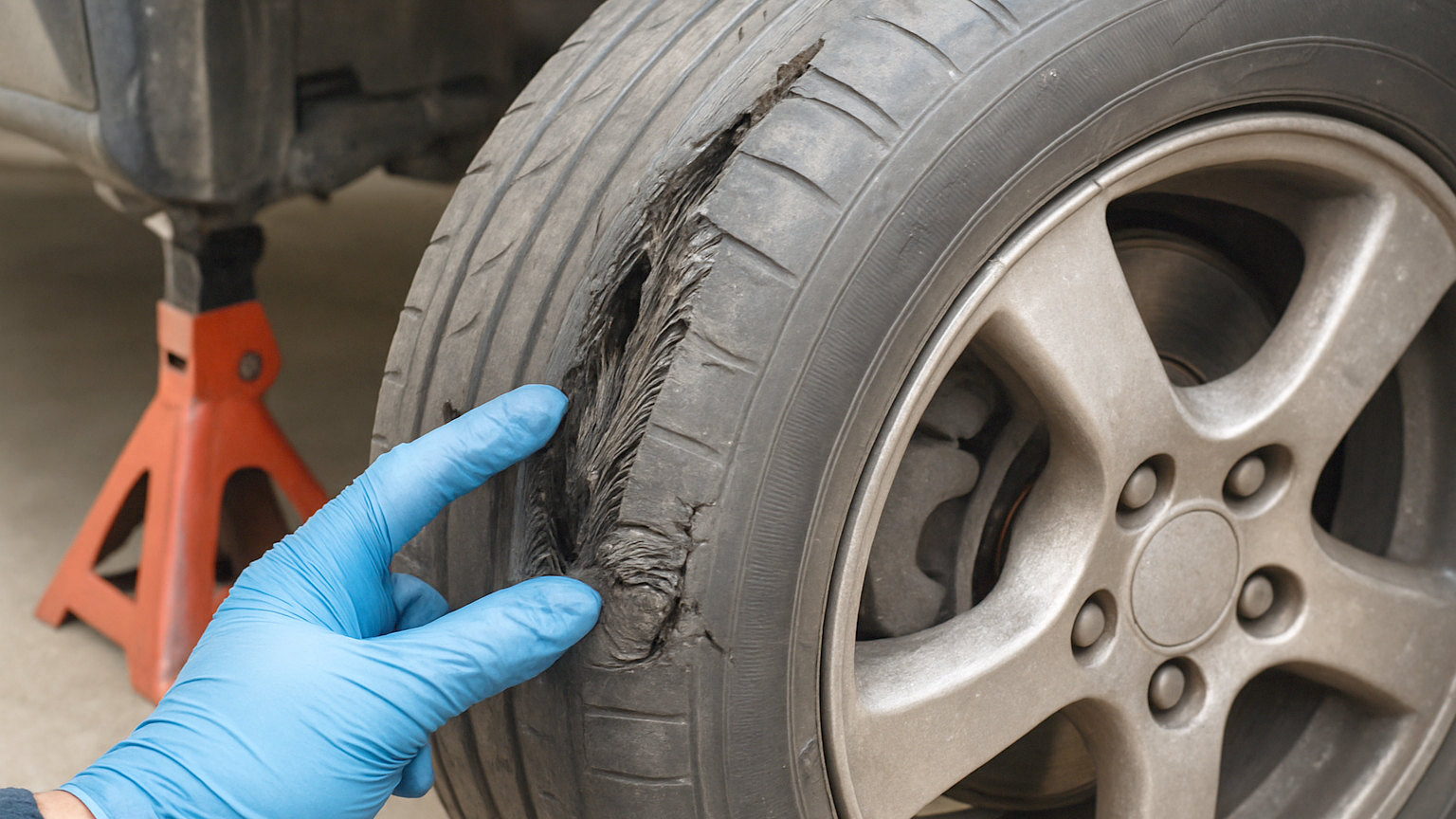
A blowout is a sudden structural failure rather than a puncture, and the correct response is the opposite of what instinct suggests.
By Car Problems Team
22 Apr 2026

Brakes, tyres and wheels are the parts that decide whether everything else on the car matters, and they are also the parts that fail politely - a squeal you get used to, a pull to the left you steer around without noticing. These guides cover the corners of the car: what each noise means, how to read the wear pattern across a tyre, and why a car that pulls, shudders or hums at speed is usually telling you about one specific component. None of it is worth putting off, and most of it is cheaper caught early.
A blowout is a sudden structural failure rather than a puncture, and the correct response is the opposite of what instinct suggests.
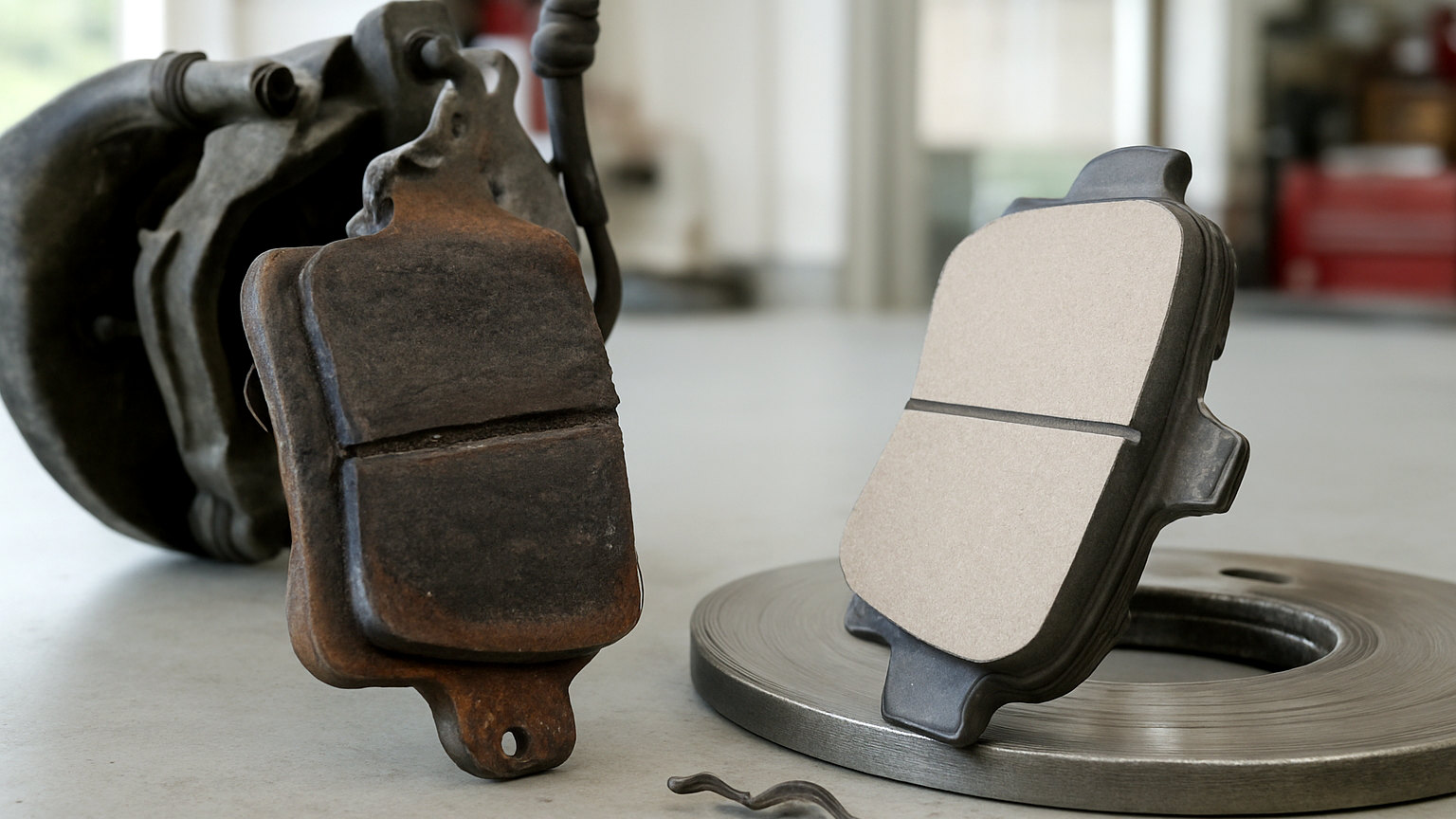
Pad material determines noise as much as anything else, and the quietest materials are not always the most capable ones.
A pull that appears only under braking means one side is stopping harder than the other, and the causes are all in the brake system or the tyres.
Traction control manages wheelspin and stability control manages the car rotating, and they use the brakes to do it.
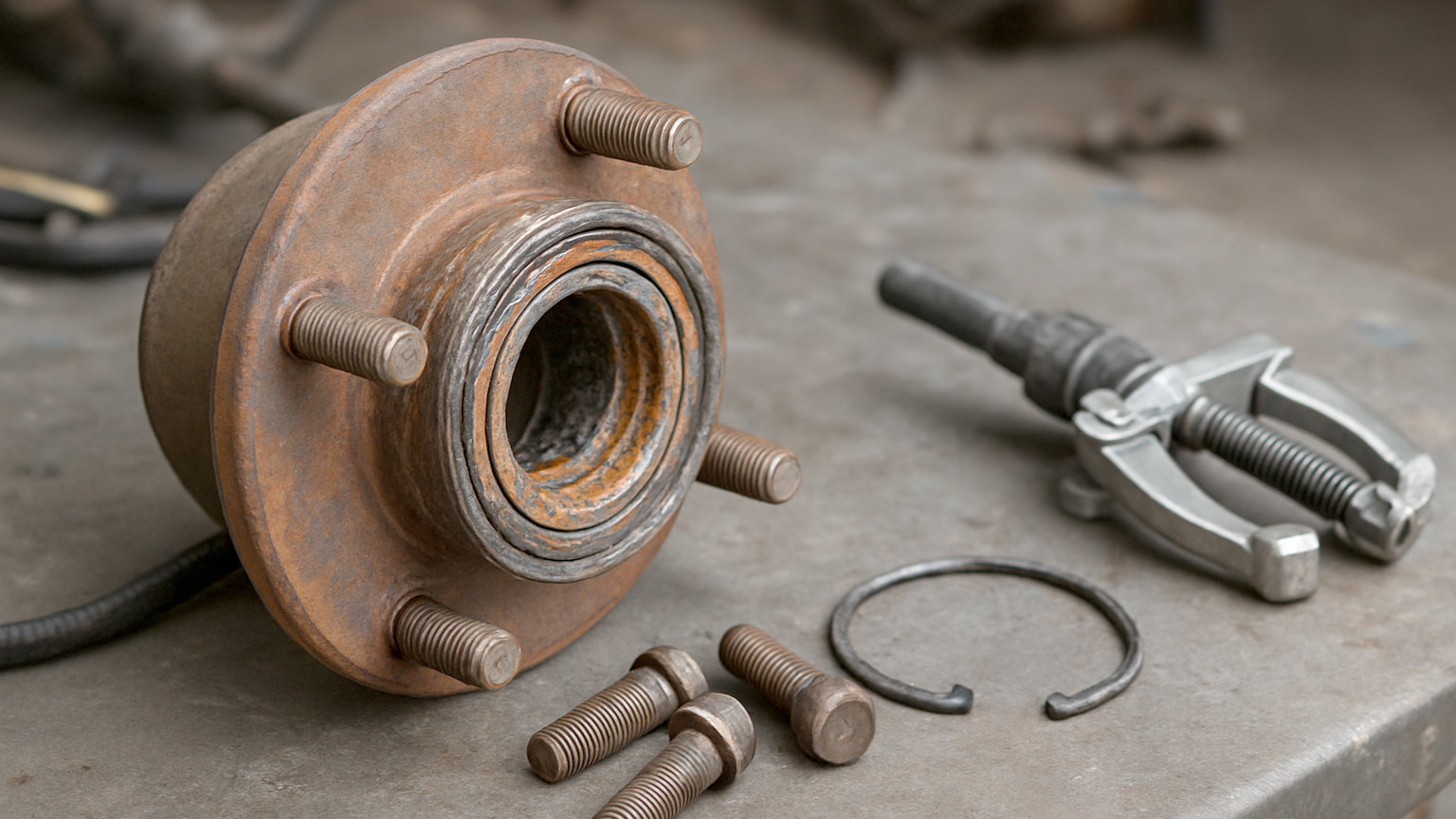
A bearing that fails within a year has almost always been damaged during fitting or left in the conditions that killed the last one.
It can be measured, and setting it before worn components are replaced wastes the money and can make the car worse.
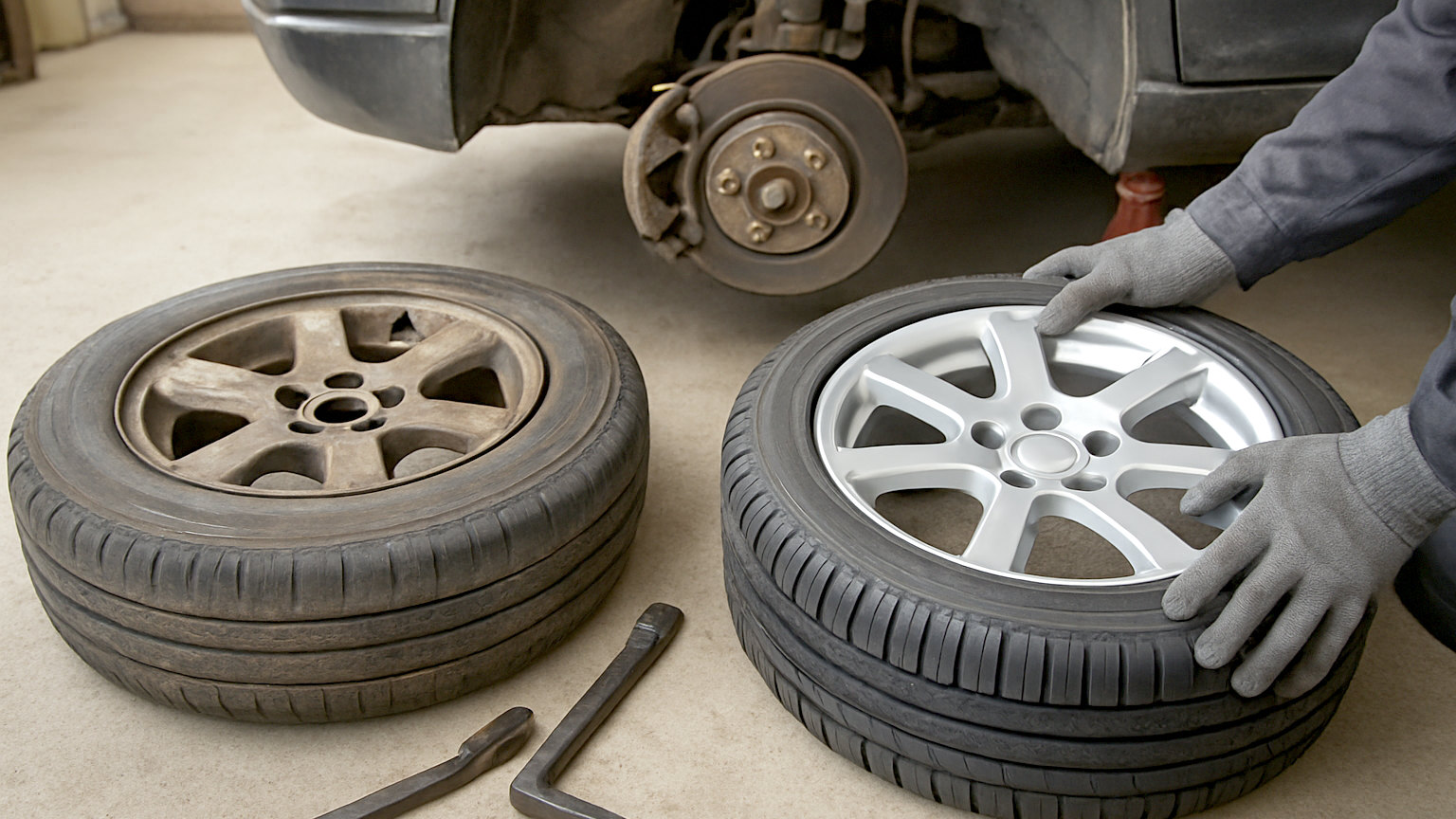
A space saver is a temporary wheel with speed and distance limits printed on it, and those limits exist for good mechanical reasons.
Run flats let you keep driving after a puncture, at the cost of ride comfort, price and the ability to have most of them repaired.
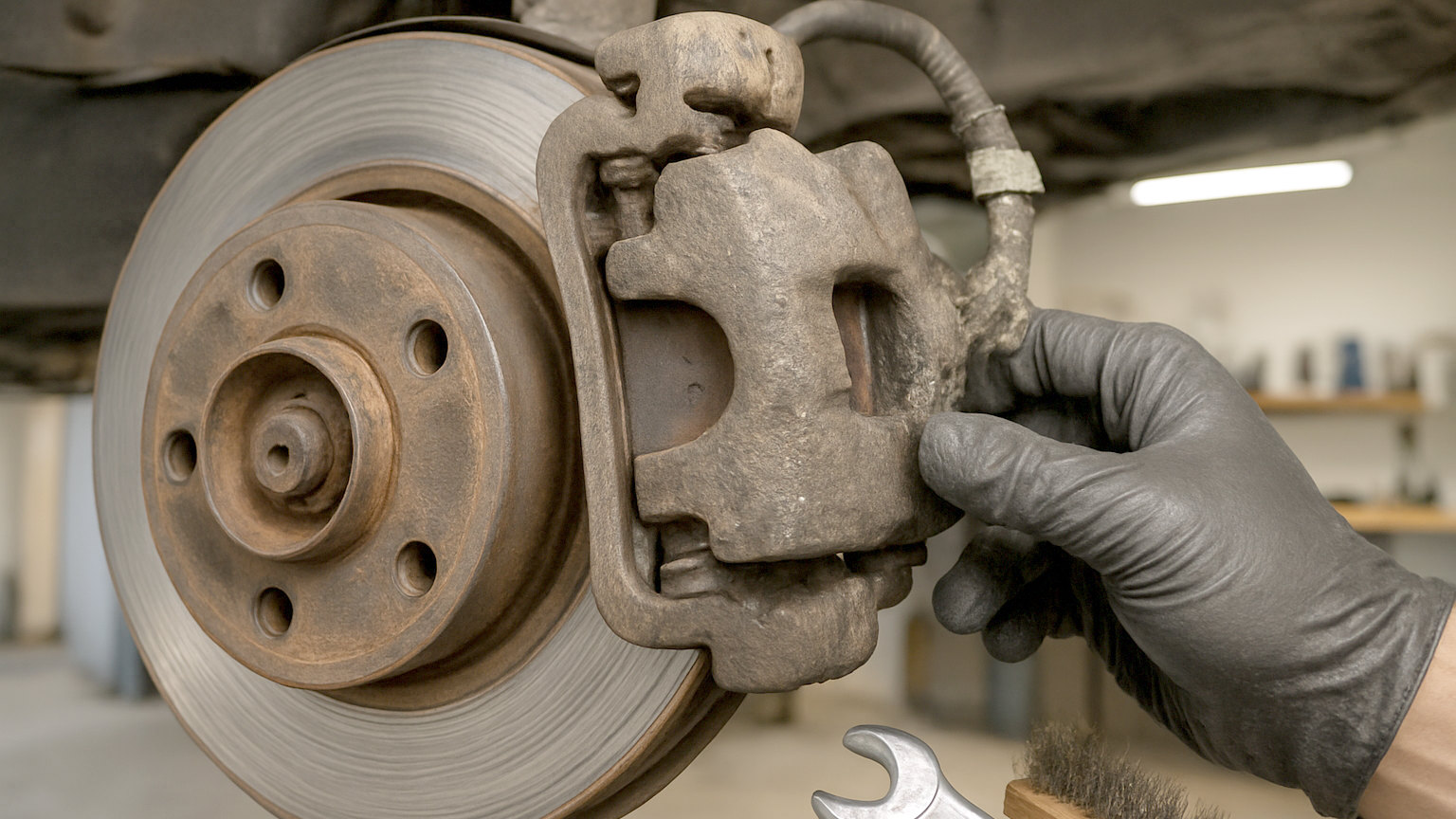
Shims and grease damp the vibration that causes squeal, and used correctly they resolve a large proportion of brake noise complaints.
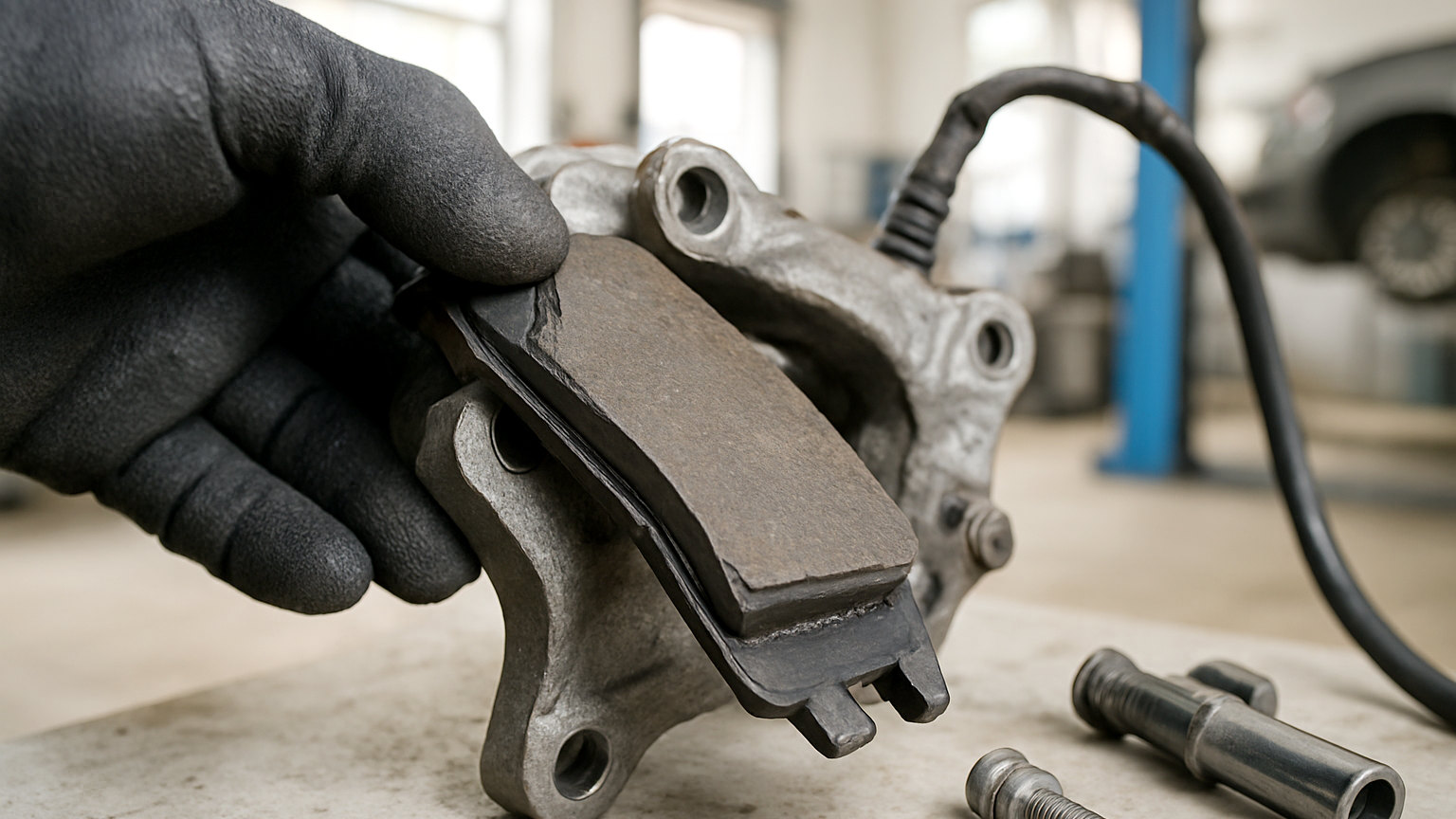
Pads are the one component where the difference between cheap and good is measured in stopping distance rather than longevity.