Which Brake Noises Mean You Should Stop Driving?
Most brake noises are a prompt to book an appointment, and a few mean the braking itself is compromised right now.
By Car Problems Team
5 May 2026

Squealing, grinding and rubbing when braking - which noises are wear indicators doing their job, which are surface rust, and which mean metal on metal.
Most brake noises are a prompt to book an appointment, and a few mean the braking itself is compromised right now.
Both produce noise from the same corner of the car, and one simple question about the brake pedal separates them immediately.
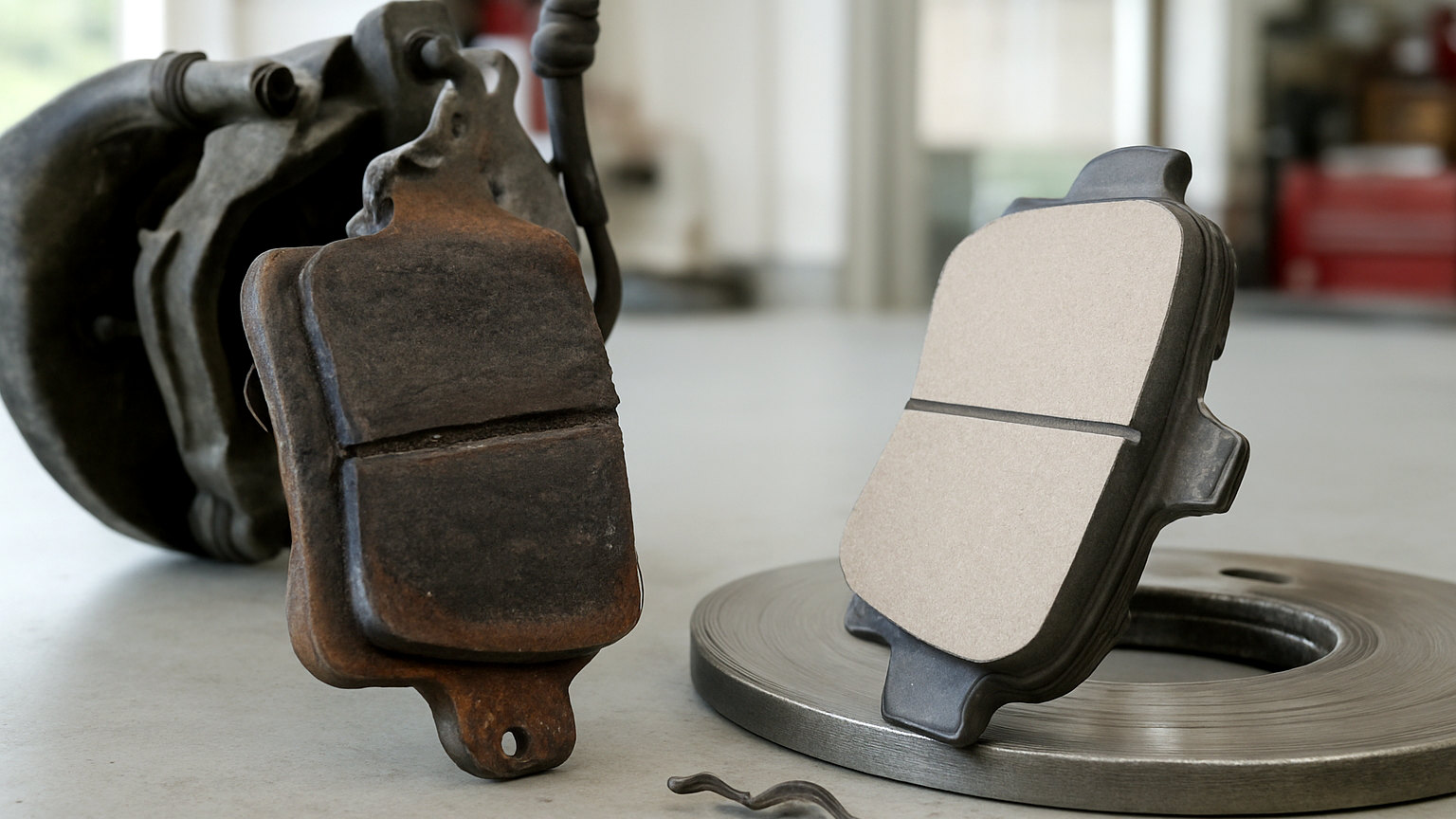
Pad material determines noise as much as anything else, and the quietest materials are not always the most capable ones.
Shims and grease damp the vibration that causes squeal, and used correctly they resolve a large proportion of brake noise complaints.
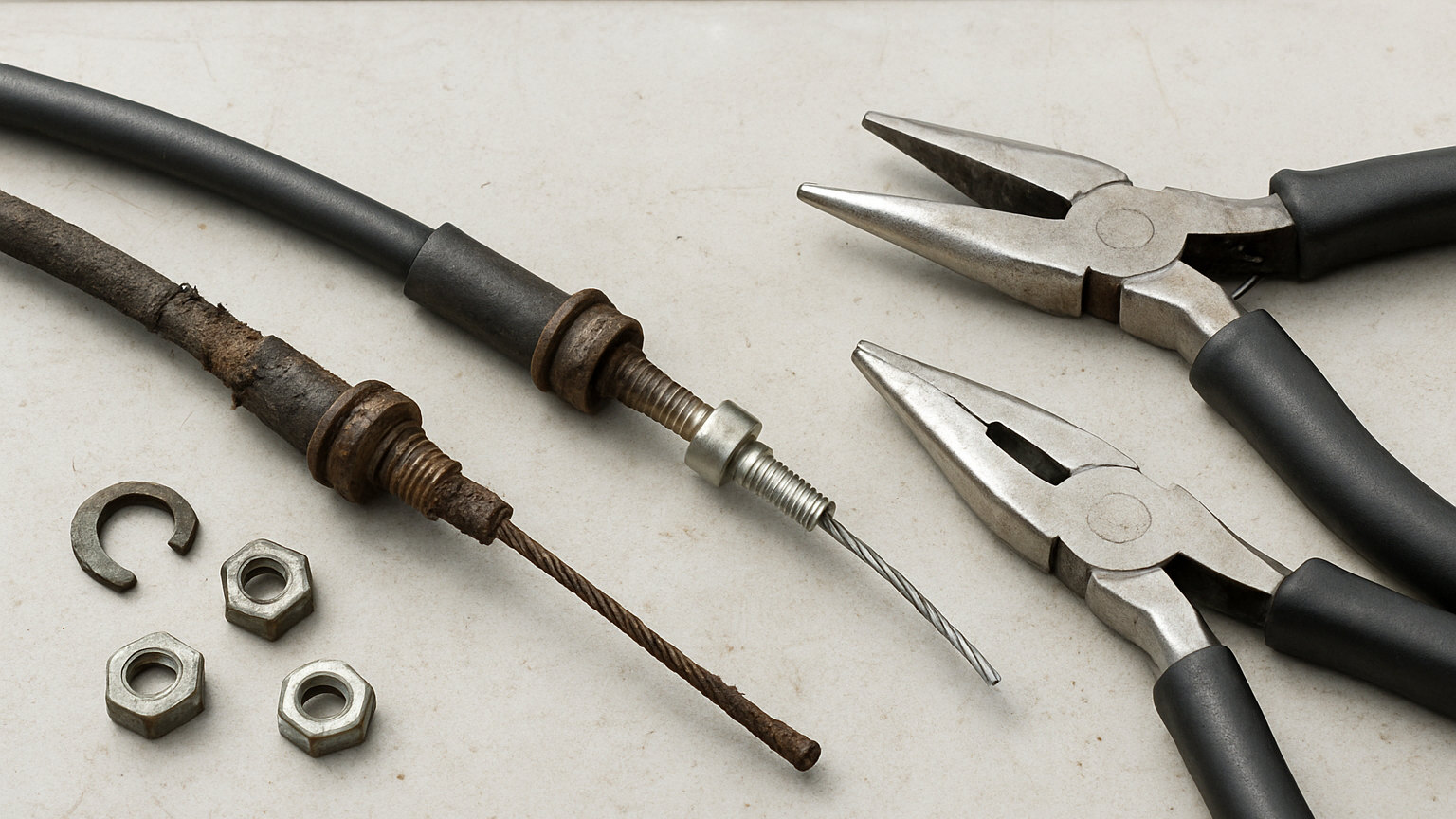
Handbrake noises come from cables, shoes or an electronic actuator, and the sound tells you which of those you are dealing with.
Brake dust is friction material and iron worn from the disc, and while it rarely causes noise directly it does tell you about your pads.
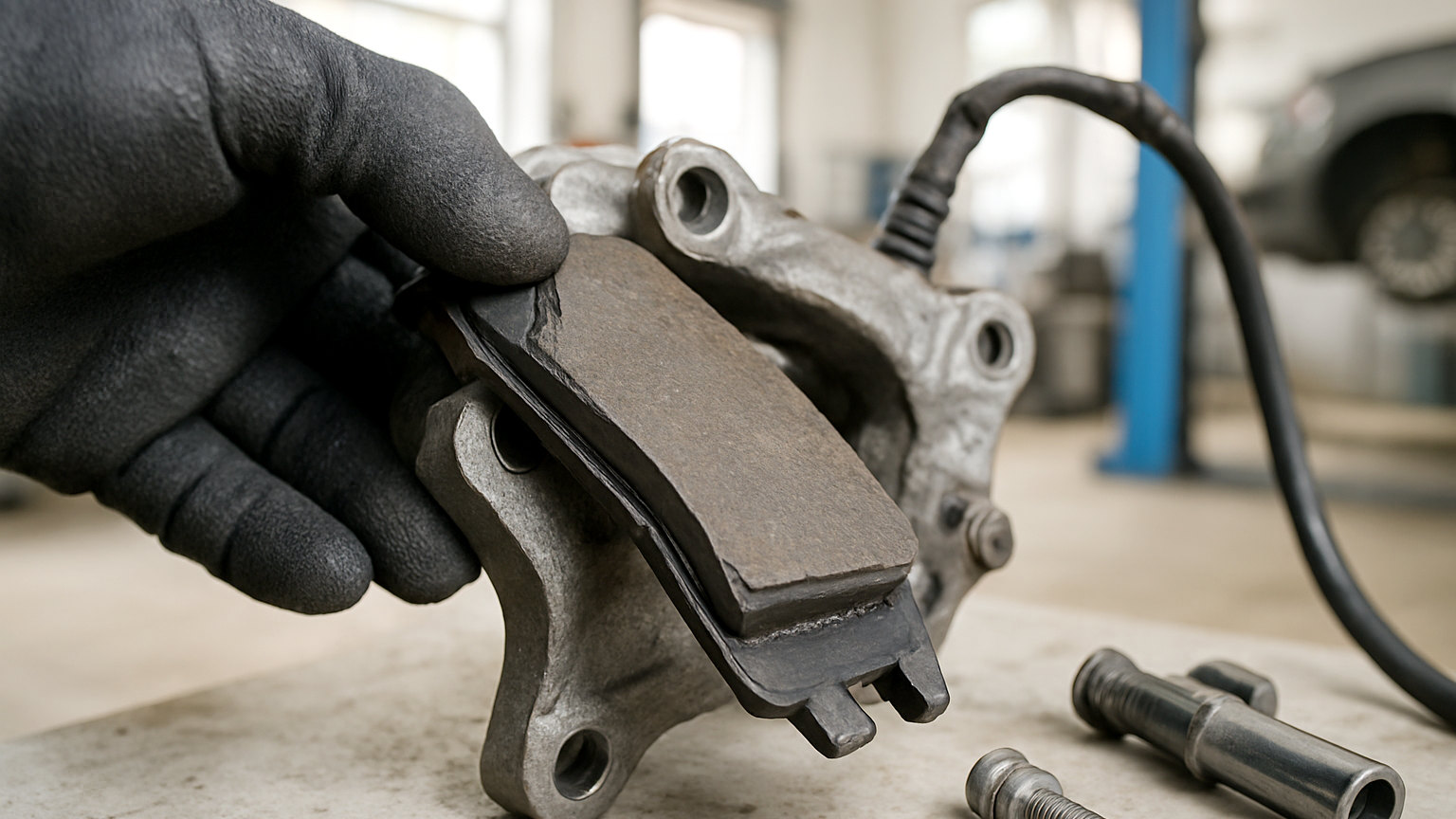
A rattle over rough surfaces that stops the moment you touch the pedal is a pad moving freely in its carrier, and the fix is inexpensive.
A single clunk as you first apply or release the brakes is play being taken up, and it is usually the caliper or the pad moving in its carrier.
New pads that squeal are usually reporting how they were fitted or what material they are, rather than a fault in the pads themselves.
The squeal from a wear indicator is deliberate, and it is designed to be irritating enough that you do something about it.