How Do Fuel Trim Readings Explain a Rough Idle?
Fuel trims are the engine telling you how far it has had to deviate from its own calculations, which makes them the most useful number in a diagnosis.
Stalling at junctions, a rough or hunting idle, or a car that dies when cold - the usual culprits and the cheap checks first.
Fuel trims are the engine telling you how far it has had to deviate from its own calculations, which makes them the most useful number in a diagnosis.
Stalling at speed is a different and more serious problem than stalling at idle, because something is interrupting an engine that was running properly.
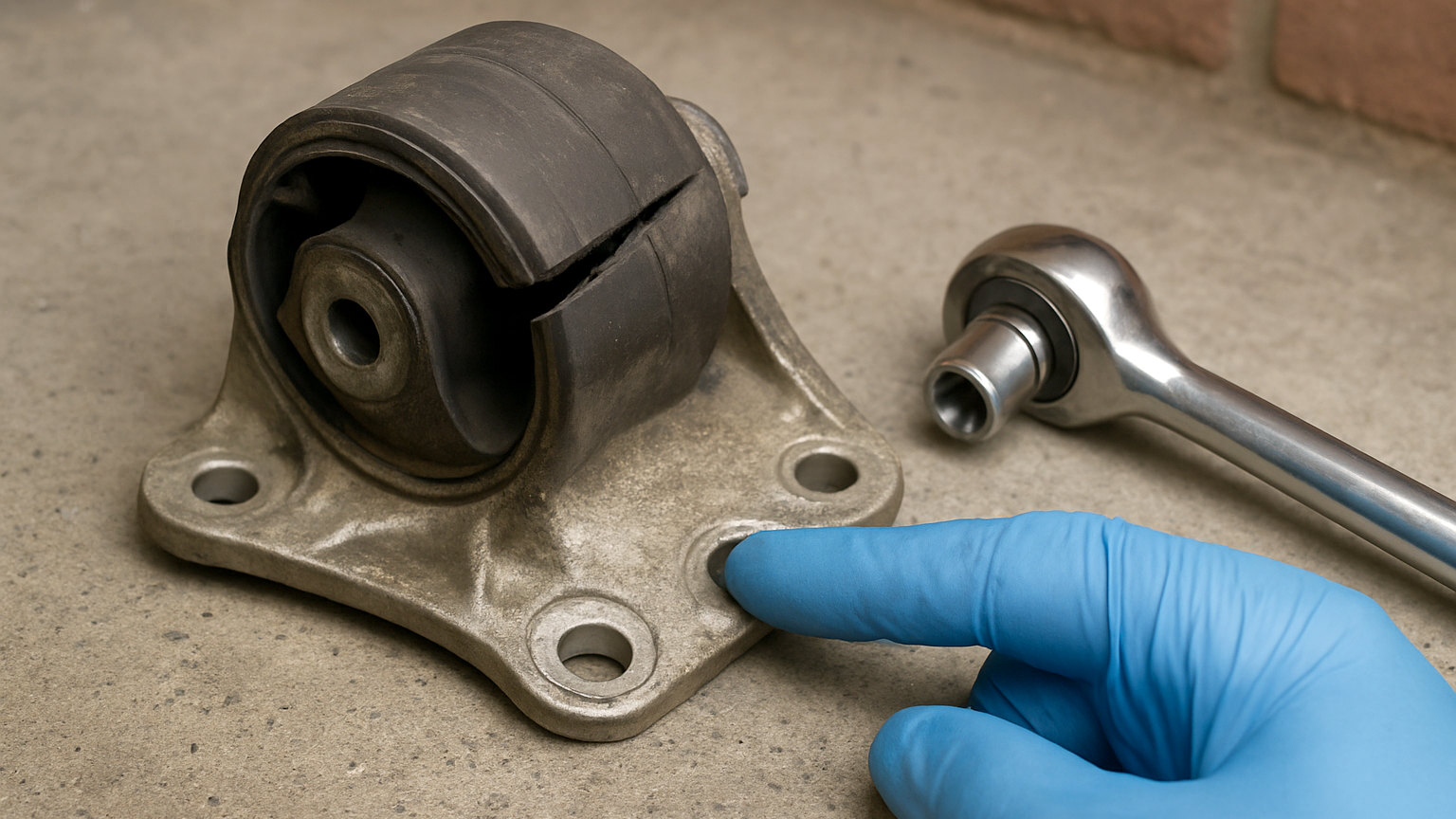
A shaking car and a rough running engine are two different problems, and the test that separates them takes about a minute in a car park.
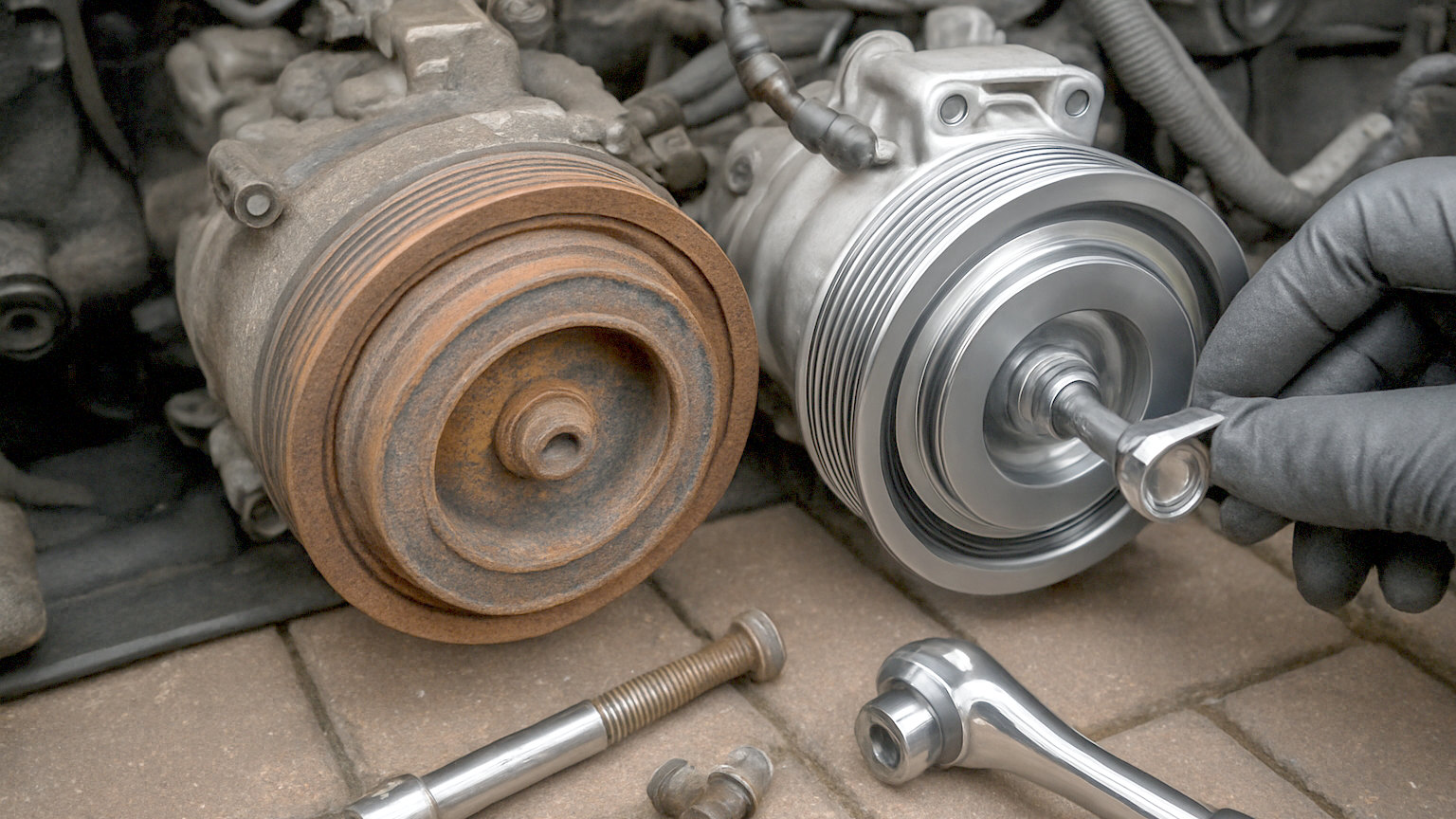
The air conditioning compressor is a real mechanical load, and a car that only stalls with it running has an idle with nothing in reserve.
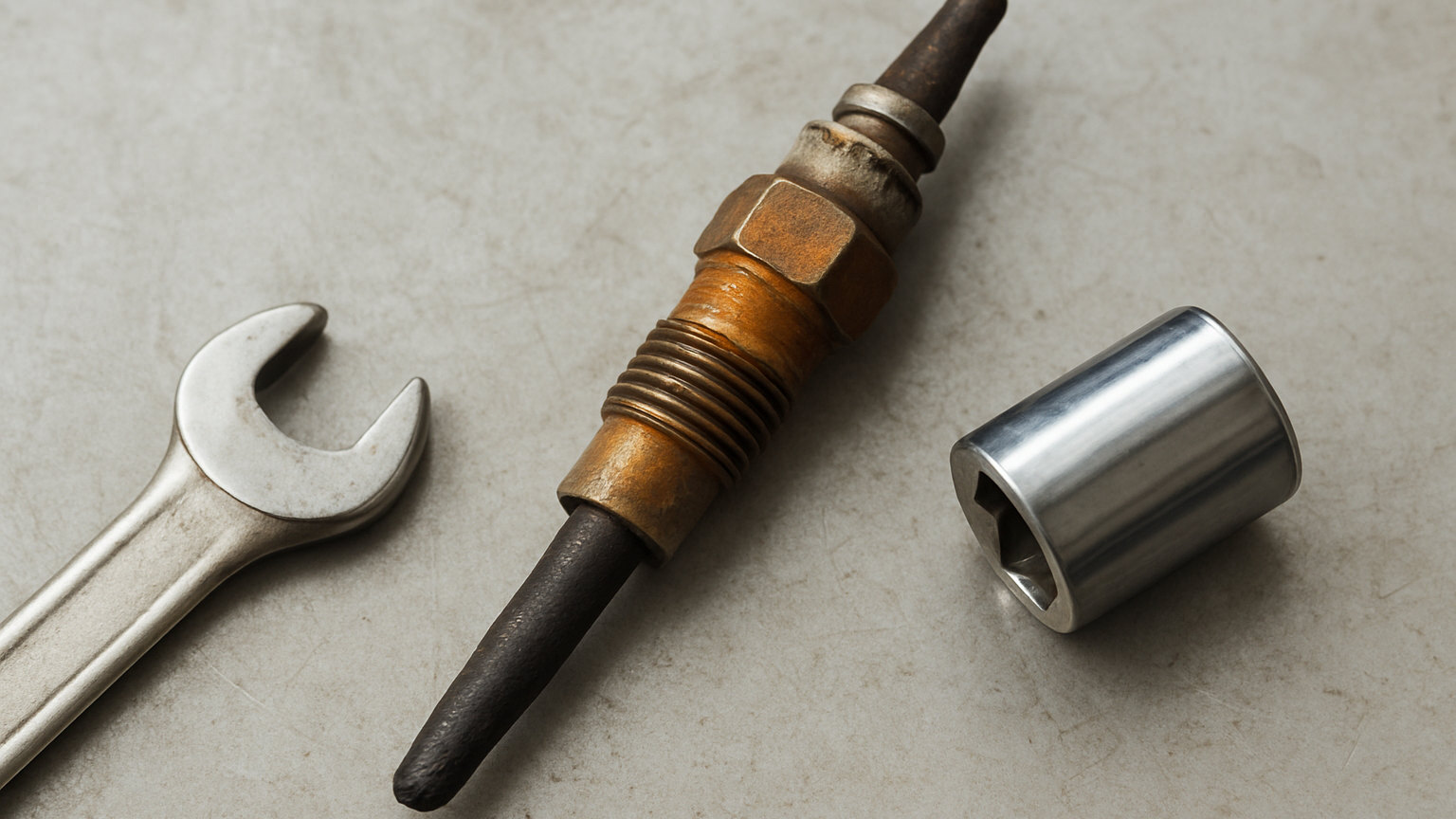
A diesel that shakes and clatters for the first minute and then smooths out is nearly always describing its glow plugs or its injectors.
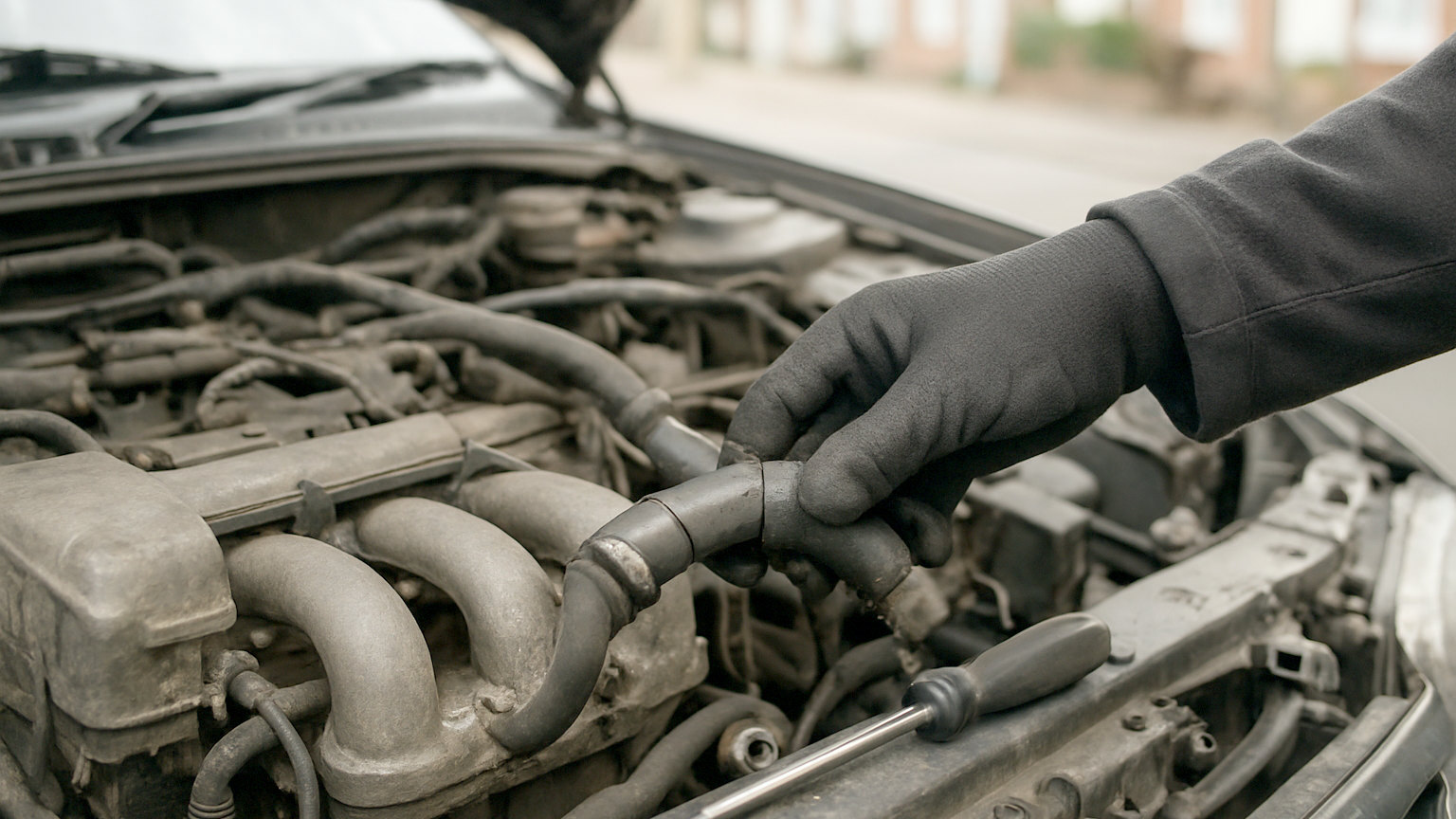
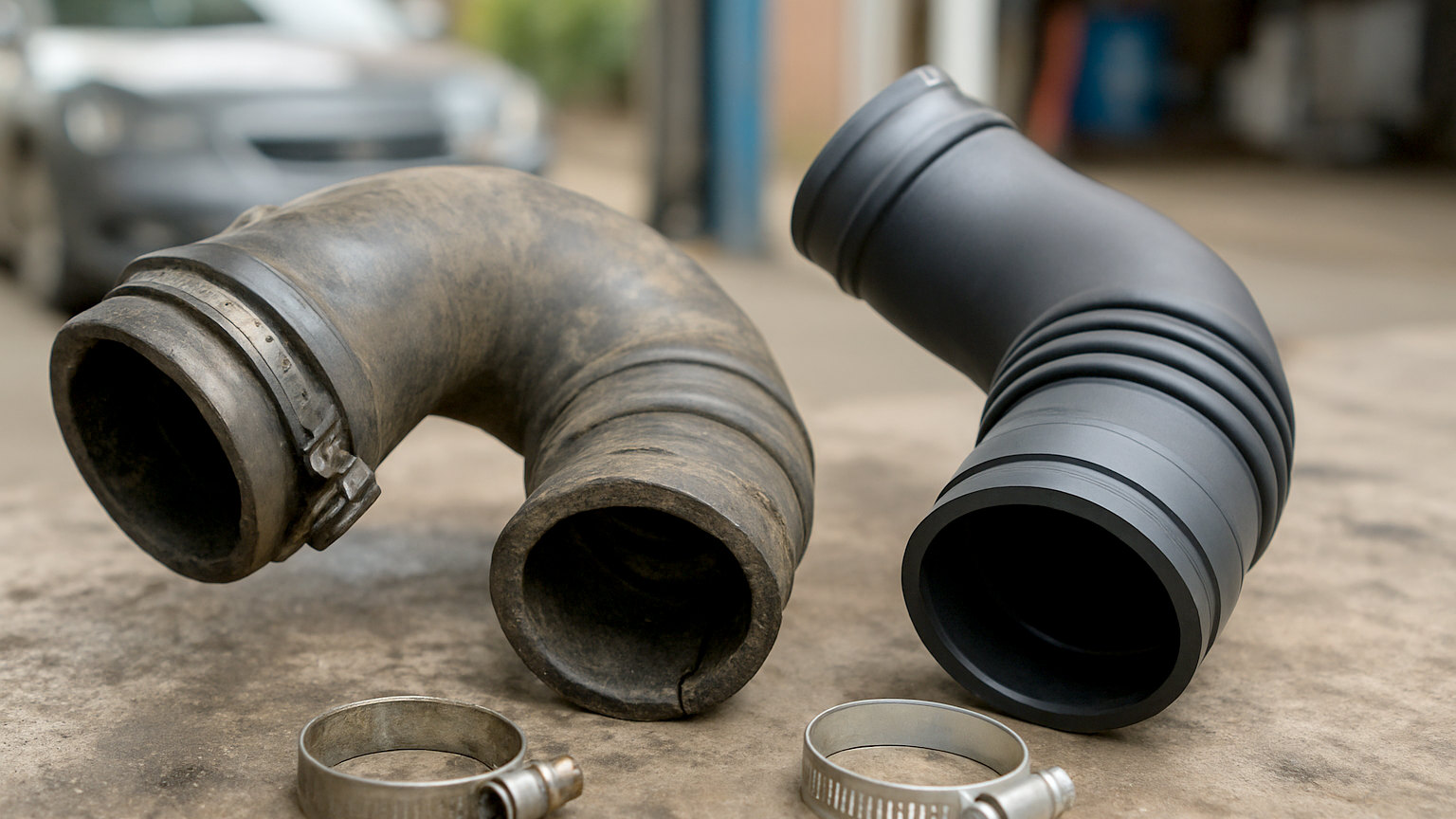
A vacuum leak is unmetered air entering the engine, and at idle even a small one represents a large percentage error in the fuelling.
The transition from driving to idling is the hardest second in an engine cycle, and a car that dies there is failing a handover rather than a steady state.
A raised idle is normal for the first minute or two, and a problem when it persists. What decides which is how long it lasts.
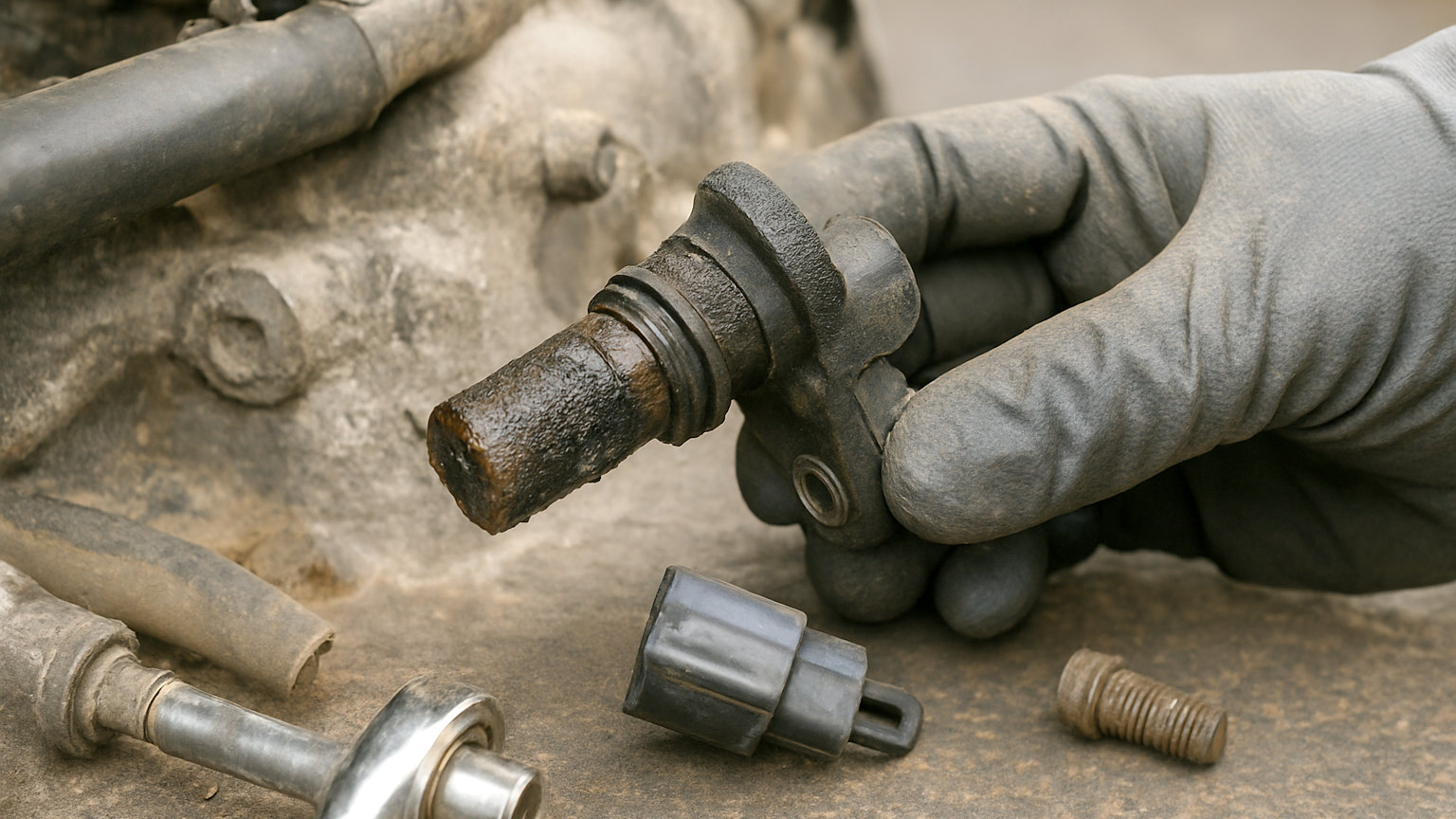
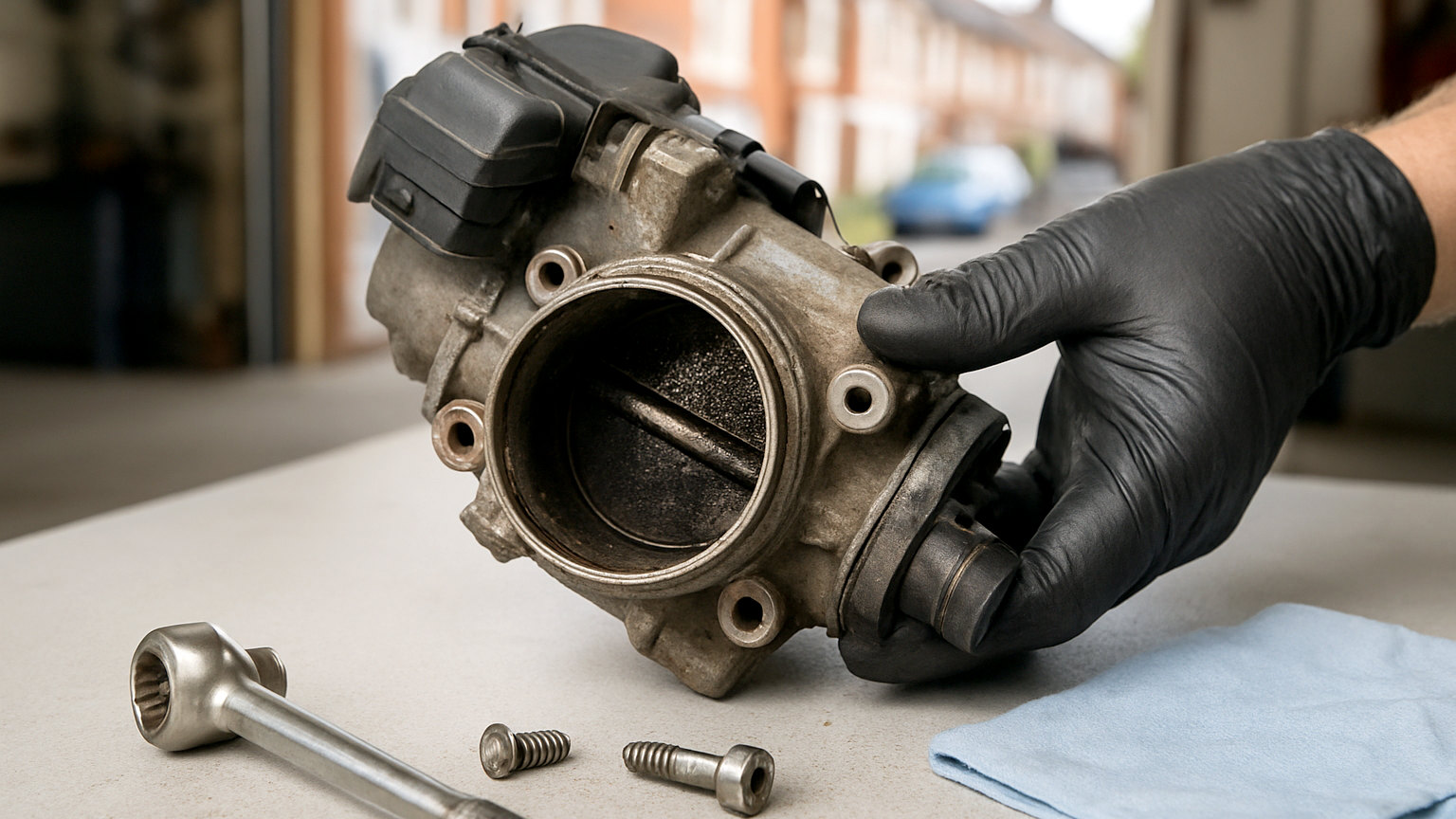
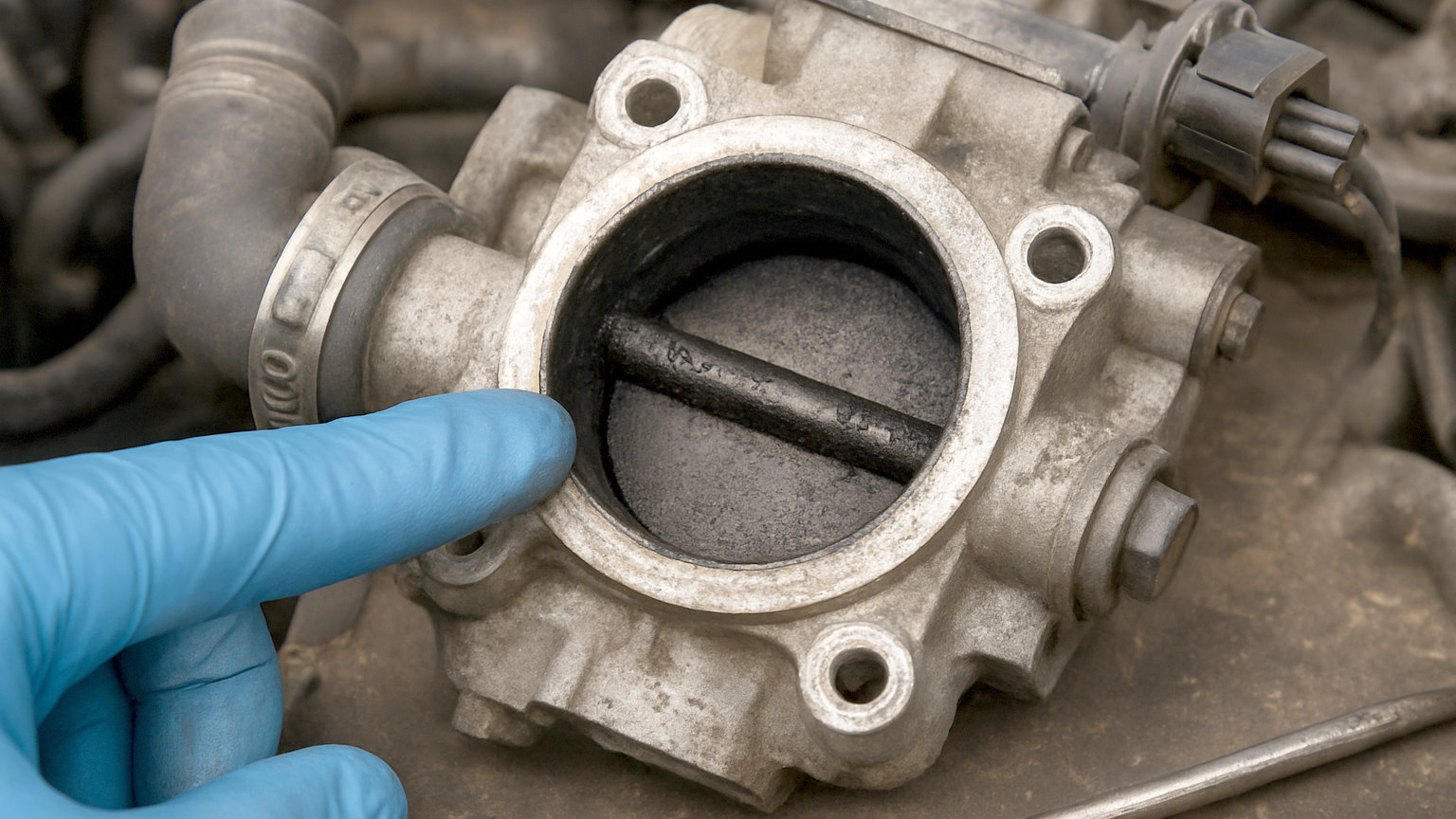
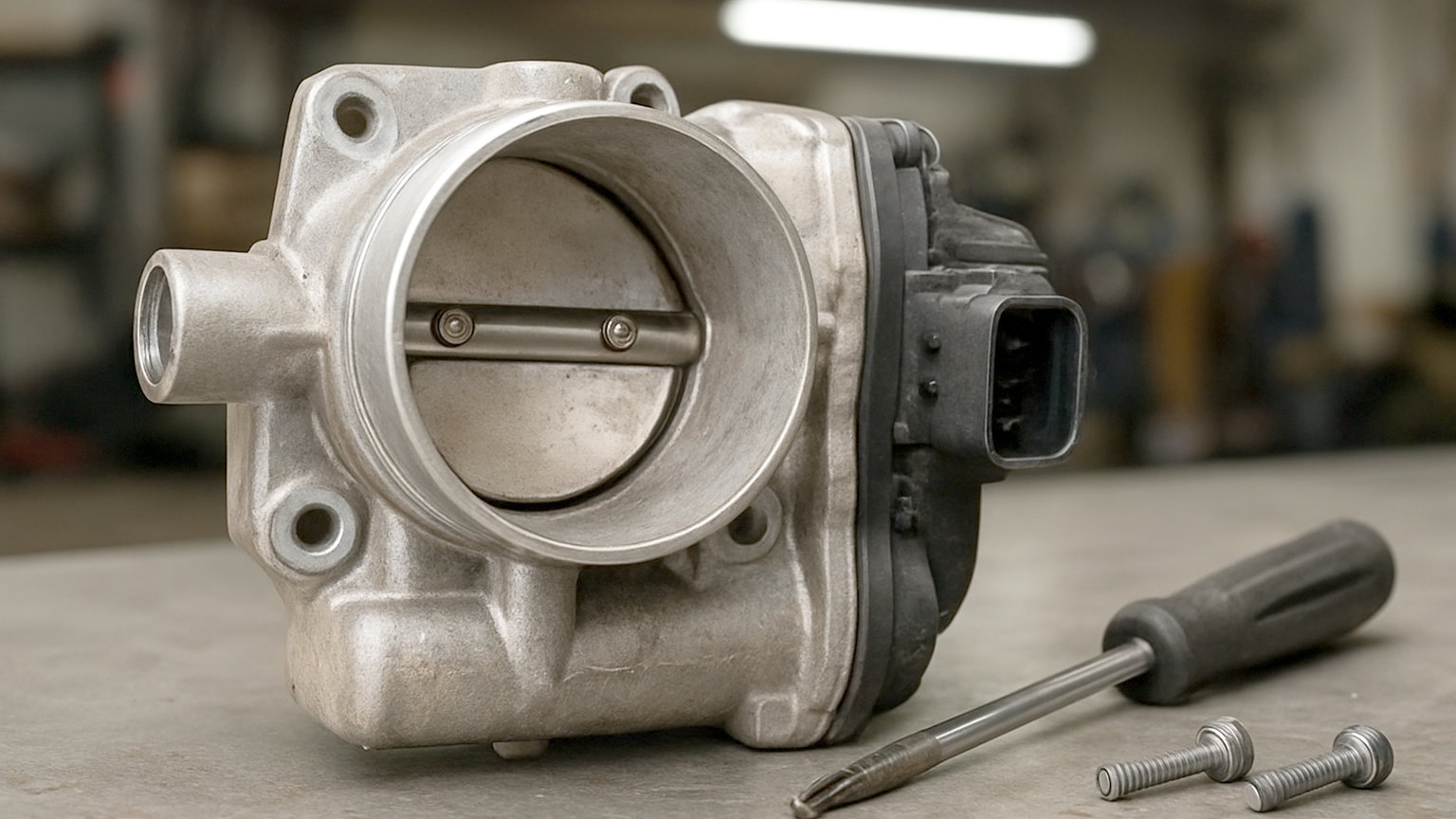
The idle air control valve lets a measured trickle of air past a closed throttle, and when it sticks the engine loses its ability to idle at all.
Turning the wheel at a standstill puts a real load on the engine, and a car that dies when you do it has an idle with no margin left.