What Is a Smart Charging System?
Modern cars vary their charging voltage deliberately, which means a low meter reading is no longer proof of a fault.
By Car Problems Team
22 Apr 2026

Battery light on while driving, dimming headlights or a whining belt - how to tell a failing alternator from a dying battery before you replace the wrong one.
Modern cars vary their charging voltage deliberately, which means a low meter reading is no longer proof of a fault.
A belt that keeps failing is rarely a bad belt, and the component that ruined it is usually still fitted to the car.
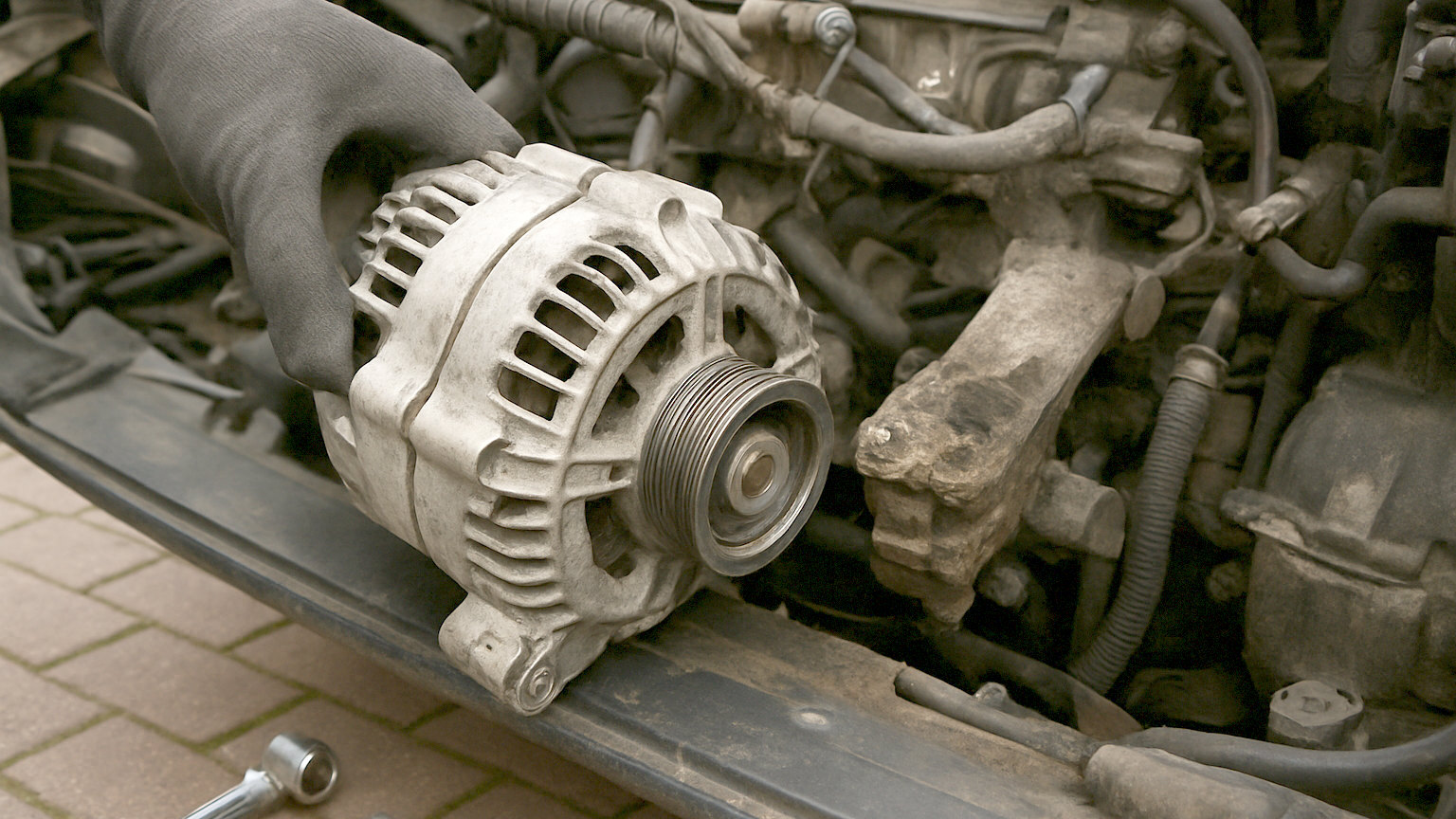
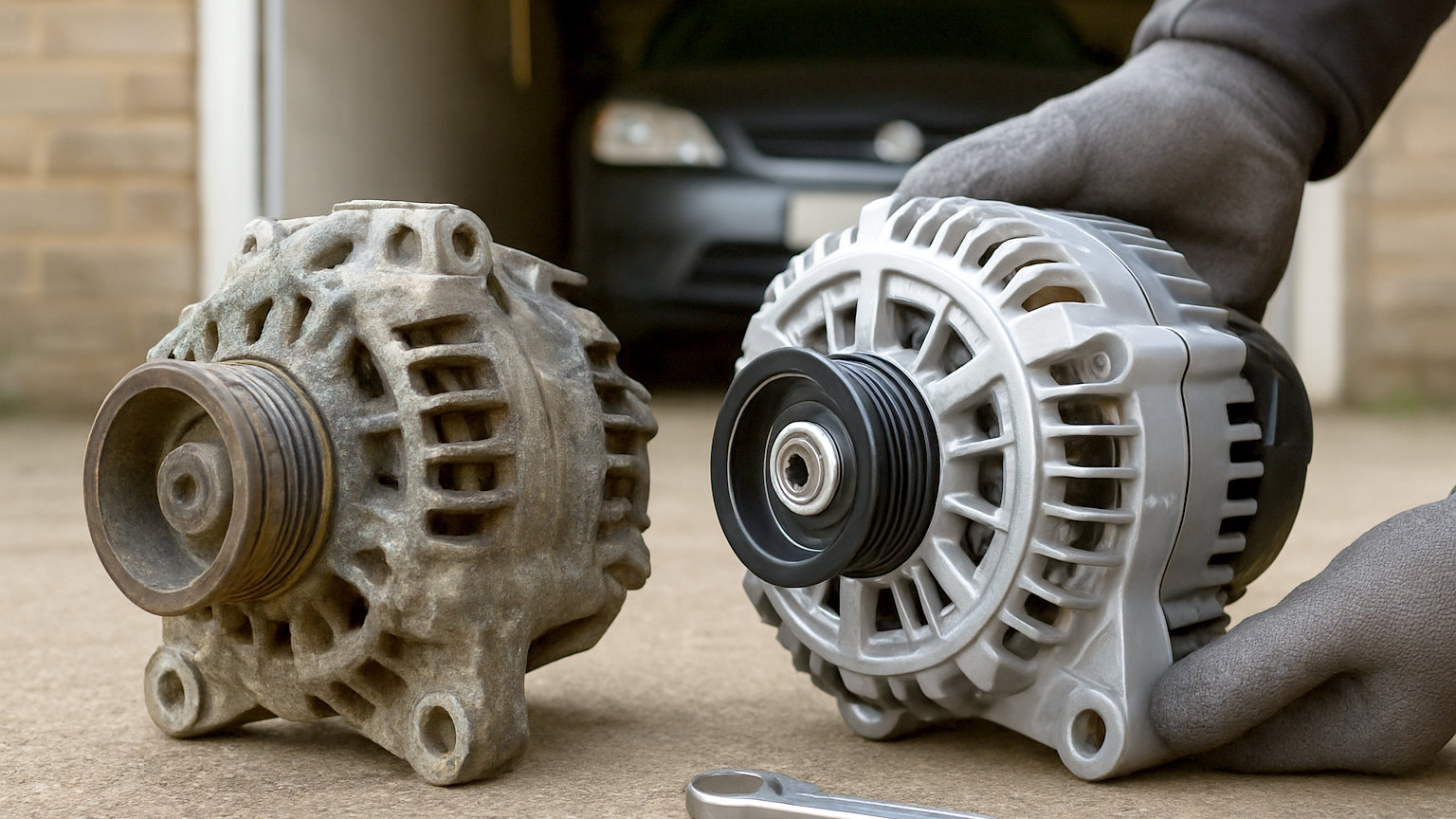
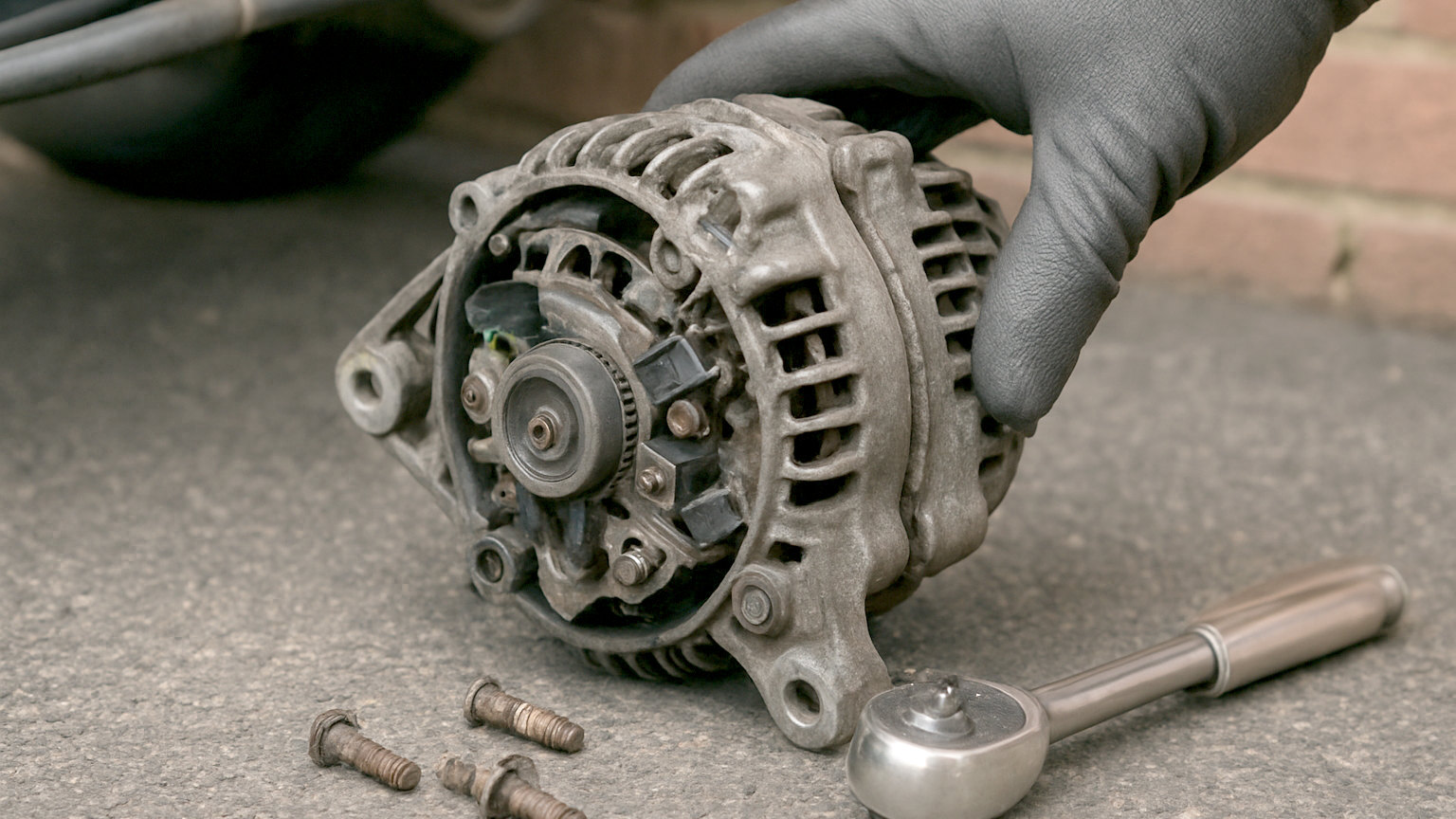
Brushes and regulators are wear items that can often be renewed, so a failed alternator does not always mean a whole new unit.
These two faults produce overlapping symptoms and very different bills, and a fixed order of tests separates them without guesswork.
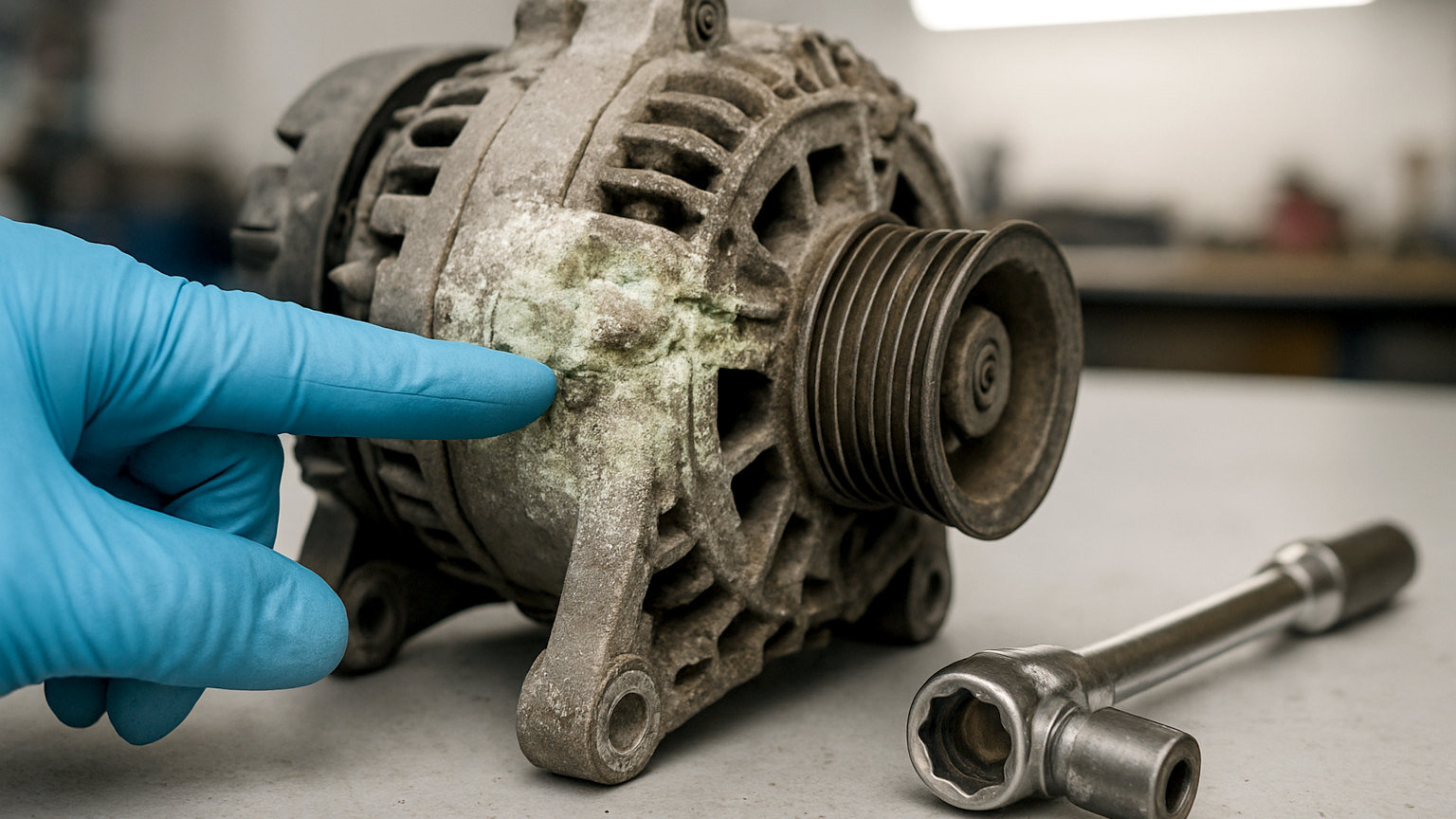
Alternators usually last well, so one that fails prematurely has normally been given a reason by something else on the car.
Overcharging is the less familiar charging fault and the more destructive one, because it damages the battery and the electronics together.
A charging system can destroy a battery by giving it too little or too much, and both are common enough to check before buying a replacement.
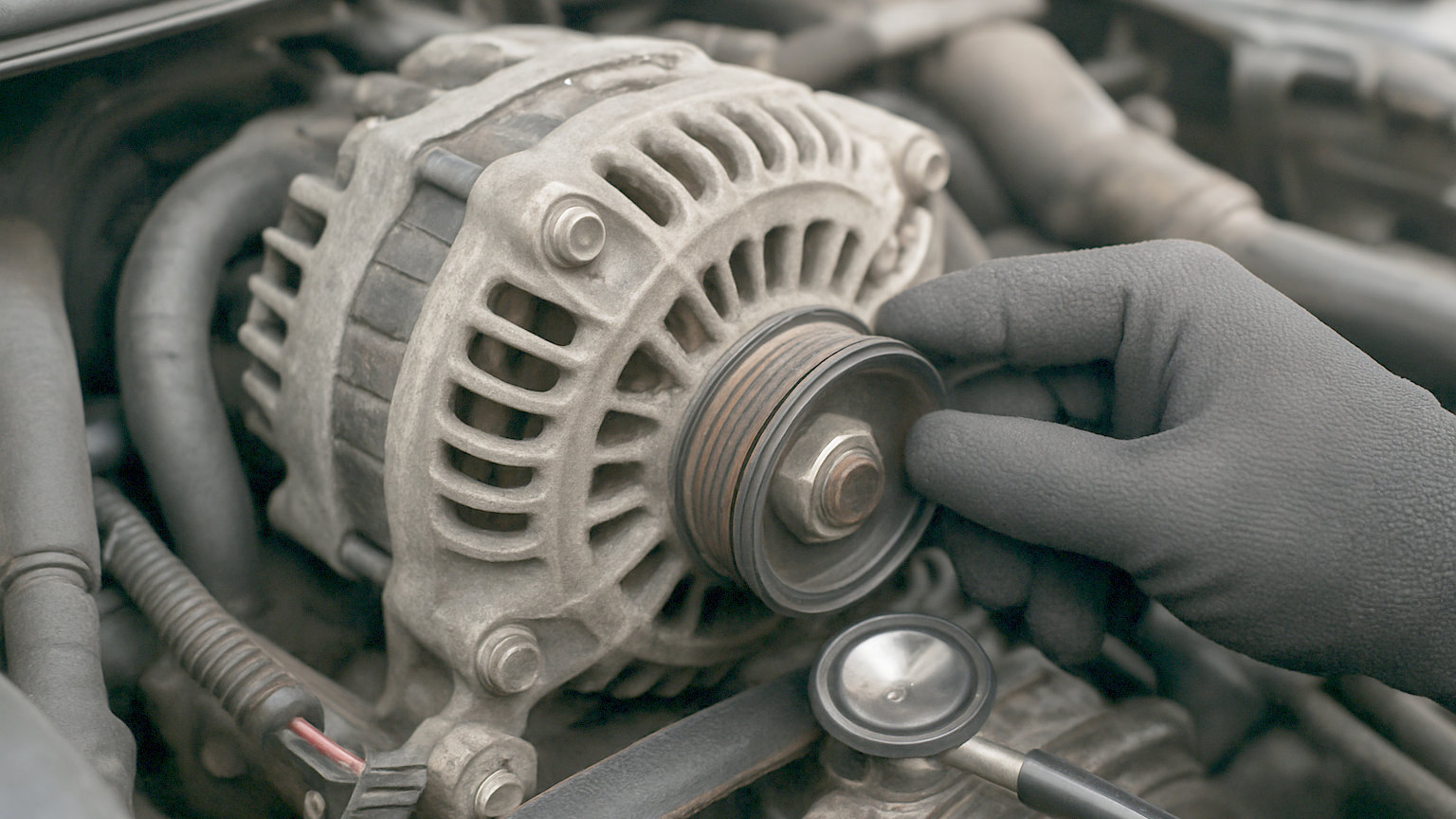
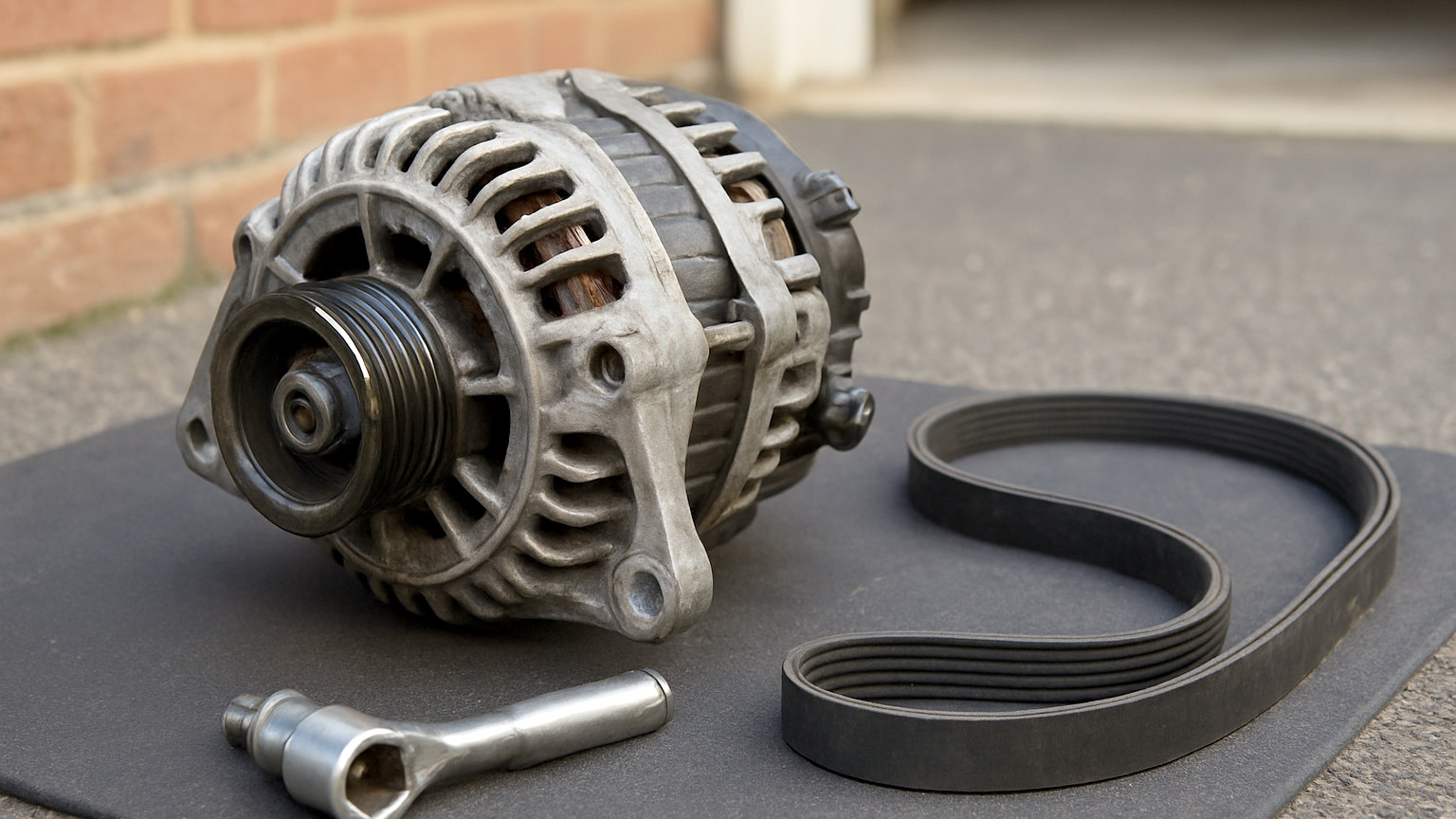
A small one way clutch inside the pulley smooths the belt drive, and when it fails it produces rattles that are blamed on the alternator itself.
Alternator noise comes from bearings, the pulley or the belt, and which one it is decides whether this is urgent or merely annoying.
The battery starts the car and the alternator runs it, and understanding that division explains almost every charging fault.