What Is a Brake Wear Indicator and How Does It Sound?
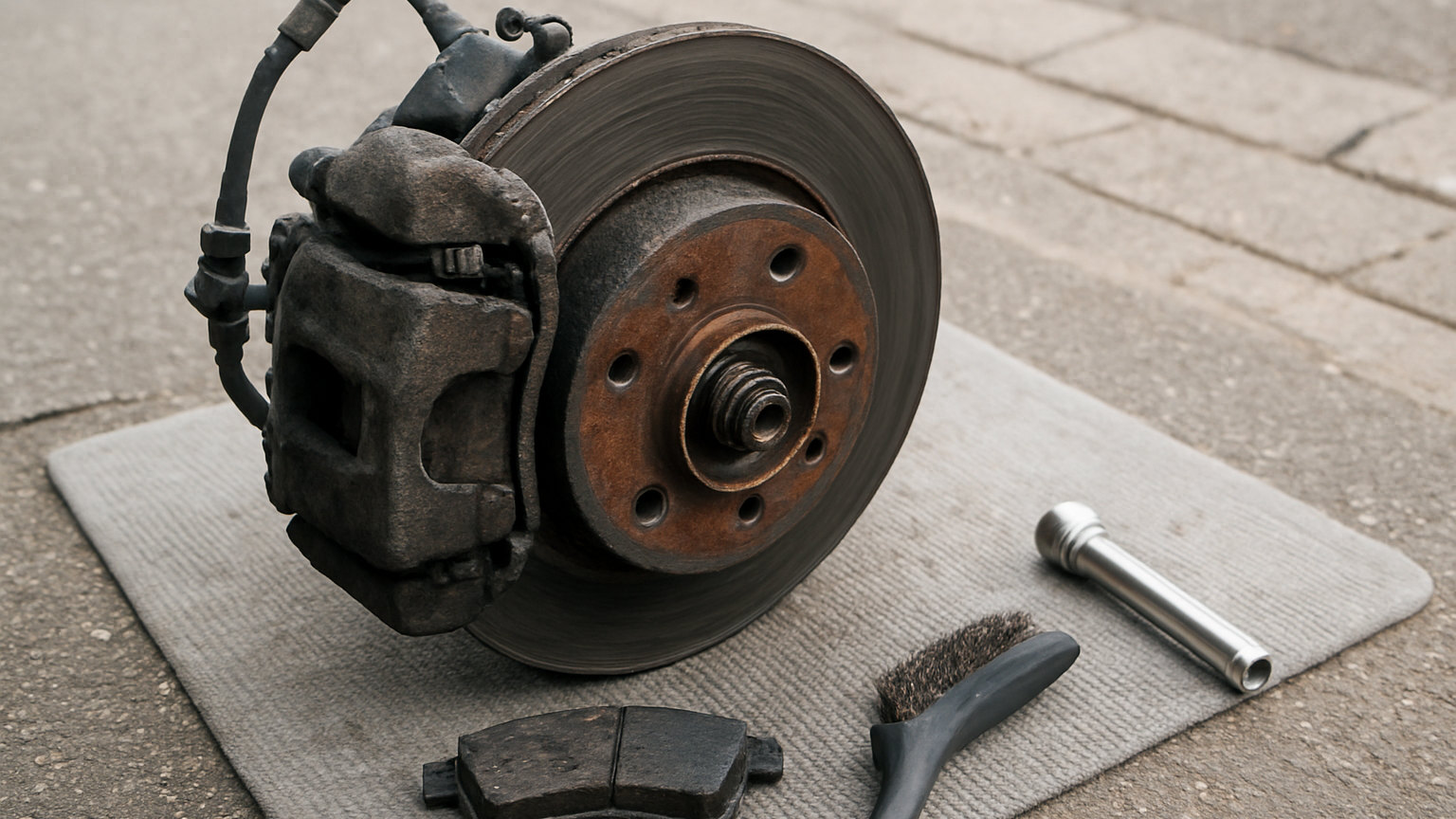
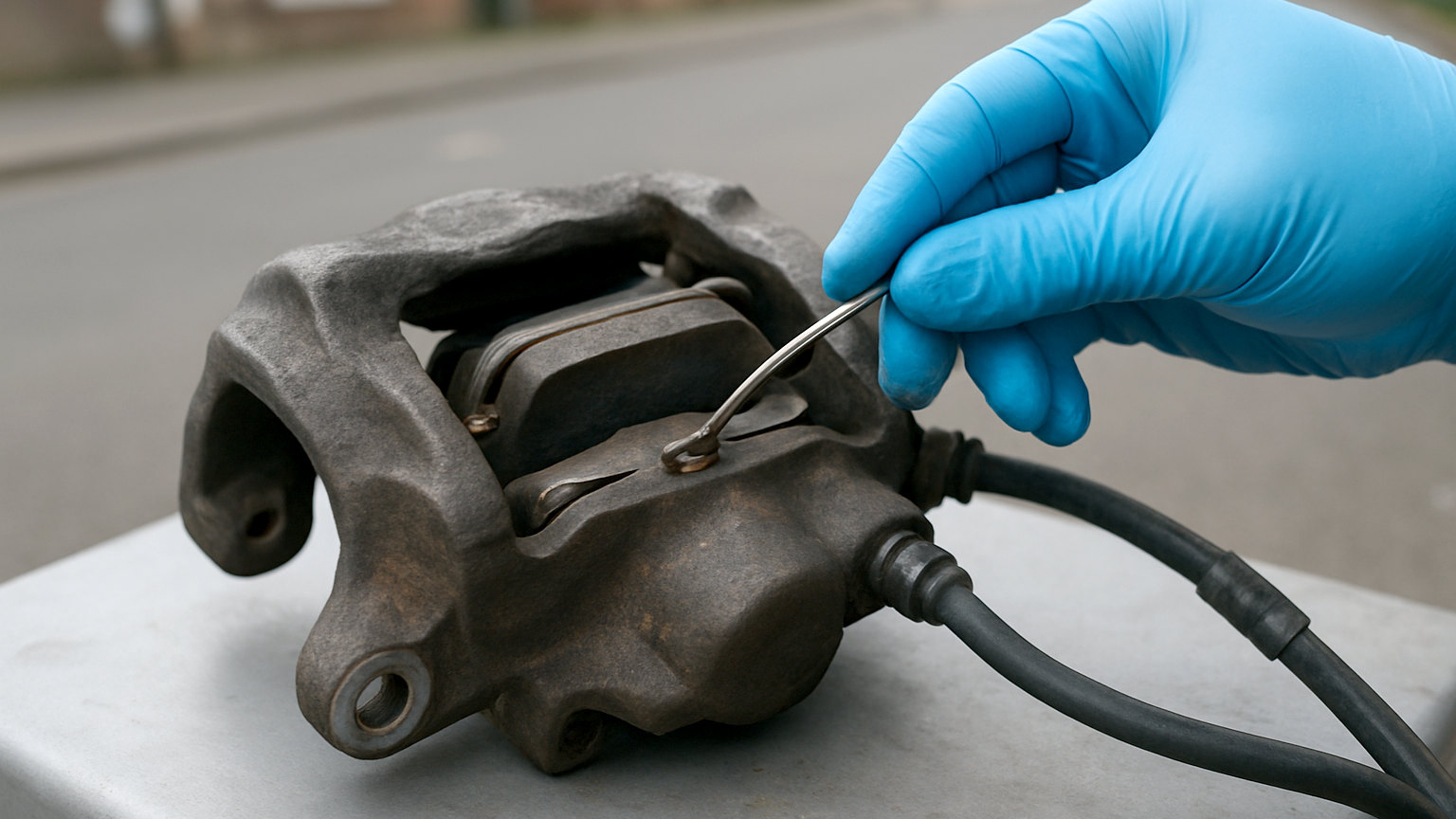
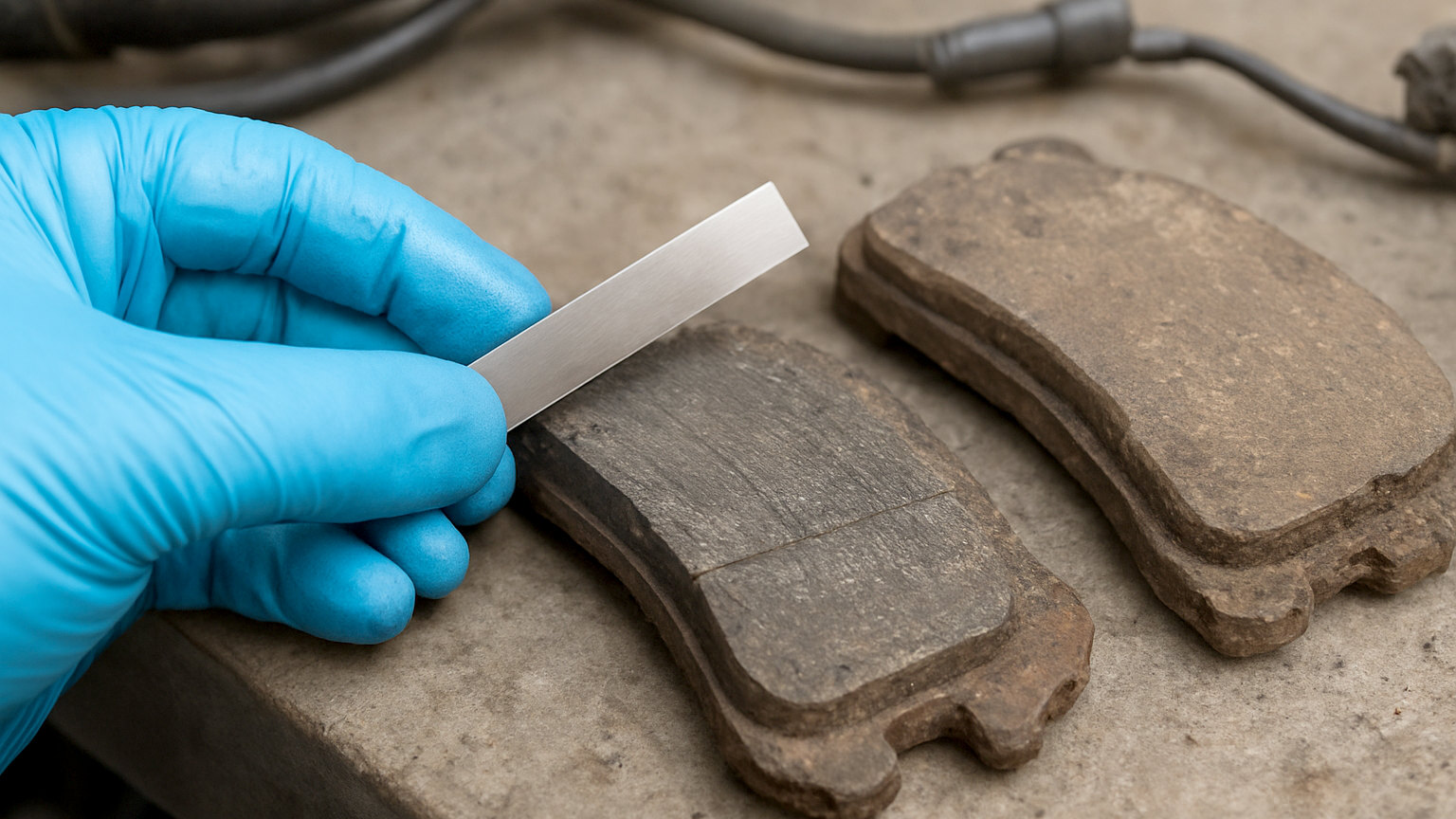
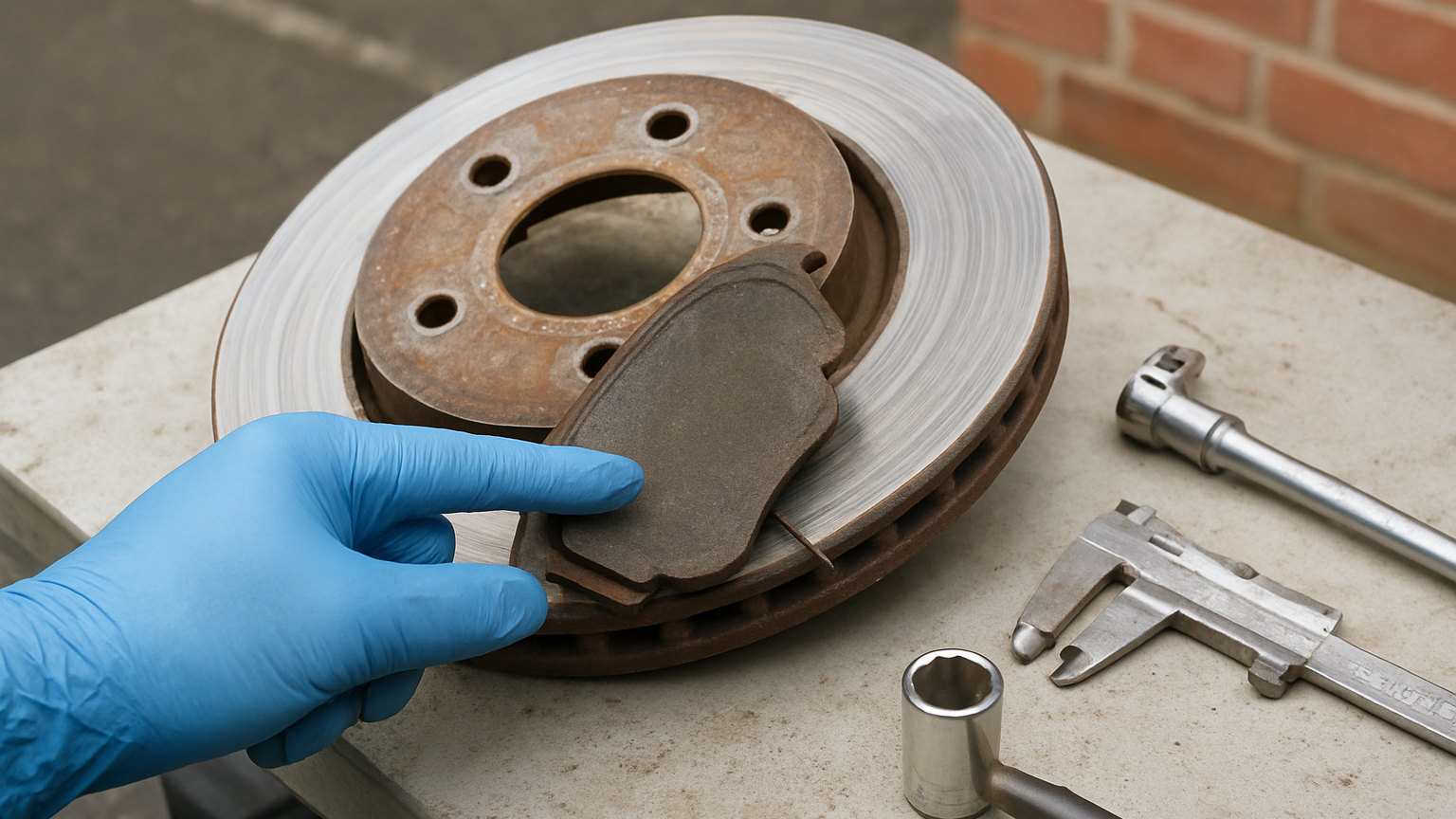
The squeal from a wear indicator is deliberate, and it is designed to be irritating enough that you do something about it.
By Car Problems Team
3 Mar 2026

Brakes, tyres and wheels are the parts that decide whether everything else on the car matters, and they are also the parts that fail politely - a squeal you get used to, a pull to the left you steer around without noticing. These guides cover the corners of the car: what each noise means, how to read the wear pattern across a tyre, and why a car that pulls, shudders or hums at speed is usually telling you about one specific component. None of it is worth putting off, and most of it is cheaper caught early.
The squeal from a wear indicator is deliberate, and it is designed to be irritating enough that you do something about it.
Pads that wear differently to each other are reporting a mechanical fault, and the pattern of the wear identifies which one.
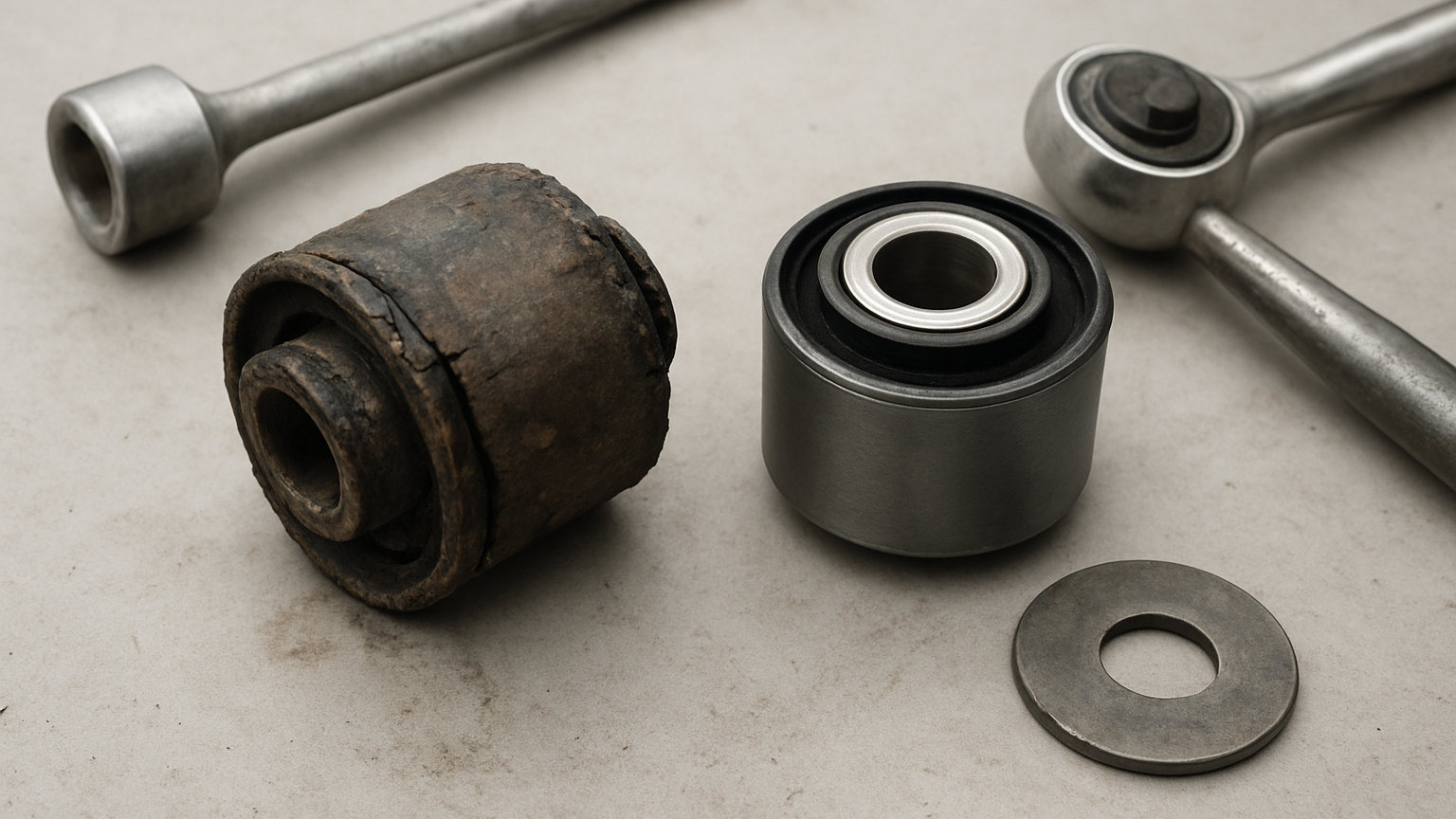
A rear end that moves around is worth taking seriously, because the rear axle is where a loss of grip becomes hardest to recover.
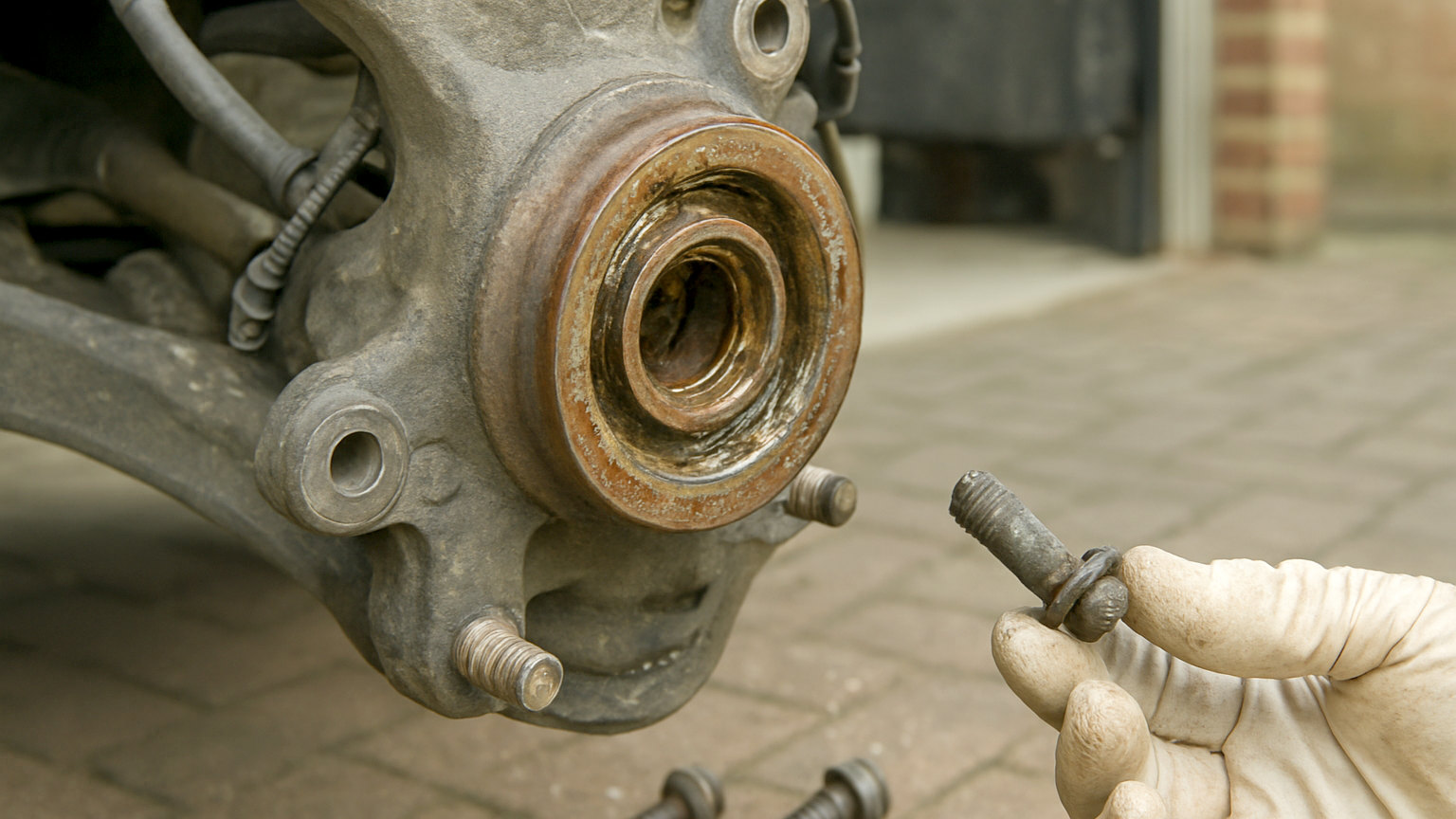
Bearings should last the life of a car, so an early failure almost always has a cause worth identifying before fitting the replacement.
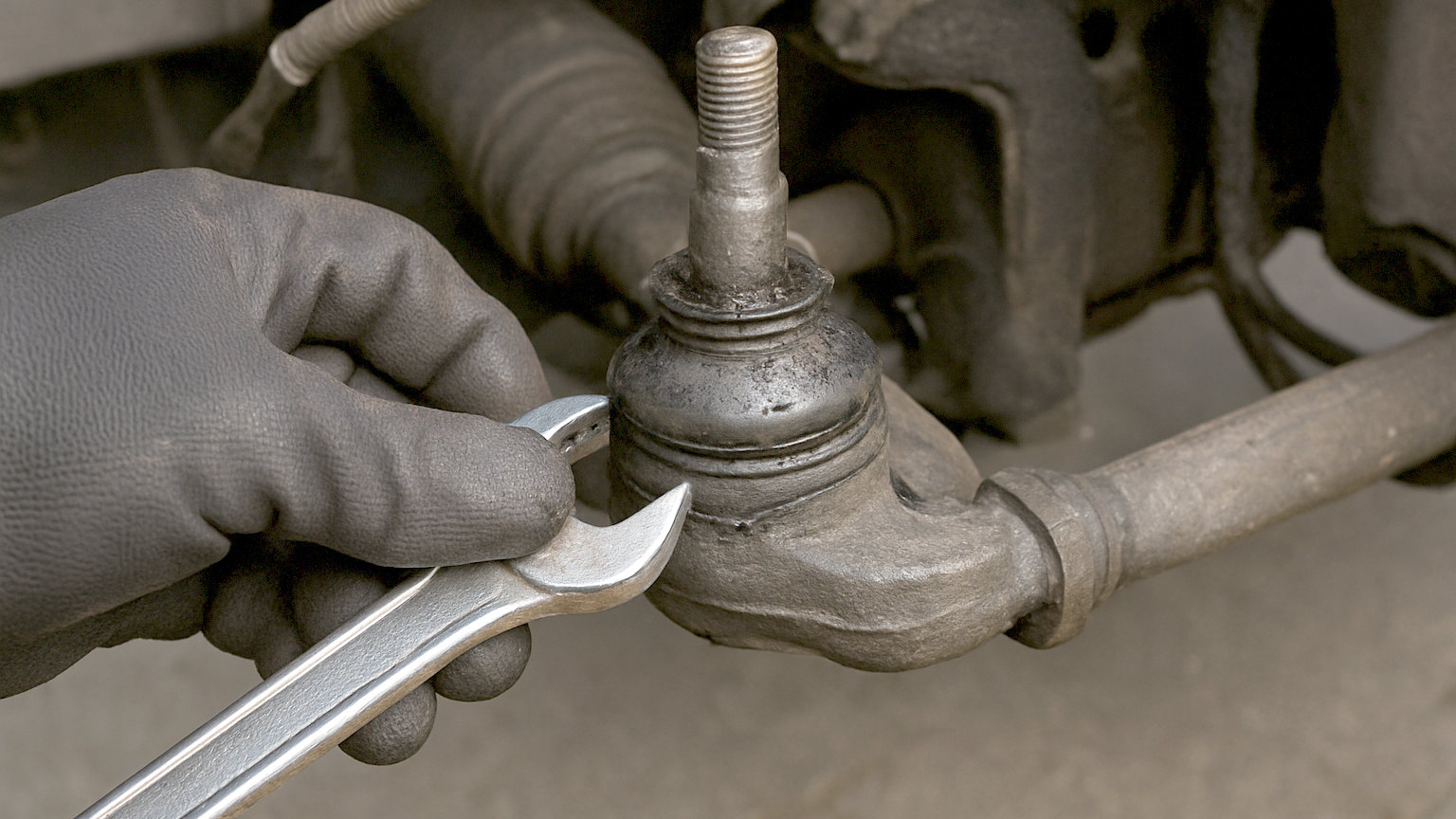
Tracking adjusts front toe only, while a four wheel alignment measures every angle on every corner including how square the rear axle is.
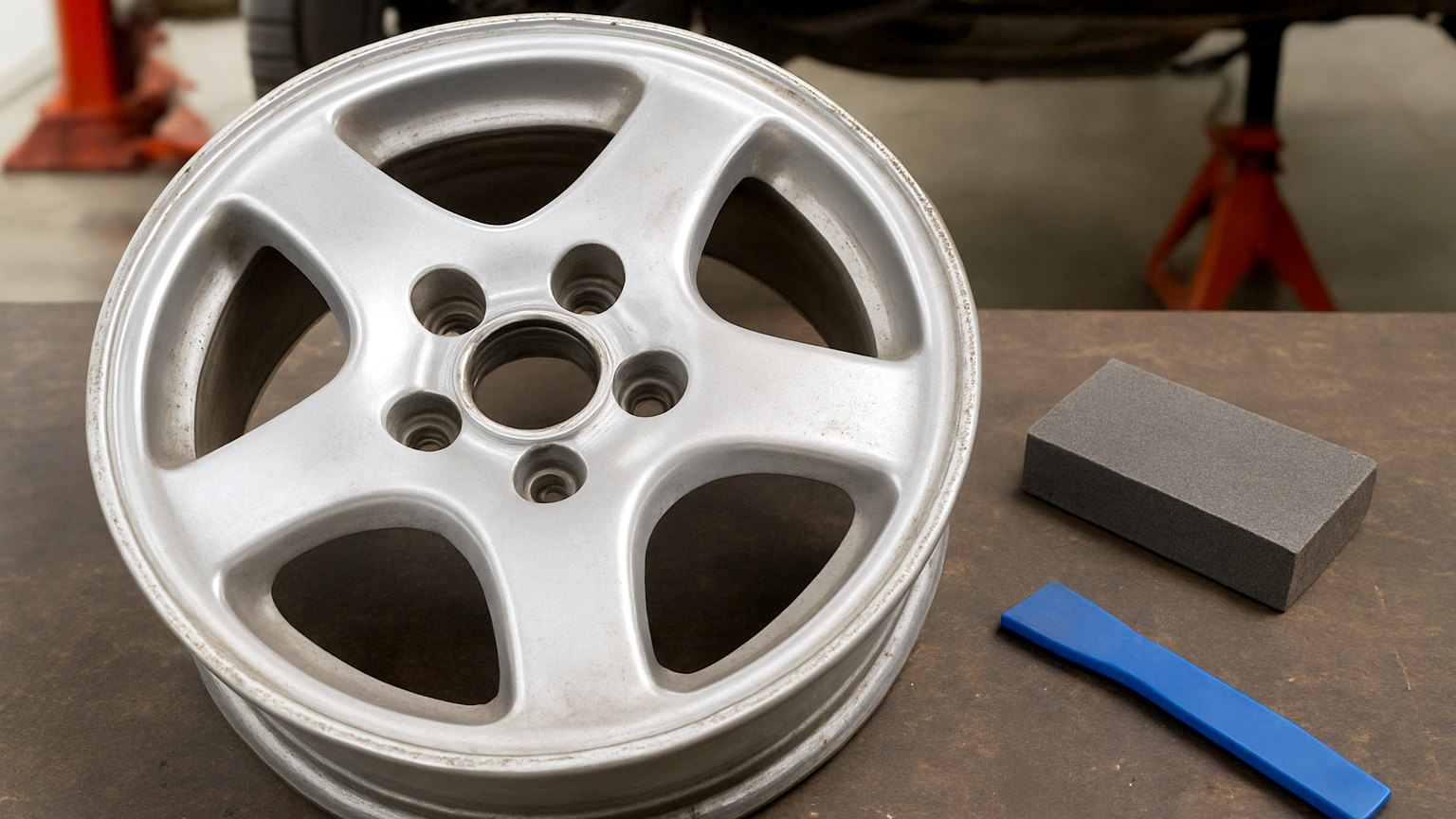
Most kerb damage is cosmetic and repairable, and the finish of the wheel determines which method is used and what it costs.
Rubber degrades with time as well as use, so a tyre with full tread can still be unfit if it has spent a decade doing nothing.
Reversing loads the pad against the opposite side of its carrier, which changes the resonance and reveals hardware problems that forward braking hides.
Weight transfers forward under braking, so the front brakes do most of the work by design and wear accordingly.
Tall light vehicles are inherently more affected, and a car that has become worse in the wind is usually reporting worn suspension.