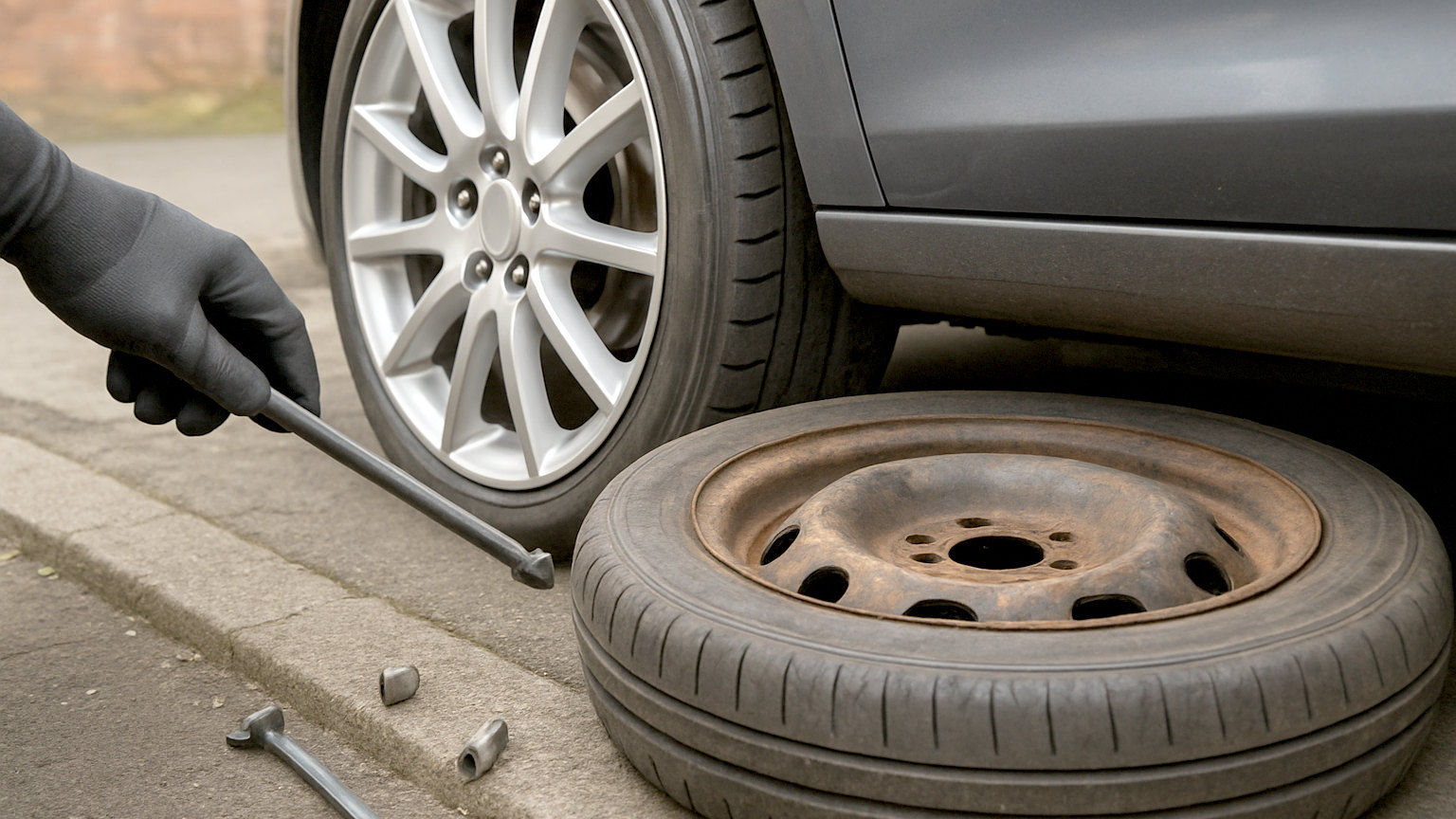
Can You Fit Bigger Wheels to Your Car?
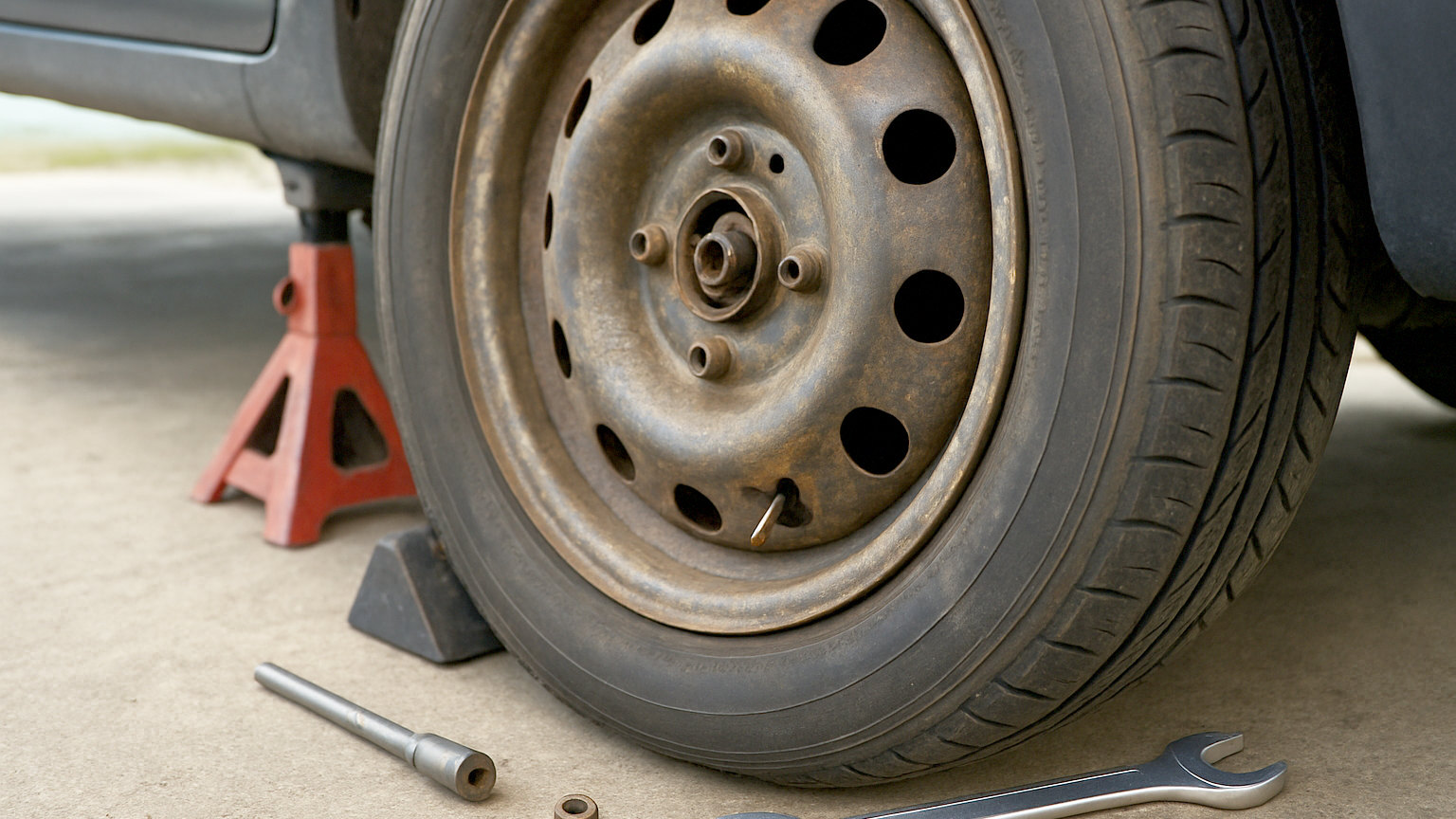
Bigger wheels usually mean lower profile tyres, and the trade offs in ride, damage risk and cost are larger than the appearance gain suggests.
By Car Problems Team
2 Apr 2026

Brakes, tyres and wheels are the parts that decide whether everything else on the car matters, and they are also the parts that fail politely - a squeal you get used to, a pull to the left you steer around without noticing. These guides cover the corners of the car: what each noise means, how to read the wear pattern across a tyre, and why a car that pulls, shudders or hums at speed is usually telling you about one specific component. None of it is worth putting off, and most of it is cheaper caught early.
Bigger wheels usually mean lower profile tyres, and the trade offs in ride, damage risk and cost are larger than the appearance gain suggests.
Some pressure loss is normal, and a tyre that needs topping up every fortnight is telling you about a valve, a rim or a slow puncture.
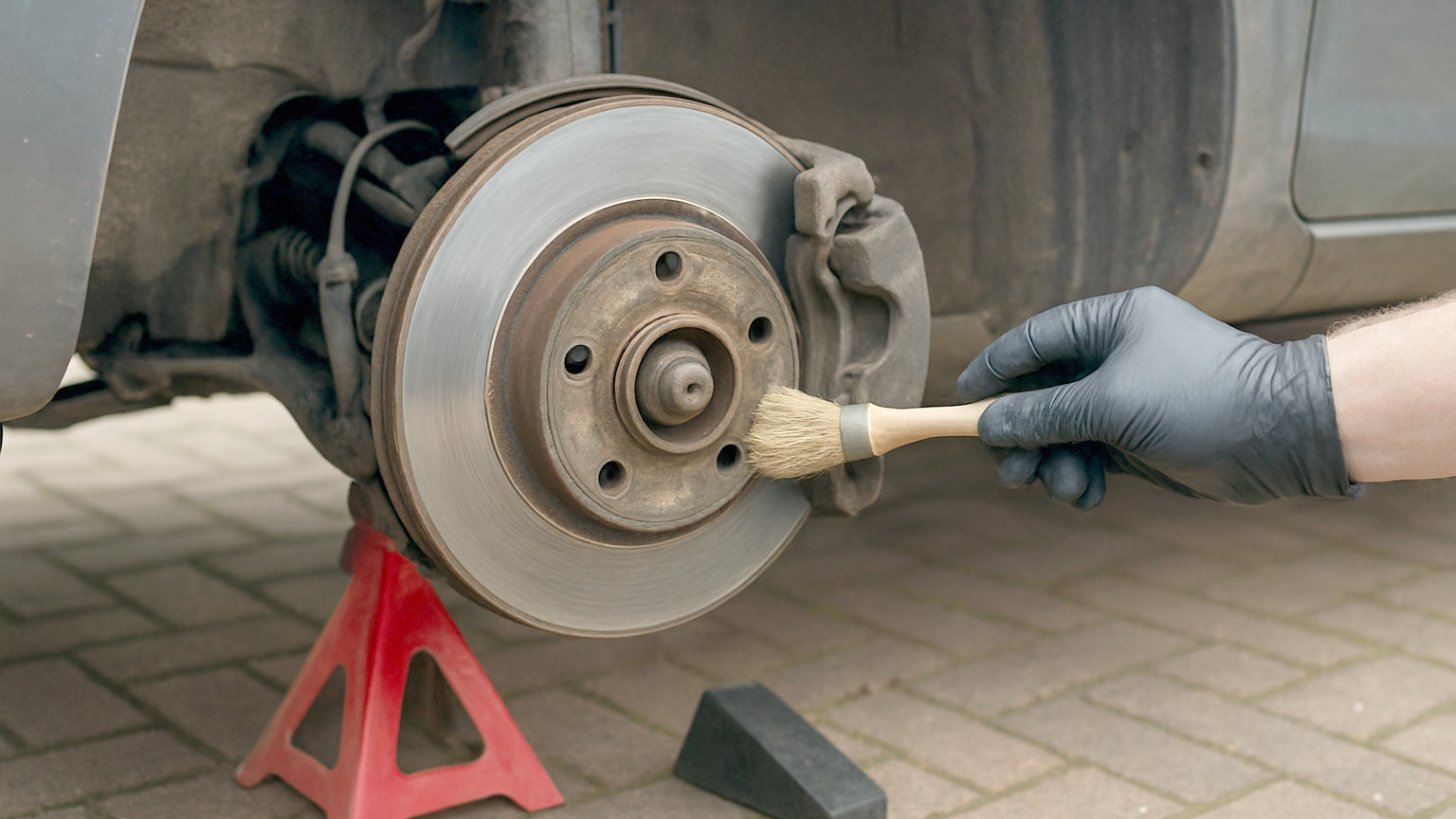
Brake dust is friction material and iron worn from the disc, and while it rarely causes noise directly it does tell you about your pads.
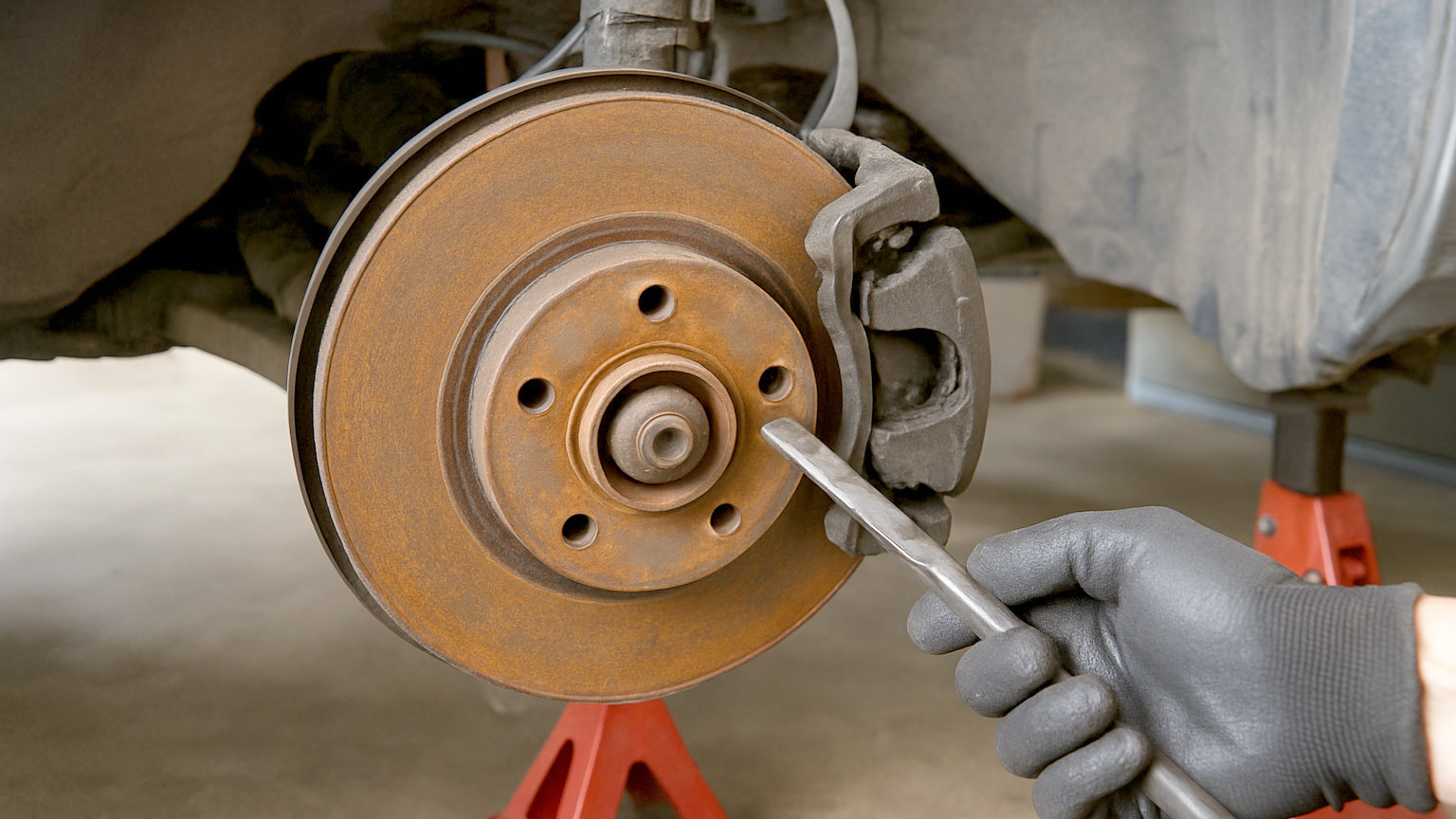
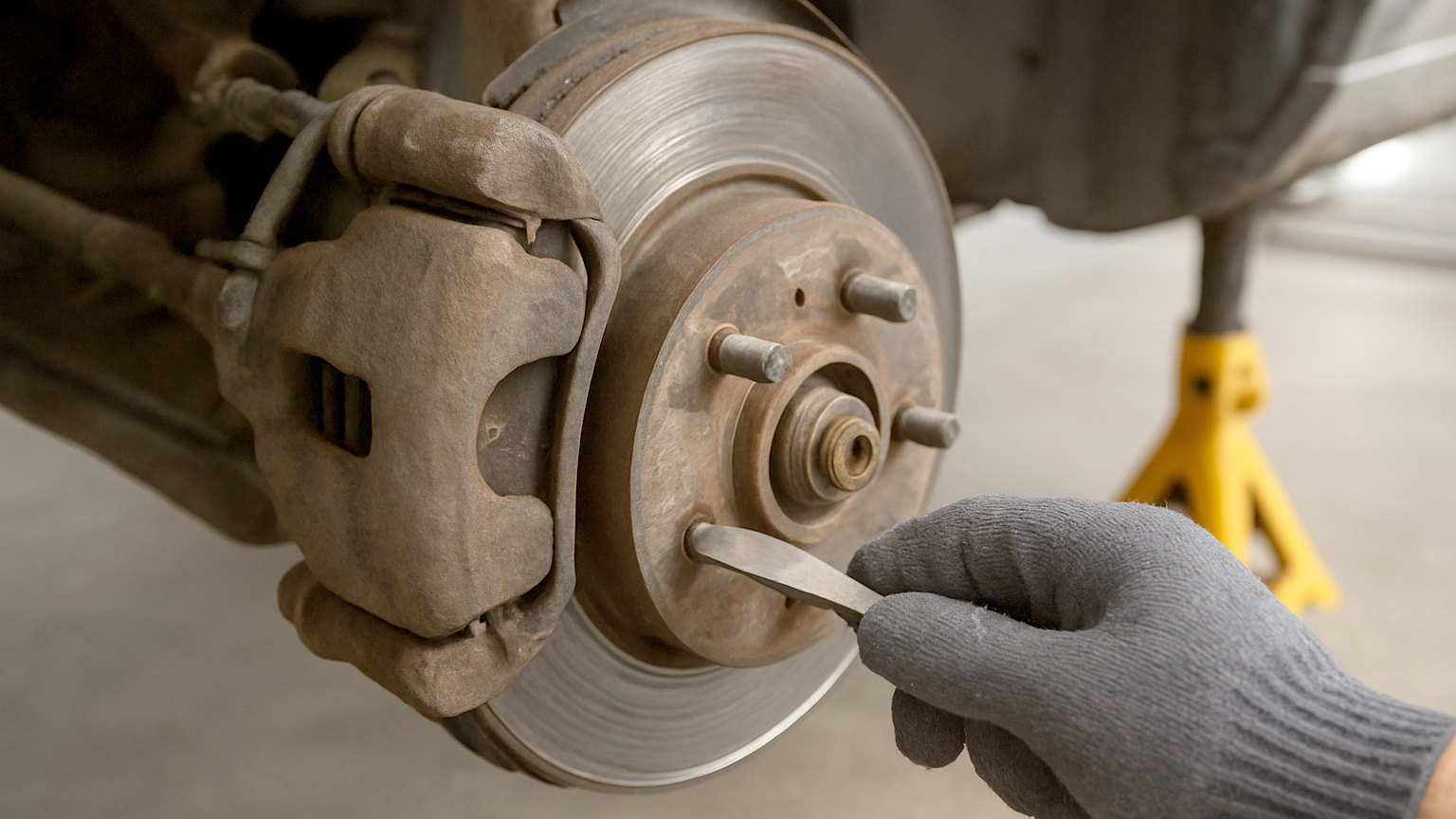
Surface rust on discs forms within hours and clears within yards, but a car left for months can bond its pads to the discs entirely.
Braking transfers weight forward and reveals any imbalance, so instability under braking usually points at brakes, tyres or worn suspension.
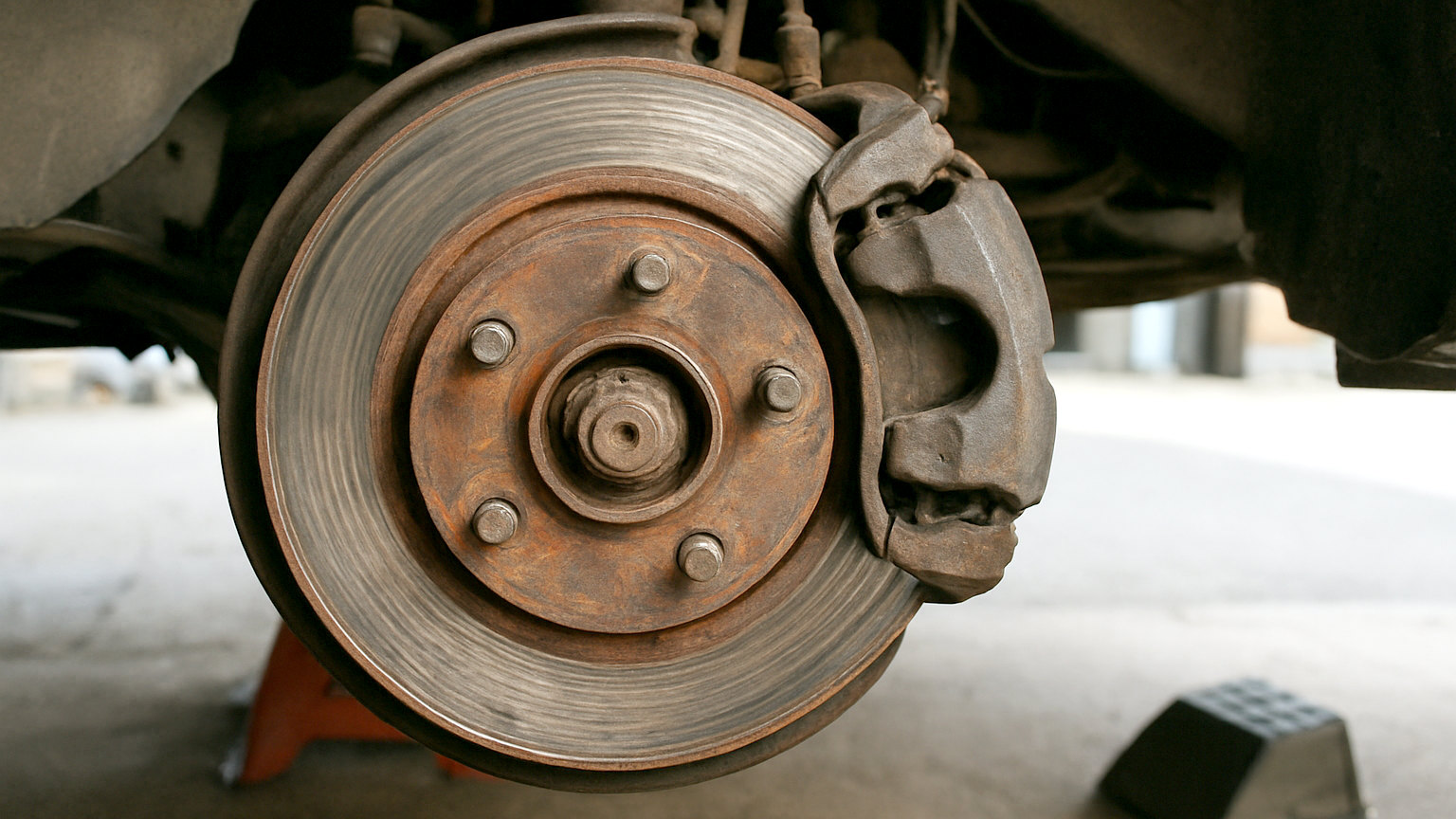
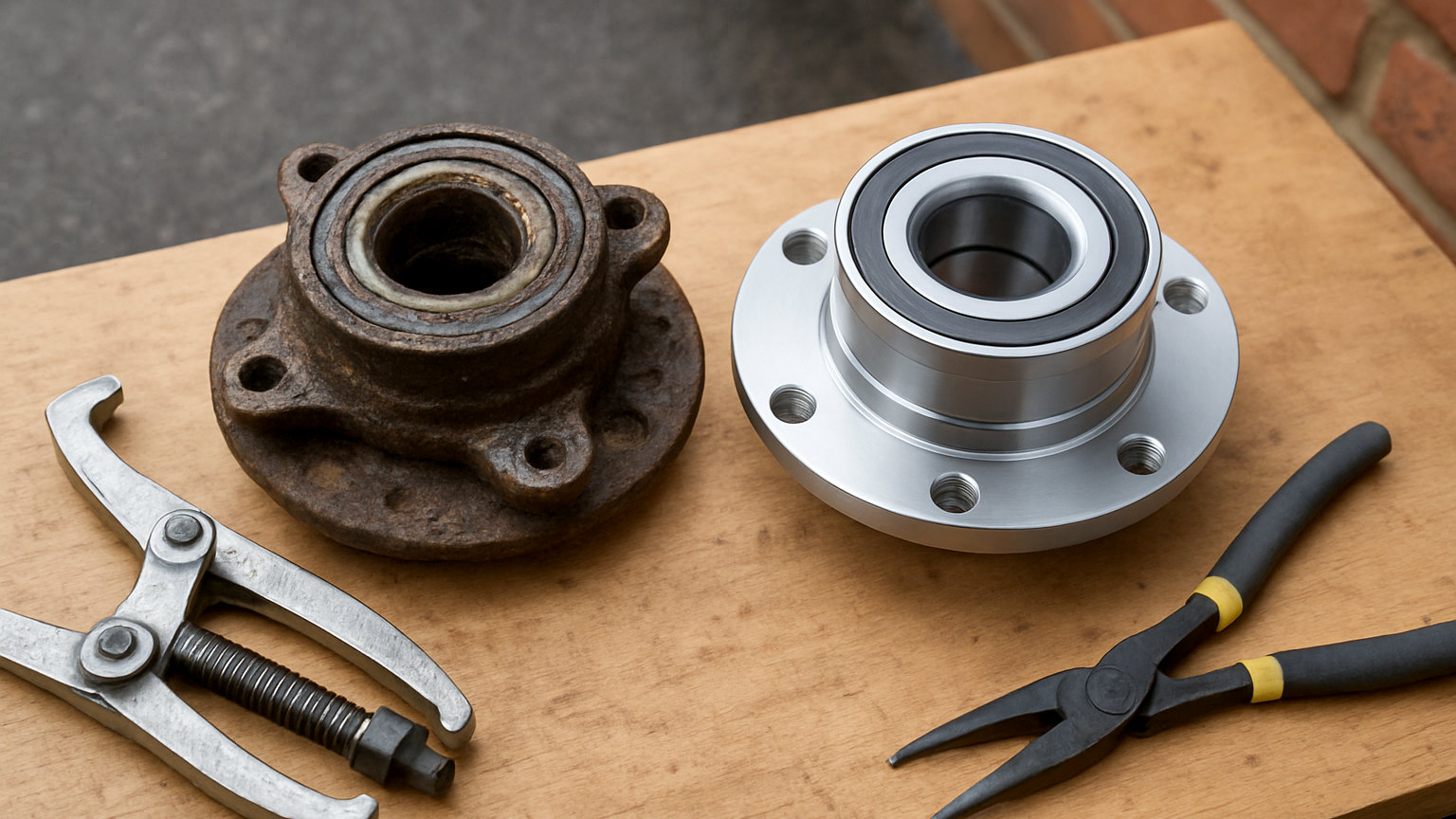
A bearing with play lets the whole hub move, which produces vibration and can make the brakes judder as a secondary effect.
Sometimes, and the cheaper causes should be eliminated first because tyres and brakes produce identical symptoms.
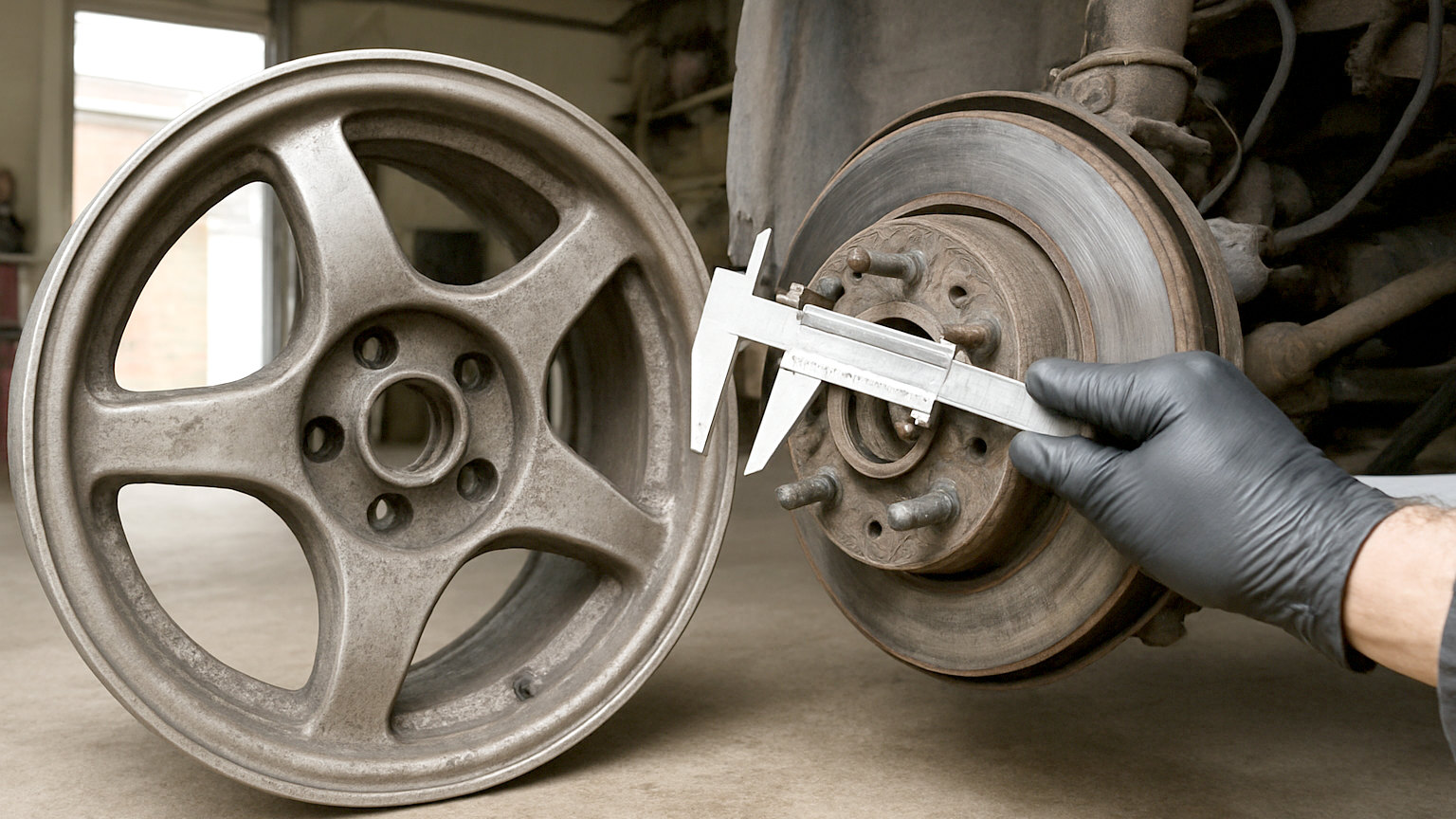
Diameter, width, offset, bolt pattern and centre bore all have to match, and getting any one of them wrong causes real problems.
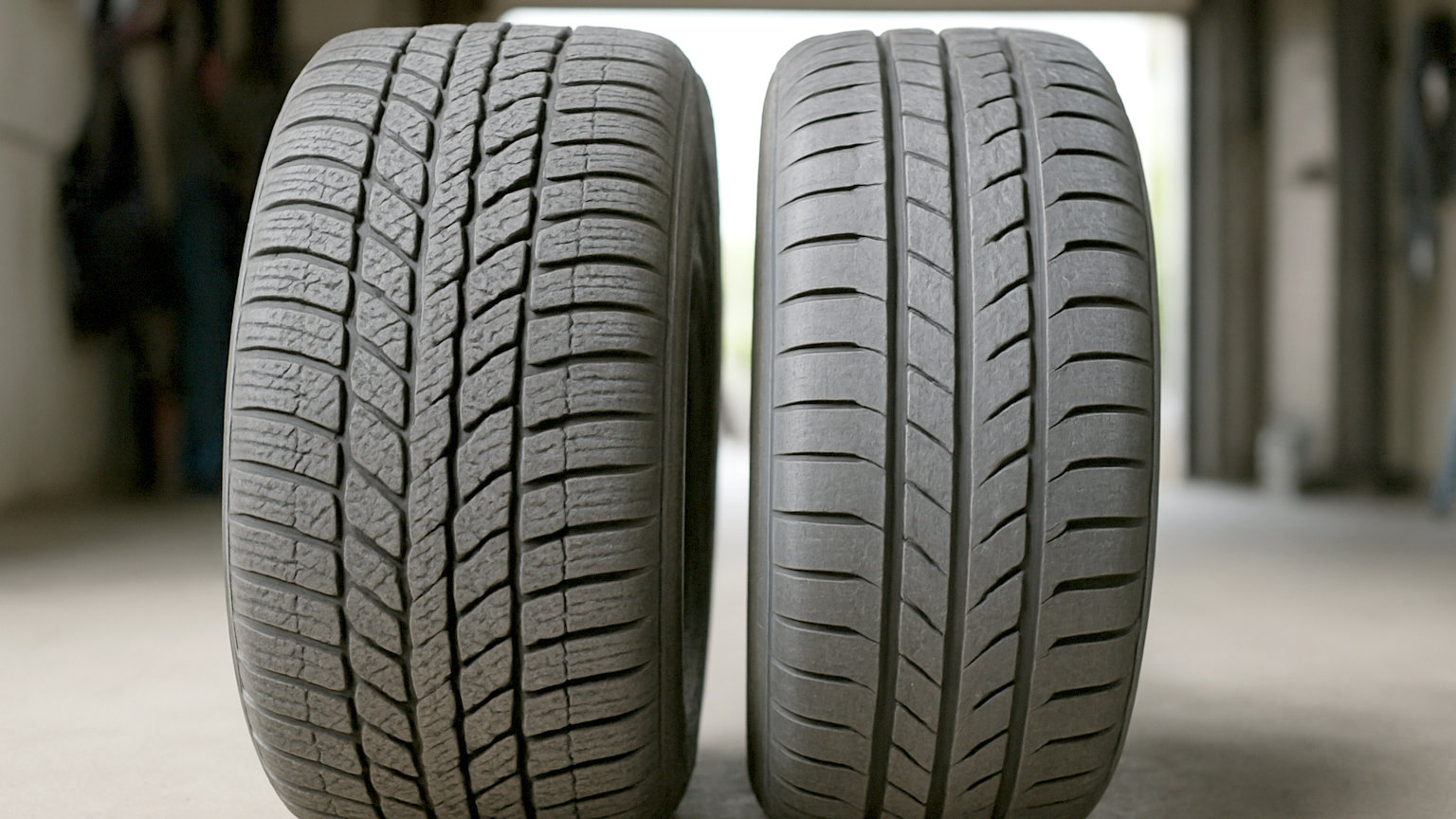
Winter tyres are about temperature rather than snow, and the compound difference matters on every cold morning rather than a few days a year.
A rattle over rough surfaces that stops the moment you touch the pedal is a pad moving freely in its carrier, and the fix is inexpensive.