Which Wheel Faults Fail an MOT?
Wheels are checked for security, damage and fouling, and several of the failures involve things owners never look at.
By Car Problems Team
7 May 2026

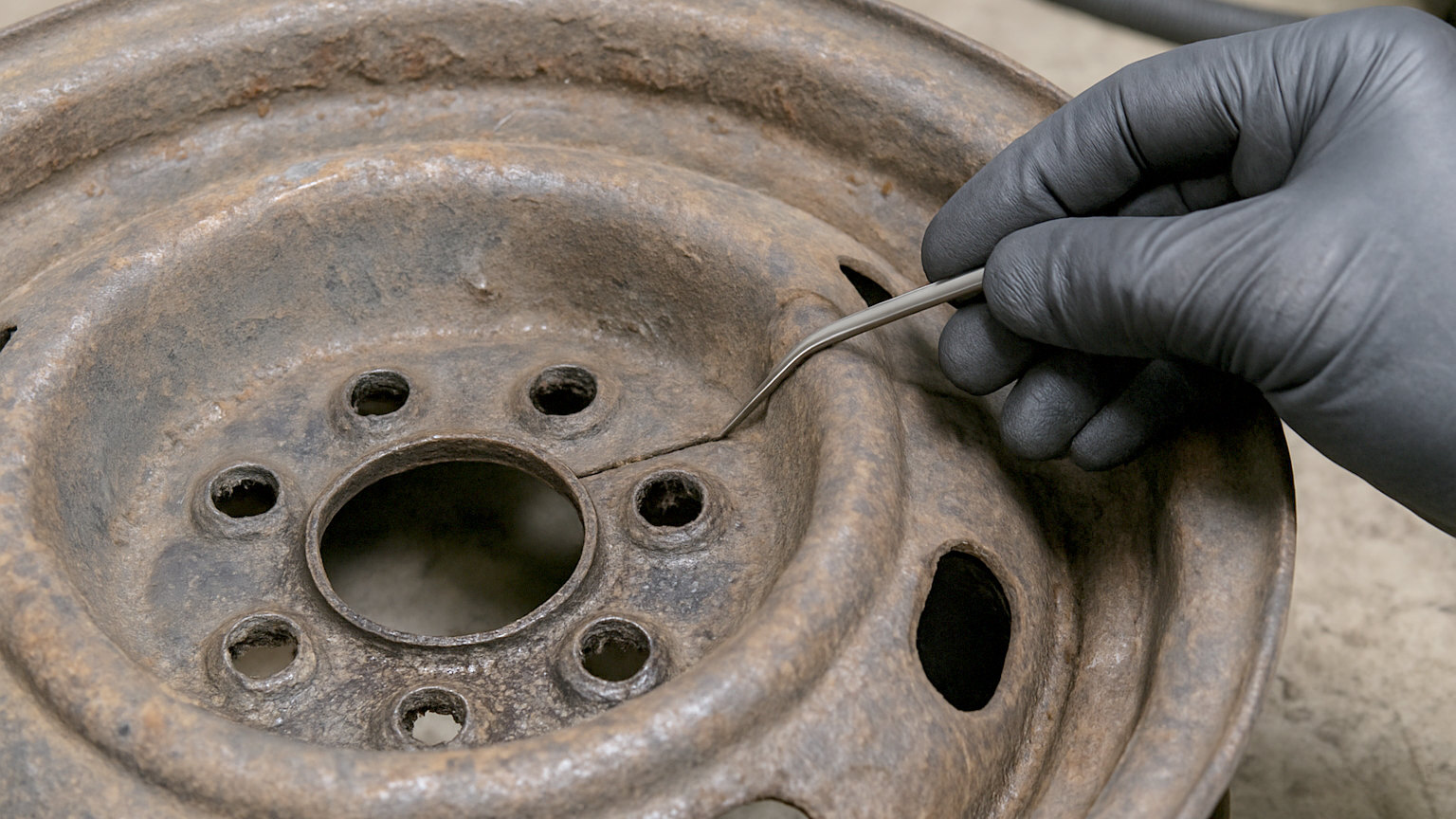
Buckled and kerbed wheels, corrosion around the rim, slow punctures that aren’t the tyre, and locking wheel nuts that have rounded off.
Wheels are checked for security, damage and fouling, and several of the failures involve things owners never look at.
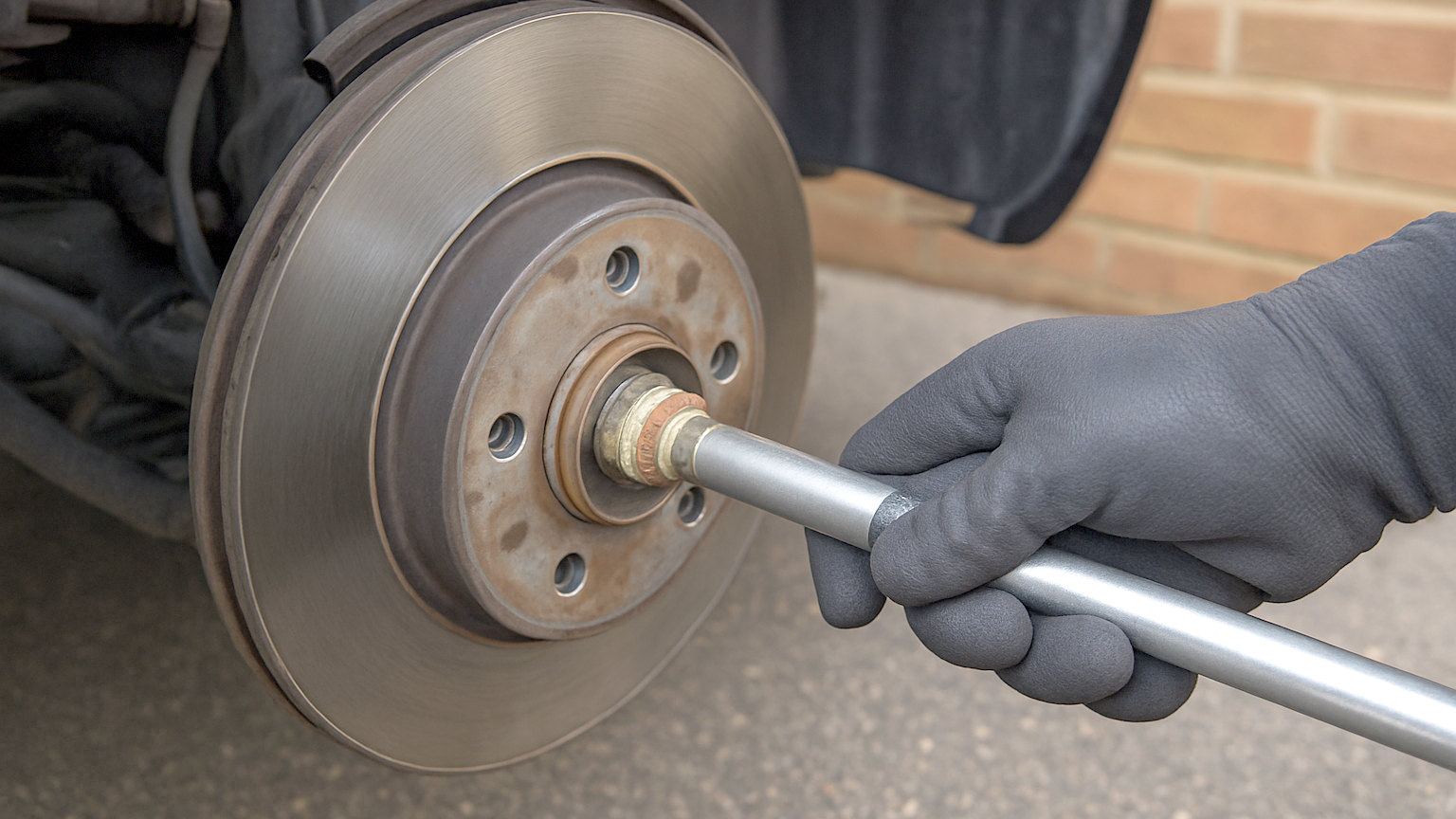
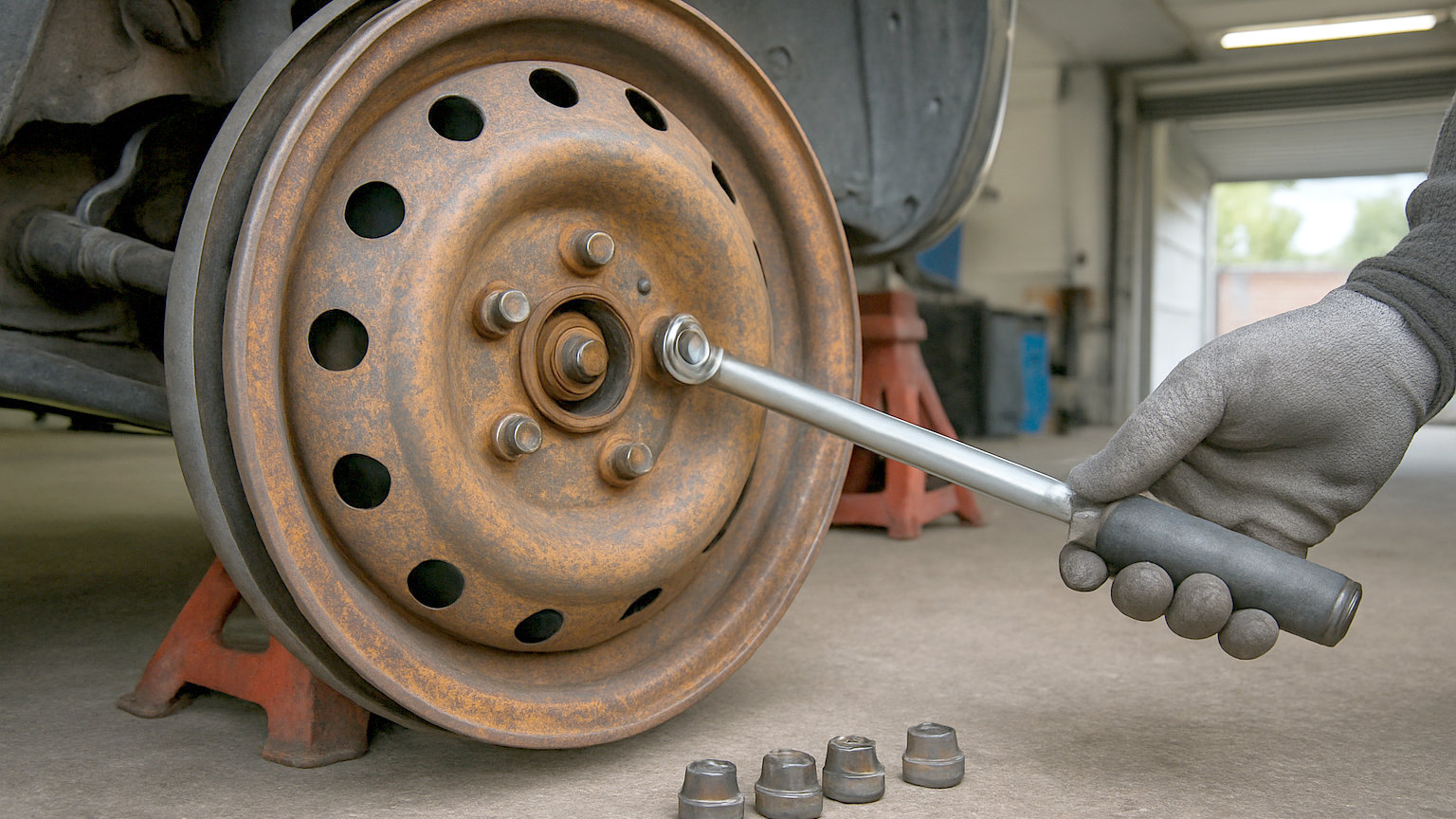
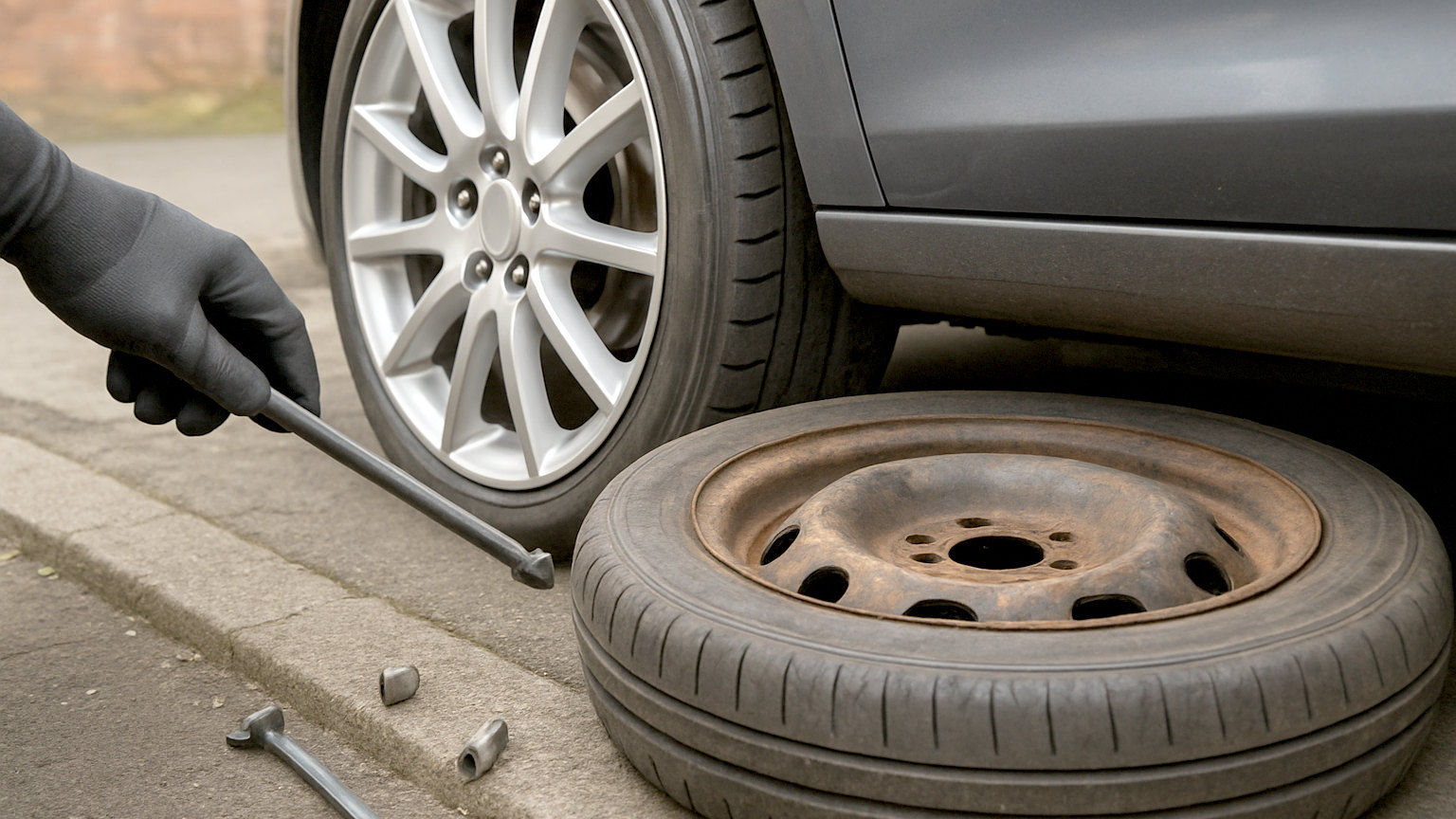
Wheel fixings live in the worst environment on the car, and a seized one discovered at the roadside is a genuine problem.
The mechanical steps are straightforward and the safety decisions are what matter, particularly on where you choose to stop.
A space saver is a temporary wheel with speed and distance limits printed on it, and those limits exist for good mechanical reasons.
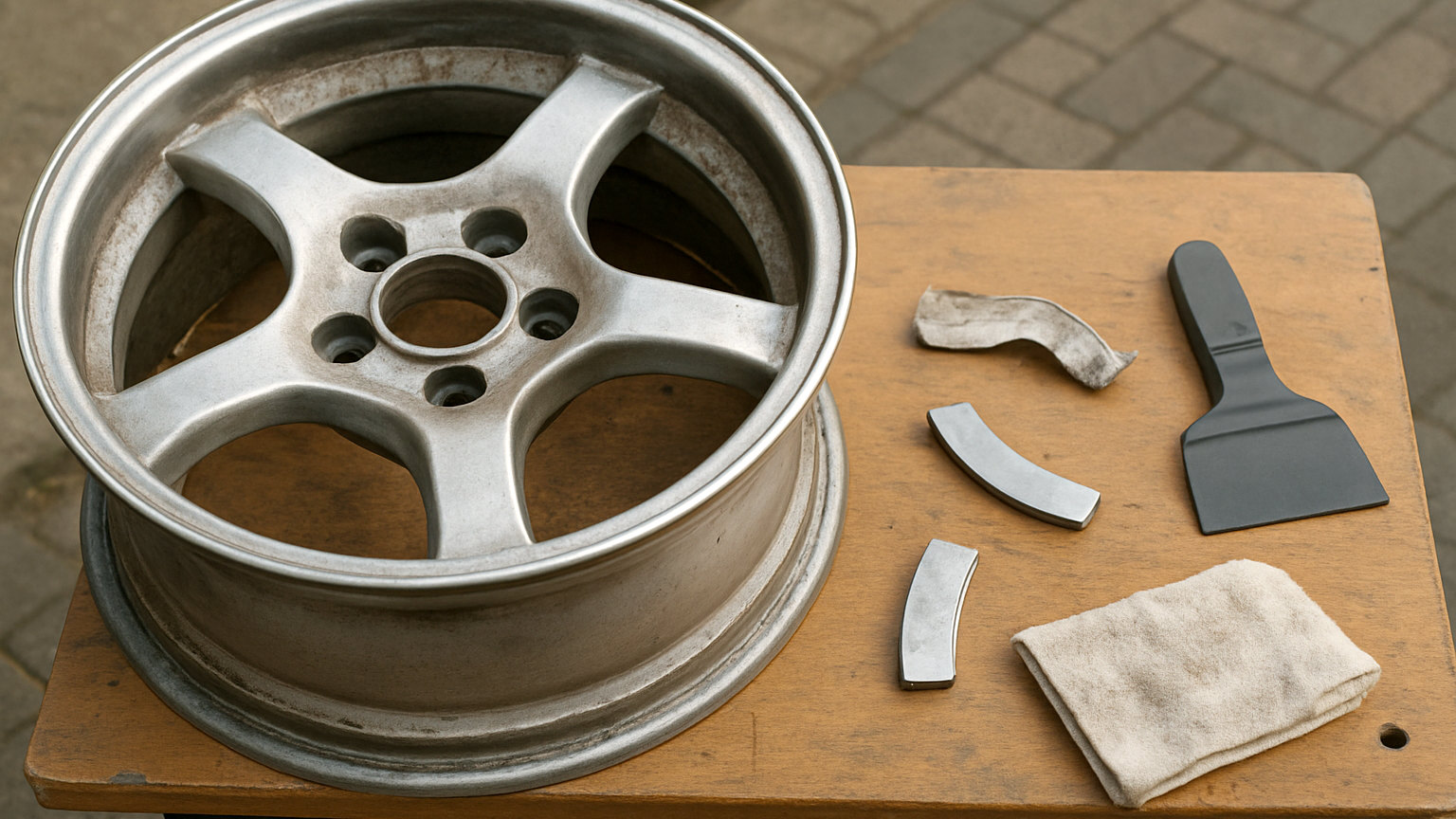
Stick on weights fail when the surface was not prepared or when strong wheel cleaners have attacked the adhesive.
Bigger wheels usually mean lower profile tyres, and the trade offs in ride, damage risk and cost are larger than the appearance gain suggests.
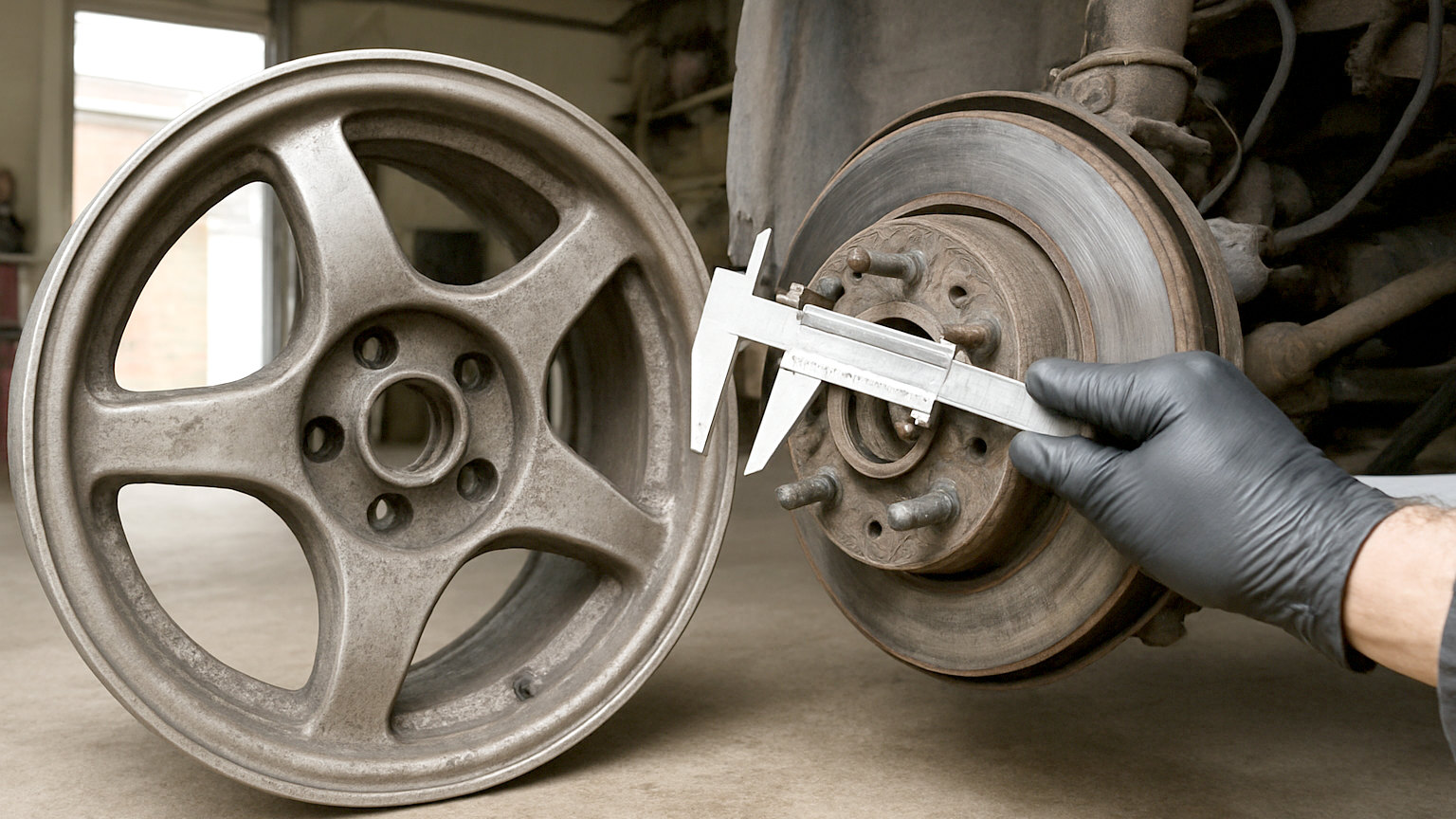
Diameter, width, offset, bolt pattern and centre bore all have to match, and getting any one of them wrong causes real problems.
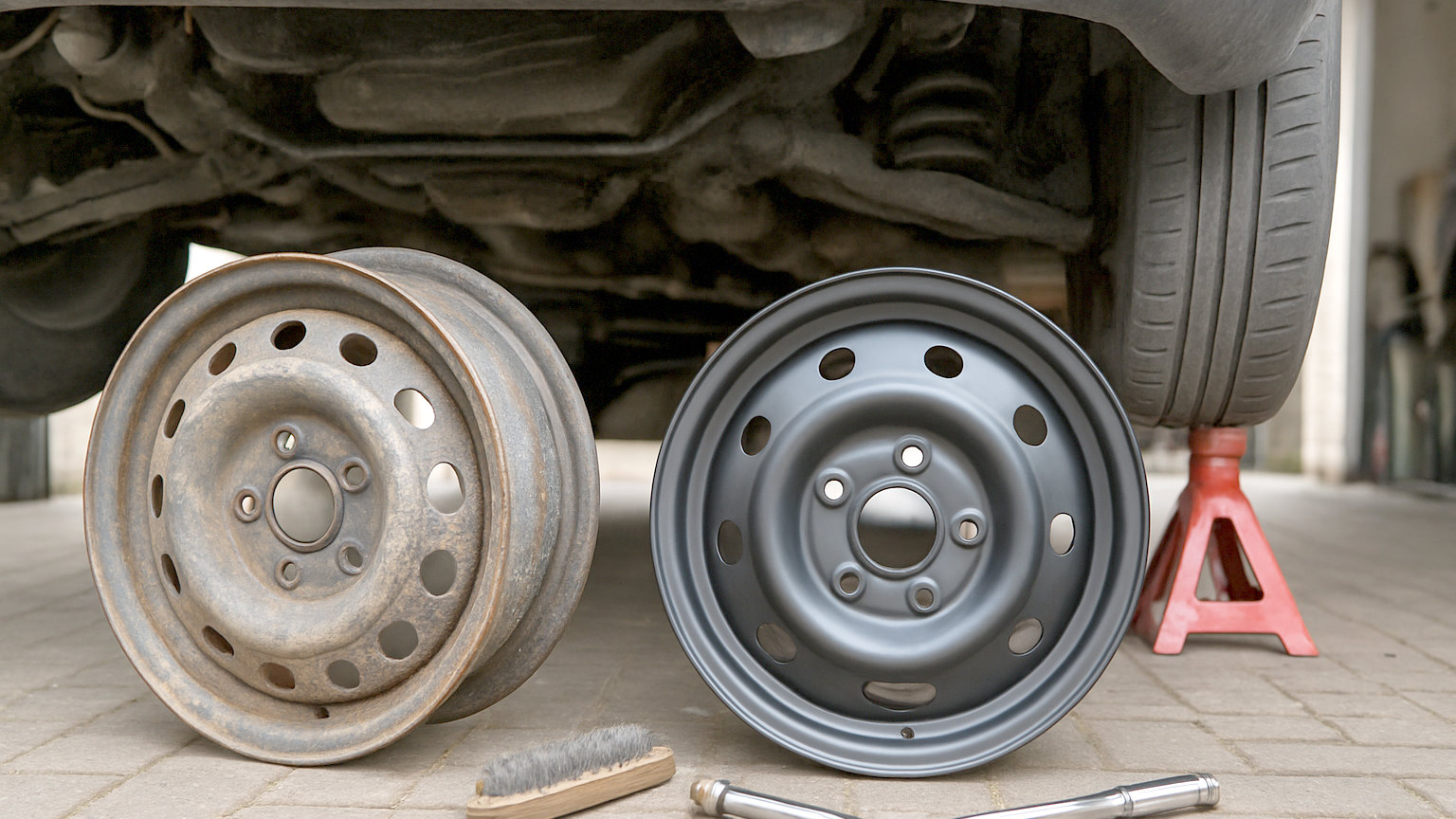
Steel wheels bend rather than crack and shrug off salt damage, which is why they remain the sensible choice for a winter set.
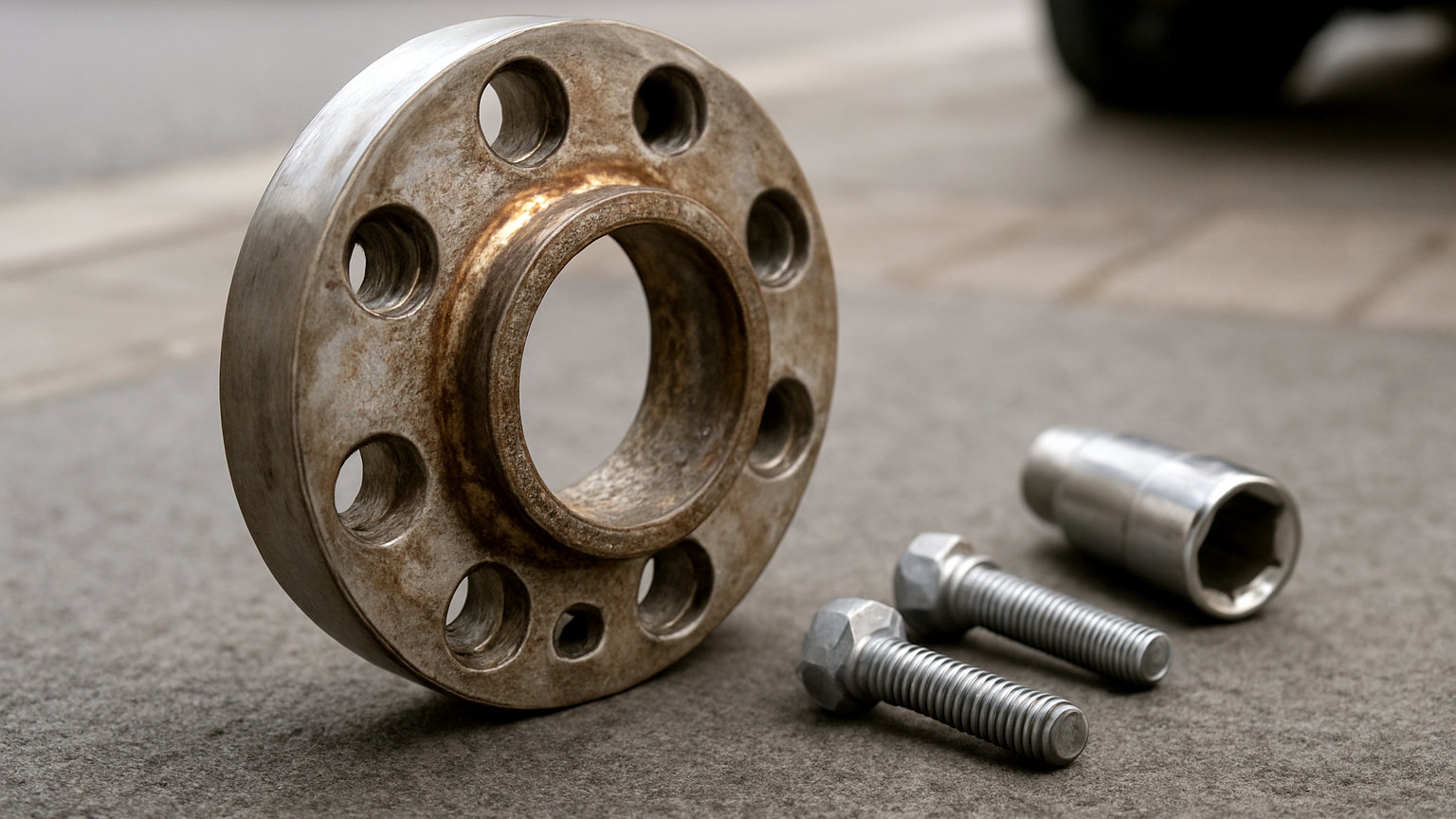
Spacers change the geometry the suspension was designed around, and the quality of the spacer and its fixings decides whether that matters.
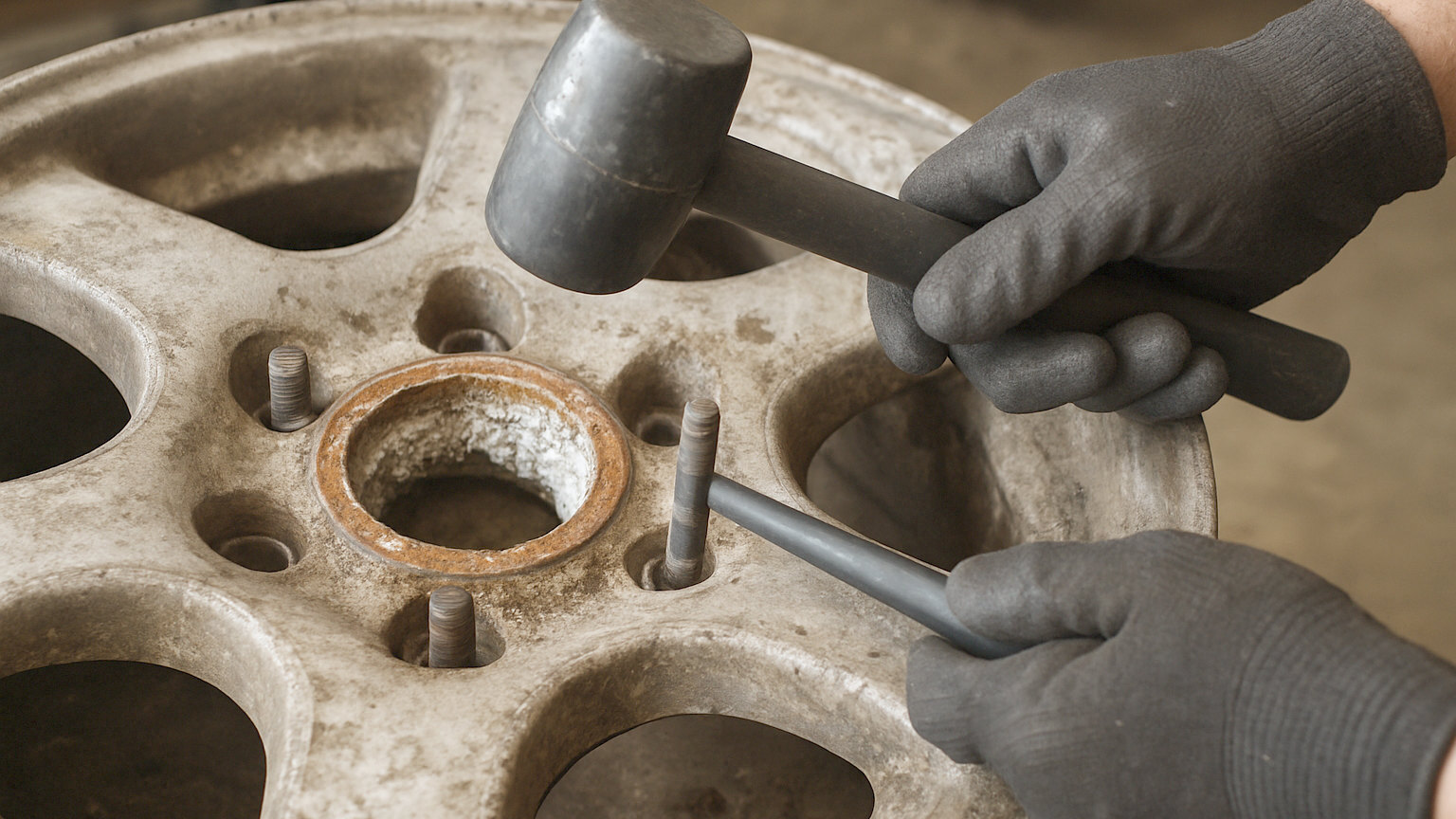
A wheel seized to the hub is corrosion between two dissimilar metals, and freeing it safely matters more than freeing it quickly.