Why Does a Misfire Cause Loss of Power?
A misfire means one cylinder is contributing nothing, so a four cylinder car loses a quarter of its power and gains a serious catalyst risk.
By Car Problems Team
21 Apr 2026

A car that feels flat, won’t pull uphill or goes into limp mode - turbo, fuel, air and sensor causes, and how to narrow it down.
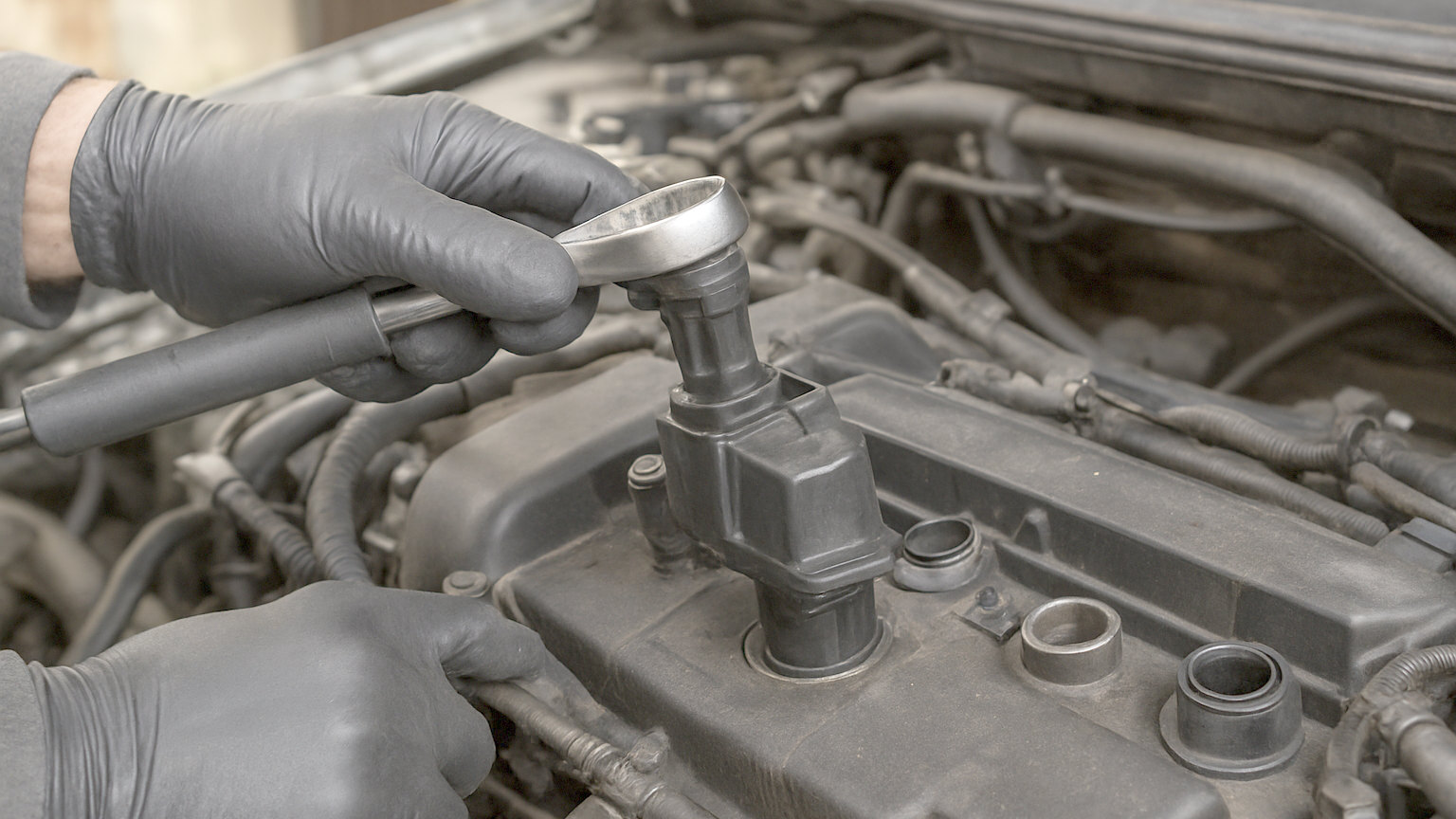
A misfire means one cylinder is contributing nothing, so a four cylinder car loses a quarter of its power and gains a serious catalyst risk.
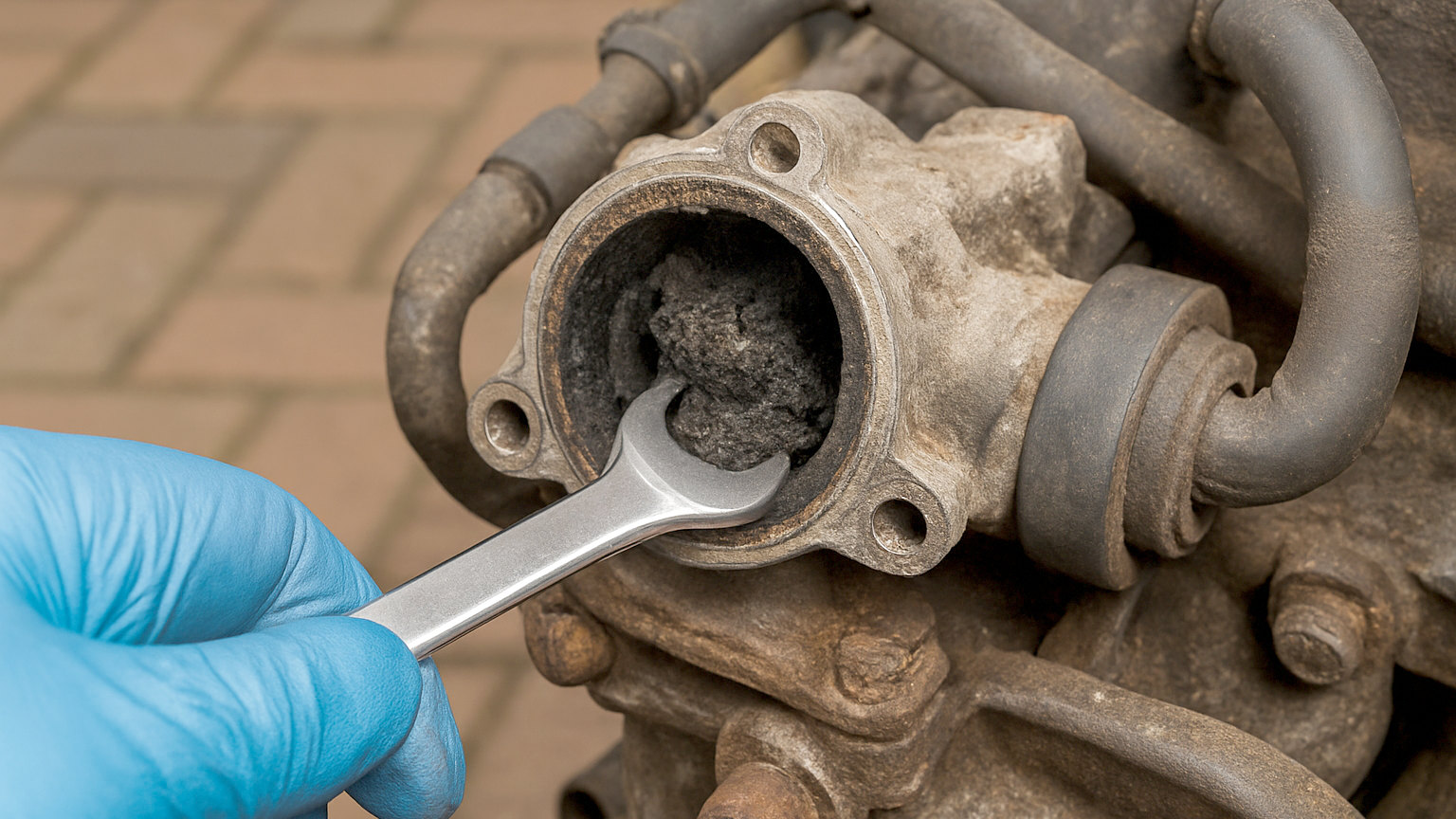
The EGR valve deliberately feeds exhaust gas back into the engine, and when it sticks open the engine is left breathing its own leftovers.
Gradual power loss is genuinely difficult to notice, which is why it is usually well advanced by the time anybody investigates it.
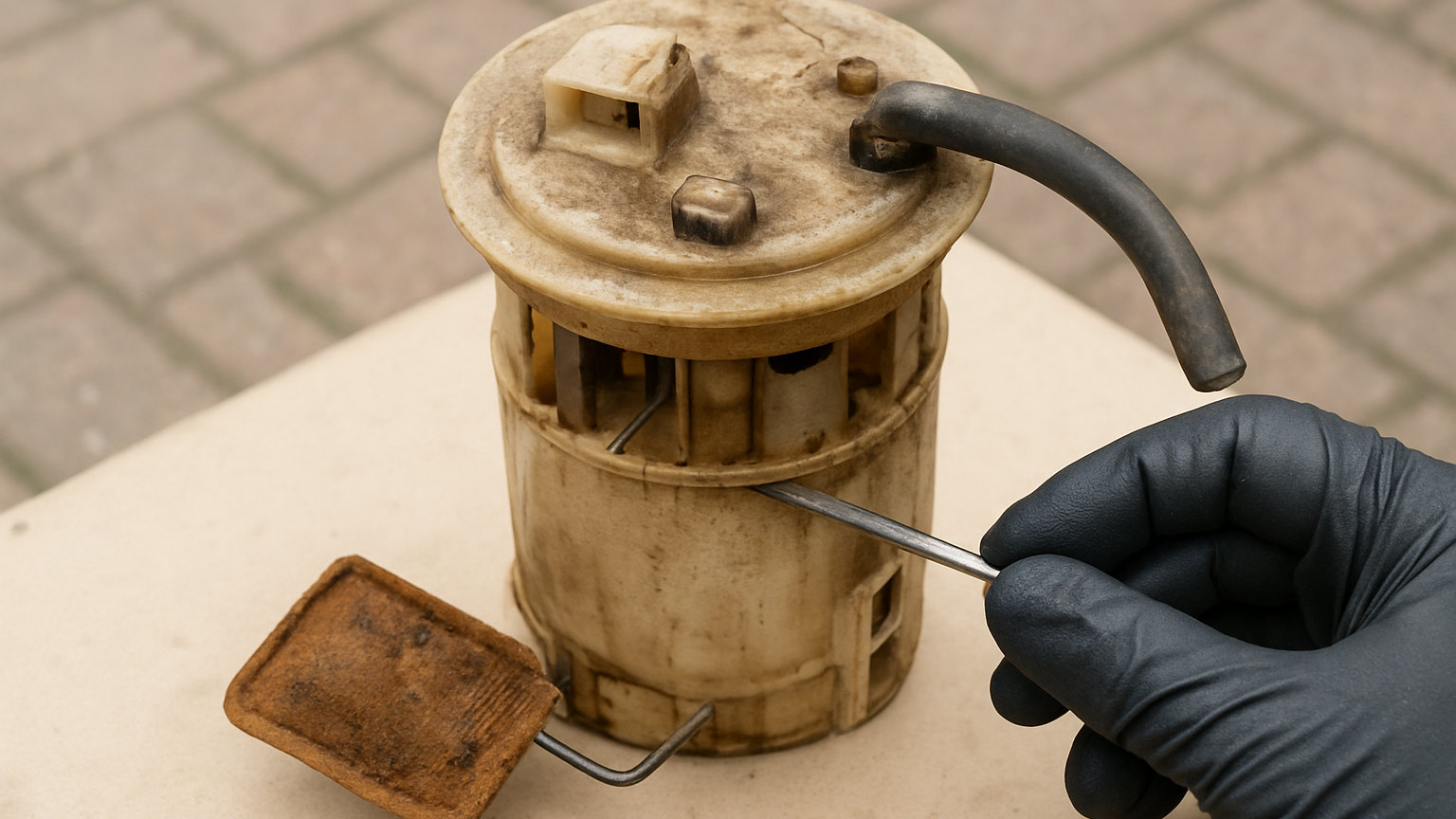
Fuel pumps rarely stop without warning, and the warnings arrive at exactly the moments when the engine is asking for most fuel.
Intermittent power loss that clears on a restart is almost always the management protecting the engine rather than a component failing outright.
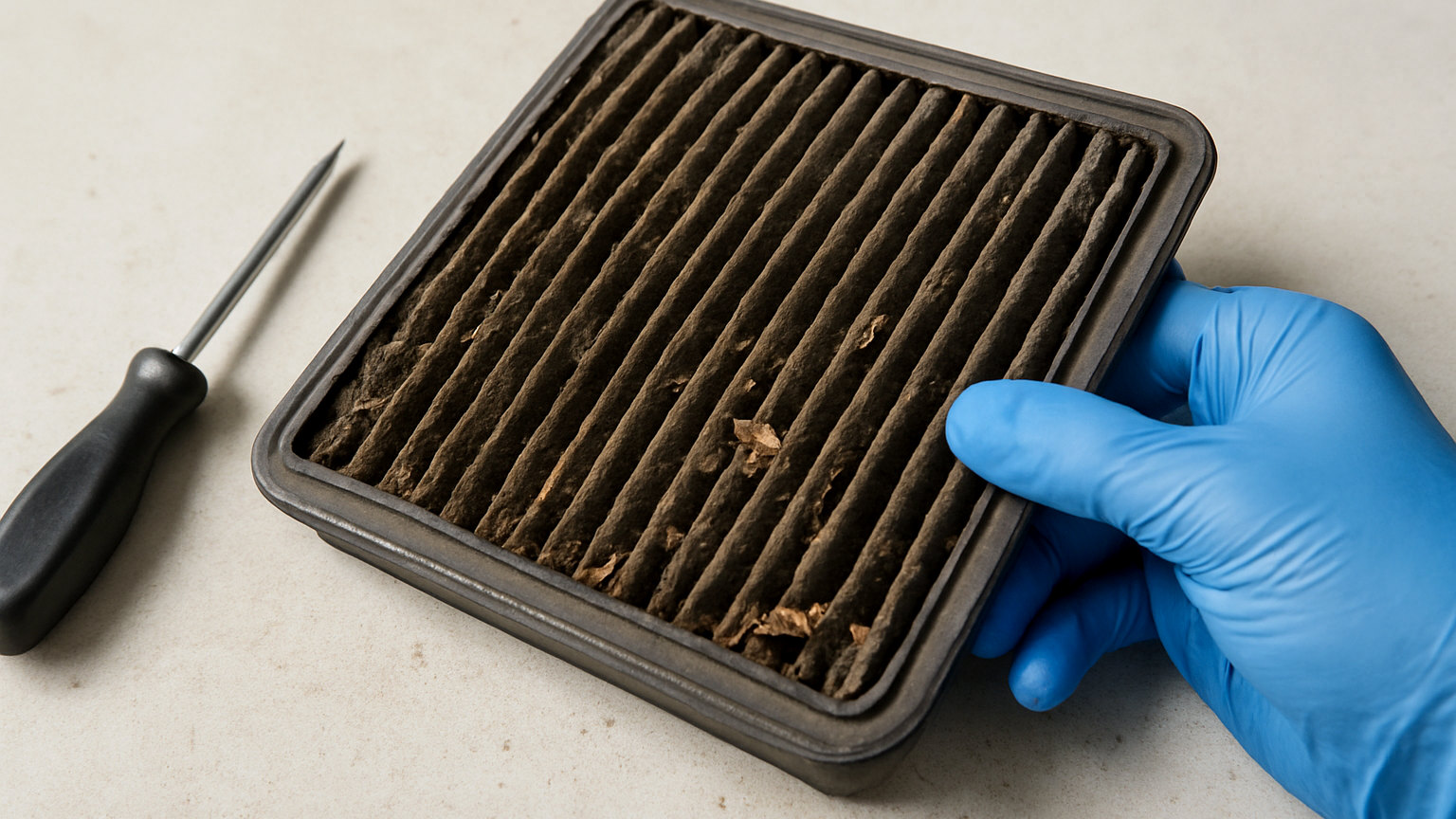
Air filters matter less than internet advice suggests at light throttle and more than most people expect once an engine is working hard.
No warning light does not mean no fault. It usually means the problem is mechanical, gradual or outside what any sensor is watching for.
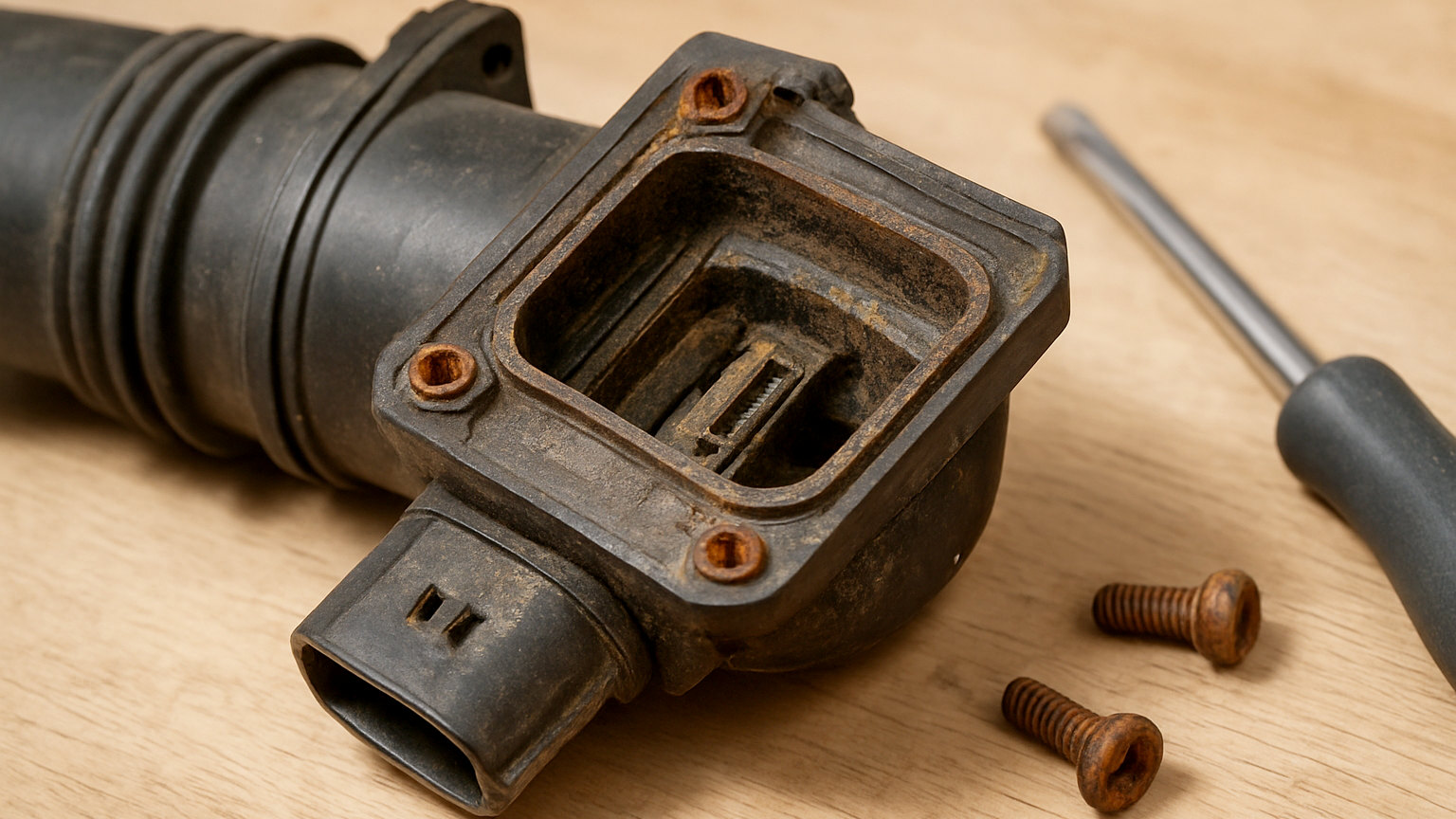
The airflow sensor decides how much fuel the engine gets, so when it reads badly every other calculation the car makes is wrong too.
A stumble in the moment between pressing the throttle and the car responding is a fuelling or ignition problem showing itself at its weakest point.
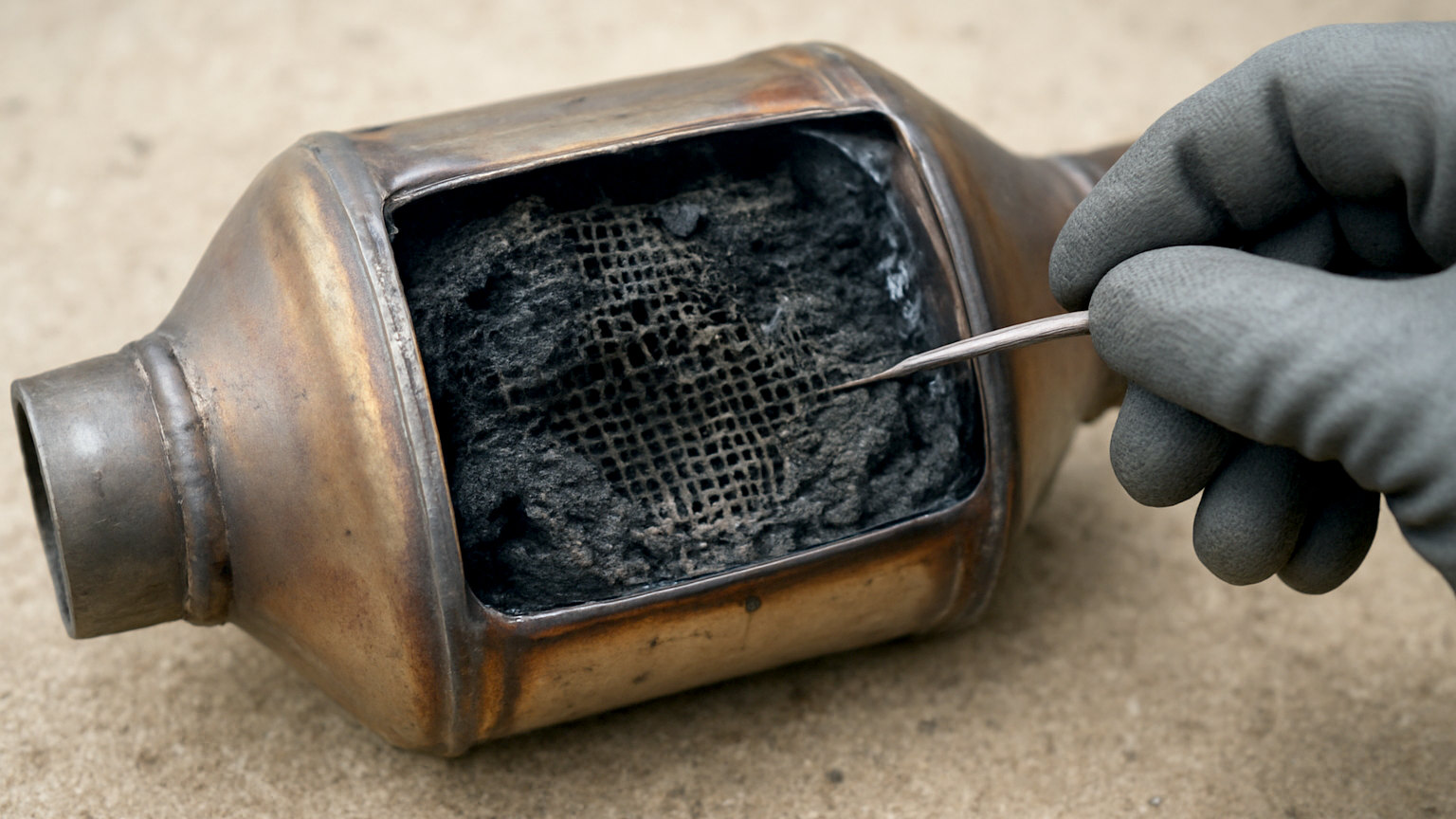
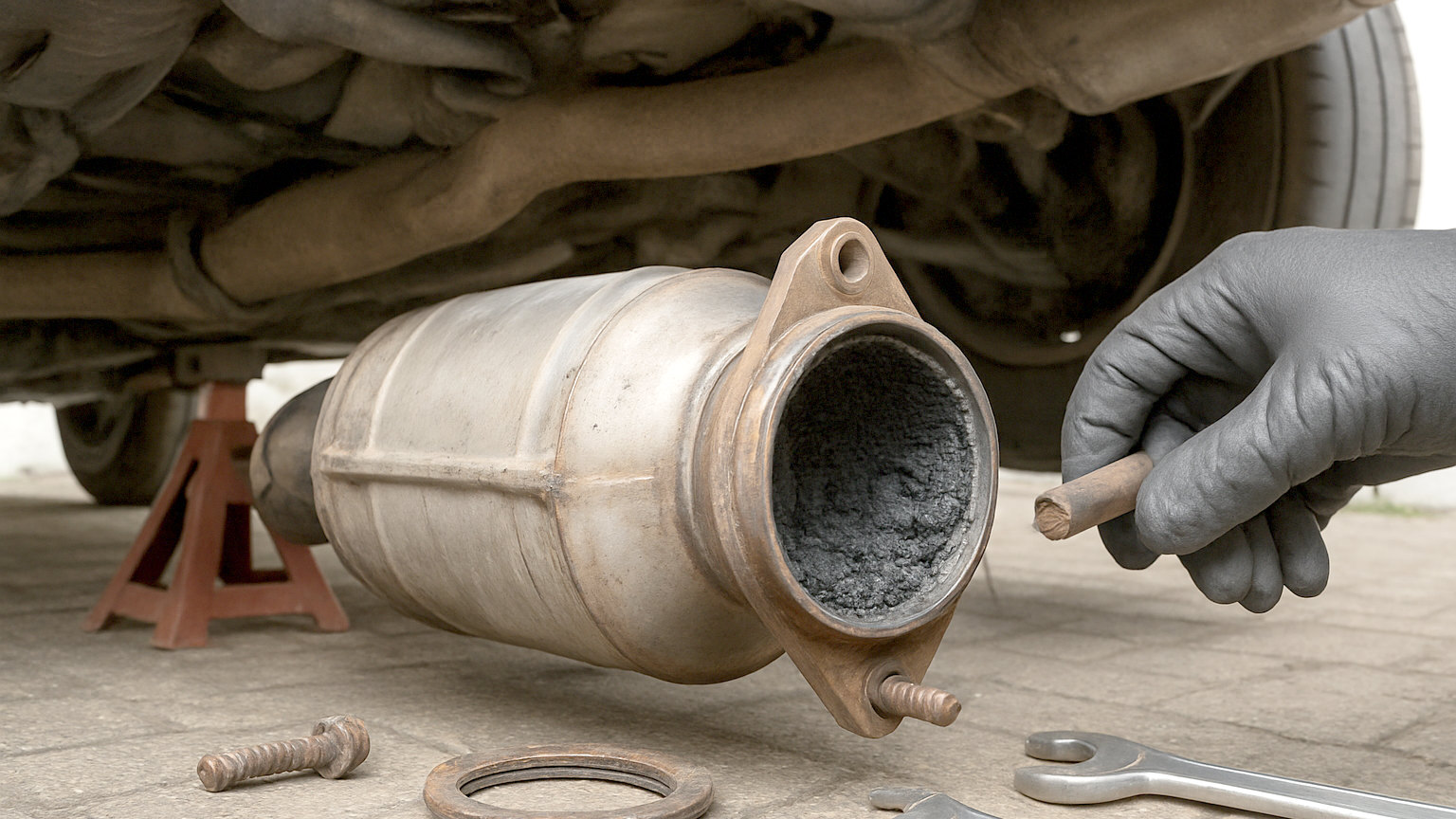
An engine has to breathe out as well as in, and a blocked cat produces a car that accelerates to a point and then hits a wall.