Do Sensors Need Coding or Calibrating After Fitting?
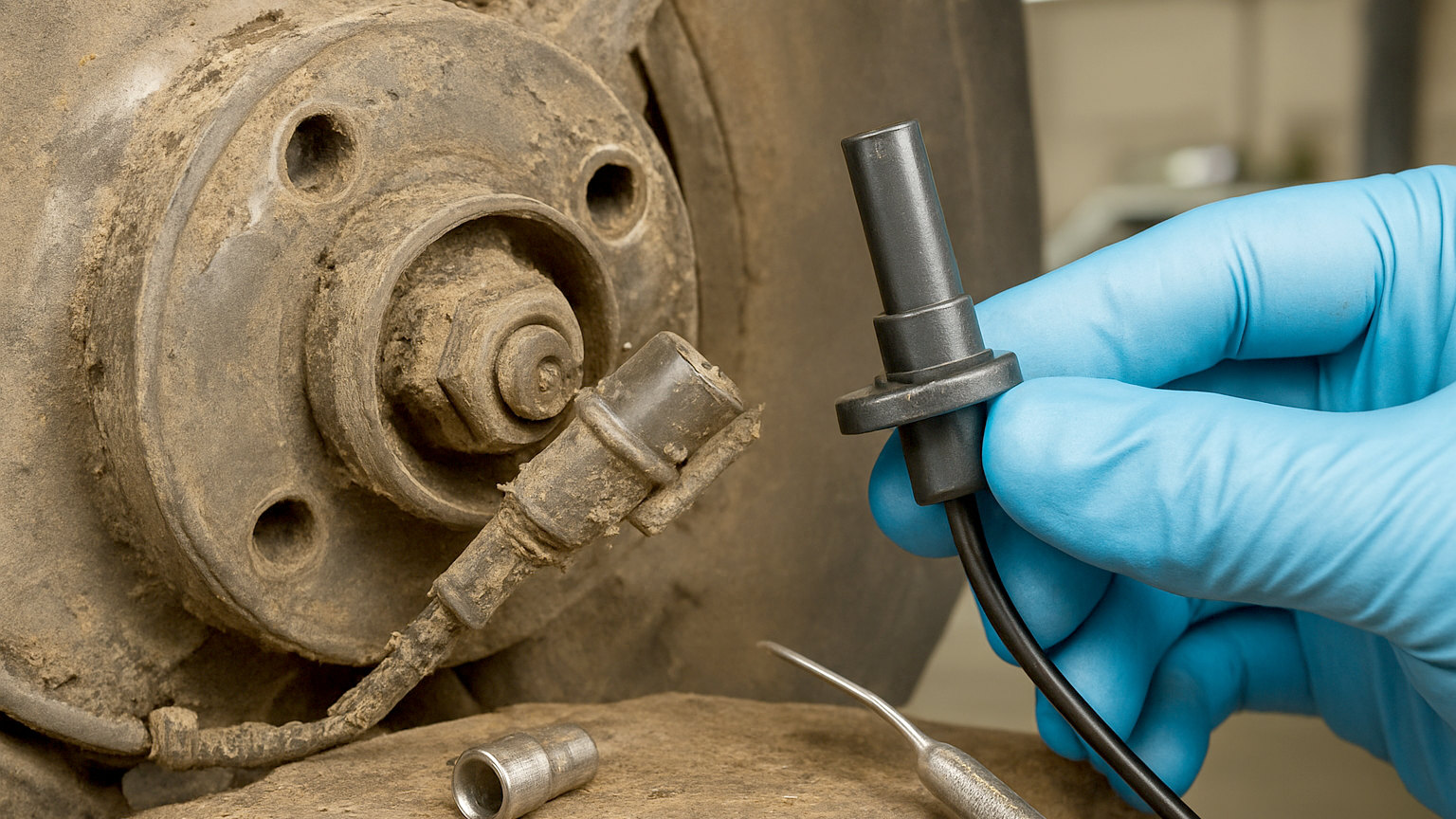
Some sensors are plug and play and others need teaching, and skipping that step produces a fault that looks like a faulty new part.
By Car Problems Team
28 Apr 2026

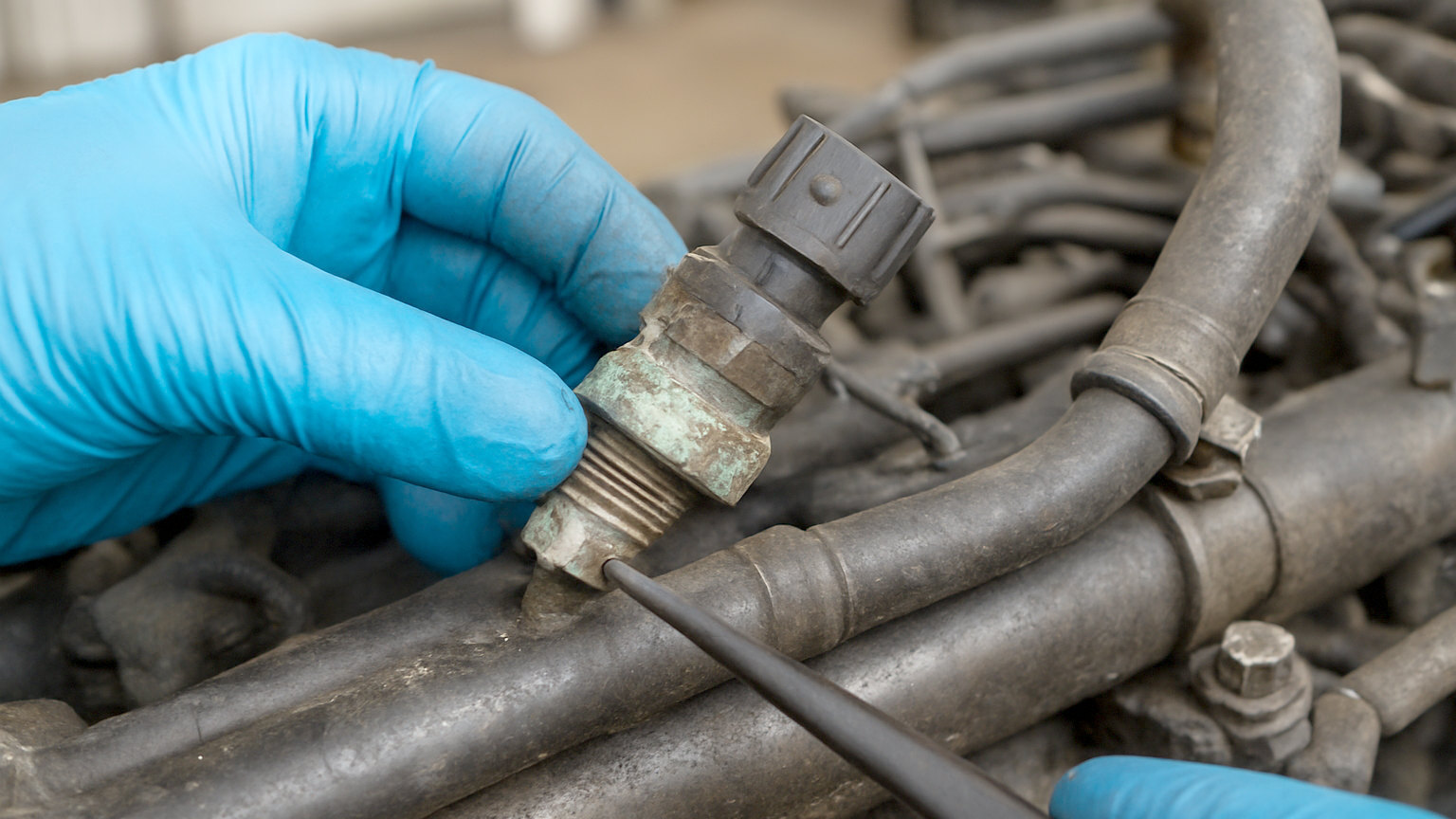
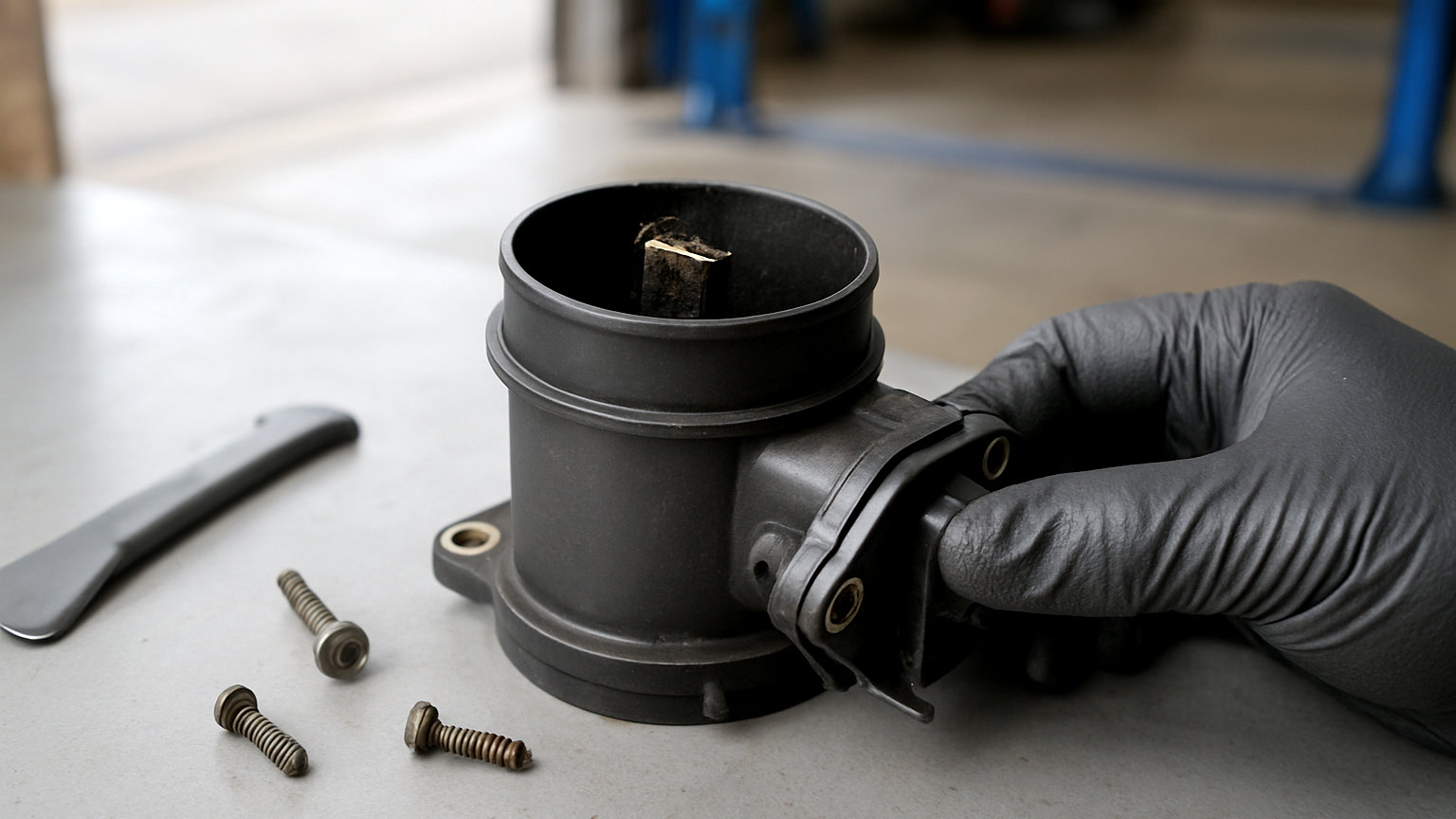
Lambda, MAF, ABS, crank and parking sensors - what each one does, the symptoms when it fails, and why a fault code names a circuit and not a part.
Some sensors are plug and play and others need teaching, and skipping that step produces a fault that looks like a faulty new part.
Common rail systems control pressure by feedback, so a sensor reporting the wrong figure makes the whole system chase a phantom.
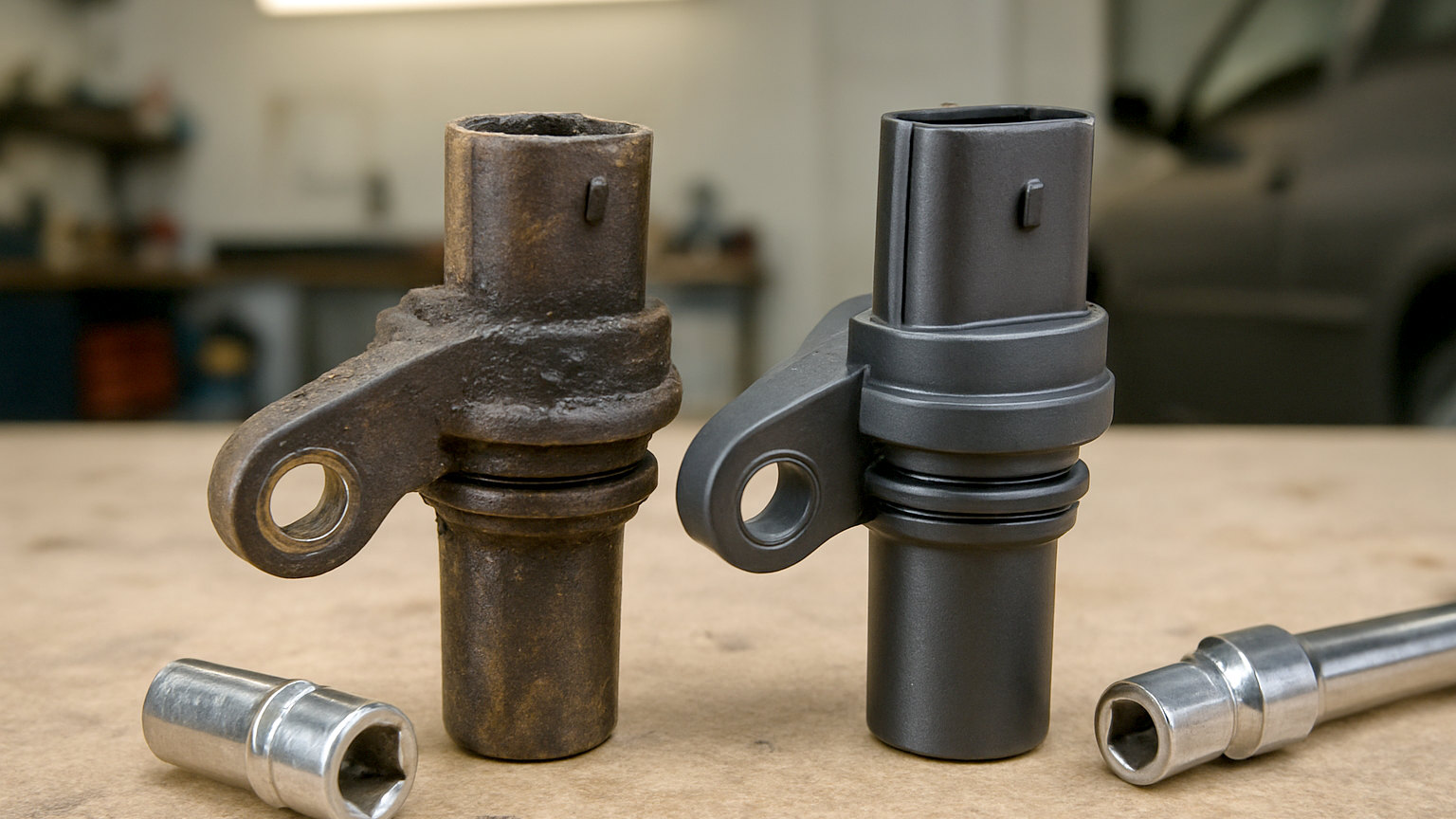
Cleaning restores a sensor that is coated and does nothing for one that has worn out, and knowing which is which saves money either way.
Some faults are recorded not because a reading is impossible but because two readings disagree, and neither sensor need be broken.
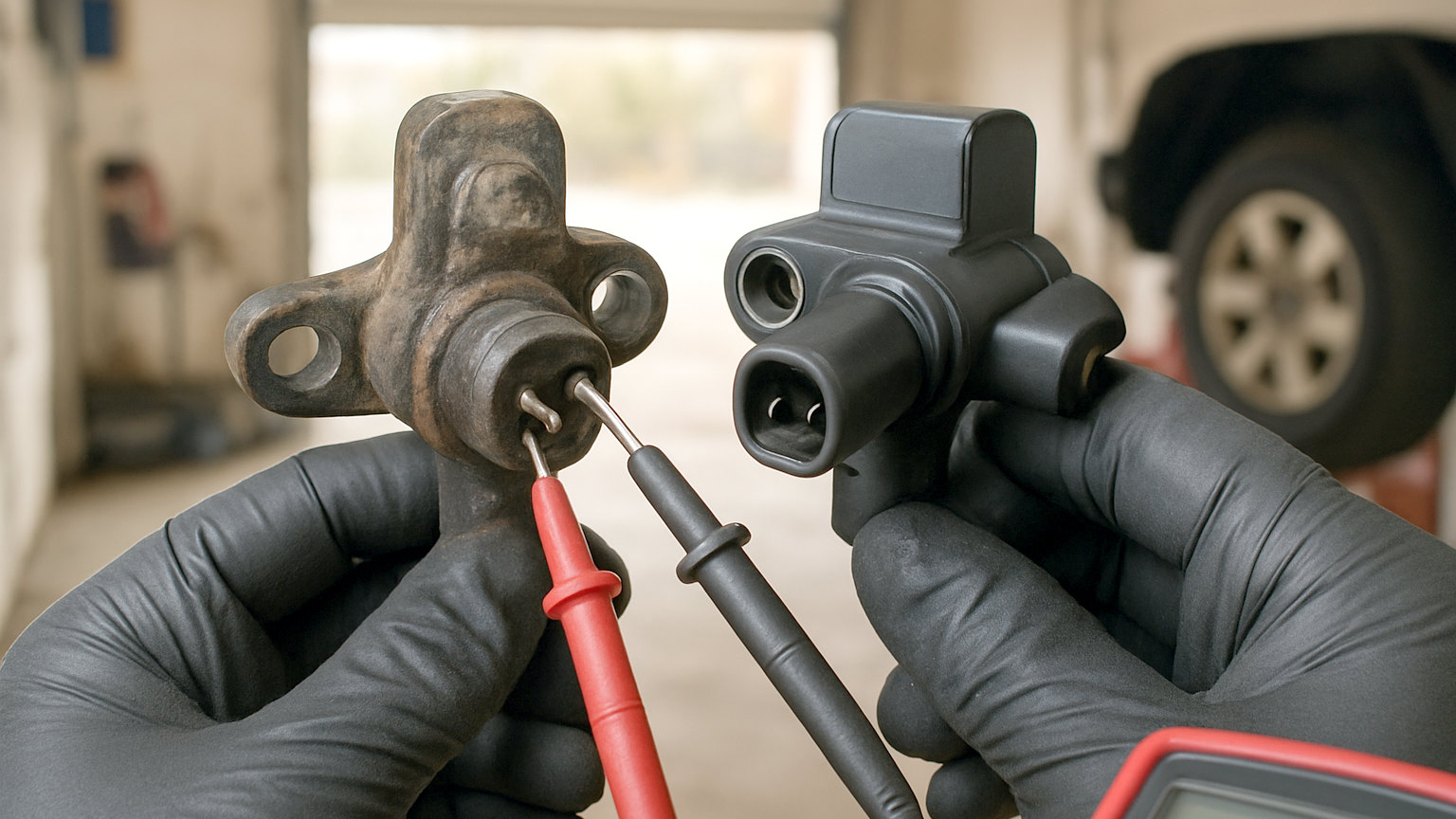
Proper sensor testing asks whether the reading is plausible, not whether a code exists, and that distinction saves a great deal of money.
Sensors are one of the few areas where the cheapest option regularly fails to work at all, and calibration is why.
A fault that appears after half an hour and clears after twenty minutes standing is describing temperature, and that narrows it sharply.
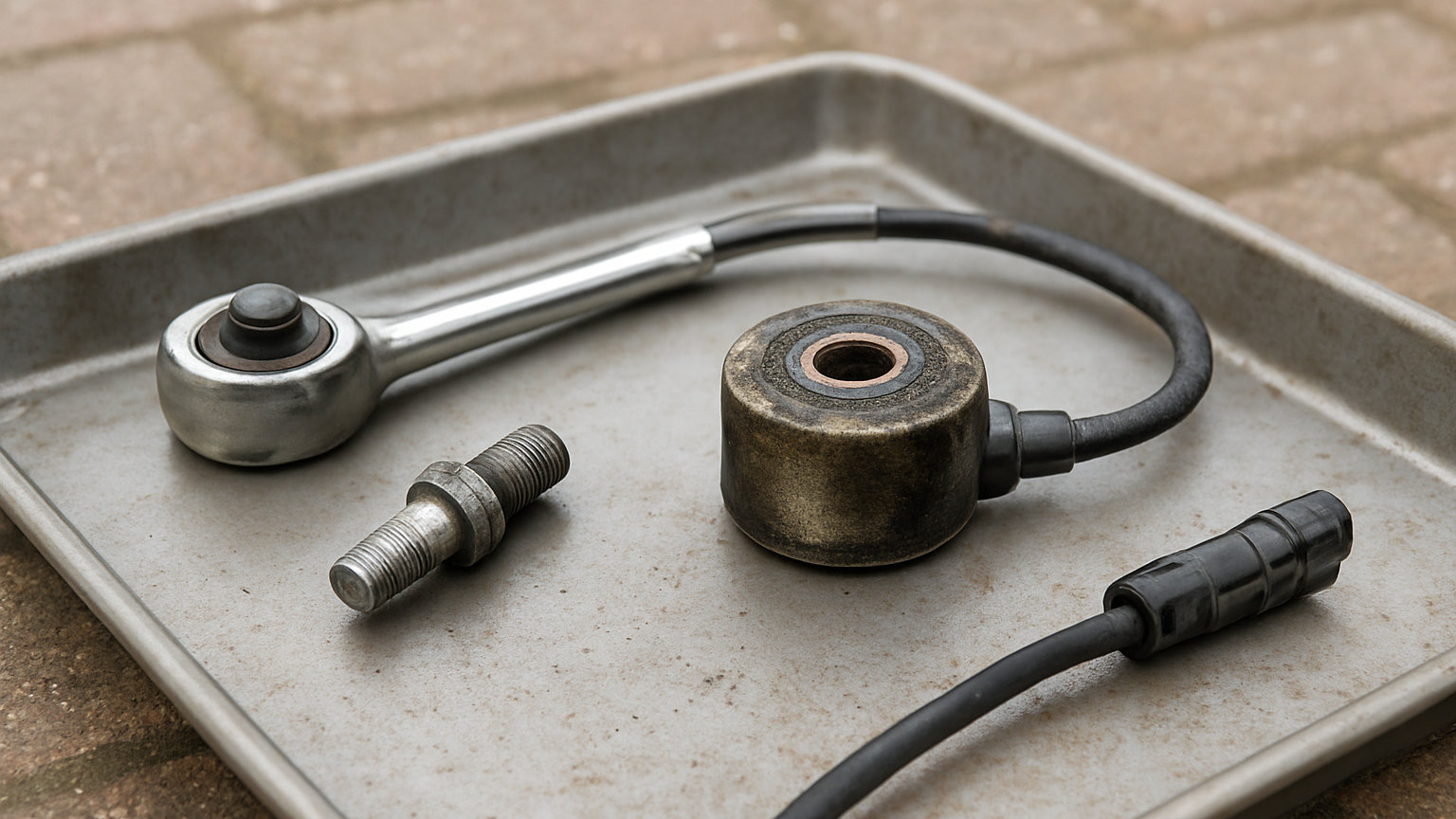
A knock sensor is a microphone bolted to the engine, and it quietly protects pistons by retarding ignition before you hear anything.
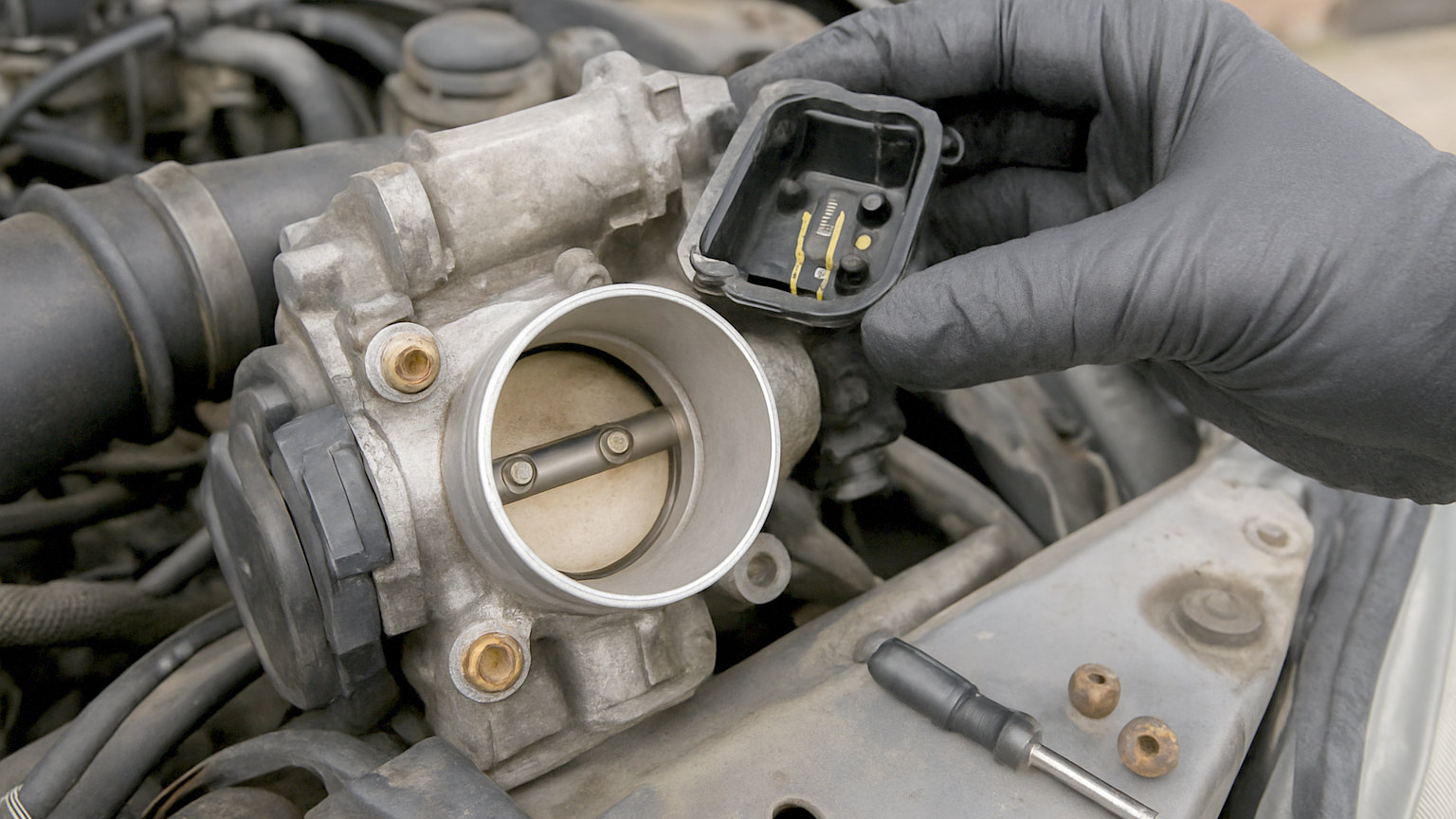
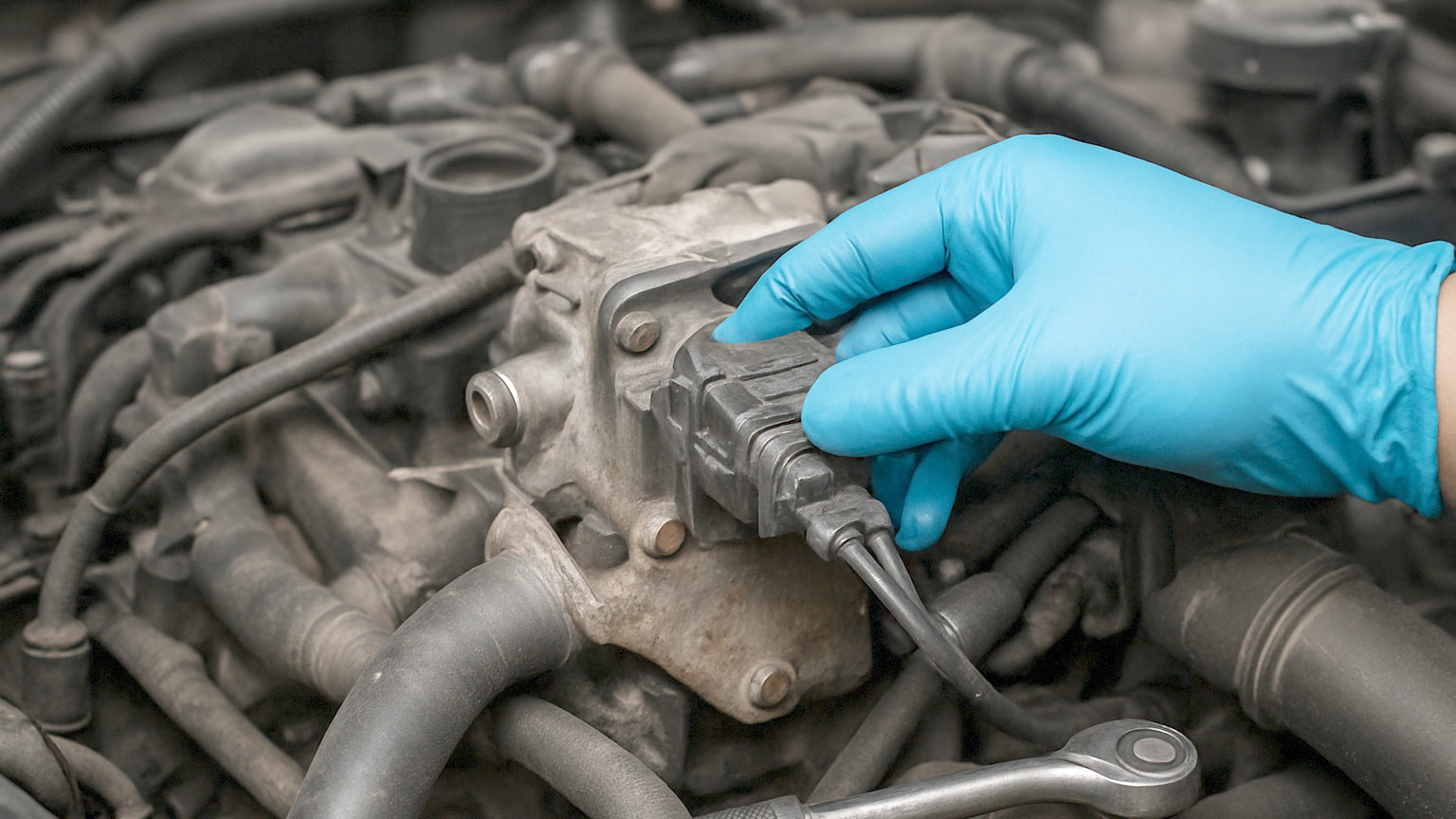
Throttle faults are felt through the pedal rather than seen on the dashboard, and modern systems use two sensors that must agree.
Almost every fuelling decision the engine makes depends on knowing how warm it is, so one wrong reading affects everything at once.