When Should Brake Fluid Be Changed?
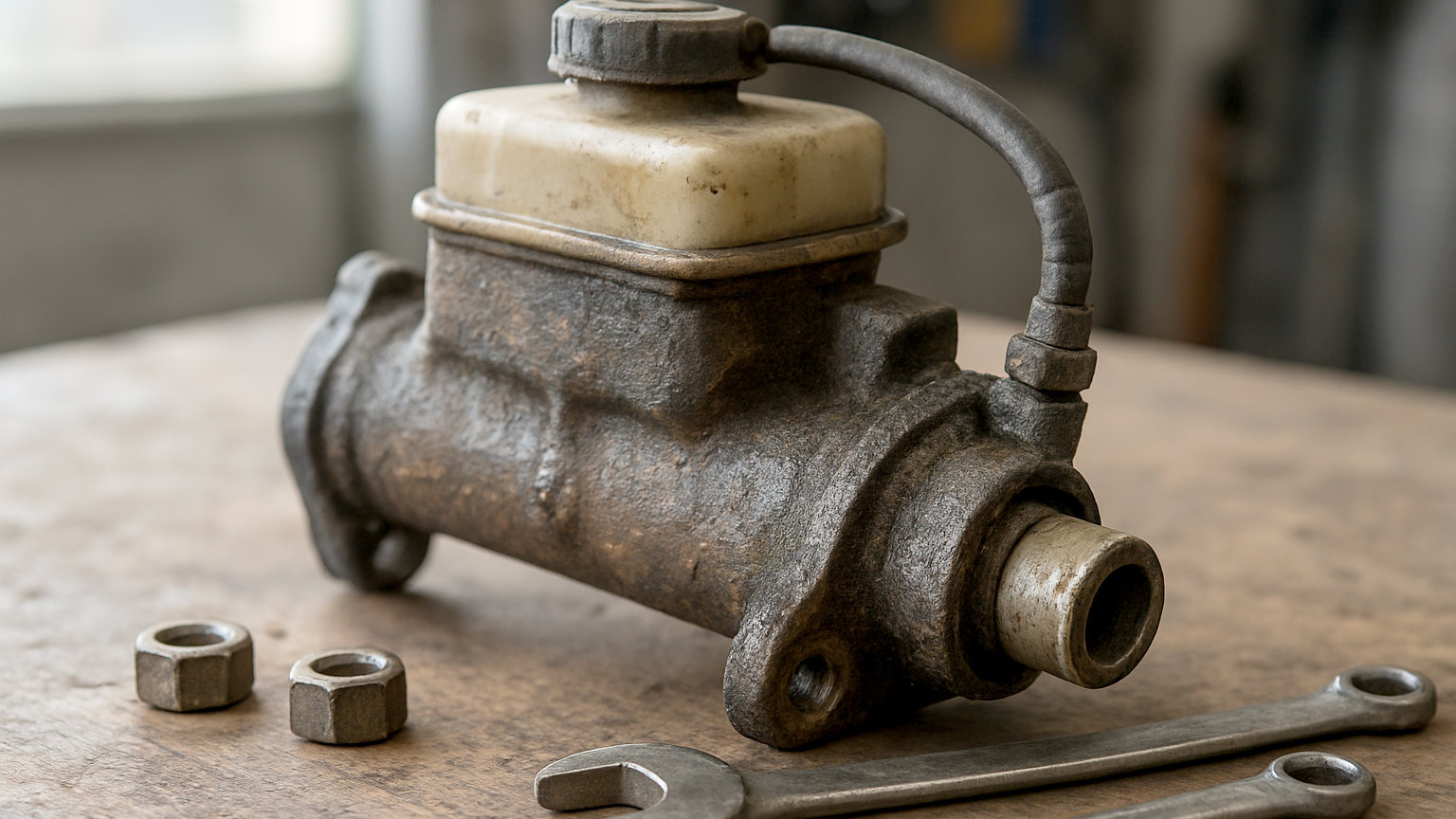
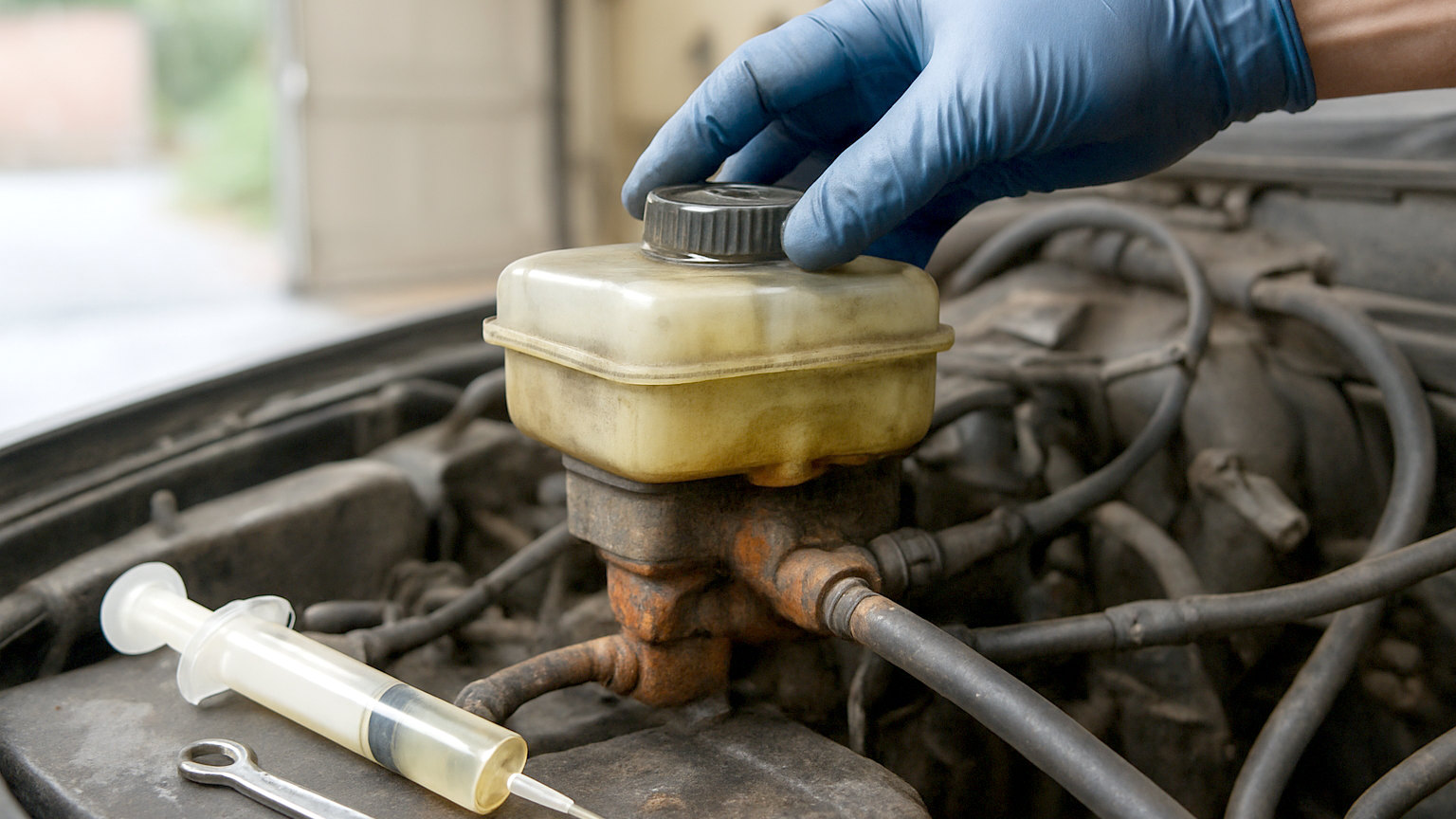
Brake fluid absorbs moisture from the air, and once it has, the boiling point falls far enough to matter on a long descent.
By Car Problems Team
23 Mar 2026

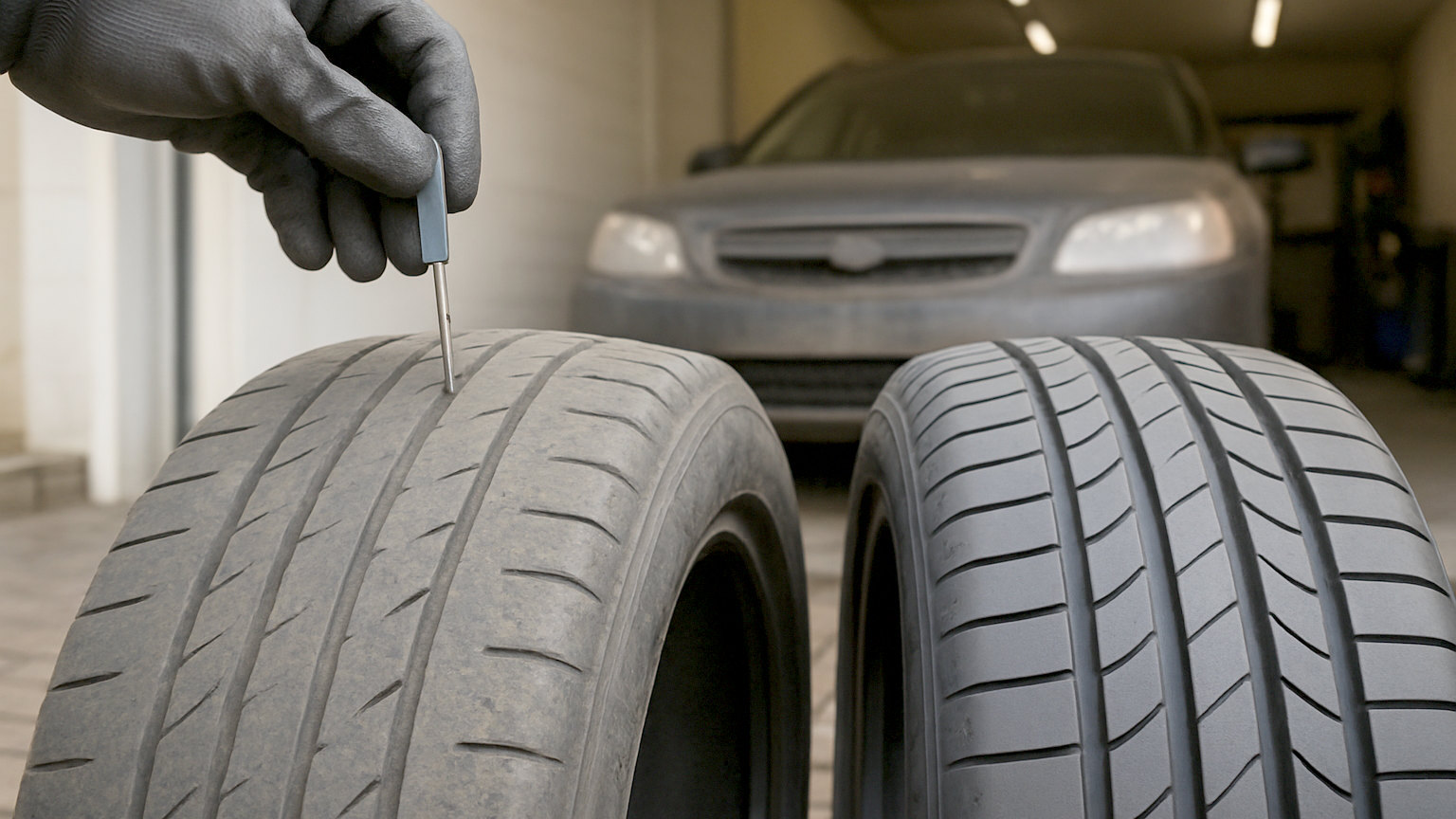
Brakes, tyres and wheels are the parts that decide whether everything else on the car matters, and they are also the parts that fail politely - a squeal you get used to, a pull to the left you steer around without noticing. These guides cover the corners of the car: what each noise means, how to read the wear pattern across a tyre, and why a car that pulls, shudders or hums at speed is usually telling you about one specific component. None of it is worth putting off, and most of it is cheaper caught early.
Brake fluid absorbs moisture from the air, and once it has, the boiling point falls far enough to matter on a long descent.
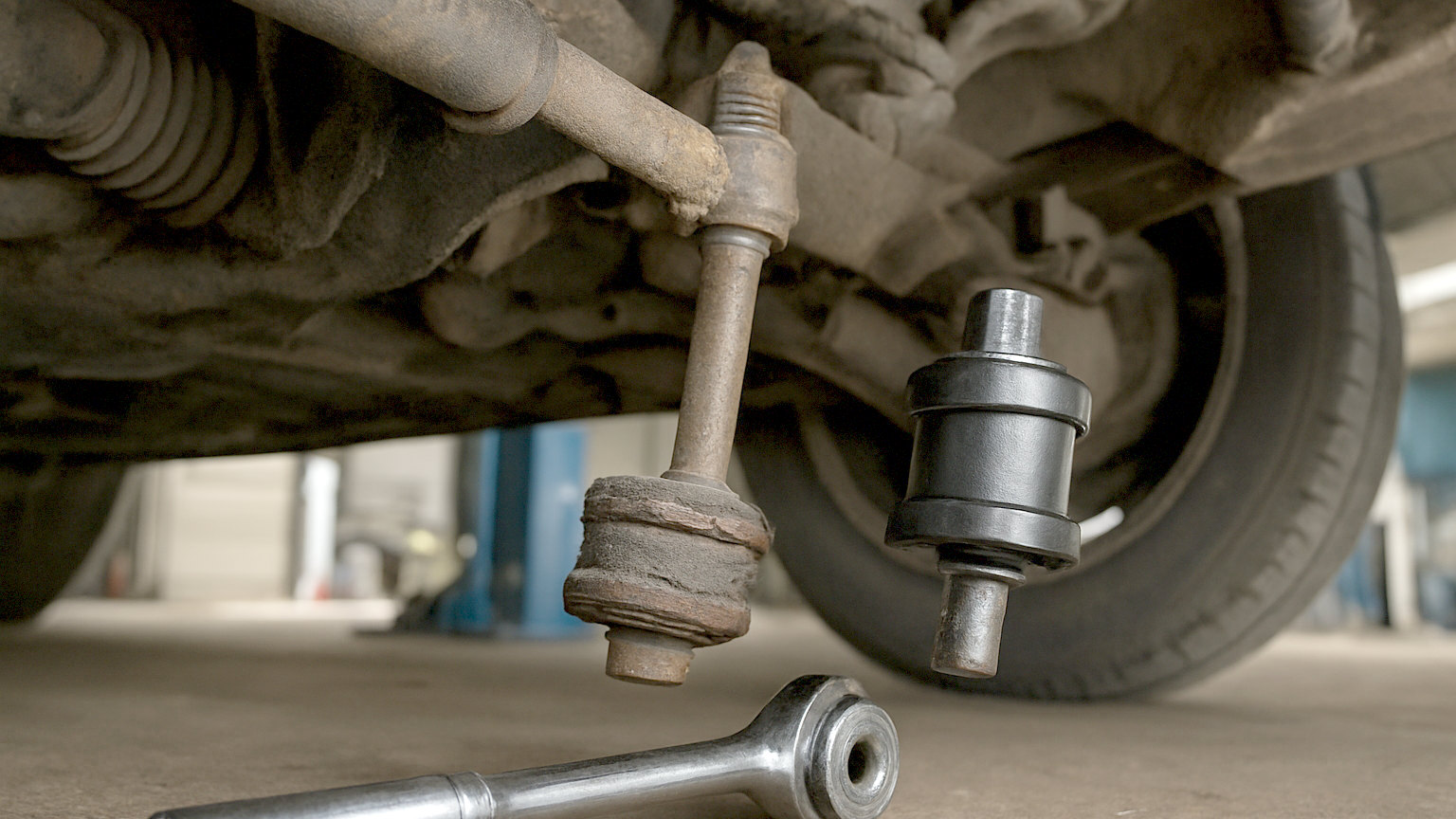
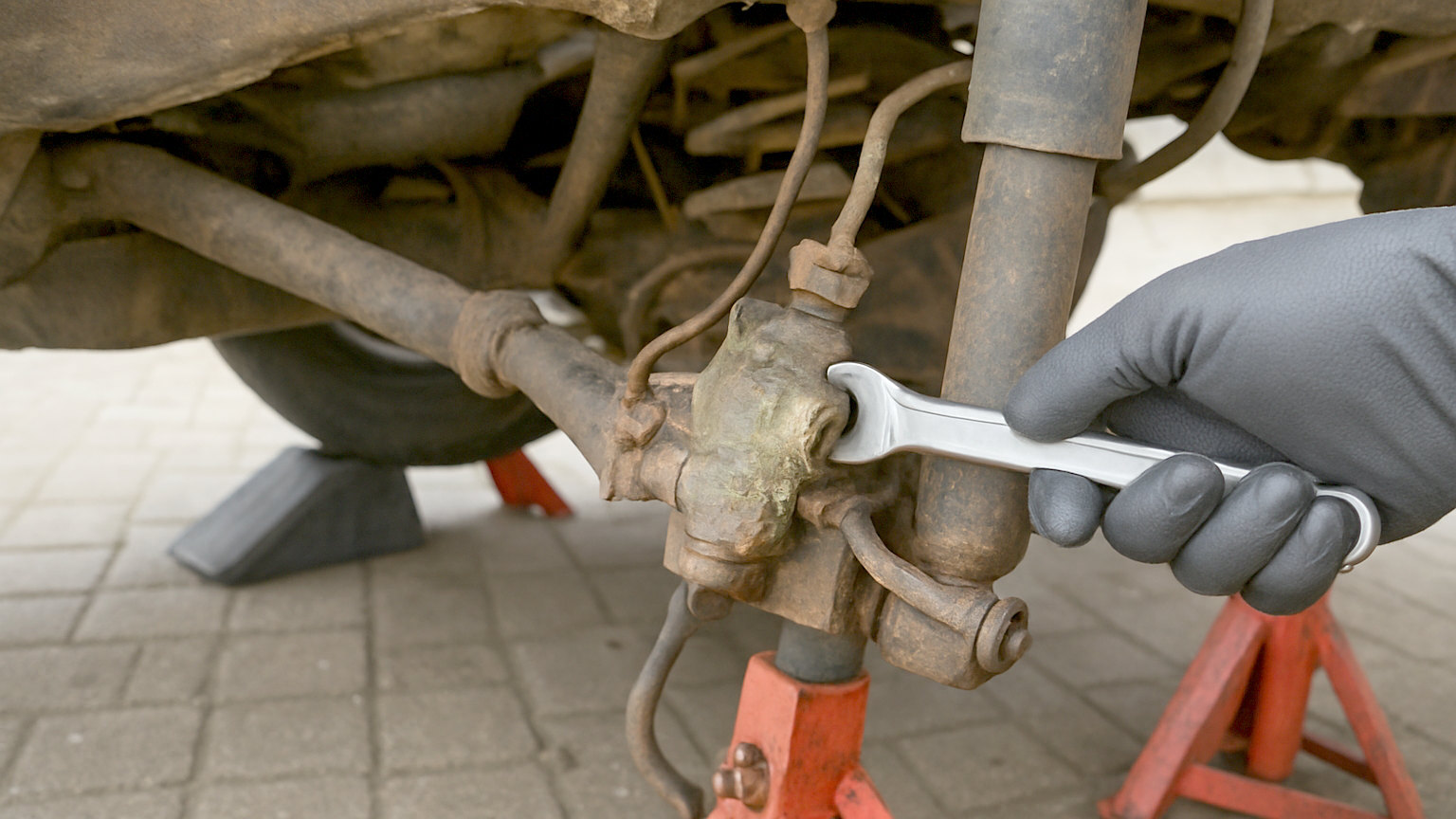
Some roll is designed in and useful, and roll that has increased or takes too long to settle is reporting worn components.
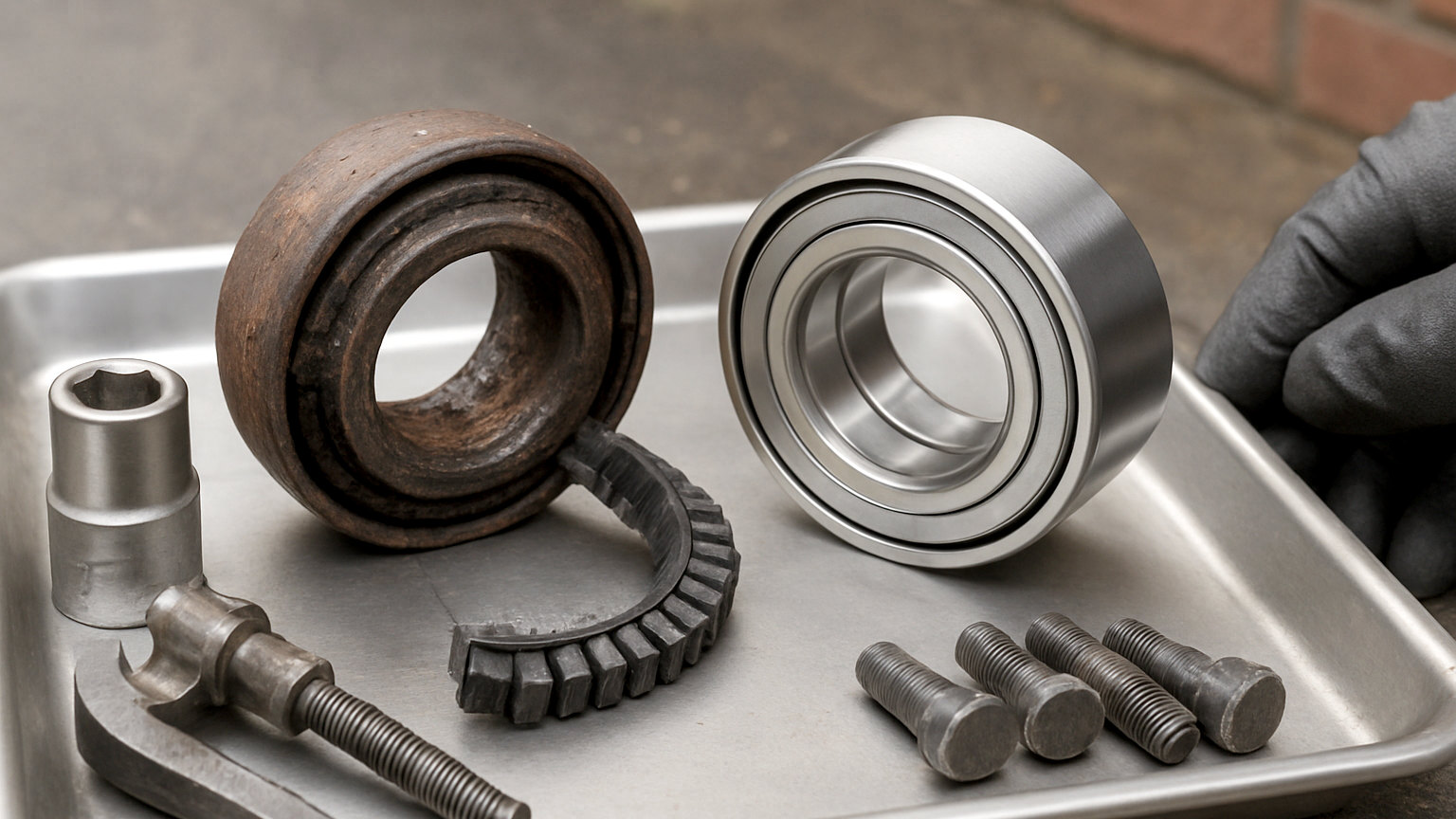
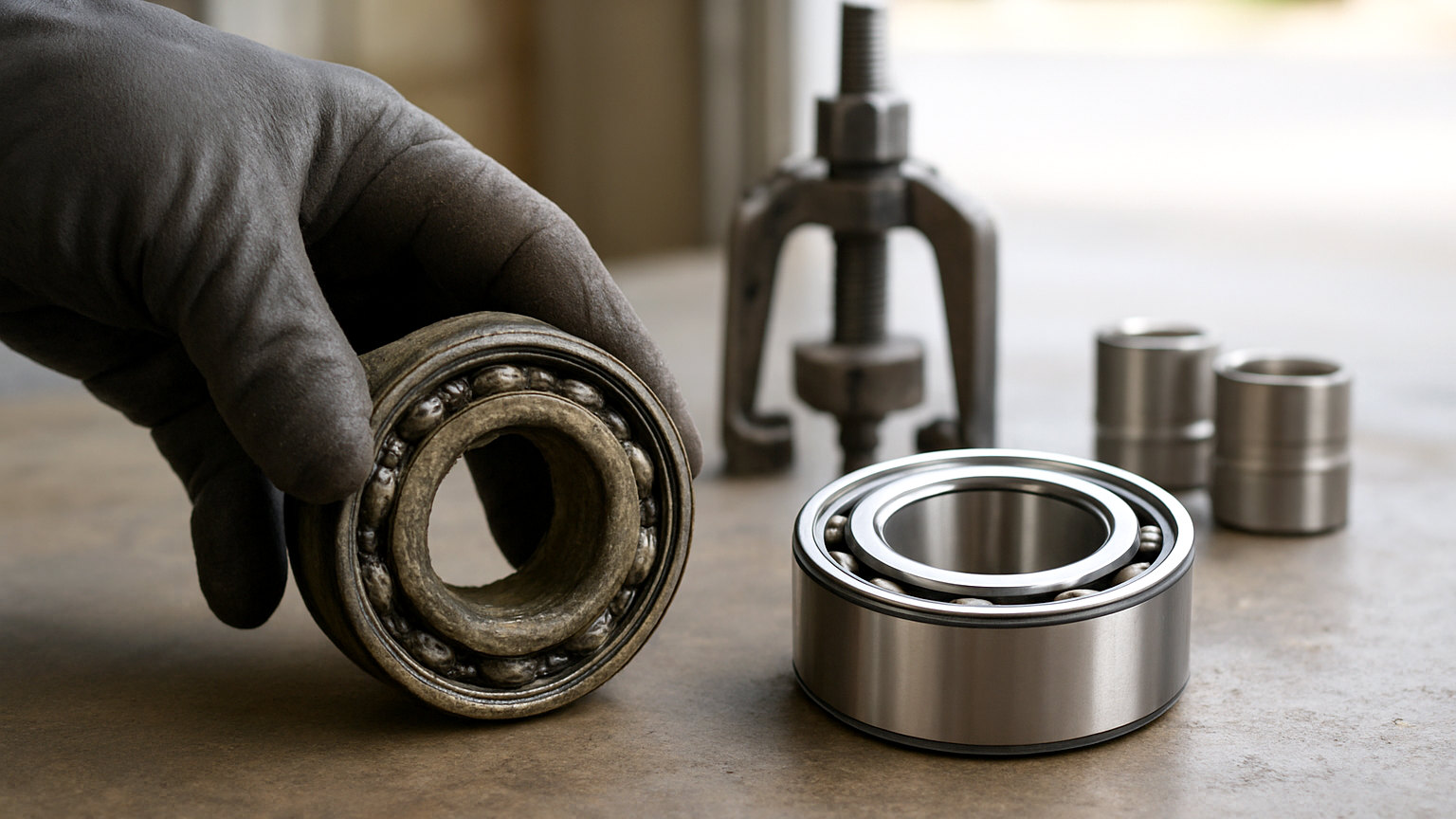
Many modern bearings contain the ABS encoder ring, so a bearing fault and a wheel speed sensor fault are frequently the same thing.
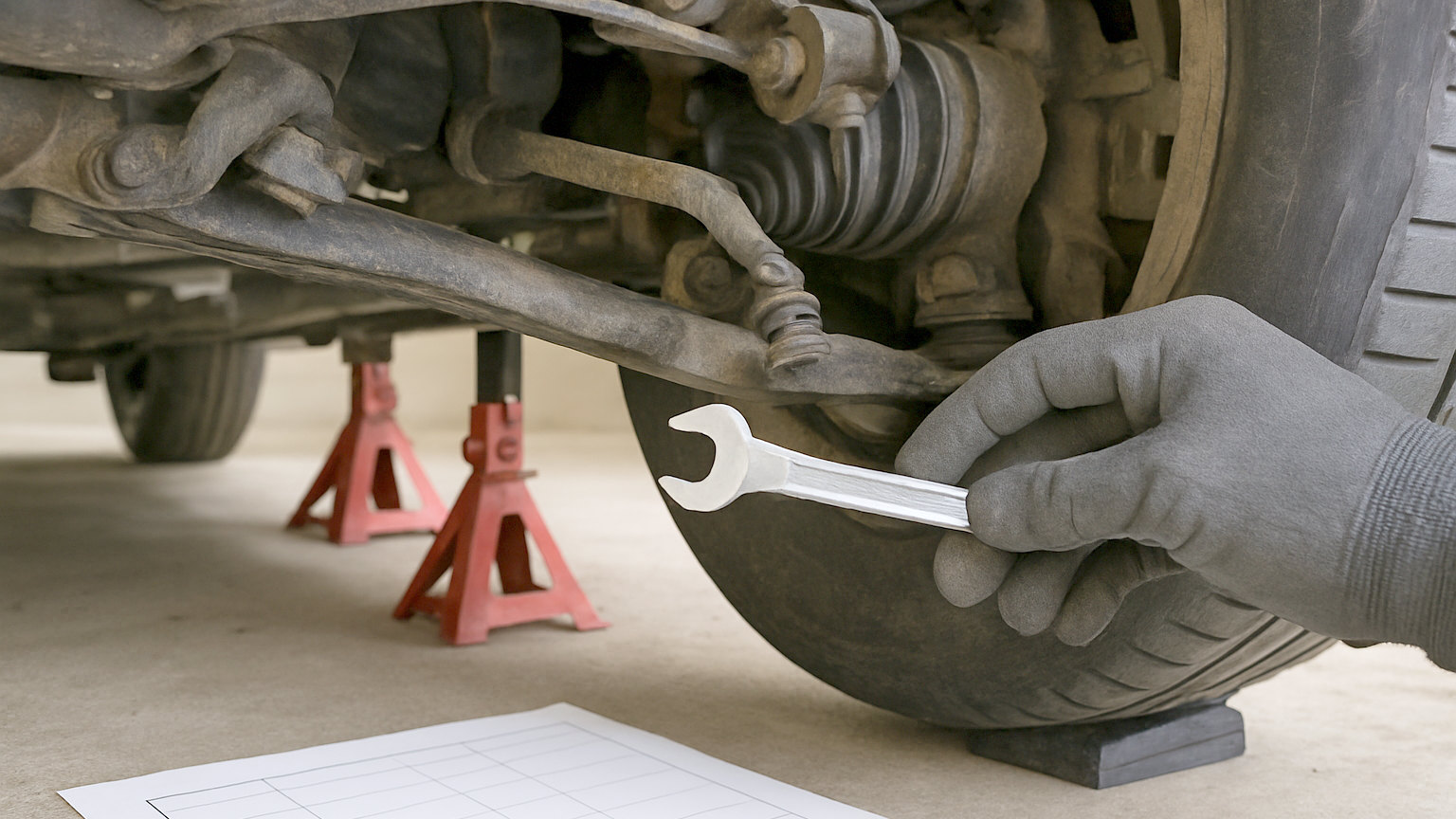
The printout shows every angle against the manufacturer tolerance, and it is the evidence that the work was actually carried out.
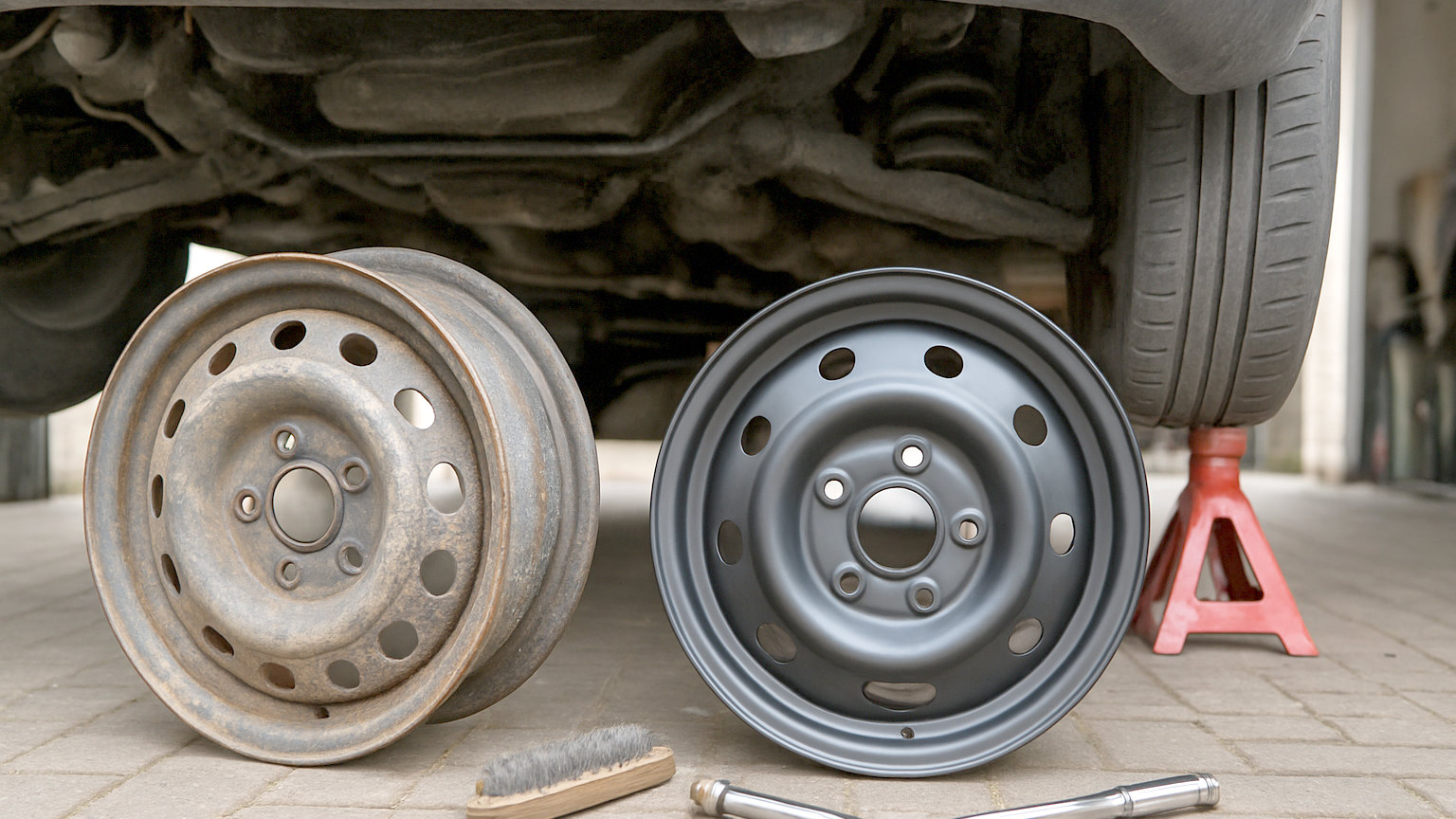
Steel wheels bend rather than crack and shrug off salt damage, which is why they remain the sensible choice for a winter set.
Part worn tyres are legal to sell under strict conditions that are frequently not met, and the saving per millimetre is smaller than it appears.
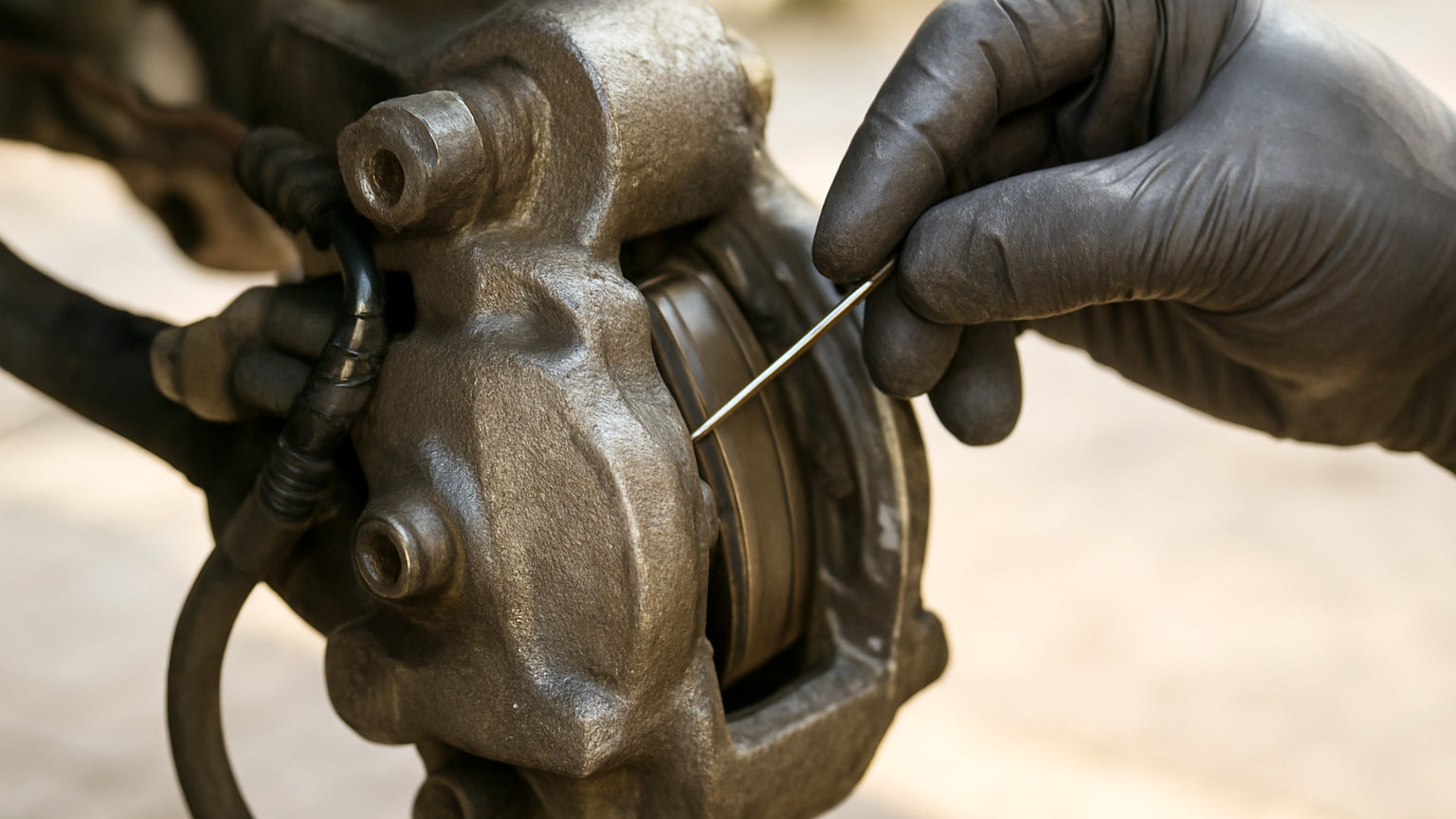
A single clunk as you first apply or release the brakes is play being taken up, and it is usually the caliper or the pad moving in its carrier.
A pedal that feels spongy or sinks under steady pressure is reporting air or a leak, and it is the one brake symptom to act on immediately.
Weight in the boot sits behind the rear axle on most cars, which lifts the nose, alters the balance and changes braking distances.
A mild hum gives you time to plan the repair, and a bearing that is grinding or has play in it does not.