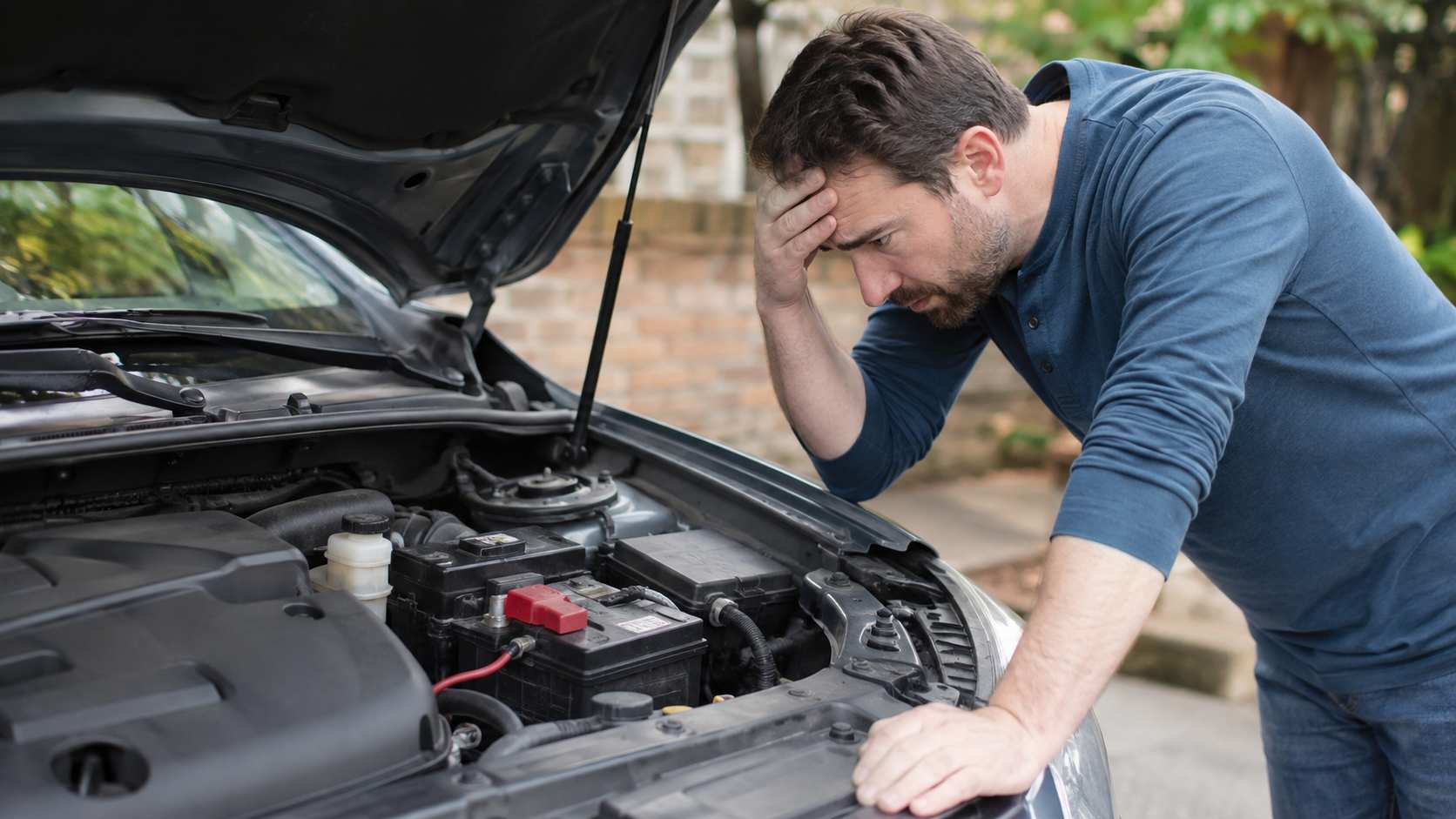
Why Does My Car Start Better on the Second Attempt?
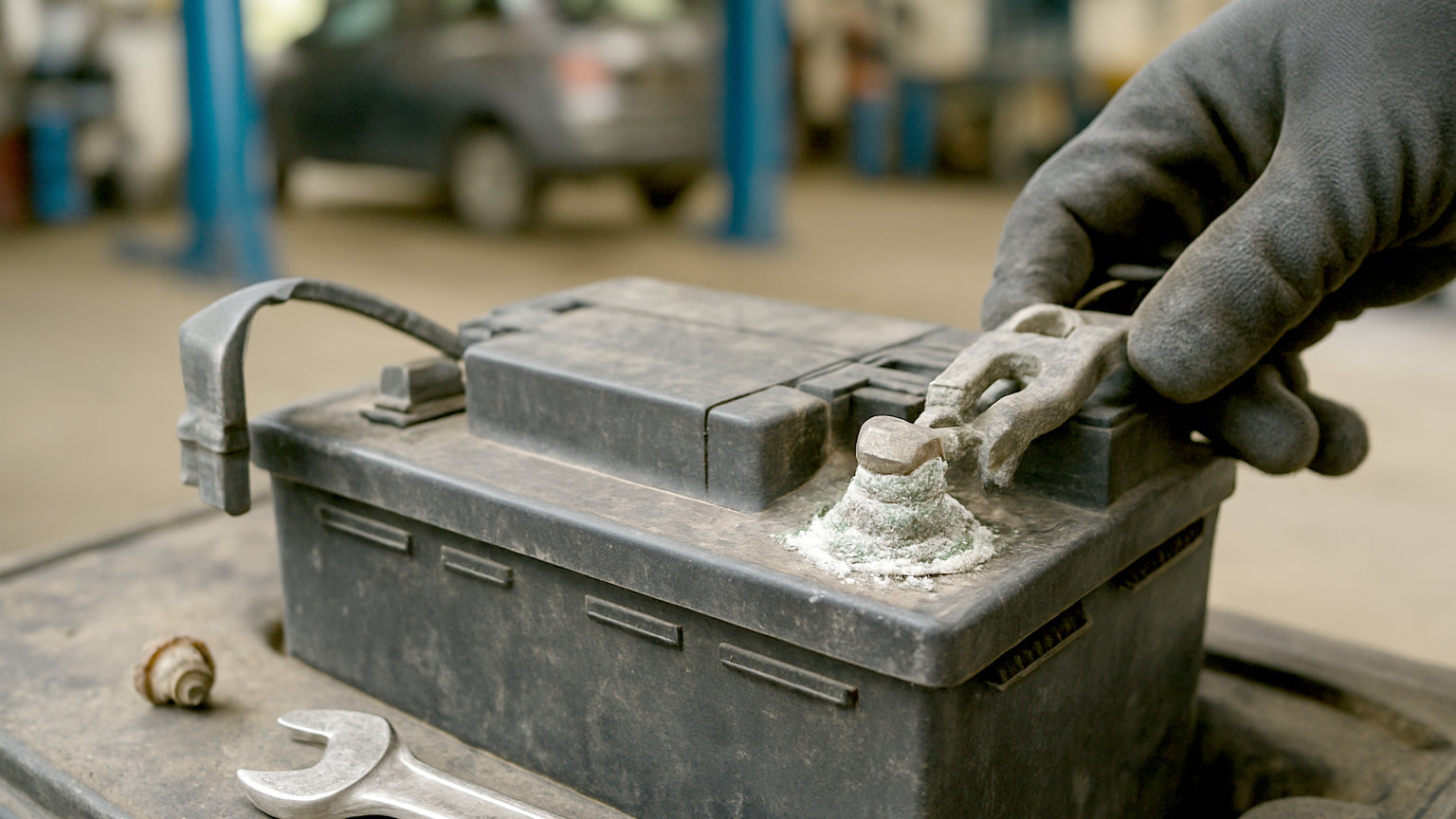
An engine that struggles first time and fires readily afterwards is usually losing fuel pressure overnight or reporting a tired battery.
By Car Problems Team
13 Aug 2026

Turning over but not firing, clicking, or nothing at all - what each one means, and the checks that separate a battery from a starter from a fuel problem.
An engine that struggles first time and fires readily afterwards is usually losing fuel pressure overnight or reporting a tired battery.
A new battery that does not fix the problem usually means the battery was never the fault, or something is flattening it faster than it can charge.
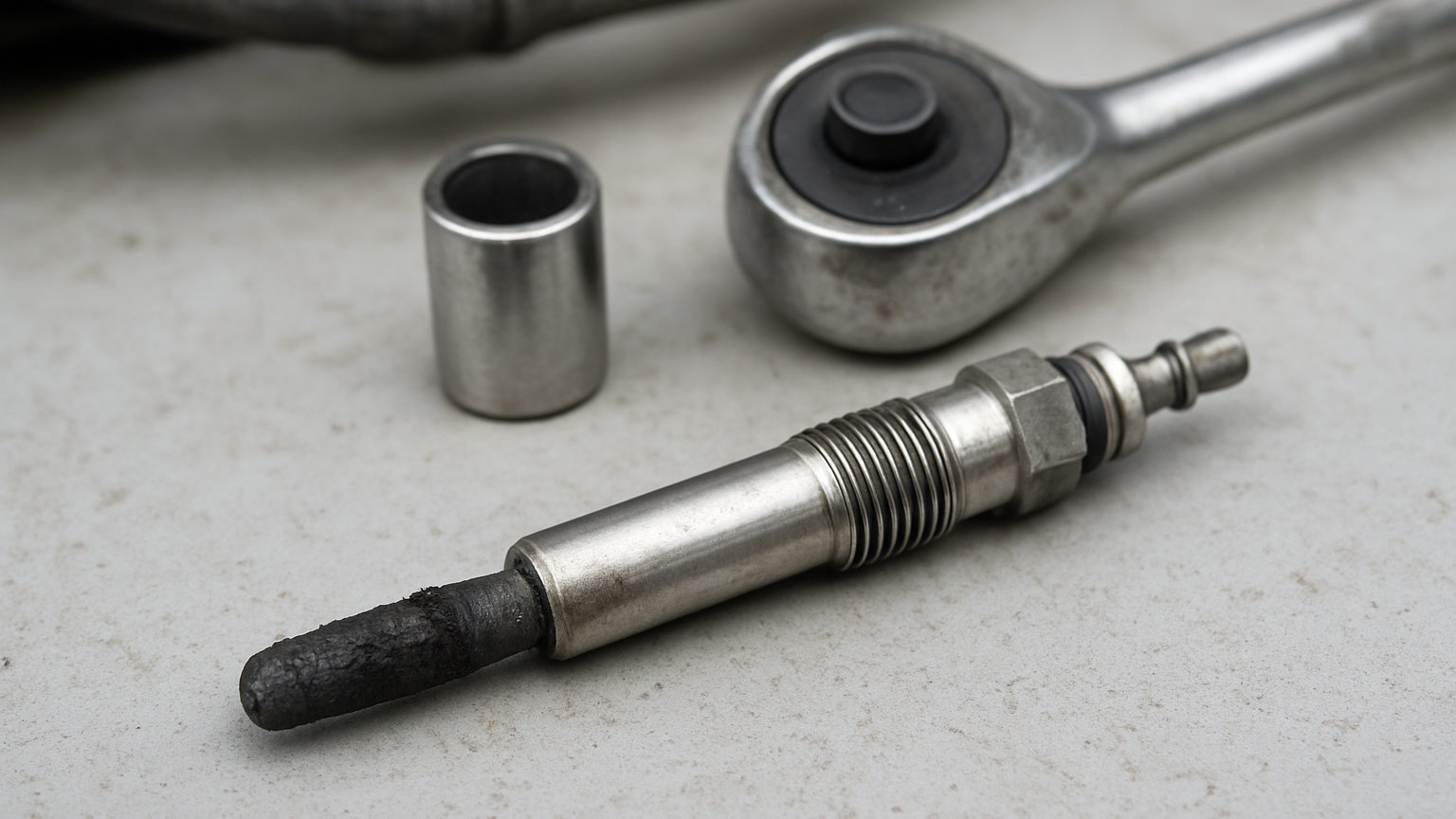
Diesels have no spark, so cold starting depends entirely on heat. When glow plugs fail, the car starts in autumn and gives up in January.
When the dashboard lights up and the key does nothing, the fault is usually in the chain of permissions between the key and the starter.
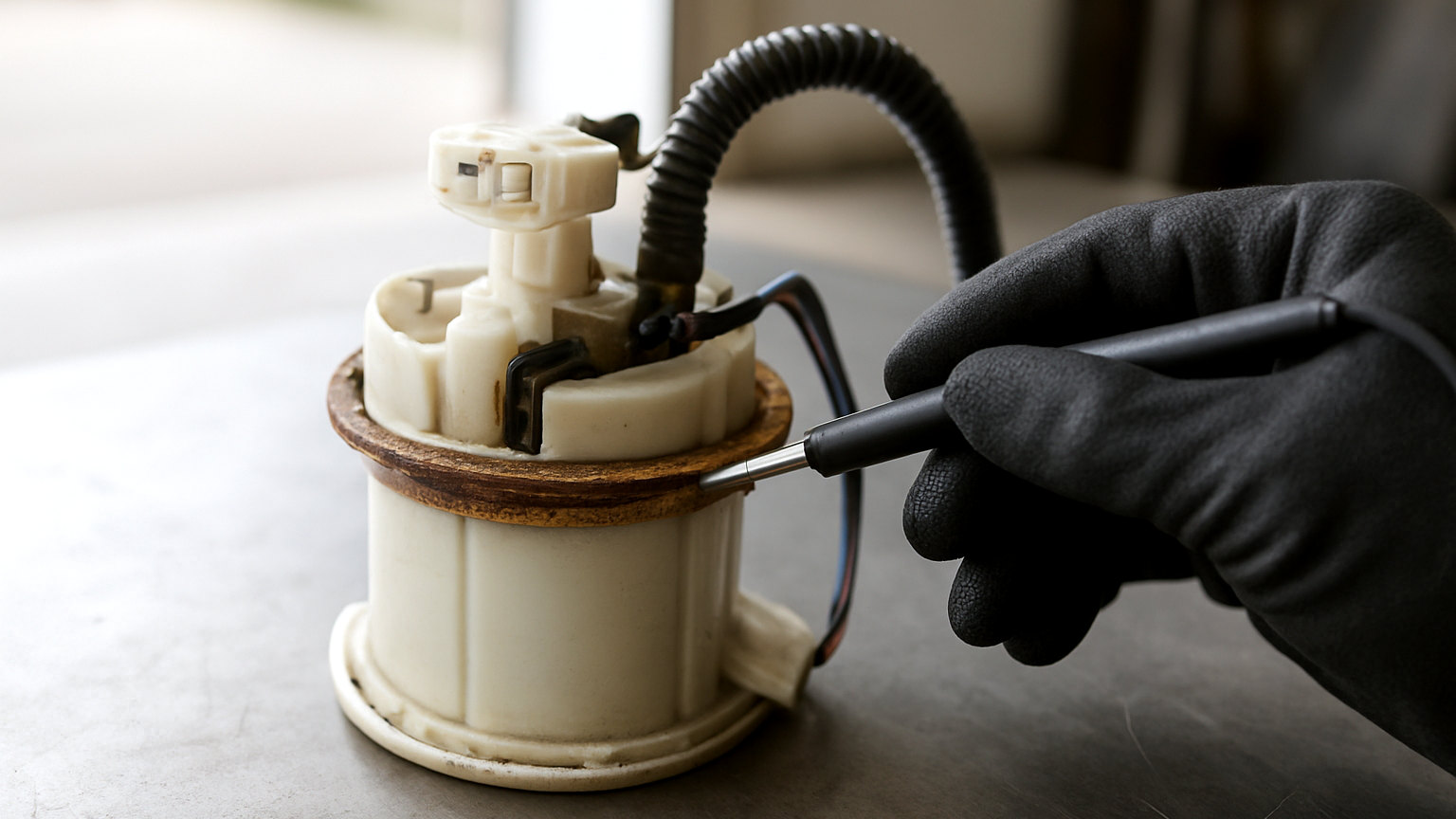
Fuel faults have a distinctive fingerprint: strong cranking, no firing, and a silence where the pump prime should be.
A car that starts perfectly cold and refuses when hot is describing a heat-related fault, and that pattern points at a handful of specific parts.
Jump starting is simple, but the order of the leads matters and a few modern cars need care. Here is the sequence that avoids damage.
An engine that catches and dies within seconds has proved it can run. Something is removing fuel, air or permission a moment later.
Working lights and radio prove almost nothing about whether the battery can start the engine, and misreading that costs people money every day.
Cars that stand still lose charge, gain moisture and go stale. Knowing which of those has happened decides whether you jump start it or call someone.