What Should You Do If a Car Has Been Flooded?
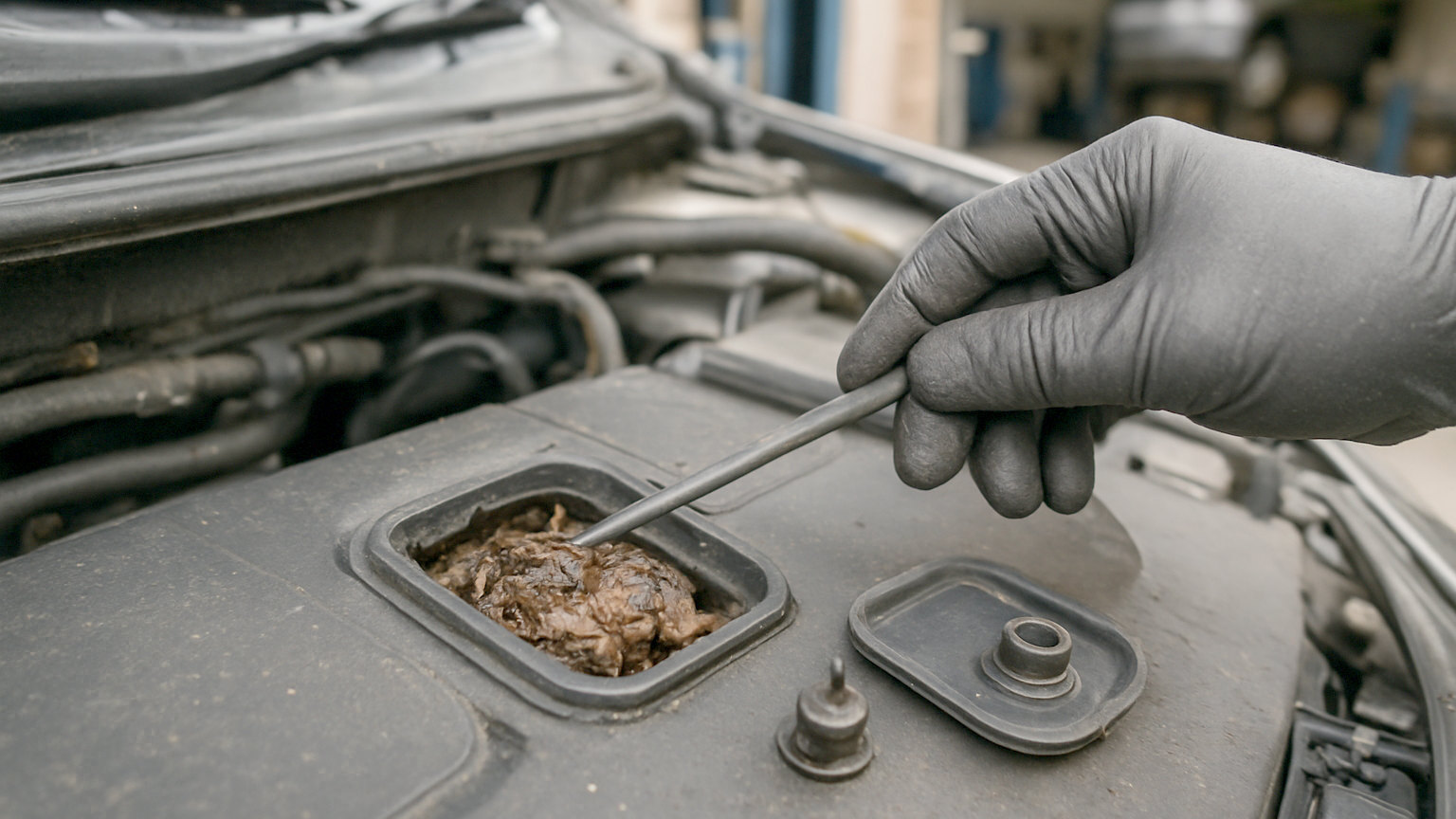
The depth the water reached determines everything, and starting the engine before checking is the mistake that turns a repairable car into a write off.
A wet footwell, damp carpets and misted windows - the drains, seals and sunroof tubes to check, and why finding the entry point takes patience.
The depth the water reached determines everything, and starting the engine before checking is the mistake that turns a repairable car into a write off.
Most leaks come from drains that block rather than seals that fail, which makes them among the few faults that are genuinely preventable.
A persistent leak is rarely an insurance matter in itself, and flood damage is, and the two are treated completely differently.
Driving flexes the body, changes the pressure inside the cabin and drives water upwards, so leaks appear that a static hose test never finds.
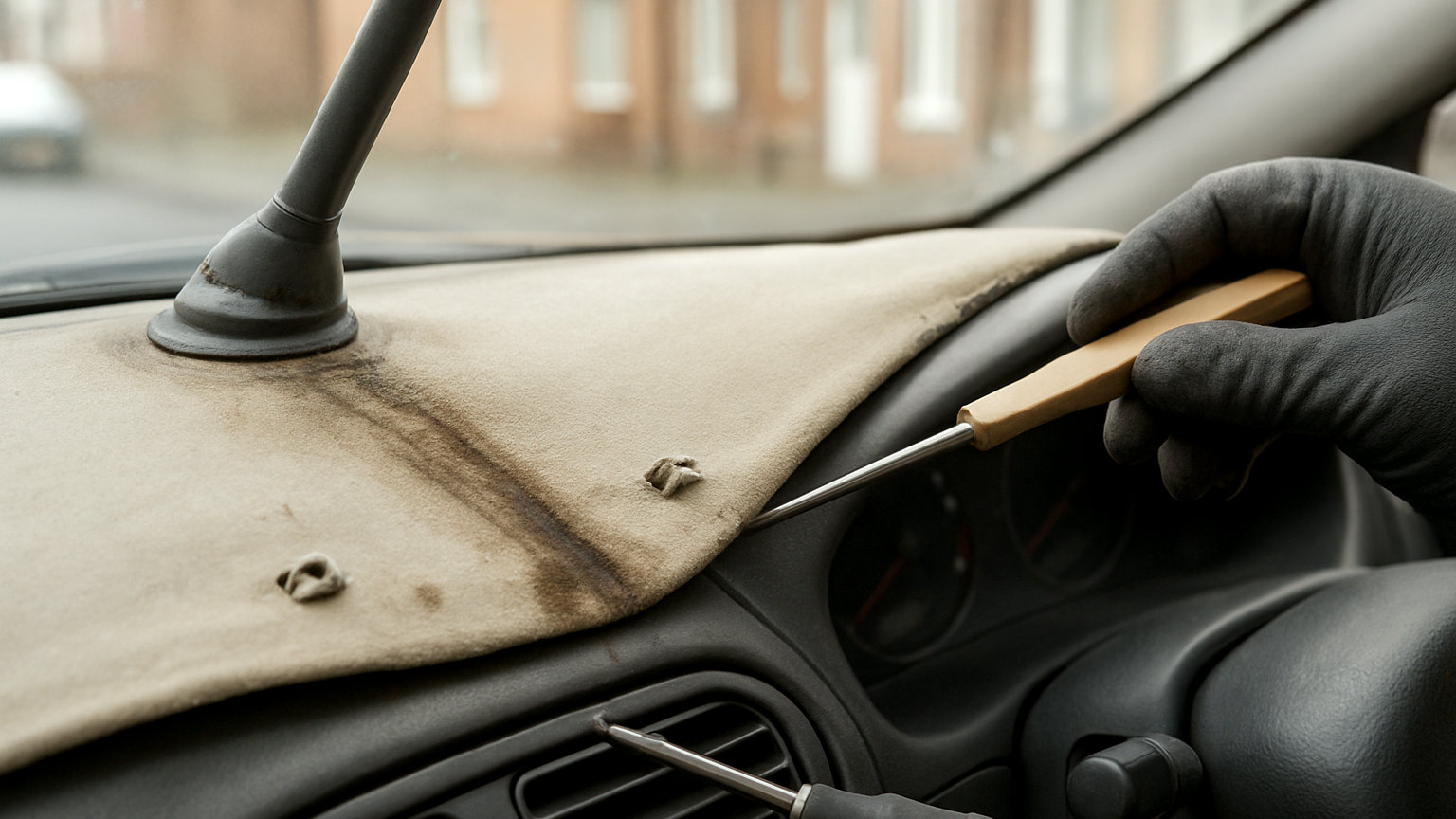
Water appearing at the roof has entered somewhere higher still, and the roof carries more fixings and seams than people realise.
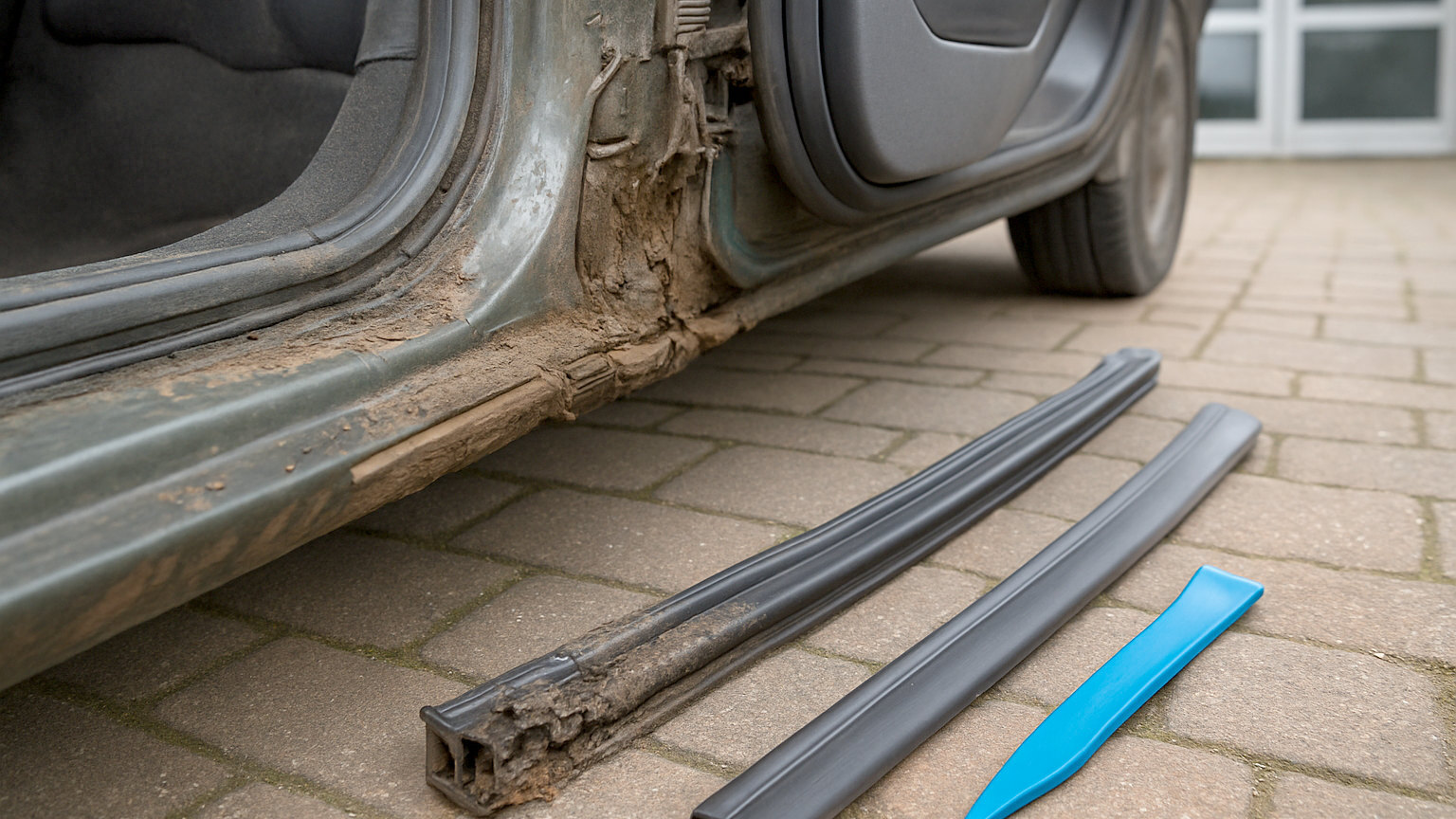
Rubber seals harden, shrink and tear with age, and conditioning them is one of the few genuinely preventative jobs available.
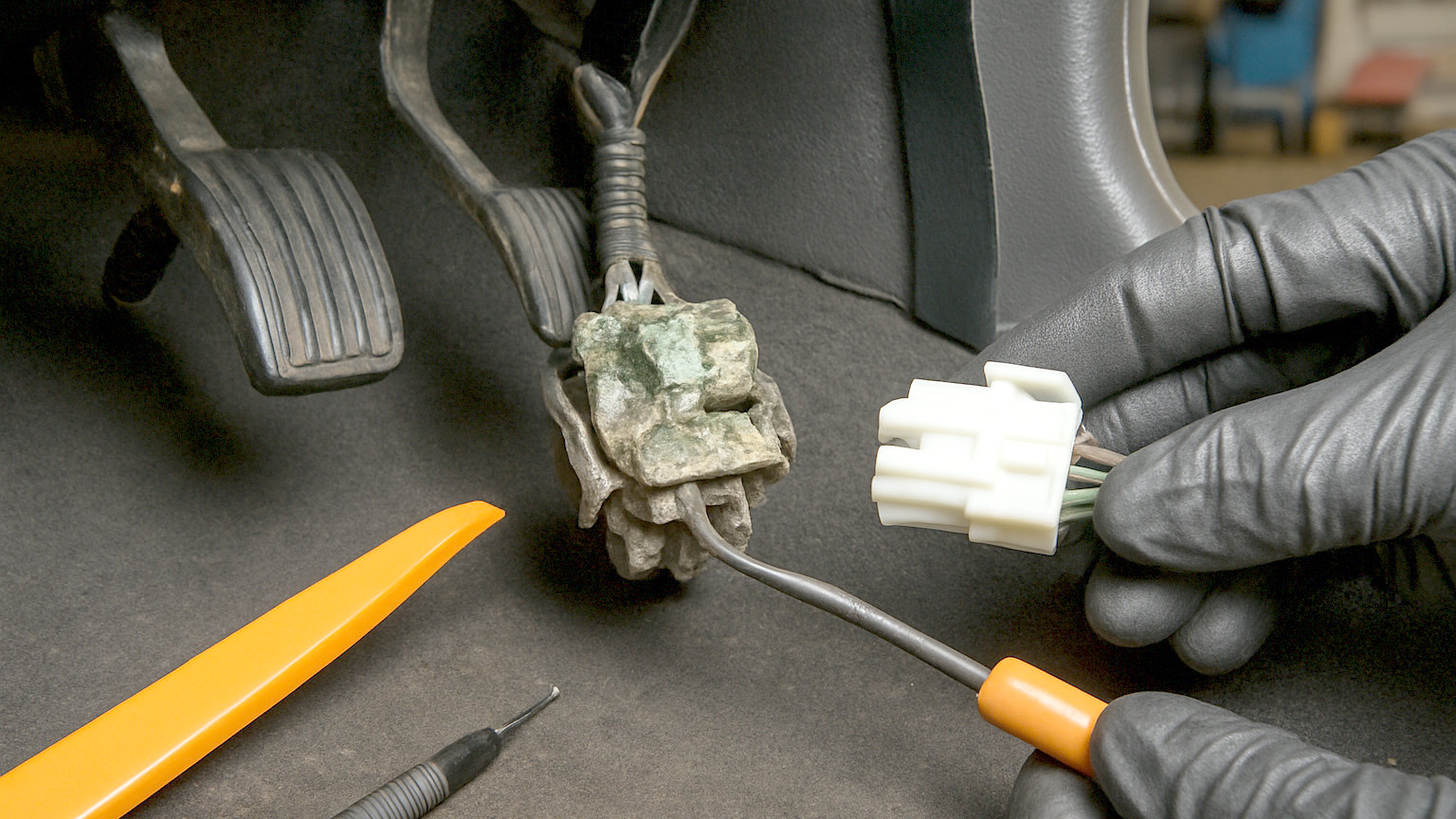
Modules and connectors are frequently mounted low in the cabin, so a leak that seems cosmetic can produce faults costing far more than the repair.
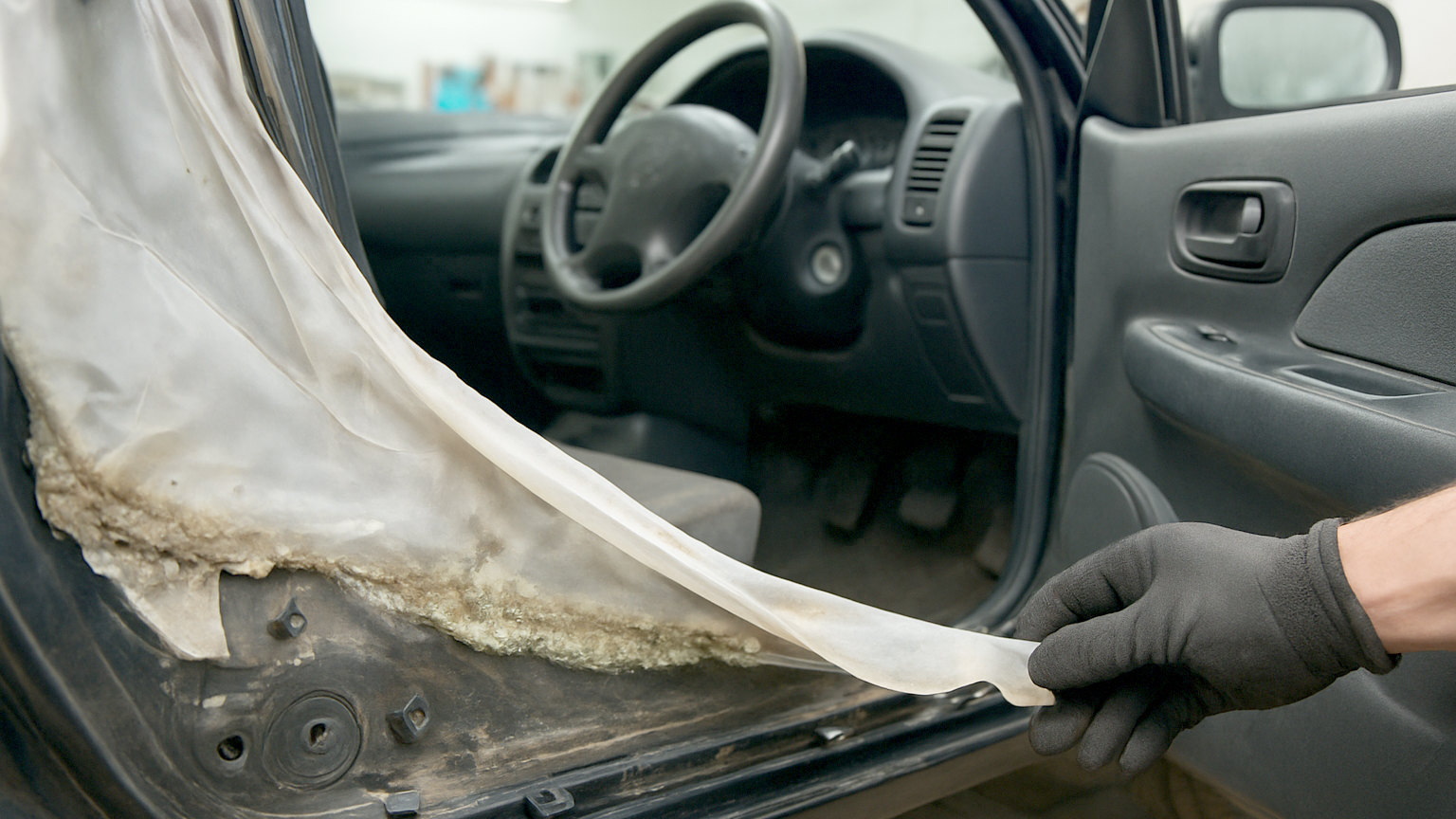
A persistent damp smell means water is present somewhere, and masking it with a fragrance leaves the moisture doing its work.
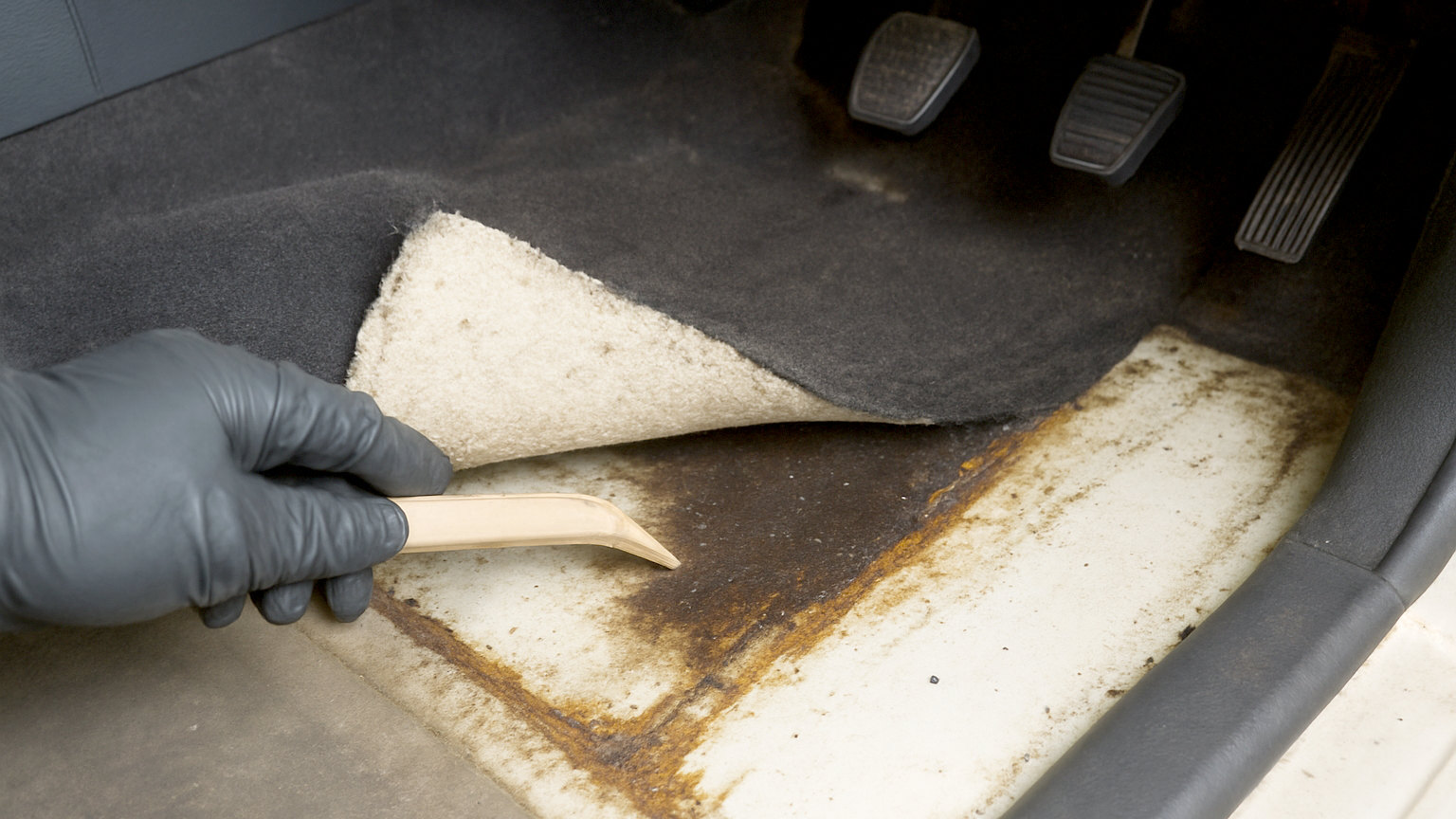
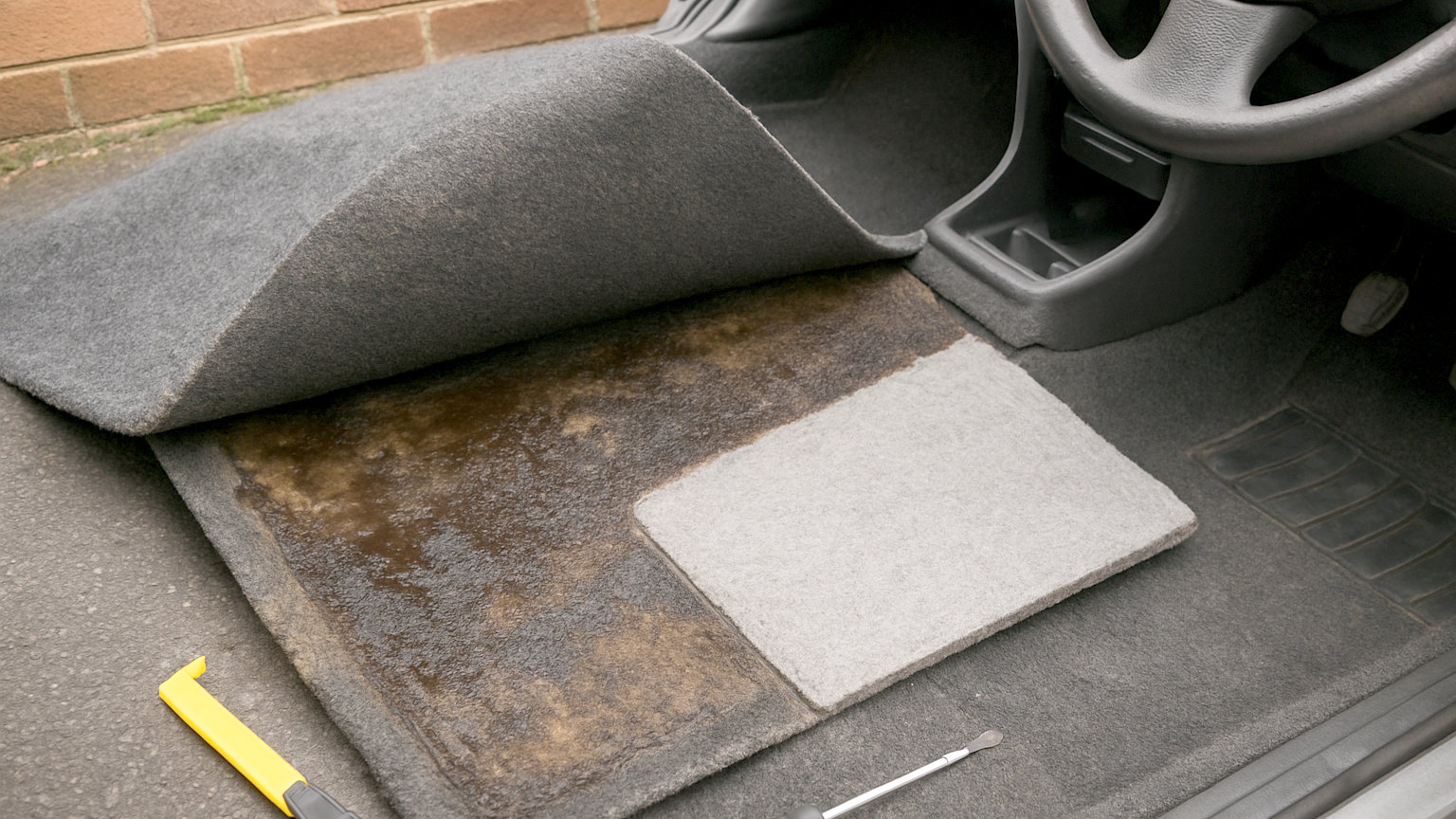
The carpet is not the problem, the foam underlay beneath it is, and that will not dry in a closed car whatever you do.
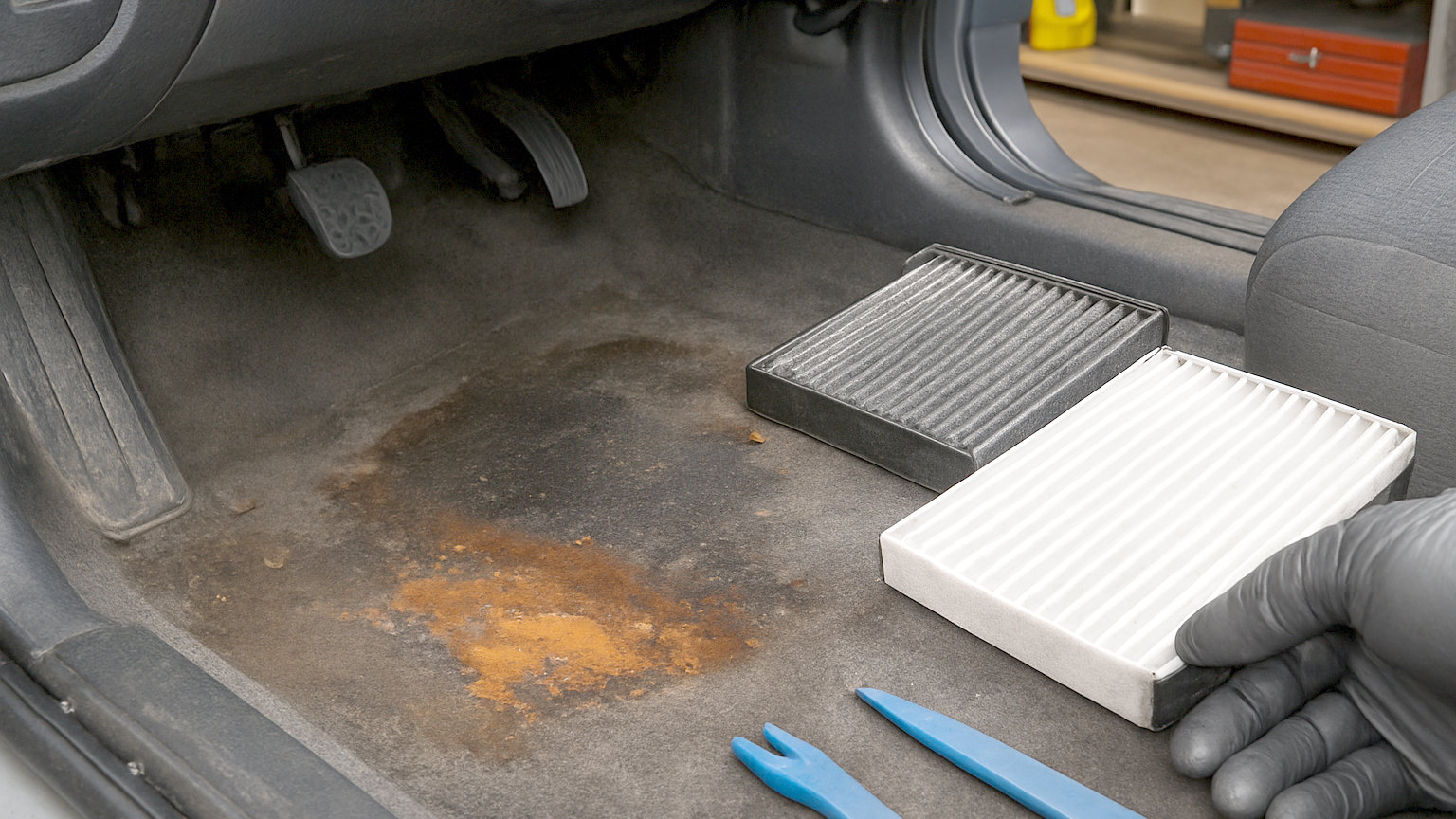
Water in the back of the car usually arrives from a rear door drain, a sunroof tube or a pollen filter overflow travelling under the carpet.