How Often Should Wheel Alignment Be Checked?
Alignment drifts gradually and there is rarely an obvious moment it goes wrong, so checking it on events rather than mileage works better.
By Car Problems Team
13 Aug 2026

Brakes, tyres and wheels are the parts that decide whether everything else on the car matters, and they are also the parts that fail politely - a squeal you get used to, a pull to the left you steer around without noticing. These guides cover the corners of the car: what each noise means, how to read the wear pattern across a tyre, and why a car that pulls, shudders or hums at speed is usually telling you about one specific component. None of it is worth putting off, and most of it is cheaper caught early.
Alignment drifts gradually and there is rarely an obvious moment it goes wrong, so checking it on events rather than mileage works better.
The sidewall code gives the size, the load rating, the speed rating and the age, and all four matter when replacing a tyre.
A vague sense that something has changed is worth acting on, and a short ordered list of checks covers almost every cause.
Excessive play is a straightforward failure, and noise alone usually appears as an advisory that is worth acting on.
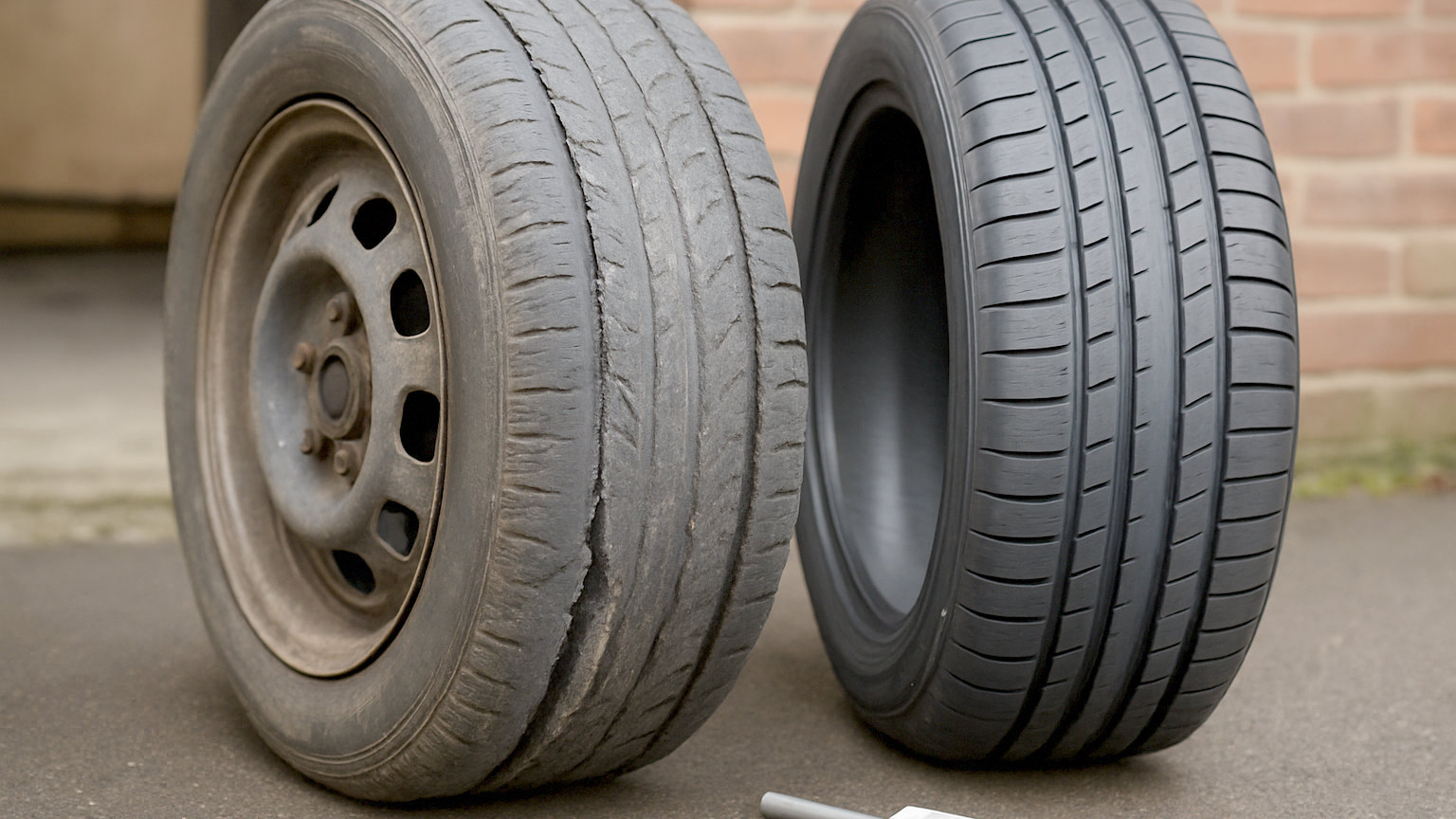
The arithmetic is straightforward, because a set of tyres costs several times an alignment check and misalignment can ruin one quickly.
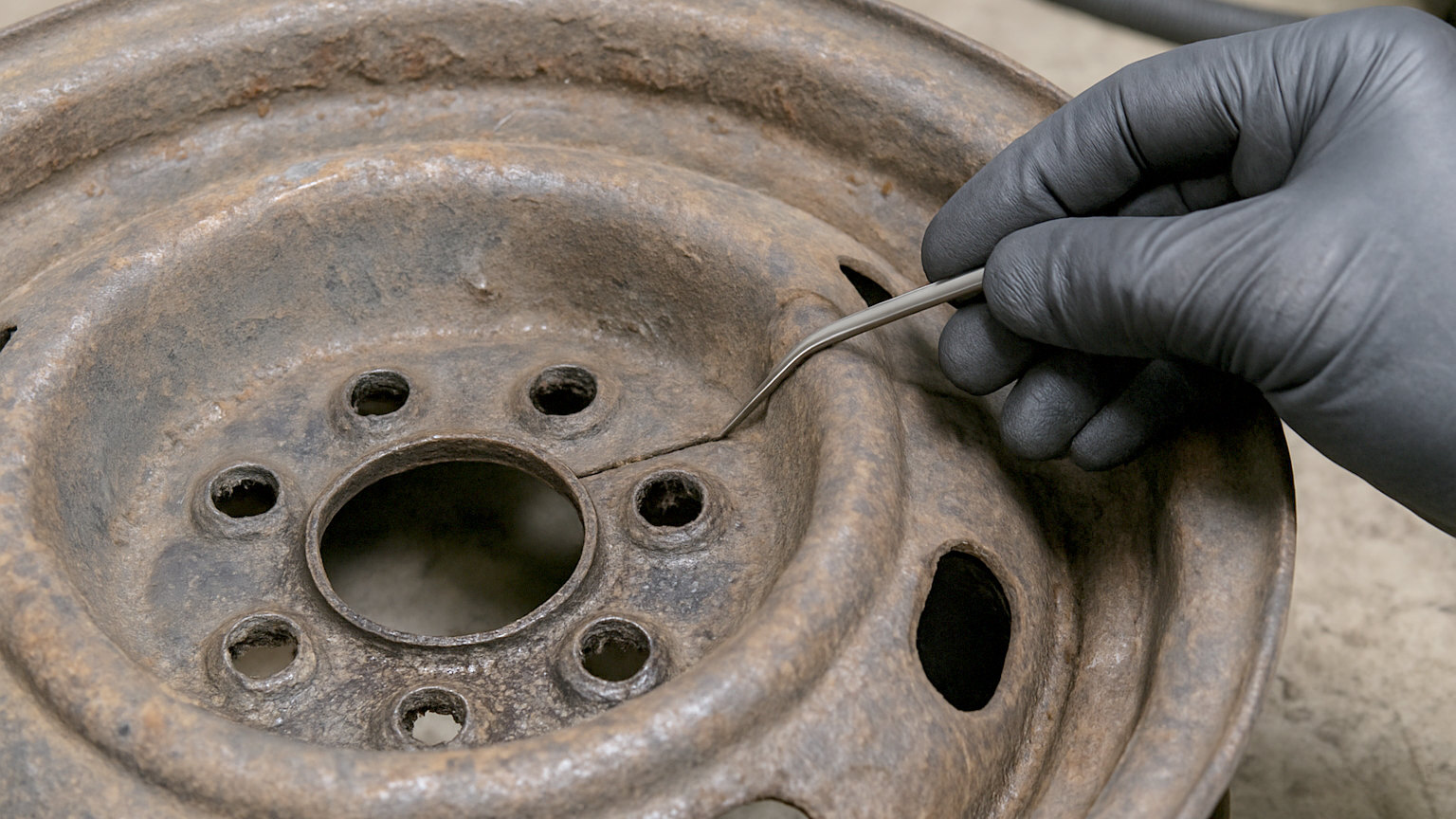
Wheels are checked for security, damage and fouling, and several of the failures involve things owners never look at.
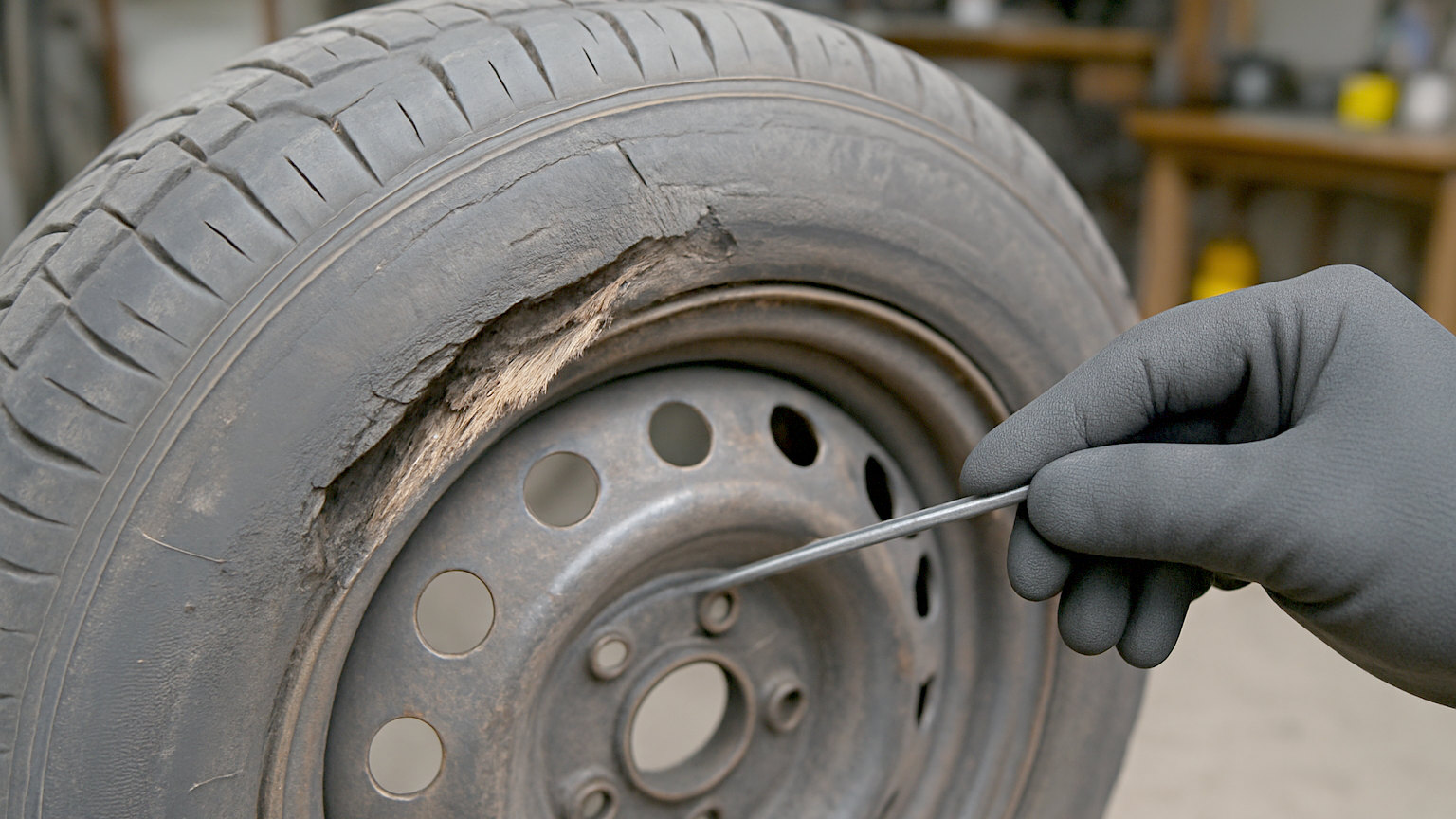
Tyres are among the most common MOT failures, and several of the defects sit on the inner sidewall where owners never look.
Most brake noises are a prompt to book an appointment, and a few mean the braking itself is compromised right now.
Brakes are tested for efficiency and balance as well as condition, so a car that stops adequately can still fail on the numbers.
Worn suspension rarely fails suddenly, and it quietly reduces braking performance and stability long before anything breaks.