What Rust Should You Check for When Buying a Car?
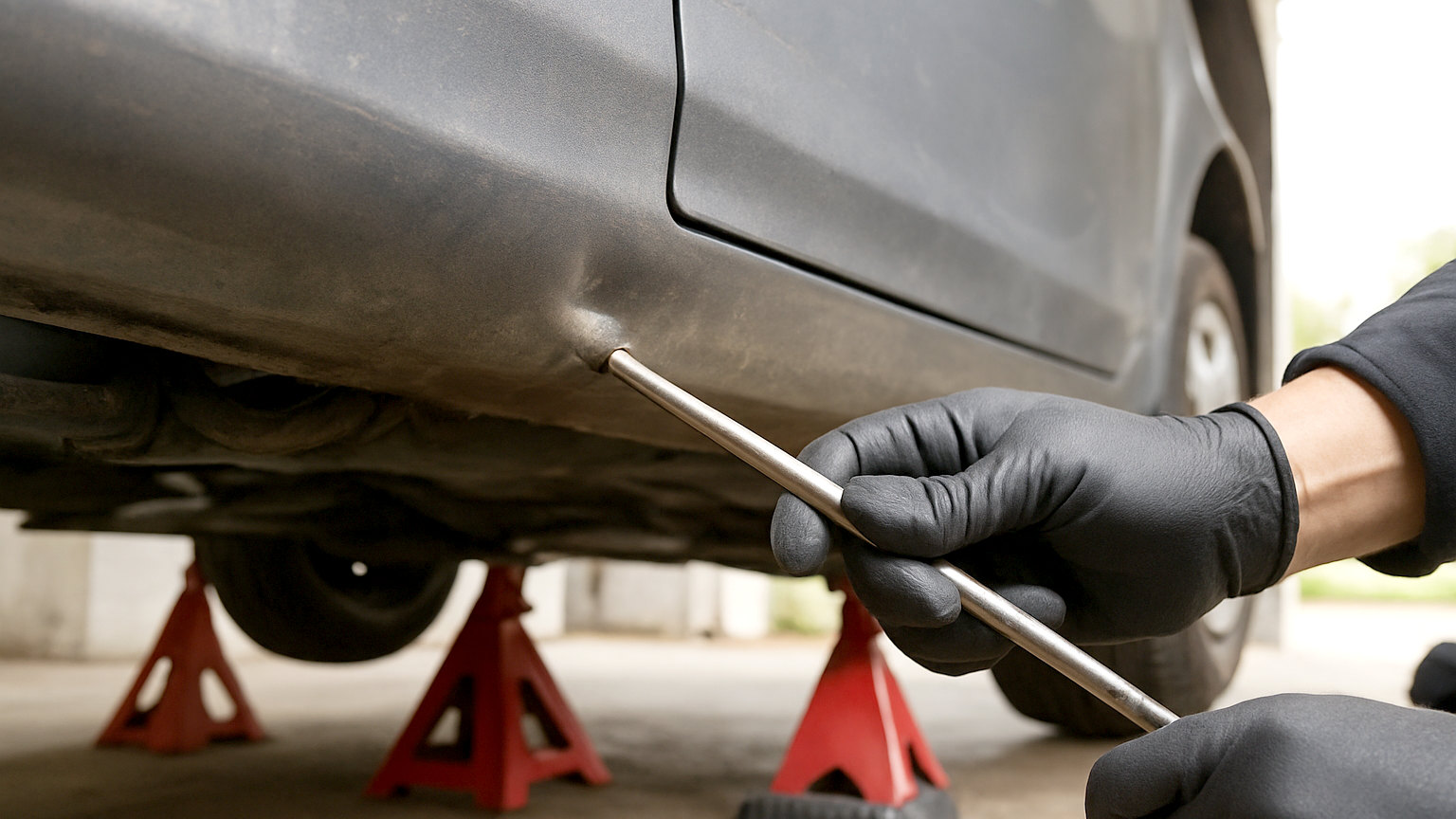
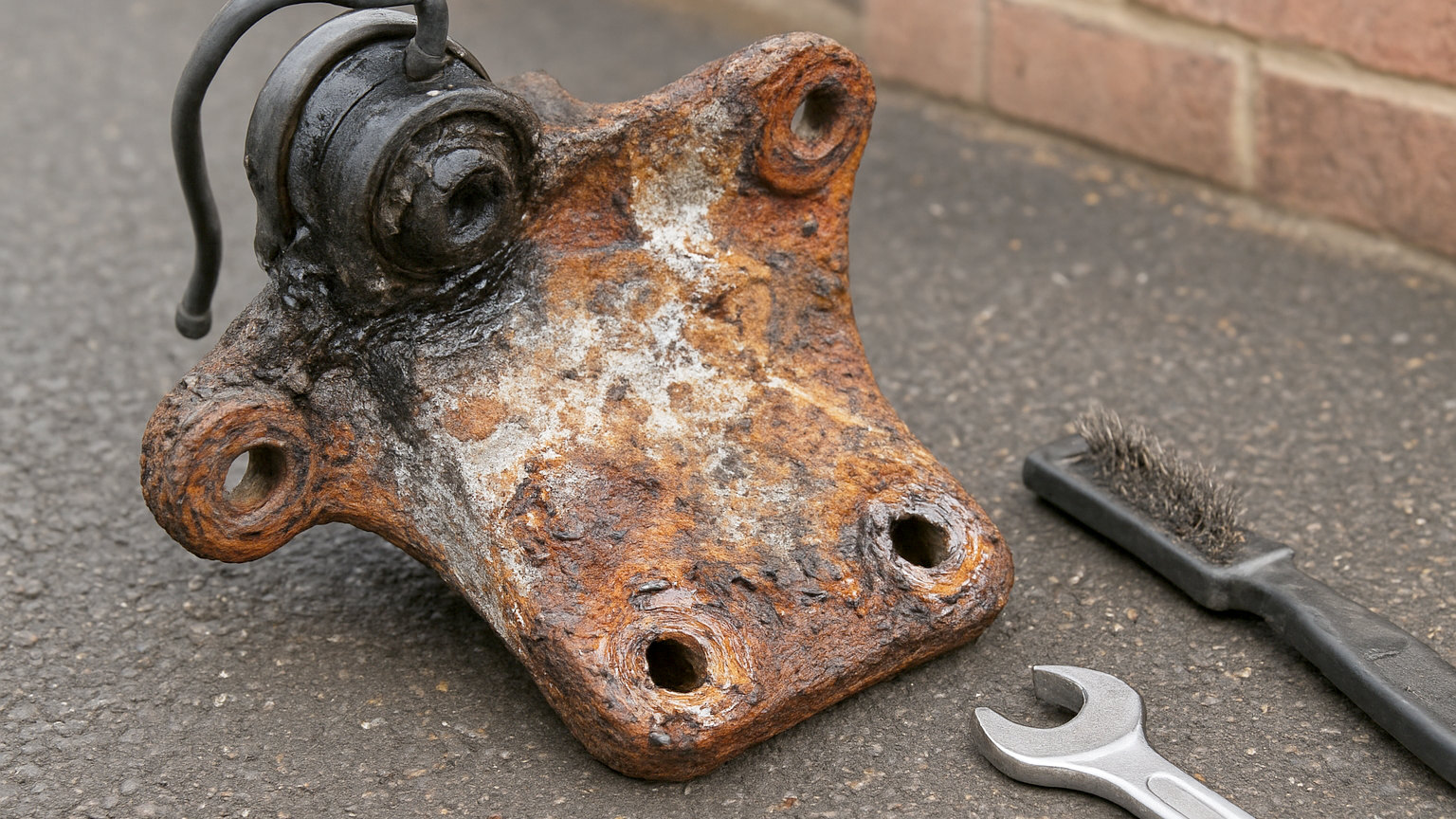
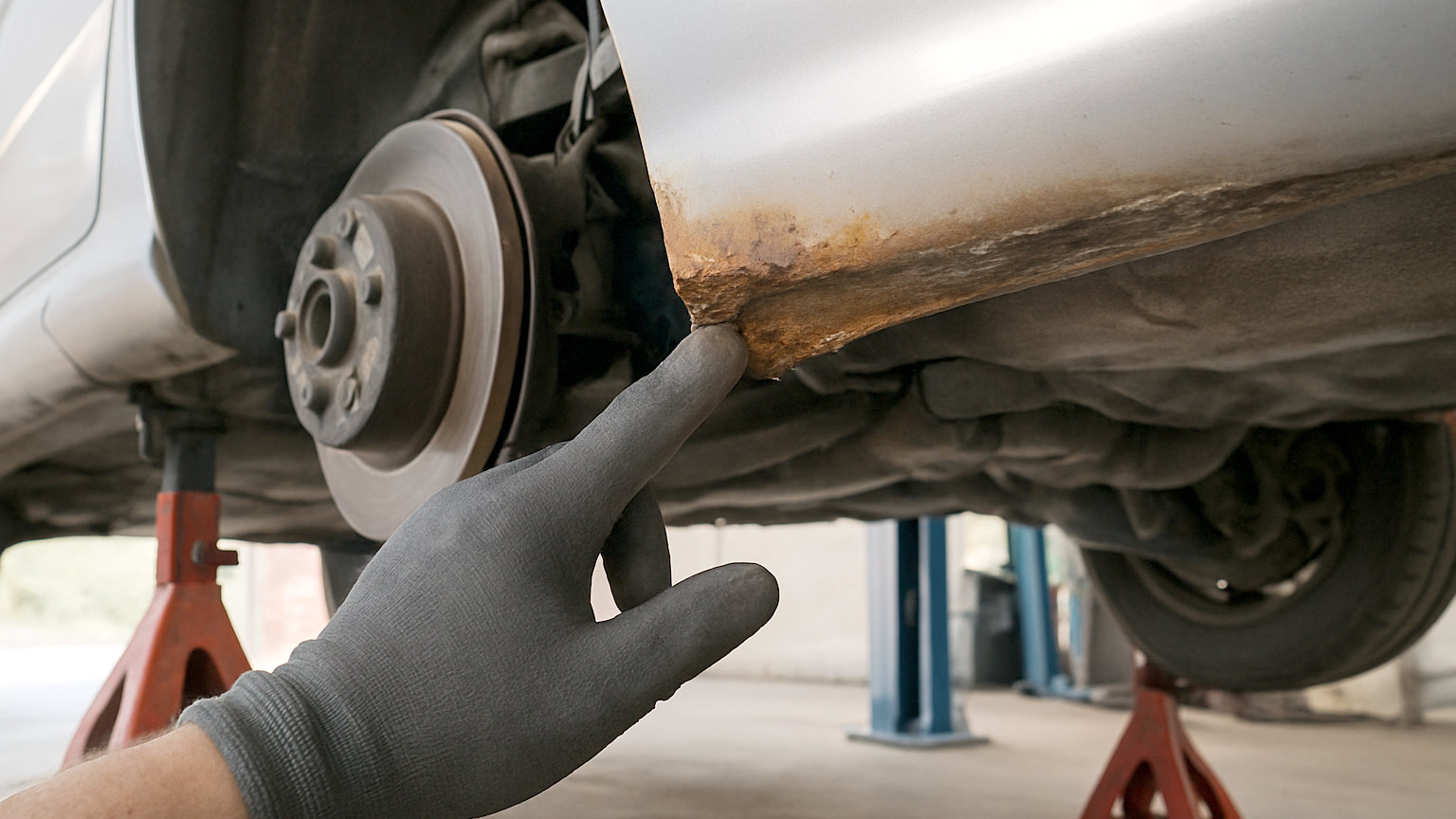
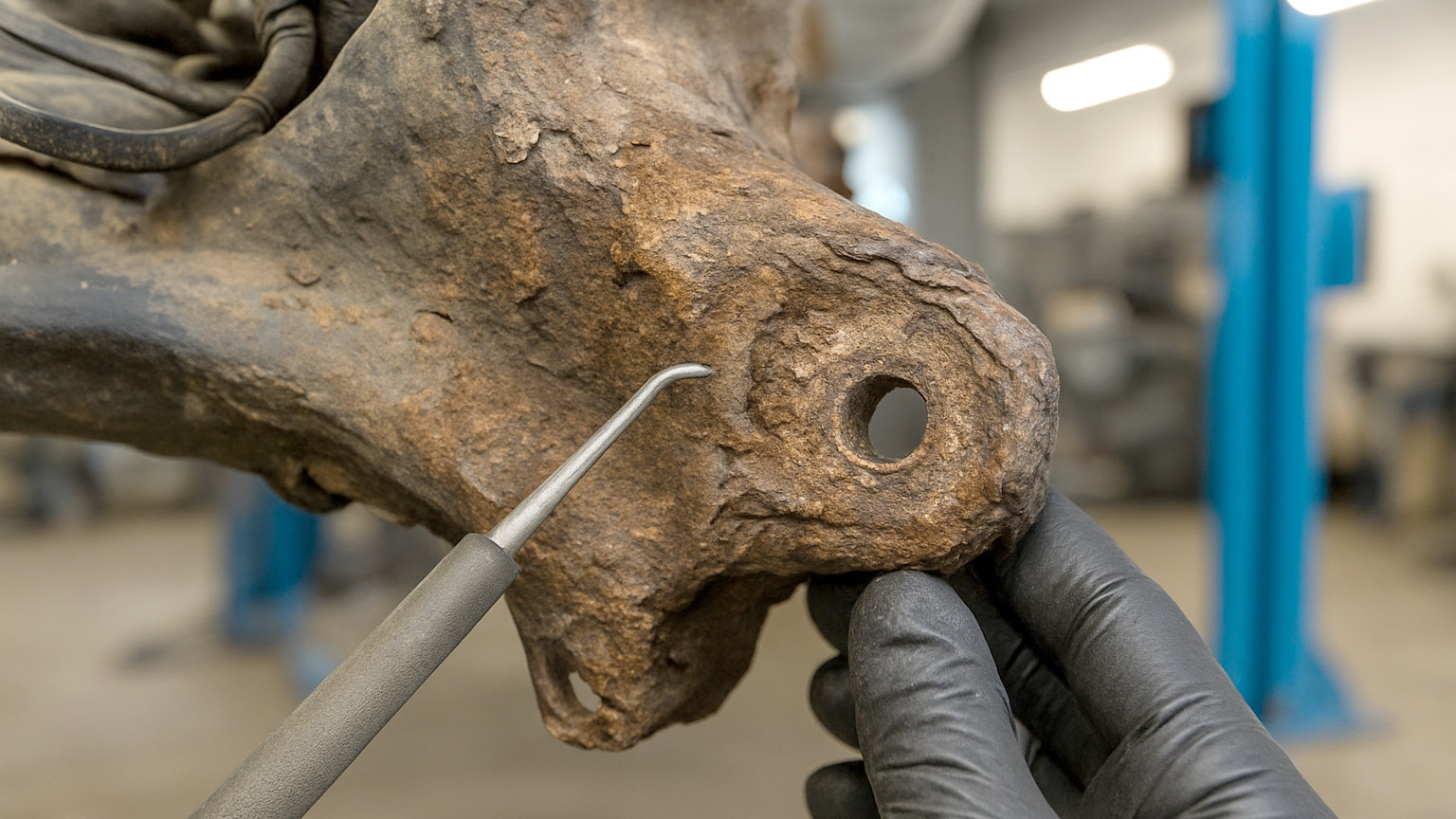
Look underneath rather than at the paint, since the corrosion that matters is structural and almost none of it is visible from standing height.
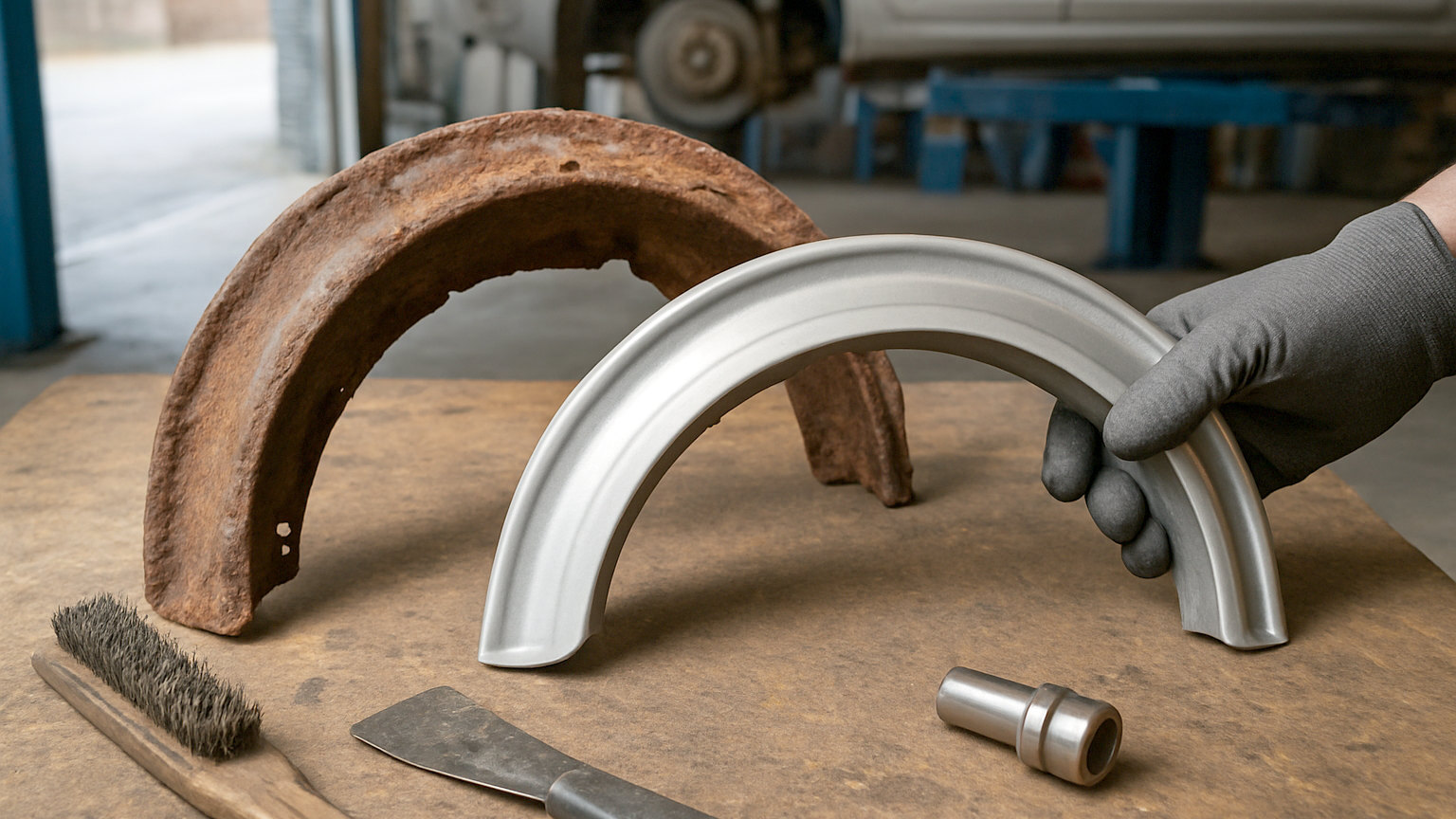
Rust around arches and sills, stone chips, paint that has faded or lifted, and small dents - what is cosmetic and what will fail an MOT.
Look underneath rather than at the paint, since the corrosion that matters is structural and almost none of it is visible from standing height.
Rust prevention is mostly about keeping water from sitting against metal, and the cheapest measures are the most effective.
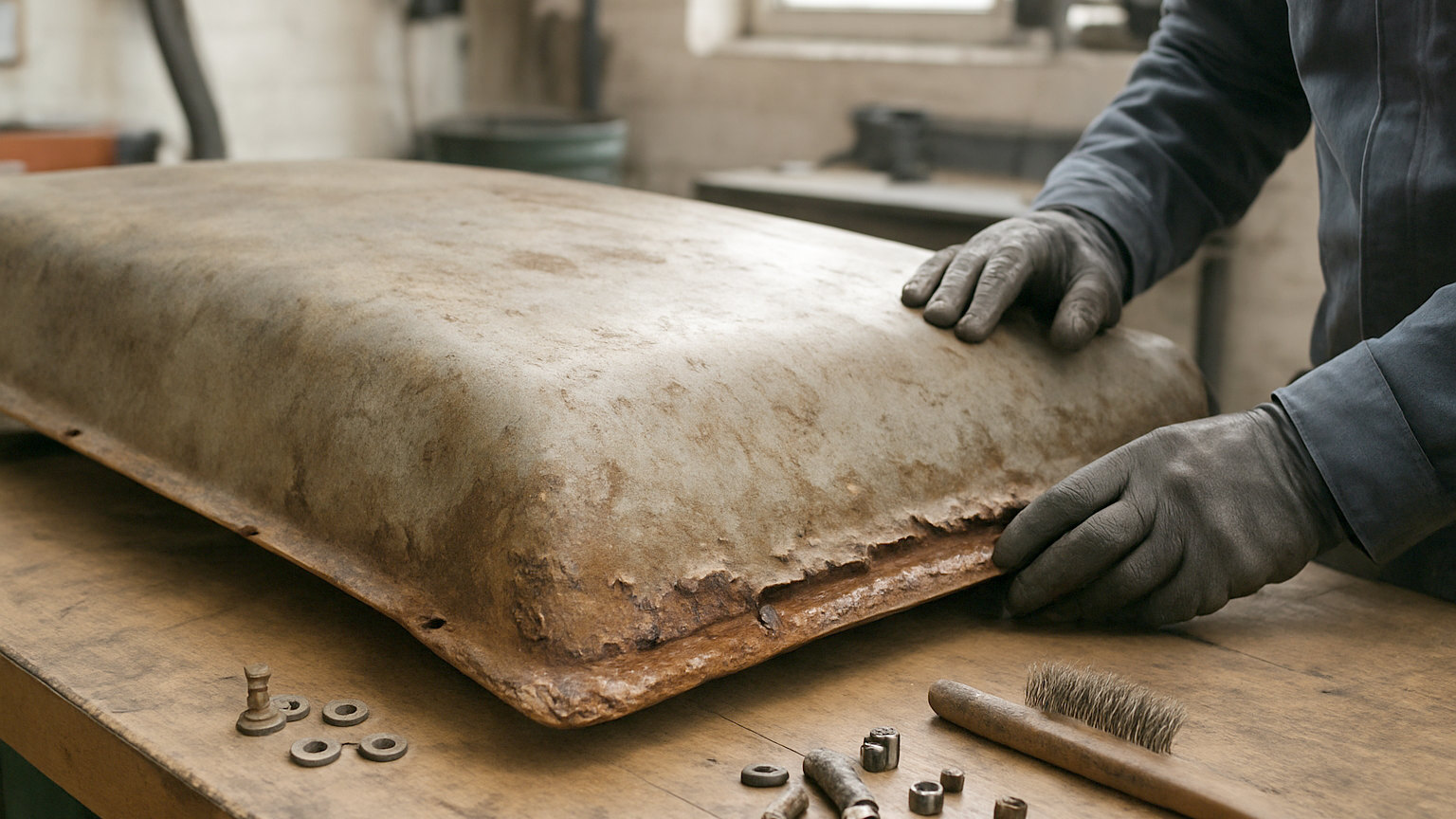
Folded panel edges hold water in a capillary gap, which is why bonnets and boot lids corrode along their edges before anywhere else.
The question is not what the repair costs but whether the rest of the shell is sound, since corrosion is rarely confined to one place.
A scratch that has not reached the primer can often be polished out, and a dent with intact paint is a candidate for paintless removal.
Salt accelerates corrosion dramatically and it stays on the car long after the roads are clear, which is why winter washing matters.
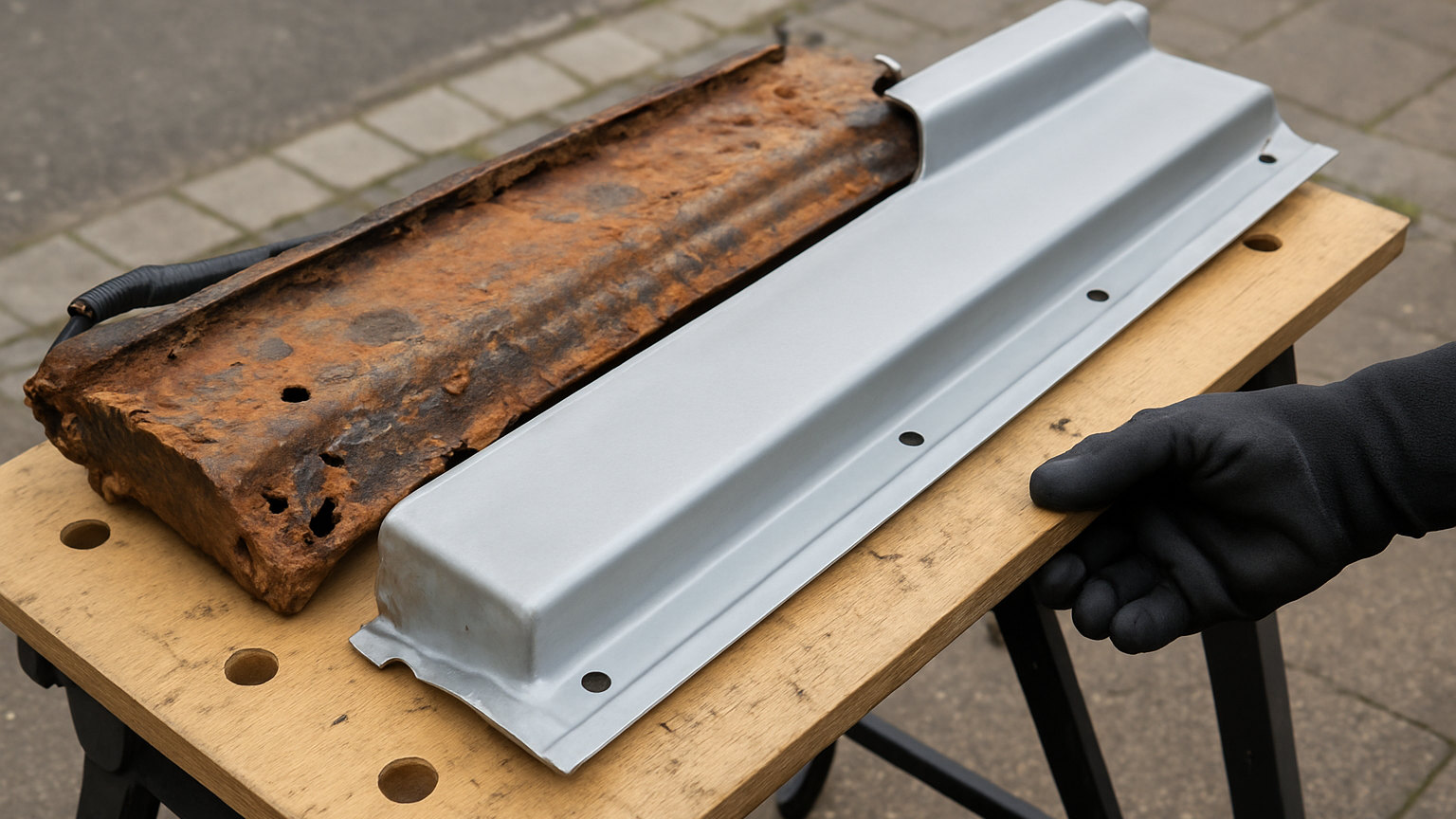
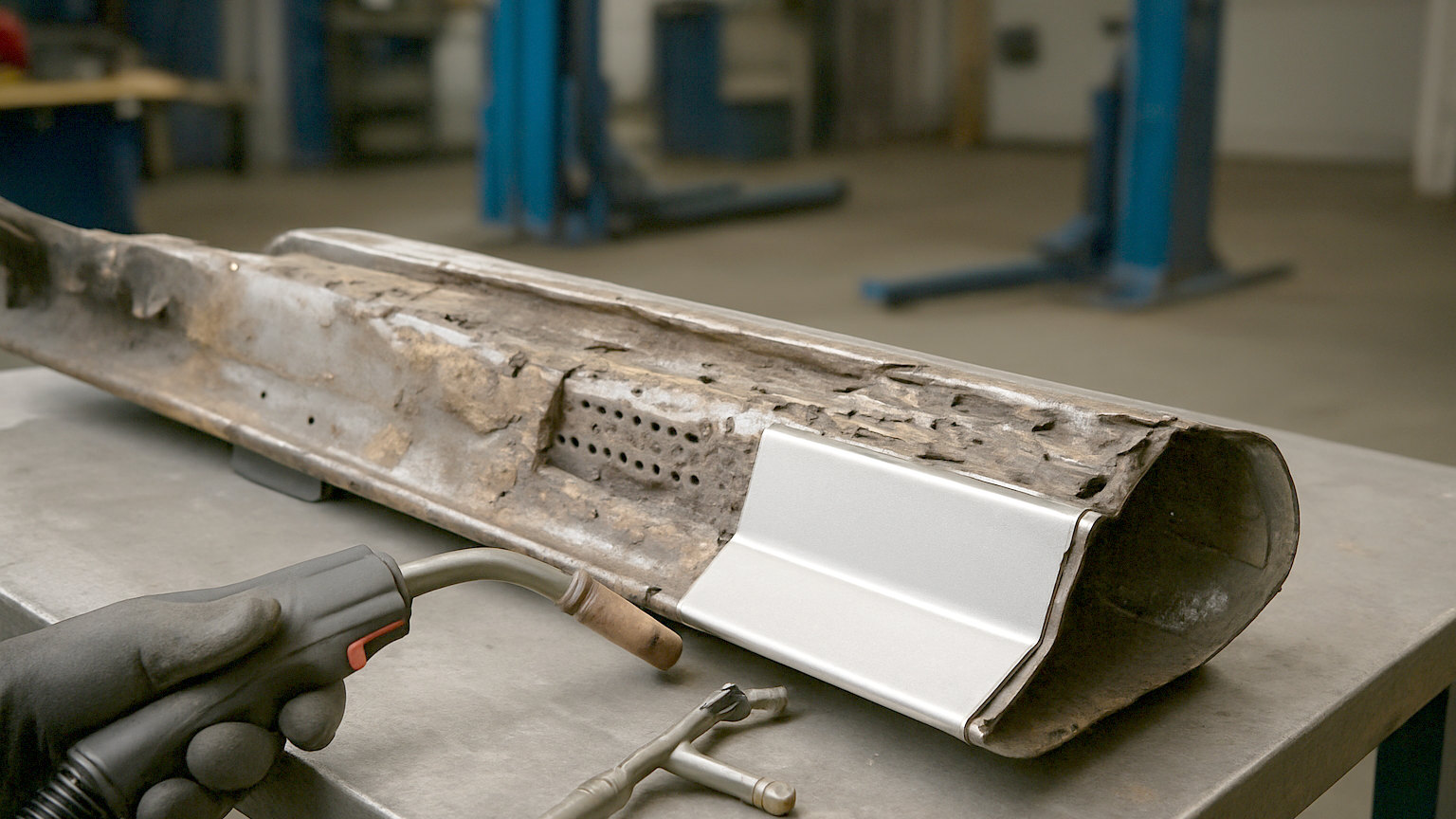
Sills are structural, so the repair has to be welded and the real question is how much of the inner structure has gone.
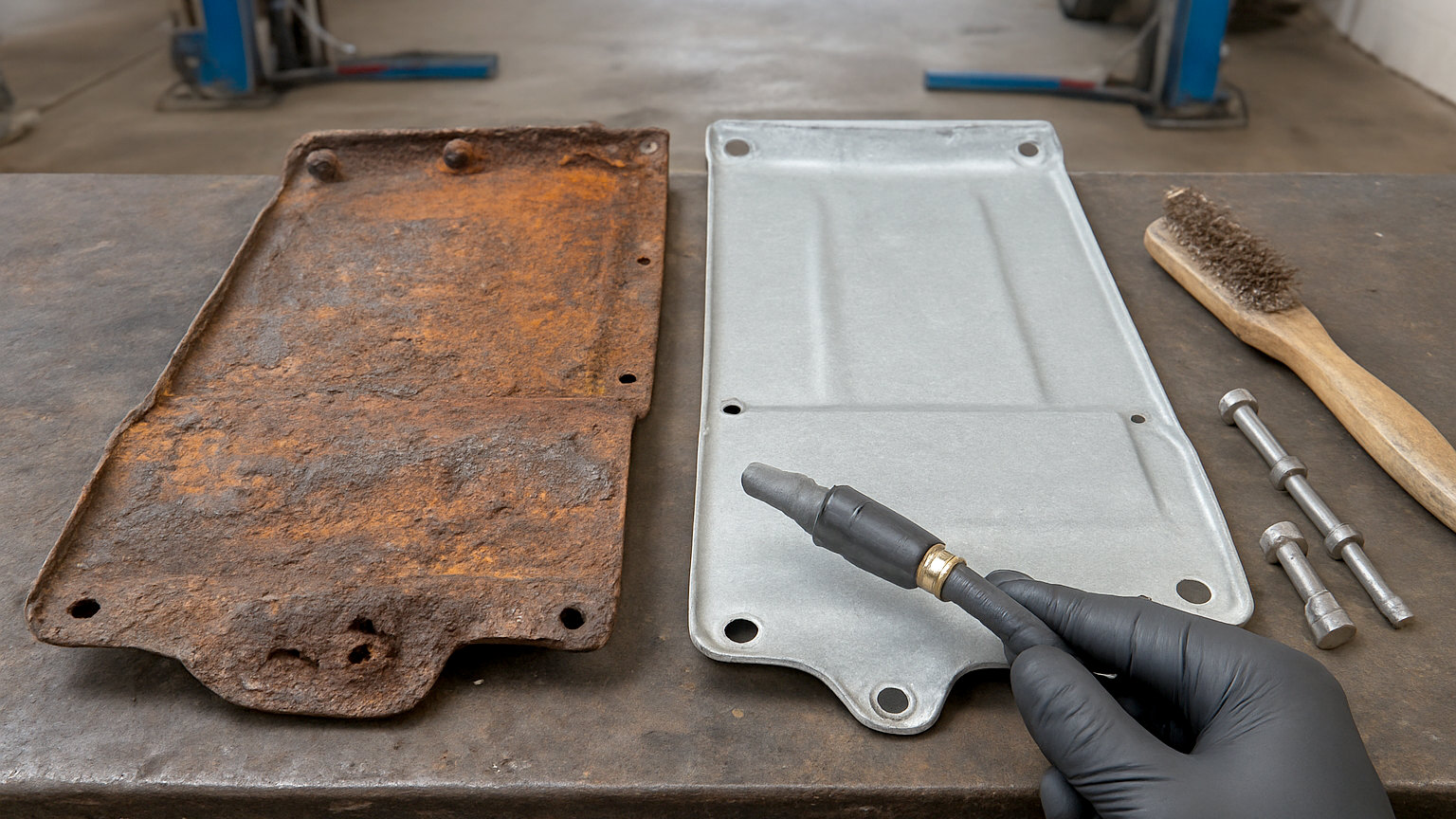
Rust returns because some of it was left behind or because the back of the repair was never protected, and both are preventable.
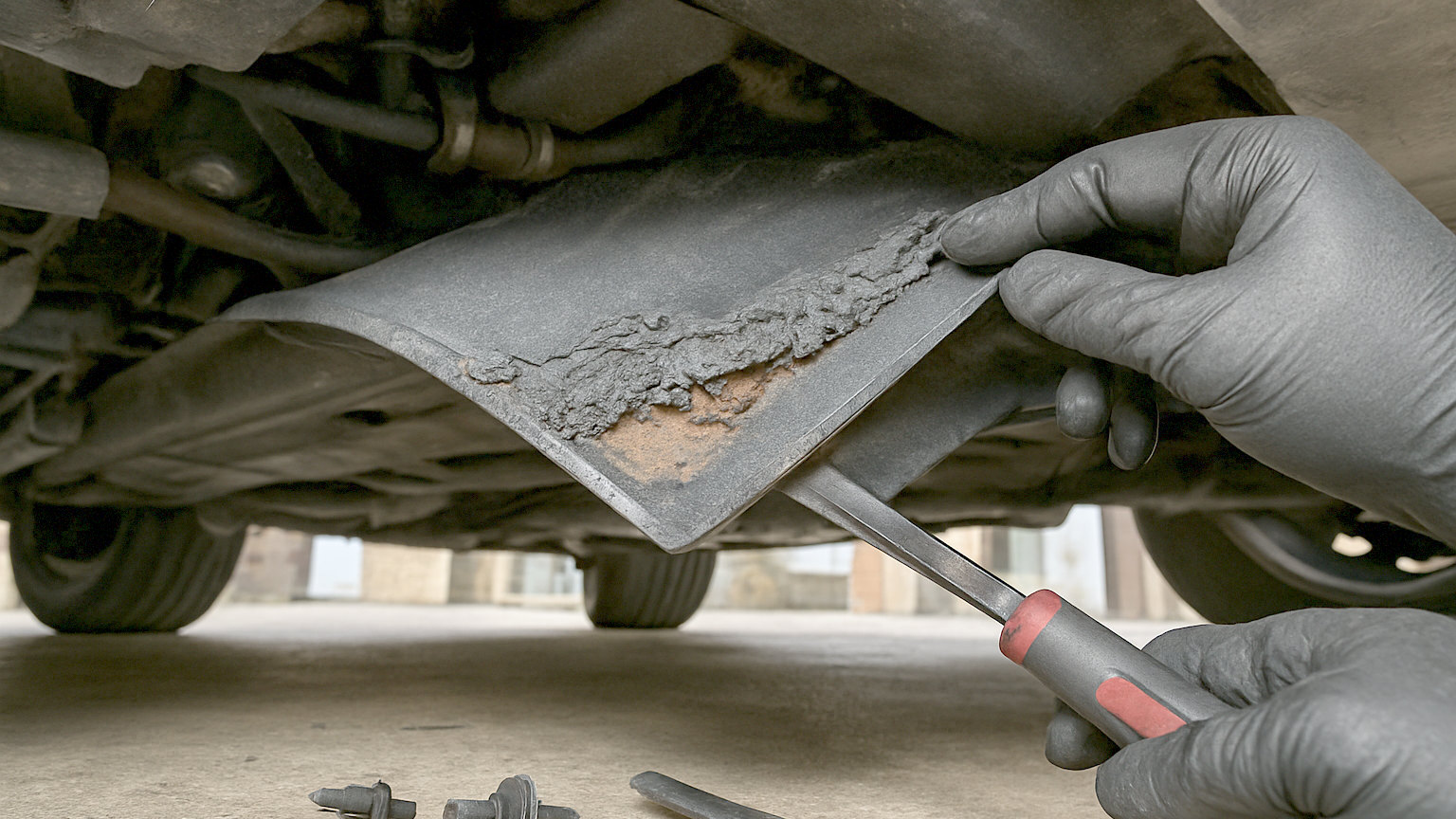
Underseal protects sound metal and traps water against corroded metal, which is why applying it over existing rust makes things worse.
Arches take constant blasting from grit and salt thrown by the tyres, and the folded lip traps everything the wheel throws at it.