What Damage Does Overheating Actually Do to an Engine?
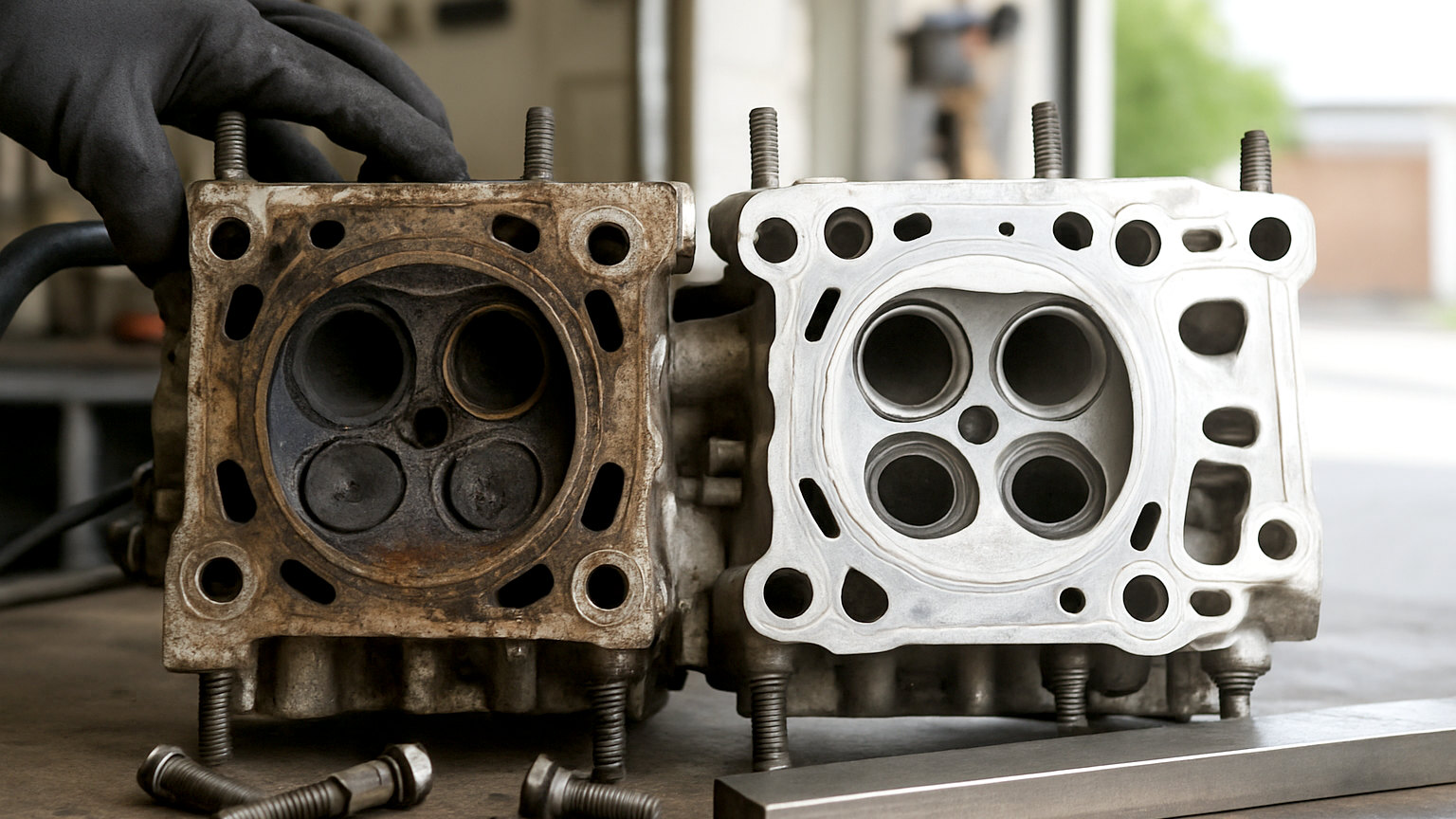
Understanding what heat does to metal explains why a few extra miles matters so much and why some overheated engines are never quite right again.
Temperature gauge climbing, steam, or a hot smell - the causes in order of likelihood, what to do at the roadside, and when to stop driving immediately.
Understanding what heat does to metal explains why a few extra miles matters so much and why some overheated engines are never quite right again.
The warning light and the temperature gauge measure different things, so a light on a normal gauge is not a contradiction and should not be ignored.
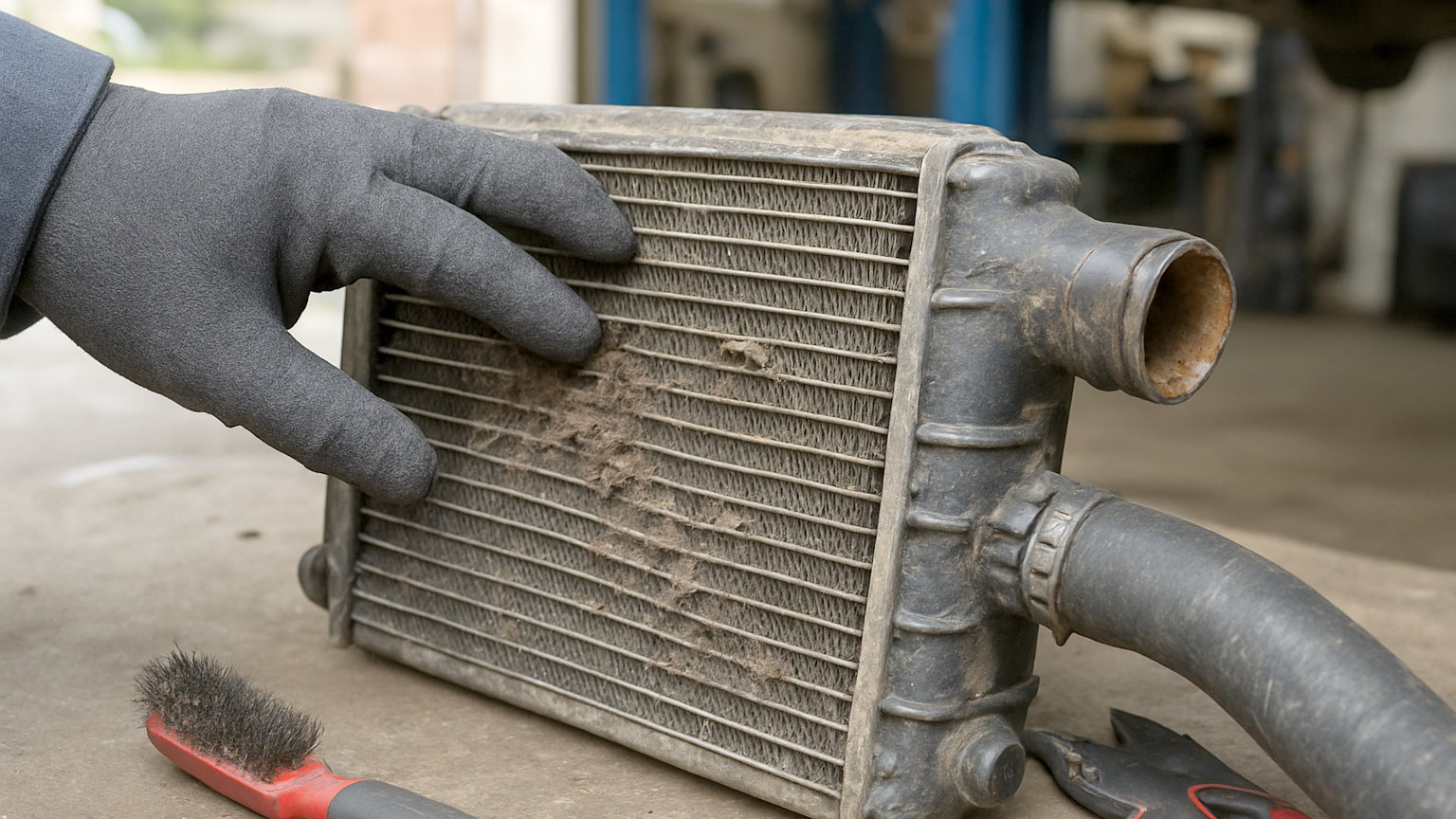
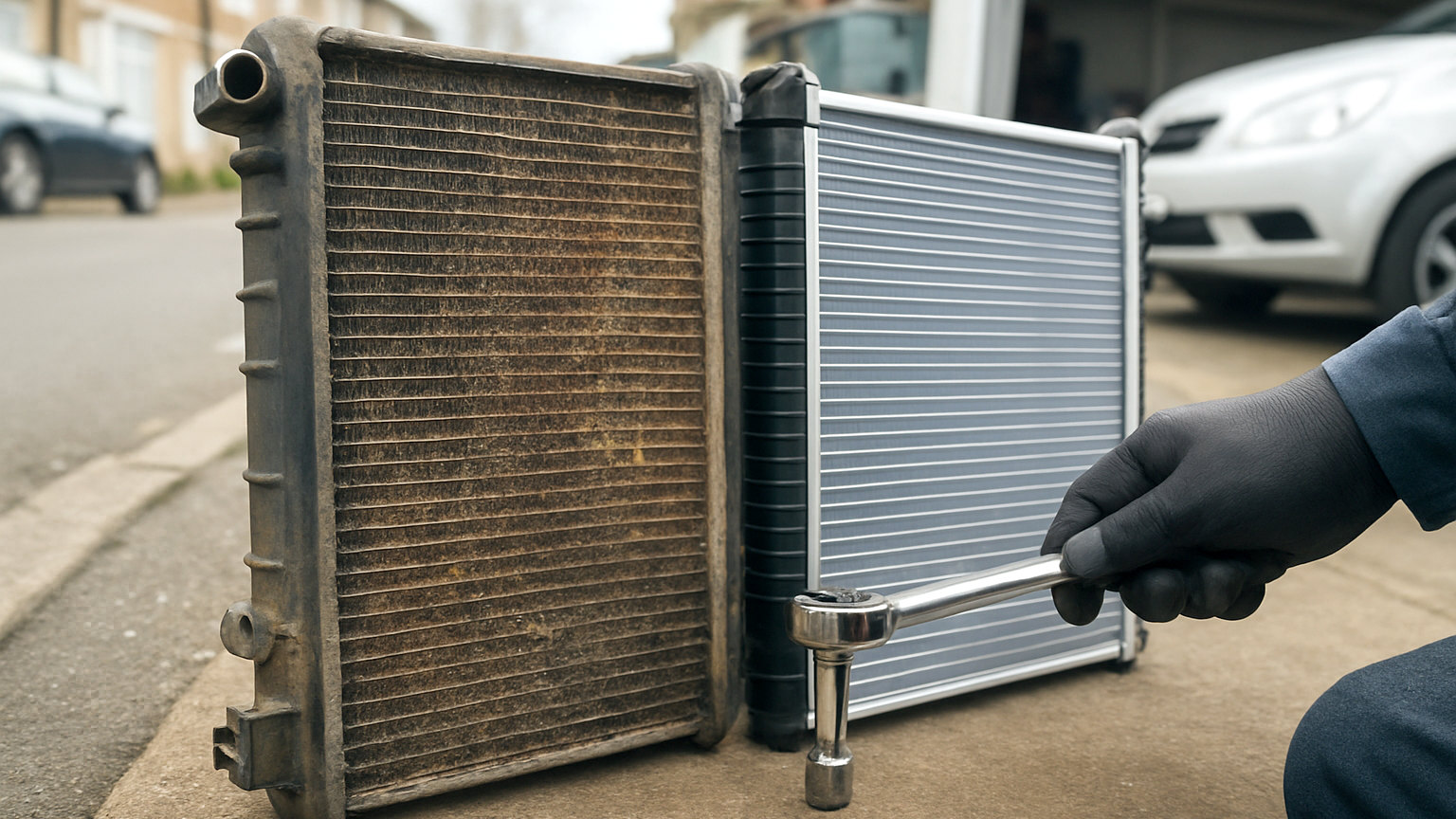
Radiators fail slowly rather than suddenly, blocking with debris on the outside and corrosion sediment on the inside, and both reduce capacity.
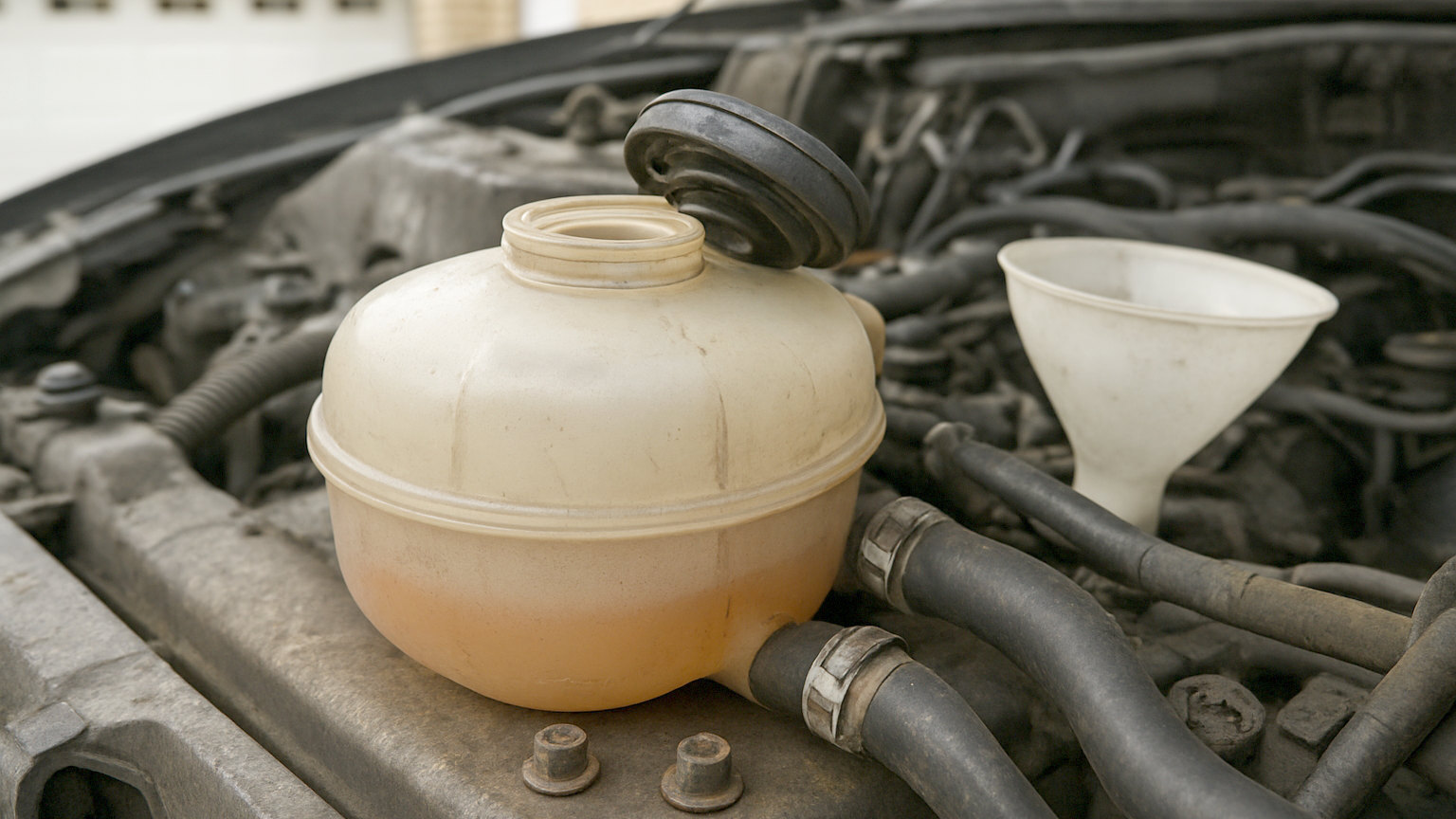
Checking coolant takes two minutes and the only rule that really matters is that the engine must be cold before anything is opened.
A hot engine with a cold heater usually means coolant is not reaching the matrix, and that is often the first symptom of a bigger cooling problem.
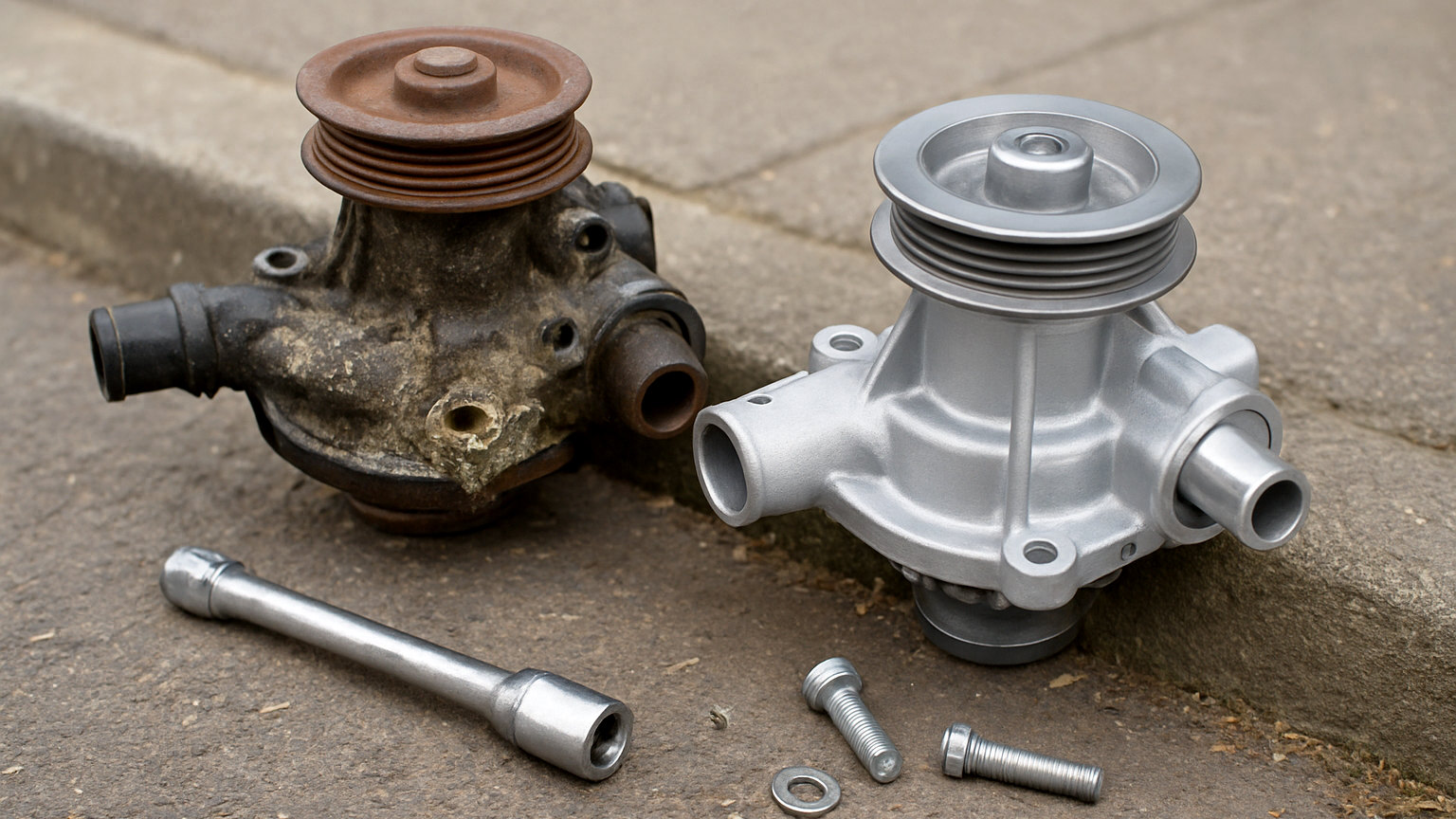
Water pumps usually give warning through a whine, a weep or a wobble before they stop, and catching that saves a great deal of money.
A car that copes with the school run and boils on the motorway has a capacity problem rather than a total failure, and that points somewhere specific.
The honest answer depends on why it is overheating and how hot it has already been, but the safe answer is almost always no.
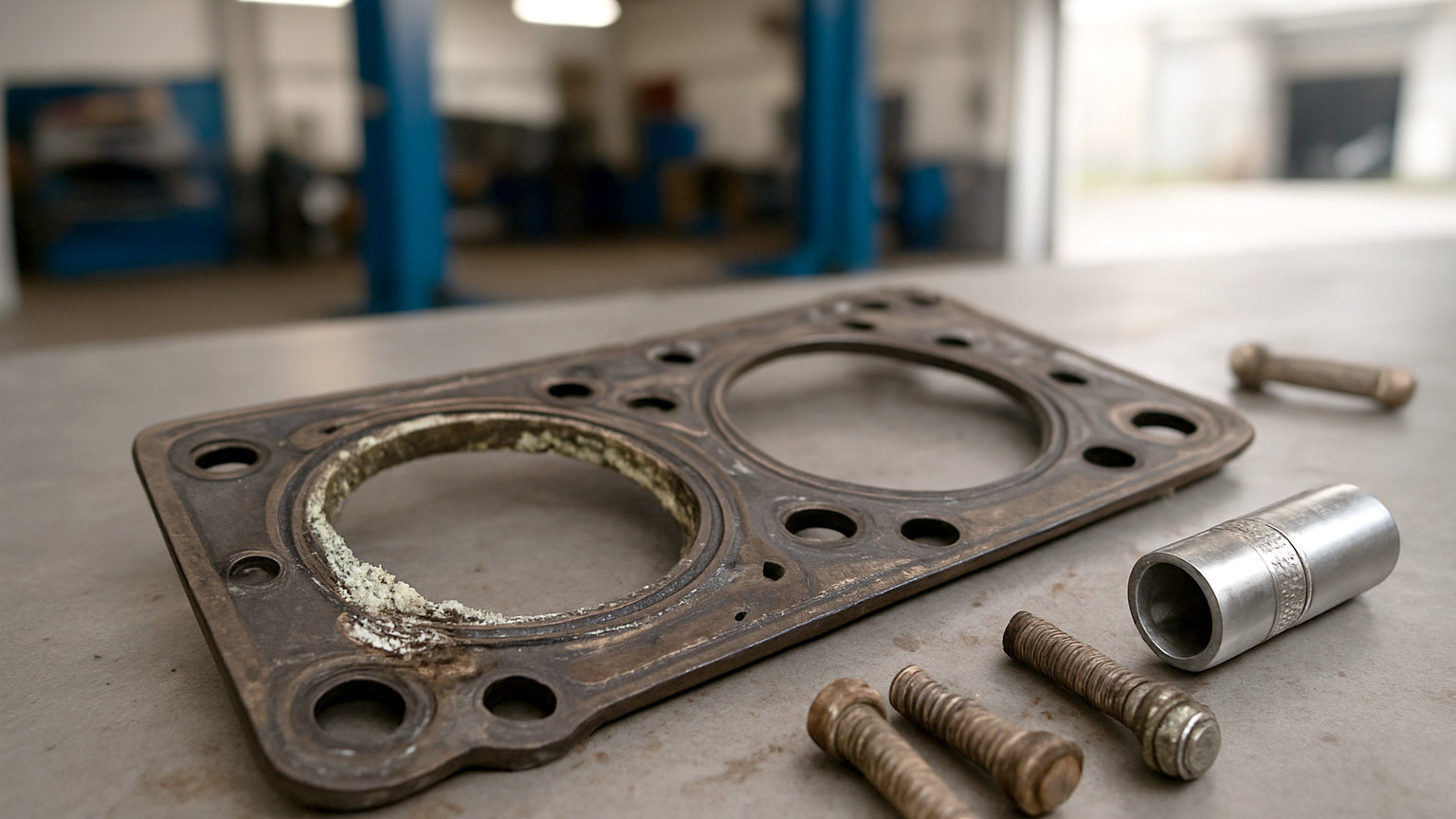
Persistent white smoke that smells faintly sweet is coolant being burned, and that is the symptom nobody should keep driving on.
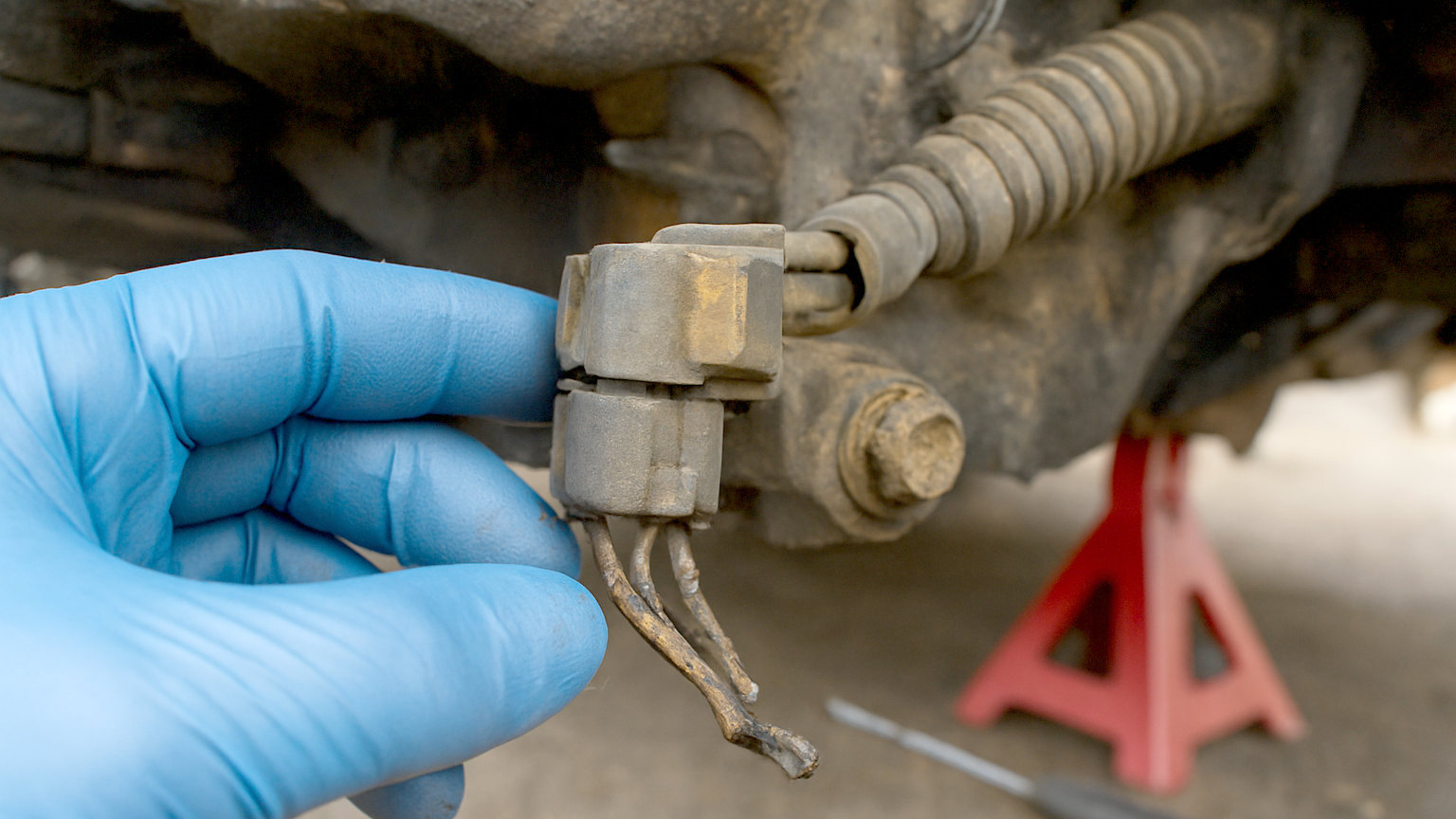
The fan is only one part of a circuit that includes a fuse, a relay, a sensor and the wiring between them. Any of them can be the fault.