How Do You Check a Wheel Bearing for Play?
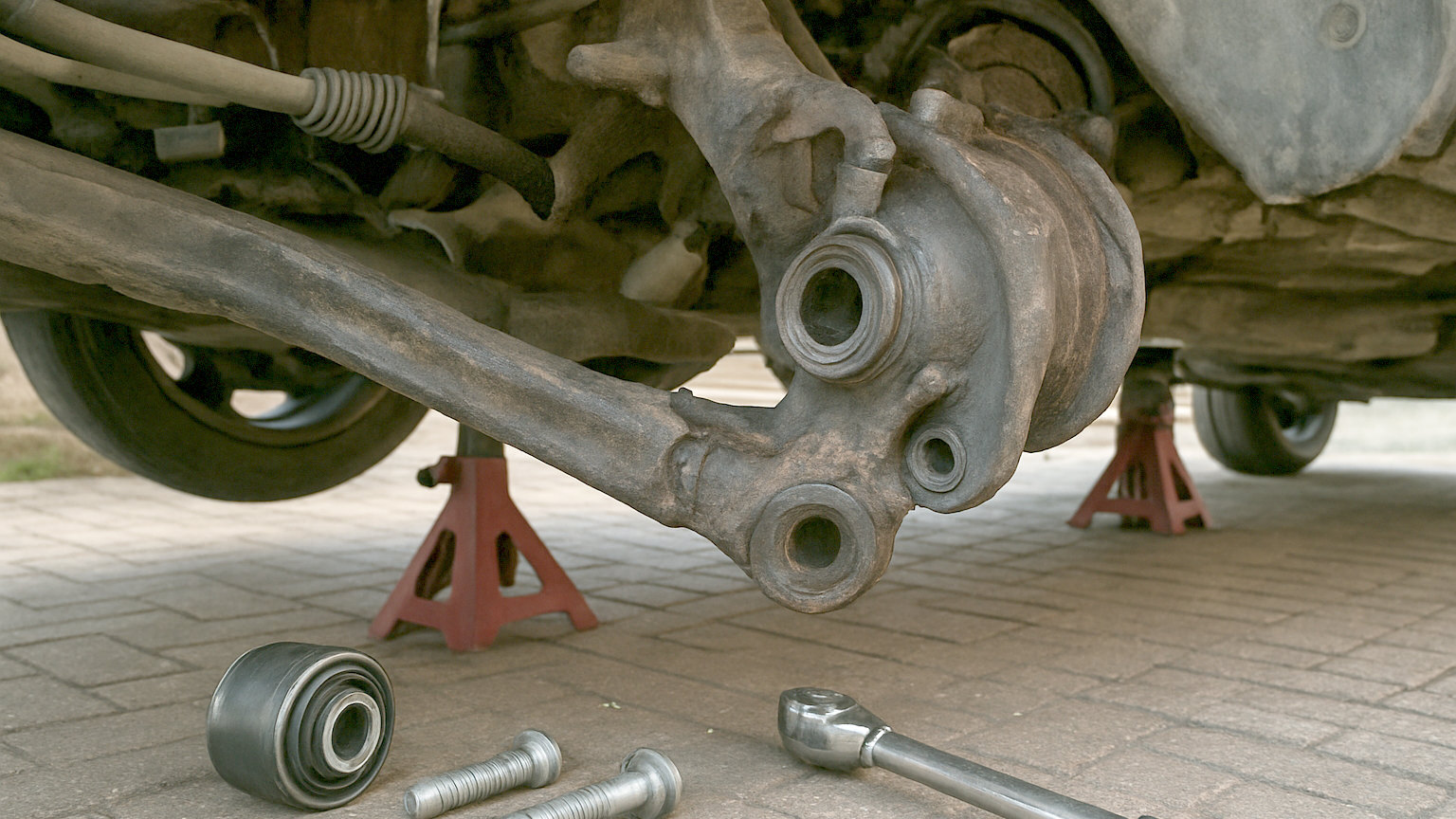
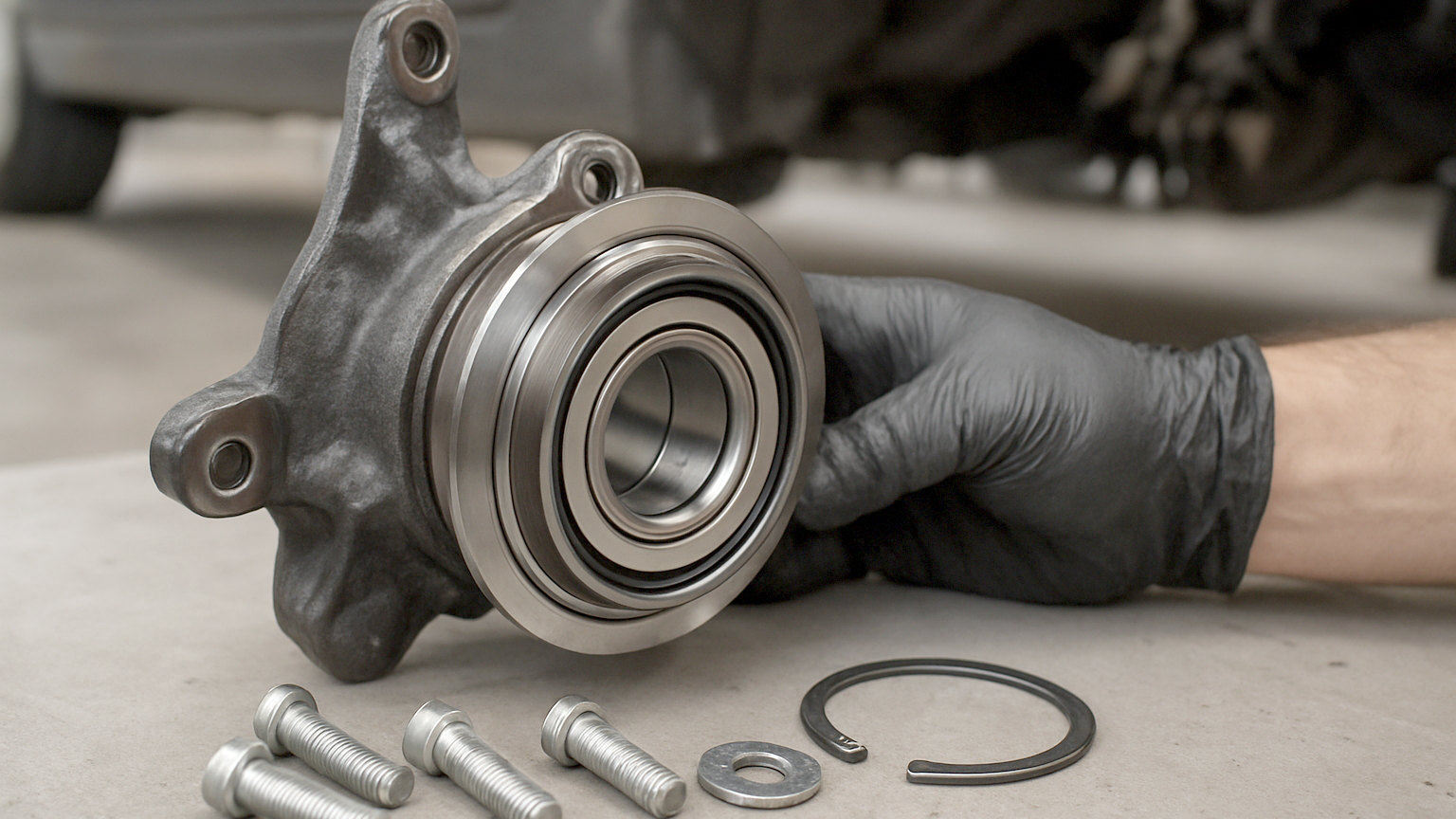
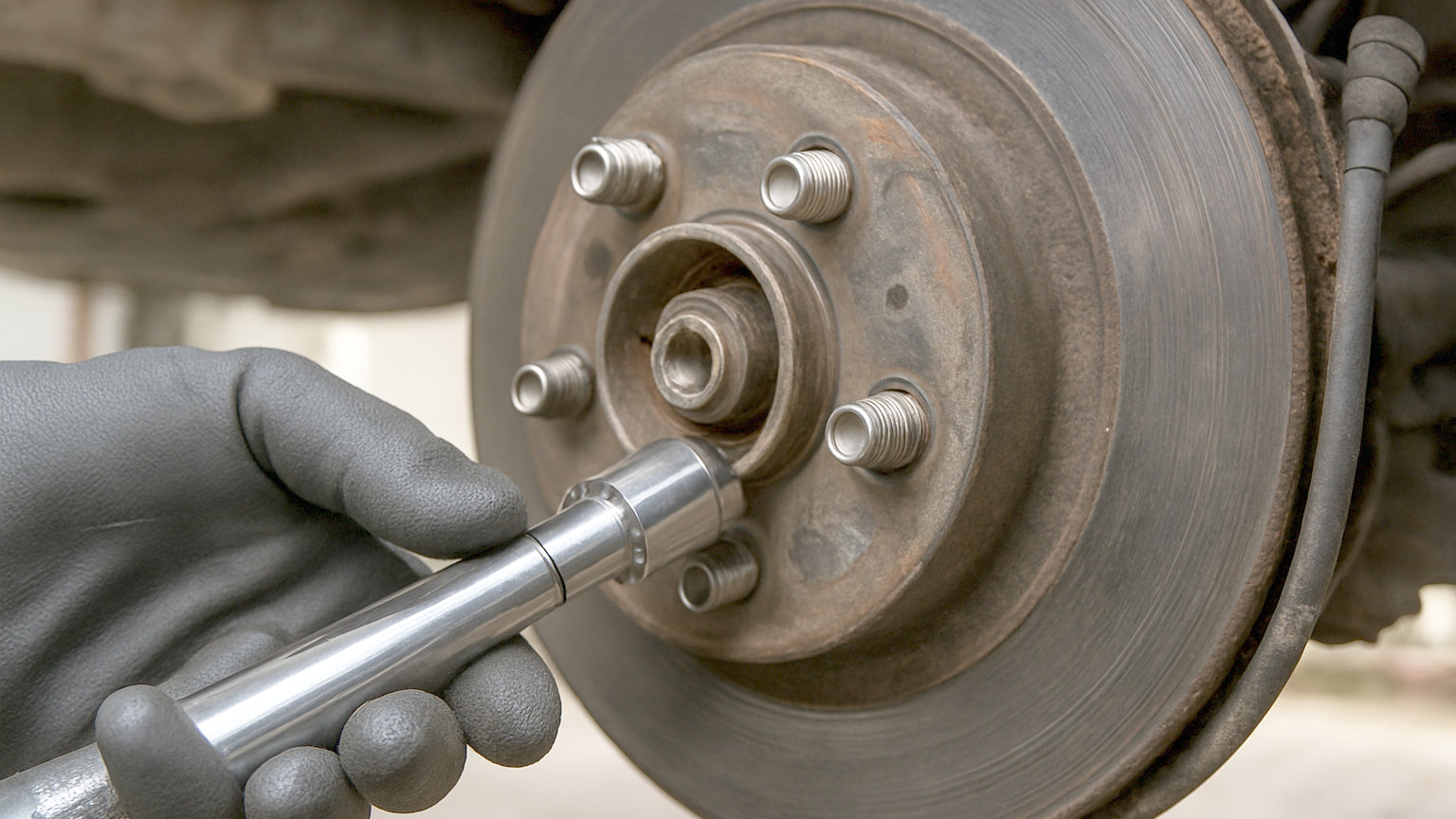
The rocking test is simple and it is easy to get a false result, because a worn ball joint moves the wheel in the same way.
By Car Problems Team
21 Feb 2026

Brakes, tyres and wheels are the parts that decide whether everything else on the car matters, and they are also the parts that fail politely - a squeal you get used to, a pull to the left you steer around without noticing. These guides cover the corners of the car: what each noise means, how to read the wear pattern across a tyre, and why a car that pulls, shudders or hums at speed is usually telling you about one specific component. None of it is worth putting off, and most of it is cheaper caught early.
The rocking test is simple and it is easy to get a false result, because a worn ball joint moves the wheel in the same way.
Caster is what makes the steering return to centre on its own, and unequal caster produces a pull that no toe adjustment will fix.
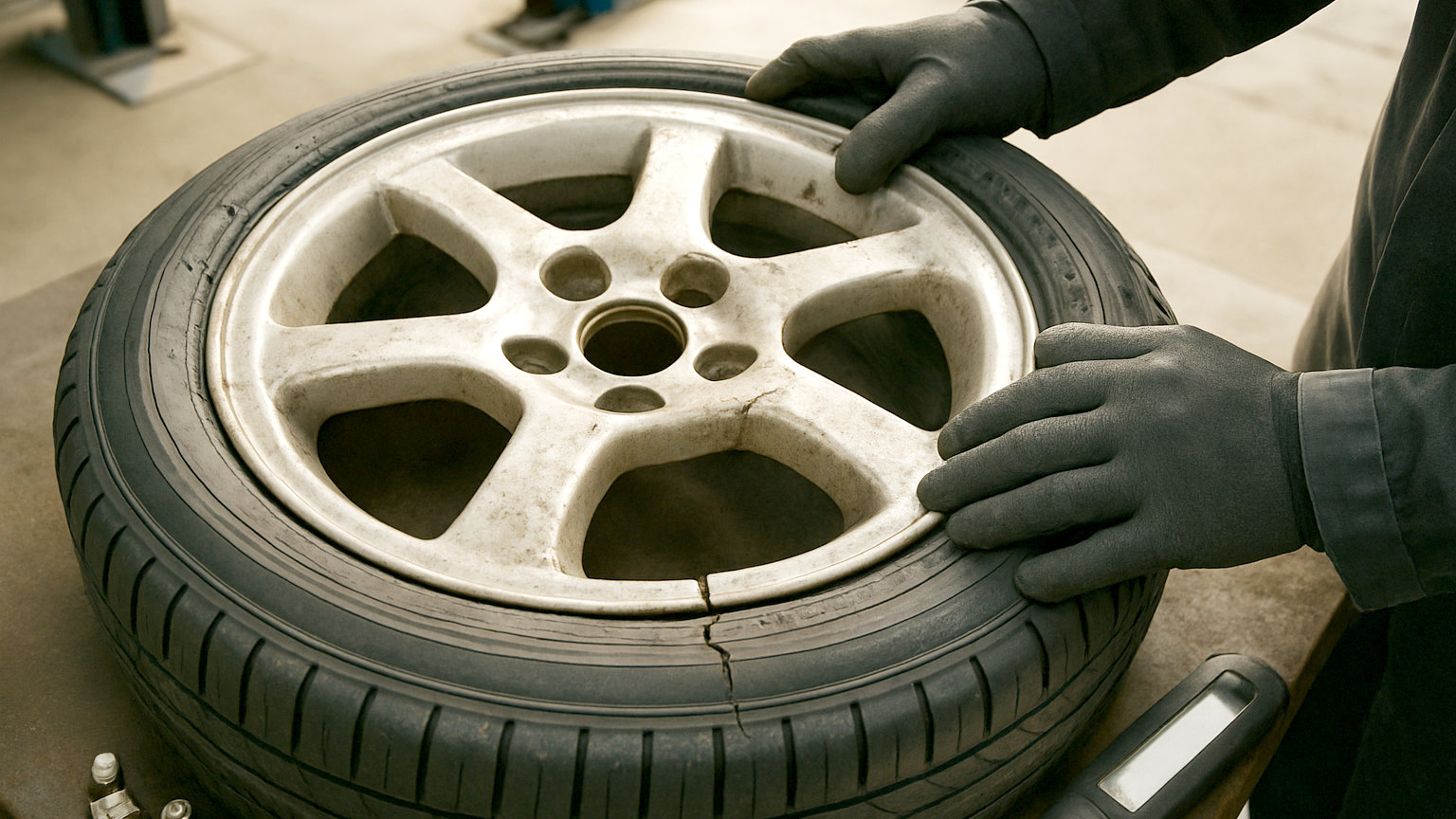
Welding a cracked wheel is possible and whether it should be done depends entirely on where the crack is and what caused it.
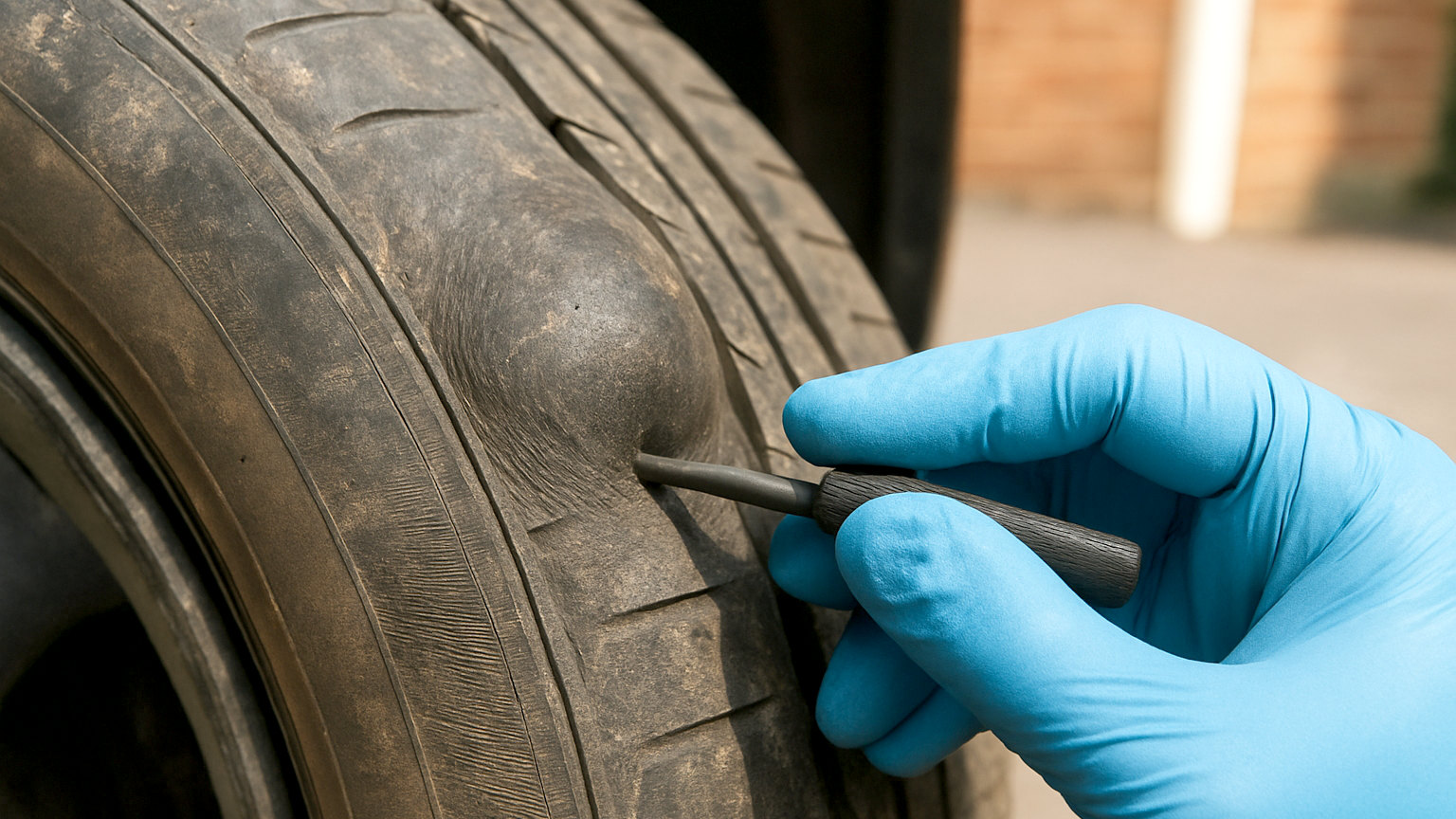
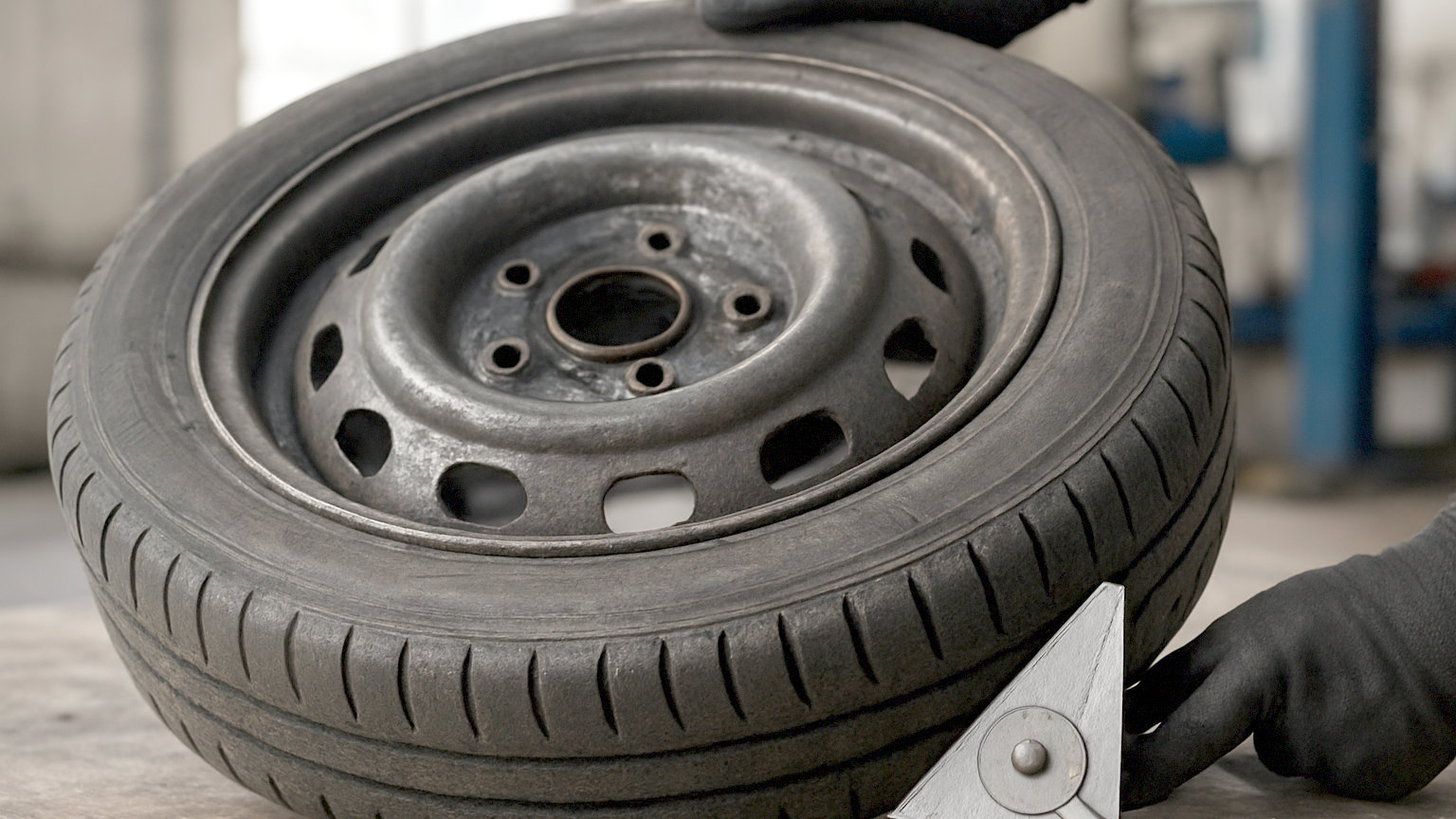
A bulge means the internal cords have broken and air pressure is pushing the rubber outwards, and the tyre can fail without further warning.
A low groan or moan at very low speed is a different resonance from a squeal, and it is usually harmless even when it sounds alarming.
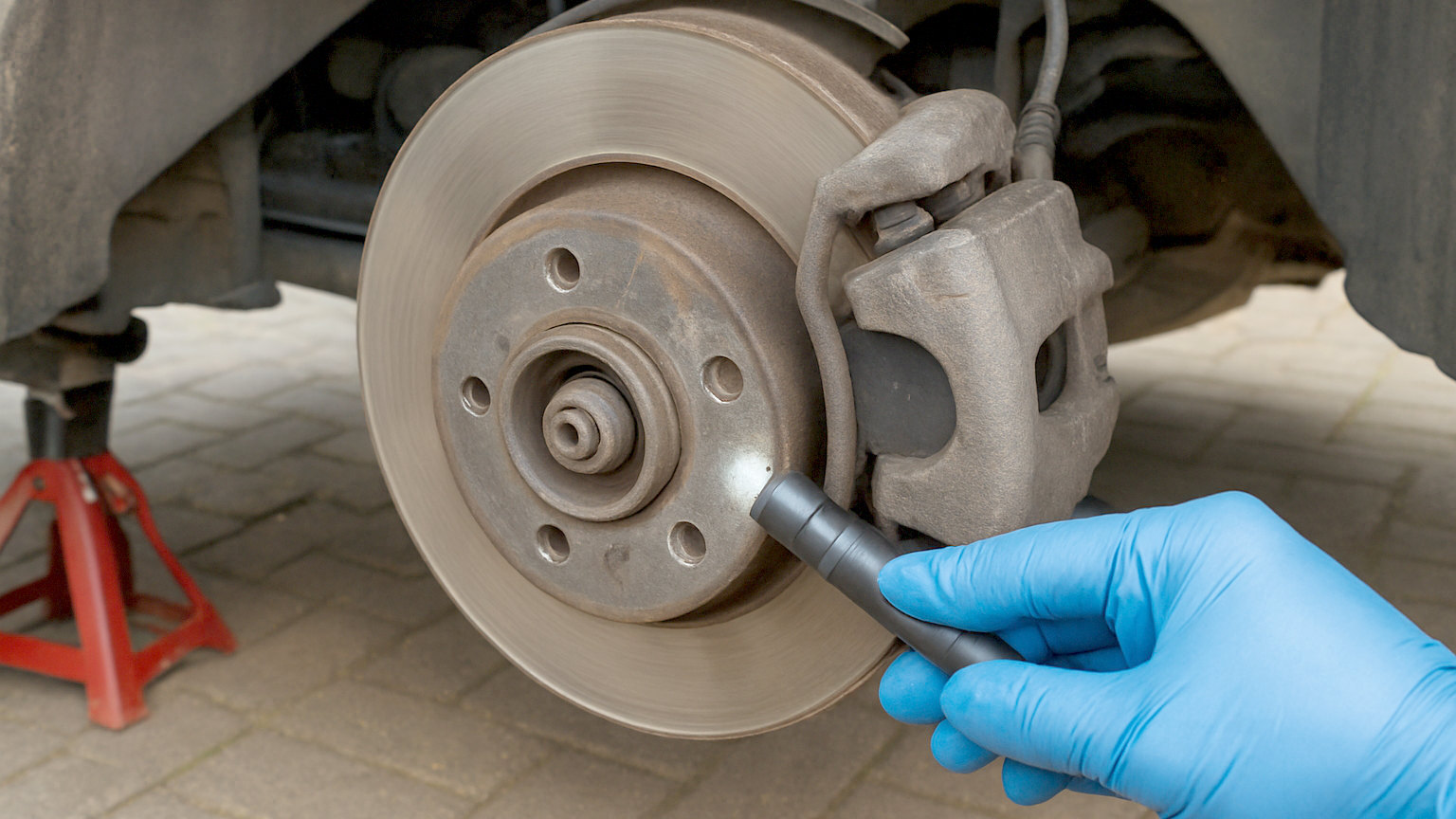
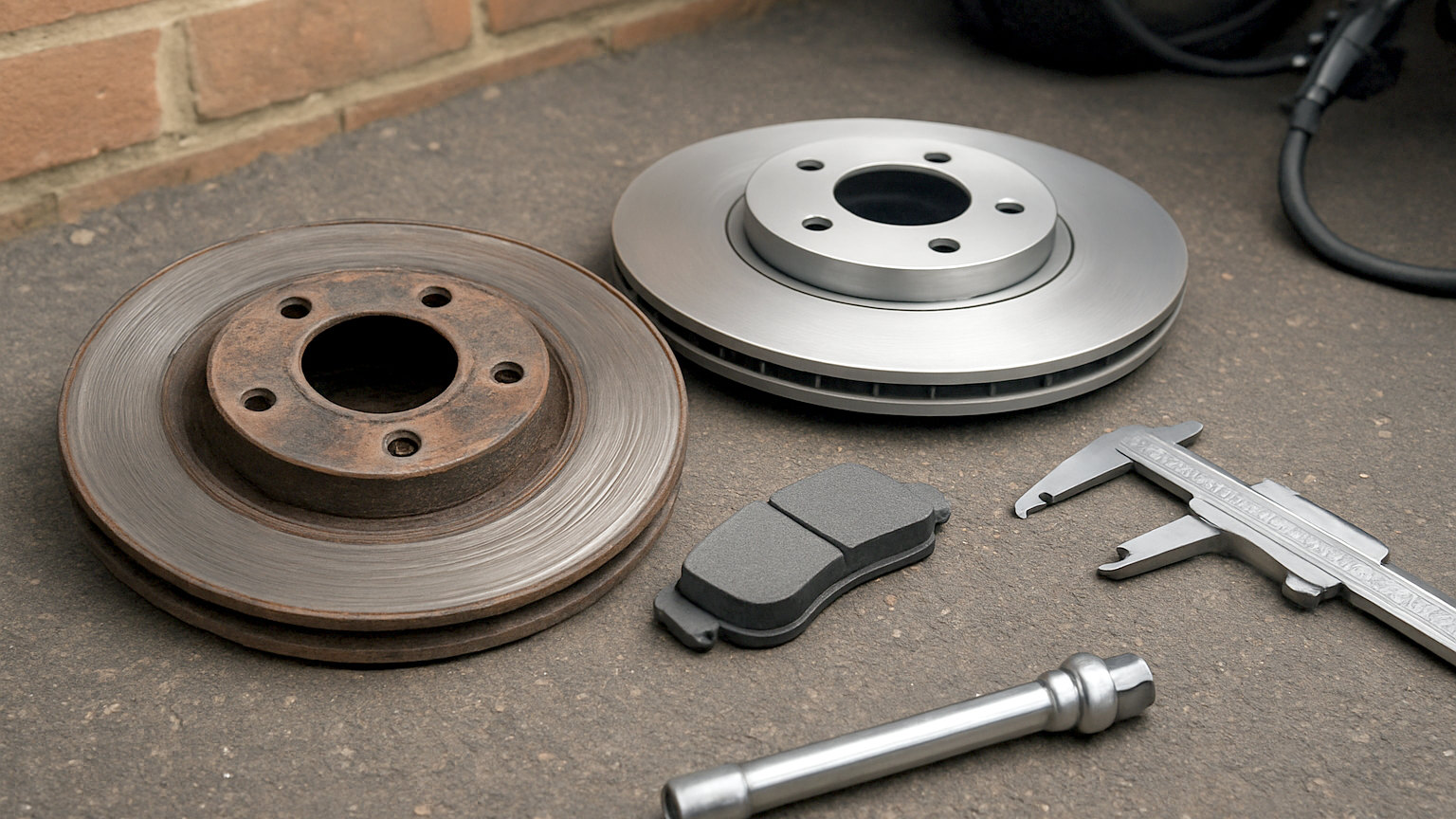
Not always, and the answer depends on measured thickness and surface condition rather than on a general rule or a sales suggestion.
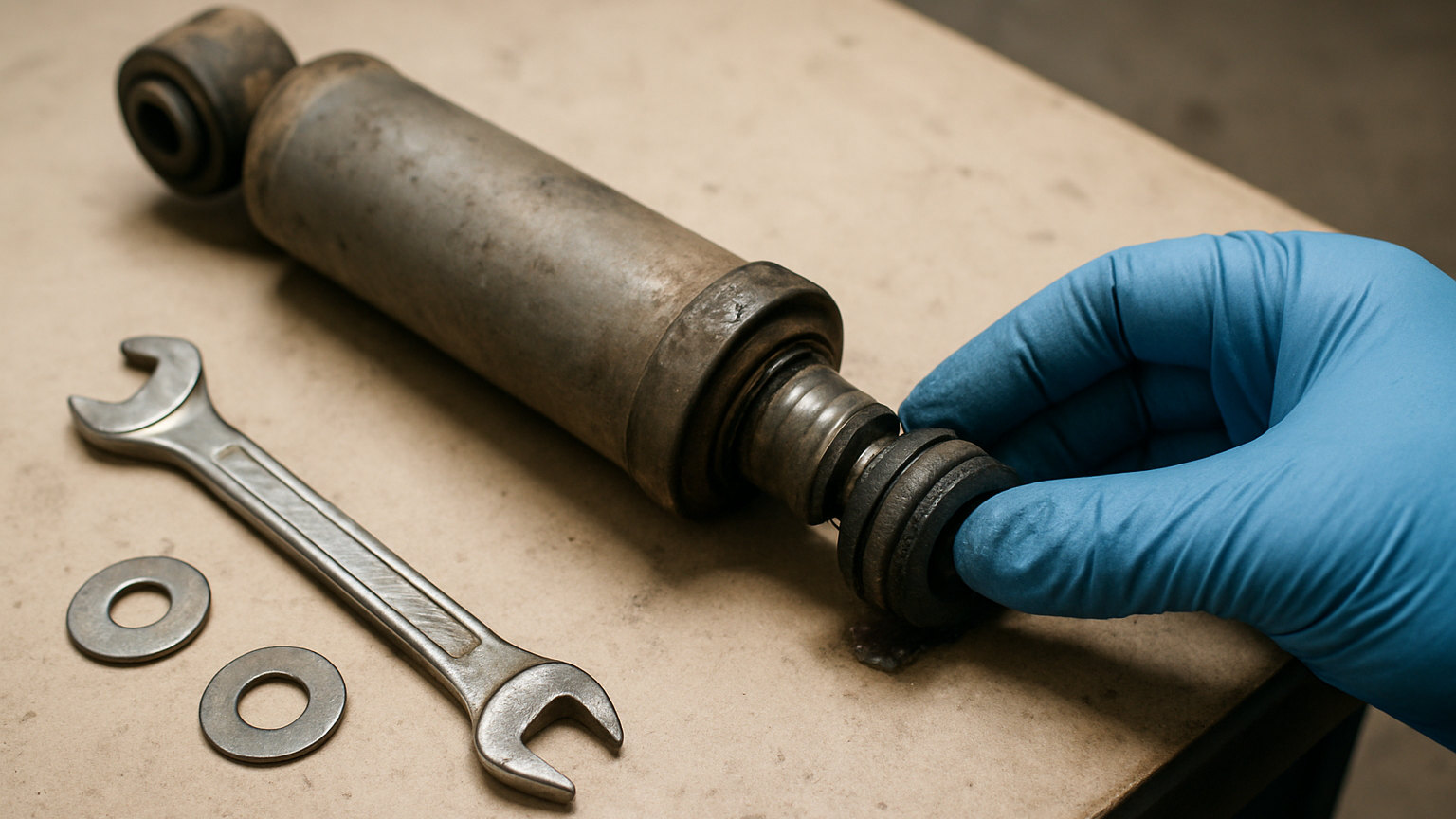
A car that feels nervous at speed is usually reporting worn dampers, incorrect geometry or tyres rather than anything dramatic.
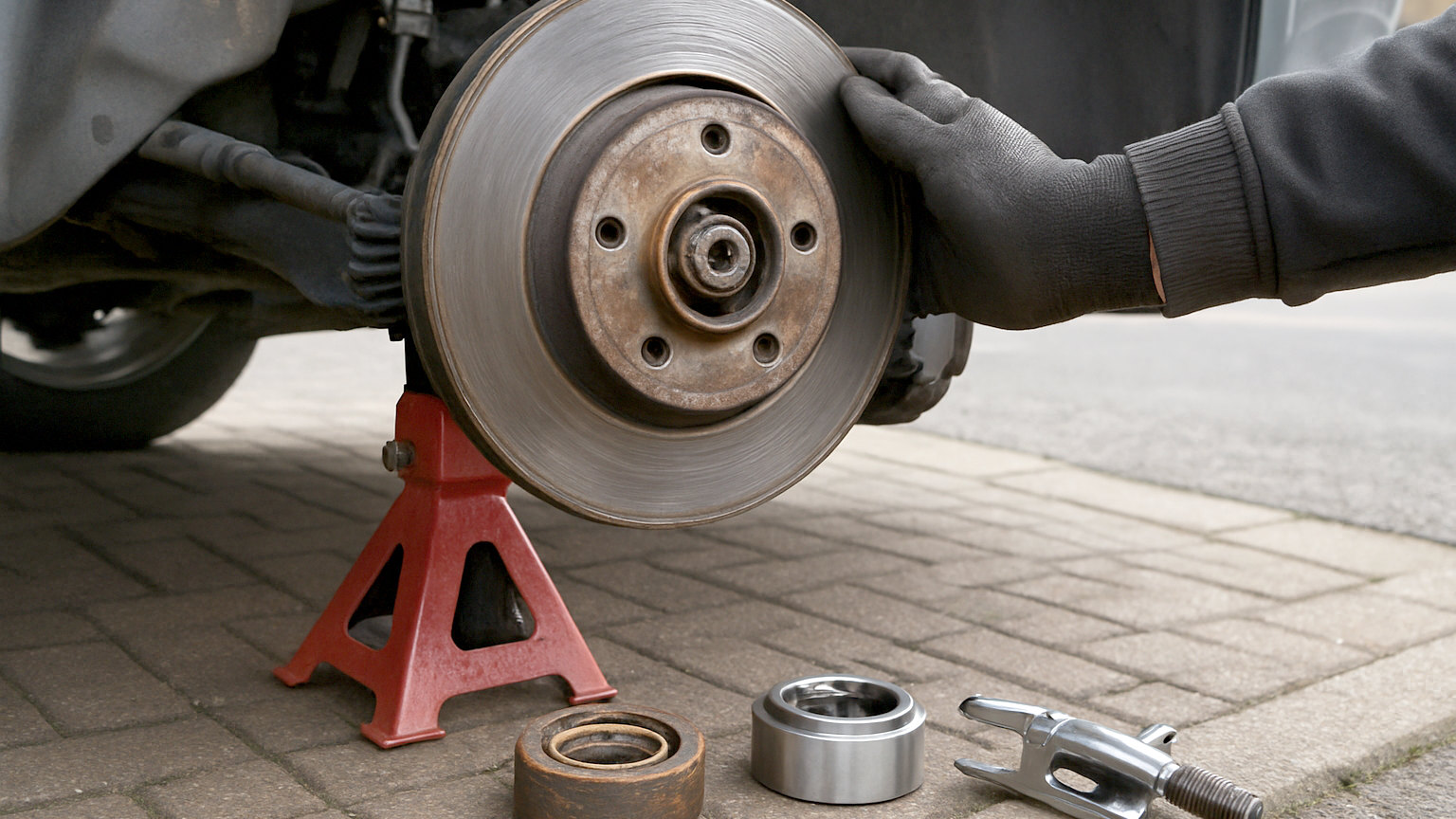
Which type your car uses determines whether the bearing can be pressed out, comes as a hub assembly, or is adjustable.
Camber is the lean of the wheel viewed from the front, and it decides which part of the tread carries the load.
There is a specified figure for every car, and both overtightening and undertightening cause real problems rather than theoretical ones.