Why Does My Car Follow Ruts in the Road?
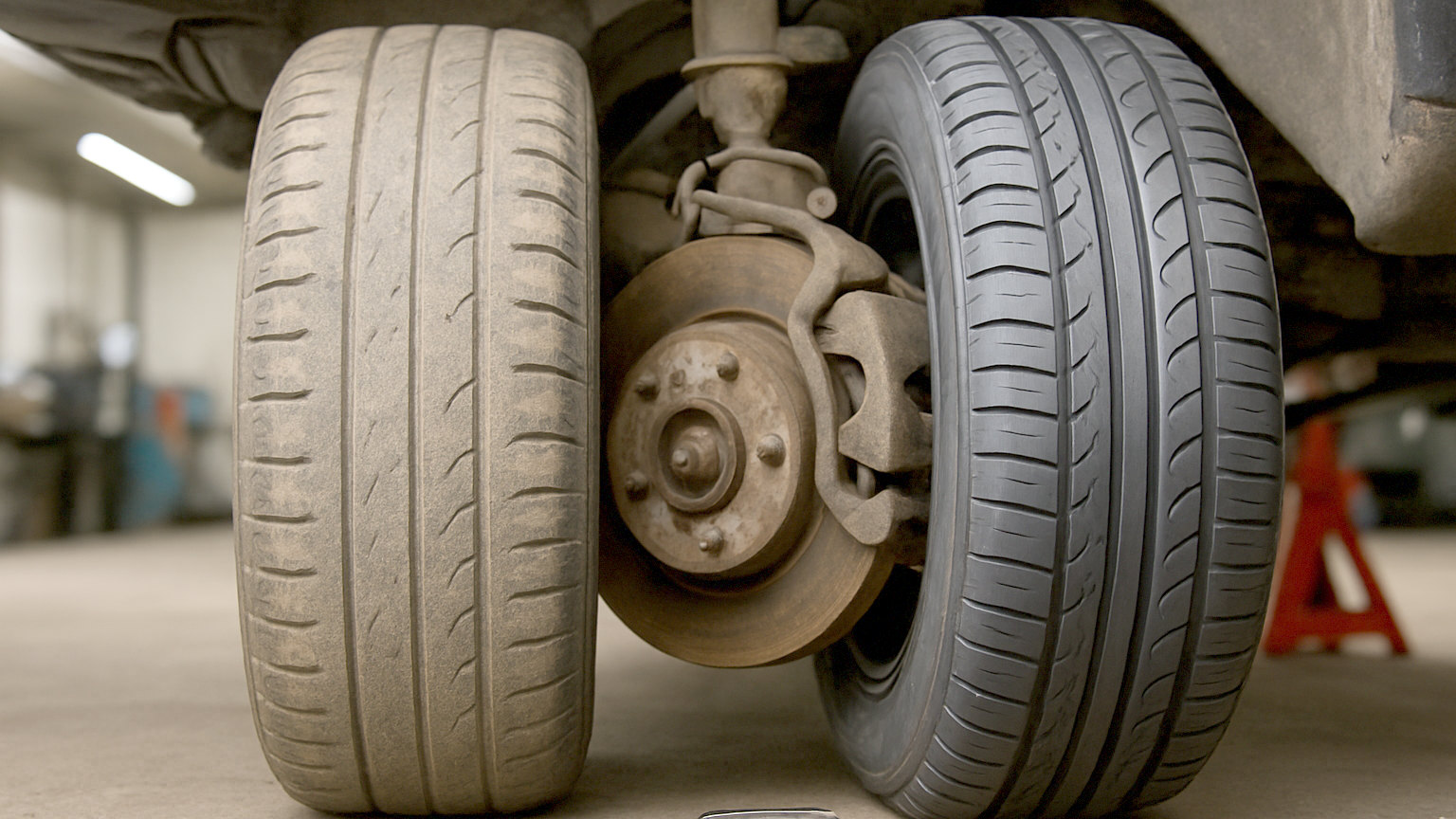
Tramlining is often a characteristic of wide low profile tyres rather than a fault, though worn components make it considerably worse.
By Car Problems Team
12 Apr 2026

Brakes, tyres and wheels are the parts that decide whether everything else on the car matters, and they are also the parts that fail politely - a squeal you get used to, a pull to the left you steer around without noticing. These guides cover the corners of the car: what each noise means, how to read the wear pattern across a tyre, and why a car that pulls, shudders or hums at speed is usually telling you about one specific component. None of it is worth putting off, and most of it is cheaper caught early.
Tramlining is often a characteristic of wide low profile tyres rather than a fault, though worn components make it considerably worse.
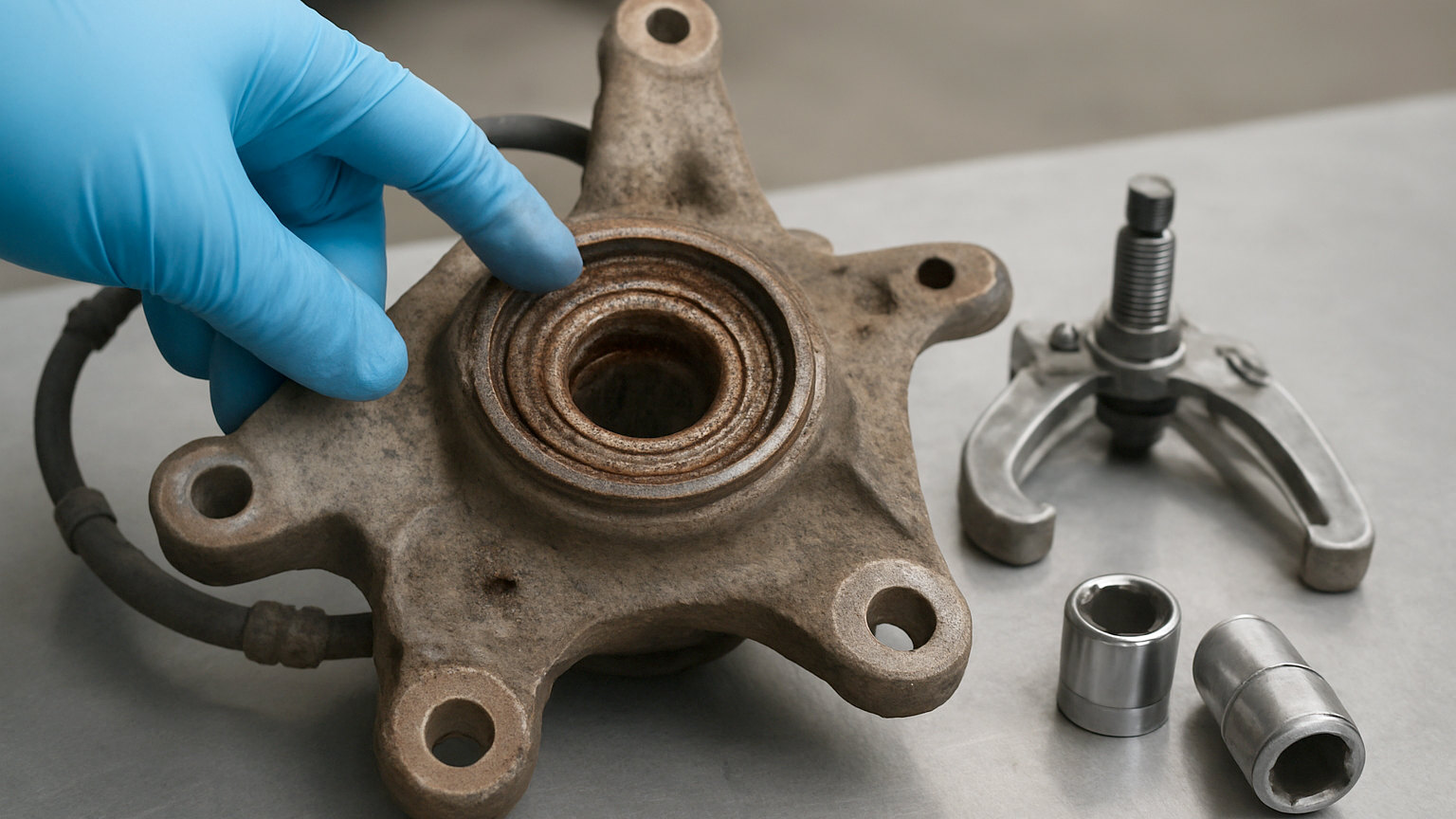
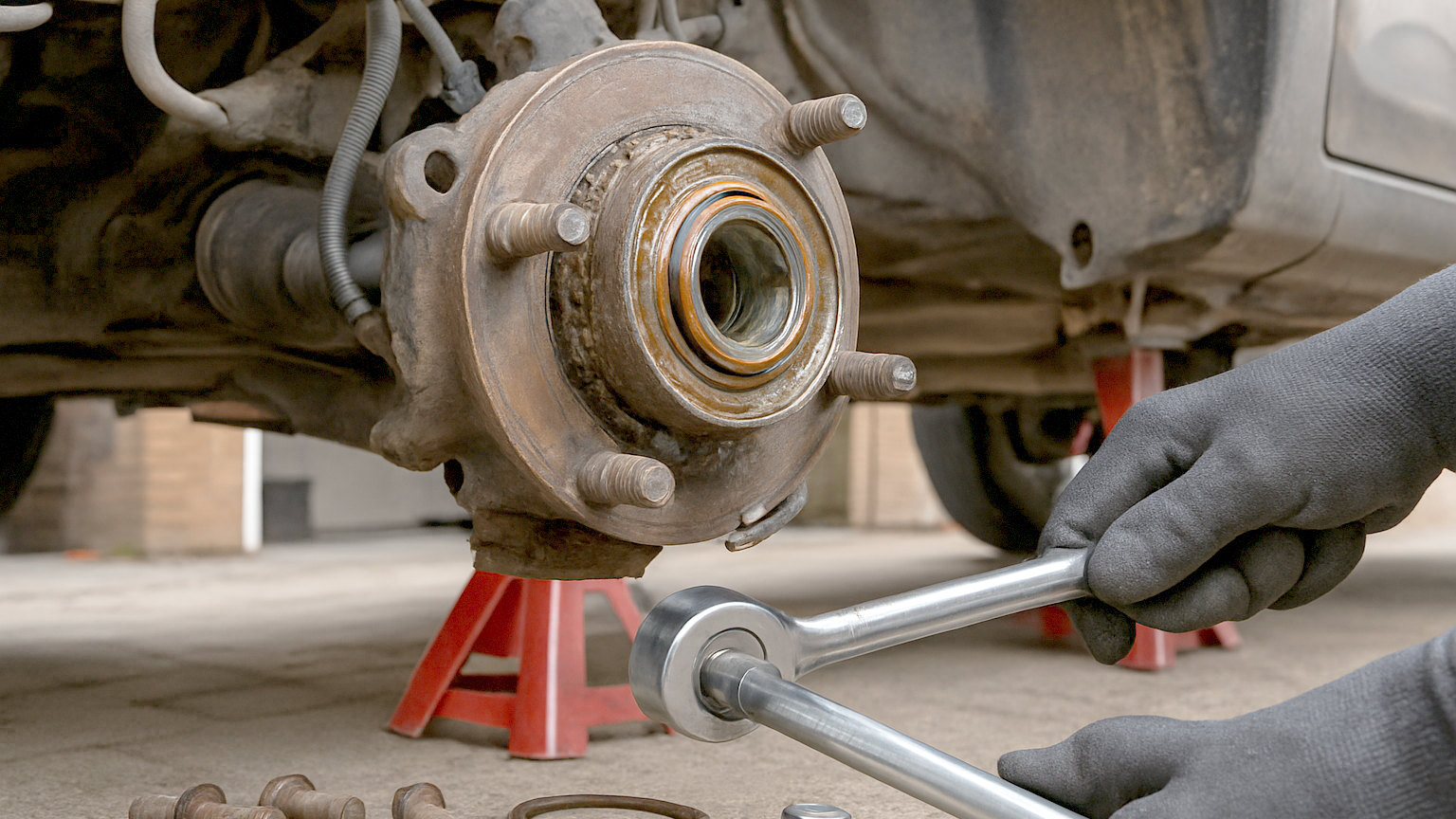
The job ranges from unbolting a hub assembly in under an hour to pressing a cartridge out of a carrier removed from the car.
Misaligned wheels are partly scrubbing rather than rolling, and that resistance costs fuel every mile the car is driven.
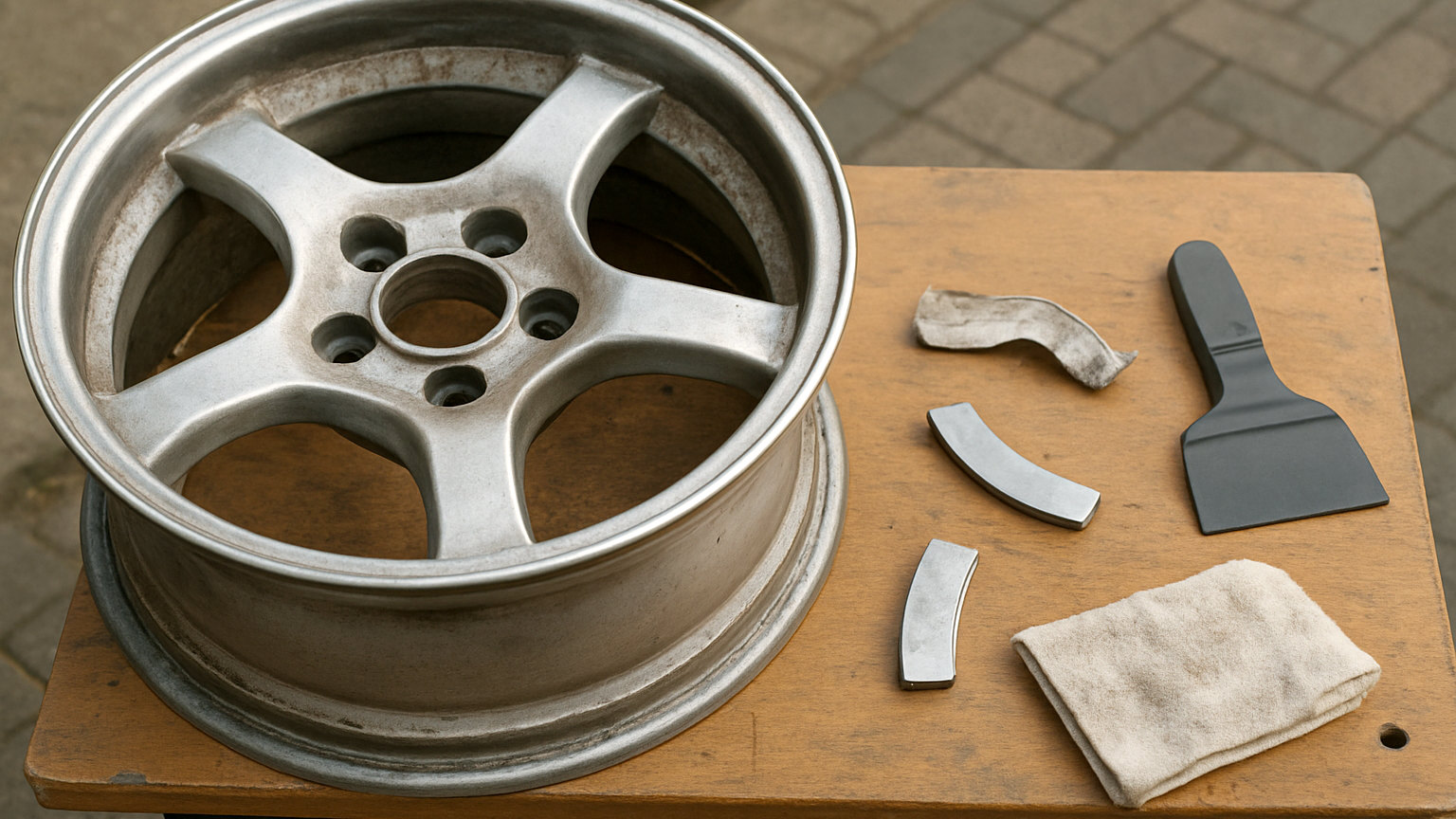
Stick on weights fail when the surface was not prepared or when strong wheel cleaners have attacked the adhesive.
Tyre pressure monitoring comes in two quite different forms, and which one your car uses determines what the light means and what fixes it.
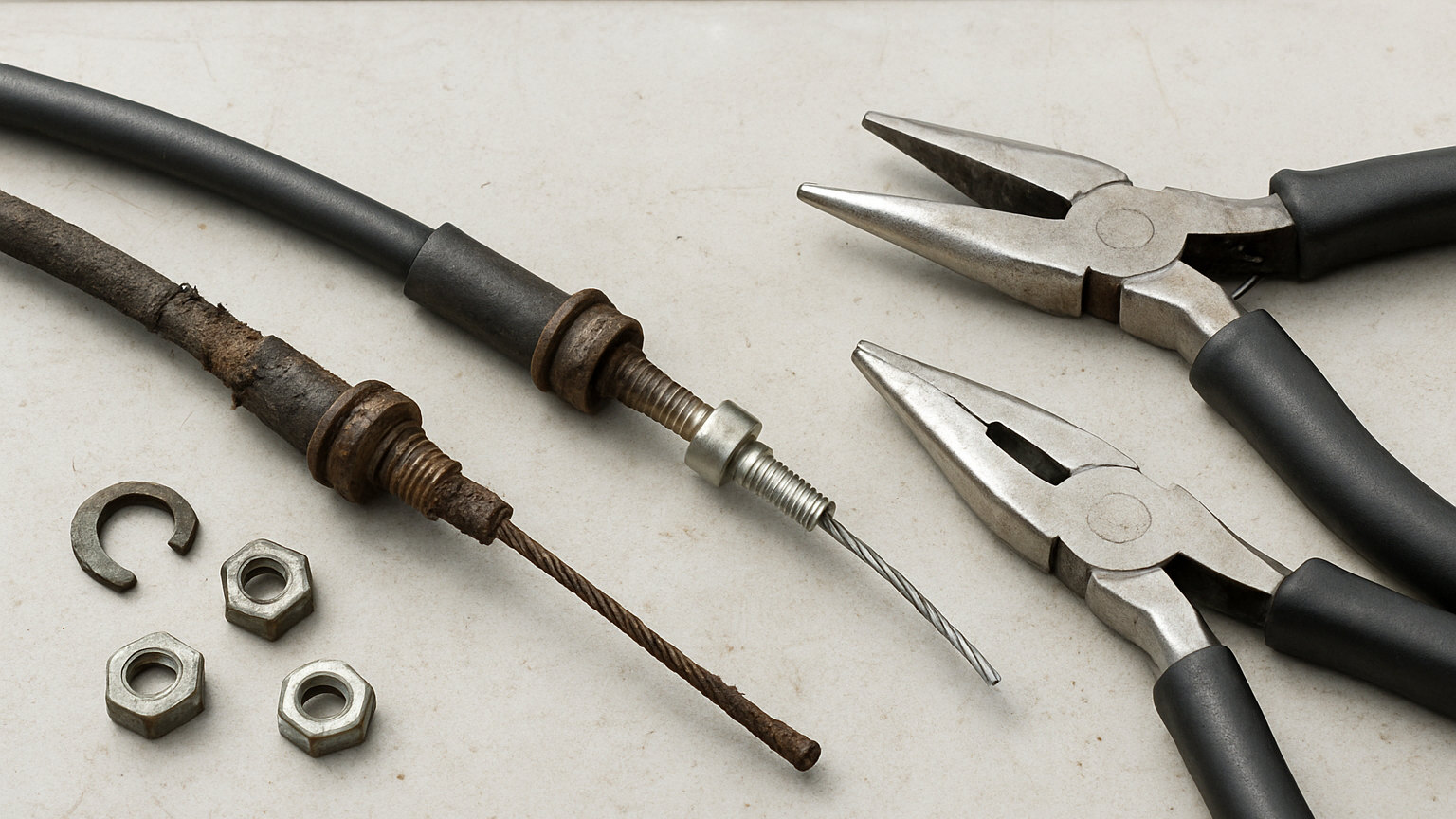
Handbrake noises come from cables, shoes or an electronic actuator, and the sound tells you which of those you are dealing with.
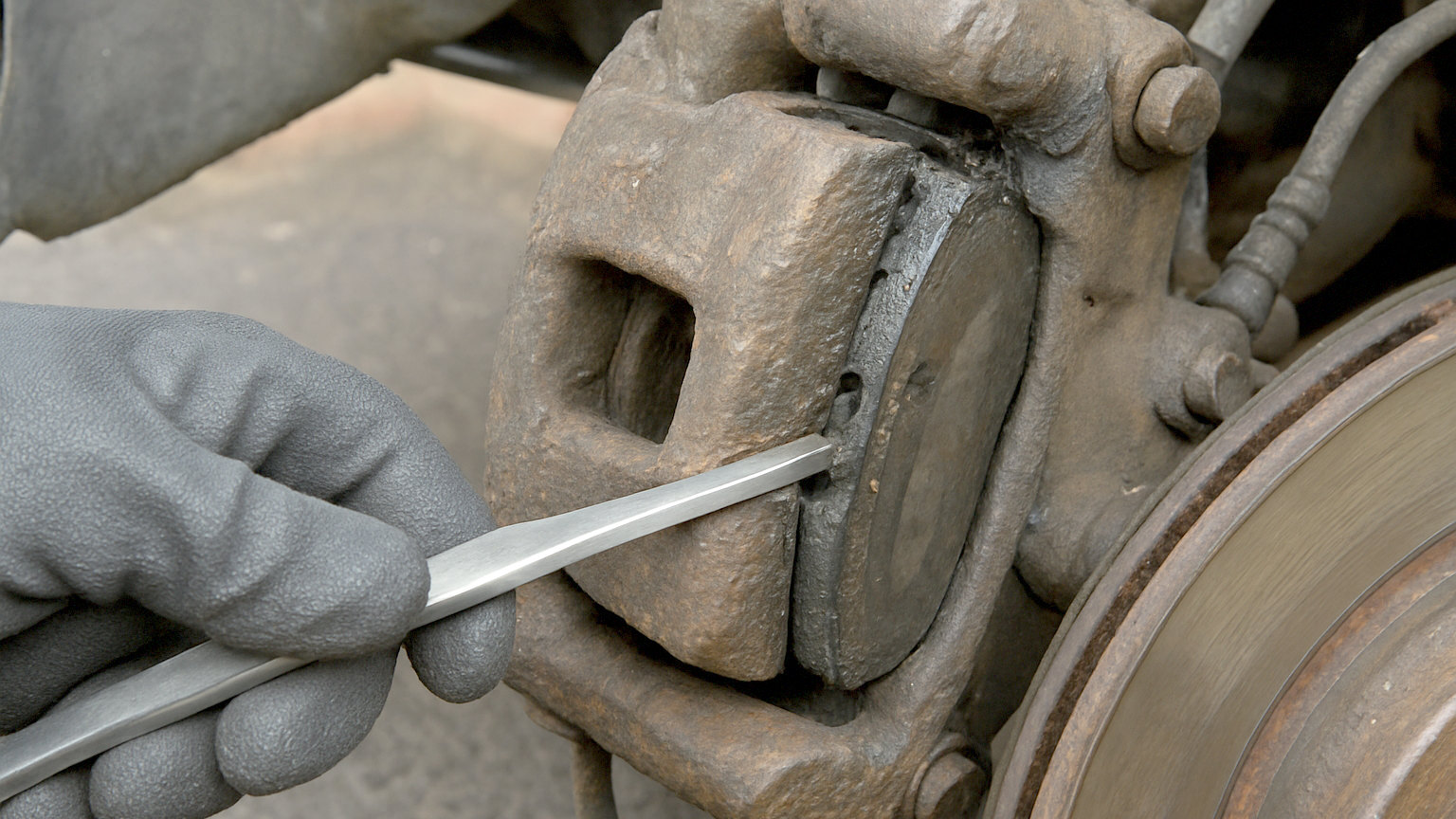
A caliper that will not release drags continuously, which shows up as a hot wheel, a pull and a set of pads worn away on one side.
Aquaplaning is the tyre riding on a film of water instead of the road, and tread depth and speed are what decide whether it happens.
Unlike pads and tyres, bearings do not need to match, so replacing only the failed one is usually the right decision.
Thrust angle describes where the rear axle is actually pointing, and it explains why some cars will not drive straight however carefully the front is set.