Why Does My Car Creak Going Over Speed Bumps?
Creaking at low speed over bumps is nearly always dry rubber or a worn bush, and the location of the noise narrows it quickly.
By Car Problems Team
13 Aug 2026

Clunks, humming, grinding and squeaks that change with speed, steering or bumps - how to locate a noise before you start replacing parts.
Creaking at low speed over bumps is nearly always dry rubber or a worn bush, and the location of the noise narrows it quickly.
Temperature changes clearances and damp changes friction, so a fault that is silent in July can be obvious every morning in January.
Describing conditions rather than sounds is what shortens a diagnosis, because the same word means different things to different people.
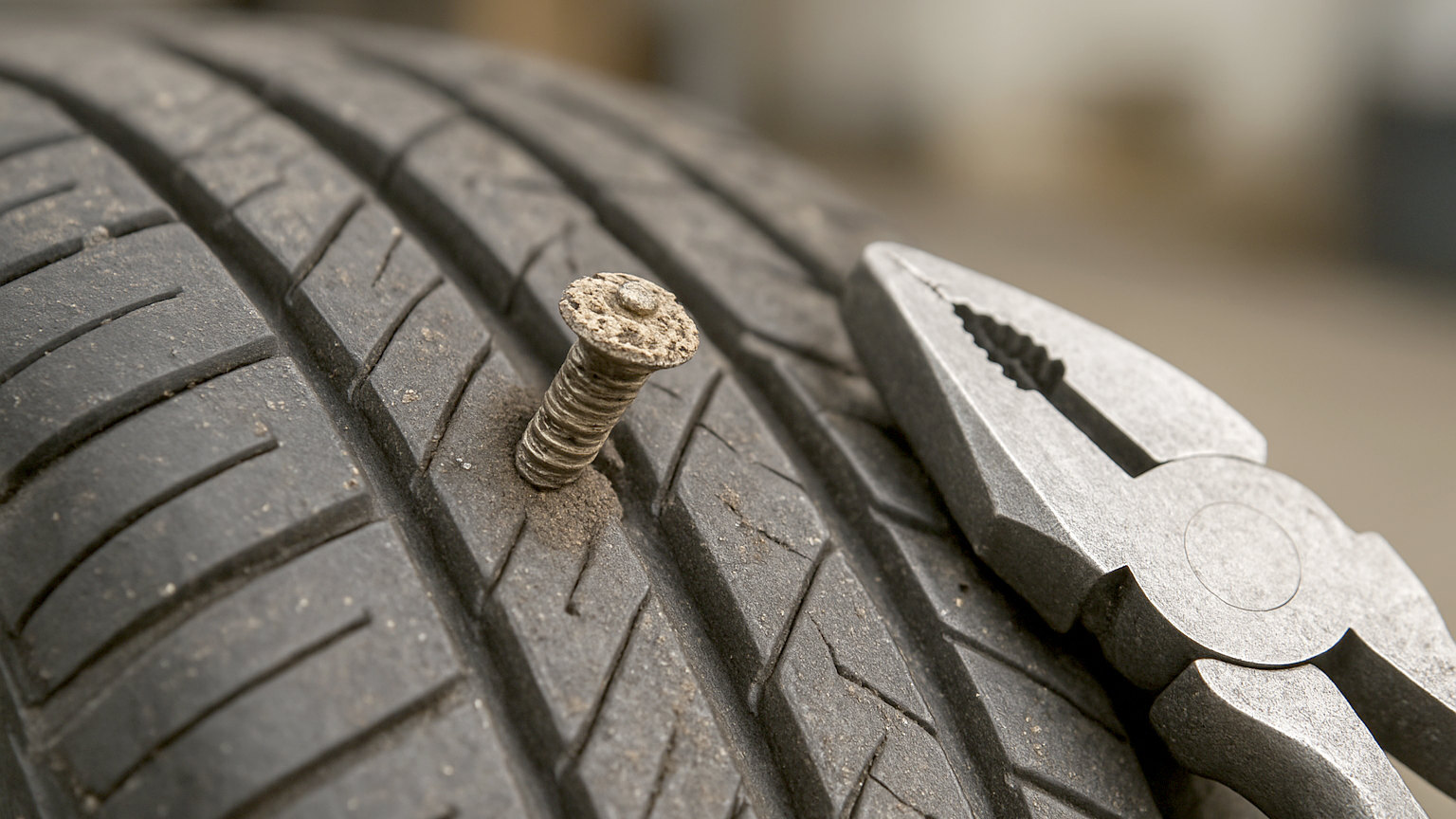
A tick that slows as you slow down is coming from something rotating with the wheels, and the usual answer is embedded in a tyre.
Ticking, gurgling and whirring after a journey are mostly normal, and knowing which sounds belong there saves a great deal of worry.
Most noises are an invitation to book an appointment, and a small number are an instruction to stop at the next safe place.
Lifting off reverses the load through the driveline, and a noise that appears at that moment is play being taken up in the opposite direction.
Grinding means metal contacting metal where it should not, and it is one of the few noises that justifies stopping to look.
Interior rattles are maddening out of proportion to their importance, and they are found by pressing rather than by listening.
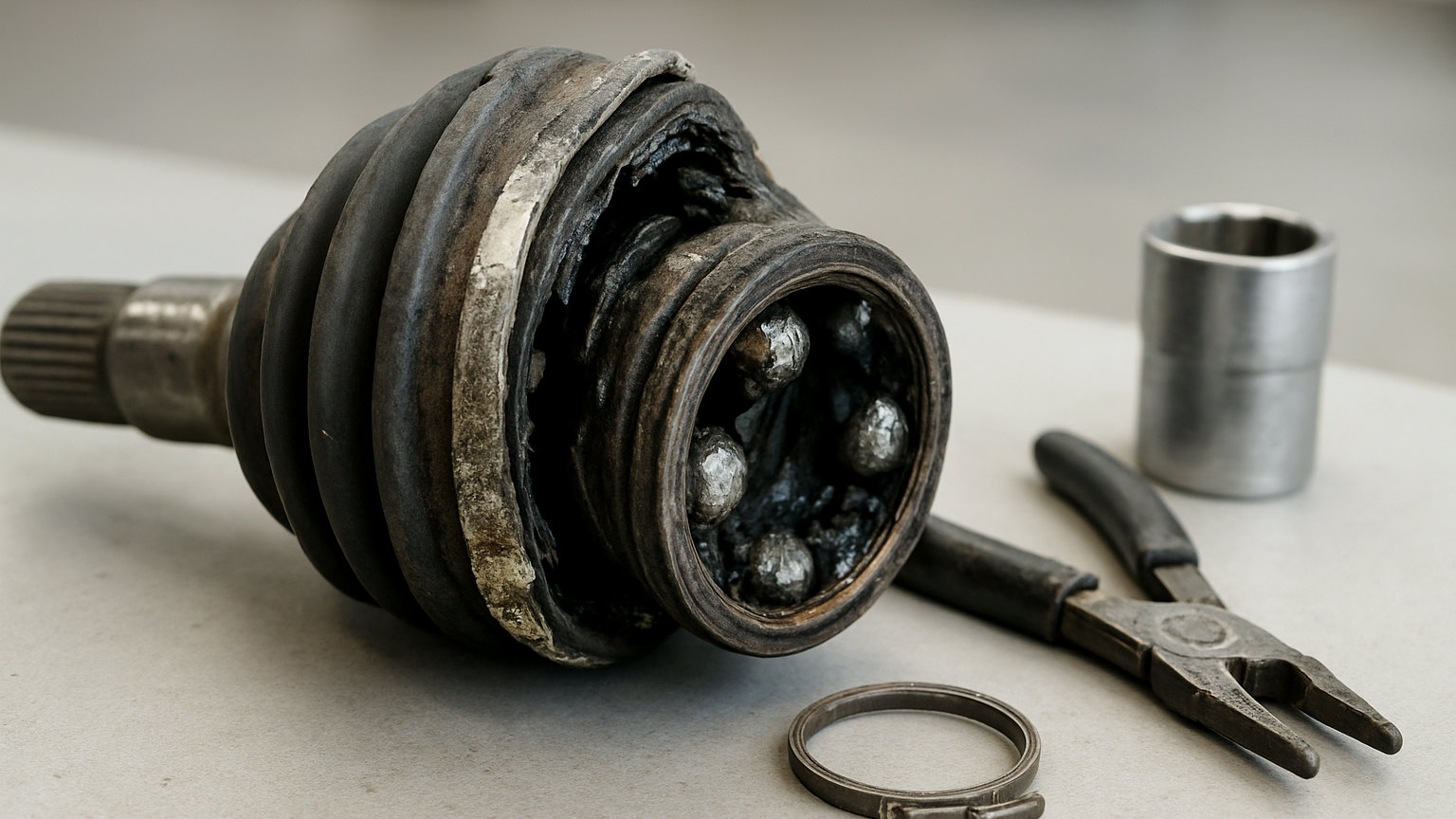
A rhythmic click on full lock under power is one of the most specific noises a car makes, and it names a single component.