Why Do My Rear Lights Fail or Fill With Water?
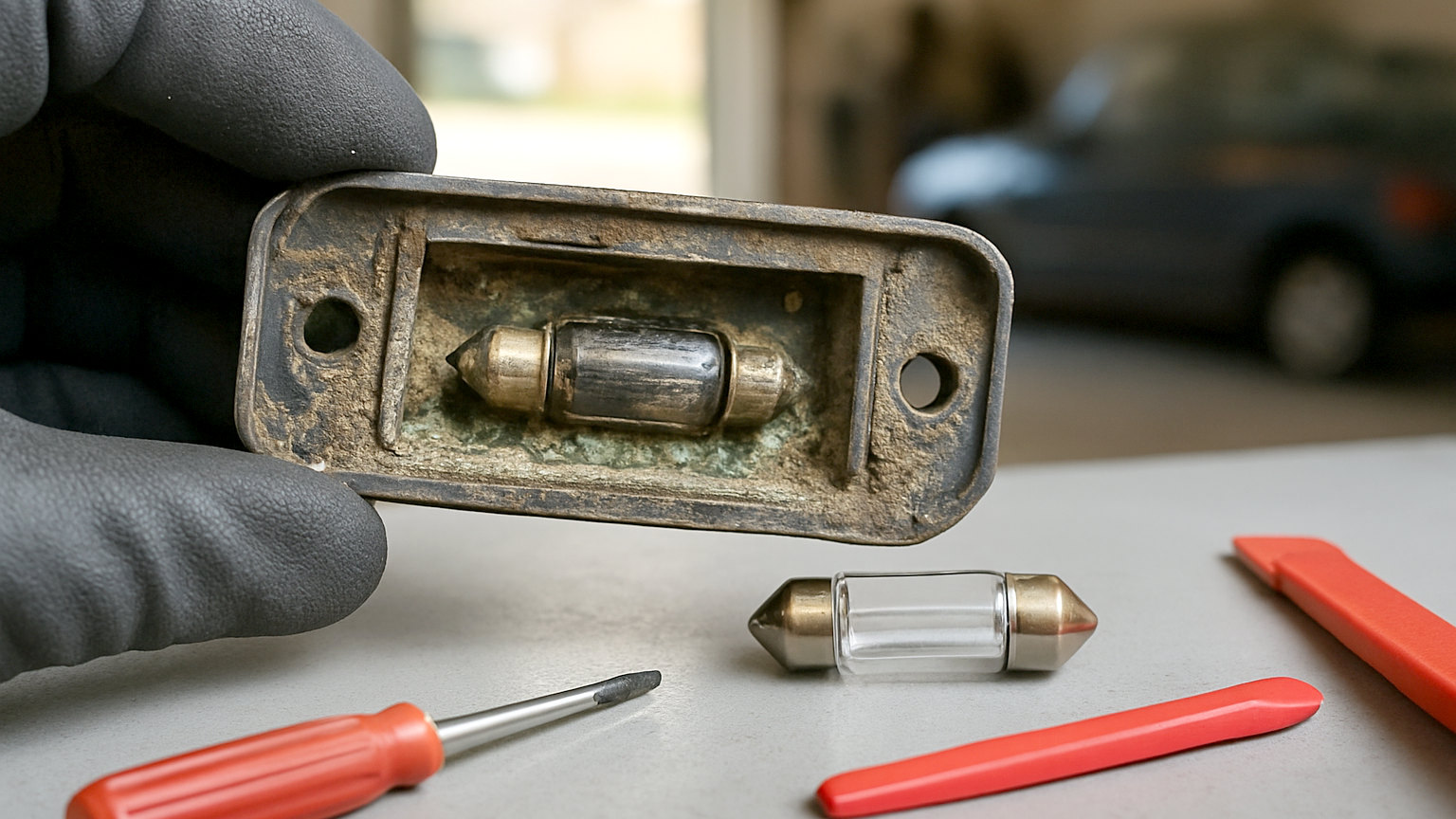
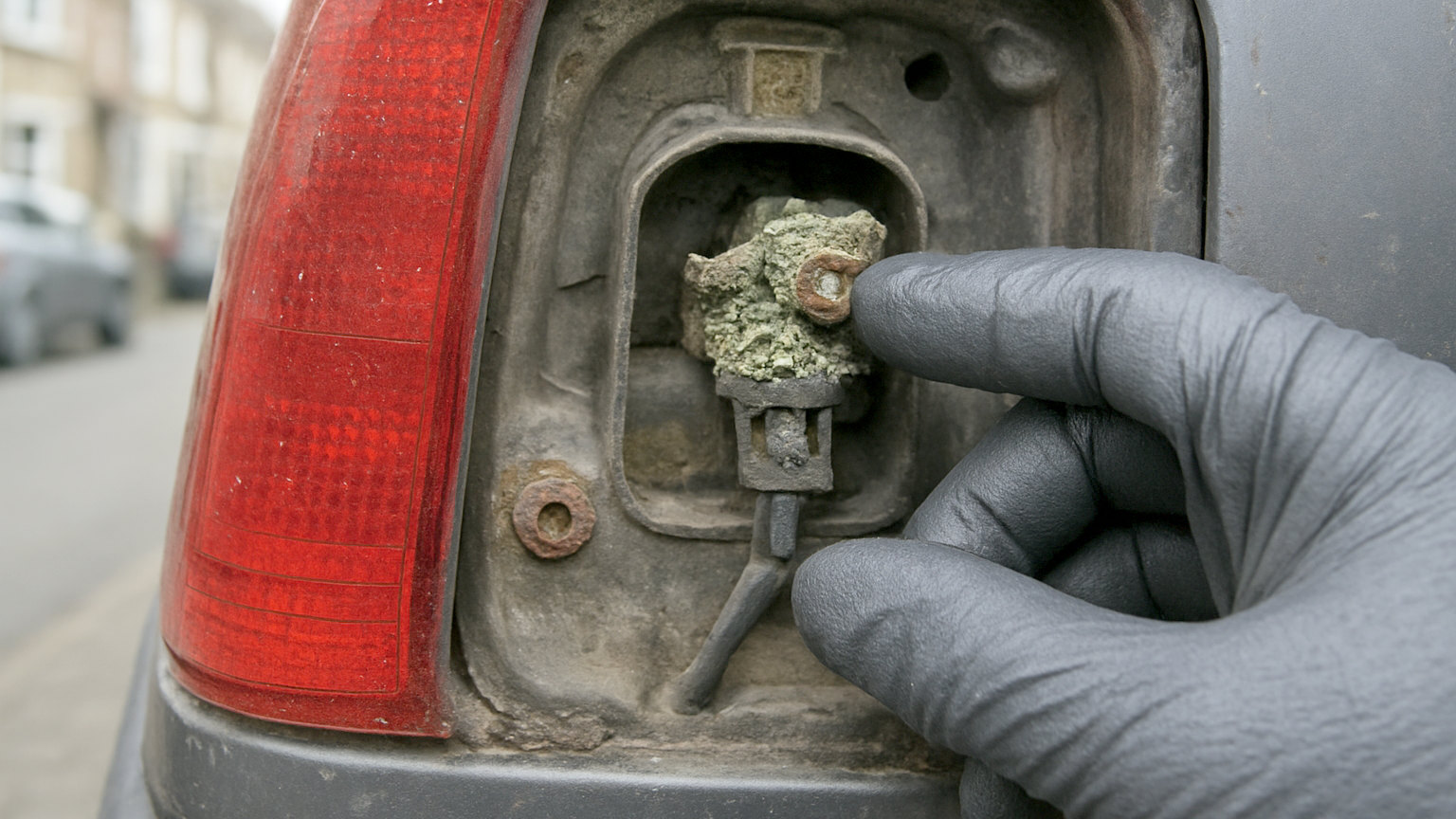
When several rear lights misbehave together the cause is usually one shared earth, and water in the cluster is what corroded it.
By Car Problems Team
25 Apr 2026

Headlights, brake lights and indicators that have failed, gone dim, or flash too fast - bulbs, fuses, earths and the MOT rules that apply.
When several rear lights misbehave together the cause is usually one shared earth, and water in the cluster is what corroded it.
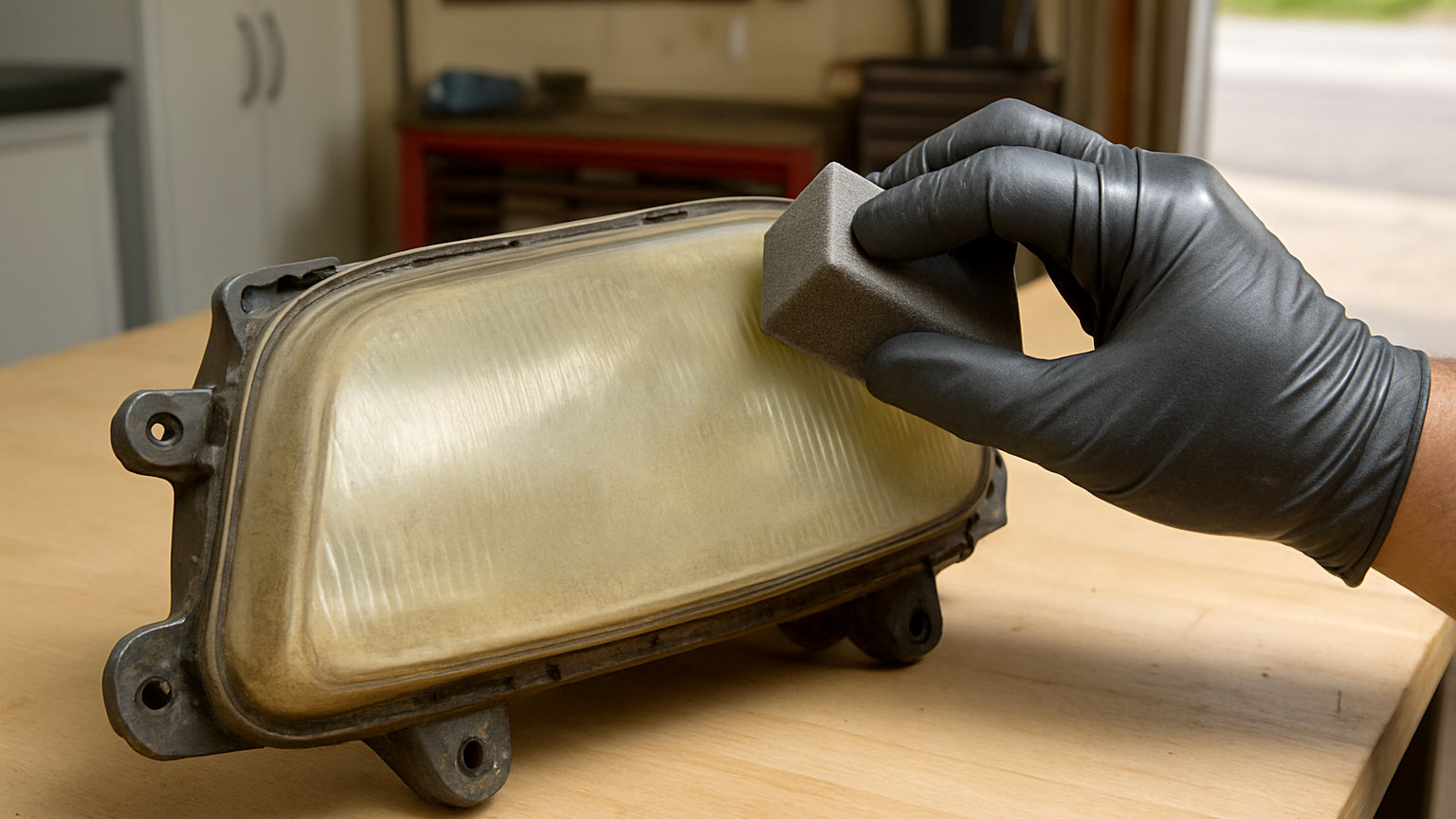
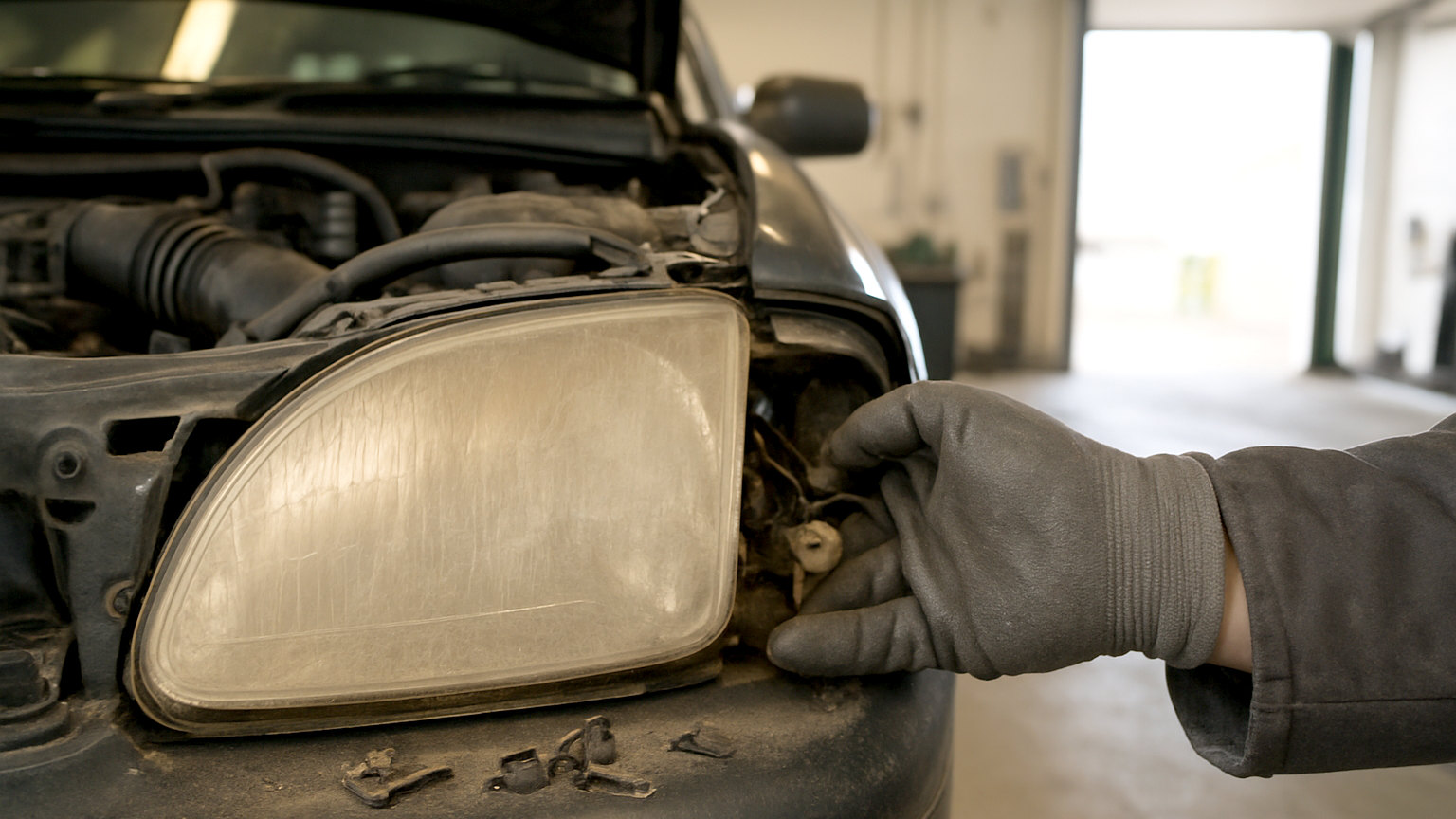
Yellowed headlights are the single biggest cause of poor night vision on older cars, and restoring them costs very little.
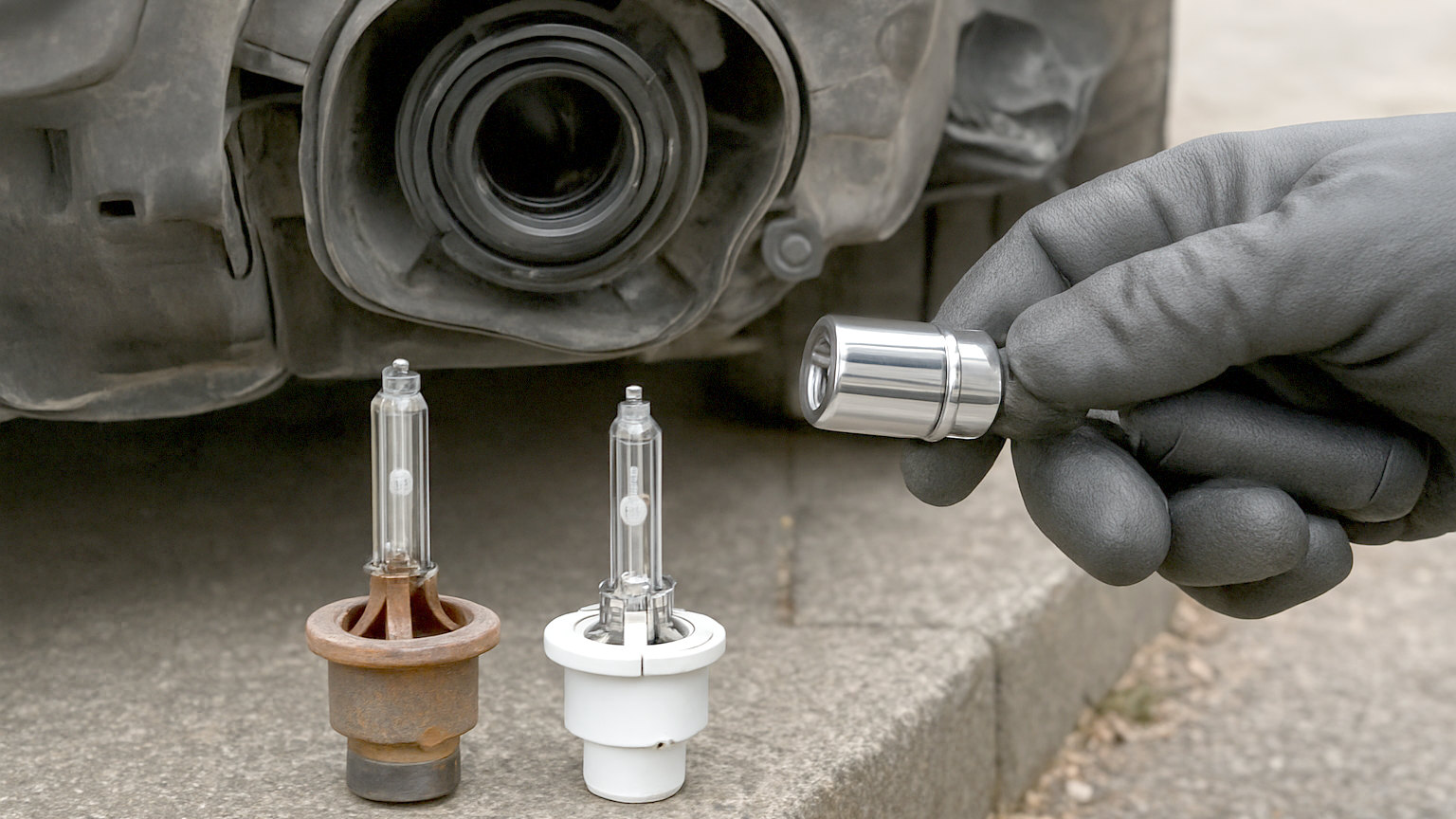
HID headlights use an arc rather than a filament, which means high voltages, a warm up period and a different set of faults.
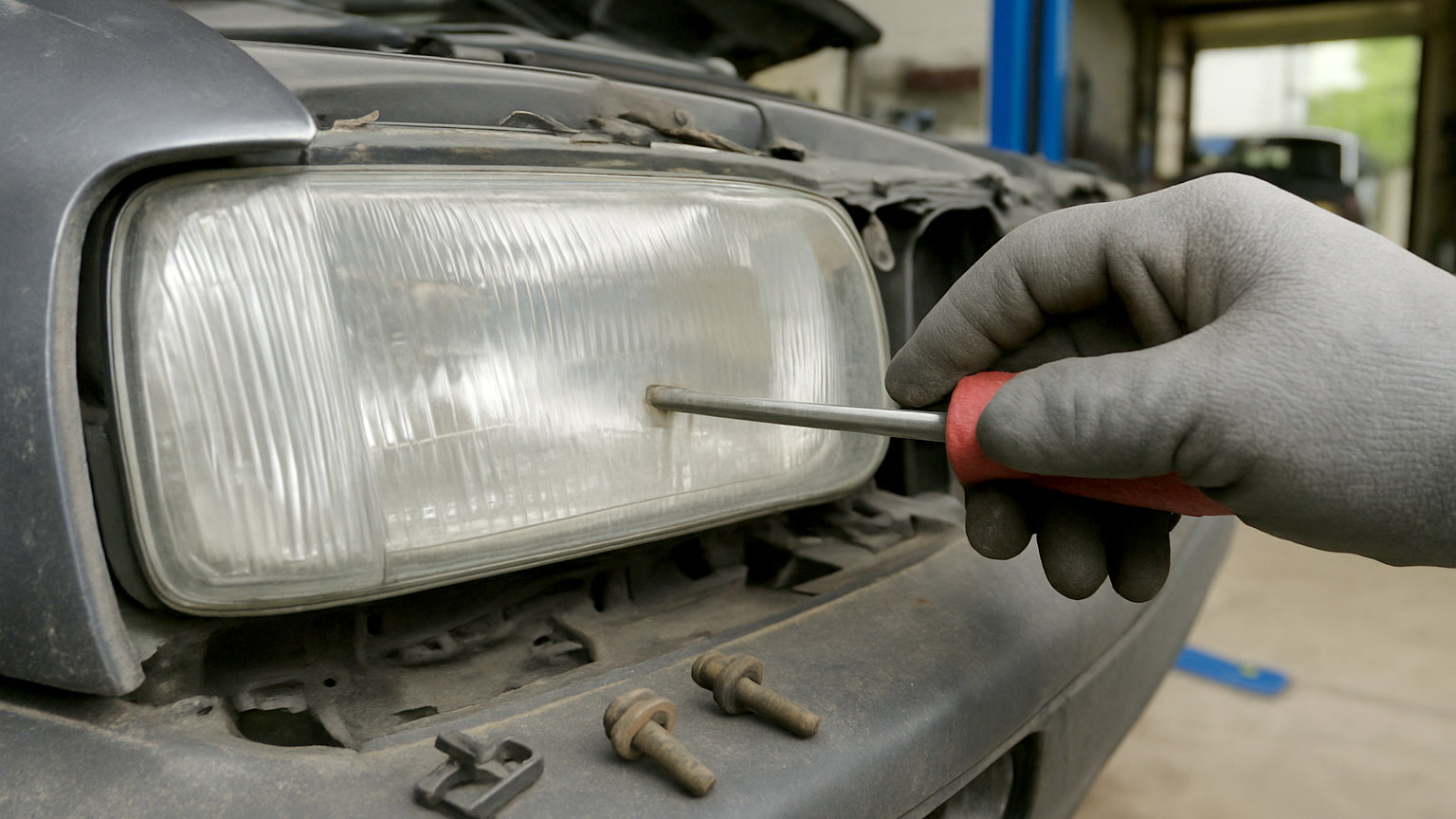
Headlight aim drifts over time and after any front end work, and getting it wrong either blinds other drivers or leaves you short of light.
Bulb monitoring measures current rather than light, so a working lamp with the wrong current draw is reported as a failure.
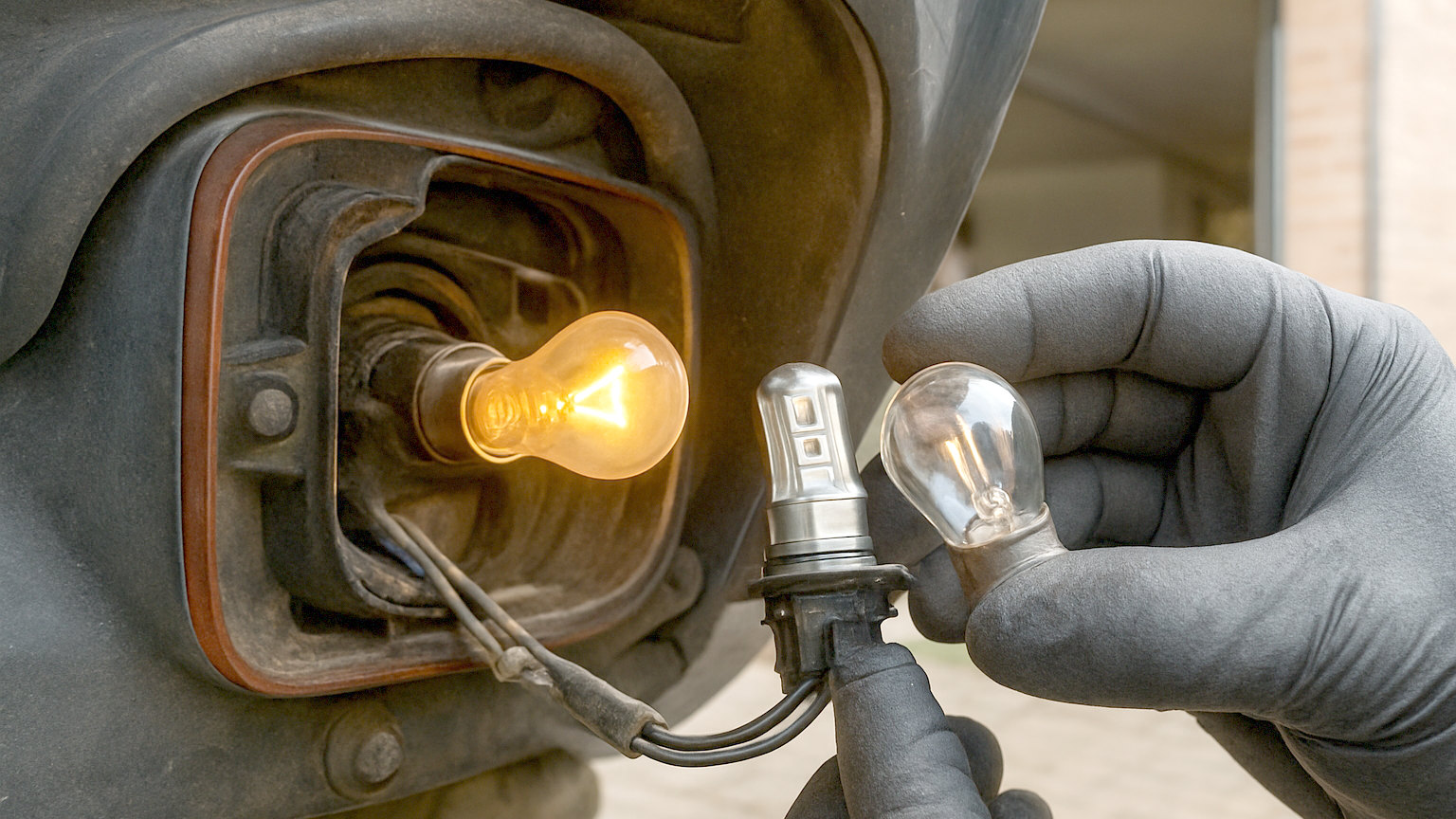
The smallest bulbs on a car fail most often, because they sit in the wettest positions with the poorest seals.
Lighting faults are among the most common MOT failures and almost all of them are cheap to prevent with a five minute check.
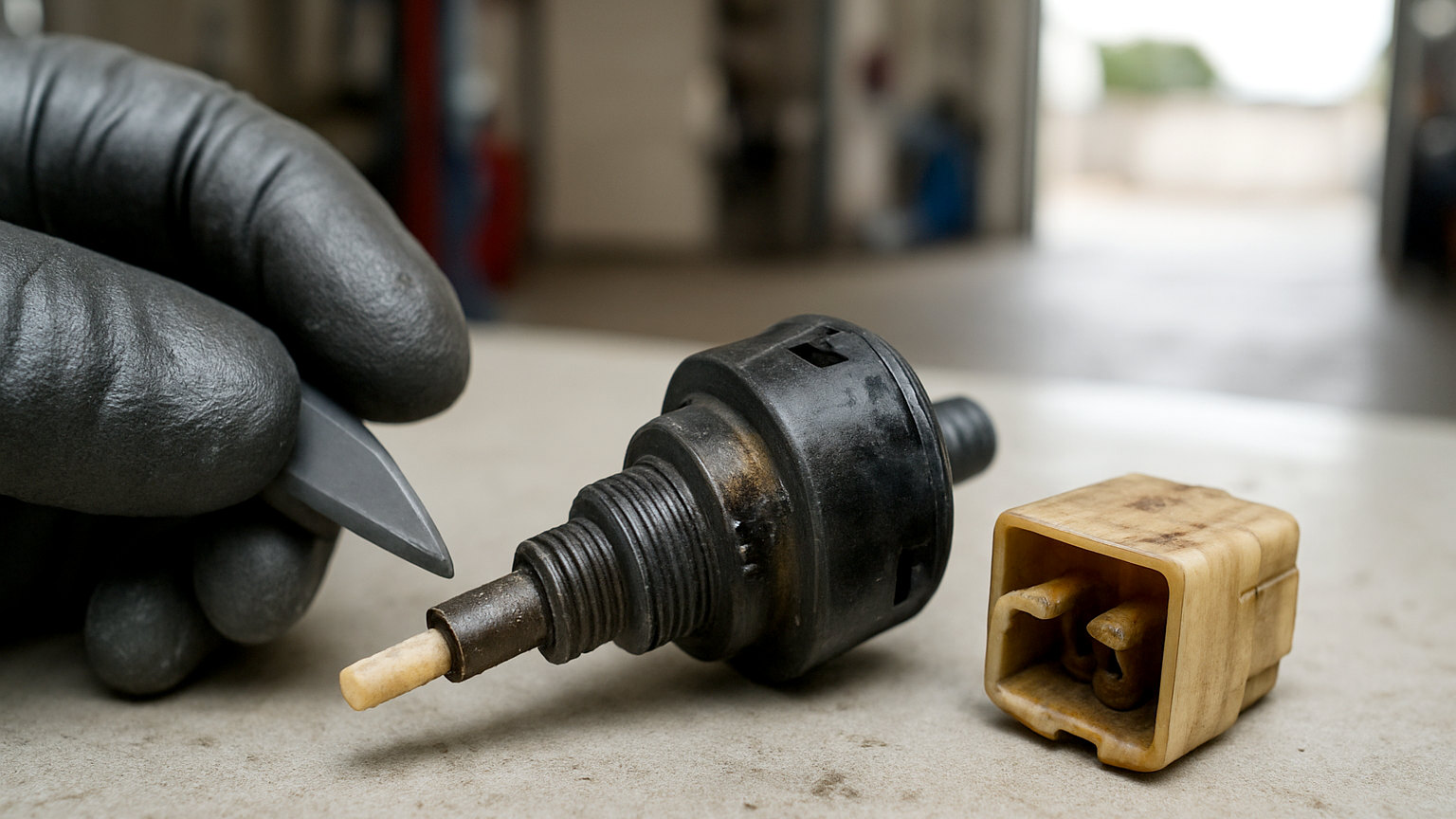
When all the brake lights fail together it is almost never the bulbs, and one inexpensive switch behind the pedal is usually responsible.
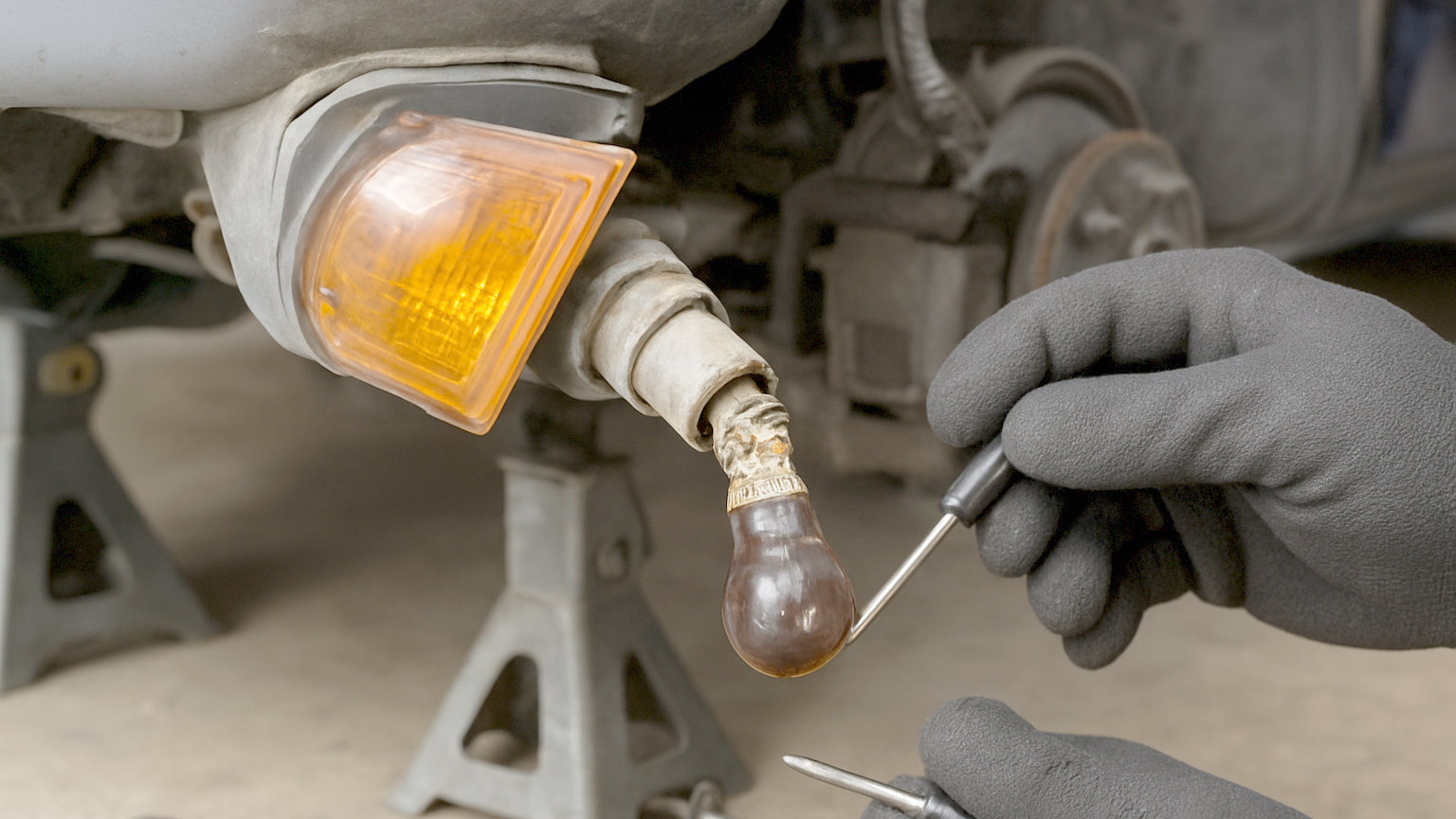
Rapid flashing is a deliberate warning built into the car, telling you a bulb on that side has failed before anyone flashes you about it.
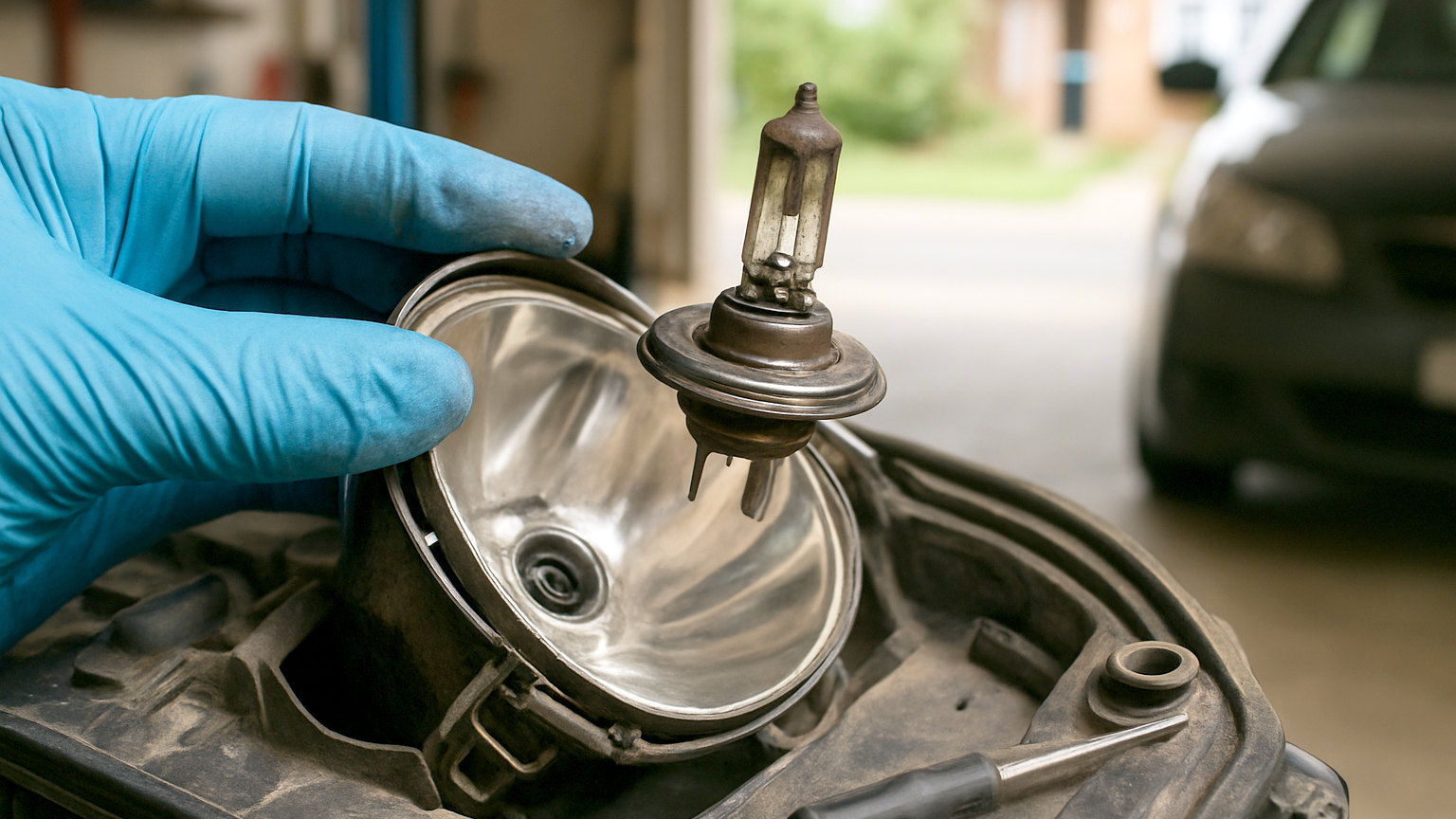
Headlights fade so gradually that most drivers never notice, and the cause is usually the lens or a poor earth rather than the bulb.