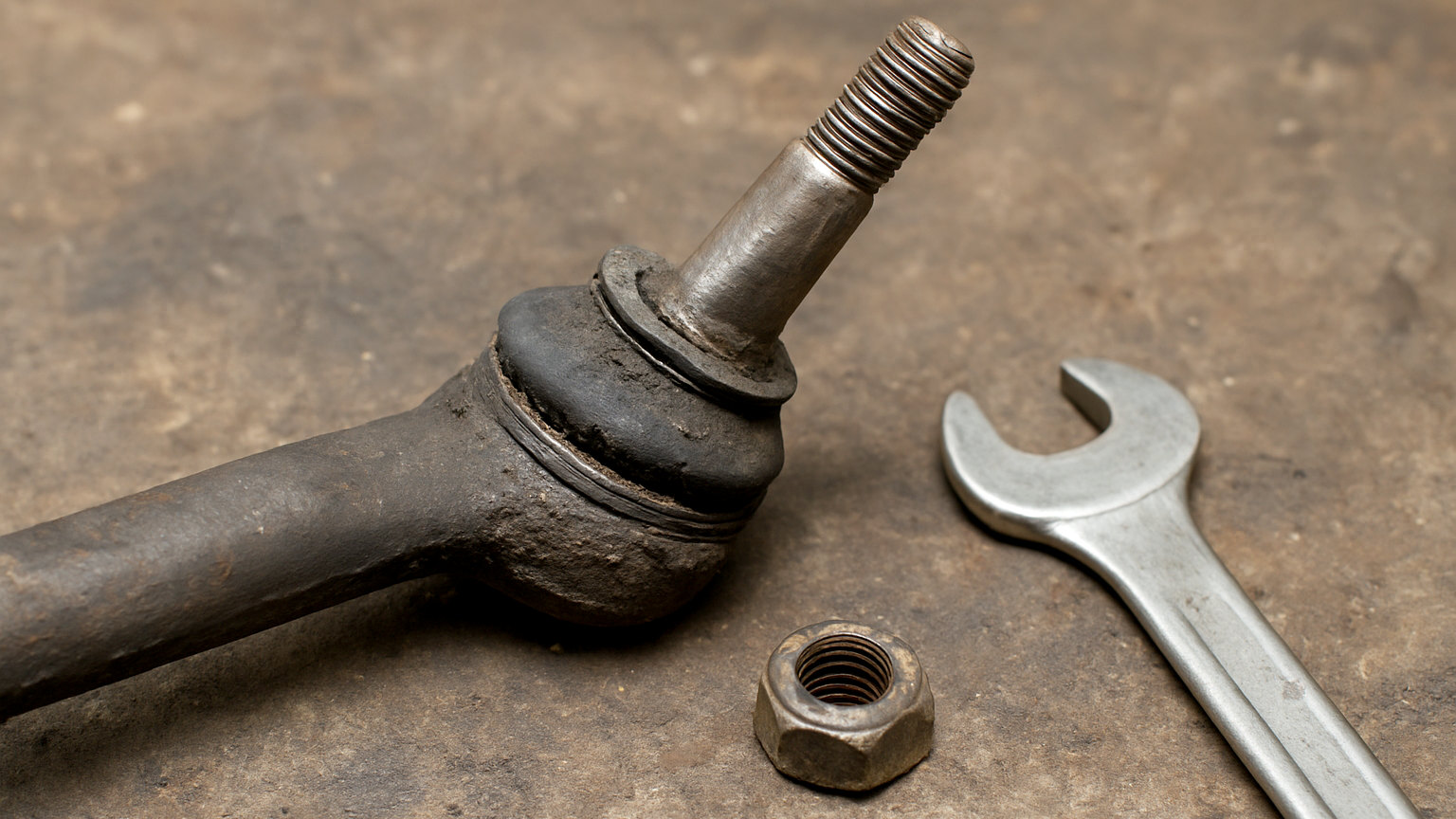
What Causes Wheel Alignment to Go Out?
Alignment changes when something moves, so the causes are impacts, worn components and repairs rather than gradual drift.
By Car Problems Team
13 Mar 2026

Brakes, tyres and wheels are the parts that decide whether everything else on the car matters, and they are also the parts that fail politely - a squeal you get used to, a pull to the left you steer around without noticing. These guides cover the corners of the car: what each noise means, how to read the wear pattern across a tyre, and why a car that pulls, shudders or hums at speed is usually telling you about one specific component. None of it is worth putting off, and most of it is cheaper caught early.
Alignment changes when something moves, so the causes are impacts, worn components and repairs rather than gradual drift.
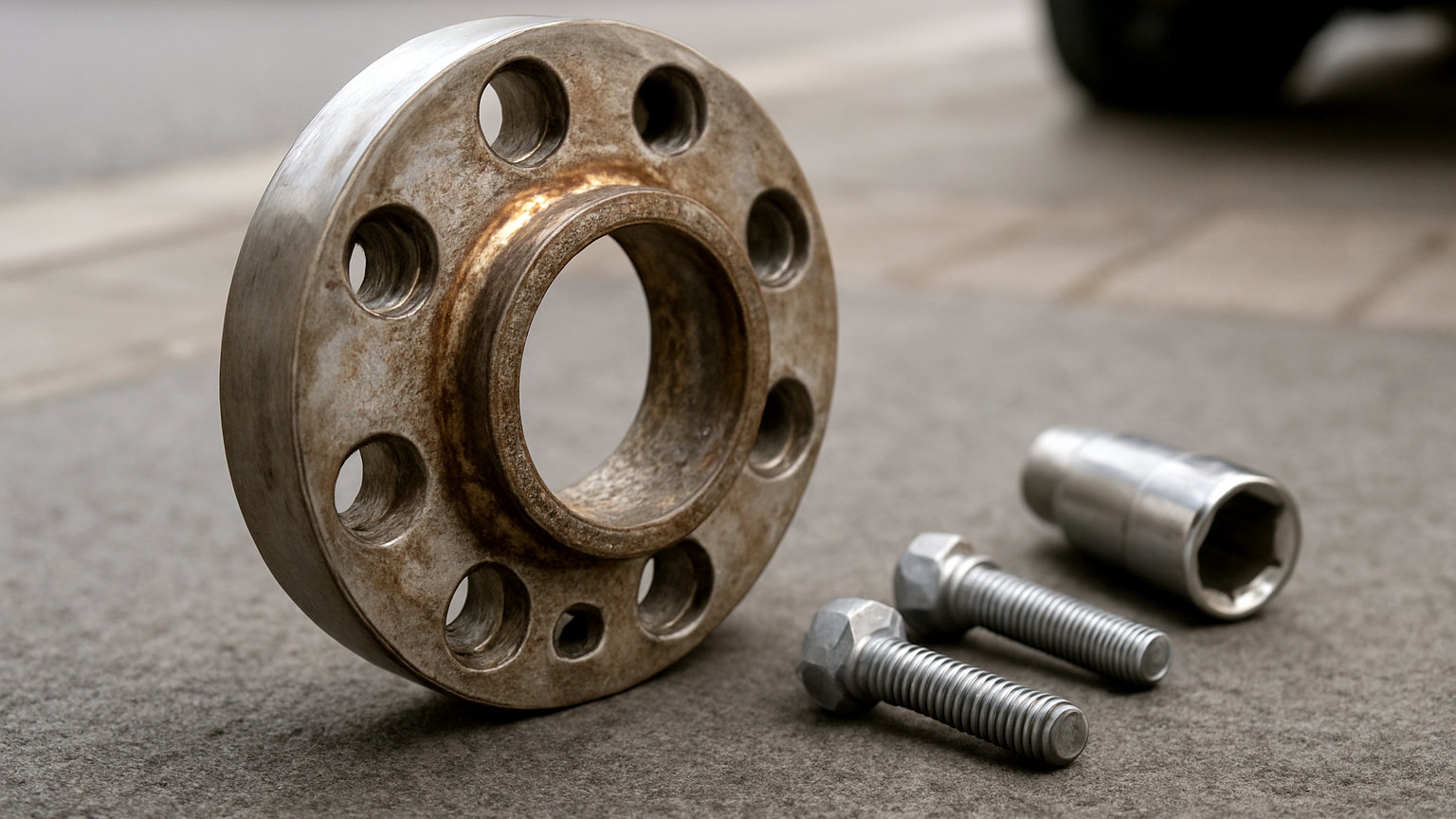
Spacers change the geometry the suspension was designed around, and the quality of the spacer and its fixings decides whether that matters.
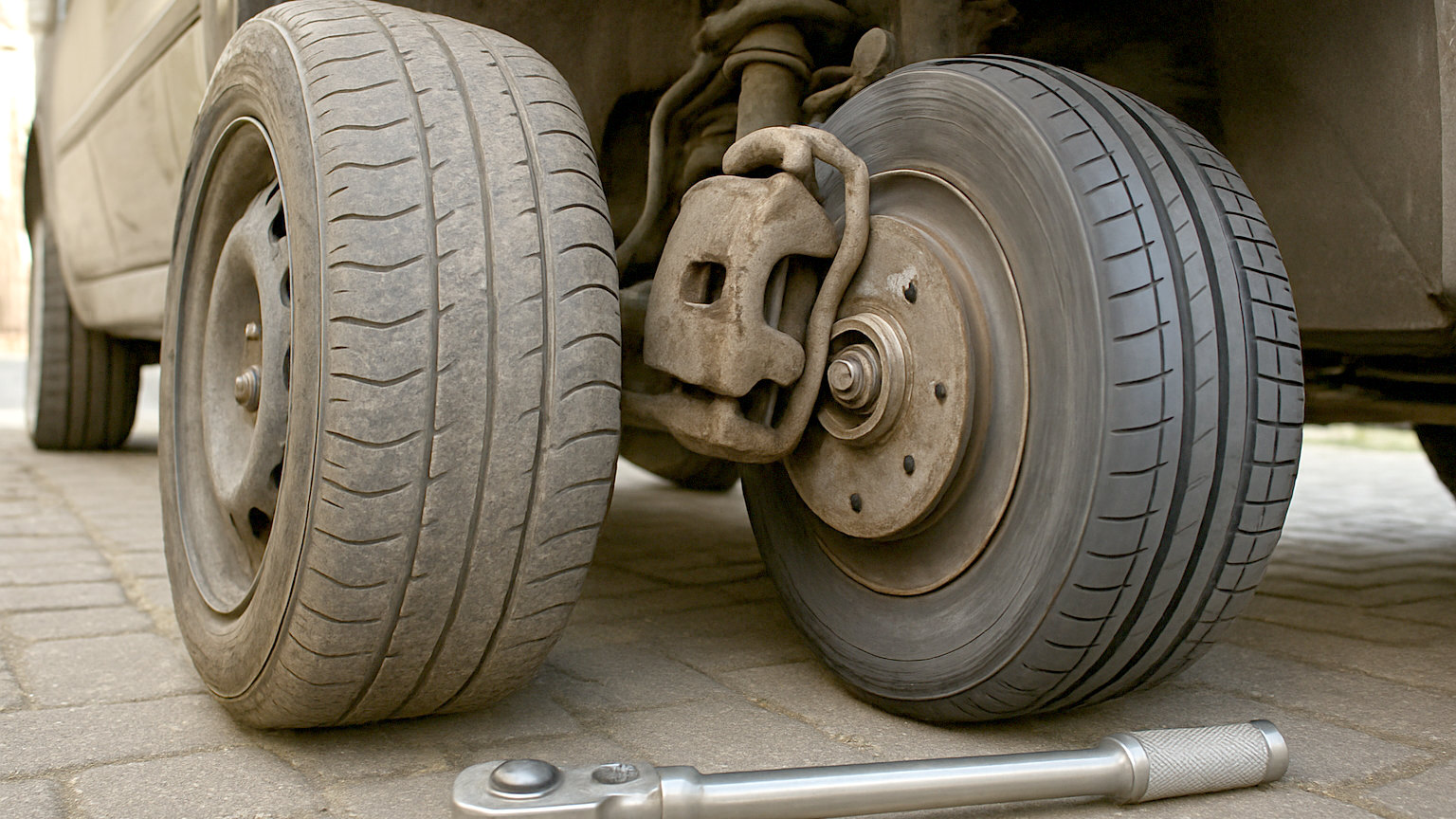
Replacing in axle pairs is the practical minimum, and where the new pair goes matters more than most people expect.
New pads that squeal are usually reporting how they were fitted or what material they are, rather than a fault in the pads themselves.
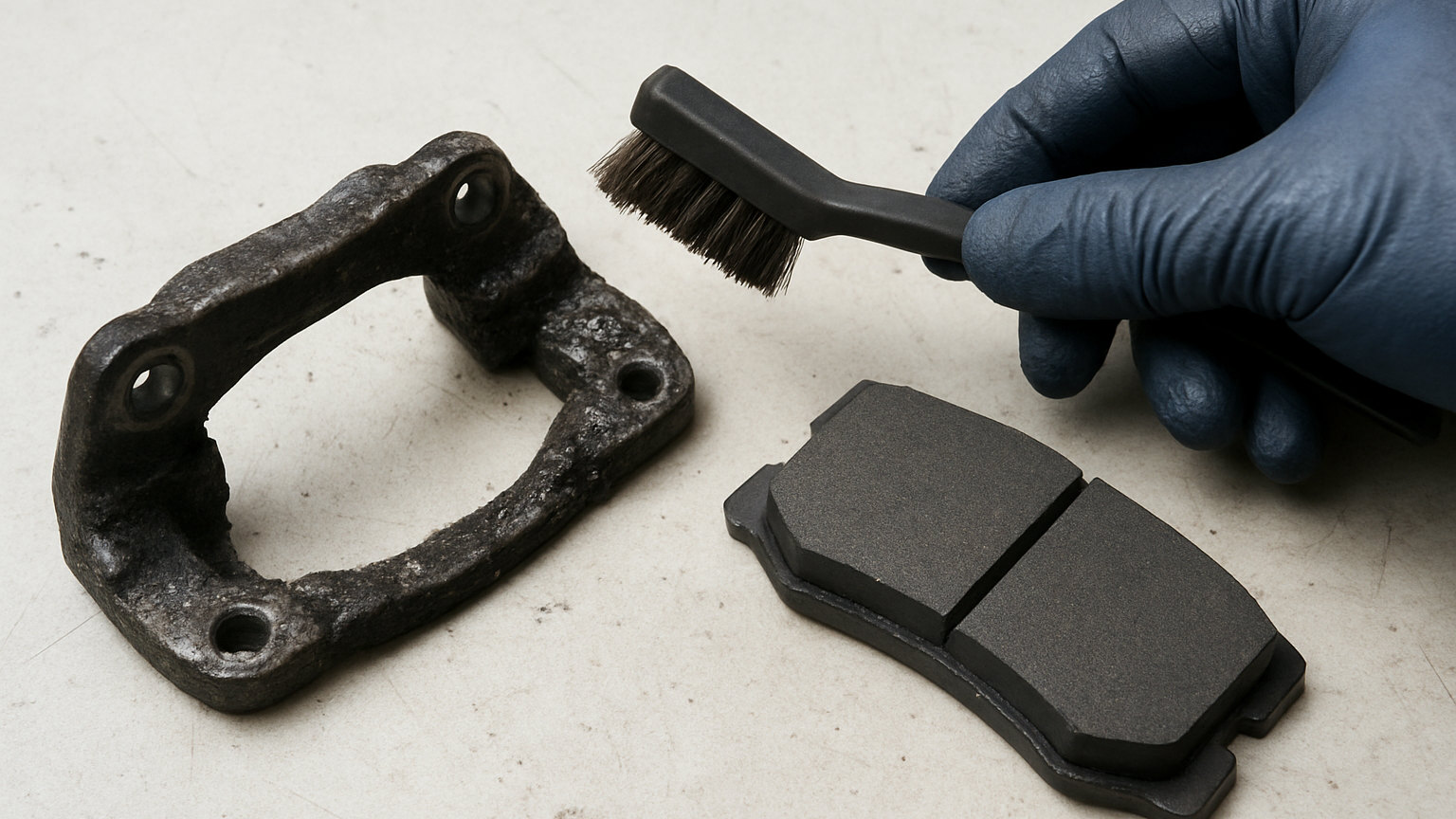
Fitting pads takes twenty minutes and doing the job properly takes rather longer, and the difference shows up within a year.
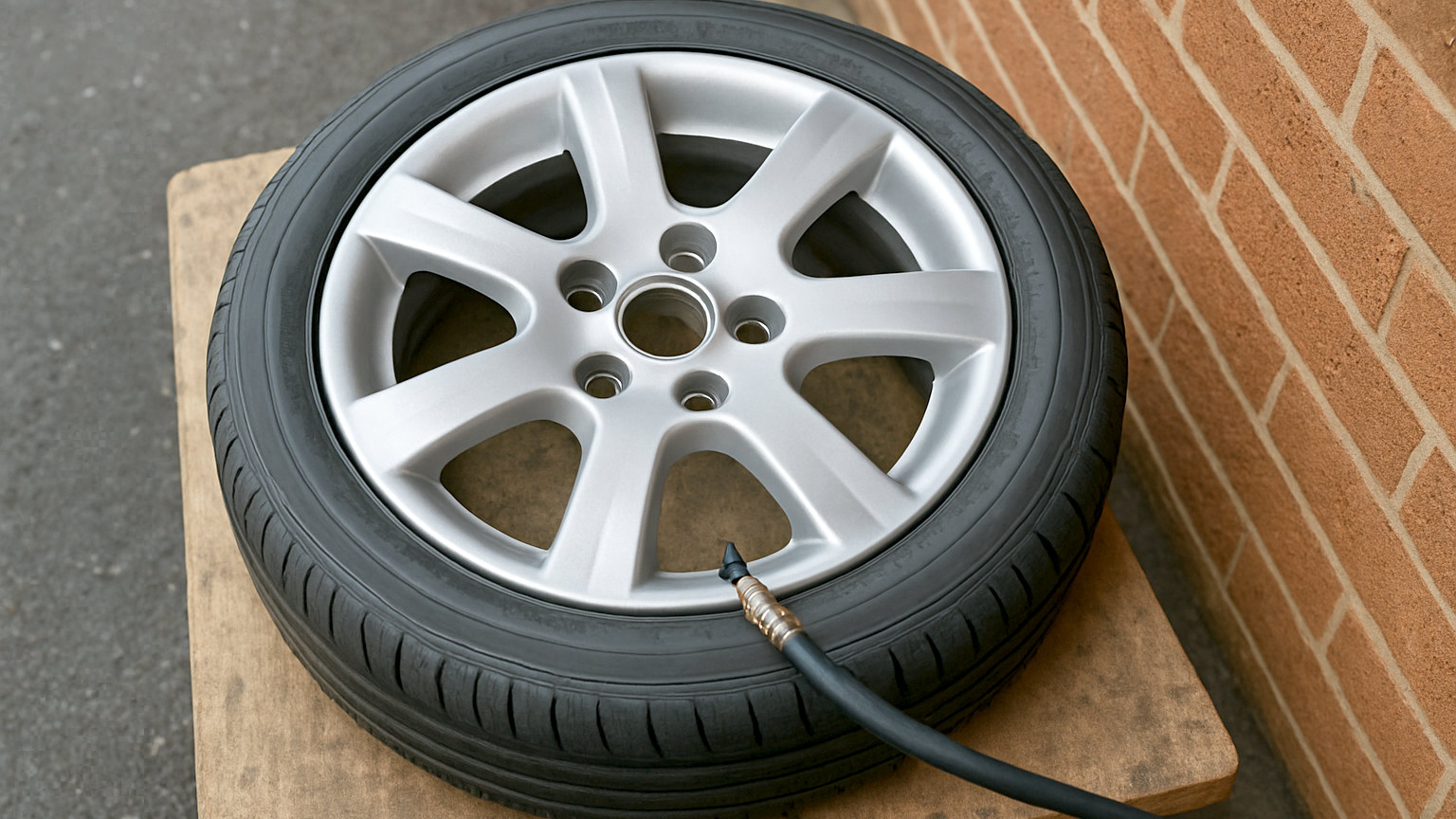
Pressure changes how much grip each axle has, so unequal pressures front to rear alter the balance of the whole car.
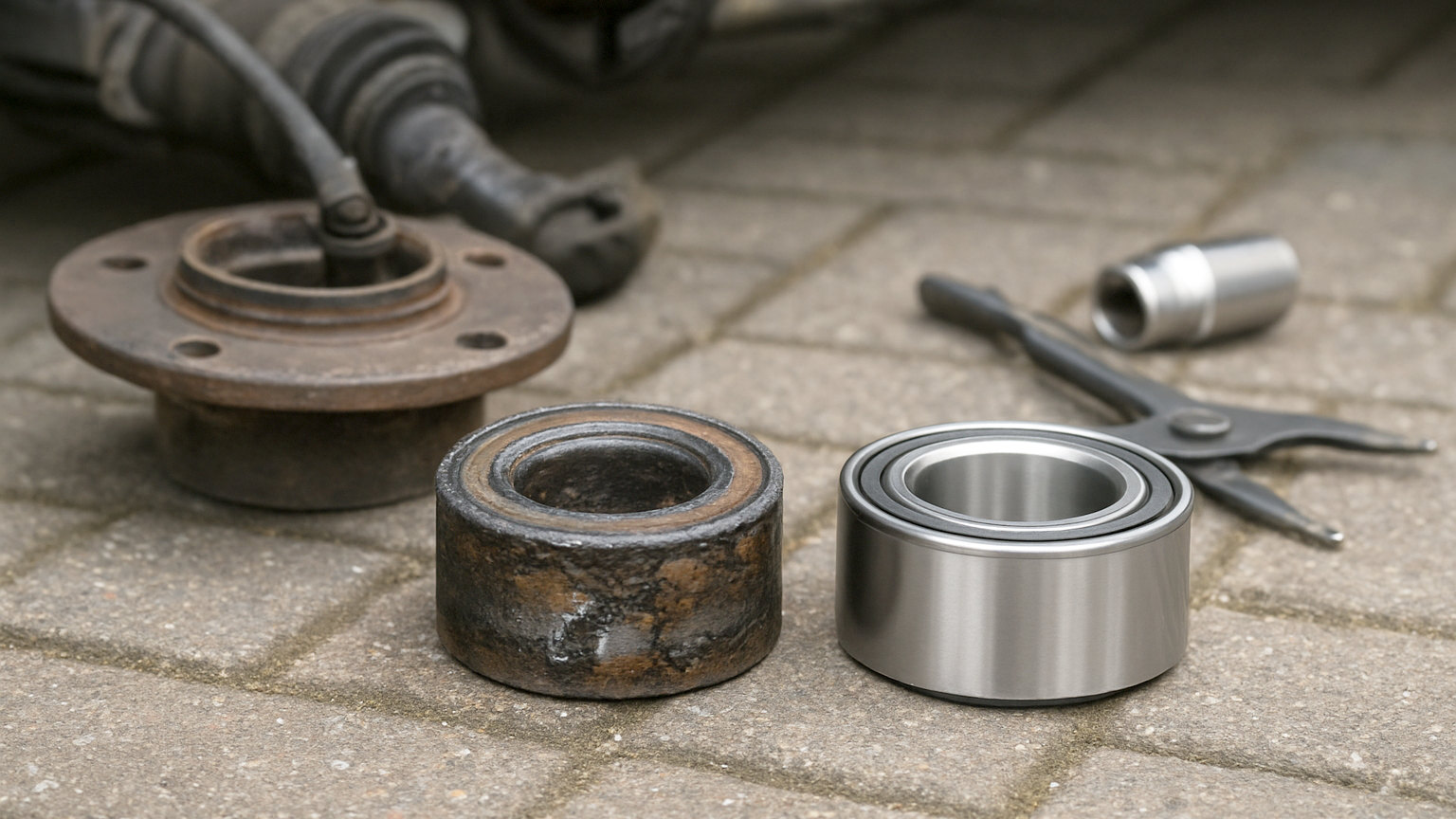
Modern sealed bearings often outlast the car, so a failure at moderate mileage says more about conditions than about wear.
There is no service interval, so alignment is best triggered by events rather than by mileage or by the calendar.
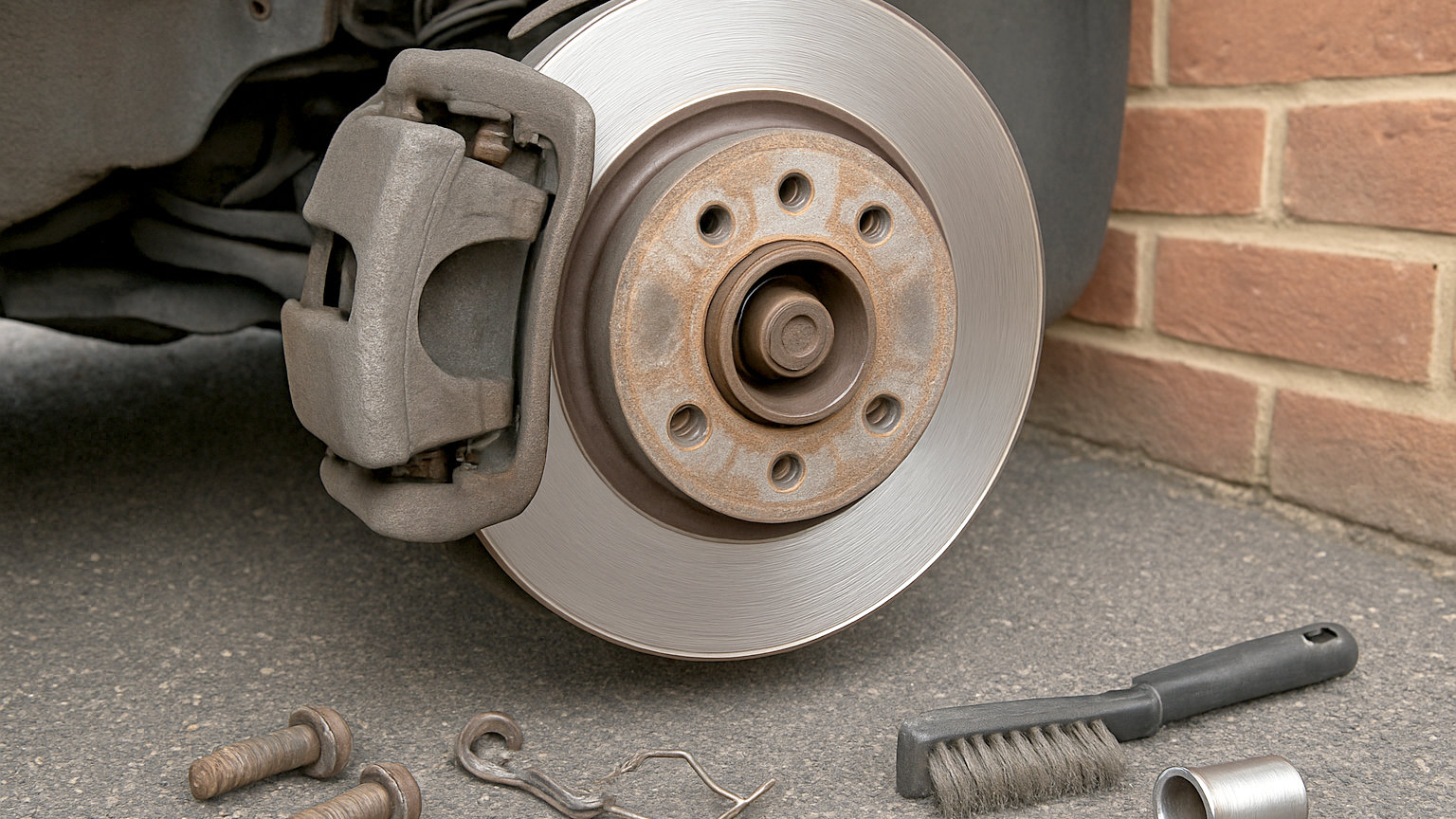
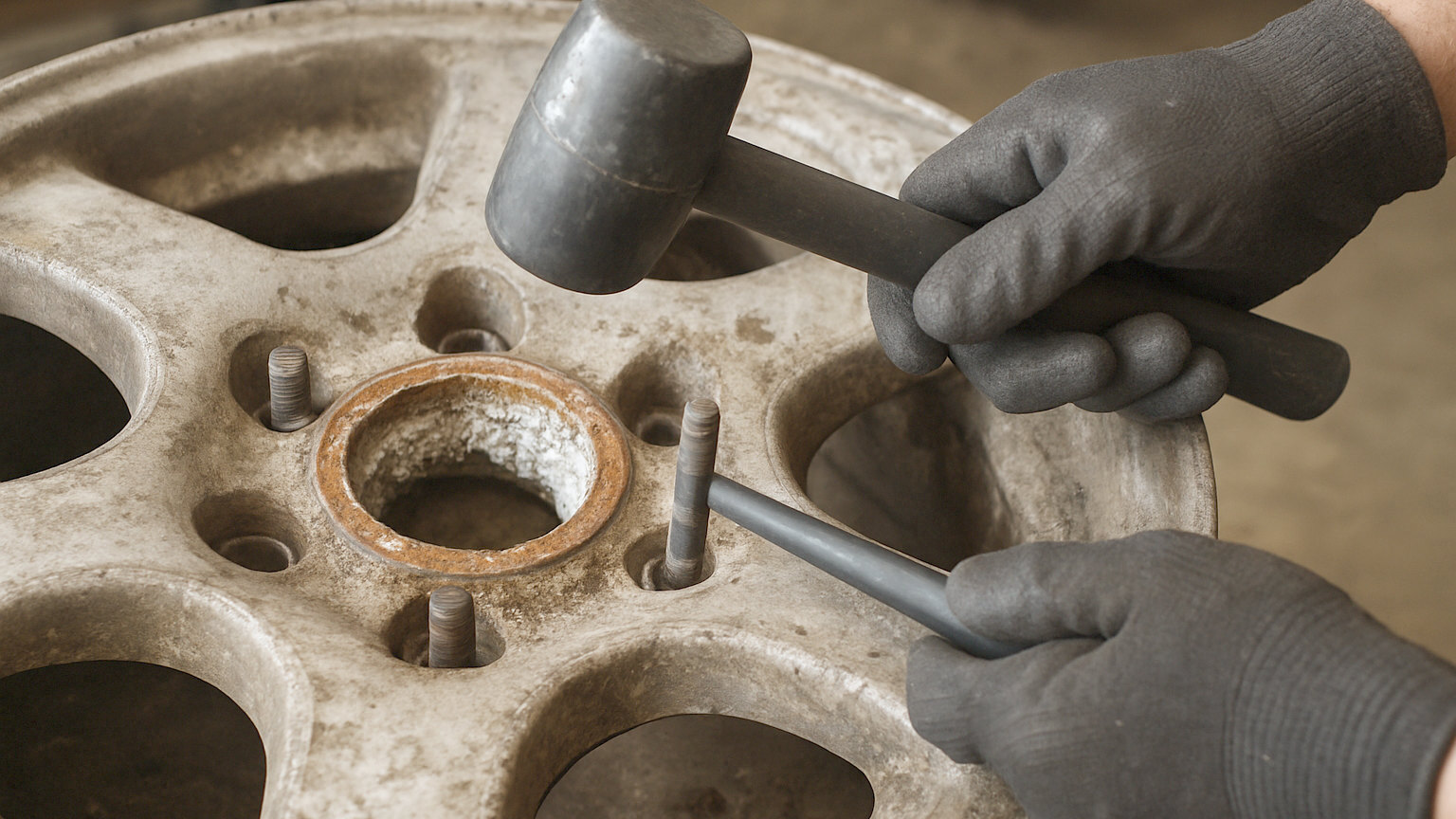
A wheel seized to the hub is corrosion between two dissimilar metals, and freeing it safely matters more than freeing it quickly.
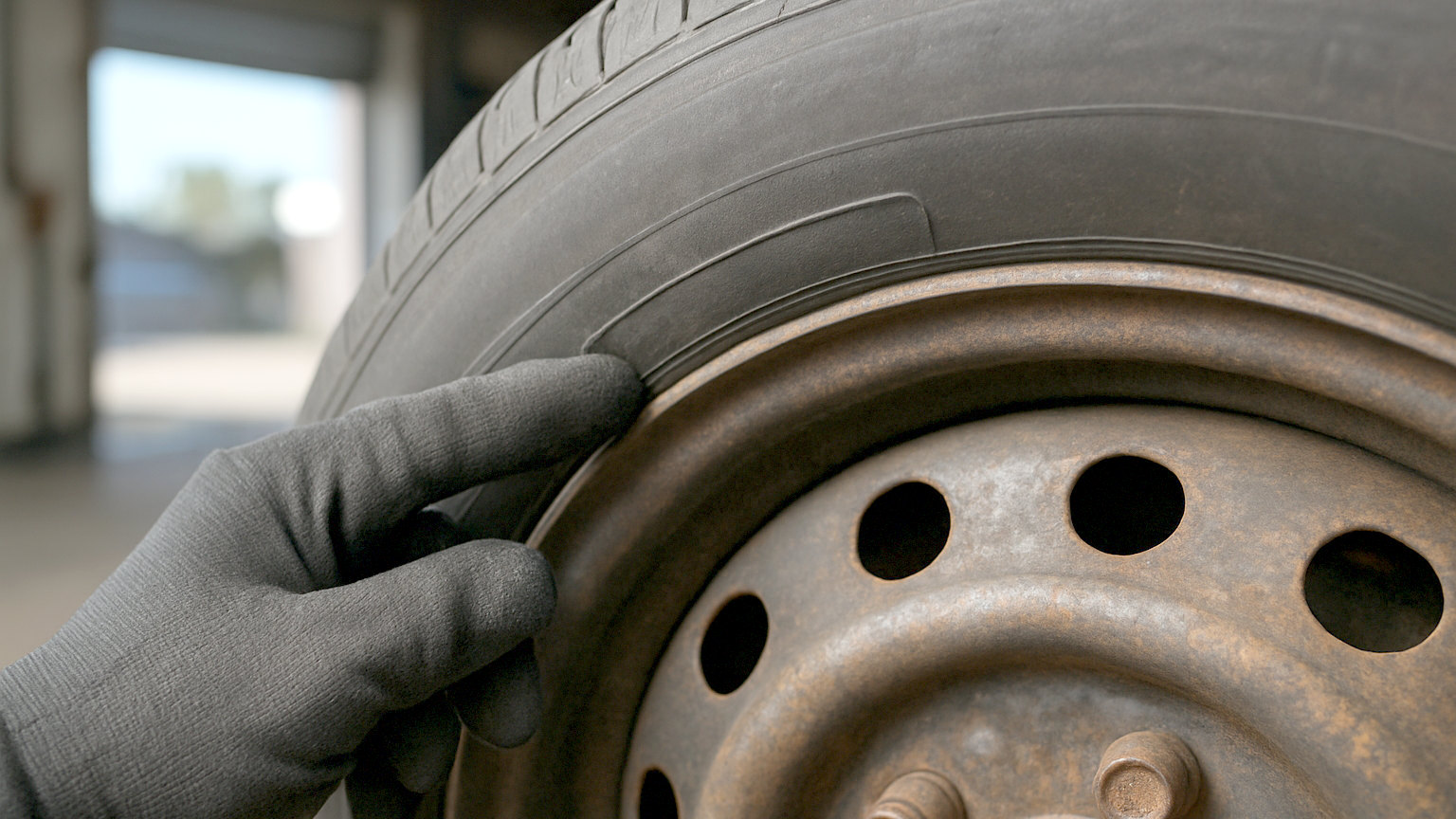
The sidewall carries the size, the load rating and the speed rating, and getting any of them wrong has real consequences.