What Should You Check If a Car Feels Wrong?
A vague sense that something has changed is worth acting on, and a short ordered list of checks covers almost every cause.
By Car Problems Team
10 May 2026

A car that wanders, feels unstable at speed, leans heavily in corners or pulls under braking - and how to work out which corner is at fault.
A vague sense that something has changed is worth acting on, and a short ordered list of checks covers almost every cause.
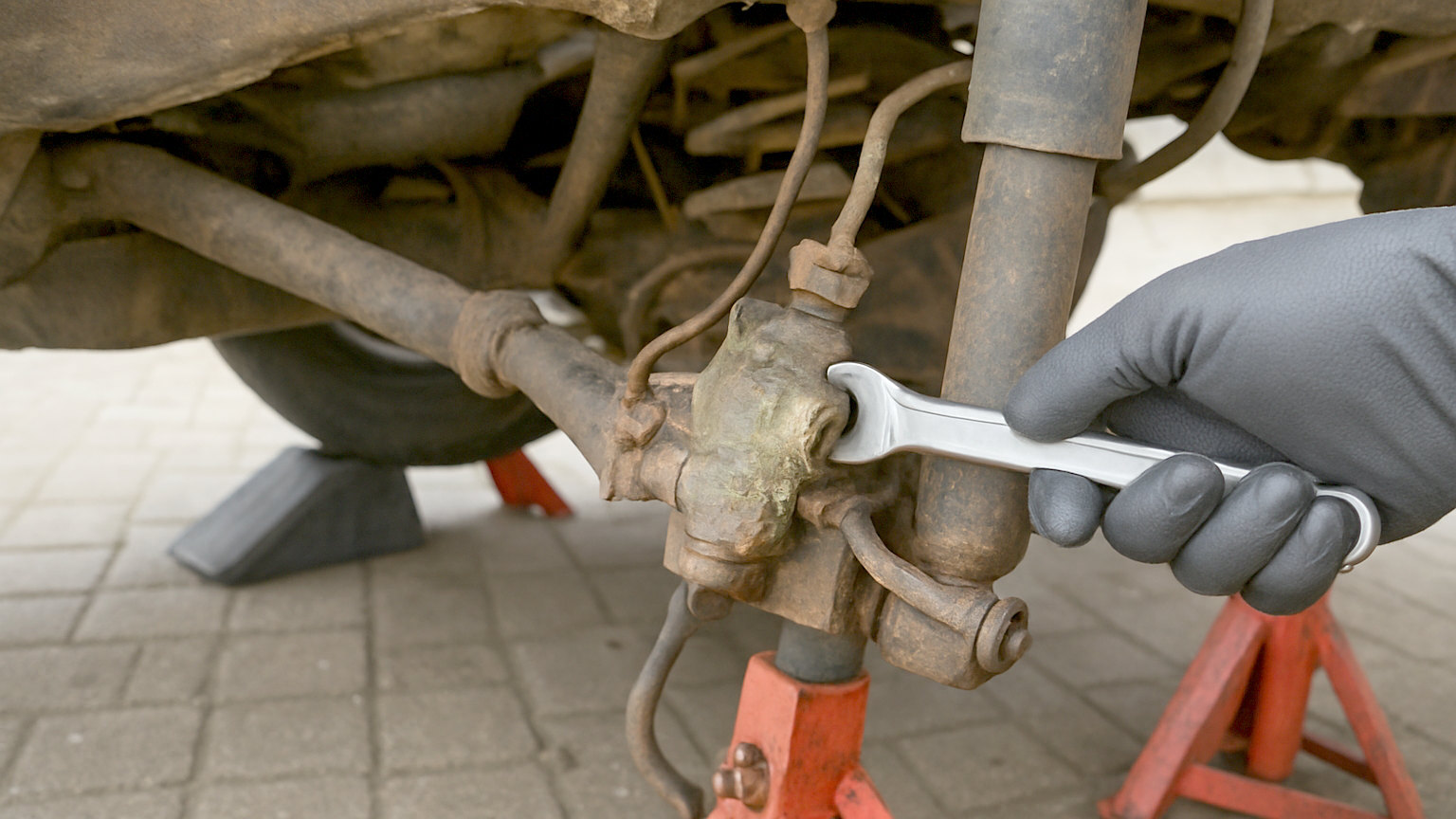
Worn suspension rarely fails suddenly, and it quietly reduces braking performance and stability long before anything breaks.
Cold rubber grips less, pressures fall and surfaces are worse, so a car that felt fine in August can feel quite different in January.
Traction control manages wheelspin and stability control manages the car rotating, and they use the brakes to do it.
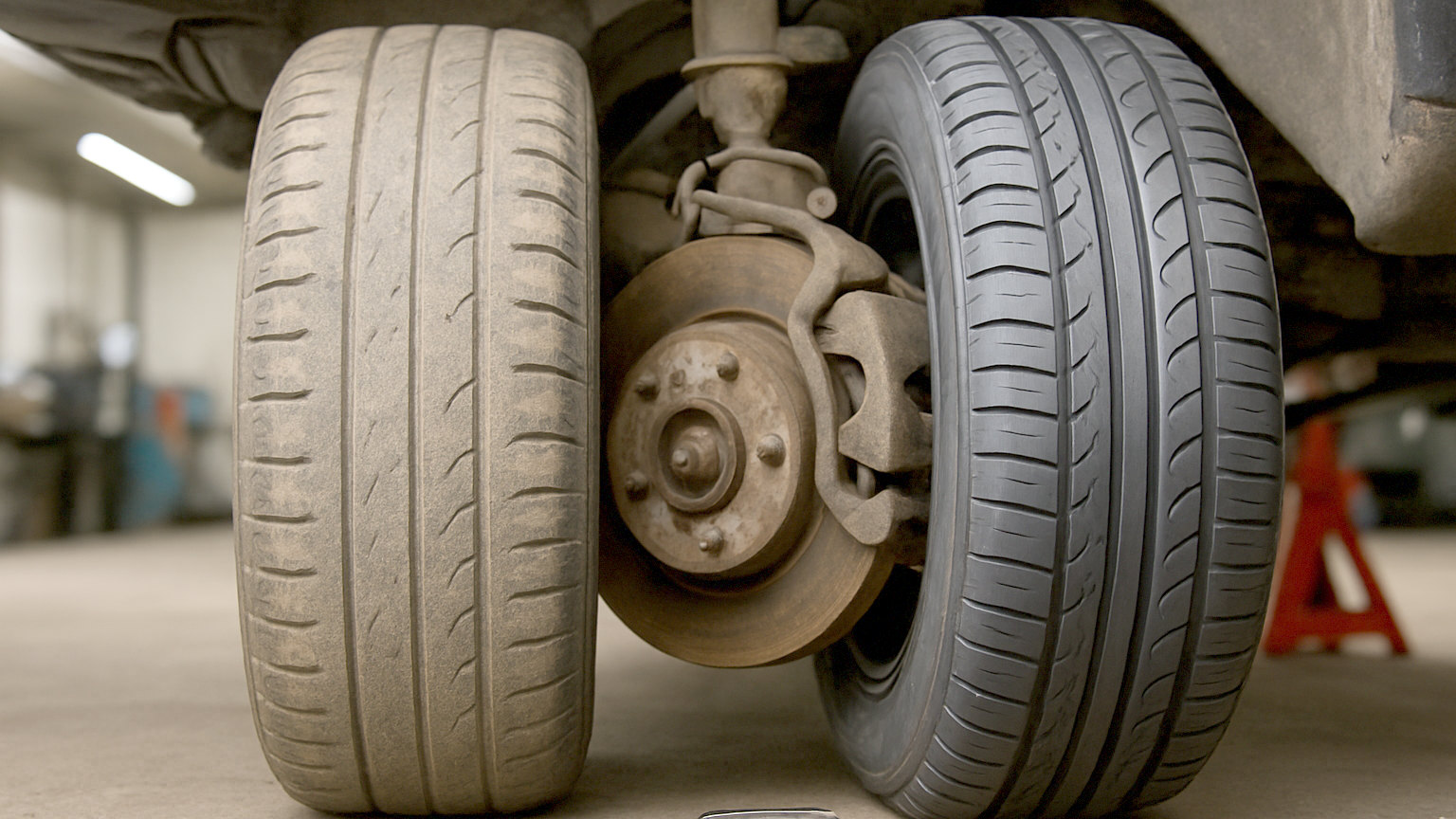
Tramlining is often a characteristic of wide low profile tyres rather than a fault, though worn components make it considerably worse.
Aquaplaning is the tyre riding on a film of water instead of the road, and tread depth and speed are what decide whether it happens.
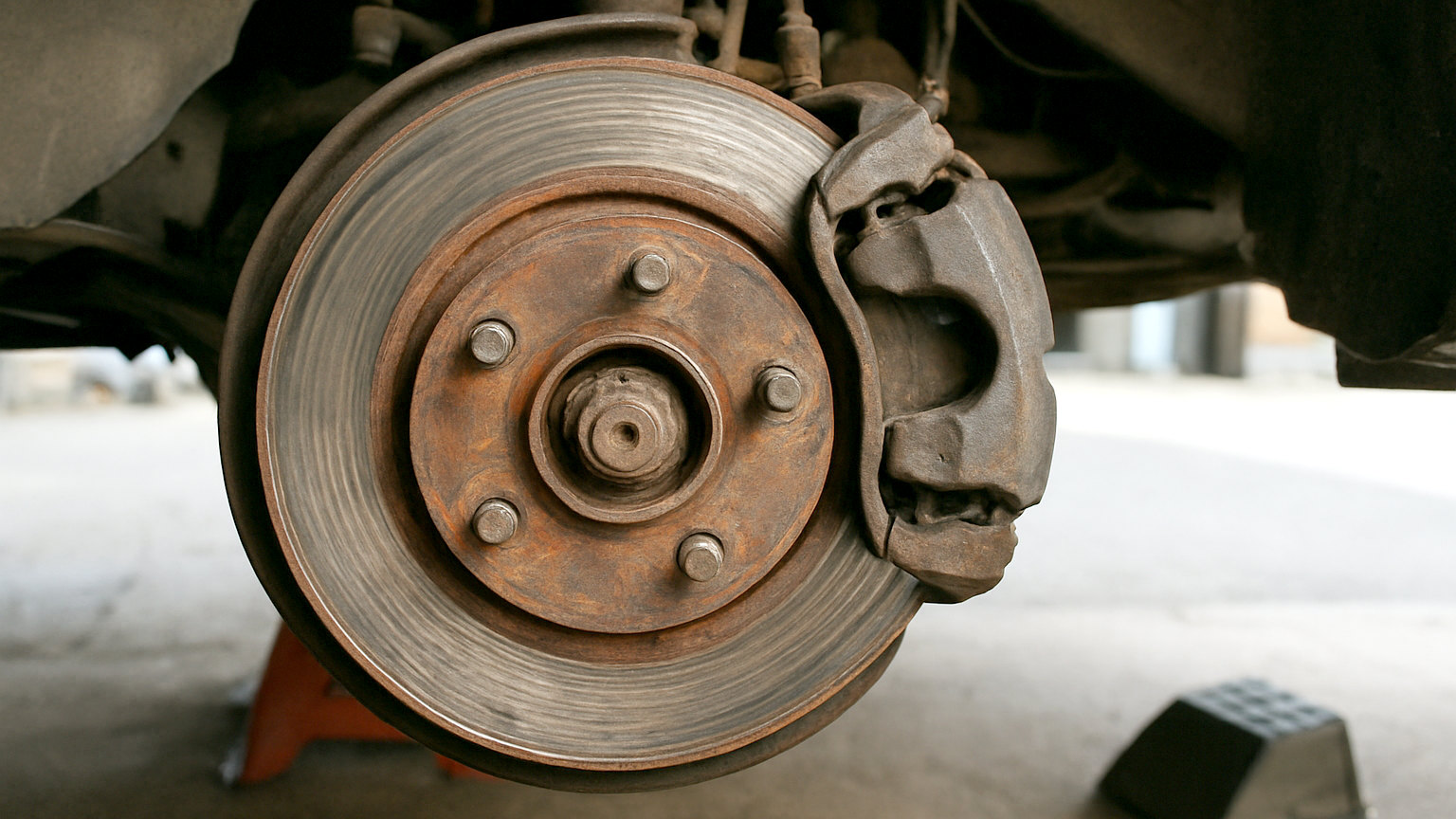
Braking transfers weight forward and reveals any imbalance, so instability under braking usually points at brakes, tyres or worn suspension.
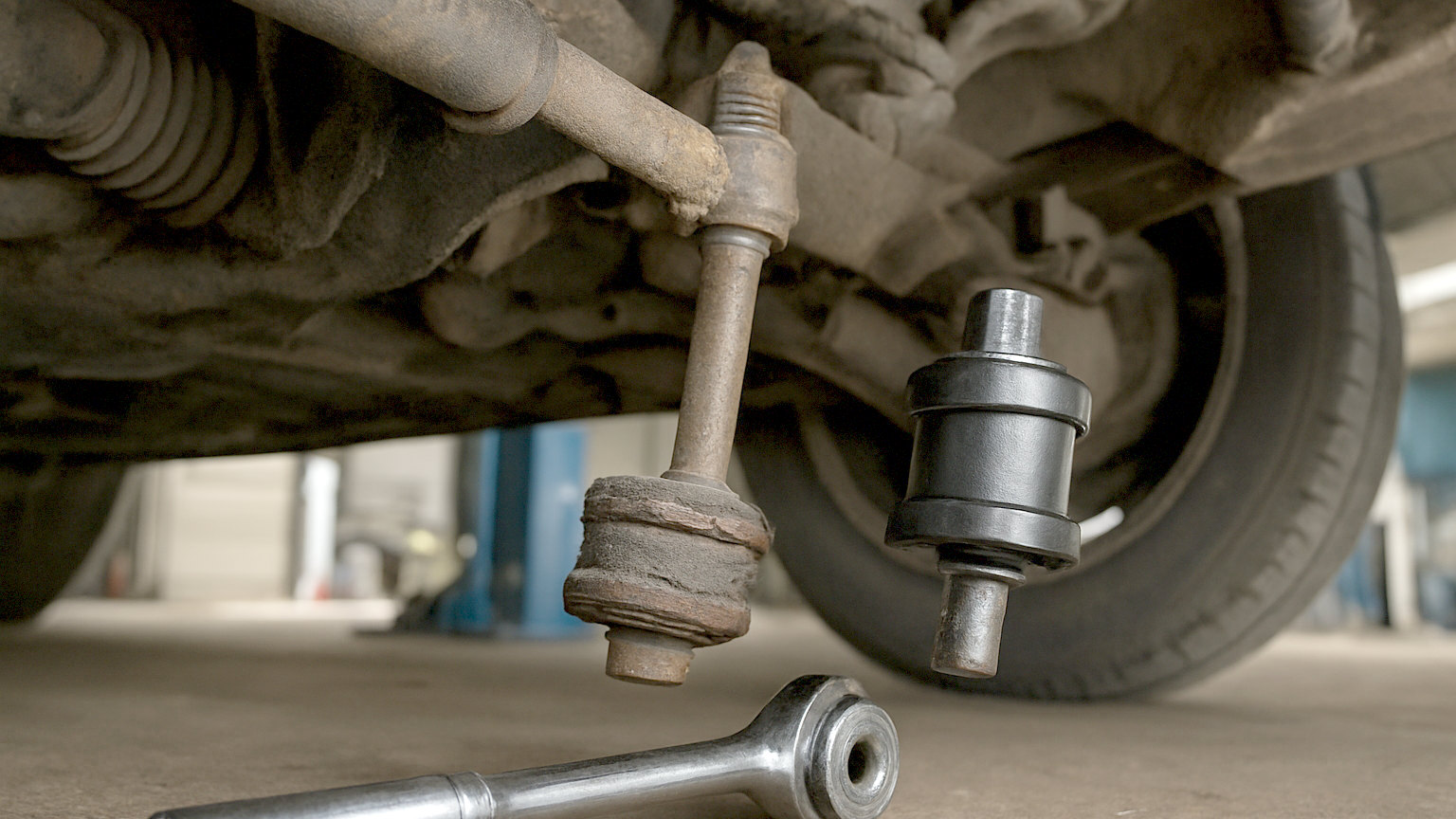
Some roll is designed in and useful, and roll that has increased or takes too long to settle is reporting worn components.
Weight in the boot sits behind the rear axle on most cars, which lifts the nose, alters the balance and changes braking distances.
Pressure changes how much grip each axle has, so unequal pressures front to rear alter the balance of the whole car.