Which Brake Faults Fail an MOT?
Brakes are tested for efficiency and balance as well as condition, so a car that stops adequately can still fail on the numbers.
By Car Problems Team
4 May 2026

How to tell when pads and discs are worn out, what the wear limits mean, lipped and scored discs, and what a fair replacement should cost.
Brakes are tested for efficiency and balance as well as condition, so a car that stops adequately can still fail on the numbers.
New pads and discs need a controlled heat cycle to mate properly, and the first few hundred miles determine how they behave afterwards.
A pull that appears only under braking means one side is stopping harder than the other, and the causes are all in the brake system or the tyres.
Pads are the one component where the difference between cheap and good is measured in stopping distance rather than longevity.
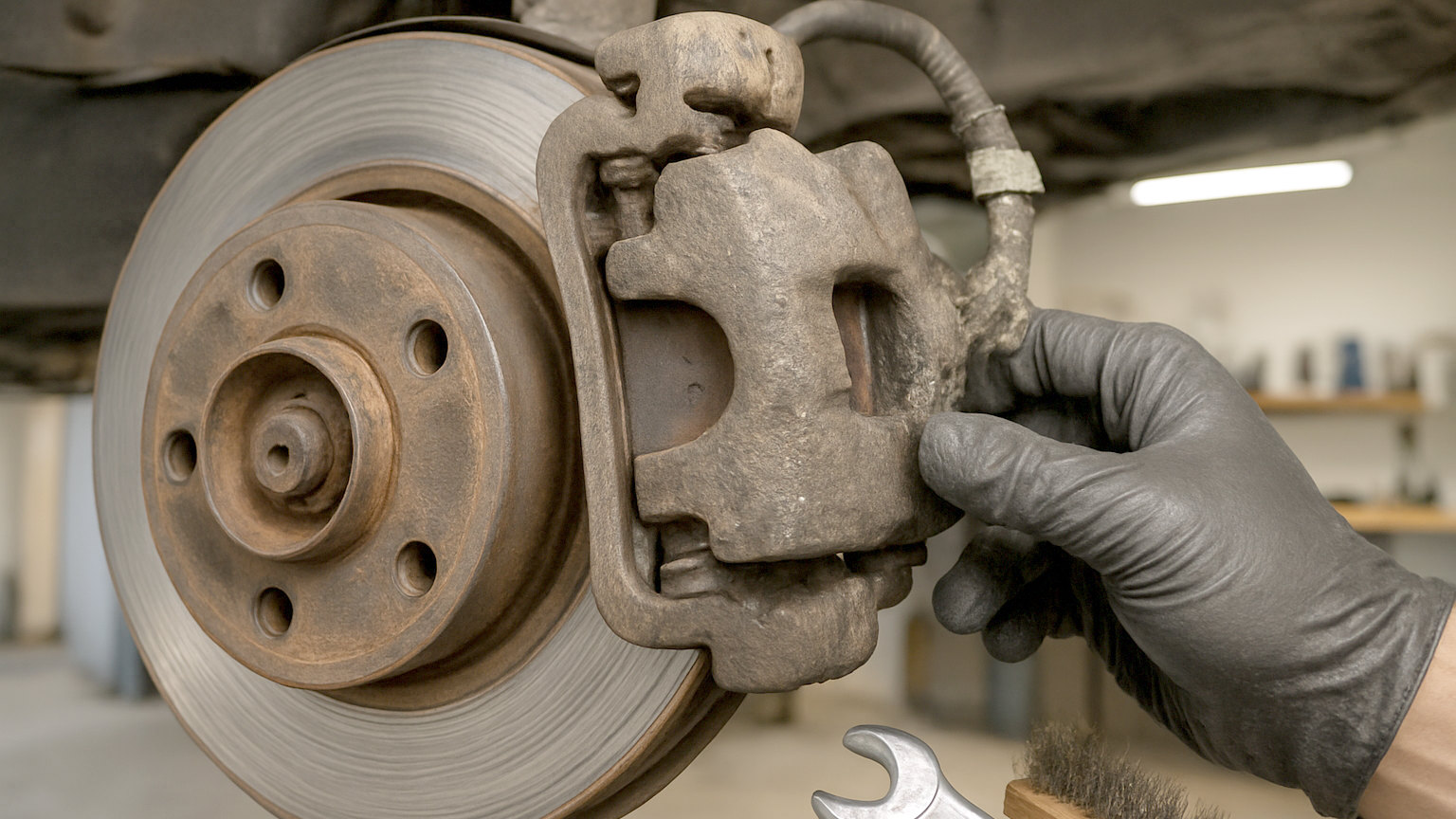
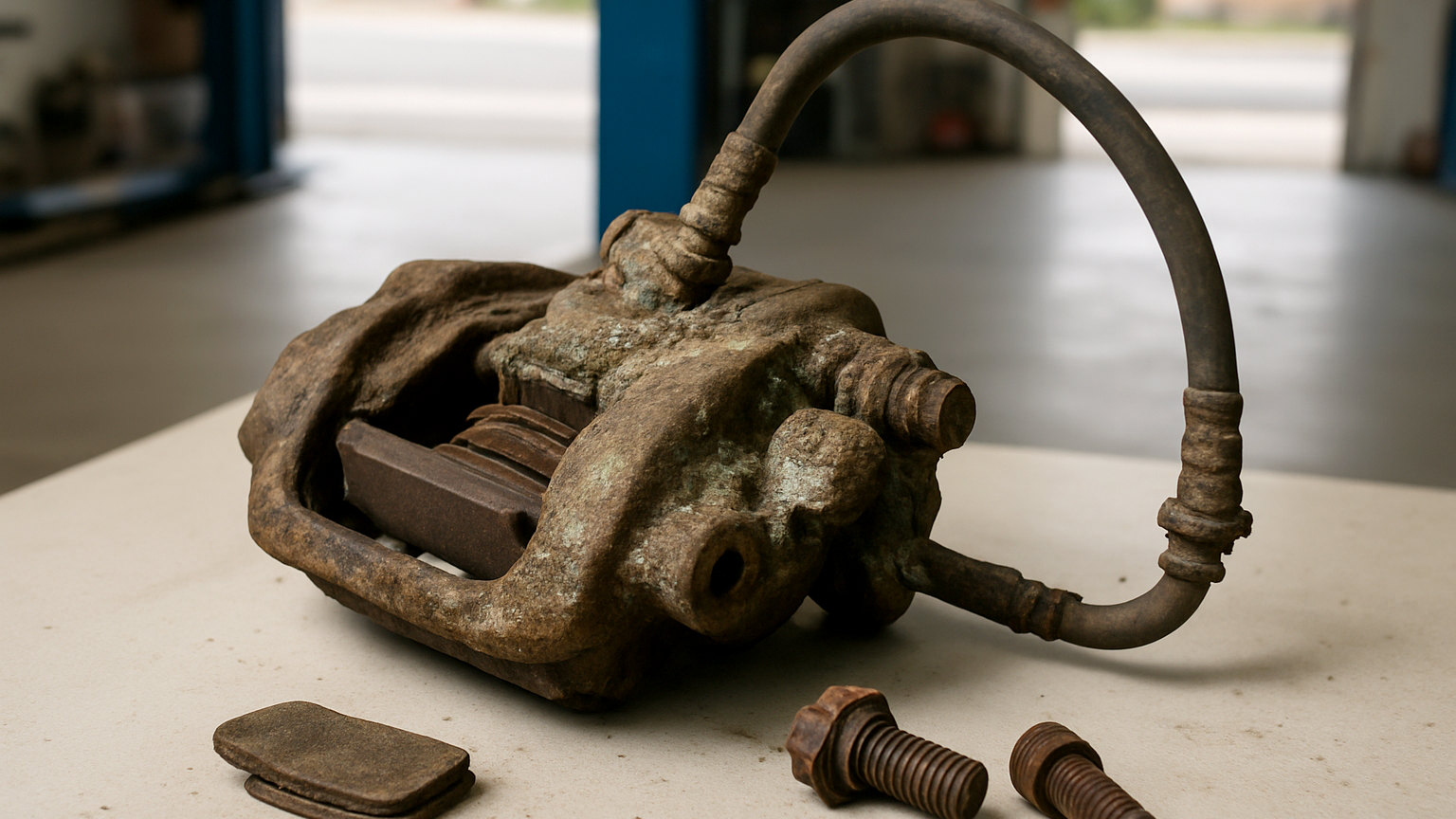
A caliper that will not release drags continuously, which shows up as a hot wheel, a pull and a set of pads worn away on one side.
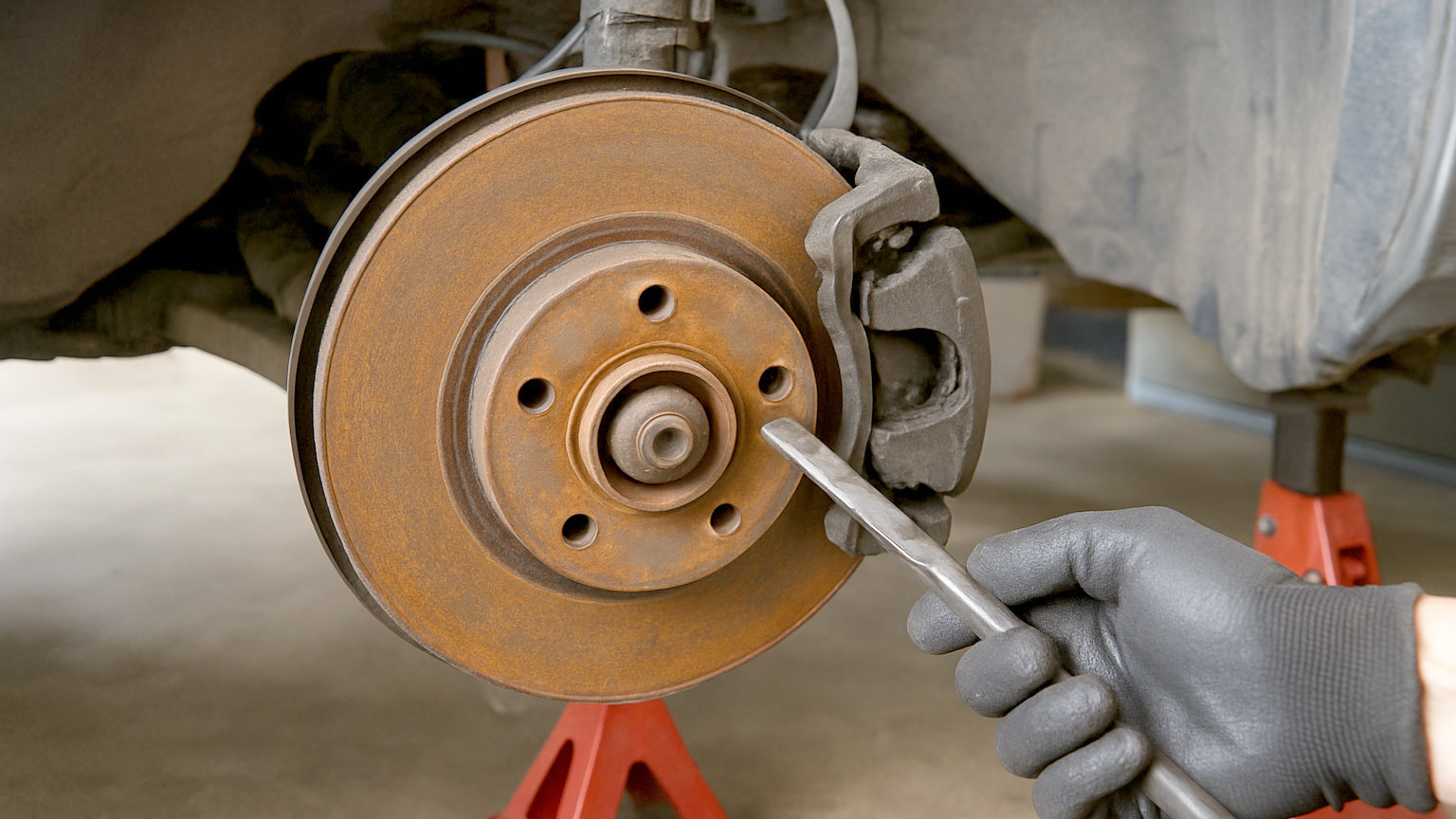
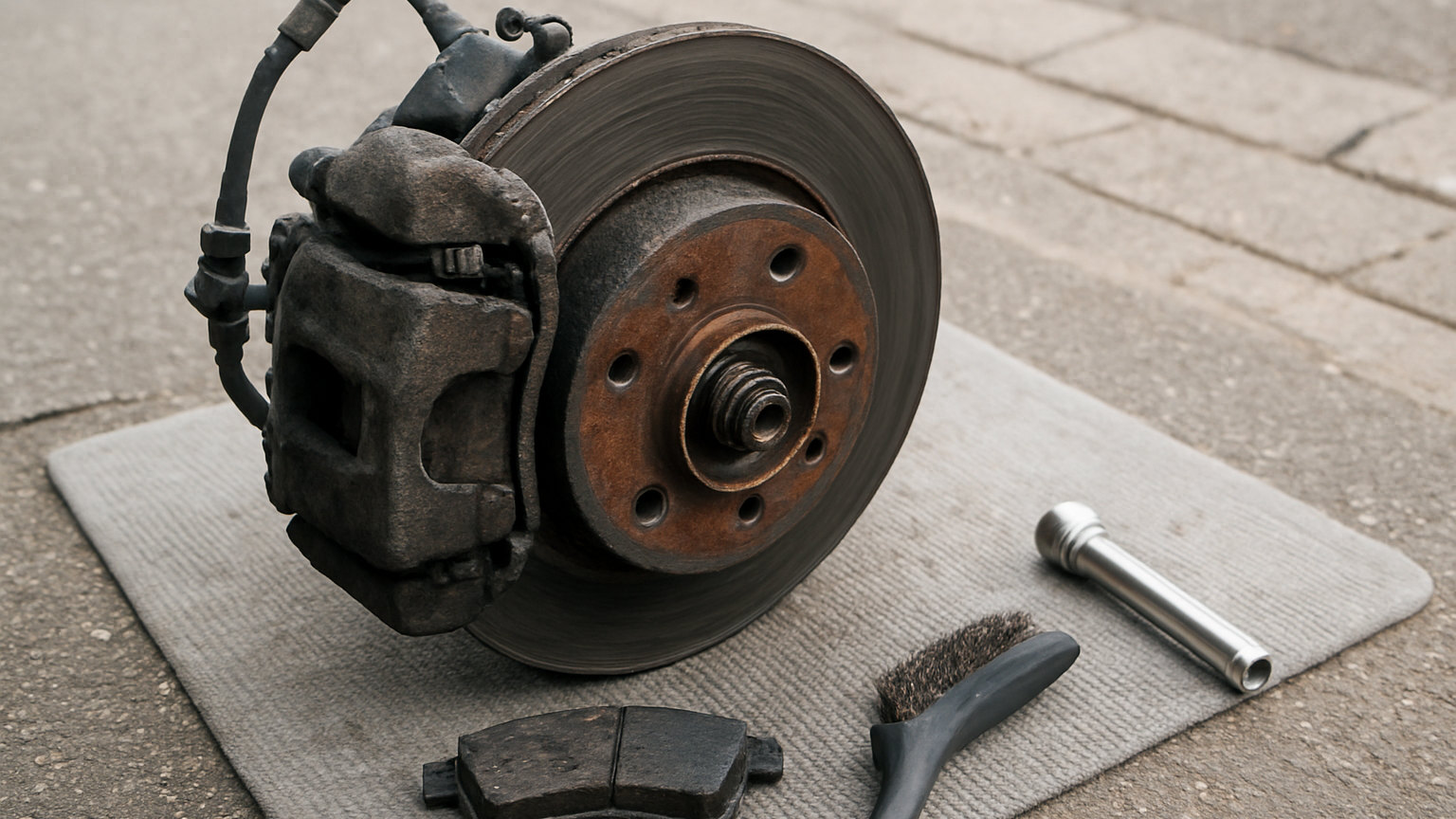
Surface rust on discs forms within hours and clears within yards, but a car left for months can bond its pads to the discs entirely.
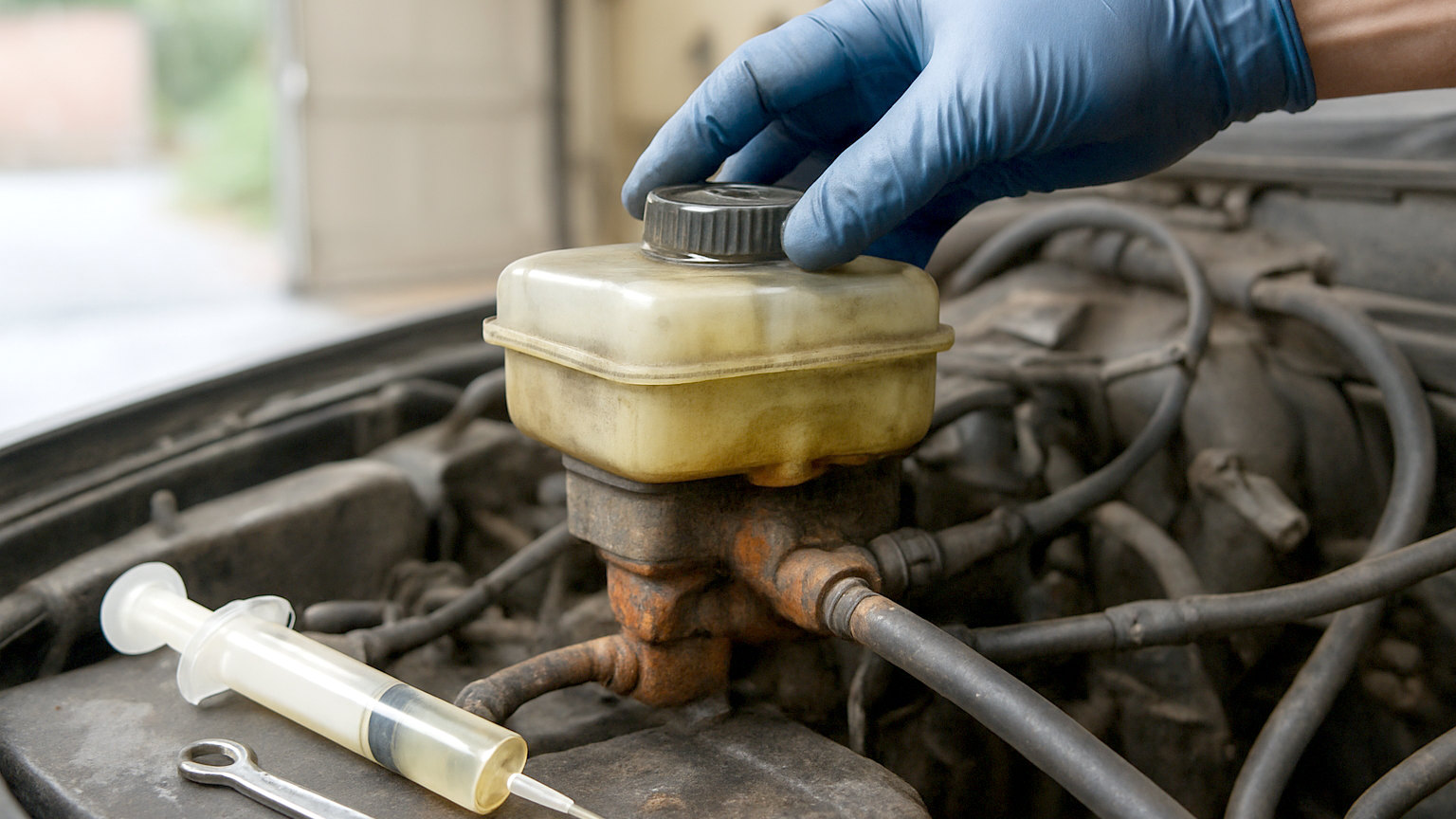
Brake fluid absorbs moisture from the air, and once it has, the boiling point falls far enough to matter on a long descent.
A pedal that feels spongy or sinks under steady pressure is reporting air or a leak, and it is the one brake symptom to act on immediately.
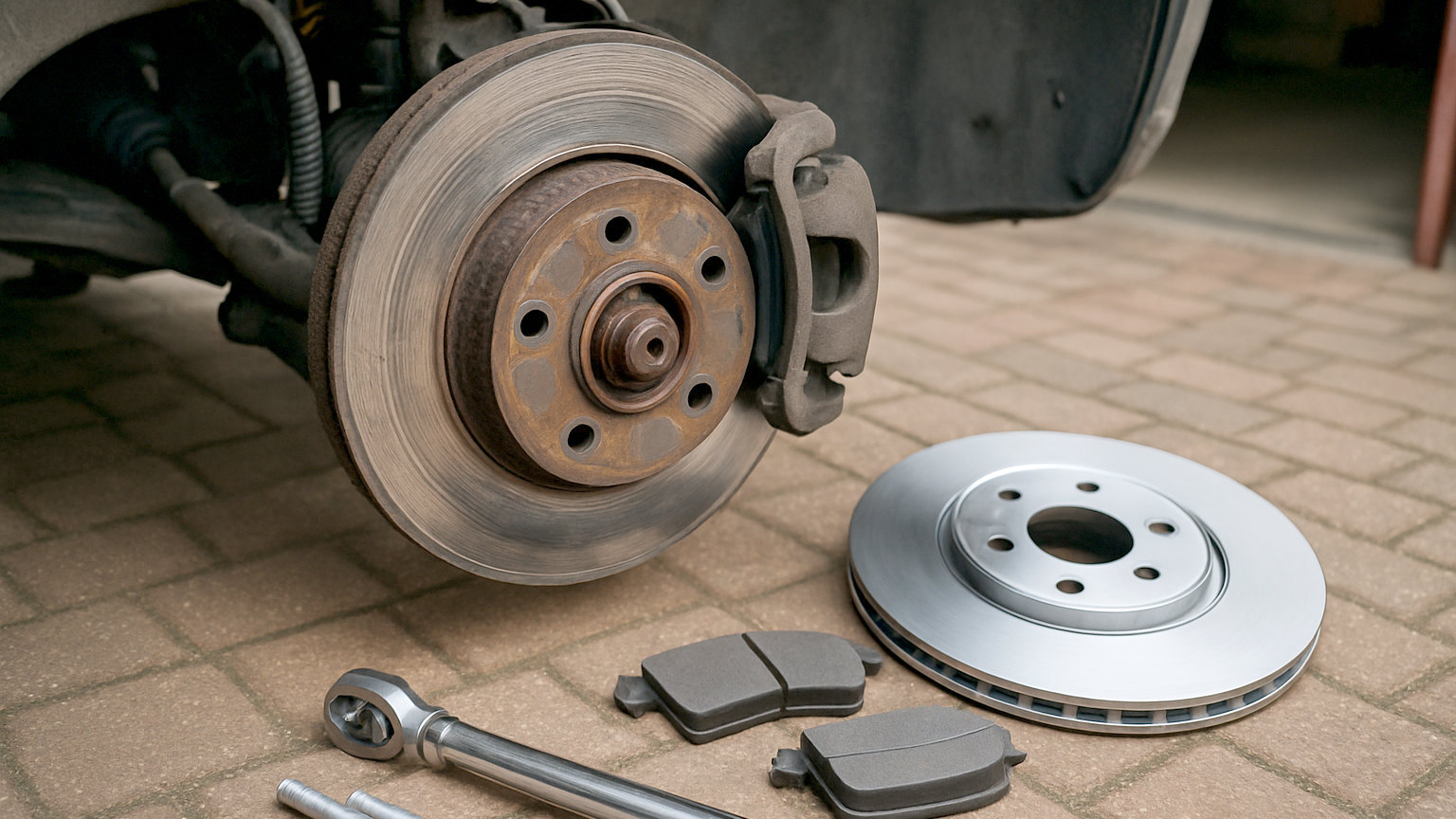
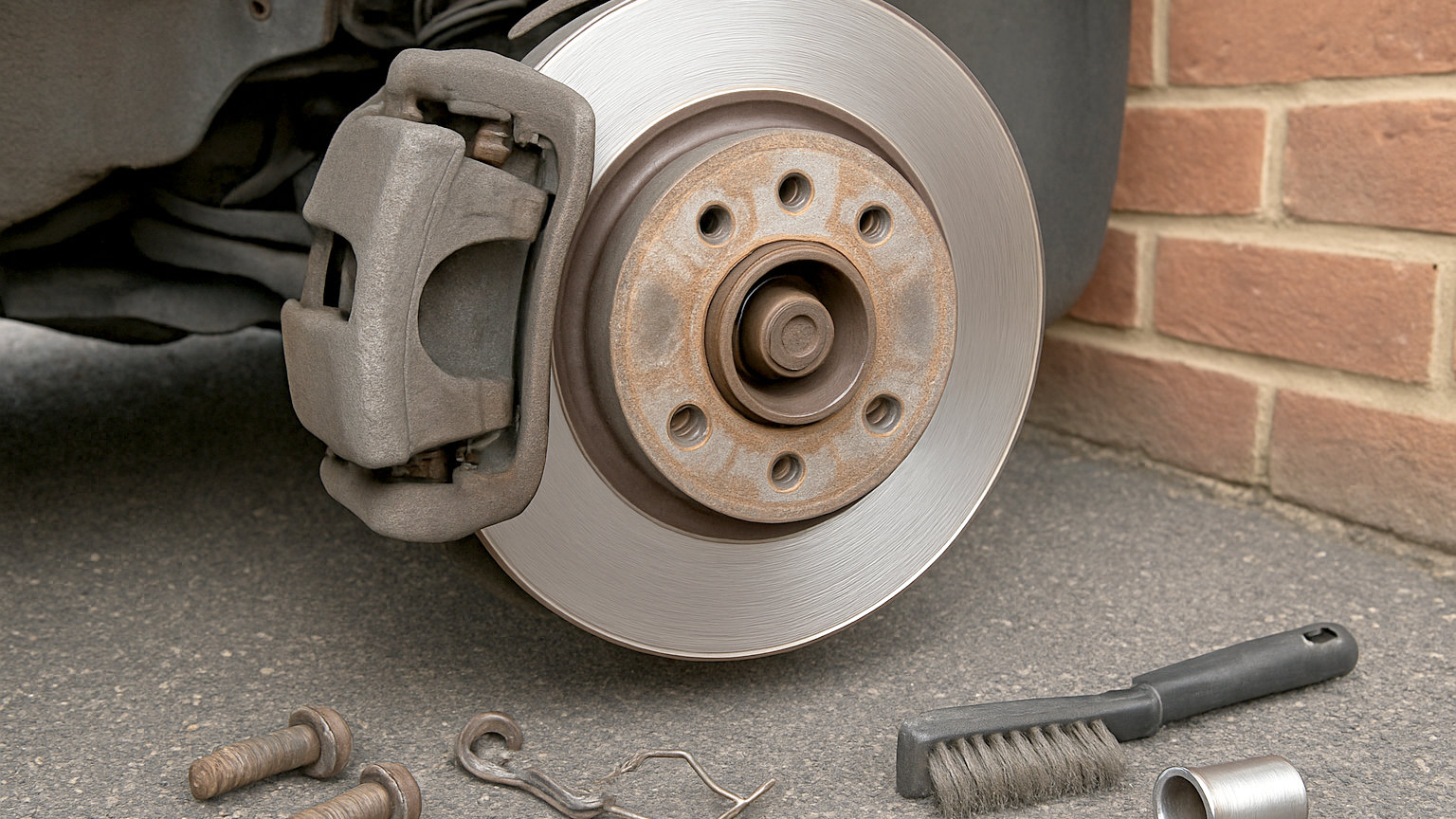
Fitting pads takes twenty minutes and doing the job properly takes rather longer, and the difference shows up within a year.
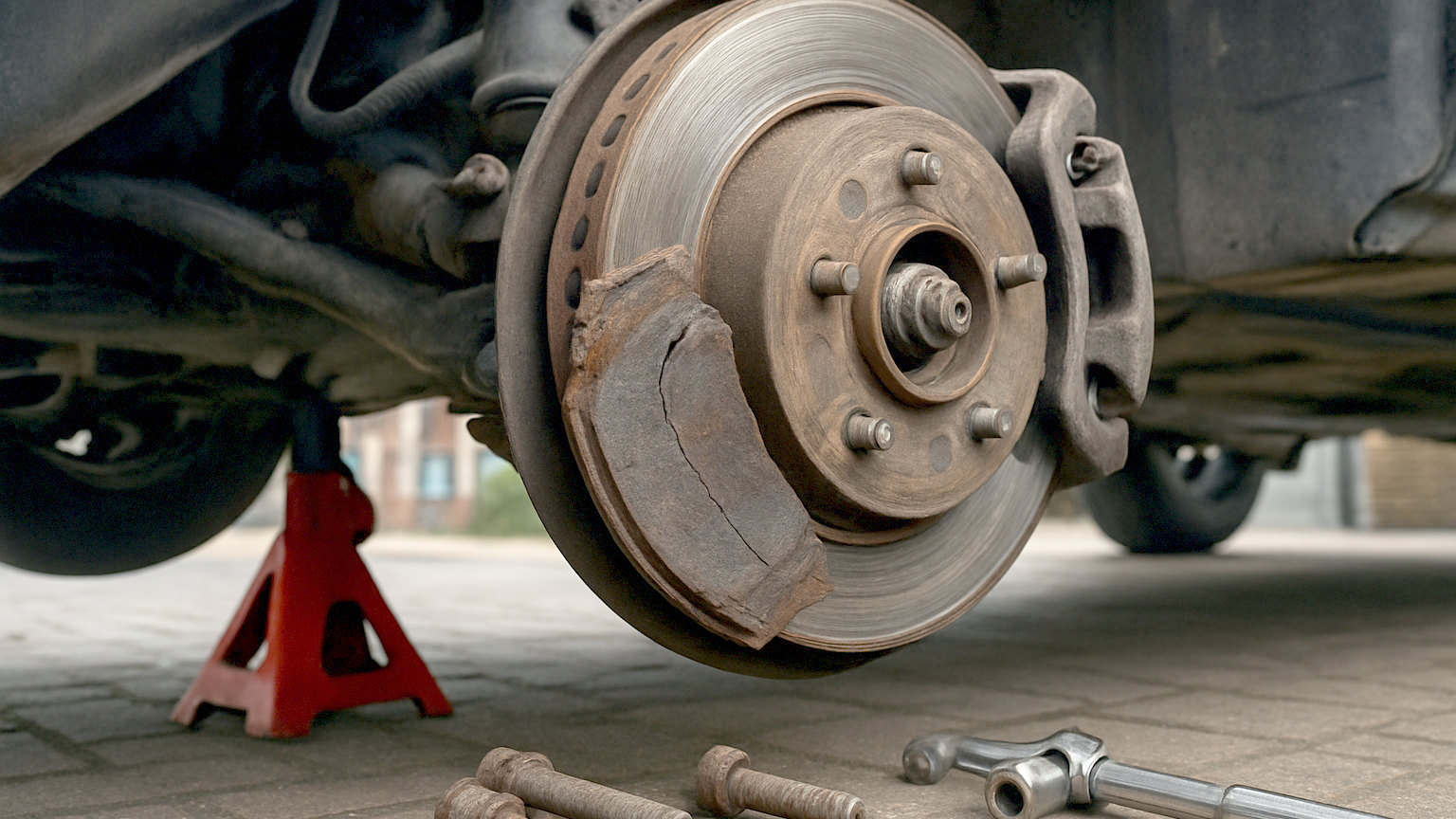
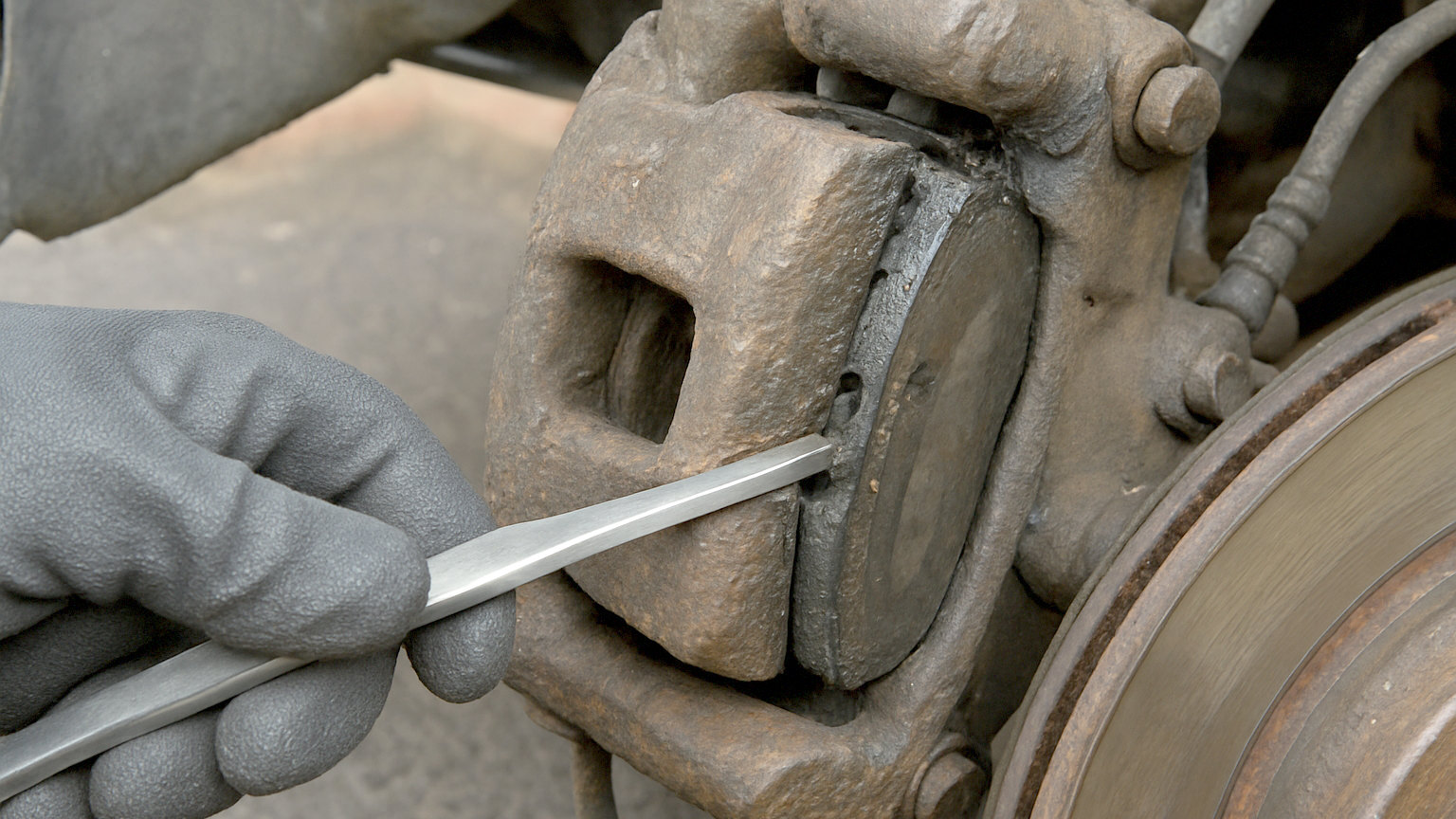
Pads that wear differently to each other are reporting a mechanical fault, and the pattern of the wear identifies which one.