When Is a Car Vibration a Safety Concern?
Most vibrations are irritating rather than dangerous, but a few indicate something about to separate and those are worth recognising.
By Car Problems Team
1 May 2026

Shaking at a particular speed, through the steering wheel, or only under braking - where and when you feel it narrows the cause down fast.
Most vibrations are irritating rather than dangerous, but a few indicate something about to separate and those are worth recognising.
On rear and four wheel drive cars a spinning shaft runs the length of the floor, and its joints and centre bearing wear like anything else.
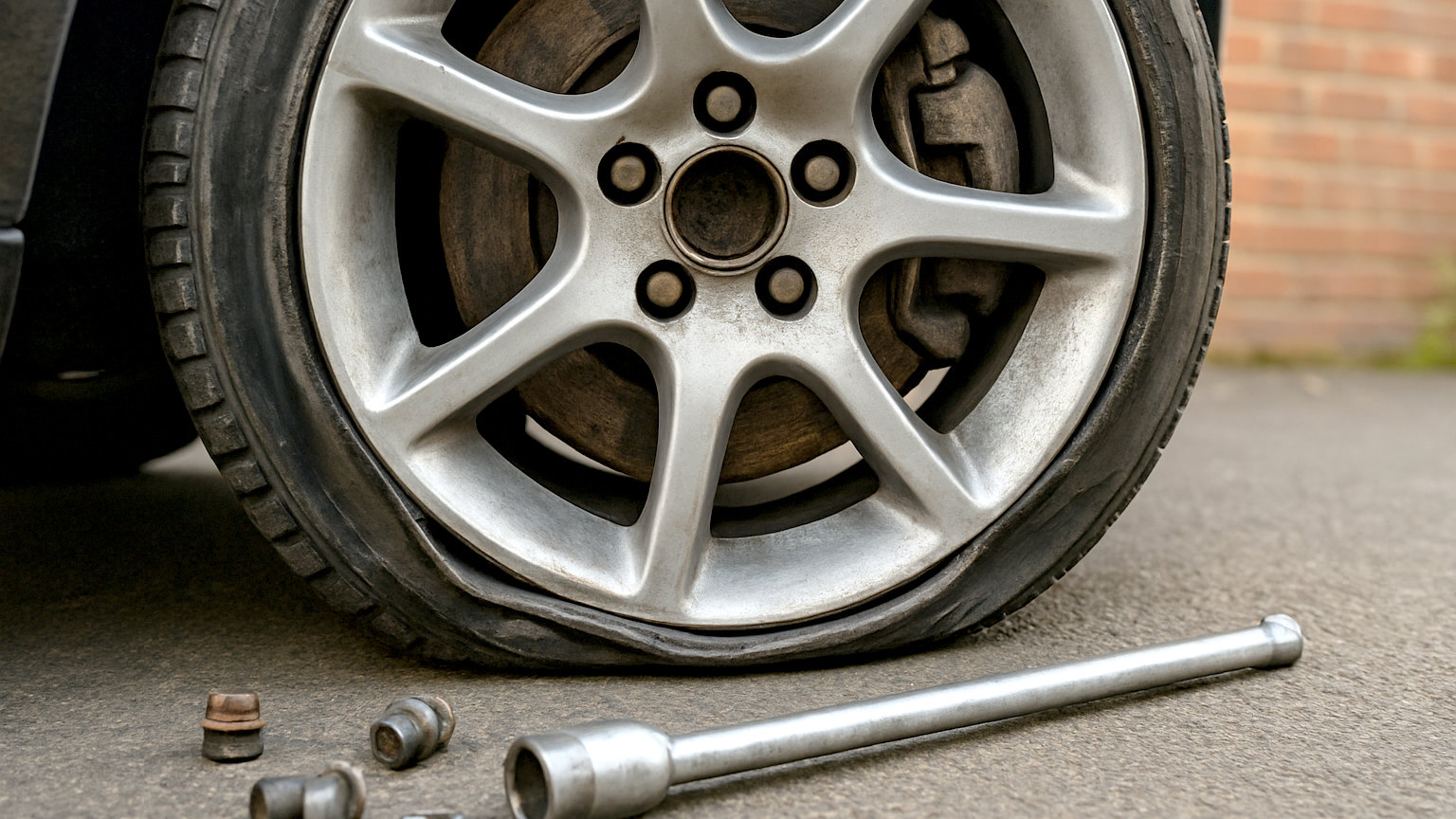
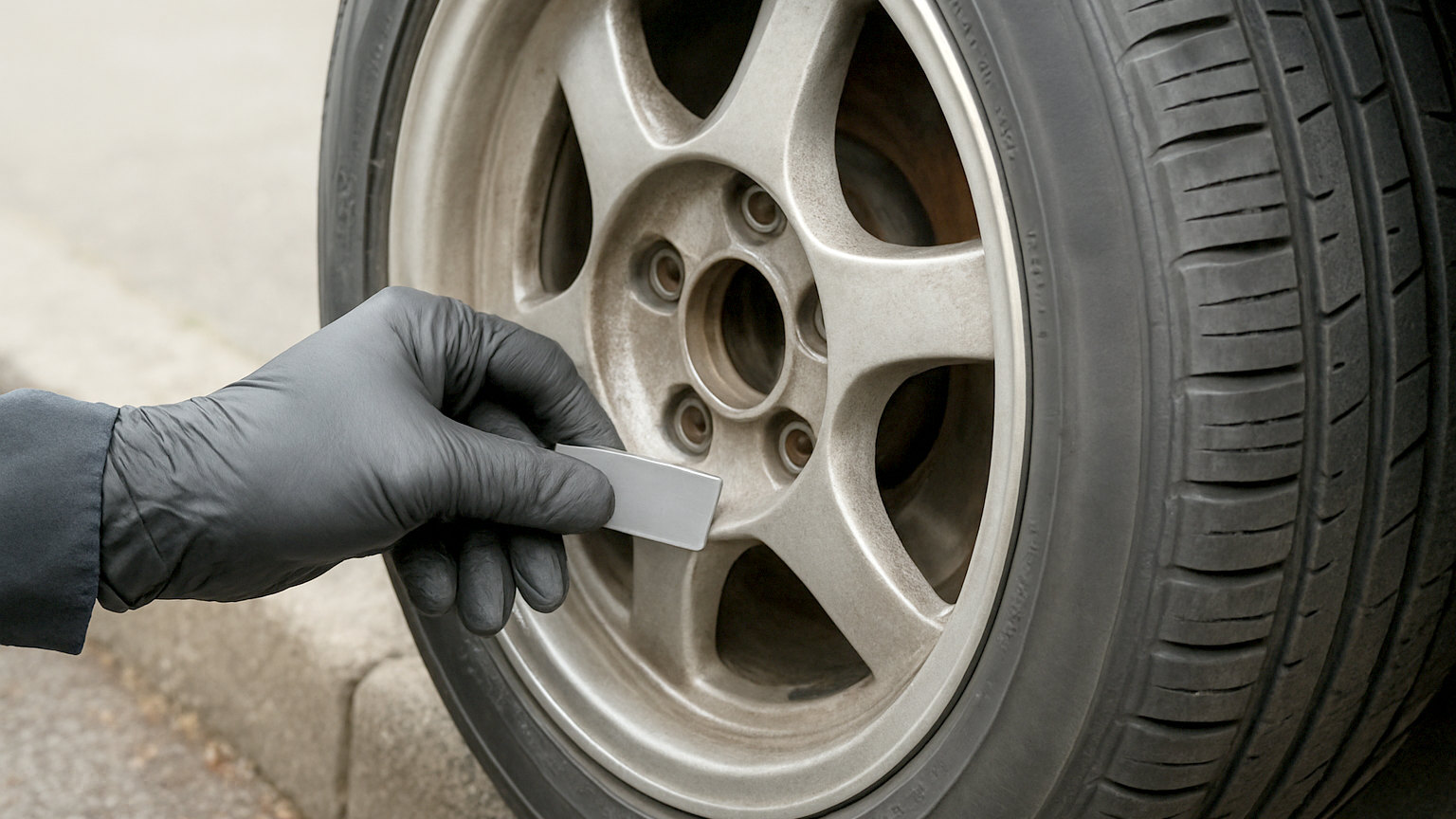
A modest buckle can usually be straightened, while a crack in a load bearing area is where repair stops being sensible.
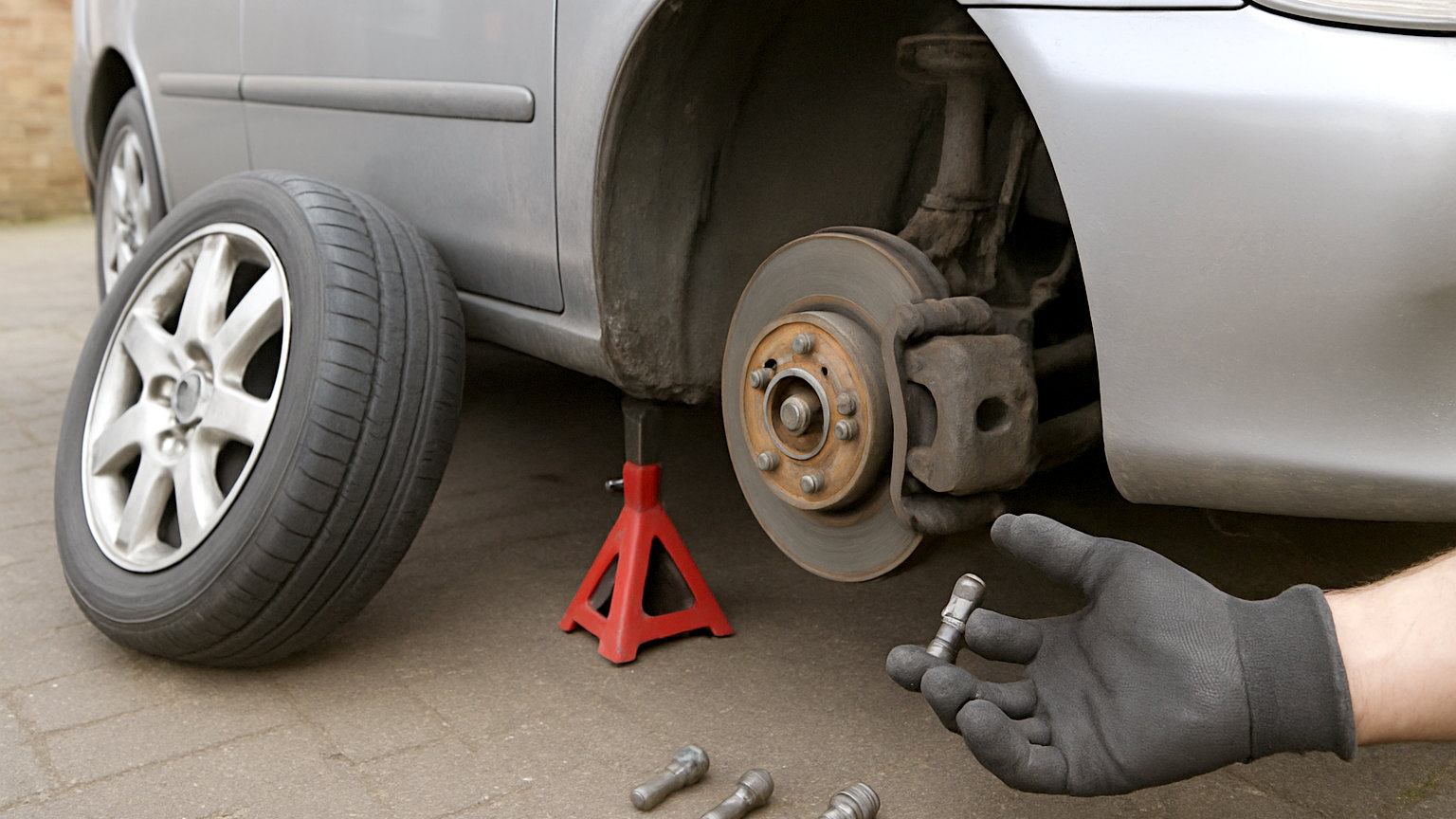
A vibration that began the day work was carried out is almost always connected to that work, and several causes are simple to correct.
A vibration that changes with the rev counter rather than the speedometer is coming from the engine or something it drives.
A shake confined to the first mile is usually tyres taking a temporary set or an engine running its cold start strategy.
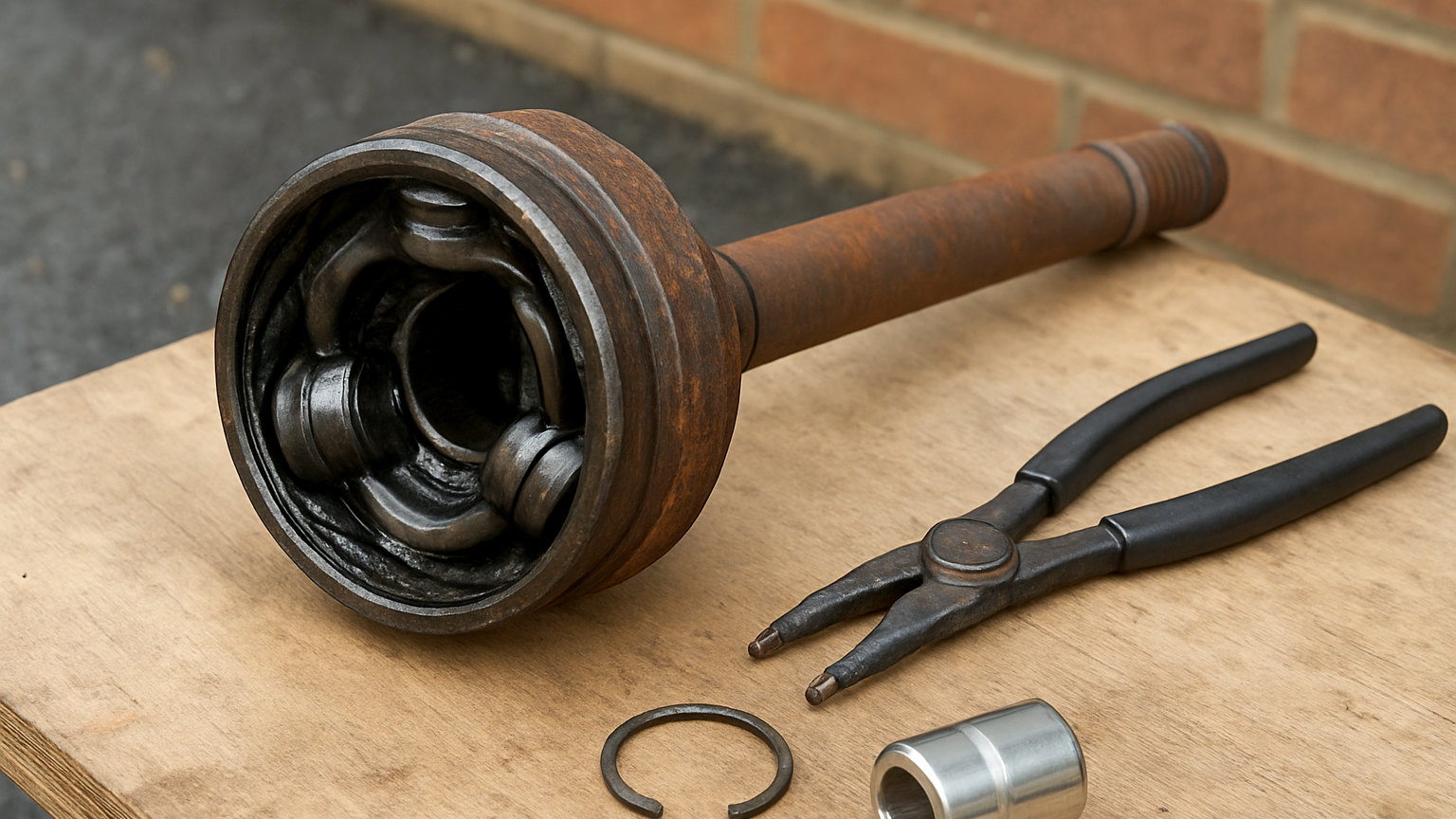
Outer joints click on lock and inner joints vibrate under load, and the difference between those two symptoms is genuinely diagnostic.
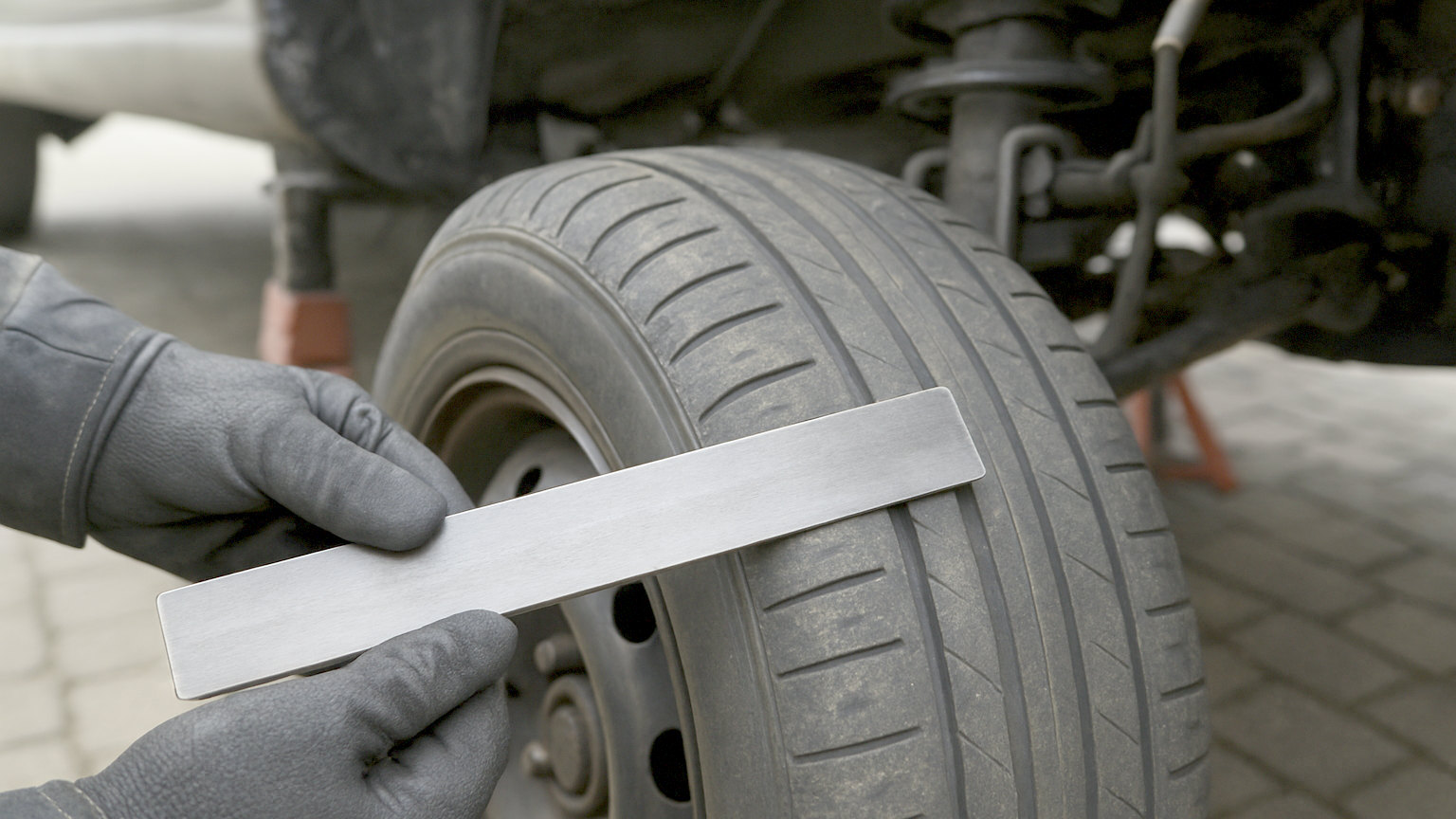
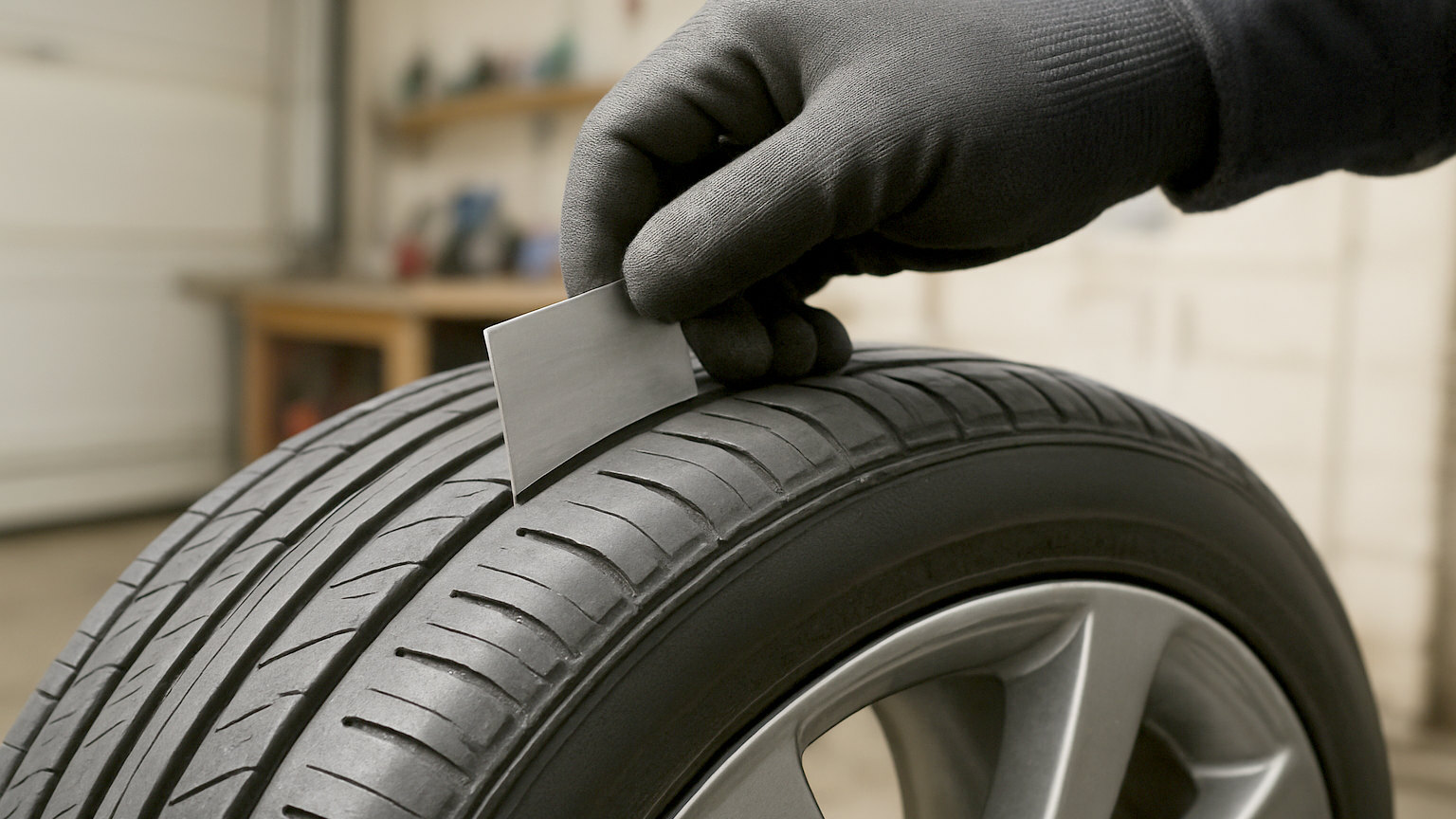
Balancing corrects mass distribution and nothing else, so a tyre that is not round or not uniform will vibrate however well it is balanced.
Balancing corrects the uneven distribution of mass in a wheel and tyre, and the correction is only as good as the day it was done.
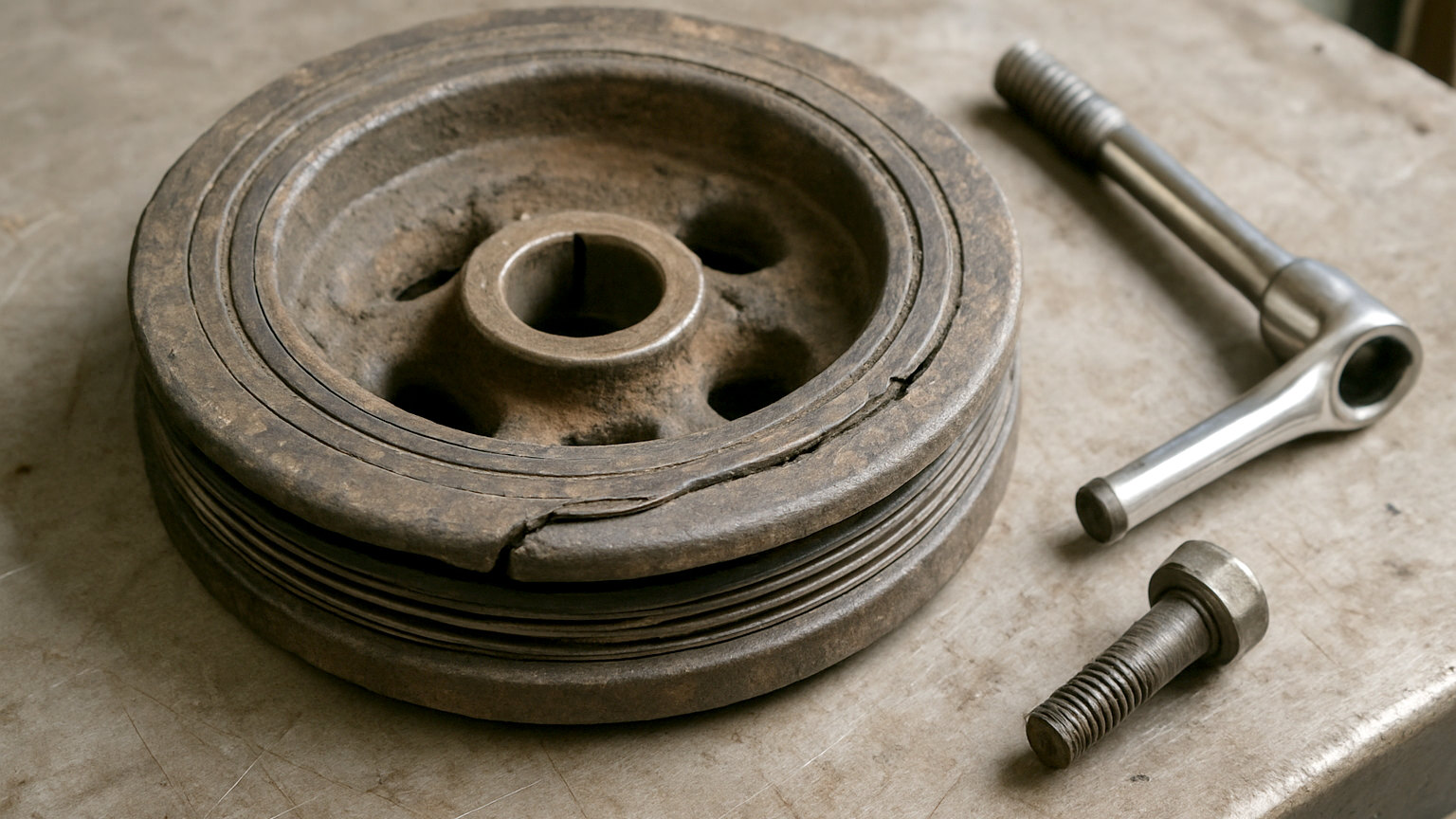
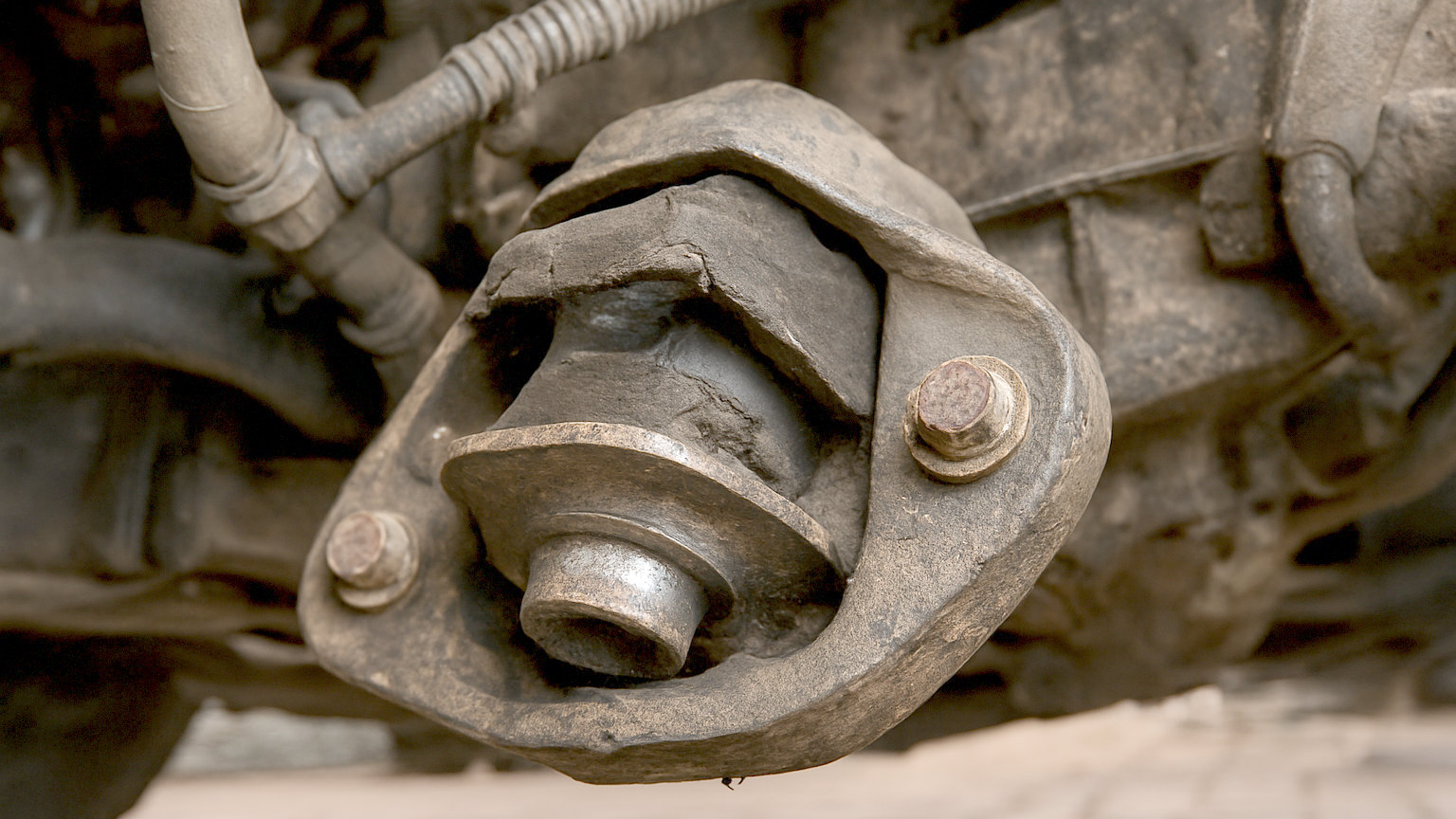
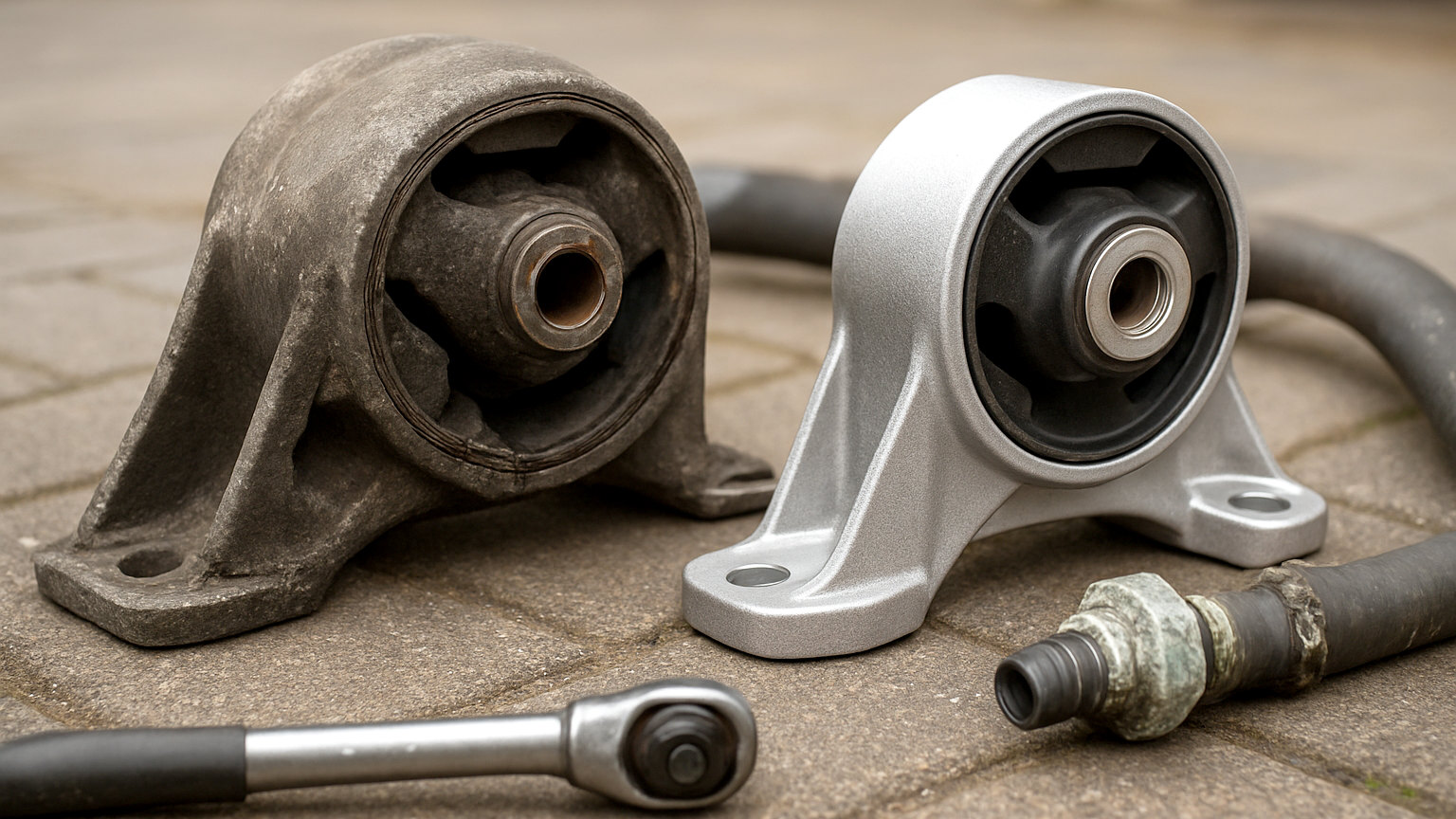
Idle is where engine pulses are furthest apart and mounts work hardest, so a vibration confined to standstill is nearly always engine related.