
Some cars are noticeably more affected by side winds than others, and a good deal of that is inherent in the shape and weight of the vehicle rather than a fault. What is worth paying attention to is whether a particular car has become more affected than it used to be, since that usually points at something that can be corrected.
Which vehicles are most affected?
Tall, light vehicles with large flat sides, which means vans, motorhomes, minibuses and many people carriers. A high roof gives the wind a large area to push against, and a low weight means less inertia resisting it. Cars towing caravans are particularly exposed, since the trailer presents a large side area a long way behind the towing vehicle.
Do roof boxes make it worse?
Considerably. A roof box adds side area exactly where it has most leverage, high above the centre of gravity, and it also adds weight in the worst possible place. A car that feels planted in a crosswind unladen can feel markedly less settled with a loaded box on the roof, which catches people out on holiday journeys.
Why are bridges and gaps so bad?
Because the wind changes suddenly rather than steadily. Emerging from behind a cutting, a line of trees or a lorry into open exposure means the sideways force arrives instantly, and the car moves before you have reacted. Exposed bridges and open moorland stretches produce the same effect, which is why those locations carry warning signs.
What happens when a lorry passes?
A double disturbance. As it approaches, the pressure wave pushes the car away; as it passes, the shielded area behind it draws the car towards it, then the wind returns as you emerge. That sequence of push, pull and push is what makes overtaking a lorry in a crosswind feel unsettling, and holding a firm steady grip rather than reacting to each phase is the better approach.
How should you drive in it?
Reduce speed, since the forces rise sharply with it. Hold the wheel firmly with both hands and make small steady corrections rather than sharp ones. Leave more room to the side, particularly beside cyclists and motorcyclists who are far more affected. And anticipate the exposed sections rather than reacting once the car has already moved.
What if the car has got worse?
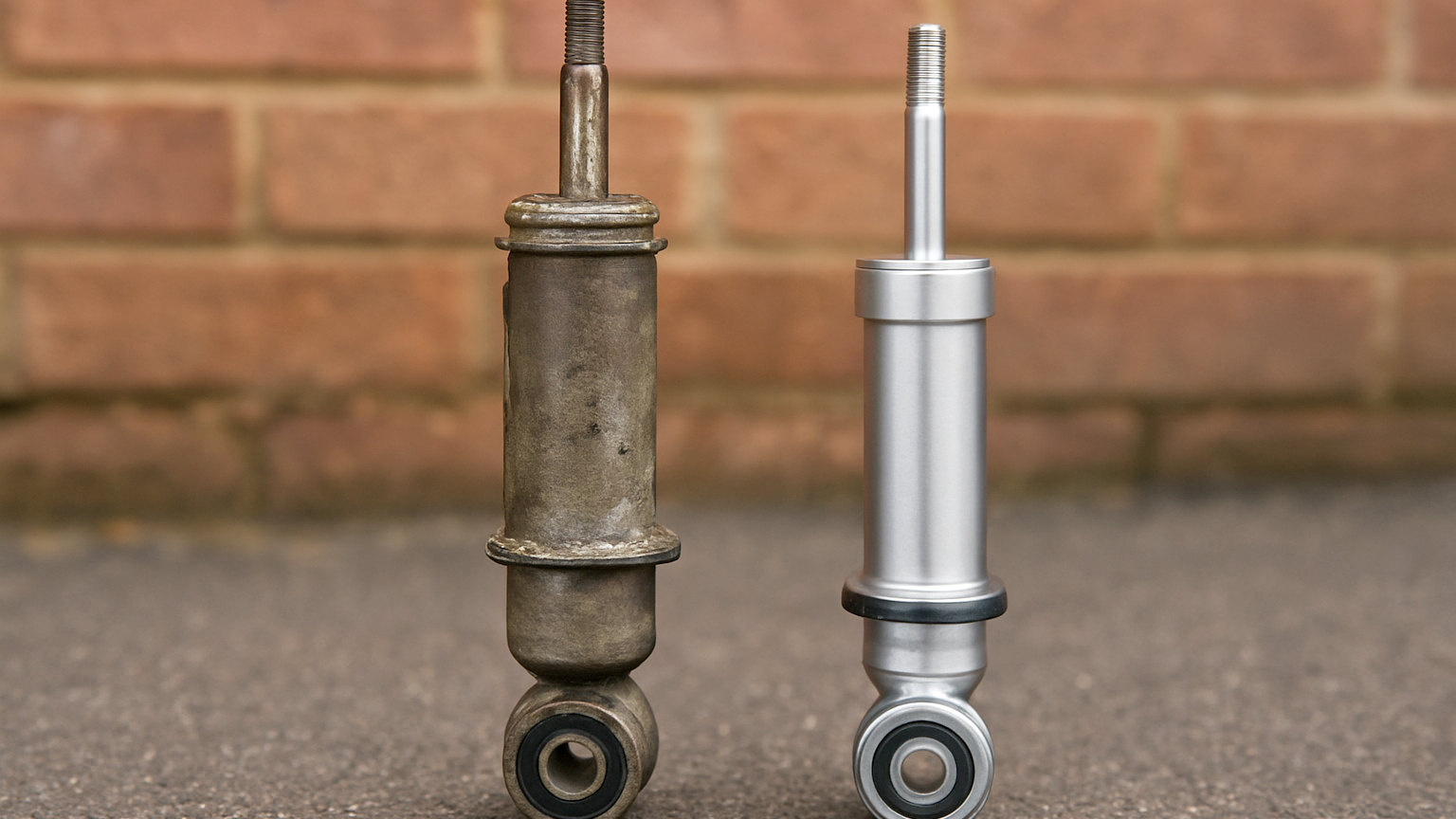
That is worth investigating, because a change suggests a mechanical cause rather than the weather. Worn dampers allow the body to move more with each gust. Worn bushes and joints let the geometry shift. Underinflated tyres make the response vague and delayed. Any of these turns a car that coped into one that feels nervous.
Does towing change the picture?
Substantially, and it introduces the possibility of a caravan beginning to sway, which is a serious situation. Correct nose weight, a sensible load distribution with heavy items low and over the axle, and a stabiliser all reduce the risk. If a sway develops, easing off gently and holding the wheel straight is the recommended response rather than braking or steering against it.
What should you check before a windy journey?
Tyre pressures, using the laden figures if carrying a load, since underinflation makes the car noticeably less settled. Whether a roof box is genuinely needed. And the weather forecast for exposed sections of the route, since some bridges and high roads close in strong winds and finding out in advance saves a long diversion.
Should you change your route?
In genuinely severe conditions, yes, particularly when towing or driving a high sided vehicle. Exposed bridges and coastal roads are meaningfully worse than sheltered alternatives, and the additional distance is usually a better trade than fighting the wheel for an hour. Delaying a journey by a few hours is also a legitimate option.
Weather warnings for high winds are published well in advance, and checking them before setting off with a caravan or a roof box is a small habit worth adopting.


