
A car that pulls to one side is one of the most common reasons people book an alignment, and it is often the right answer. It is not always, and since several cheaper causes produce an identical symptom, working through them first is worth an hour. Alignment measures the geometry; it cannot correct a tyre, a brake or a road surface.
What should be checked first?
Tyre pressures, on all four wheels with a gauge rather than by eye. Unequal pressures across an axle are the single most common cause of a pull and the difference needed is smaller than most people assume. It costs nothing and it resolves a meaningful proportion of complaints before any money is spent on measurement.
How do you test for a tyre pull?
By swapping the two front tyres side to side and driving the same road. If the pull reverses direction, a tyre is responsible rather than the geometry, and no amount of alignment will cure it. Internal construction faults produce this, as do mismatched tyres or one that is considerably more worn than its partner. It is a definitive test that costs only time.
Could it be a brake dragging?
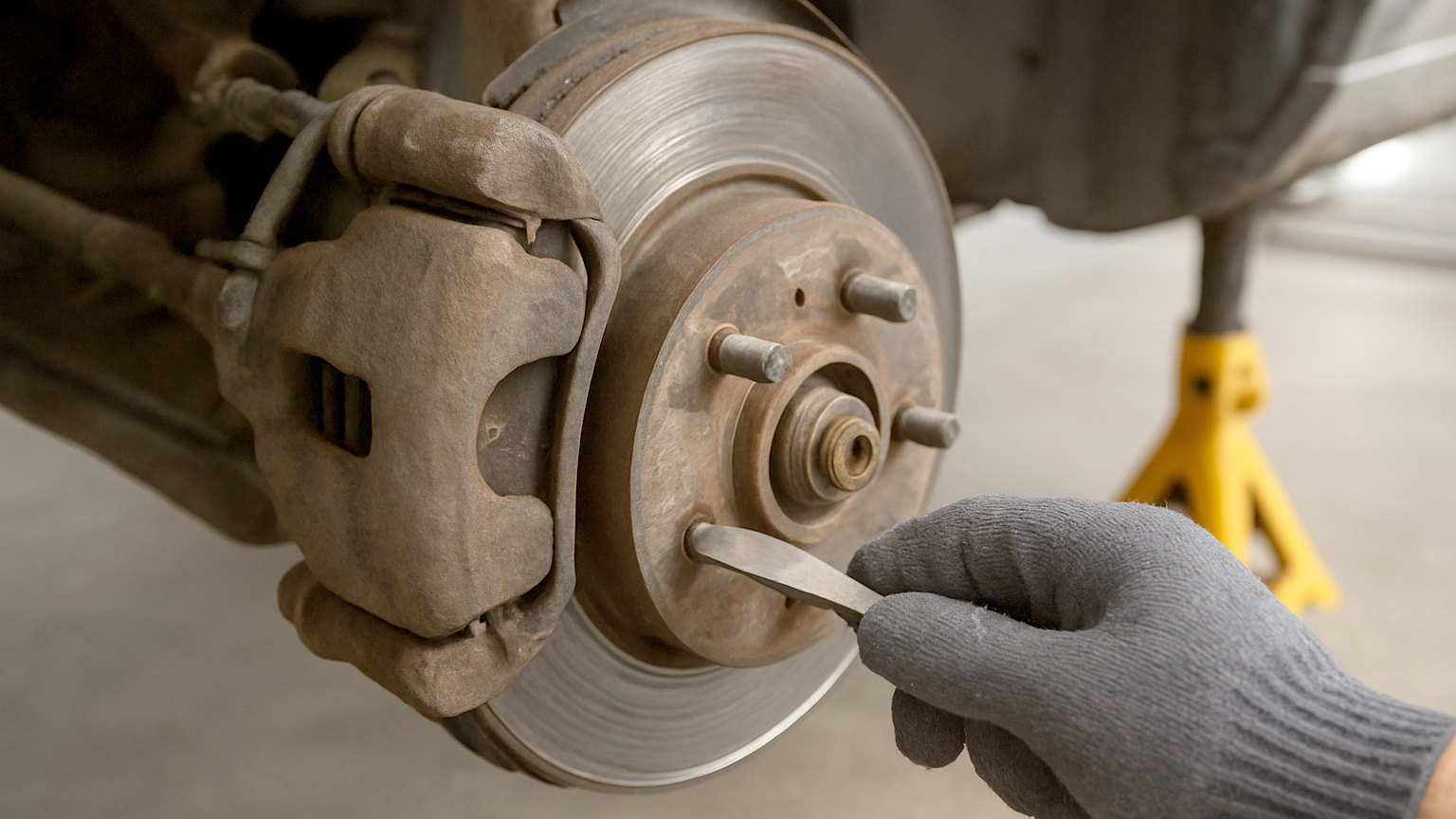
Frequently, and it produces a pull that is often worse under braking or after a period of driving. A seized caliper or a sticking slide pin holds one pad against the disc continuously, and that wheel runs noticeably hotter than the others. Carefully comparing wheel temperatures after a drive identifies it quickly, taking care since they can be extremely hot.
Is the road itself responsible?
More often than people expect. Most roads are cambered to drain water, which produces a consistent gentle pull towards the kerb. Testing on a flat surface such as an empty car park, or comparing the pull driving both directions along the same straight road, separates a genuine fault from a car simply obeying the surface it is on.
Which alignment angles cause a pull?
Unequal camber, since a wheel pulls towards the direction it leans, and unequal caster, since the car drifts towards the side with less. Both can be within tolerance individually while differing enough side to side to cause a drift. Toe rarely causes a pull on its own, which is why a basic tracking adjustment sometimes fails to fix one.
Why does the rear axle matter?
Because if the rear wheels are not square to the vehicle, the car crabs and the steering must be offset to travel straight. That feels like a pull and cannot be corrected at the front. Only a four wheel alignment measuring the rear thrust angle detects it, which is one of the main reasons two wheel tracking sometimes fails to solve a pulling complaint.
Can worn suspension cause it?
Certainly. Worn bushes and joints let the geometry move under load, so the car behaves differently from moment to moment and requires constant correction. Setting the alignment on a car in that condition adjusts the angles to compensate for something that will be replaced later, which creates a new problem rather than solving the original one.
What is the sensible sequence?
Check pressures, swap the front tyres and retest, check for a hot wheel indicating a dragging brake, have the suspension inspected for play, and then have a four wheel alignment carried out. That order deals with the free and cheap possibilities first, and it means the alignment is performed on a car whose components are sound rather than being wasted.
Will the workshop check those things?
A good one will, and it is worth mentioning the symptom rather than simply asking for alignment. A technician told that the car pulls will check tyres and brakes as part of the diagnosis, whereas one asked for a tracking adjustment will reasonably do exactly that and no more. Describing the problem gets a better result than specifying the job, and it costs nothing beyond a sentence when booking the car in.


