
A tyre pressure monitoring system has been required on new cars sold in the UK since 2014, and the warning light it produces is one of the more frequently misunderstood on the dashboard. Part of the confusion is that two entirely different technologies carry the same name, and what the light means and how you clear it depends on which one your car has.
What is a direct system?
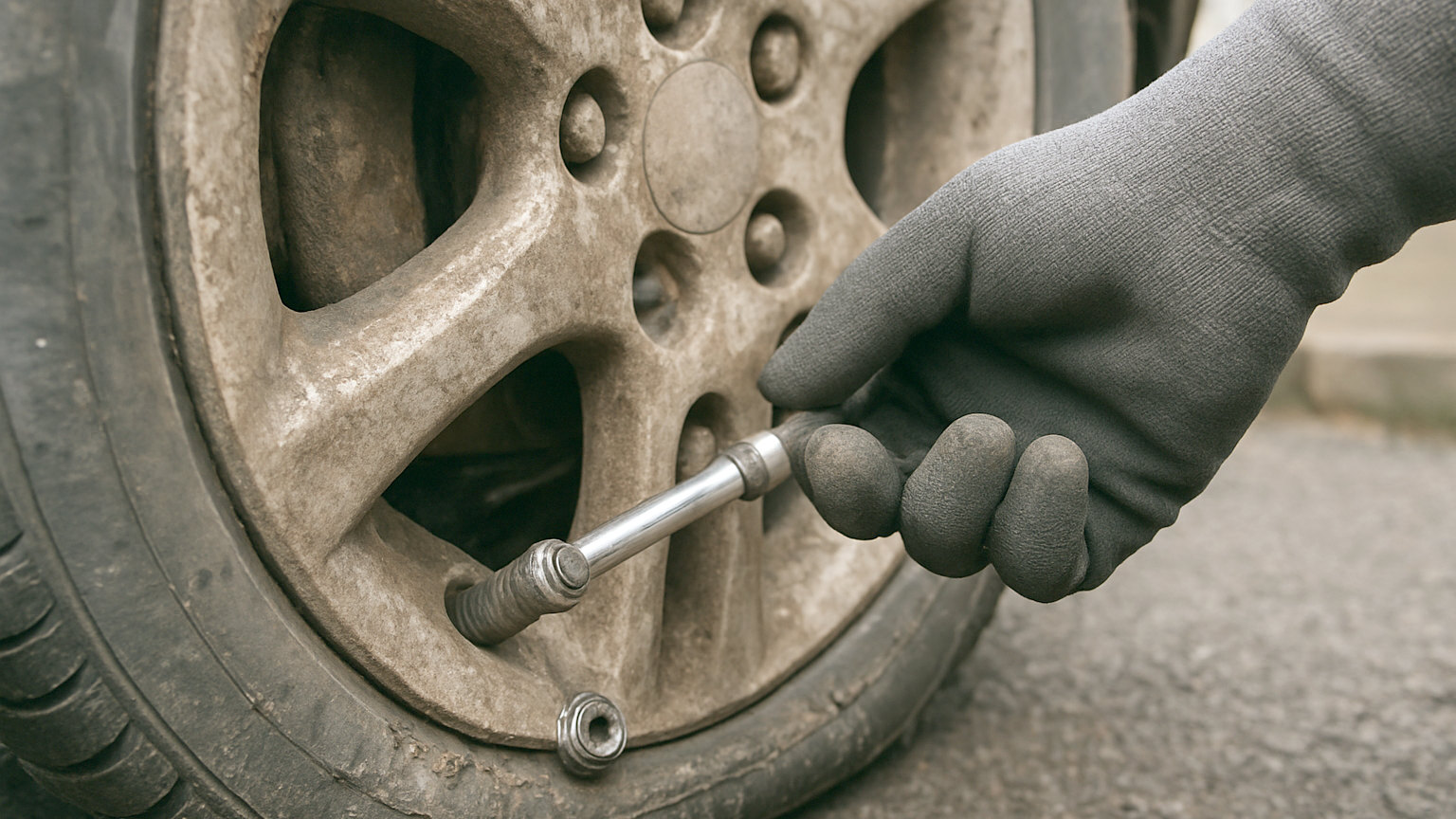
Each wheel contains a sensor, usually built into the valve or clamped to the rim, which measures the actual pressure inside the tyre and transmits it to a receiver. It is accurate, it can often display the pressure for each wheel individually, and it detects a slow leak in one tyre reliably. The sensors contain batteries, which is where most of the long term issues arise.
What is an indirect system?
It measures nothing directly. Instead it uses the ABS wheel speed sensors to detect that one wheel is rotating slightly faster than the others, which happens when a tyre deflates because its rolling circumference reduces. It is cheaper and has no batteries to fail. It cannot detect all four tyres deflating equally, and it must be reset after any pressure adjustment.
Why is the light on?
Most commonly because a tyre genuinely is low, which is exactly what the system exists to tell you. Check all four pressures with a gauge before assuming a fault, including the spare on cars that monitor it. Cold weather is a frequent trigger, since pressure falls with temperature and a tyre correct in September may drop below the threshold on the first frosty morning.
Why does it stay on after inflating?
Because most systems need resetting after pressures are corrected, particularly indirect ones which have to relearn the correct rolling circumferences. The procedure is usually a button or a menu option, and it must be carried out with all pressures correct and the car stationary. Some direct systems relearn automatically after a few minutes of driving instead.
What if the light flashes?
A flashing light, usually for a minute or so before staying on, generally indicates a system fault rather than low pressure. On a direct system that most often means a sensor is not transmitting, either because its battery has died or because it has been damaged. That is a different problem from a low tyre and it will not be resolved by inflation or a reset.
How long do the sensors last?
The batteries are sealed inside and typically last somewhere between five and ten years, after which the sensor must be replaced entirely since the battery cannot be changed. On a car of that age it is common for them to fail one at a time over a year or two. Replacing all four when the first goes is worth considering, since the labour overlaps with tyre fitting.
Do sensors need programming?
Usually. A new sensor must be matched to the vehicle, either by cloning the old sensor identity or by programming the car to recognise the new one, which requires a TPMS tool. It is worth confirming a fitter has one before booking, since a sensor fitted without being programmed leaves the light on and the job unfinished.
Is it an MOT failure?
On vehicles first used from January 2012, a TPMS malfunction indicator that is illuminated or inoperative is a failure. That means the light must work and must not stay on, so removing a bulb is not a route around it. Given that the system is checking something genuinely important, it is one of the more sensible test items to keep working.
Does it replace checking pressures?
No, and this is the most important thing to understand about it. Most systems only warn once pressure has fallen well below the correct figure, often by around a quarter, so a tyre can be meaningfully underinflated for months without triggering it. The system is a safety net for sudden loss, not a substitute for a gauge and a monthly habit.


