
Wheel alignment does not drift gradually the way a service item wears out. The angles are determined by the physical positions of the suspension mounting points, so they change only when something moves, bends, wears or is replaced. That makes the causes a fairly short list, and recognising which applies determines whether adjustment alone will fix it.
What is the most common cause?
Impacts, and on British roads that means potholes above all. A sharp strike transmits a large shock into the suspension, and the track rod is the component most easily disturbed by a sideways force. Kerb strikes while parking do the same. Neither needs to be dramatic to shift the toe by enough to start wearing a tyre.
How do worn components affect it?
By allowing the geometry to move under load even when the static measurement looks correct. A worn suspension bush lets the arm shift position when braking or cornering, so the alignment the machine reads on a stationary car is not what the tyre experiences on the road. That is why alignment carried out on a car with worn bushes rarely cures the complaint.
Which components matter most?
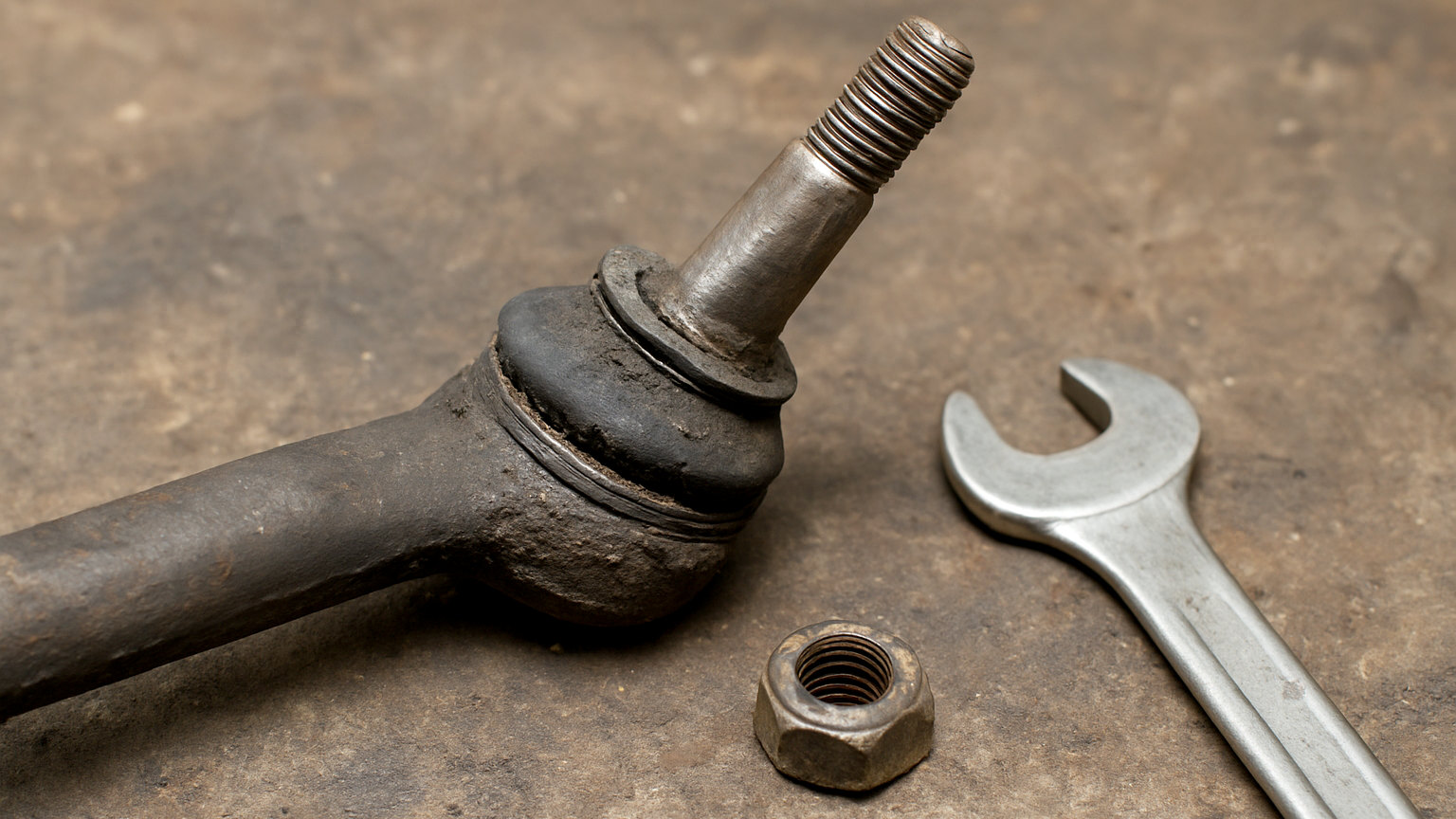
Front lower arm bushes, particularly the rear one, which controls how far the arm moves under braking. Track rod ends and ball joints, where play translates directly into changing toe. Strut top mounts, which locate the top of the suspension. And anti roll bar bushes and links, which have a smaller but real effect on how the geometry behaves in corners.
Does ride height change it?
Considerably, on most suspension designs. Camber and toe both vary with suspension travel, so anything that changes ride height changes the geometry. A sagging or broken spring lowers that corner and increases negative camber, which is why a car sitting low on one side often shows accelerated inner edge wear on that tyre.
Do repairs knock it out?
Almost always, and this is the most predictable cause. Replacing a track rod end changes the effective rod length and therefore the toe. Replacing a suspension arm, a strut or a spring disturbs everything about that corner. Any workshop carrying out such work should either include alignment or recommend it, and a quote that omits it is incomplete rather than competitive.
Can a load change it?
Temporarily. A heavily laden car sits lower and its geometry changes accordingly, which is normal and reverses when the load comes out. What is not normal is a car whose settings have permanently shifted after carrying heavy loads, which usually indicates sagging springs or collapsed bushes rather than the load itself.
Does accident damage always show?
Not visibly. A shifted subframe or a slightly bent suspension arm can leave no external evidence while producing a caster or camber reading well outside specification. That is why alignment figures are used as a diagnostic for accident damage, and why a full printout is worth having on any used car purchase where the history is uncertain.
How do you know which cause you have?
By having the suspension inspected for play and wear before the alignment is set rather than afterwards. A technician who checks the joints and bushes first, then measures, is working in the right order. Adjusting the geometry on a car with worn components sets the angles to compensate for something that will be replaced later, which simply creates a new problem.
How quickly does it show?
Faster than most people expect. A significant toe error can produce visible feathering within a couple of thousand miles and can remove a large part of a tyre within five. That is why a check after a heavy pothole strike is worth doing promptly rather than waiting for the next service, since the damage accumulates by the mile rather than sitting still until you get round to it. A tyre worn away on one shoulder cannot be recovered once the rubber has gone.


