
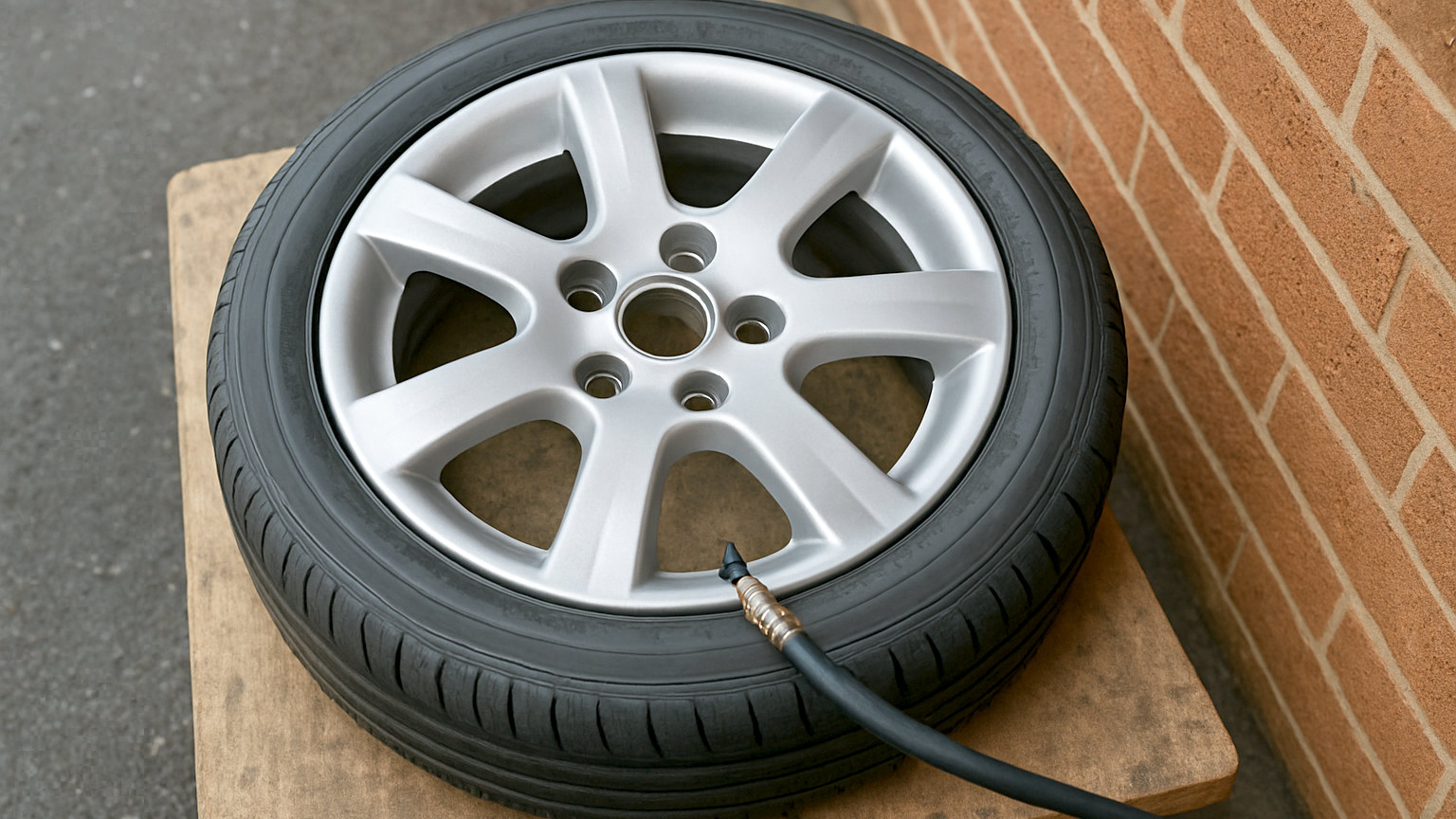
Tyre pressure is the cheapest and most immediate influence on how a car handles, and it is adjusted by almost nobody deliberately. Pressure determines the size and shape of the contact patch and how much the sidewall flexes, so changing it at one end of the car changes the grip available there and therefore the balance of the whole vehicle.
Why do front and rear differ?
Because the weight distribution is uneven and the two axles do different jobs. Most cars carry more weight at the front, particularly with a transverse engine, so front pressures are frequently higher. The manufacturer chooses figures that give the intended balance, and setting all four the same because it is simpler upsets that balance in a way the designer did not intend.
What does underinflation do?
Increases sidewall flex, so the tyre distorts more before it transmits a steering input. That produces a vague, delayed response and a wallowing feel. It also generates heat, wears the shoulders and increases fuel consumption. Underinflating one axle relative to the other reduces grip at that end, which shifts the balance towards understeer or oversteer accordingly.
What does overinflation do?
Reduces the contact patch, so less rubber is on the road and grip falls, particularly in the wet. The ride becomes harsh and the car skips over bumps rather than absorbing them, which reduces contact further on a rough surface. It also wears the centre of the tread. It is sometimes suggested for fuel economy and it is a poor trade against the grip lost.
Can pressure be used to adjust balance?
In principle yes, and on a road car it should not be. Reducing rear pressure to reduce understeer also reduces rear grip in an emergency, which is precisely the wrong trade. Manufacturers set the figures with a safety margin built in, and the placard values are the right answer for road use rather than a starting point to be tuned.
What about the laden figures?
They exist because a loaded car needs more pressure, particularly at the rear, to support the additional weight without excessive flex. Ignoring them on a holiday journey with four people and a full boot leaves the rear tyres running overloaded and hot, which affects both handling and safety. Setting them before the trip and reverting afterwards takes minutes.
How much does temperature change it?
Roughly one pound per square inch for every ten degrees Fahrenheit or so, which is why tyres read low on a frosty morning and why pressures must be checked cold. Checking after a motorway run gives a reading several pounds high, so setting to the placard figure at that point leaves the tyres underinflated once they cool.
Does it matter which tyres are new?
Considerably, and it interacts with pressure. New tyres have more tread and more grip, so the axle carrying them has an advantage. That is why new tyres are recommended on the rear, since a car that understeers is easier to manage than one that oversteers. Correct pressures on worn front tyres will not fully compensate for the difference.
How often should you check?
Monthly and before any long journey, with a decent gauge rather than a forecourt machine. Tyres lose a pound or two a month naturally, so a set correct in October will be meaningfully low by Christmas without any leak. It is the single highest value few minutes available to any car owner, and it costs nothing at all.
Does the spare need checking?
Yes, and almost nobody does it. A space saver requires a considerably higher pressure than a normal tyre, often around sixty pounds per square inch, and one that has sat in a boot for three years will be well below that. Checking it alongside the others turns a useless spare into a usable one.
The same applies to any car carrying a full size spare, since a flat one is exactly as useless as no spare at all when you need it.


