
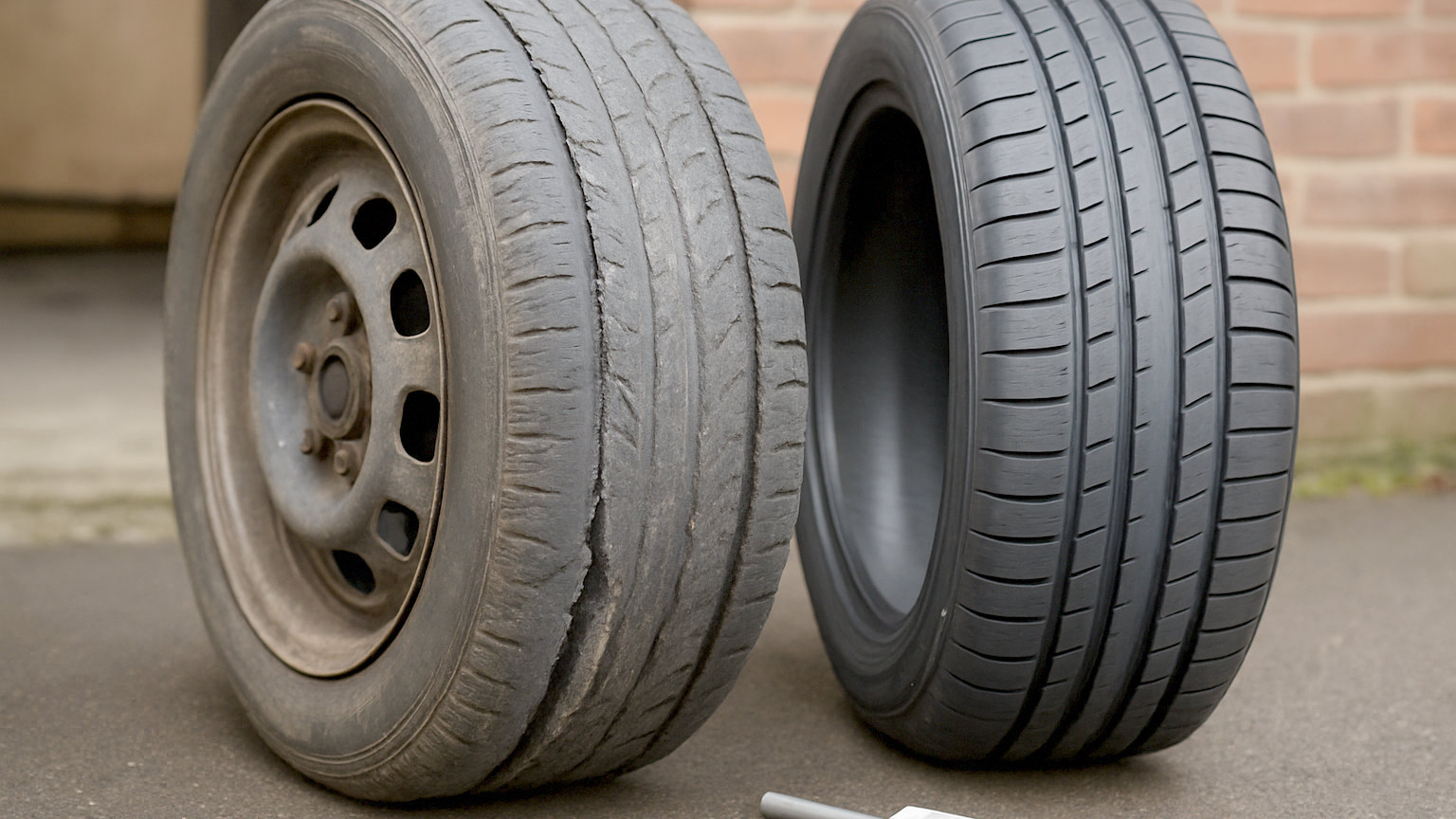
Wheel alignment is one of the few pieces of car maintenance where the arithmetic is genuinely simple. A set of front tyres costs several times what an alignment check does, and incorrect geometry can remove a large part of their life within a few thousand miles. That comparison settles the question for most people before any of the handling or safety benefits are considered.
How do the costs compare?
A basic tracking adjustment is modest, and a full four wheel alignment typically two or three times that. A set of two front tyres is usually several times the four wheel figure, and a full set considerably more. If alignment prevents even one premature tyre replacement across the life of a car, it has paid for itself several times over.
When is it definitely worth it?
After any pothole or kerb strike hard enough to make you wince. After any suspension or steering repair. When fitting new tyres, since starting a fresh set on bad geometry is throwing money away. And whenever the car pulls, wanders or shows uneven tyre wear, since all three indicate something that will keep costing money until it is corrected.
When is tracking enough?
On a car with no symptoms, driving straight, with even tyre wear, a basic tracking check is a reasonable and economical routine measure. Its limitation is that it measures only front toe, so it cannot diagnose a pull, uneven camber wear or a rear axle out of square. For a specific problem, the full measurement is what actually answers the question.
Are free alignment checks worthwhile?
Many tyre retailers offer a free check, and it is genuinely useful provided you understand the commercial context. It gives you a measurement you would otherwise pay for, and it may lead to a recommendation for work. Asking for the printout and taking it away to consider is entirely reasonable, and a good retailer will hand it over without hesitation.
What else does it deliver?
A car that steers predictably, holds a lane without constant correction and brakes in a straight line. Reduced fatigue on a long journey. A small fuel saving. And the diagnostic value of knowing nothing is bent, which matters particularly on a used car whose history is uncertain. None of those appear on an invoice and all of them are real.
How do you avoid paying twice?
By having the suspension inspected first and any worn components replaced before the geometry is set. Alignment carried out on a car with play in it has to be redone once those parts are changed. Getting the order right is the single easiest way to make sure the money is spent once rather than twice.
How do you judge a good workshop?
By whether they inspect before measuring, whether they clamp the steering wheel, and whether they hand you a printout showing before and after figures against the specification without being asked. Those three things distinguish a proper alignment from a quick toe adjustment, and they are reasonable to expect at any price point.
What is the sensible habit?
An annual check, ideally combined with new tyres or a service, plus a check after any notable impact or repair. That costs little across a year and it catches problems while they are still adjustments rather than after they have consumed a set of tyres. On British roads it is among the better value maintenance decisions available.
What if the car seems fine?
A check that comes back within specification is still worth having, because it confirms nothing is bent and gives you a printout to compare against later. Drivers also adapt to a gradual change without noticing, so a car that feels fine is not proof that the geometry is correct. The measurement is what tells you, not the impression, which is precisely why it is worth having taken occasionally rather than only when something feels wrong.


