Should You Run Air Conditioning in Winter?
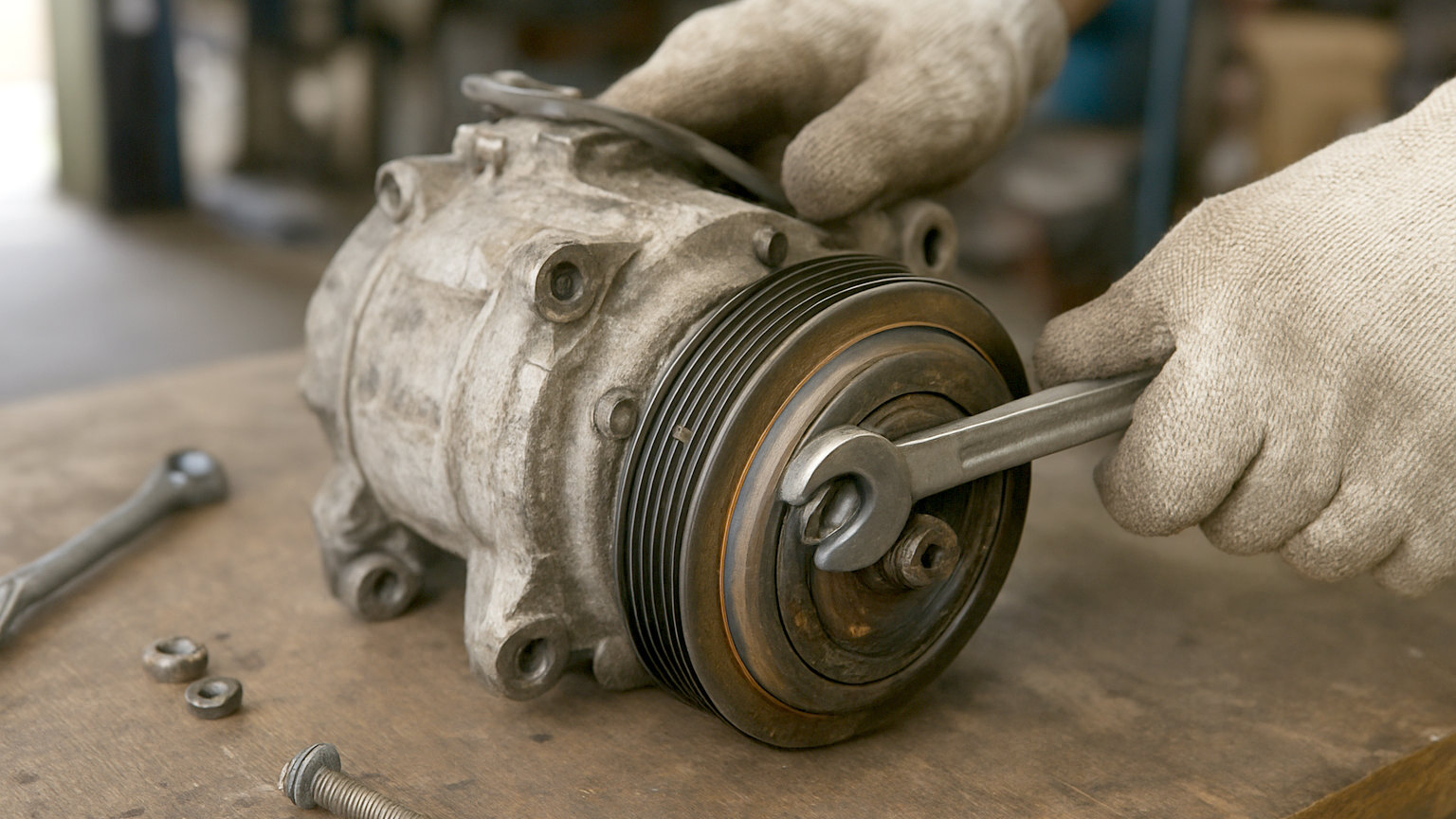
Running the system through winter keeps the compressor seals lubricated and clears a misted screen faster than heat alone.
By Car Problems Team
31 Mar 2026

The faults in this section rarely stop the car, which is exactly why they get ignored until they are expensive. A damp footwell is a blocked drain today and a corroded loom in a year; a heater blowing cold in January is sometimes a stuck thermostat and sometimes the first sign of a cooling system losing coolant. These guides cover the cabin and the bodywork - heating and air conditioning, windows, doors and locks, water leaks, the screen and speakers, and rust - with the cheap checks first and the honest answer on what is worth repairing.
Running the system through winter keeps the compressor seals lubricated and clears a misted screen faster than heat alone.
Climate control sets a temperature and manages everything else itself, which makes it more capable and more complicated to diagnose.
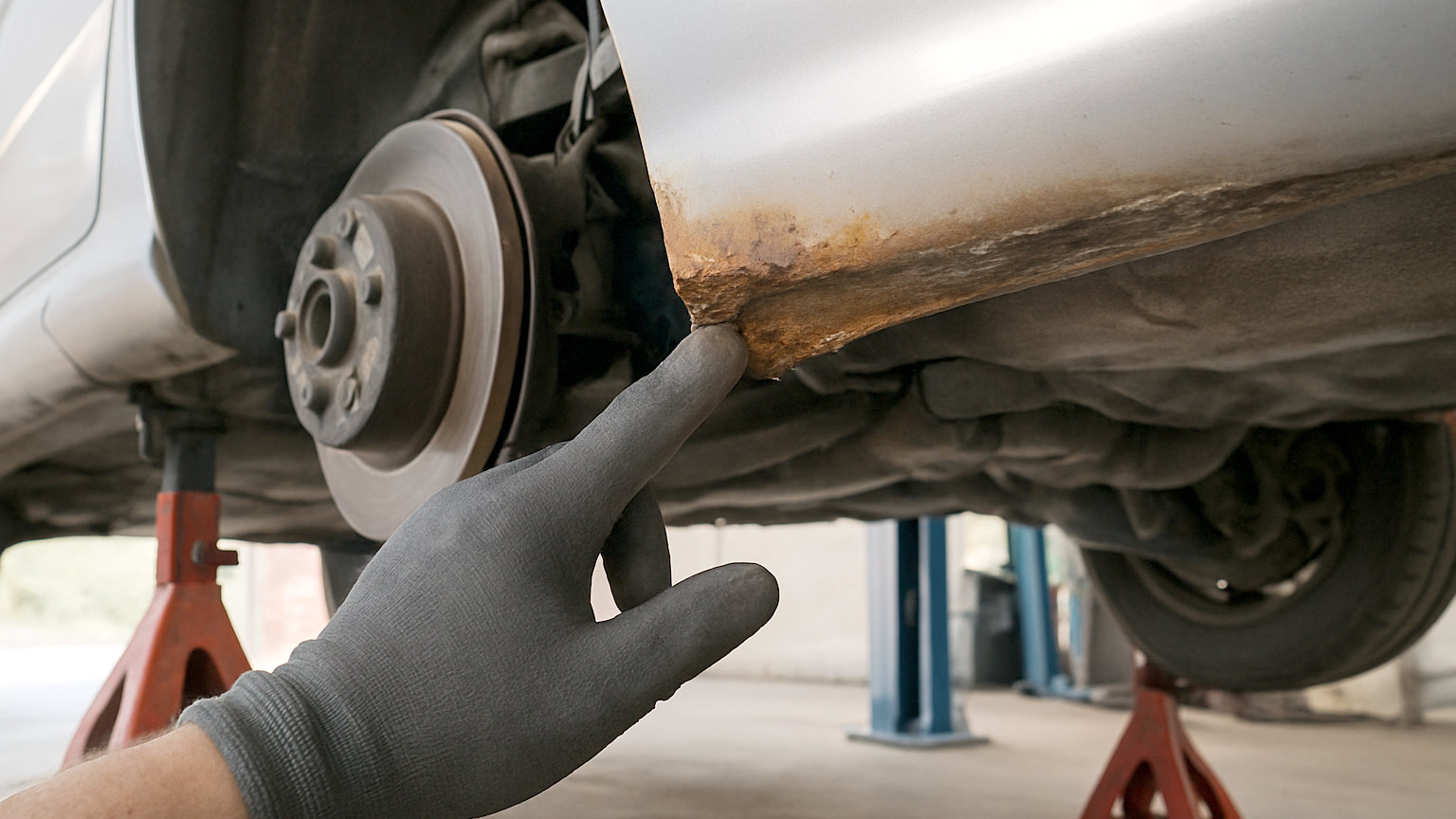
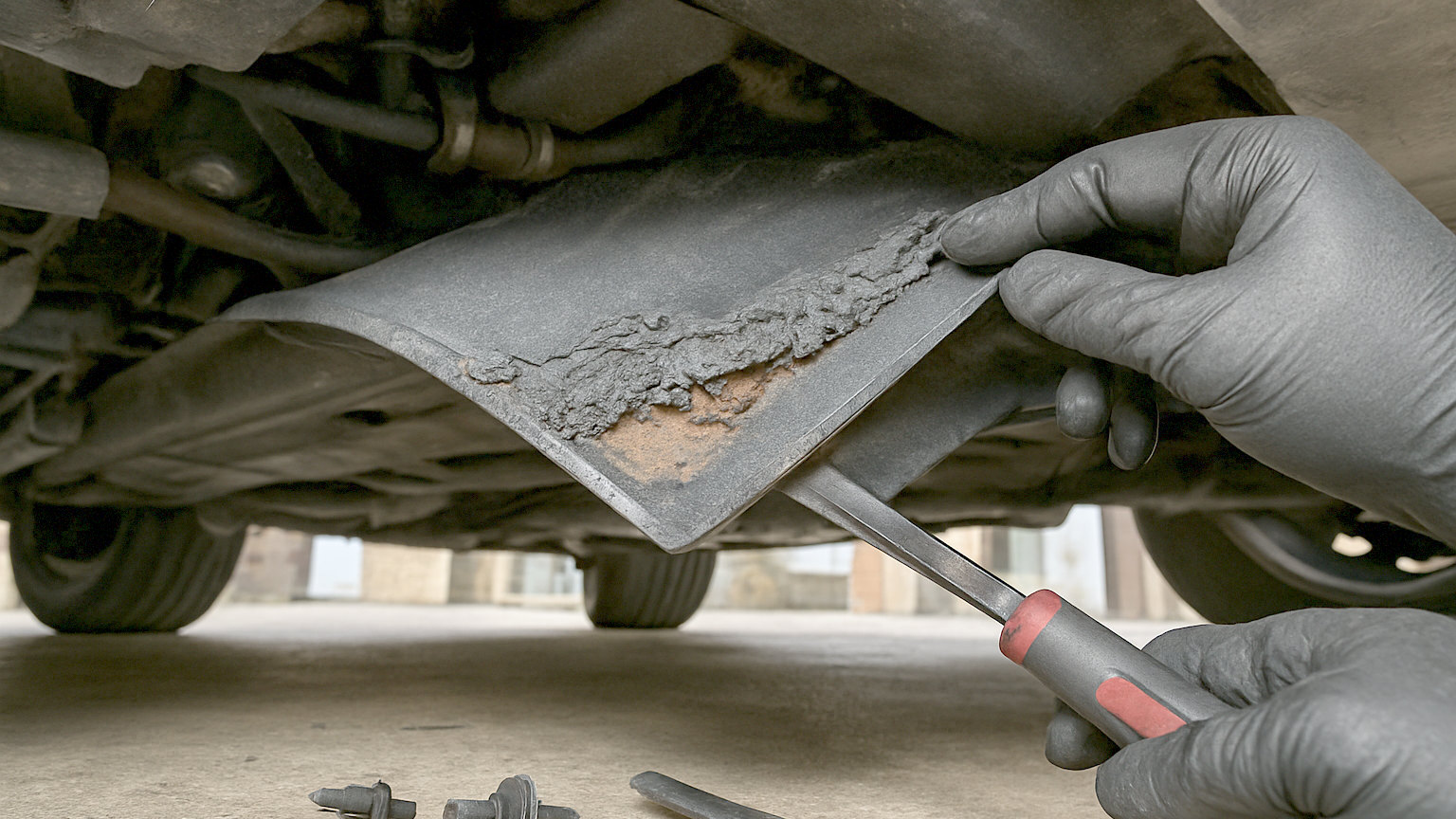
Rust returns because some of it was left behind or because the back of the repair was never protected, and both are preventable.
Reception that has declined gradually usually points at the aerial connection or its amplifier rather than the radio itself.
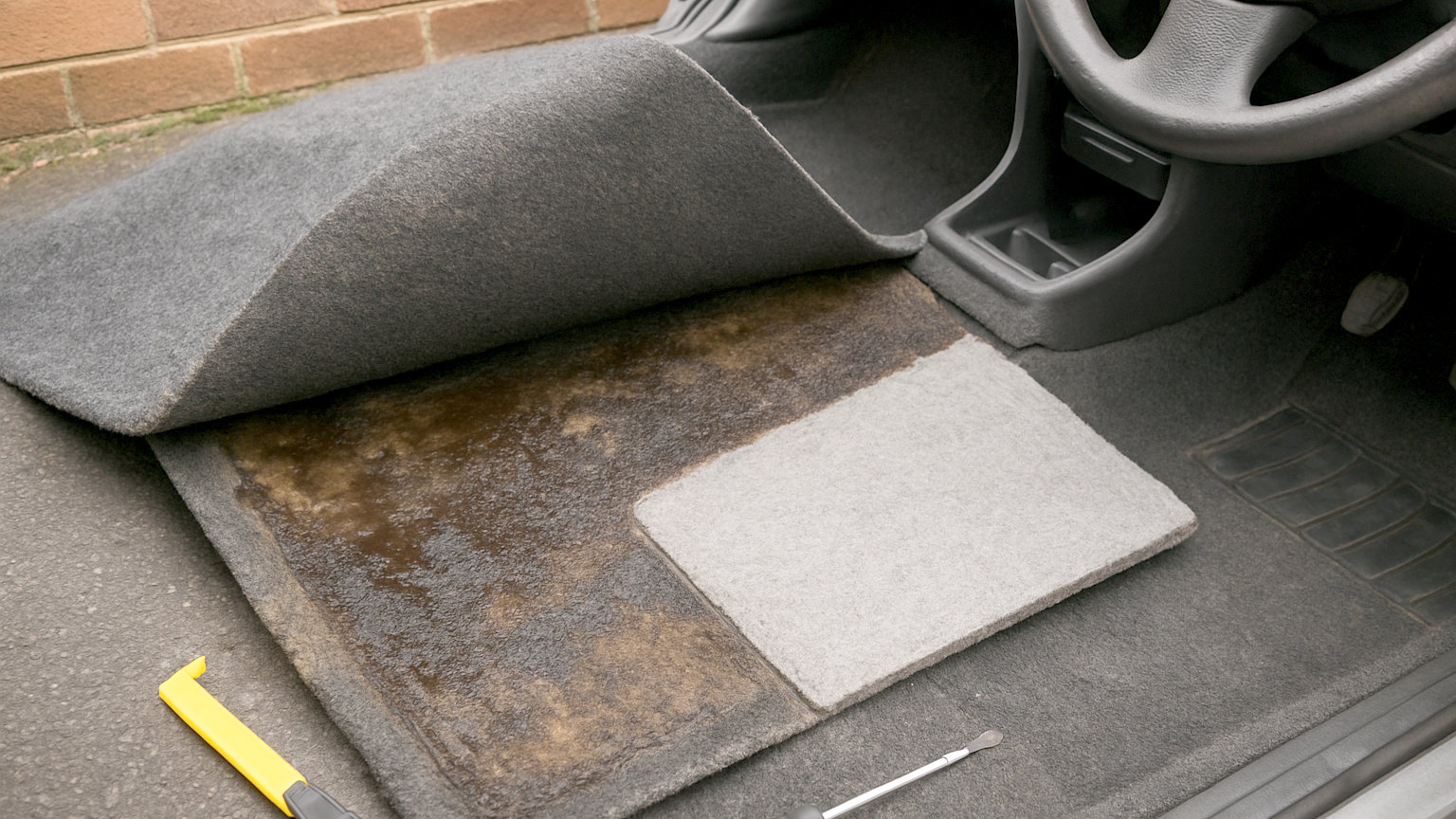
The carpet is not the problem, the foam underlay beneath it is, and that will not dry in a closed car whatever you do.
Much of what looks like a fault is designed behaviour, and the rest usually comes down to a sticking button or a damp module.
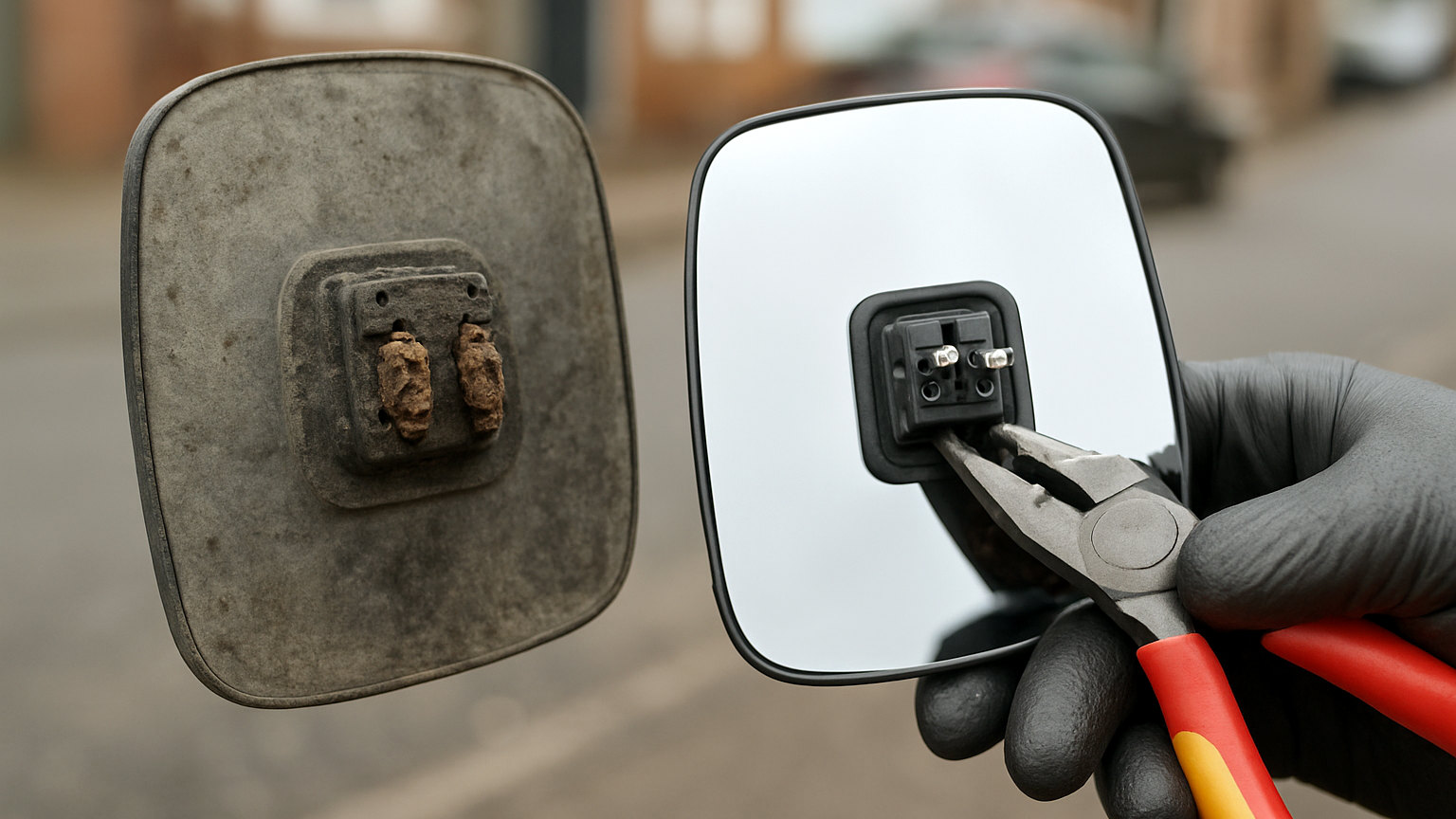
Heated mirrors usually share a circuit with the heated rear window, so both failing together points at one supply rather than two faults.
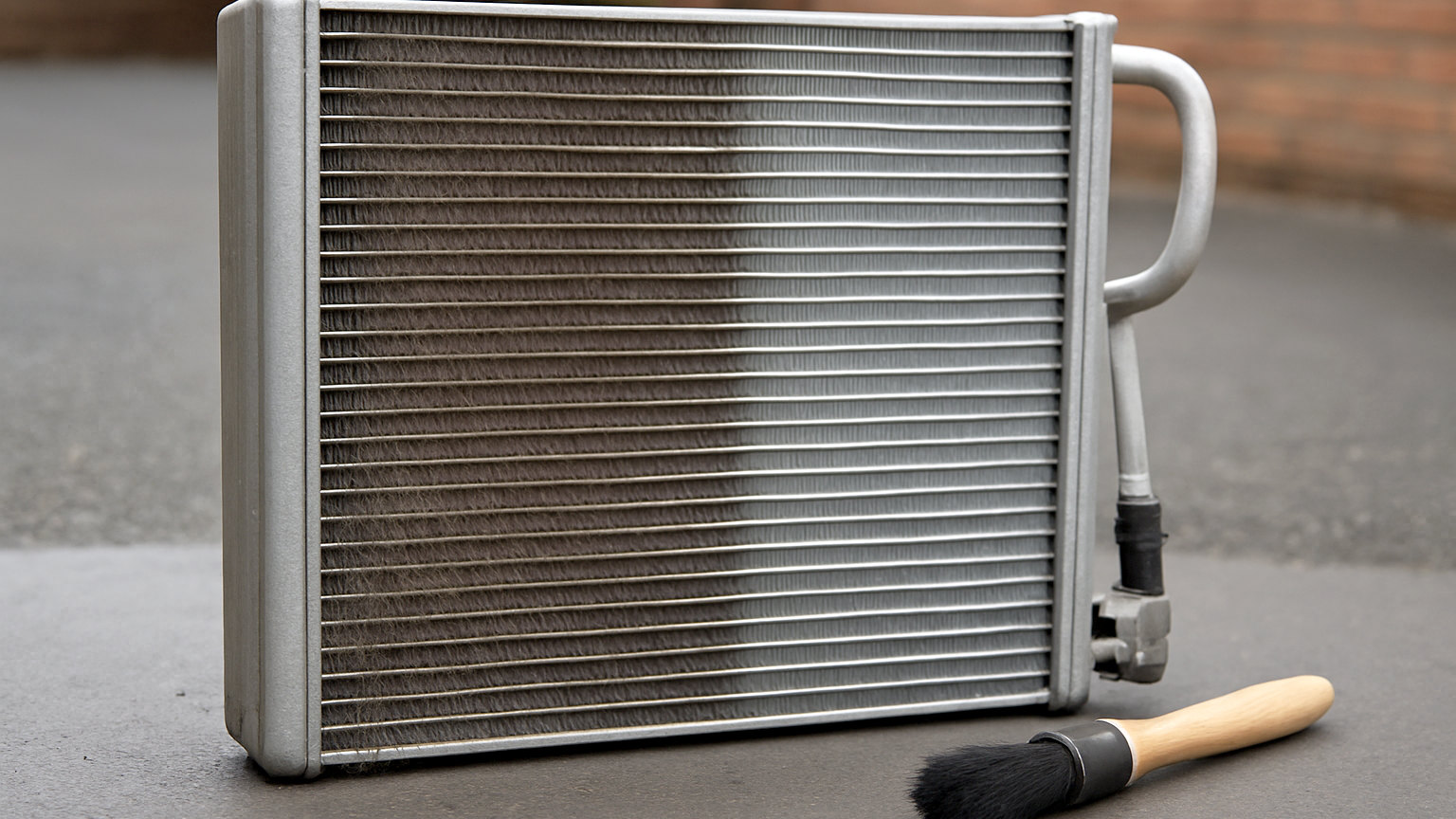
Cooling that fades in traffic and returns when moving is an airflow problem at the condenser rather than a refrigerant one.
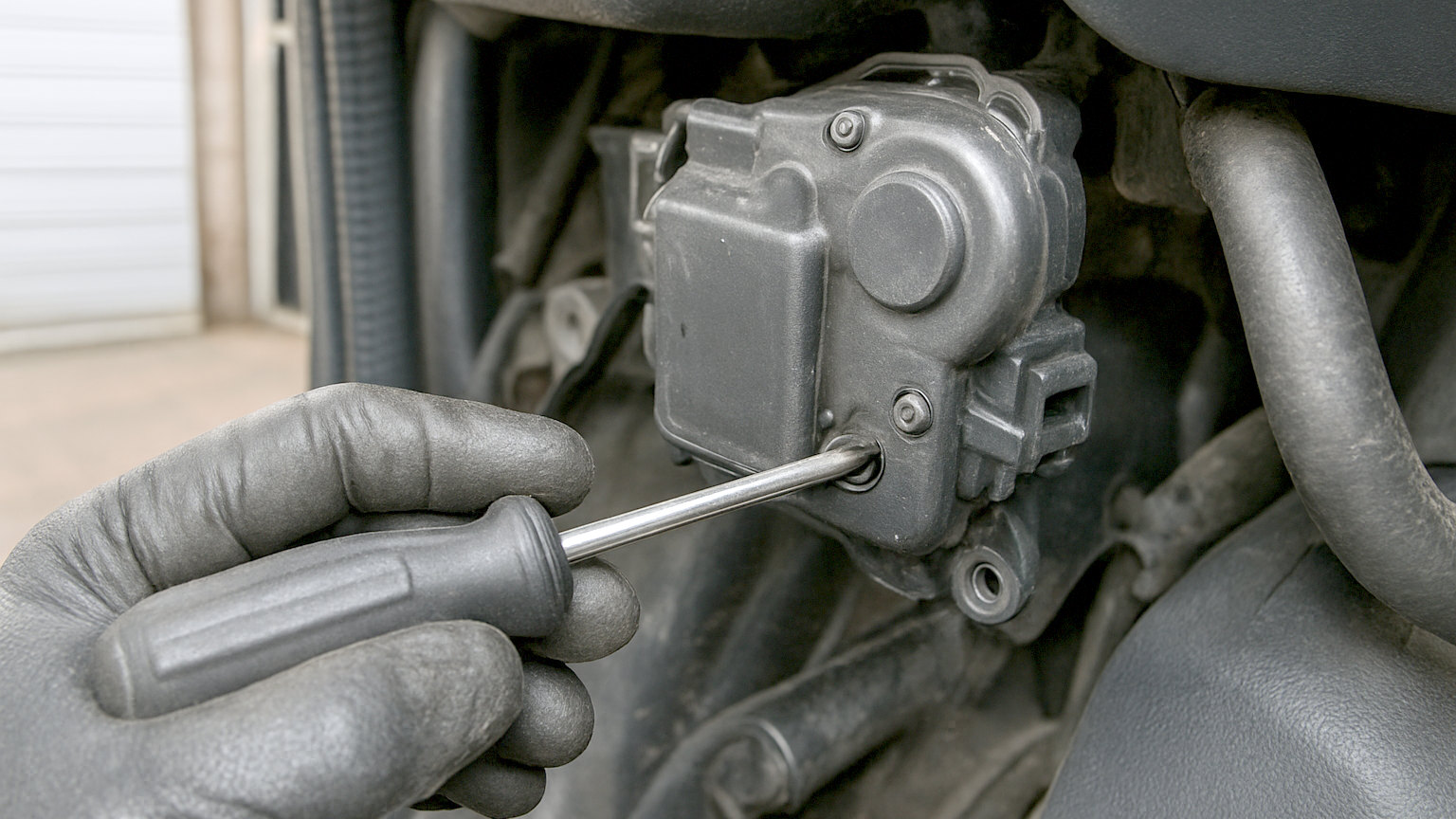
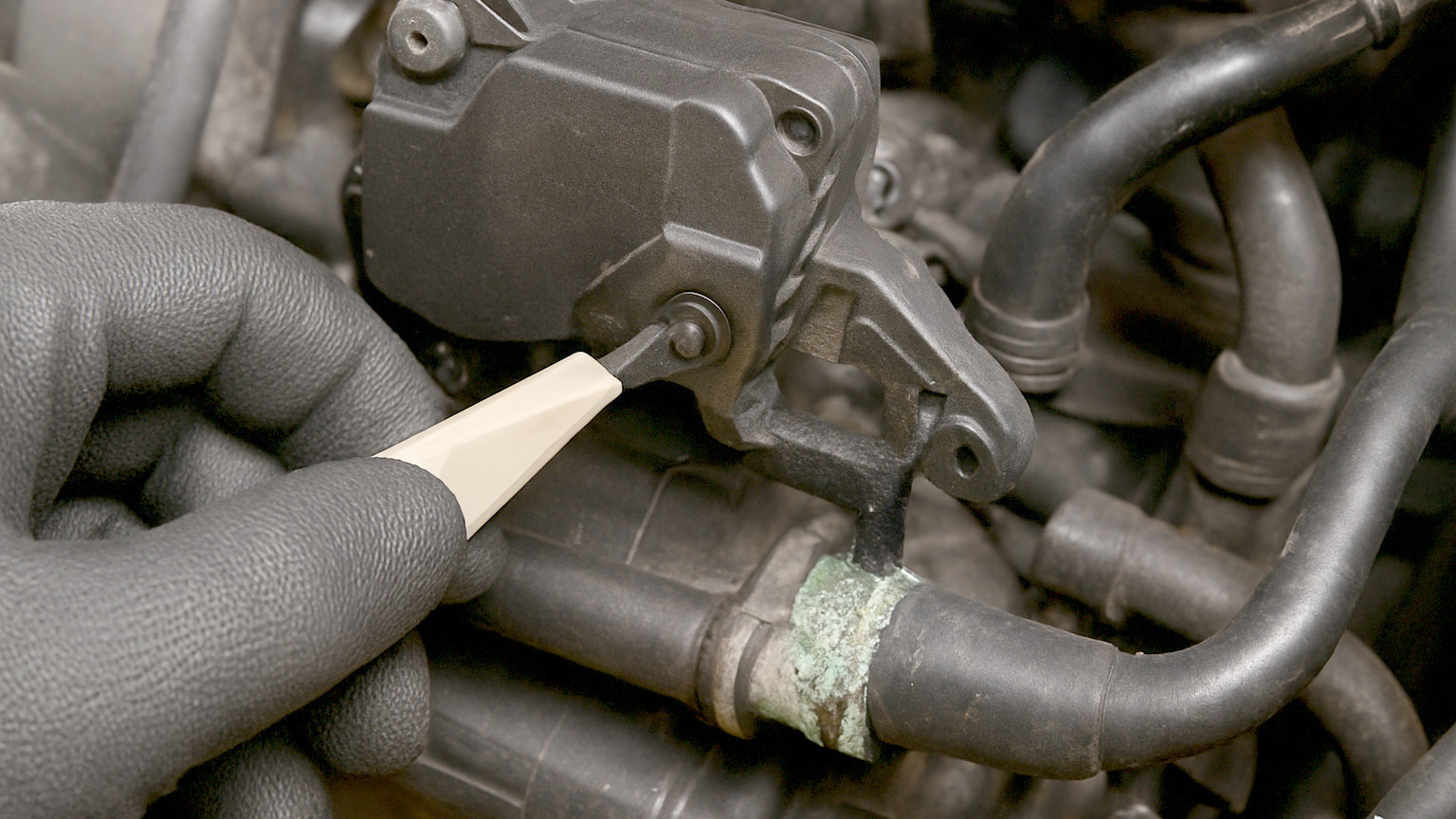
Air direction is set by flaps inside the heater box, and when their actuators or vacuum supply fail the system defaults somewhere unhelpful.
Underseal protects sound metal and traps water against corroded metal, which is why applying it over existing rust makes things worse.