Why Does My Car USB Port Not Charge My Phone?
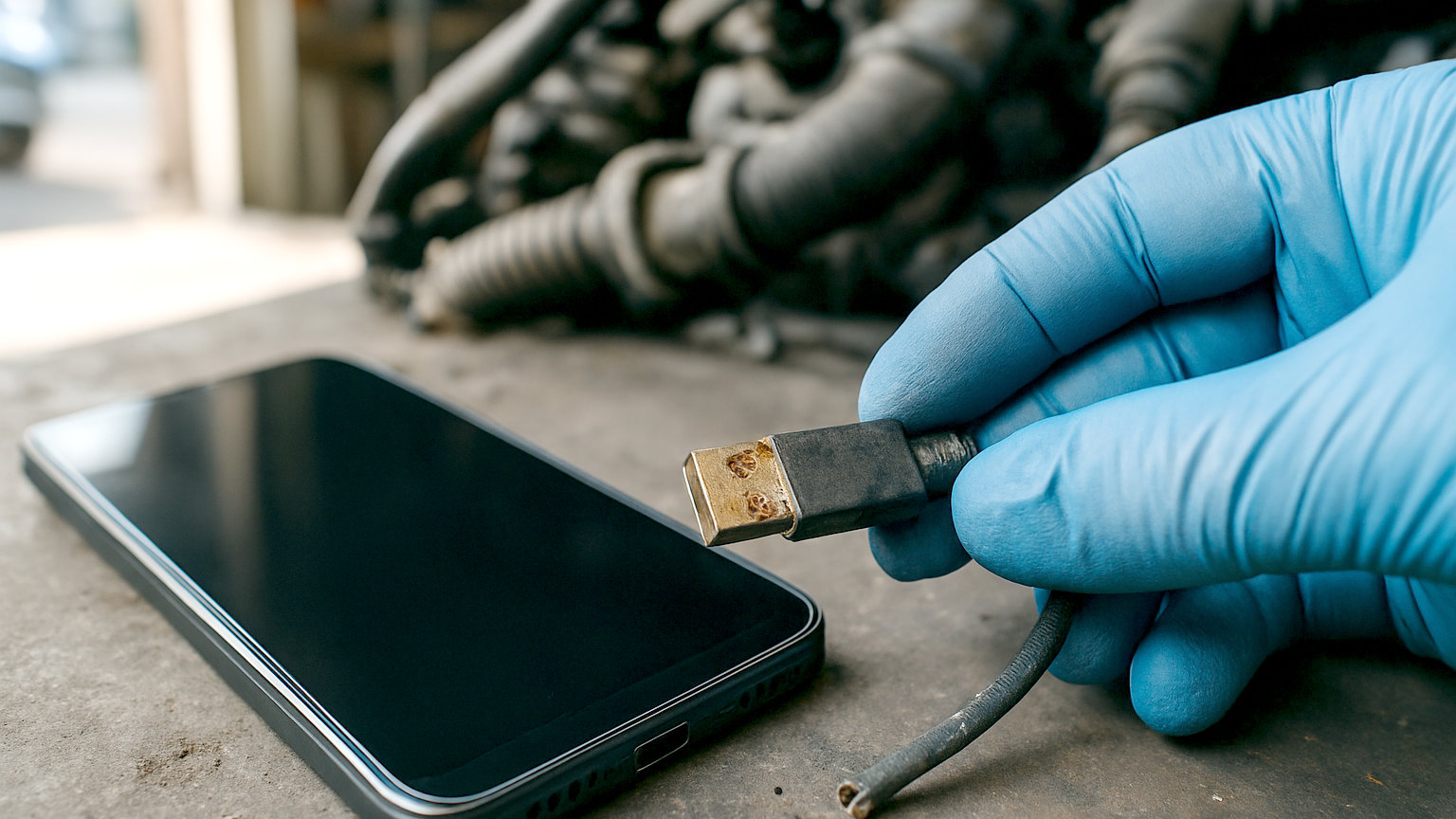
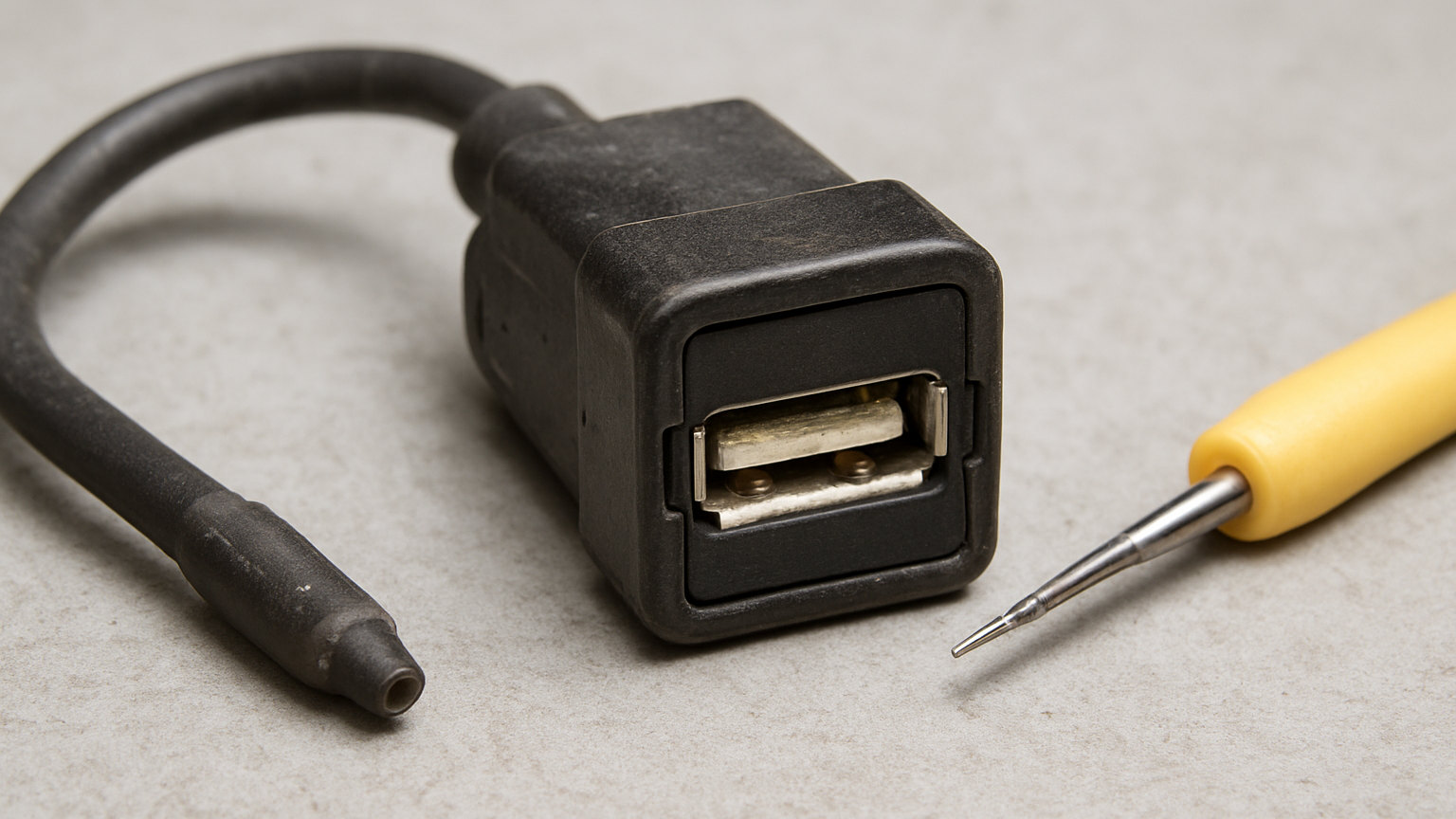
Many car USB ports are designed for data rather than fast charging, so a phone charging slowly is often the port working as intended.
By Car Problems Team
21 Mar 2026

The faults in this section rarely stop the car, which is exactly why they get ignored until they are expensive. A damp footwell is a blocked drain today and a corroded loom in a year; a heater blowing cold in January is sometimes a stuck thermostat and sometimes the first sign of a cooling system losing coolant. These guides cover the cabin and the bodywork - heating and air conditioning, windows, doors and locks, water leaks, the screen and speakers, and rust - with the cheap checks first and the honest answer on what is worth repairing.
Many car USB ports are designed for data rather than fast charging, so a phone charging slowly is often the port working as intended.
Water in the back of the car usually arrives from a rear door drain, a sunroof tube or a pollen filter overflow travelling under the carpet.
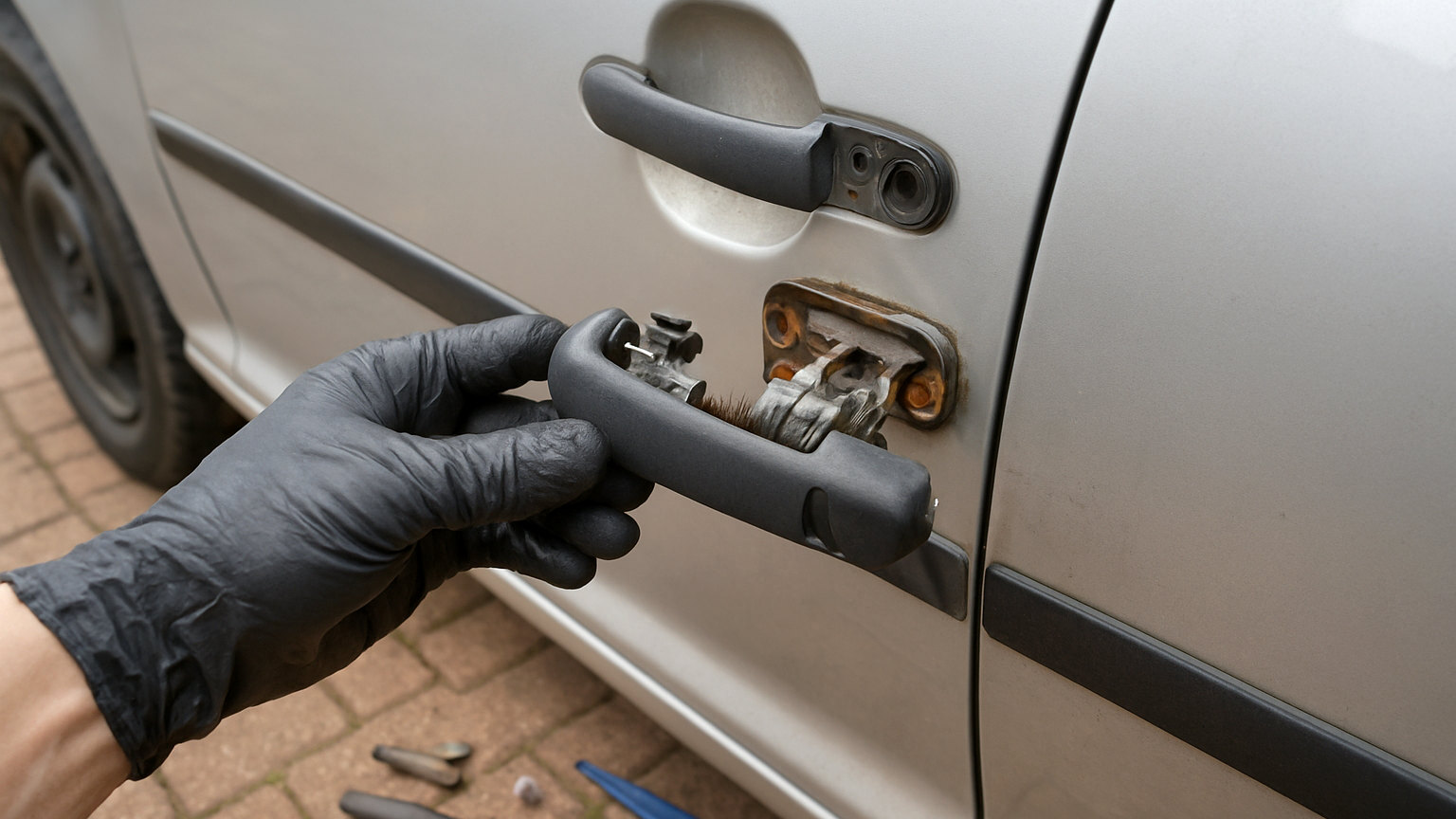
Exterior handles are often plastic with a metal insert, and it is the insert or the return spring that usually breaks rather than the handle.
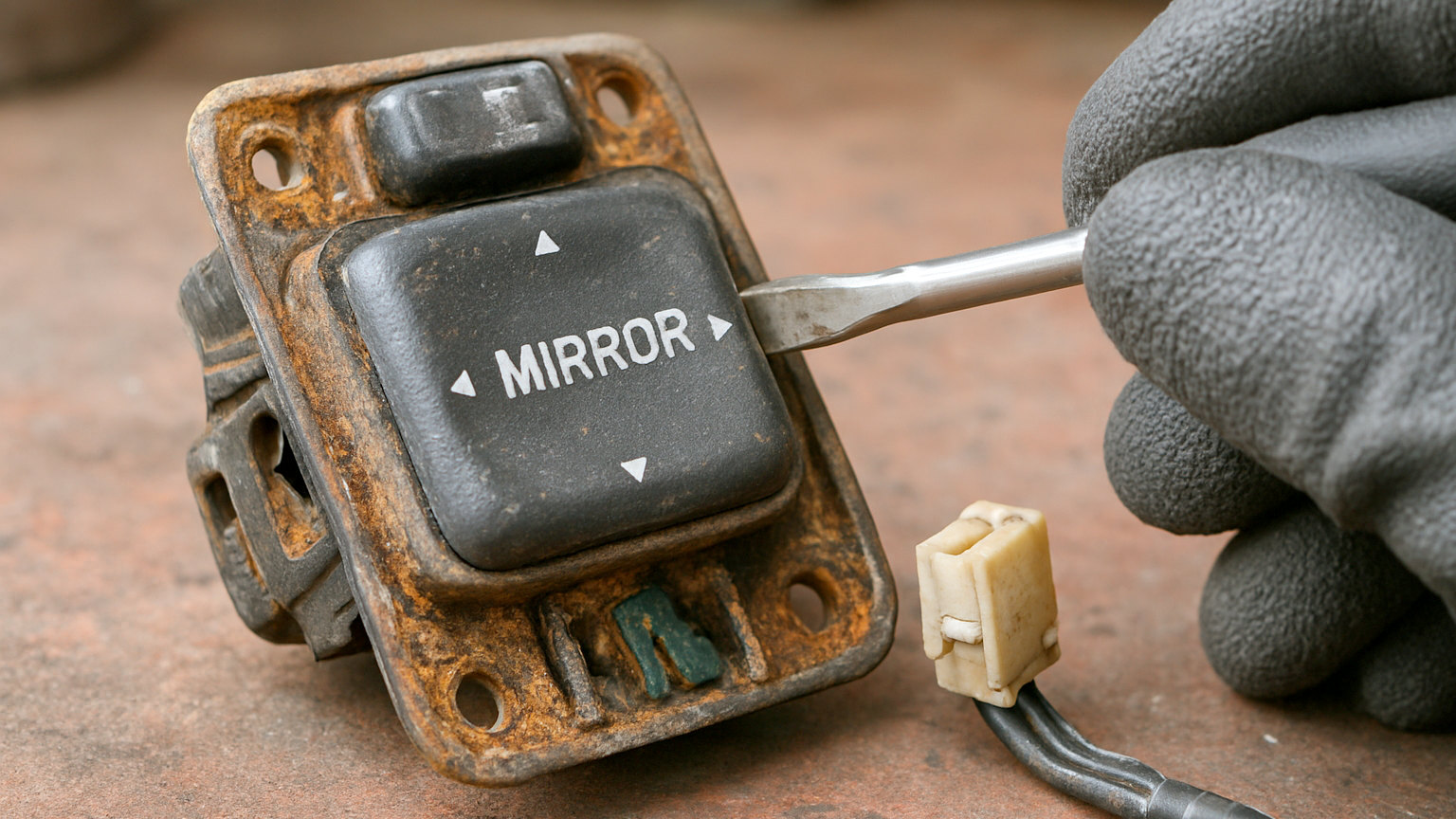
Mirrors contain two small motors and a selector switch, and the switch fails more often than either of the motors.
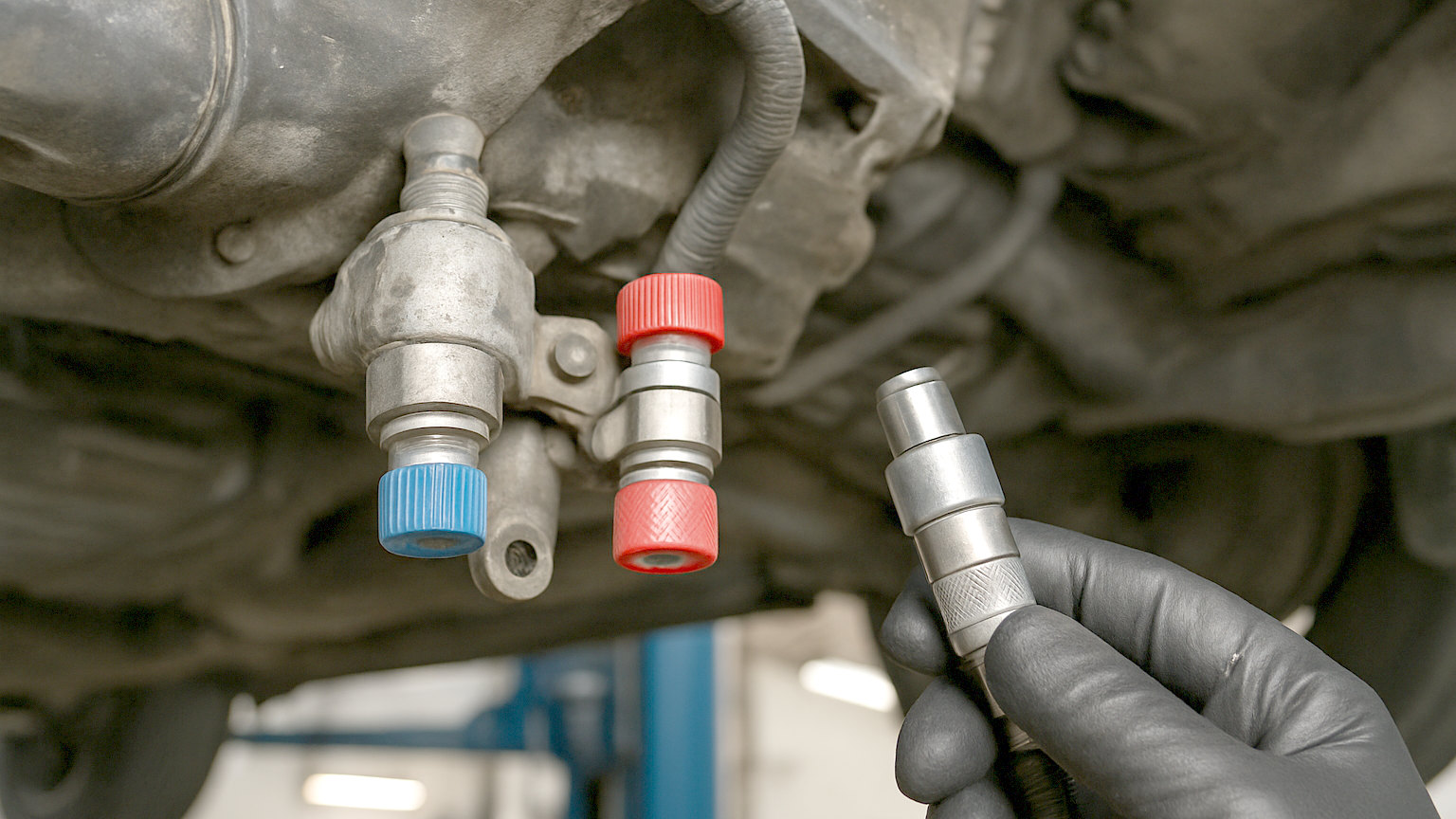
Newer cars use a different refrigerant with a far lower environmental impact, and it costs considerably more to replace.
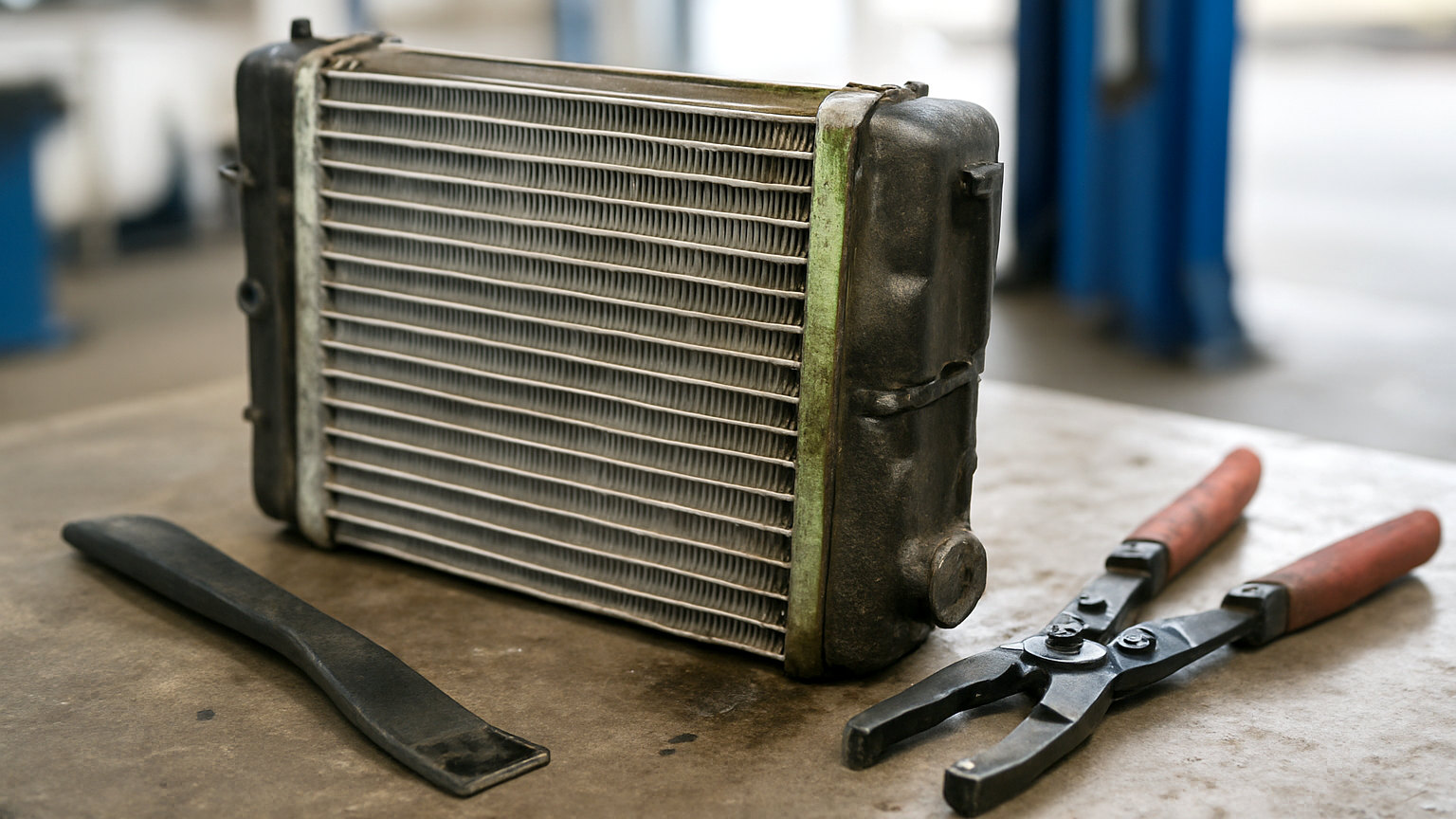
A sweet syrupy smell in the cabin is coolant, and coolant inside the car means the heater matrix is leaking.
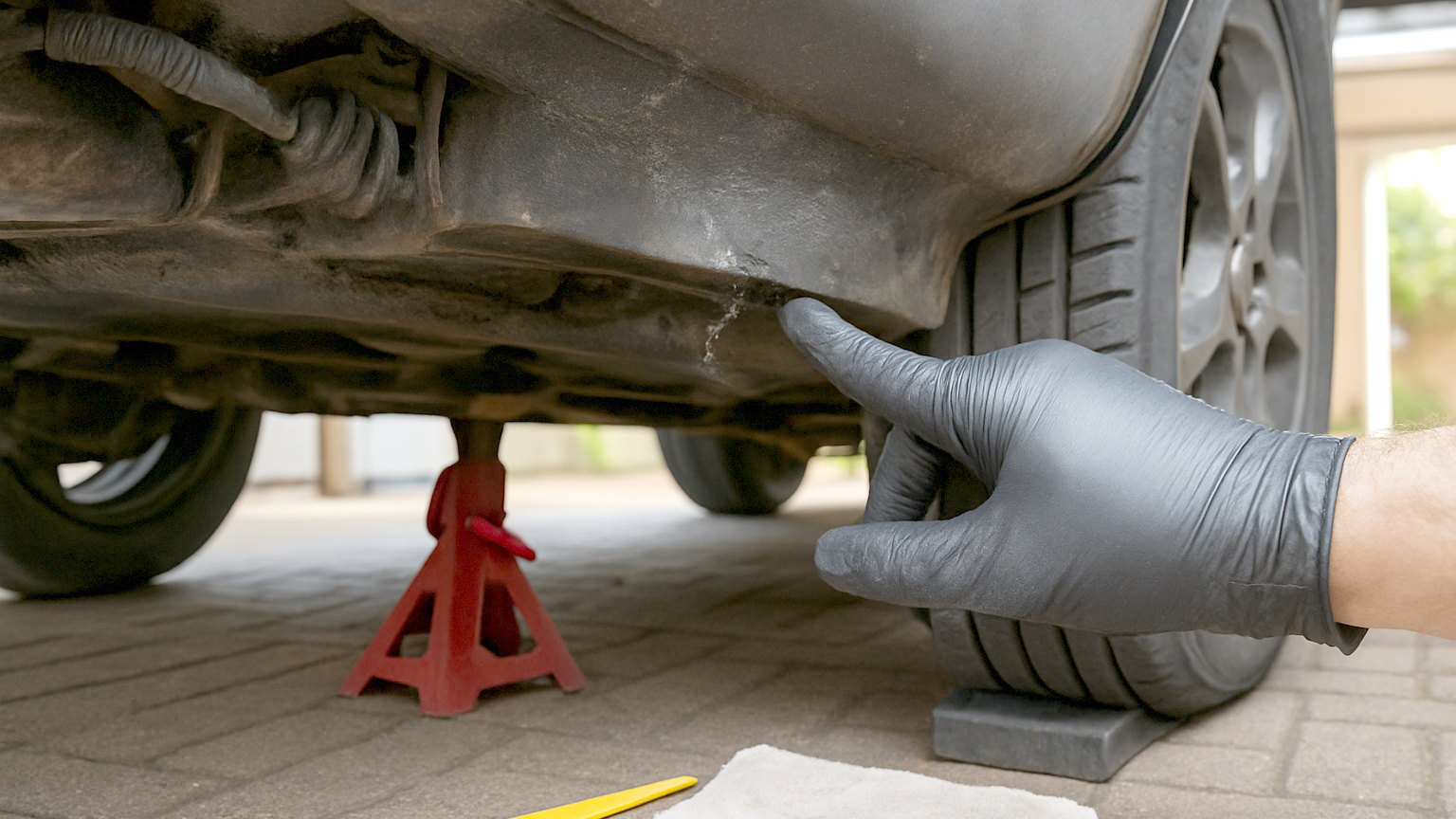
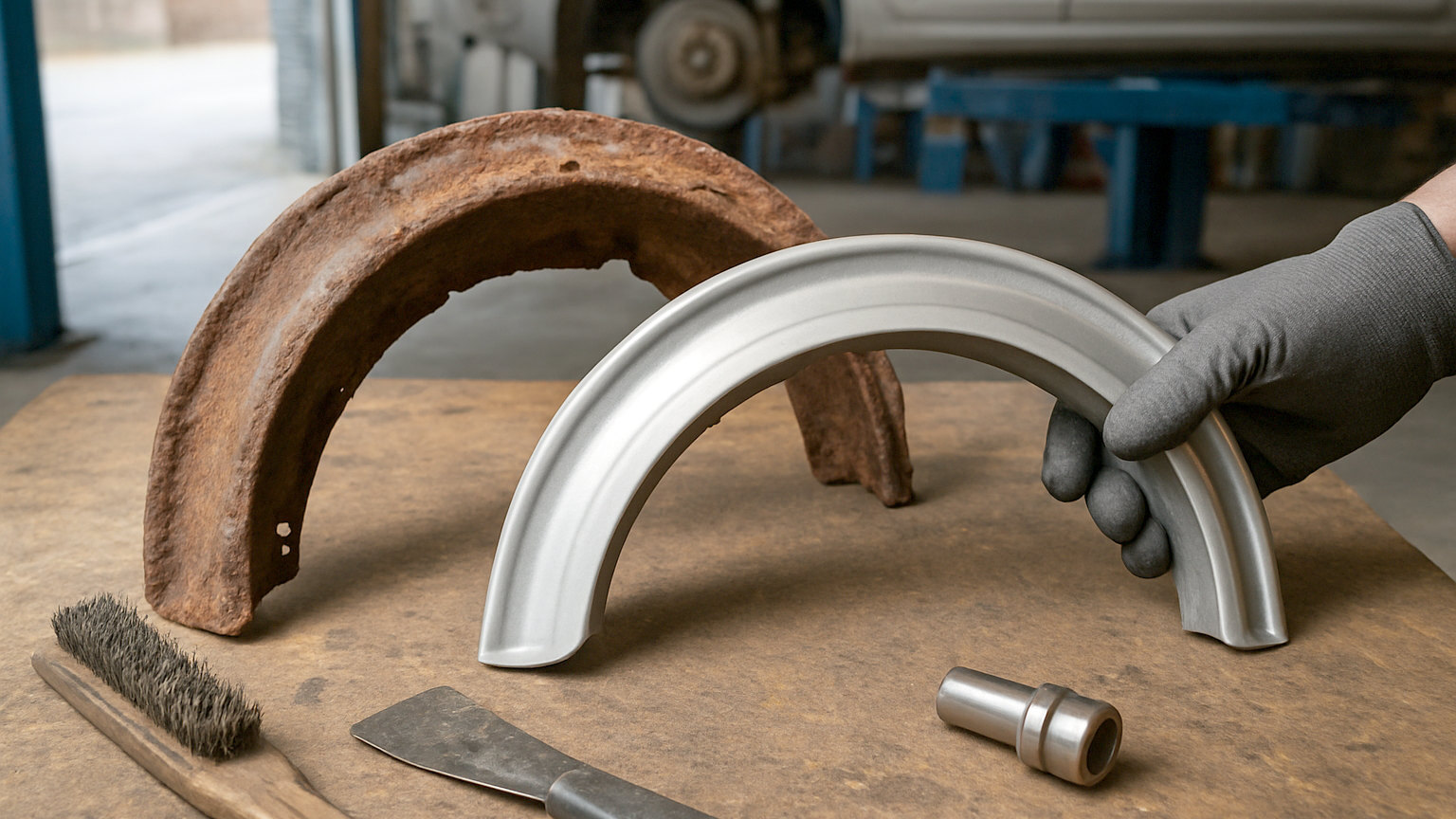
Arches take constant blasting from grit and salt thrown by the tyres, and the folded lip traps everything the wheel throws at it.
Wired connections fail because of the cable far more often than anything else, and wireless ones fail because of interference or a phone update.
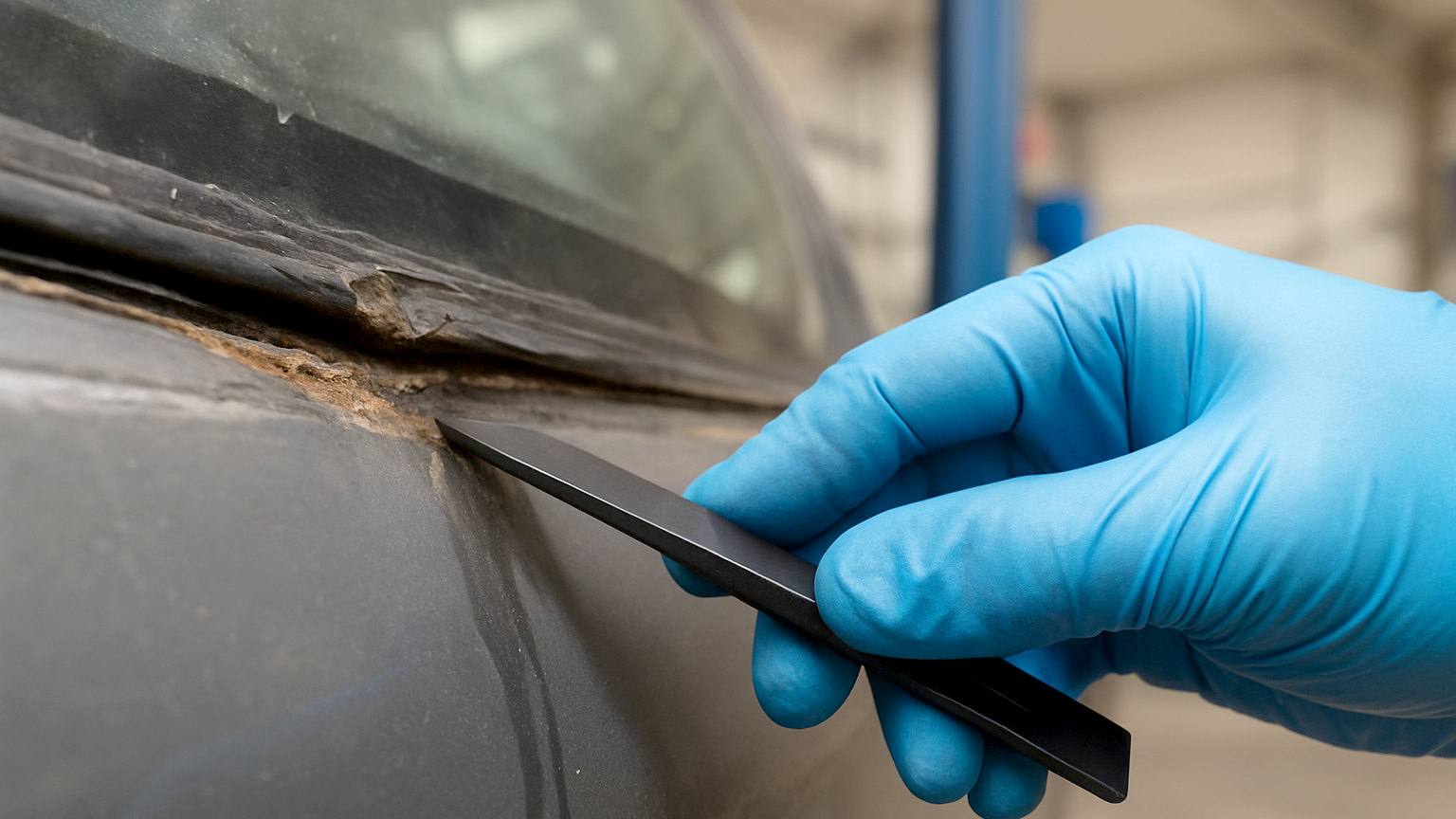
Modern screens are bonded rather than sealed with rubber, so a leak usually means the bonding has failed or corrosion has started beneath it.
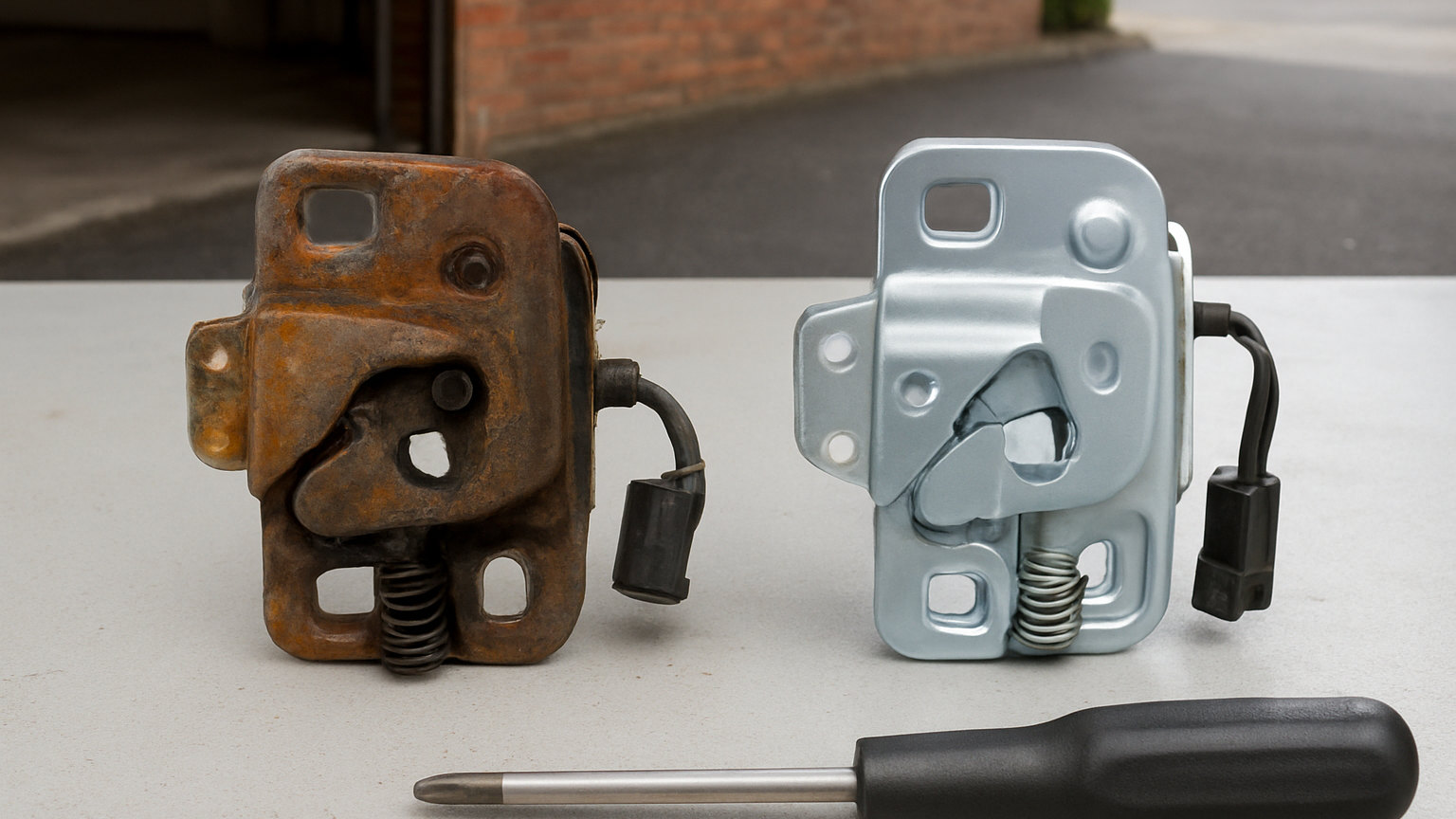
The latch holds the door shut against the striker and contains the locking motor, which is why one component causes so many symptoms.